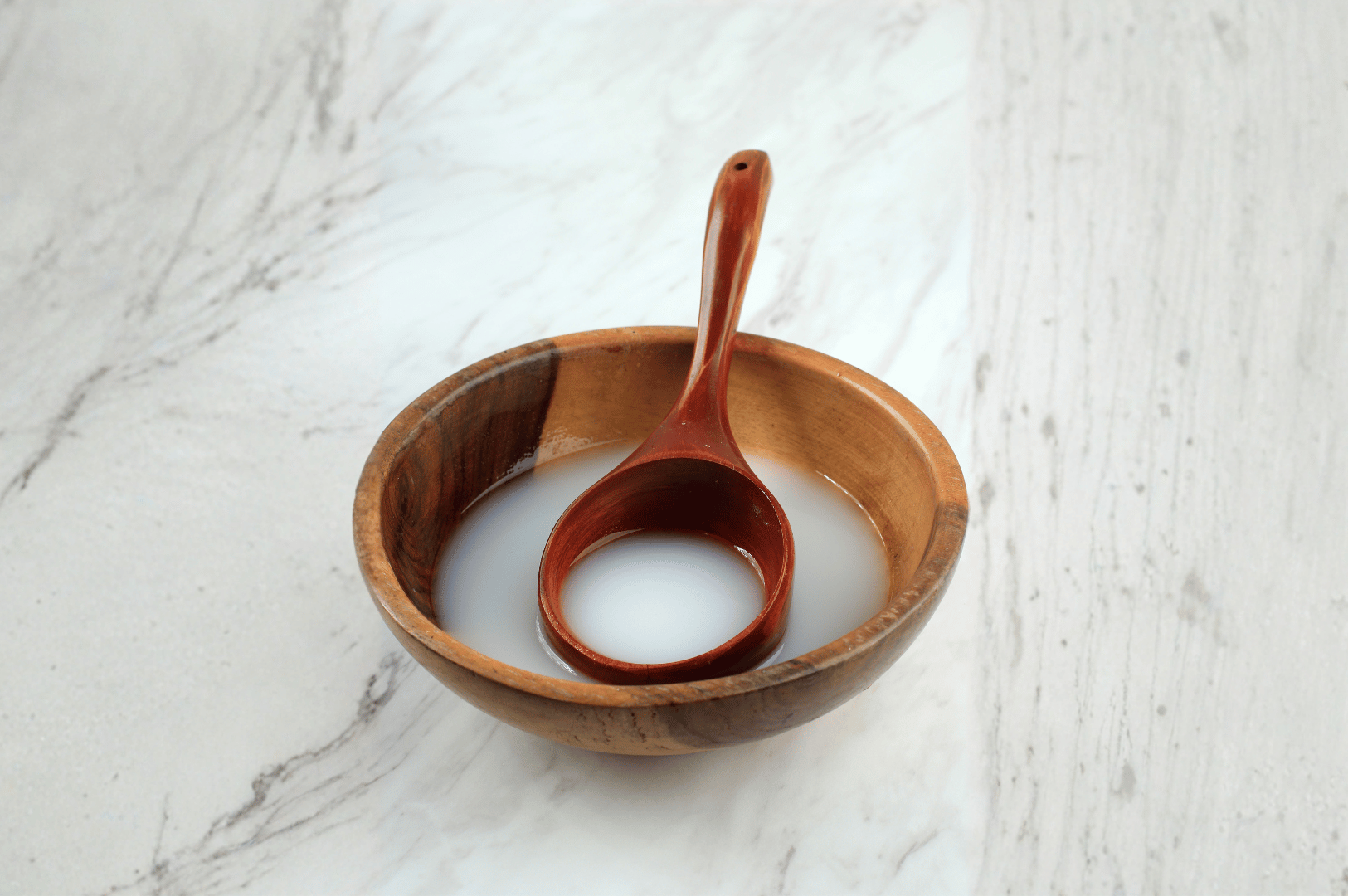
In the vibrant world of Korean food, beyond the fiery spice of gochujang and the savoury comfort of bulgogi, lies a gentler, more subtle delight. Meet traditional Korean sikhye (식혜), a beloved Korean sweet rice punch that holds a special place in the nation’s heart. With its cloudy, amber hue and delicate sweetness, this drink is a cornerstone of Korean culinary heritage.
You’ll find it served in a small bowl, often as a sweet conclusion to a meal or as a refreshing pause in the day. Characterised by soft grains of Korean rice floating gently within, this beverage offers a unique taste of history, tradition, and the art of fermentation.
Traditional sikhye is typically made with short-grain white rice for its authentic flavor and texture; while brown rice can be used, it produces a different taste and consistency. It’s a true celebration of flavours and a must-try for anyone exploring Korean recipes.
A Sip of History: The Story of Sikhye
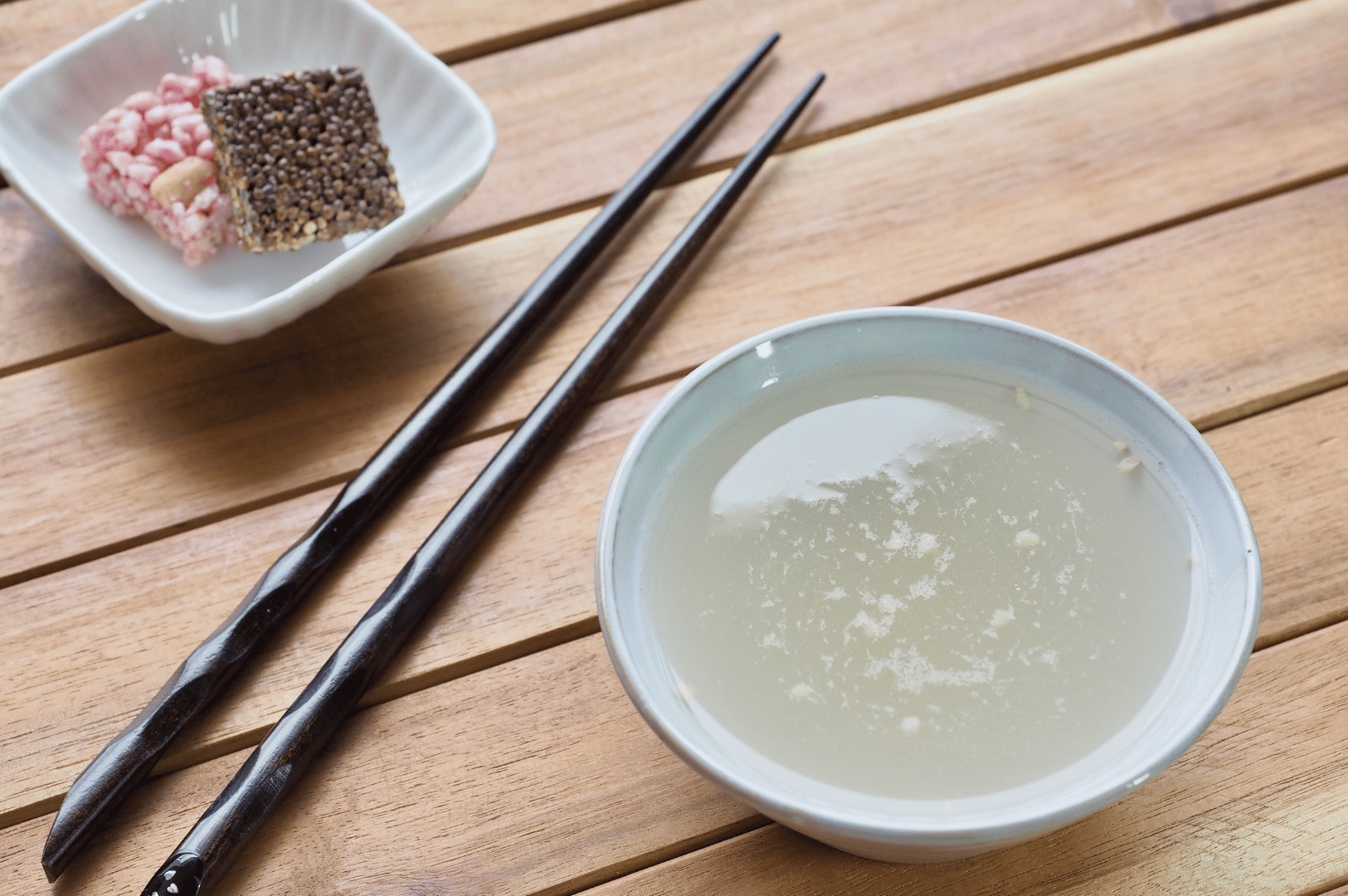
The origins of sikhye are woven deep into Korea's agricultural past. While its exact beginnings are ancient, the drink as we know it gained prominence during the Joseon Dynasty. It was a drink for royalty and commoners alike, cherished for its pleasant flavour and digestive qualities.
Before refined sugar became common, Koreans mastered creating sweetness from grains. This fermented rice beverage was a testament to that ingenuity, using the natural power of barley malt to transform humble sweet rice.
Sikhye became particularly essential during major Korean holidays like Seollal (Lunar New Year) and Chuseok (Harvest Festival). After large, indulgent feasts, a bowl of this Korean sweet rice drink was served to aid digestion, a tradition that continues to this day. Its role in these celebrations cemented sikhye as a drink of wellness, community, and festive cheer.
The Magic of Malt: How Traditional Sikhye is Made
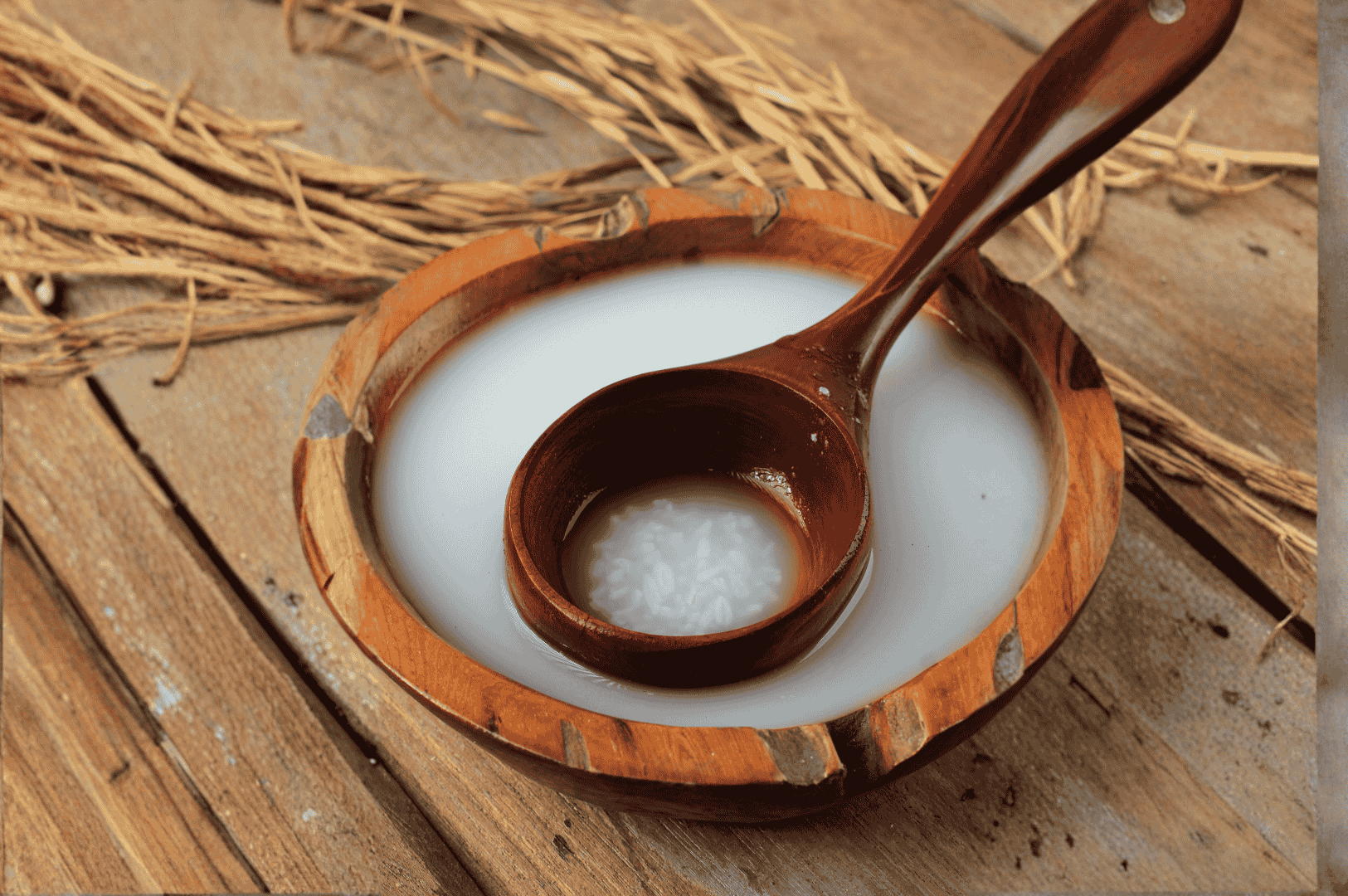
Crafting authentic sikhye is a lesson in patience and food science. The process relies on the natural enzymes in malted barley to convert the starch in cooked rice into sugar. The primary ingredient is malted barley flour, often sold as coarse malted barley. The traditional method unfolds in careful steps.
First, the barley malt is mixed with warm water in a large bowl to create a milky liquid. This is the malt water. It’s crucial to let the malt water sit so any sediment can settle. The clear malt liquid is then gently poured off, leaving the dregs behind. This strained malt water is the key to the whole process.
Next, this precious liquid is combined with freshly steamed rice—typically cooked short grain rice—in a large pot. For sikhye, cooking rice with less water is important to achieve a drier, non-sticky texture; use a slightly reduced water ratio when cooking short grain rice to ensure the grains remain separate and ideal for this recipe.
The mixture is kept at a constant warm temperature, often using a rice cooker on its ‘keep warm’ setting. At this temperature, the enzymes in the malt barley water begin their work. Over several hours, they break down the starches in the rice, creating a natural, clean sweetness.
The sign of success is seeing rice grains floating to the surface. Once there is significant rice float, the process is nearly complete. Finally, the liquid is boiled briefly, often with a little sugar for more flavor, to stop the enzymatic reaction. After cooling, it is ready to be served.
A Drink for All Seasons
Sikhye is a wonderfully versatile drink, enjoyed year-round with adaptations that suit each season.
Spring's Gentle Welcome
As cherry blossoms blanket the country, sikhye offers a light, refreshing counterpoint. Its clean, sweet taste feels like a perfect pairing for spring picnics, complementing the delicate flavours of the season's fresh vegetables and heralding the end of winter.
Summer's Ultimate Cooler
In the sweltering Korean summer, nothing beats an ice-cold bowl of sikhye. It's the quintessential drink at jjimjilbangs (Korean bathhouses), providing instant, hydrating relief after a hot sauna. Many enjoy it as a sikhye slush, a partially frozen treat that is incredibly refreshing. As a Korean sweet rice punch, it's a far more wholesome choice than sugary sodas.
Autumn's Harvest Bounty
Fall brings Chuseok, the harvest festival. Sikhye made with the season's new rice crop is an essential part of the celebration, symbolising gratitude and abundance. It’s the perfect digestif after a large holiday meal, allowing families to relax and savour their time together.
Winter's Warm Embrace
While often served cold, sikhye can also be enjoyed warm during the cold winter months, especially around Korean holidays. Some variations include a few ginger slices or a hint of cinnamon, transforming it into a comforting, spiced beverage that warms you from the inside out.
Regional Twists and Variations
Like many Korean recipes, sikhye has fascinating regional differences. The most famous is Andong Sikhye, which is a startling departure from the sweet version. It’s a savoury, spicy, and tangy concoction with a reddish hue from red chilli powder, often containing radish and ginger slices.
You might also find hobak-sikhye (pumpkin sikhye), where sweet pumpkin is added for a vibrant colour and earthy sweetness. In some areas, dried jujube is added to the drink for a decorative touch and subtle fruity note. These local variations are often found at traditional korean markets.
The Healthful Qualities of Sikhye
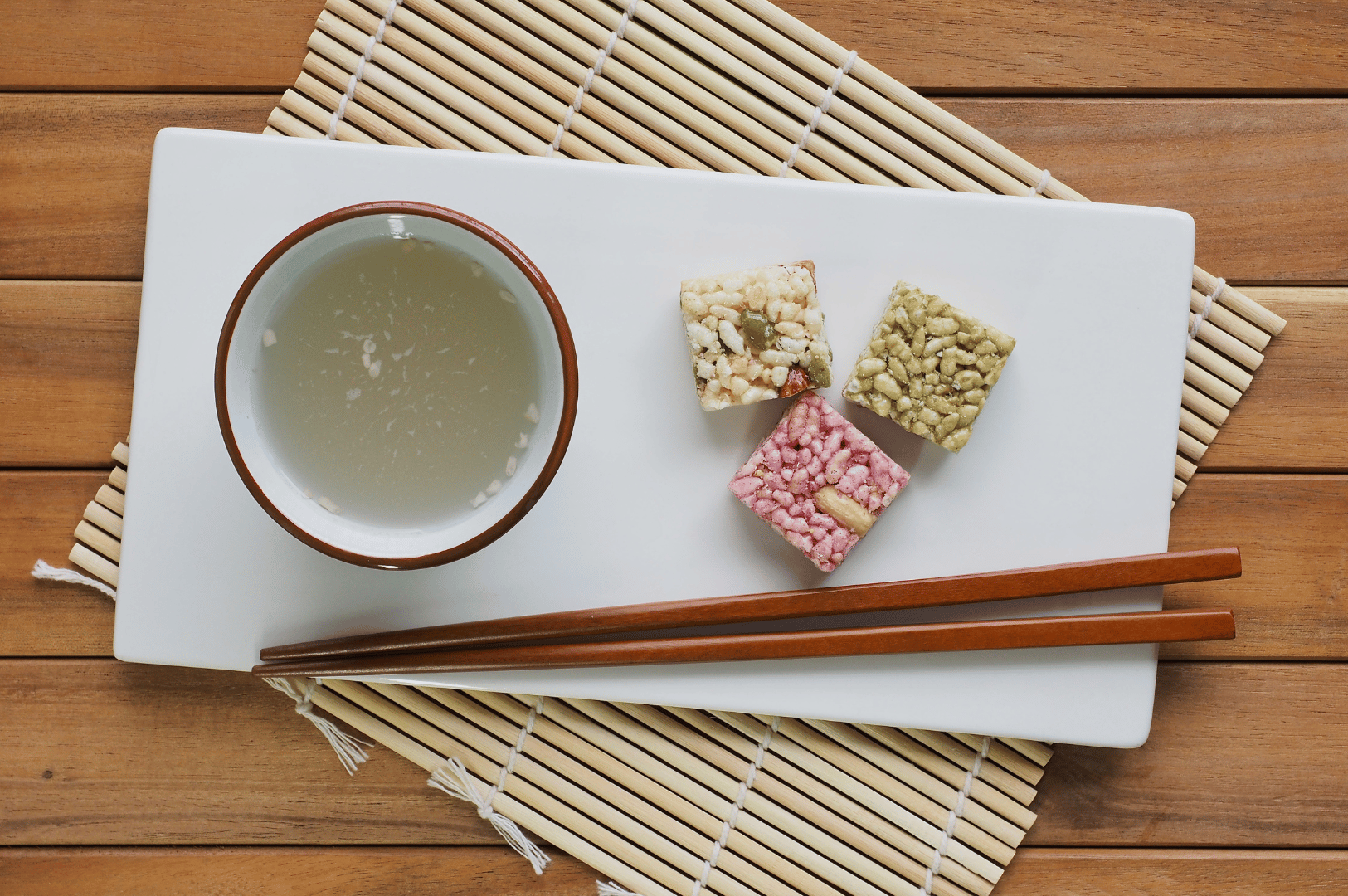
In traditional Korean medicine, sikhye is valued for more than just its flavour. Its primary benefit is aiding digestion, thanks to the amylase enzymes that help break down carbohydrates. This is why it’s a post-feast staple. The soft rice grains provide dietary fibre, and the natural sugars offer a gentle energy boost.
While traditional sikhye contains natural sugars, it is a much healthier alternative to drinks made with large amounts of refined sugar water.
Modern Interpretations and Availability
The homemade version of sikhye is a treasure, but today this classic rice drink is also experiencing a modern revival. You can easily find canned sikhye in most korean markets and korean grocery stores worldwide. Contemporary cafes in Seoul are getting creative, offering sikhye-flavoured ice cream, lattes, and even cocktails. These innovative takes introduce the classic taste of traditional Korean sikhye to a new generation, proving its timeless appeal. Making a batch at home allows you to control the sweetness and appreciate the difference compared to commercial versions, which often contain more sugar.
Your Guide to Making Homemade Sikhye
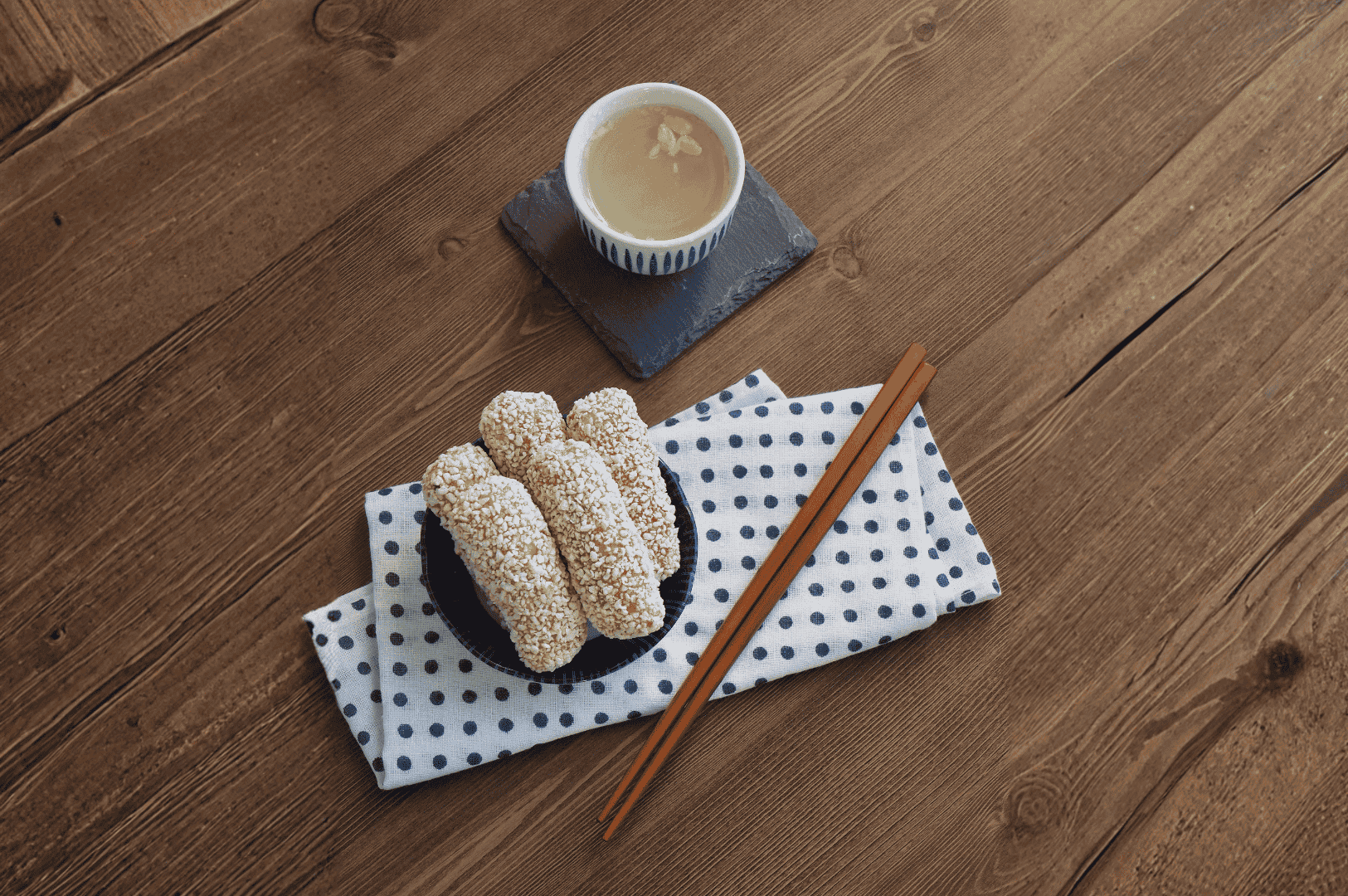
Making homemade sikhye is a rewarding project. With modern tools like an Instant Pot or slow cooker, it’s easier than ever to follow this traditional sikhye recipe.
Ingredients:
- 1 cup short grain rice (to make about 3 cups of cooked rice)
- 200g malted barley flour
- 12 cups cold water
- ½ cup sugar (or to taste)
- A few pine nuts or jujube slices for garnish (optional)
Instructions:
- Prepare the Malt Water: In a large bowl, combine the malted barley flour with 8 cups of lukewarm water. Gently massage the mixture with your hands for about 5 minutes to release the milky water. Let the malt water sit for at least an hour.
- Strain the Liquid: Carefully gently pour the clear liquid into your Instant Pot or large pot, leaving the white sediment behind. You can pour it through a fine sieve or cheesecloth to ensure no sediment remains. You can also reserve any remaining liquid for later use if desired.
- Combine and Warm: Add your cooked short grain rice to the pot with the strained malt water and give it a good stir. If your rice is clumpy or you are using drier rice, break it up.
- Ferment: Set your Instant Pot to the “Keep Warm” function (yogurt setting also works) for 4-6 hours. If using a pot on the stove, maintain a low temperature (around 60°C) over medium heat, ensuring it does not boil.
- Check for Floating Grains: The process is complete when you see a good amount of floating rice grains. When about 3 or 4 rice floats to the top, it is a sign that fermentation is complete.
- Boil and Sweeten: Transfer the liquid to a large pot on the stove if using an Instant Pot. Add the remaining 4 cups of fresh water and the sugar. Bring to a boil over high heat and cook for 10 minutes, skimming any foam. Remove the floating grains with a fine strainer and set them aside to add back to the drink when serving, if desired.
- Cool and Serve: Let all the liquid cool completely, then refrigerate until chilled. Serve in a bowl with the reserved rice grains and a garnish of pine nuts.
A Sweet Taste of Korean Tradition
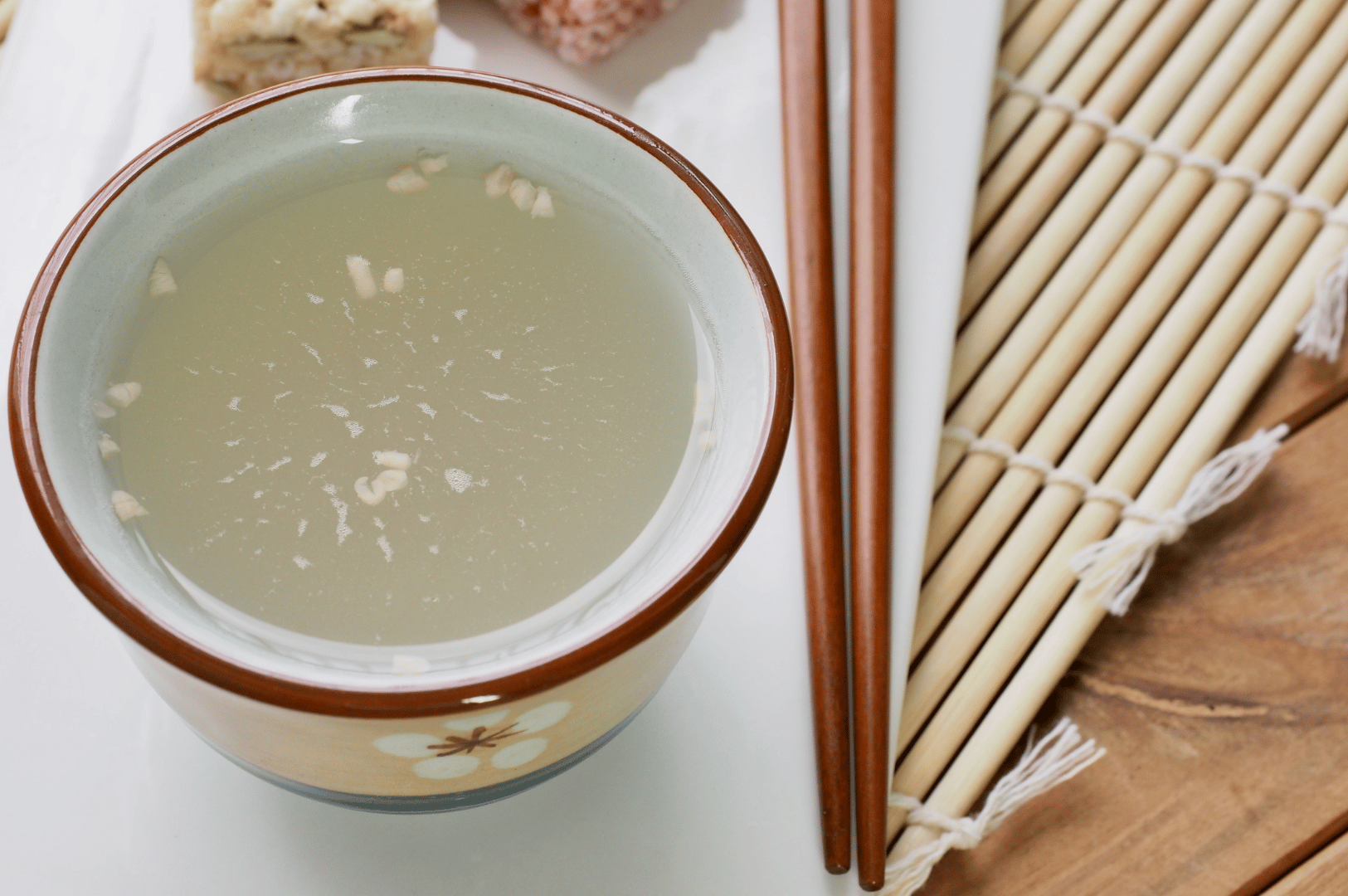
Sikhye is a living piece of drinks cuisine and a symbol of Korean ingenuity. The homemade version is a culinary journey that connects you to centuries of tradition.
From its role in celebrating Korean holidays to its modern revival in trendy cafes, this Korean sweet rice punch remains a beloved source of comfort and refreshment.
We encourage you to explore the world of Korean recipes by trying this one at home or seeking it out at a local market. Every sip is a shared experience, a taste of a culture's enduring legacy.
To continue your culinary exploration, discover why Jeonju is celebrated as Korea’s culinary capital or learn more about communal dining traditions across Asia that bring people together through food.

The Last Turn of Tamagoyaki in a Tsukiji Pan
Dio Asahi | October 7, 2026
By Dio Asahi for Eat Drink Asia. It’s mid-morning, and the cook doesn’t look up. He stands over a rectangular pan, copper worn to a dull gold at the edges, and pours a thin skin of beaten egg across its surface. It hisses. Steam rises, warm and faintly sweet, and he tilts the pan just…
-
Seafood Restaurants in Singapore That Turn Crab Night Into a Full Table Ritual
Dio Asahi | October 6, 2026
It always starts the same way for me. Someone lifts the lid off a plate of chilli crab, and the whole table leans in. Fingers reach before spoons do. Somebody tears the first piece of fried mantou, drags it through that sticky, sweet-savoury sauce, and the rest of us stop talking for a second. That…
-
Korean Street Food Is Built for Movement, Heat, and One-Handed Eating
Eda Wong | October 3, 2026
The first time I ate tteokbokki in Seoul, I burned my tongue standing up. It was late, the air was sharp with cold, and I had stopped at a small street food stall near a subway exit because the steam pulled me in. The woman handed me a paper cup of rice cakes in red…
-
Mrs Pho and the Bowl That Makes Somerset Feel Like a Vietnamese Family Table
Eat Drink Asia Team | October 1, 2026
I wasn’t hungry when I walked into 313@somerset. I’d come for something else entirely; an errand, a shop I needed, the usual Orchard rush of people moving faster than the escalators. But somewhere on the first floor, past the noise, I caught the smell of star anise and beef bone, and my feet slowed down…
-
The Carving Knife at Colony, and the Way We Mark What Matters
Eda Wong | September 30, 2026
By Eda Wong for Eat Drink Asia. It’s late morning, and the light is doing most of the work. It pours through the high windows of Colony, at The Ritz-Carlton, Millenia Singapore, spilling across white tablecloths and the vintage prints on the walls. Marina Bay hums somewhere outside, but in here the room feels a…
-
Co Chung Vietnamese Restaurant and the Gỏi Cuốn That Makes Fresh Herbs Do the Work
Dio Asahi | September 29, 2026
I found it by accident, the way you find most things in a mall basement. I’d come down to Plaza Singapura’s B2 for something else entirely, drifting past the usual food-court noise, when I caught the smell of star anise and beef bone coming from a corner. I followed it. And there it was —…
-
Vietnamese Spring Roll: The Recipe That Only Works When the Herbs Stay Awake
Eda Wong | September 26, 2026
Fresh Vietnamese spring rolls, or gỏi cuốn, look delicate, but the recipe is really about control: barely softened rice paper, dry herbs, restrained noodles, clean protein, and a dipping sauce sharp enough to wake the whole thing up. This is not the fried version, chả giò or nem rán. This is the cool, translucent, herb-heavy…
-
Best Steakhouse Singapore: From Fire-Kissed Icons to Old-School Beef Plates
Eat Drink Asia Team | September 24, 2026
I didn’t set out to write about steak. It started with a bad day and a craving for something that pushed back when I bit into it. One dinner turned into a habit, and over a couple of years I found myself at counters, coffeeshops, and dining rooms all over this island, chasing the same…
-
The Ice Counter at Carousel, and the Table Everyone Can Reach
Dio Asahi | September 23, 2026
By Dio Asahi for Eat Drink Asia. It’s a Saturday evening, and someone across the room is carrying a birthday cake. The candles are lit, the walk is careful, and a whole table turns to watch. Plates clink. A child laughs somewhere. The room at Carousel, inside Royal Plaza on Scotts, isn’t quiet — it…
-
Tiong Shian Porridge Centre Review: The Soft Counterweight to Chinatown’s Crisp Toast
Dio Asahi | September 22, 2026
I’d spent the morning with kaya toast. Crisp bread, cold butter, the clean snap of it between my teeth. Good, all of it. But by the time I’d walked a few streets over to New Bridge Road, my mouth wanted the opposite. Something warm. Something that gave way instead of shattering. That’s how I ended…