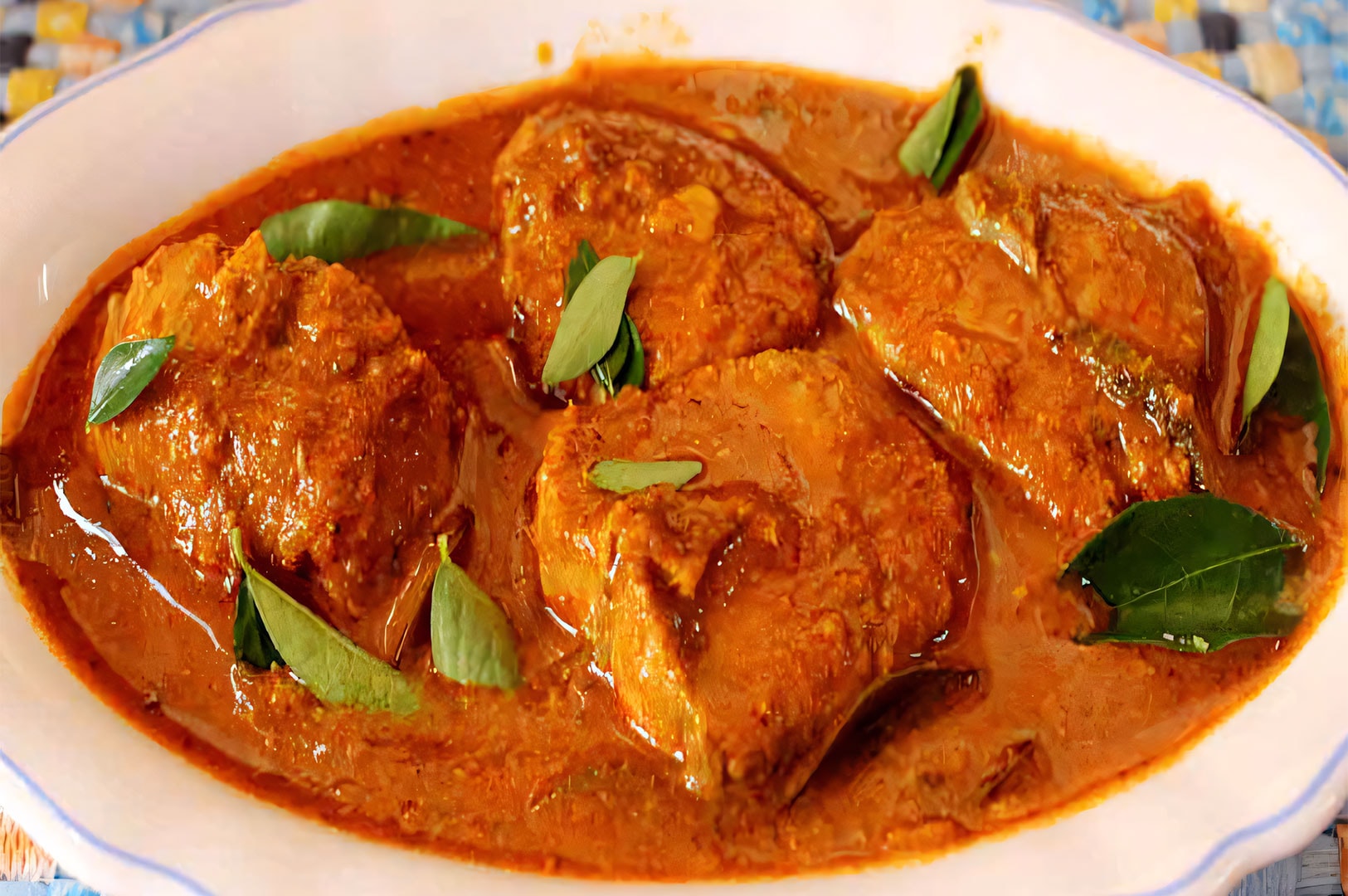
Along India’s vast and vibrant coastline, stretching over 7,500 kilometers, the sea offers its generous bounty to a cuisine renowned for its regional variations. Nowhere is the diversity of the Indian subcontinent more deliciously expressed than in a humble bowl of fish curry.
Through this article, we’ll journey across India’s coasts and kitchens, exploring the aromatic spices, signature techniques, and treasured traditions behind one of the most celebrated Indian dishes—all while highlighting what makes fish curry an irreplaceable pillar of Indian cuisine.
Why Fish Curry is Among the Best Food in India
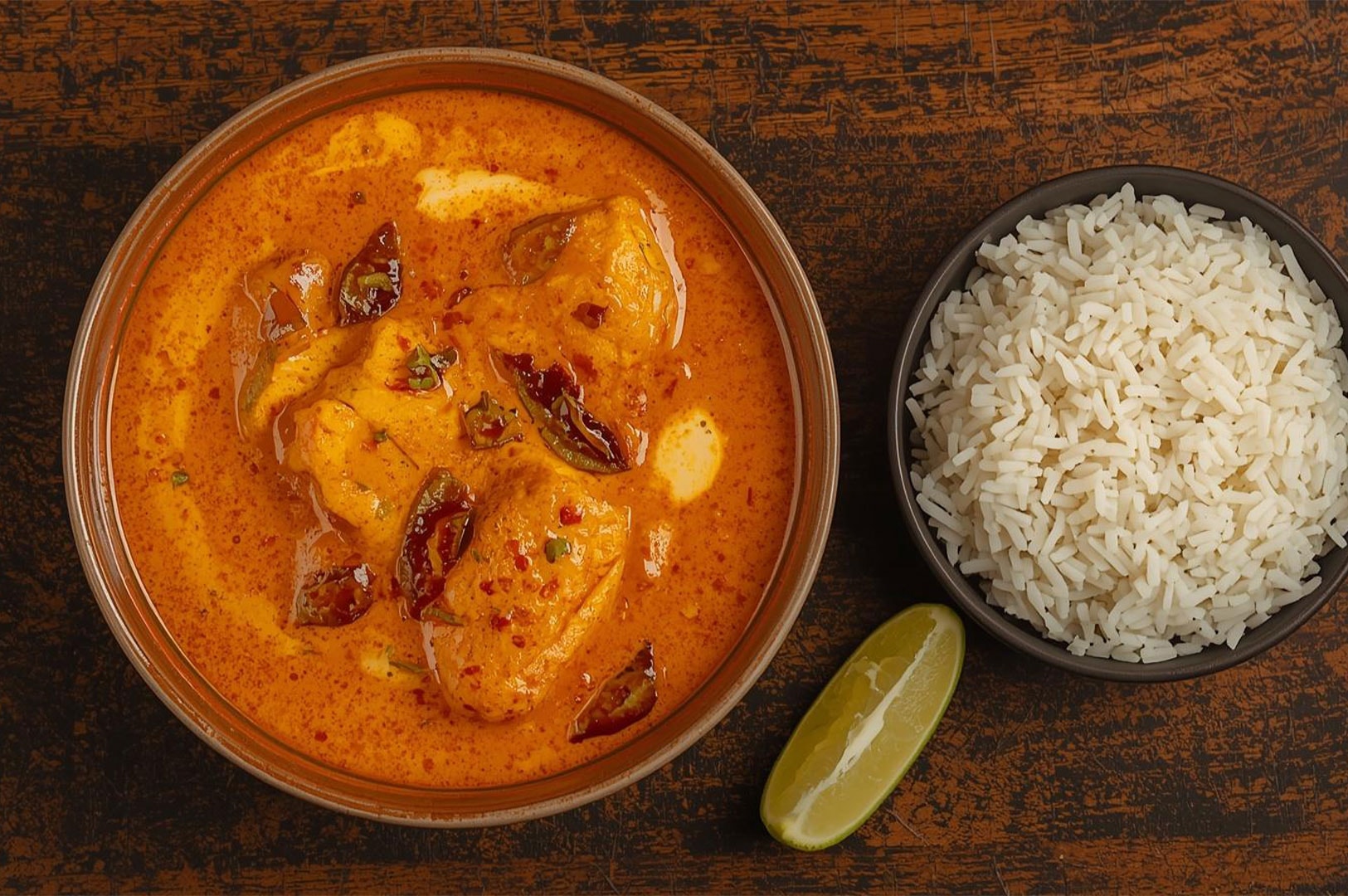
What sets fish curry apart is not only its comforting flavors but also its enduring presence in Indian culture. For generations, fish curry has been enjoyed by fishermen, families, and foodies alike. The dish originated as a way for coastal communities to celebrate the region’s rich catch, and today it holds pride of place among classic Indian dishes that define family meals and festive tables.
Nutritionally, fish curry offers a healthy balance of lean protein, essential fatty acids, and vitamins, especially when made with coconut milk or fresh tomato. The combination of aromatic spices—like turmeric, garam masala, coriander seeds, and ginger powder—along with local ingredients like tamarind or fresh curry leaves, creates a dazzling spectrum of flavor. The inclusion of sour flavors from ingredients such as tamarind or raw mango adds a tangy note that balances the spicy, salty, and savory elements, resulting in the complex and harmonious taste that defines great fish curry.
A Journey Through India’s Regional Fish Curries
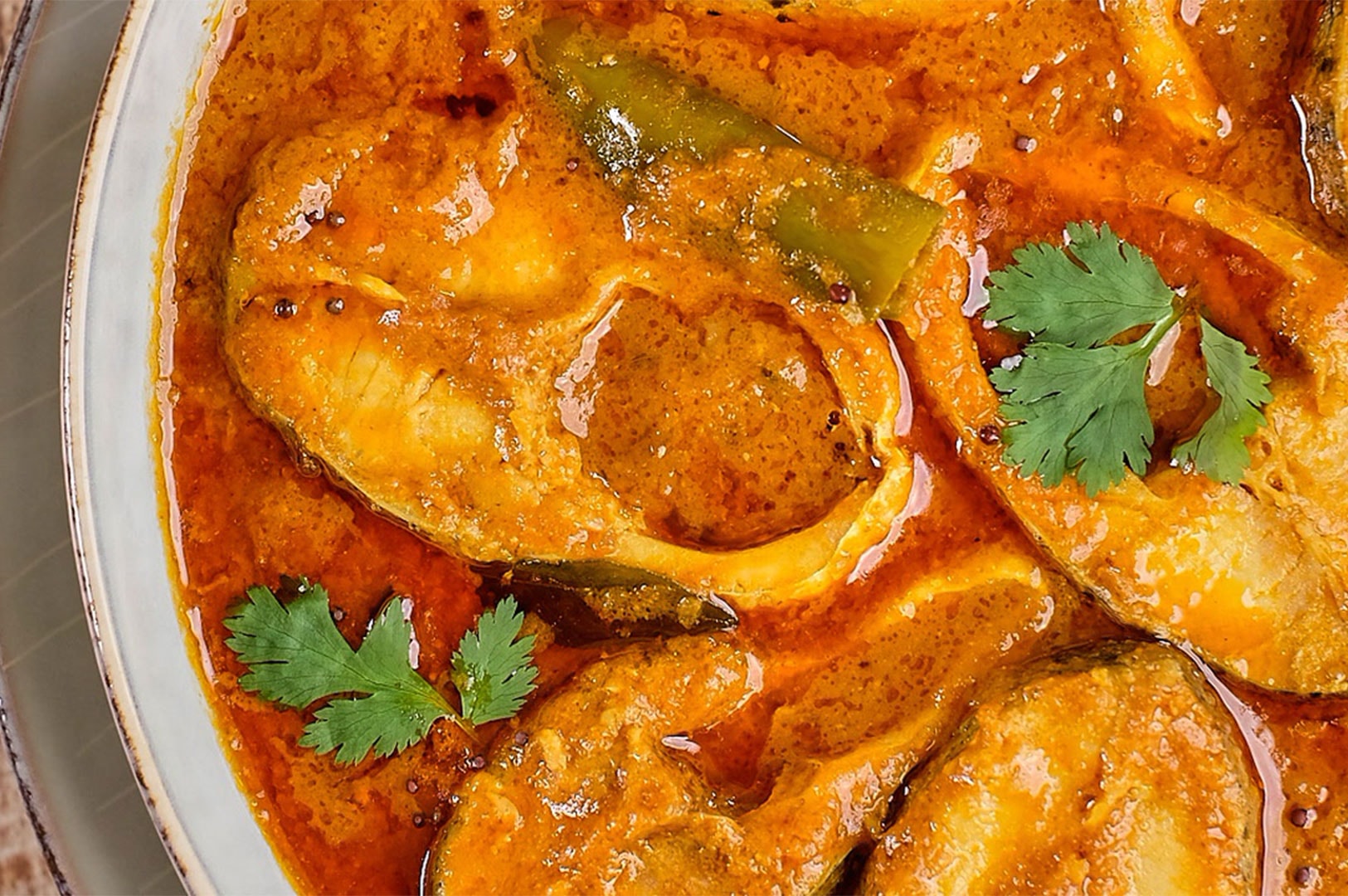
If there’s one dish that embodies the rich tapestry of regional Indian food, it is fish curry. Each region puts its own poetic spin on this rice dish, distinguished by local produce, indigenous spices, and generations of know-how.
Indian cuisine is incredibly diverse, with each region offering unique flavors and specialties. For example, Kashmiri cuisine is renowned for its aromatic spices and signature dishes like Rogan Josh, which showcase the region’s distinctive culinary traditions.
Bengali Fish Curry (Macher Jhol)
In North India’s Bengal, Macher Jhol reigns supreme—a light, almost soupy fish curry often paired with steamed rice. Using mustard oil and a unique blend of spices, each batch is traditionally cooked with turmeric, coriander seeds, and sometimes even potatoes. The gravy’s mildly spiced tomato sauce brings out the sweetness of river fish like rohu and hilsa, which are sometimes deep fried before simmering, resulting in layers of creamy texture and rustic depth. You might even find this curry served alongside mashed potatoes or boiled potatoes to soak up every drop of flavor.
Bengali cuisine is also known for its snacks like samosas, which often feature a savory filling made with spiced potatoes or ground chicken, offering a flavorful complement to main dishes like fish curry.
Goan Fish Curry with Coconut Milk
Travel down to West India and you’ll discover the iconic Goan fish curry, built around luscious coconut milk, fiery chili powder, tangy kokum or tamarind, and a robust masala. A distinctive tomato based sauce infuses the dish with a gentle spice and a signature color, resulting in a tangy, full-flavored curry typically eaten with steamed rice or sometimes rice flour flatbreads. The use of olive oil or local coconut oil gives the curry a smooth, subtle finish—a true taste of Goan cuisine and a best food in India standard.
Kerala Fish Curry (Meen Curry)
On the lush Malabar coast of South India, a region celebrated for its vibrant South Indian cuisine, Kerala’s Meen Curry is a masterpiece of aromatic spices, featuring a silky blend of coconut milk, sour raw mango or tamarind, and a punchy tempering of mustard seeds and curry leaves. Some families add fried shallots, others sprinkle ginger powder and a pinch of garam masala near the end. Fish like sardines or kingfish are either cooked directly in the sauce or deep fried first—a true showcase of traditional Indian food. This dish, with its slightly tangy and spicy notes, is a staple for both casual Indian meals and festive occasions.
Tamil Nadu Fish Curry
In Tamil Nadu, fish curry is all about the fire! Chili powder, tangy tamarind, and a base of garlic and chopped onions are simmered to yield a spicy, bright red gravy. Here, spices are typically roasted in a tandoor oven or clay pot and ground to a fine paste. Thinner in consistency, this curry is best enjoyed with boiled rice or soft, fluffy Indian breads—or, for breakfast, with a savory masala dosa or idiyappam (fermented rice noodles). The perfect comfort food for those who like a little heat in their Indian cuisine.
Mangalorean Fish Curry
From the coast of Karnataka comes Mangalorean fish curry, which emphasizes the sweet-sour interplay of red chiles, tamarind, grated coconut, and aromatic spices. The masala includes roasted gram flour or chickpea flour for body. Cooked with either sea or river fish, this curry boasts a bold, orange-red color and a creamy, tangy flavor profile. It’s sometimes served with local Indian breads or a fermented rice pancake—a breakfast dish as satisfying as any sweet dessert.
Konkani Fish Curry
On the Konkan coast, the fish curry changes from kitchen to kitchen. It might feature wet-ground coconut, a touch of sour kokum, garam masala, and a base of coconut milk or tomato based sauce. The result is a sauce with a creamy texture and a gentle, pleasing heat, always accompanied by steamed rice or rustic, whole wheat flour rotis. A dash of mustard seeds, a hint of curry leaves, and a shower of Indian spices complete this beloved dish.
Regional kitchens also serve playful versions: fried fish coated in gram flour or rice flour (a “deep fried snack”), street food stalls offering small portions for a quick bite, or innovative pairings with sides like spiced potatoes, mashed potatoes, or even vegetable curries. In many regions, vegetable curries are a common accompaniment to fish curry, highlighting their complementary roles in a typical meal. These variations are a testament to fish curry’s place among the most unique dishes in the spectrum of Indian food.
Key Ingredients That Define Indian Fish Curry
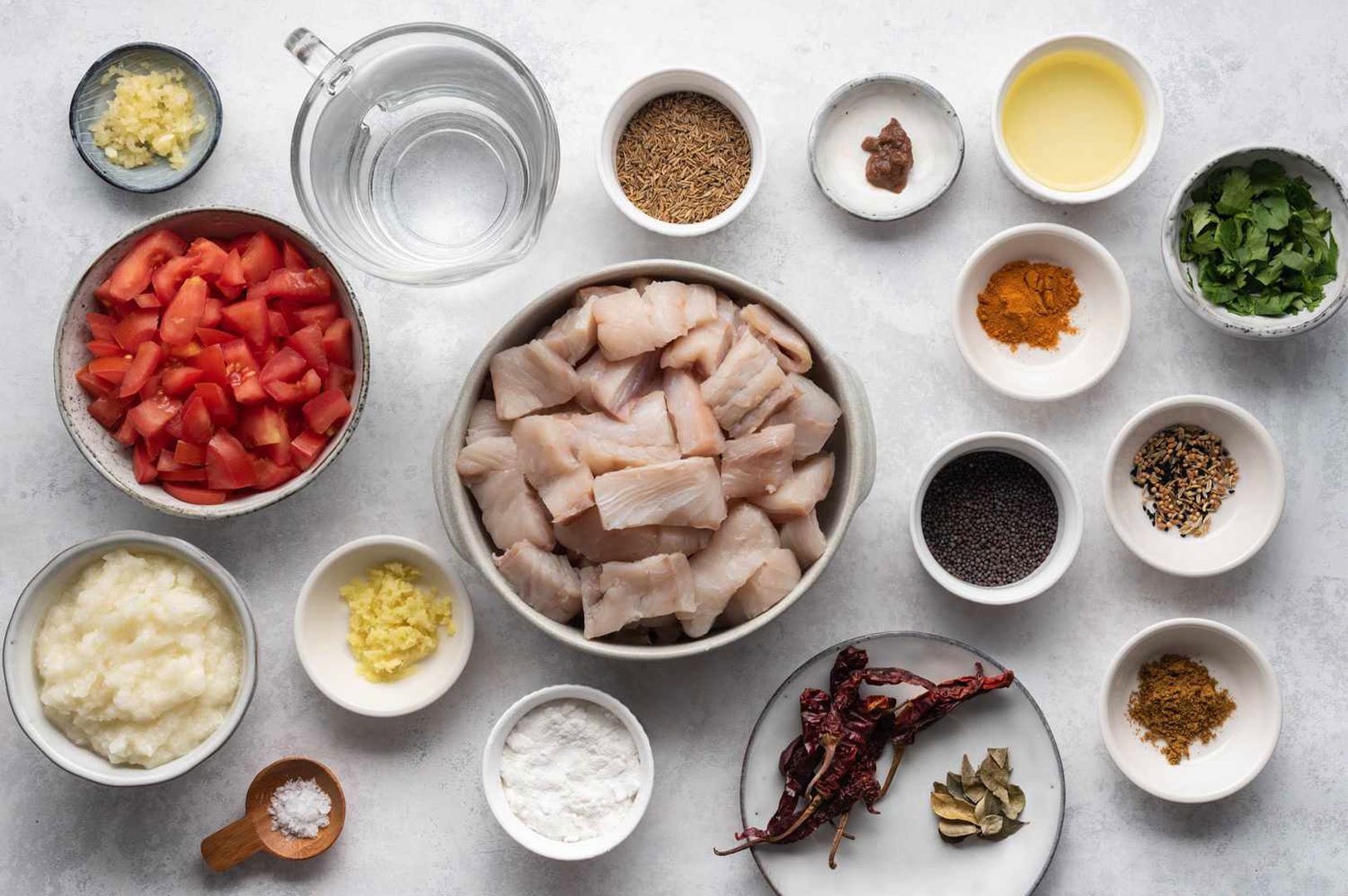
What makes a great fish curry stand out amid the landscape of rich curries and classic Indian dishes? Let’s look at the essentials:
- Aromatic Spices: Every region has its secret masala, but common spices include turmeric, cumin, garam masala, ginger powder, and coriander seeds. Kerala might feature curry leaves and smoked mustard seeds, while Goan curries use ample chili powder and coconut milk for balance.
- Bases: From coconut milk and tangy tamarind to mildly spiced tomato sauces and even the smoky depth of tandoori masala, each curry offers a distinct signature.
- Fish Varieties: Local availability dictates the catch: pomfret, kingfish, hilsa, rohu, mackerel, sardines, or even river fish like catla.
- Additions: Soft cubes of paneer cheese or Indian cottage cheese sometimes make an appearance in modern kitchens, while adventurous cooks might add eggs, boiled potatoes, or spiced potatoes for extra heartiness.
- Sides: Fish curry’s ultimate pairing is with basmati rice, but don’t underestimate the joy of sopping up the gravy with garlic naan, whole wheat flour rotis, Indian breads like naan or chapati, or the southern classic of coconut chutney on the side.
What unites all these, regardless of the region or ingredients, is a dedication to traditional Indian preparation—spices roasted or deep fried, fish sometimes tender chicken-like in its delicacy, and every dish finished with a touch of local flavor.
How to Experience Authentic Fish Curry in India
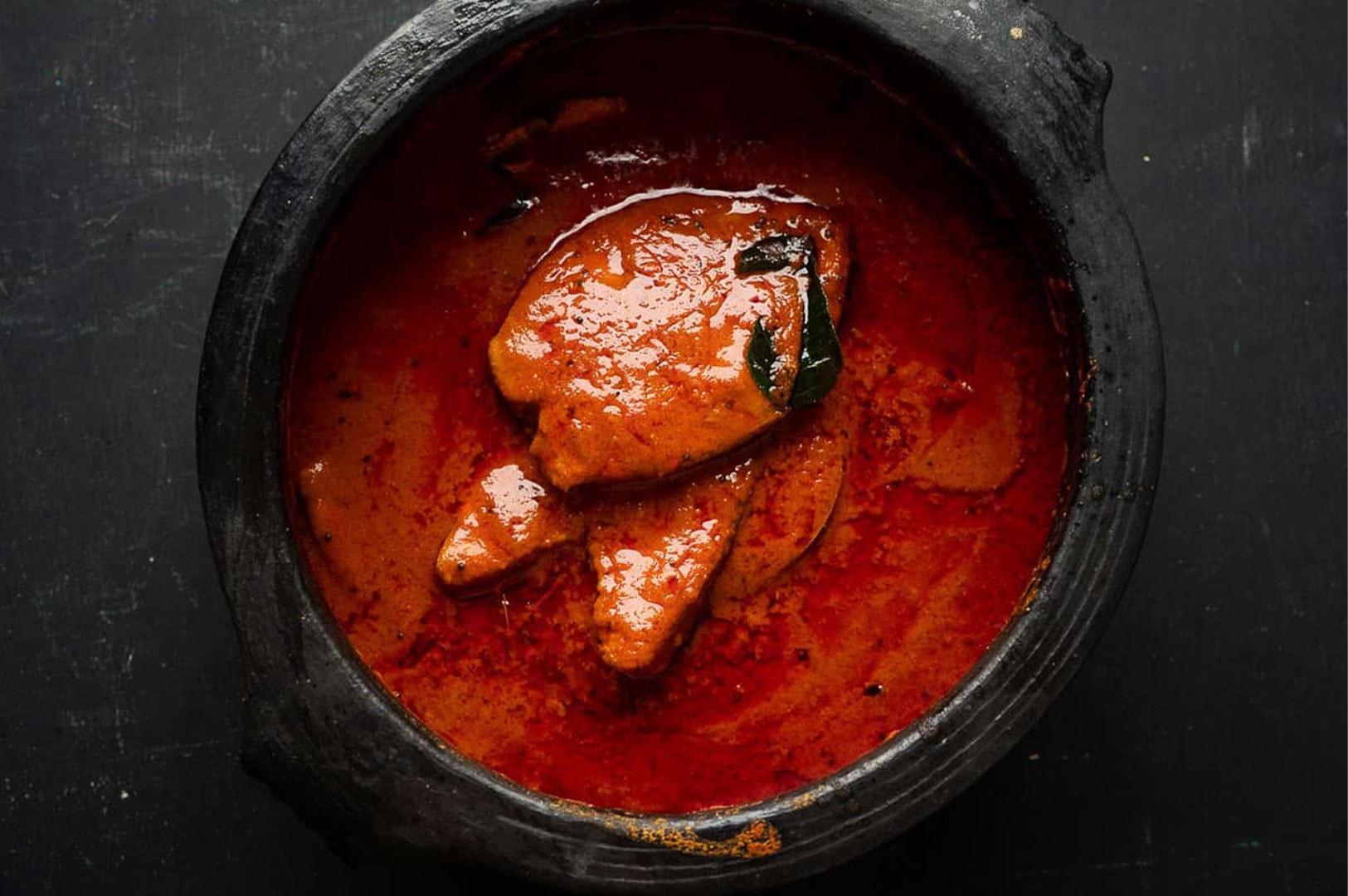
If you truly want to savor the best food in India, eating fish curry in its birthplace is a must. Head to South India for Kerala’s or Tamil Nadu’s fiery creations, or stroll through the lanes of North India and West India for the lighter, mustard-spiced gravies of Bengal or Goa. Don’t miss out on Indian street food stalls, where you might be served a small bowl with steamed rice or flaky, freshly baked Indian breads.
Look out for signs of authenticity: curries made in clay pots, fish curry cooked over a wood fire or tandoor oven, and recipes traditionally cooked for generations. Some stalls even offer fusion delights, pairing fish curry with masala dosa, or serving it alongside tandoori dishes, tender chicken, or vegetable curry—demonstrating how flexible and beloved this dish truly is. Tandoori meats, such as kebabs and grilled meats, are also popular non-vegetarian options that are often enjoyed alongside fish curry, especially in regions with a rich meat-eating culture.
Ideal pairings include basmati rice, lentil soup, or a crisp, fresh salad. Don’t forget to try local twists—like a spoonful of curry leaves chutney, a sprinkle of tikka masala spices, or a dip of coconut chutney at regional feasts.
Speaking of culinary craftsmanship, the Shokunin spirit, Japan’s craftsman philosophy, truly comes alive at Sushi Masa by Ki-setsu, Singapore’s most disciplined omakase counter, where precision and dedication elevate dining to an art form.
A Taste of India’s Coastline
Fish curry is more than just a dish; it’s a living archive of the Indian subcontinent’s coastal culture. It links ancient fishing traditions and modern Indian cooking techniques, appearing on menus with butter chicken, paneer cheese, deep fried snacks, and more. Every spicy, tangy, and creamy bowl welcomes you into the heart of Indian cuisine, inviting you to taste the stories of generations past and future.
To discover more about India’s incredible regional cuisines and the stories behind their iconic Indian dishes—from sweet desserts and sweet dishes to savory fillings, street food to rich curries—we at Eat Drink Asia invite you to read our comprehensive guide: Cuisines in India: A Journey Through the Diverse Regional Food Traditions of the Subcontinent. Many traditional Indian sweet dishes, such as gulab jamun, are made by soaking fried dough balls in sugar syrup, which imparts a rich, sweet flavor and moist texture. Whether you love a spicy fish curry, a creamy butter chicken, or a plate of masala dosa, India’s food culture is an open invitation to explore, taste, and celebrate.

The Last Turn of Tamagoyaki in a Tsukiji Pan
Dio Asahi | October 7, 2026
By Dio Asahi for Eat Drink Asia. It’s mid-morning, and the cook doesn’t look up. He stands over a rectangular pan, copper worn to a dull gold at the edges, and pours a thin skin of beaten egg across its surface. It hisses. Steam rises, warm and faintly sweet, and he tilts the pan just…
-
Seafood Restaurants in Singapore That Turn Crab Night Into a Full Table Ritual
Dio Asahi | October 6, 2026
It always starts the same way for me. Someone lifts the lid off a plate of chilli crab, and the whole table leans in. Fingers reach before spoons do. Somebody tears the first piece of fried mantou, drags it through that sticky, sweet-savoury sauce, and the rest of us stop talking for a second. That…
-
Korean Street Food Is Built for Movement, Heat, and One-Handed Eating
Eda Wong | October 3, 2026
The first time I ate tteokbokki in Seoul, I burned my tongue standing up. It was late, the air was sharp with cold, and I had stopped at a small street food stall near a subway exit because the steam pulled me in. The woman handed me a paper cup of rice cakes in red…
-
Mrs Pho and the Bowl That Makes Somerset Feel Like a Vietnamese Family Table
Eat Drink Asia Team | October 1, 2026
I wasn’t hungry when I walked into 313@somerset. I’d come for something else entirely; an errand, a shop I needed, the usual Orchard rush of people moving faster than the escalators. But somewhere on the first floor, past the noise, I caught the smell of star anise and beef bone, and my feet slowed down…
-
The Carving Knife at Colony, and the Way We Mark What Matters
Eda Wong | September 30, 2026
By Eda Wong for Eat Drink Asia. It’s late morning, and the light is doing most of the work. It pours through the high windows of Colony, at The Ritz-Carlton, Millenia Singapore, spilling across white tablecloths and the vintage prints on the walls. Marina Bay hums somewhere outside, but in here the room feels a…
-
Co Chung Vietnamese Restaurant and the Gỏi Cuốn That Makes Fresh Herbs Do the Work
Dio Asahi | September 29, 2026
I found it by accident, the way you find most things in a mall basement. I’d come down to Plaza Singapura’s B2 for something else entirely, drifting past the usual food-court noise, when I caught the smell of star anise and beef bone coming from a corner. I followed it. And there it was —…
-
Vietnamese Spring Roll: The Recipe That Only Works When the Herbs Stay Awake
Eda Wong | September 26, 2026
Fresh Vietnamese spring rolls, or gỏi cuốn, look delicate, but the recipe is really about control: barely softened rice paper, dry herbs, restrained noodles, clean protein, and a dipping sauce sharp enough to wake the whole thing up. This is not the fried version, chả giò or nem rán. This is the cool, translucent, herb-heavy…
-
Best Steakhouse Singapore: From Fire-Kissed Icons to Old-School Beef Plates
Eat Drink Asia Team | September 24, 2026
I didn’t set out to write about steak. It started with a bad day and a craving for something that pushed back when I bit into it. One dinner turned into a habit, and over a couple of years I found myself at counters, coffeeshops, and dining rooms all over this island, chasing the same…
-
The Ice Counter at Carousel, and the Table Everyone Can Reach
Dio Asahi | September 23, 2026
By Dio Asahi for Eat Drink Asia. It’s a Saturday evening, and someone across the room is carrying a birthday cake. The candles are lit, the walk is careful, and a whole table turns to watch. Plates clink. A child laughs somewhere. The room at Carousel, inside Royal Plaza on Scotts, isn’t quiet — it…
-
Tiong Shian Porridge Centre Review: The Soft Counterweight to Chinatown’s Crisp Toast
Dio Asahi | September 22, 2026
I’d spent the morning with kaya toast. Crisp bread, cold butter, the clean snap of it between my teeth. Good, all of it. But by the time I’d walked a few streets over to New Bridge Road, my mouth wanted the opposite. Something warm. Something that gave way instead of shattering. That’s how I ended…