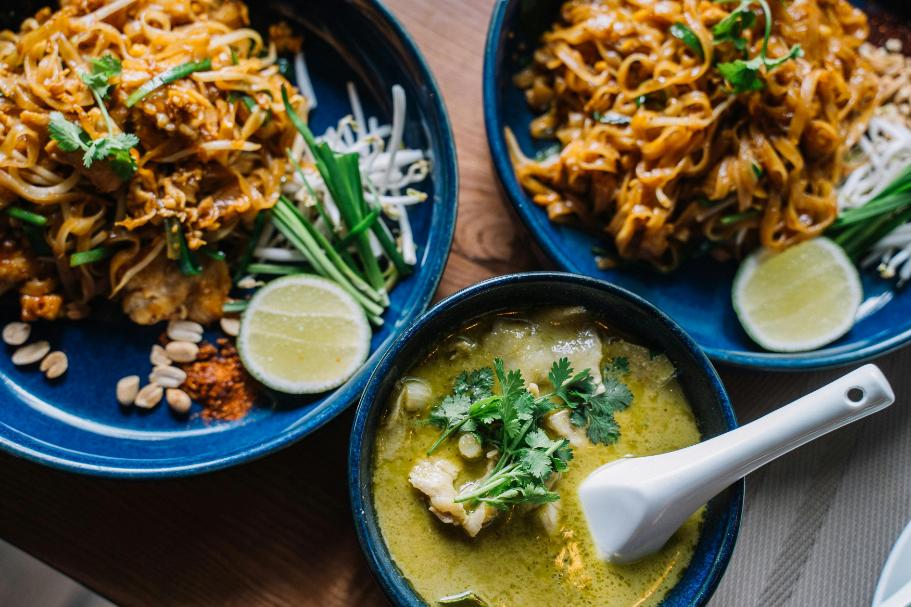
In Singapore, a city that celebrates a universe of flavors, the magnetic pull of Thai cuisine is undeniable. From bustling food courts to elegant dining rooms, the kingdom's culinary ambassadors have firmly planted their flag. When considering the best Thai food, it’s impossible to overlook how integral Pad Thai is to the local Thai food landscape. Among the array of signature dishes—from pineapple fried rice to spicy tom yum soup—Pad Thai stands out for its vibrant flavors, silky rice noodles, and authentic Thai character.
The quest for authentic Thai cuisine in Singapore, especially Pad Thai, goes beyond simply finding a plate of noodles. It’s about seeking that perfect balance of sweet, tangy, and savory, all wrapped up in aromatic spices and fresh ingredients. For many diners, Pad Thai is a gateway to the world of Thai food, a dish that lives at the intersection of tradition and modern taste buds.
With this guide, you’ll discover what makes Pad Thai exceptional and how to identify the recommended Thai food Singapore brings to your table. For a deeper dive into Thai cuisine, check out The Ultimate Guide to Thai Food: Flavors, Traditions, and Culinary Adventures on Eat Drink Asia.
Authentic Thai Cuisine: What Makes Pad Thai So Special?
Pad Thai’s journey from the street stalls of Bangkok to becoming a highlight of Thai cuisine in Singapore is a story that entwines history, tradition, and culinary innovation. Many of Singapore's top Thai restaurants are run by Thai natives, ensuring genuine flavors and traditional techniques in every dish.
Thailand’s former prime minister elevated the dish during the 1930s and 40s to reinforce national identity, and its influence now stretches from small Singaporean eateries to upscale Thai restaurants. Today, Pad Thai is celebrated for its authentic Thai food soul, serving as both a comfort dish and a showpiece of classic Thai fare.
The Symphony of Five Flavors
At its heart, Pad Thai highlights the classic combination of Thai flavors:
- Sour: Tangy flavor from tamarind paste and a dash of lime, which energizes your taste buds.
- Sweet: Palm sugar provides a gentle, earthy sweetness—a hallmark of many beloved Thai dishes.
- Salty: Fish sauce, and sometimes a hint of soy sauce, offer umami depth and body.
- Spicy: Chilies, whether fresh or dried, bring a pleasant heat, often tailored to your preferred spice level.
- Umami: Dried shrimp and sometimes crab meat add a layer of umami that enriches the dish.
This perfect balance—aromatic, sweet, savory, spicy, and tangy—is what keeps diners returning for more.
The Essential Ingredients
Authentic Pad Thai demands the freshest ingredients: flat rice noodles, tamarind paste, fish sauce, palm sugar, chopped garlic, shallots, eggs, tender meat like shrimp or chicken, bean sprouts, and crumbly peanuts. Thai restaurant chefs might also add extras like green chives, sweet basil, or even soft shell crab for a modern twist, elevating the usual rendition of the dish.
Many menus feature Pad Thai alongside other recommended Thai food Singapore loves, such as boat noodles, tom yum seafood, or mango sticky rice. Just as with Pad Thai, dishes like khao hom rely on the use of premium rice and fresh ingredients to achieve authentic flavor.
The Art of the Wok
A major highlight of Pad Thai is the technique behind the wok. A skilled chef’s hands dance over a hot flame, coaxing out a rich, smoky aroma known as wok hei. Proper technique ensures noodles stay glossy and tender, proteins are perfectly cooked, and the entire dish retains its signature depth of flavor. This mastery of the wok is what differentiates a decent plate from the best Thai Singapore has to offer.
Anatomy of Perfect Pad Thai
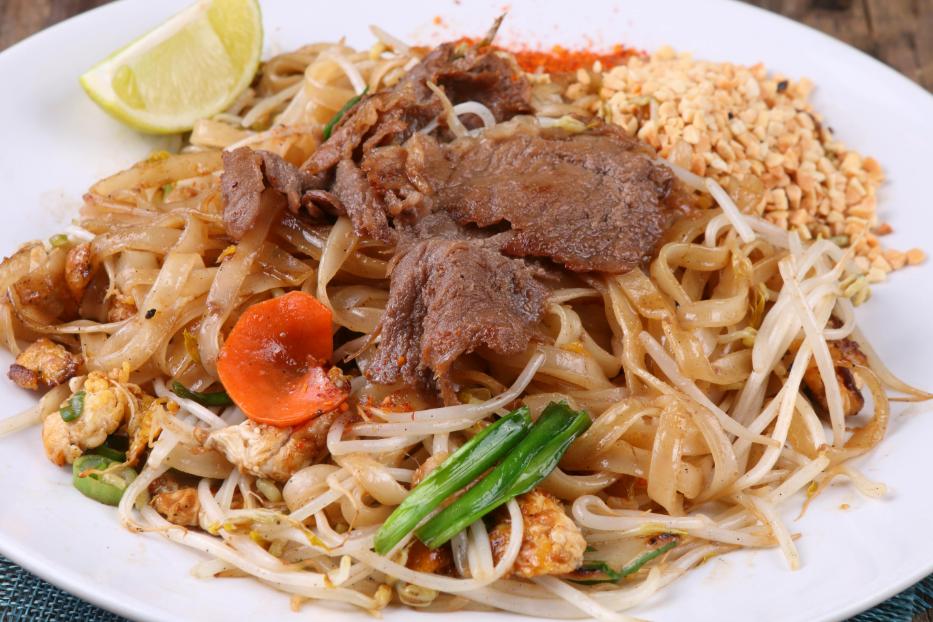
To find a truly exceptional Pad Thai—one that’s at the top of any recommended Thai food Singapore list and a favorite not only for noodle fans but also for meat lovers thanks to its generous protein options—look closely at each element of the dish.
The Noodles
Pad Thai rice noodles should be soft yet resilient, never soggy, and with the right amount of chew. Flat rice noodles excel at soaking up the sauce while still offering necessary bite. Diners should notice that every strand is sleek and flavorful, not sticky or clumped together. In some restaurants, chefs will even use thick noodles reminiscent of those in classic thai noodle thick soup or boat noodles, both giving a satisfying heft.
The Sauce: The Heart of the Flavor
Pad Thai’s soul lives in its sauce. The base is often a specialty blend of tamarind concentrate, fish sauce, palm sugar, and sometimes a splash of coconut milk for creaminess.
Just as a flavorful broth is essential to the depth and aroma of classic Thai noodle soups like boat noodles or Tom Yum, a well-crafted Pad Thai sauce is key to delivering a memorable taste experience. A squeeze of lime or a dash of spicy lime sauce at the table brings everything together.
The Protein
Choices abound—shrimp prawn seafood, tender meat like grilled chicken or minced pork, tofu, or even modern options such as crab meat omelette or deep-fried fish for those who crave seafood in their Thai cuisine.
Singapore's Thai restaurants often feature specialty proteins such as moo ping (grilled pork skewers), Isaan beef ribeye steak, roasted pork, deep fried century egg, tiger prawn, and grilled chicken, offering diners a wide range of authentic choices. Each protein is cooked quickly over high heat to ensure juicy, tender results, creating an appealing contrast with the noodles.
The Garnishes: More Than Just Decoration
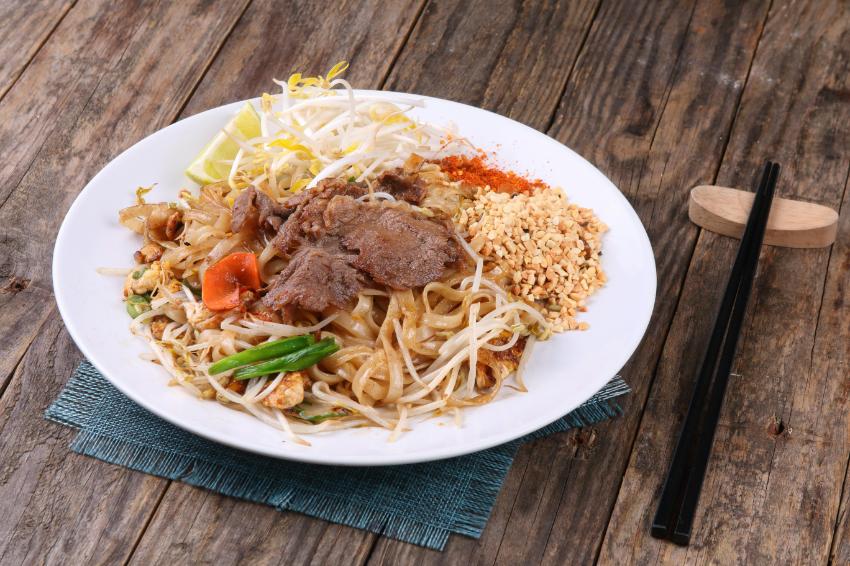
The garnish brings a finishing touch:
- Bean sprouts, garlic chives, and sometimes sweet basil: Add refreshing crunch and herbal aroma.
- Crushed peanuts: Offer a nutty texture that brings depth to each bite.
- Lime wedges: Their juice enlivens the dish, while a fresh slice of chili delivers an extra punch. Some restaurants also serve Pad Thai with a side of sour sauce to further brighten the flavors.
- Fried egg: Sometimes found on top in Singapore’s variant menus, lending a creamy richness.
If you spot extras like thai watermelon salad or green curry fried rice, you know you’re somewhere that appreciates Thai innovation.
Pad Thai Variations in Singapore
The Thai cuisine Singapore food scene is rich with Pad Thai options reflecting both tradition and creativity. Many Thai restaurants also feature signature boat noodles as a highlight of their menu, showcasing the diversity of Thai noodle offerings in Singapore.
Traditional vs. Modern
Classic Pad Thai restaurants focus on the time-honored recipe: national flavor harmony, soft but resilient noodles, and genuine Thai stick cooking methods. For those seeking a more classic experience, some traditional Thai restaurants also offer Thai style noodle soup, a dish known for its clear broth, rice noodles, and tender meat slices. However, Singapore’s best Thai restaurants are not afraid to try a modern twist—adding items like un yang kor dai grilled pork neck, crispy noodles, or local treasures such as basil chicken balls.
Regional Thai Styles and Fusion
Look for Bangkok-style pad thai with a richer sauce and sweeter edge, or northern Thai variations with a subtler, herbal undertone. Multicultural Singapore also welcomes fusion creations: Pad Thai with crab meat, green curry fried rice, shrimp prawn seafood, or even Thai red curry-infused noodles are all hits with adventurous diners.
Vegetarian, Vegan, and Specialty Adaptations
Today’s menus frequently cater to every diner—try tofu, mushroom, or veggie-loaded pad thai. Soybean paste and extra fresh herbs deliver authentic flavor without fish sauce or animal proteins.
How to Identify Quality Pad Thai
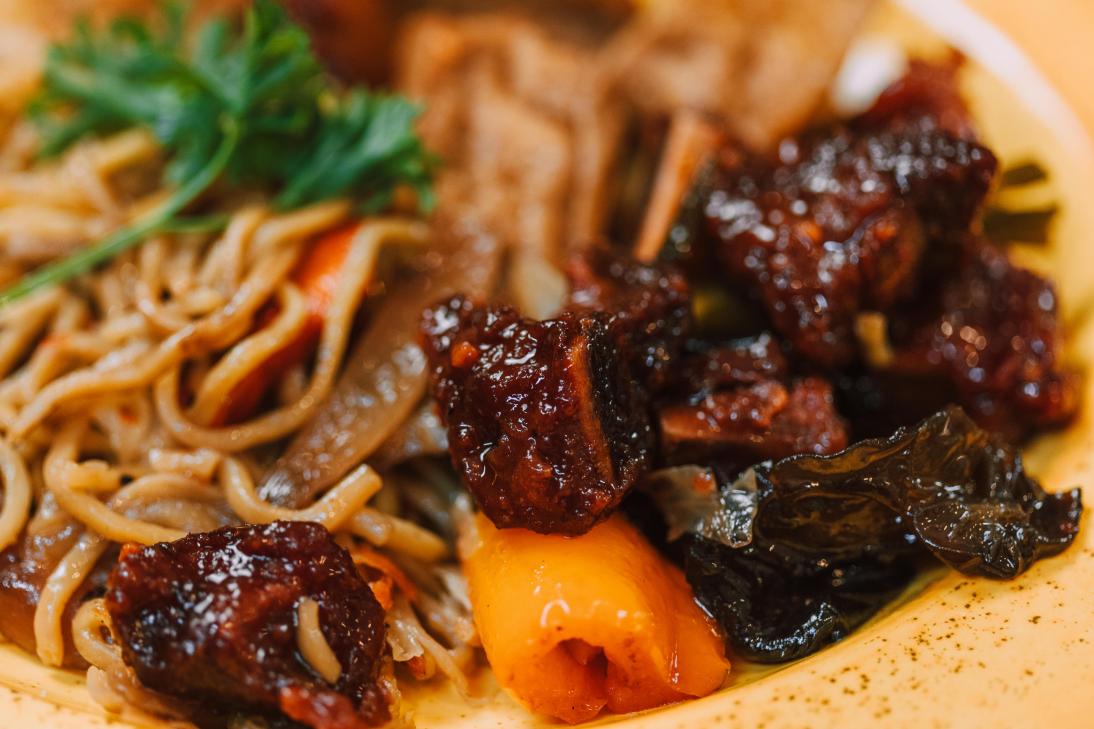
You deserve the best—and with so many Thai restaurant choices in Singapore, your senses are your best guide.
- Visual Cues: Look for glossy-but-not-greasy noodles, vibrant herbs, the right proportion of toppings, and bright color from the tamarind-based sauce.
- Aroma: Pad Thai should smell aromatic—citrus from lime, umami from fish sauce, and a faint smokiness from the wok.
- Taste and Texture: The first bite should offer the full balance: tangy, sweet, and salty with the right touch of heat. Noodles should yield softly while peanuts and bean sprouts provide crunch. At authentic Thai restaurants, a side of spicy dipping sauce is often provided, allowing diners to customize the heat and flavor of their Pad Thai.
- Red Flags: Dull, pale noodles, mushy or lifeless texture, or overwhelming sweetness—these betray shortcuts or inauthentic preparation.
Try pairing Pad Thai with house specialties like tom yum mama ultra, papaya salad, or a side of creamy green curry chicken for a complete Thai dining experience.
Ordering Pad Thai Like a Pro
Stand out as a savvy guest by asking a few choice questions about your Pad Thai—and customize it according to your taste.
- Preparation: Is the sauce made in-house and does it use traditional ingredients like tamarind? Are proteins grilled, deep-fried, or wok-tossed?
- Customization: Choose spice levels, request additional toppings like soft shell crab, or select between classic and modern adaptations like tom yum fried rice or pineapple fried rice.
- Pairings: Order alongside mango sticky rice, authentic Thai street food snacks, or cool drinks like coconut milk Thai iced tea for a memorable meal.
Singapore’s authentic Thai cuisine scene is full of friendly, attentive teams eager to answer your questions—don’t hesitate to ask!
Your Journey to the Authentic Thai Food
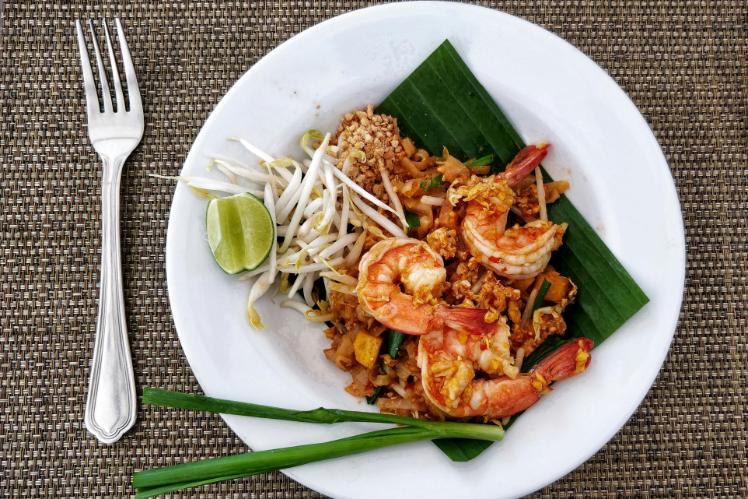
Exceptional Pad Thai sits at the heart of the best Thai Singapore has to offer—and now you know exactly what makes that plate so special. Whether you’re a lover of flat rice noodles, spicy soup, grilled chicken, or classic noodle dishes, the city’s vibrant Thai cuisine has just the thing to enrich your day and excite your soul.
The next time you tuck into your noodles—whether surrounded by the warm buzz of a bustling Thai restaurant, enjoying boat noodles at a hawker stall, or sampling signature dishes like kra pow thai hot basil chicken or minced chicken thigh—remember that you are savoring a piece of authentic food culture of Thailand. Let the tangy, aromatic, and spirited flavors take you to the heart of Bangkok and beyond.

The 5 Best Halal Restaurant in Singapore for Authentic Nasi Padang
Eda Wong | March 5, 2026
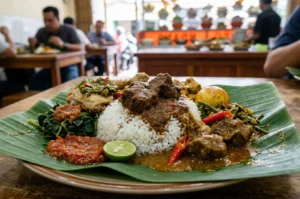
There are few meals as satisfying as Nasi Padang, a colourful feast where you choose from a variety of dishes to create your perfect plate. Over the years, I’ve explored Singapore’s Nasi Padang scene, especially in Kampong Glam, sampling everything from humble hawker stalls to renowned spots. This list highlights the five best halal Nasi…
-
The Global Soup Bowl: How Indonesian Soto Shapes the Future of Asiatic Food Traditions
Dio Asahi | March 3, 2026
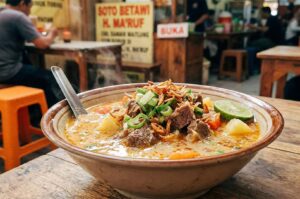
I still remember my first “real” bowl of Indonesian soto. Sitting on a low plastic stool in a cramped warung, I ordered Soto Betawi, expecting it to be like the clear Soto Ayam from Singaporean weddings. I was wrong. The rich, milky broth was intense, creamy, and boldly spiced. That first spoonful rewired my idea…
-
Shun: Japan’s Seasonal Treasures – A Deep Dive Into the Ingredients Behind True Omakase
Eat Drink Asia Team | February 28, 2026
In the world of Asian food, few dining experiences capture the soul of traditional Japanese food culture like omakase. At a premier omakase restaurant, diners entrust their meal entirely to the chef, whose artistry is guided not just by mastery, but by shun—the appreciation of seasonal and fresh ingredients at the absolute peak of their…
-
My Trip to Bánh Mì Saigon and How It Compares to Best Food in Singapore
Eda Wong | February 26, 2026
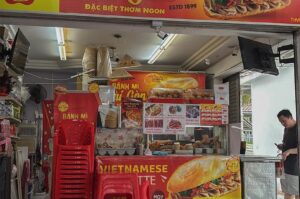
Located in the bustling neighborhood of Ang Mo Kio, Bánh Mì Saigon offers a taste of Vietnam right here in Singapore. From traditional bánh mì sandwiches to hearty pho bowls and refreshing Vietnamese iced coffee, this restaurant has it all. I arrived at Bánh Mì Saigon on a busy Saturday evening and was immediately drawn…
-
Tea Room by Ki-setsu: A Curated Journey Through Chinese Tea in the Heart of Singapore
Dio Asahi | February 25, 2026
Most people arrive at Chinese tea the way they arrive at any beverage: thirsty, curious, maybe looking for something sweet or soothing. But traditional chinese tea isn’t built like a single drink. It’s a network: leaf origin, processing choices, vessel physics, water, pacing, and the quiet social technology of sitting down long enough for a…
-
Tandoori Chicken: The Signature Indian Chicken Dish
Eda Wong | February 24, 2026
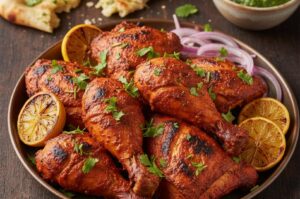
Tandoori chicken stands tall among the best Indian chicken recipes. With its vibrant hue and smoky aroma, this iconic Indian chicken dish is celebrated in Indian restaurants worldwide. Emerging from Punjab, it pairs perfectly with fragrant basmati rice or fresh naan and is a favorite for anyone who loves bold flavors. The hallmark of tandoori…
-
Chicken 65: A Fiery Indian Chicken Recipe You Must Try
Eat Drink Asia Team | February 21, 2026
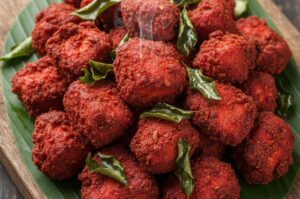
We’ve spent months tracking the ‘shatter-rate’ of chicken across the South, and here’s the truth: most of what you find is a pale, food-colored imitation. The real Chicken 65 isn’t just spicy; it’s an atmospheric experience. It starts with the sharp, herbal snap of curry leaves hitting 180°C oil and ends with a deep, earthy…
-
Mastering the Art of Indian Dishes with Chicken
Eda Wong | February 19, 2026
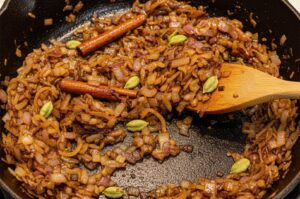
The story of India’s culinary identity is deeply tied to its poultry dishes. I remember my first attempt at an Indian chicken recipe, failing to brown the onions properly left the dish hollow, missing its soul. The sound of mustard seeds popping in hot oil signals layers of flavor to come. The steam from the…
-
Crunch, Sweet, and Heat: The Irresistible Textures of Southeast Asian Snacks
Dio Asahi | February 17, 2026
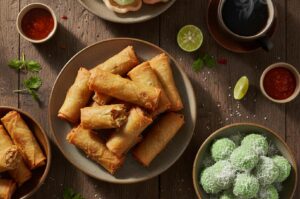
In the humid, sticky heat of Southeast Asia, where your shirt clings to your back and the air is thick with the sharp scent of oxidising oil, there’s a particular clink that always gets me. It’s the sound of a metal spatula striking a wok, a rhythmic percussion that’s as familiar to me now as…
-
The Living Pantry: How Geography and Trade Shaped the Food in the Southeast Region
Eat Drink Asia Team | February 14, 2026
To understand the plate is to understand the map. If you were to trace the spice routes of the 15th century or follow the monsoon winds that carried merchant ships across the Indian Ocean, you would find yourself at the epicenter of the world’s most vibrant pantry. The food in the Southeast region of Asia…