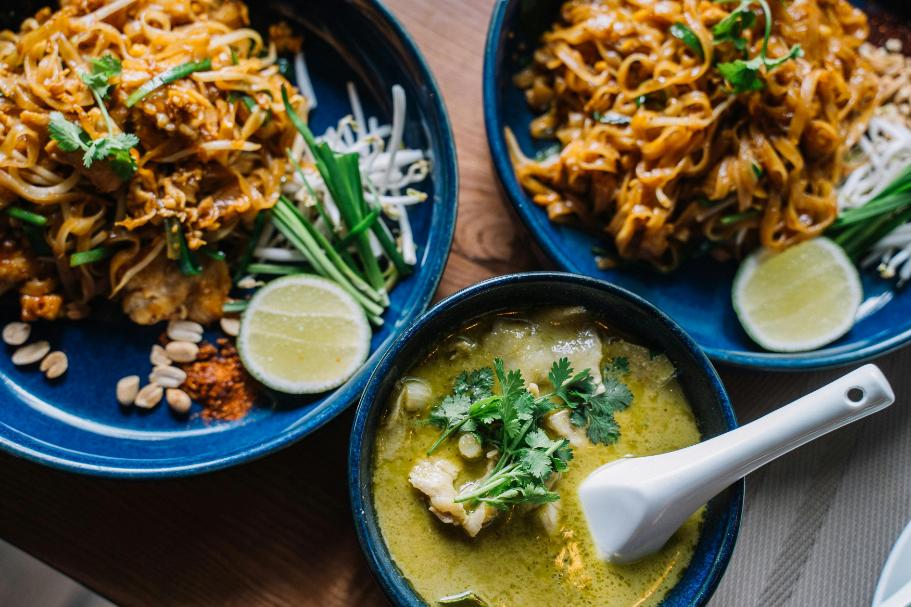
In Singapore, a city that celebrates a universe of flavors, the magnetic pull of Thai cuisine is undeniable. From bustling food courts to elegant dining rooms, the kingdom’s culinary ambassadors have firmly planted their flag. When considering the best Thai food, it’s impossible to overlook how integral Pad Thai is to the local Thai food landscape. Among the array of signature dishes-from pineapple fried rice to spicy tom yum soup-Pad Thai stands out for its vibrant flavors, silky rice noodles, and authentic Thai character.
The quest for authentic Thai cuisine in Singapore, especially Pad Thai, goes beyond simply finding a plate of noodles. It’s about seeking that perfect balance of sweet, tangy, and savory, all wrapped up in aromatic spices and fresh ingredients. For many diners, Pad Thai is a gateway to the world of Thai food, a dish that lives at the intersection of tradition and modern taste buds.
With this guide, you’ll discover what makes Pad Thai exceptional and how to identify the recommended Thai food Singapore brings to your table. For a deeper dive into Thai cuisine, check out The Ultimate Guide to Thai Food: Flavors, Traditions, and Culinary Adventures on Eat Drink Asia.
Authentic Thai Cuisine: What Makes Pad Thai So Special?
Pad Thai’s journey from the street stalls of Bangkok to becoming a highlight of Thai cuisine in Singapore is a story that entwines history, tradition, and culinary innovation. Many of Singapore’s top Thai restaurants are run by Thai natives, ensuring genuine flavors and traditional techniques in every dish.
Thailand’s former prime minister elevated the dish during the 1930s and 40s to reinforce national identity, and its influence now stretches from small Singaporean eateries to upscale Thai restaurants. Today, Pad Thai is celebrated for its authentic Thai food soul, serving as both a comfort dish and a showpiece of classic Thai fare.
The Essential Ingredients
Authentic Pad Thai demands the freshest ingredients: flat rice noodles, tamarind paste, fish sauce, palm sugar, chopped garlic, shallots, eggs, tender meat like shrimp or chicken, bean sprouts, and crumbly peanuts. Thai restaurant chefs might also add extras like green chives, sweet basil, or even soft shell crab for a modern twist, elevating the usual rendition of the dish.
Many menus feature Pad Thai alongside other recommended Thai food Singapore loves, such as boat noodles, tom yum seafood, or mango sticky rice. Just as with Pad Thai, dishes like khao hom rely on the use of premium rice and fresh ingredients to achieve authentic flavor.
Wok Hei & Tamarind Trails: Where to Find the Best Thai Singapore Pad Thai
I’ve spent the past few months chasing one specific question: where can you actually find good pad thai in Singapore? Not the overly sweet, ketchup-heavy versions, but the ones that balance tamarind, heat, and wok char properly. Across dozens of restaurants in singapore, from kopitiam stalls to polished dining rooms, I kept coming back to a few that truly represent authentic thai food.
What surprised me most is how each plate reflects a different side of thai cuisine, from smoky street-style phad thai to cleaner, more controlled interpretations shaped for local taste buds.
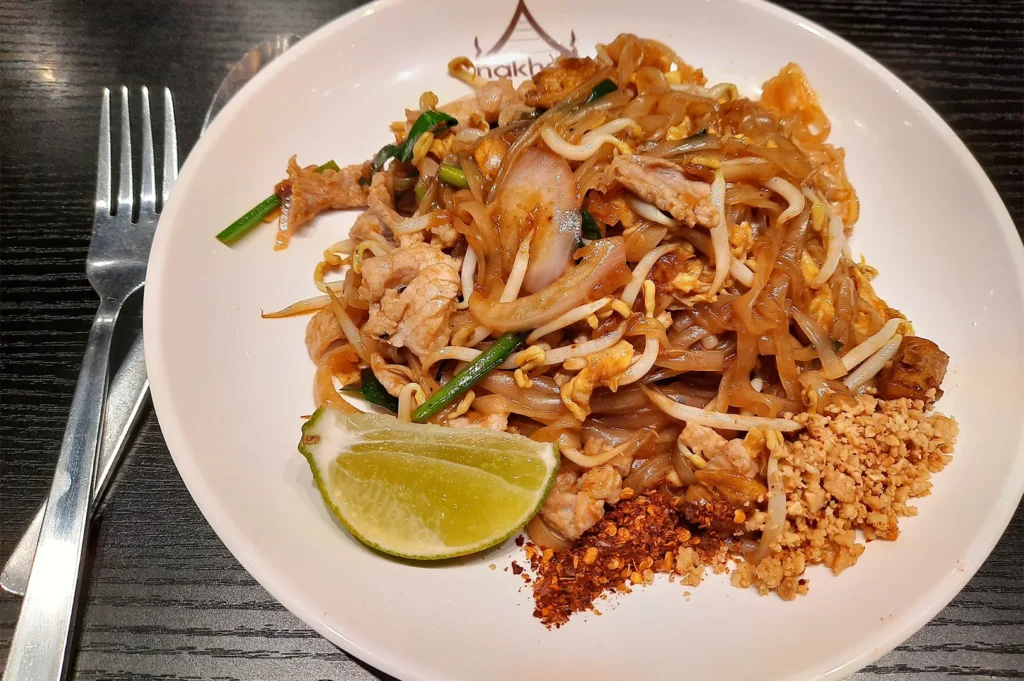
Pad Thai at Nakhon Kitchen (Kovan / Bedok / AMK)
Nearest MRT: Kovan MRT (3-min walk)
Price: S$5–S$8
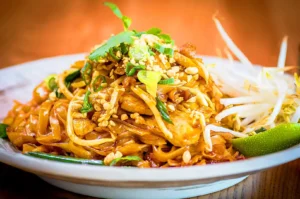
If you ask locals about the best thai singapore spots, Nakhon Kitchen is always in the conversation, and after multiple visits, I understand why. This is where you taste real wok hei in thai food in singapore. The noodles arrive slightly smoky, lightly charred, and coated in a punchy tamarind base that leans savoury over sweet.
I remember my first plate here, steam rising, crushed peanuts scattered, lime wedge glistening on the side. Once I squeezed it over the noodles, the whole dish shifted: brighter, sharper, more alive. It reminded me of thai street food stalls in bangkok, where balance happens in seconds over high heat.
Signature dish: Pad Thai (S$5–S$8)
Where this shines: Budget-friendly meals with bold, street-style flavour
Skip this if: You’re looking for air-conditioned comfort or a quiet restaurant
Field Note: Ask for extra lime and chilli flakes, the added acidity sharpens the tamarind and elevates the entire plate
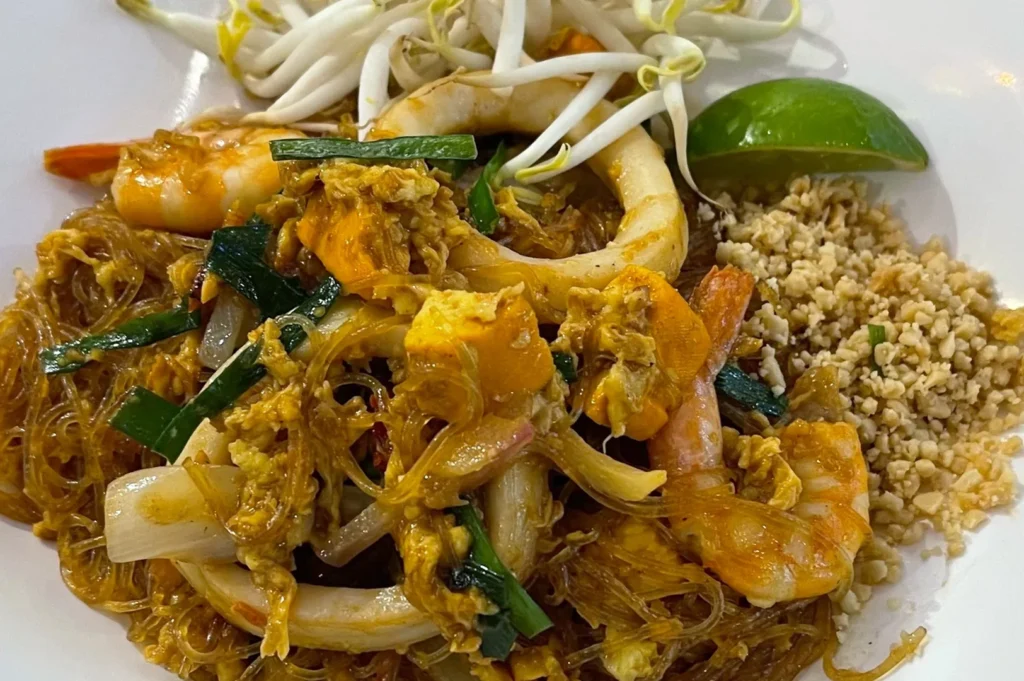
Pad Thai at Soi 47 Thai Food (Jalan Besar) — A Hidden Gem Near Korat Thai Cafe
Nearest MRT: Jalan Besar MRT (3-min walk)
Price: S$8–S$12
Soi 47 sits quietly among other thai restaurant options near Jalan Besar, not far from places like korat thai cafe, yet it operates with far less noise. It feels like a hidden gem, the kind you stumble into and remember.
The pad thai here stands out for restraint. Instead of leaning heavily sweet, the sauce carries a proper sweet-sour tension. Tamarind cuts through cleanly, while the noodles stay soft yet distinct, not clumped, not greasy.
I came here on a weekday lunch and noticed many ordering seafood versions with fresh prawns. I followed suit, and the natural sweetness of the prawns added depth without overwhelming the base.
Signature dish: Pad Thai (S$8–S$12)
Where this shines: Those seeking authentic thai balance closer to what you’d find in chiang mai
Skip this if: You’re coming in a large group, seating is tight
Field Note: Ask them to dial down the sweetness, they’ll adjust it toward a more traditional Thai profile
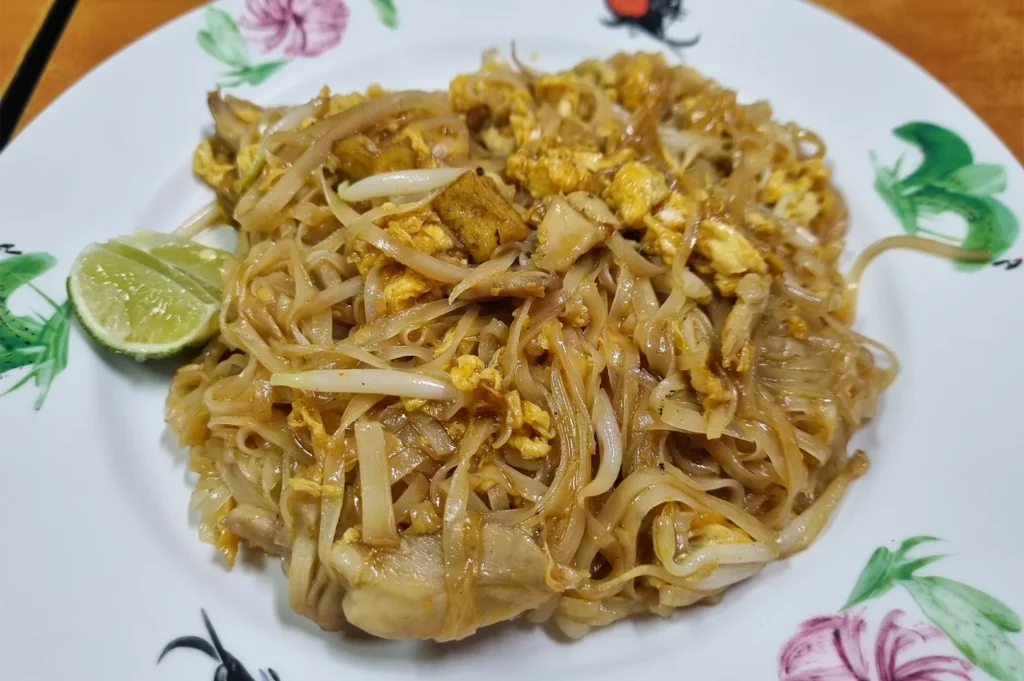
Pad Thai at Thai Gold Food (Orchard Towers)
Nearest MRT: Orchard MRT (5-min walk)
Price: S$12–S$18
Sometimes you don’t want intensity, you want consistency. Thai Gold Food delivers exactly that.
Located in Orchard Towers, this long-standing thai restaurant is known for dependable thai food in singapore, especially among regulars who return for familiar flavours done right. The pad thai here is clean and balanced, with noodles lightly coated rather than slick with oil.
Compared to wok-heavy spots, the execution feels controlled. The tamarind base is present but not aggressive, allowing sweetness and savoury notes to sit comfortably together. It doesn’t chase smoky street-style punch but offers a version that’s easy to return to, especially for those easing into thai cuisine.
You’ll also find familiar thai dishes like pineapple fried rice, refreshing thai mango salad, and creamy green curry enriched with coconut milk, making it a well-rounded stop for classic comfort plates.
Signature dish: Pad Thai (S$12–S$18)
Where this shines: Casual dates, small group meals, and comfortable central dining
Skip this if: You’re chasing aggressive wok hei or raw street-style intensity
Field Note: Go slightly off-peak hours—the kitchen is more consistent when it’s not handling late-night crowds
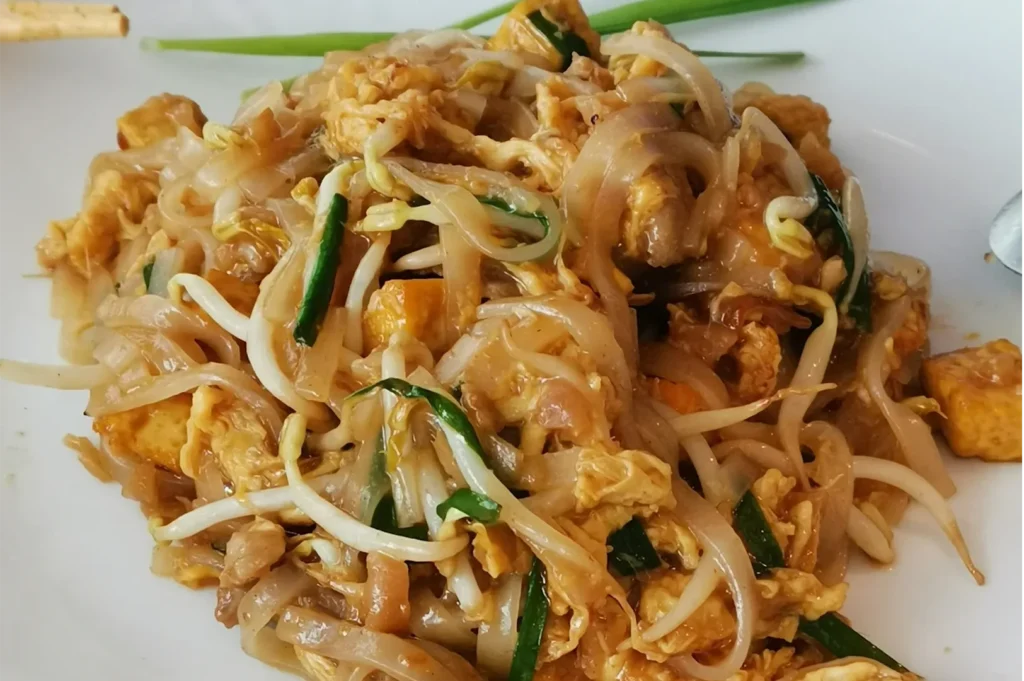
Diandin Leluk Thai Restaurant (Golden Mile Area)
Nearest MRT: Nicoll Highway MRT (8-min walk)
Price: S$10–S$15
Among long-standing names like jai thai and beerthai house restaurant, diandin leluk thai restaurant stands out for atmosphere. Located near Golden Mile, Singapore’s historic Thai enclave, it feels closest to dining in Thailand itself.
I went late at night, and that changed everything. The room buzzed with energy, skewers of moo ping and grilled pork neck coming off the grill, while plates of pad thai moved rapidly from kitchen to table.
The version here leans heavier on tamarind, giving it a sharper, more assertive edge. The noodles are darker, slightly caramelised, and pair well with sides like tom yum seafood or even a rich crab meat omelette.
It felt less polished, but more alive.
Signature dish: Pad Thai (S$10–S$15)
Where this shines: Late-night cravings and immersive thai street food energy
Skip this if: You expect modern interiors or refined service
Field Note: Visit after 9 PM, the atmosphere shifts and feels closest to a Bangkok street-side setting
Beyond Pad Thai: Boat Noodles, Green Curry, and Michelin-Worthy Thai Spots
If you’re exploring beyond pad thai, Singapore’s Thai scene opens up quickly.
- Places like nummun thai kitchen and khao hom expand into dishes like thai boat noodles, rich, concentrated broths with herbs and spices
- Creamy green curry and thai red curry showcase how coconut-based gravies balance heat with sweetness
- Some outlets even brush against recognition similar to michelin guide or michelin bib gourmand mentions, proving how serious Thai cooking has become here
You’ll also encounter signature dishes like:
- Mango sticky rice with soft, glutinous grains soaked in coconut
- Tom yum mama ultra, a more indulgent variation of classic tom yum soup
- Stir-fried plates like basil pork rice or hot basil chicken, often topped with a runny fried egg
Each adds another layer to understanding authentic thai food beyond just one noodle dish.
Ordering Pad Thai Like a Pro
Stand out as a savvy guest by asking a few choice questions about your Pad Thai-and customize it according to your taste.
- Preparation: Is the sauce made in-house and does it use traditional ingredients like tamarind? Are proteins grilled, deep-fried, or wok-tossed?
- Customization: Choose spice levels, request additional toppings like soft shell crab, or select between classic and modern adaptations like tom yum fried rice or pineapple fried rice.
- Pairings: Order alongside mango sticky rice, authentic Thai street food snacks, or cool drinks like coconut milk Thai iced tea for a memorable meal.
Singapore’s authentic Thai cuisine scene is full of friendly, attentive teams eager to answer your questions-don’t hesitate to ask!
Your Journey to the Authentic Thai Food
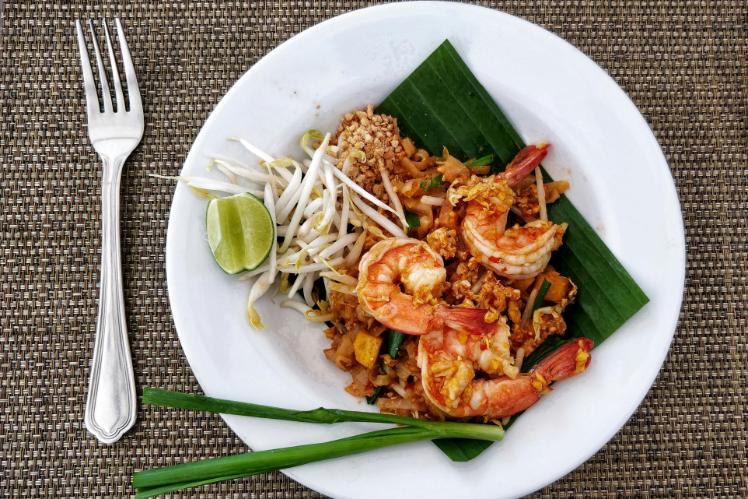
Exceptional Pad Thai sits at the heart of the best Thai Singapore has to offer-and now you know exactly what makes that plate so special. Whether you’re a lover of flat rice noodles, spicy soup, grilled chicken, or classic noodle dishes, the city’s vibrant Thai cuisine has just the thing to enrich your day and excite your soul.
The next time you tuck into your noodles-whether surrounded by the warm buzz of a bustling Thai restaurant, enjoying boat noodles at a hawker stall, or sampling signature dishes like kra pow thai hot basil chicken or minced chicken thigh-remember that you are savoring a piece of authentic food culture of Thailand. Let the tangy, aromatic, and spirited flavors take you to the heart of Bangkok and beyond.

Pattaya Garden Restaurant and the Thai Meal That Knows How to Feed a Group
Eat Drink Asia Team | September 3, 2026
The rice came down first. A plain bowl, warm and steaming, set in the middle of the table before anything else. Then the green curry, in a bowl wide enough for four spoons to reach at once. And within a minute the table stopped being a set of individual meals and became one shared thing,…
-
At Keria Japanese Restaurant, the Meal Begins Before the First Bite
Dio Asahi | September 3, 2026
By Dio Asahi for Eat Drink Asia. The lift opens onto a corridor leading to the famed and hidden Cuppage Plaza food, and the building’s age shows in the flickering fluorescent light and the smell of old carpet. Then a sliding door pulls back, and Keria Japanese Restaurant asks you to slow down. Inside, it…
-
The Round Kaya Bun at Chin Mee Chin Confectionery, and the Mornings It Keeps
Eda Wong | September 2, 2026
By Eda Wong for Eat Drink Asia. It’s not quite eight, and the pastel-blue shophouse is already awake. Kopi cups clink against saucers. A ceiling fan turns slow overhead. Someone folds a newspaper at a marble-topped table, and the man behind the counter moves without hurry, sliding buns across in a rhythm he’s clearly done…
-
Nana Original Thai Food and the Thai Meal That Keeps Changing Its Accent
Eda Wong | September 1, 2026
The tom yum arrived first, and the first spoonful hit sour and hot at once, lime and chilli chasing each other down the throat. This classic Thai dish features a spicy sauce and aromatic herbs that awaken the taste buds straight away, setting the stage with its bold flavors. Then the pineapple rice came, sweet…
-
Pad Thai Recipe for People Who Know the Noodles Can’t Be an Afterthought
Dio Asahi | August 29, 2026
The first time I made Pad Thai, I ruined it before the wok was even hot. I’d left the noodles soaking while I answered a phone call. Ten minutes turned into forty. By the time I drained them, they were already soft, already surrendered. Everything I did in the pan after that was damage control….
-
Best Japanese Restaurant Singapore: Places That Nail the “First Bite”
Eat Drink Asia Team | August 27, 2026
I built this list around a very specific feeling: that first bite where the room goes quiet for a second. I’ve tried enough Japanese restaurants in Singapore over the years to know that “best” does not always mean the most expensive, the rarest, or the hardest to book. Sometimes it is the warmth of the…
-
Not Just Seafood: How Araya Shouten Keeps Japanese Fishing Culture Alive in Singapore
Eat Drink Asia Team | August 26, 2026
Japanese cuisine has long been admired for its attention to seasonality, precision, and respect for ingredients. However, behind every piece of sashimi or carefully prepared seafood dish lies a story that begins far away from the dining table, often with fishermen, coastal communities, and generations of knowledge passed down through time. At Araya Shouten, seafood…
-
The Ginger Shoyu Ramen at Ramen Soshiji, Where Orchard Goes Quiet
Dio Asahi | August 26, 2026
By Dio Asahi for Eat Drink Asia. The lift opens on the third floor of Orchard Plaza, and for a second I don’t know which way to turn. The corridor is dim and still, the kind of quiet that feels almost accidental in this part of town. A few doors down, an unmarked entrance. Inside,…
-
Indo Rasa Singapore and the Nasi Goreng That Measures a Kitchen’s Confidence
Eat Drink Asia Team | August 25, 2026
There’s a dish I order when I want to know a kitchen quickly. Not the specialty. Not the thing the menu is proud of. I order the fried rice. Because nasi goreng has nowhere to hide. It’s rice, chilli, chicken, egg, a few crackers, some cucumber. Everyone thinks they can make it. Most people can….
-
Bebek Goreng Pak Ndut and the Fried Duck That Makes Nasi Goreng Feel Too Polite
Eda Wong | August 22, 2026
The duck arrived and made a sound before I’d even touched it. Not the plate, the skin. When my fork pressed against it, there was a small, dry crackle, the kind you feel in your fingers before you hear it. That’s when I understood I wasn’t eating a soft meal. This was something with edges….