The oil is already hot when she reaches for the leaves.
It’s late morning in a kitchen off a quiet lane, and a woman I’ve been watching stands over a blackened wok, tearing bitter gourd leaves by hand into a small heap. The garlic hits the oil first, sharp and loud. Then the leaves go in, and the smell shifts — green, faintly medicinal, a little sour. She doesn’t taste as she goes. She already knows. A crack of egg, a quick fold, and the bitterness folds in with it, softening but never disappearing.
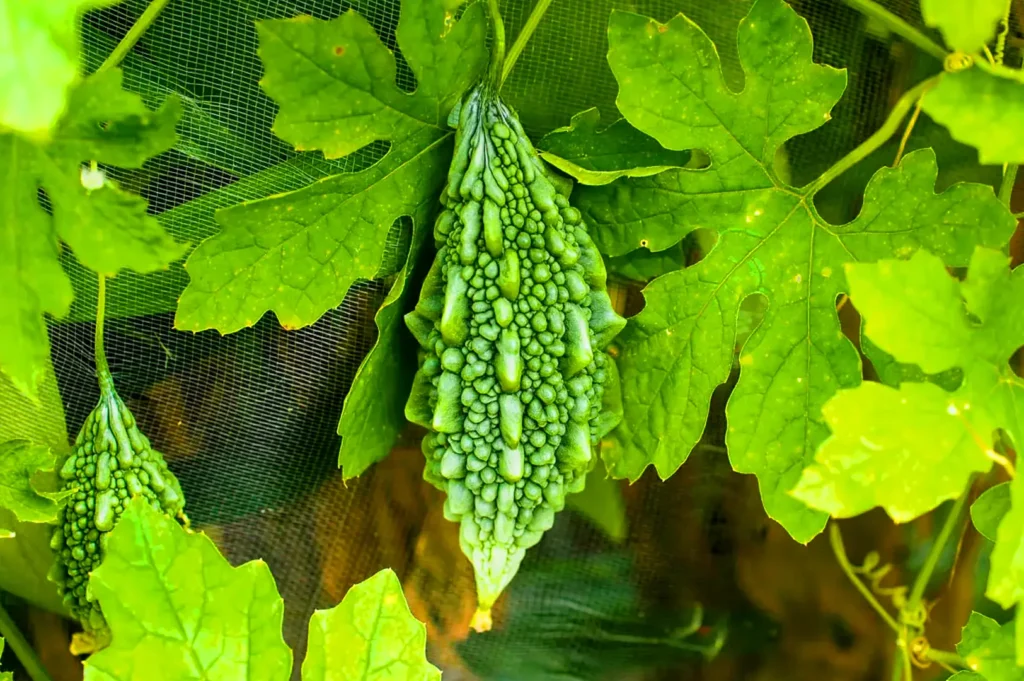
It is bitter melon leaf — kyet-hin-ga in Myanmar homes, the leafy top of the same climbing vine that gives the knobbly gourd. Where the gourd is famous for its sting, the leaves carry a quieter, rounder bitterness, closer to a strong green tea than a shock. Cooks tear them young and tender, before the plant grows coarse, and they wilt them fast in hot oil with garlic and egg, sometimes a handful of dried shrimp. The heat tames the sharpest edge without erasing it. That is the whole point. The dish is not meant to be pleasant in the easy sense. It is meant to be understood.
In a Burmese home, bitterness is not an accident to be fixed. It’s a seat at the table. A meal here often runs on contrast — a sour soup, a rich curry, a fresh raw plate, and something bitter to hold the middle. The bitter leaf is the balancing weight, the thing that keeps a heavy lunch from tiring the mouth. Elders speak of it as cooling, good for the body, the kind of food you eat because it does you good and not because it flatters you. Children are eased into it slowly, a small spoonful beside the rice, until one day the bitterness stops being a punishment and starts being a comfort they miss when it’s gone.
What stays with me is how unhurried it all is. There’s no attempt to make the leaf sweeter, prettier, easier. In kitchens that could reach for a milder green from the market stall, this cook still tears the bitter tops by hand, still trusts that her family wants the taste, not the apology for it. It would be simpler to leave it out. She doesn’t. That quiet refusal to soften everything feels increasingly rare an Eat Drink Asia highlight.
She tips the eggy leaves onto a plate and sets it down without ceremony. Bitter, warm, a little smoky.
Some flavours ask to be loved right away. This one asks only that you stay long enough to grow into it.

The Round Kaya Bun at Chin Mee Chin Confectionery, and the Mornings It Keeps
Eda Wong | September 2, 2026
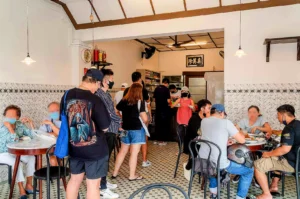
By Eda Wong for Eat Drink Asia. It’s not quite eight, and the pastel-blue shophouse is already awake. Kopi cups clink against saucers. A ceiling fan turns slow overhead. Someone folds a newspaper at a marble-topped table, and the man behind the counter moves without hurry, sliding buns across in a rhythm he’s clearly done…
-
Nana Original Thai Food and the Thai Meal That Keeps Changing Its Accent
Eda Wong | September 1, 2026
The tom yum arrived first, and the first spoonful hit sour and hot at once, lime and chilli chasing each other down the throat. This classic Thai dish features a spicy sauce and aromatic herbs that awaken the taste buds straight away, setting the stage with its bold flavors. Then the pineapple rice came, sweet…
-
Pad Thai Recipe for People Who Know the Noodles Can’t Be an Afterthought
Dio Asahi | August 29, 2026
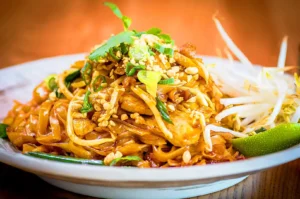
The first time I made Pad Thai, I ruined it before the wok was even hot. I’d left the noodles soaking while I answered a phone call. Ten minutes turned into forty. By the time I drained them, they were already soft, already surrendered. Everything I did in the pan after that was damage control….
-
Best Japanese Restaurant Singapore: Places That Nail the “First Bite”
Eat Drink Asia Team | August 27, 2026
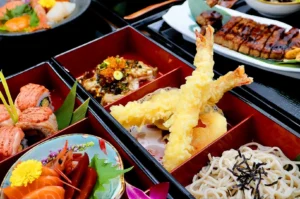
I built this list around a very specific feeling: that first bite where the room goes quiet for a second. I’ve tried enough Japanese restaurants in Singapore over the years to know that “best” does not always mean the most expensive, the rarest, or the hardest to book. Sometimes it is the warmth of the…
-
Not Just Seafood: How Araya Shouten Keeps Japanese Fishing Culture Alive in Singapore
Eat Drink Asia Team | August 26, 2026
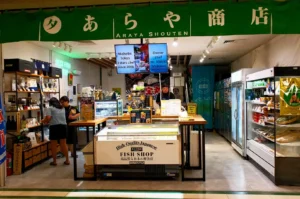
Japanese cuisine has long been admired for its attention to seasonality, precision, and respect for ingredients. However, behind every piece of sashimi or carefully prepared seafood dish lies a story that begins far away from the dining table, often with fishermen, coastal communities, and generations of knowledge passed down through time. At Araya Shouten, seafood…
-
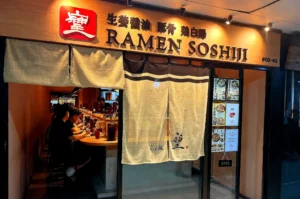
The Ginger Shoyu Ramen at Ramen Soshiji, Where Orchard Goes Quiet
Dio Asahi | August 26, 2026
By Dio Asahi for Eat Drink Asia. The lift opens on the third floor of Orchard Plaza, and for a second I don’t know which way to turn. The corridor is dim and still, the kind of quiet that feels almost accidental in this part of town. A few doors down, an unmarked entrance. Inside,…
-
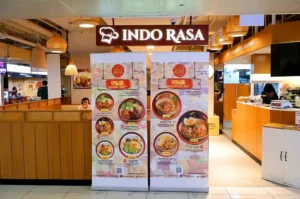
Indo Rasa Singapore and the Nasi Goreng That Measures a Kitchen’s Confidence
Eat Drink Asia Team | August 25, 2026
There’s a dish I order when I want to know a kitchen quickly. Not the specialty. Not the thing the menu is proud of. I order the fried rice. Because nasi goreng has nowhere to hide. It’s rice, chilli, chicken, egg, a few crackers, some cucumber. Everyone thinks they can make it. Most people can….
-
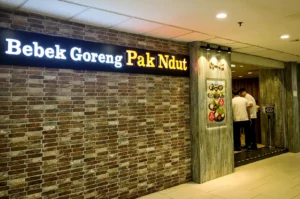
Bebek Goreng Pak Ndut and the Fried Duck That Makes Nasi Goreng Feel Too Polite
Eda Wong | August 22, 2026
The duck arrived and made a sound before I’d even touched it. Not the plate, the skin. When my fork pressed against it, there was a small, dry crackle, the kind you feel in your fingers before you hear it. That’s when I understood I wasn’t eating a soft meal. This was something with edges….
-
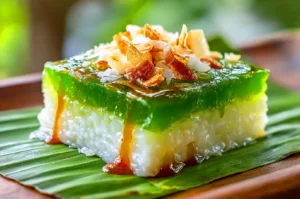
The Coconut Spoon That Shapes Nyonya Kueh Salat
Eda Wong | August 21, 2026
By Eda Wong for Eat Drink Asia. Steam curls up from a tray in the back of the kitchen, and the whole room smells green. Pandan, crushed and knotted, pushed through wet cloth until the leaves give up their colour. An auntie leans over the tray with a spoon carved from coconut shell, dark and…
-
Chicken Nasi Goreng Recipe: What Leftover Rice Becomes After the Wok Gets Serious
Dio Asahi | August 20, 2026
There’s a container of rice at the back of my fridge most weeks. Cold, a little hard, forgotten from a dinner two nights ago. Some people see that and think of waste. I see the start of something better. Because leftover rice doesn’t want to be reheated. It wants to be fried. And when it…