Imagine pouring a cup of butterfly tea—one that radiates the deep blue color of a twilight sky, shimmering with bright blue petals from the famous butterfly pea plant. The real enchantment begins when you stir in a squeeze of lemon juice or lime juice. In an instant, this blue flower tea transforms, shifting from dark blue to radiant purple or pink. This mesmerizing color change of blue butterfly pea tea isn’t a trick: it’s the natural charm of Thailand’s most photogenic drink. Known locally as nam anchan (น้ำอัญชัน), butterfly pea flower tea is made from the edible flowers of the Clitoria ternatea plant—a staple of Thai herbal drinks and a superstar in Thai restaurants and cafés. Today, it captivates travelers and wellness seekers around the world, who delight in both its color changing properties and its cultural richness.
This article guides you through everything blue tea lovers crave: the science of this magical drink, its deep roots in Thai culture and cuisine, how to make your own butterfly pea tea with hot or cold water, the health benefits it’s celebrated for, and dazzling ways to enjoy it in drinks and desserts.
Butterfly Pea Flower Tea: The Science Behind the Color-Changing Marvel
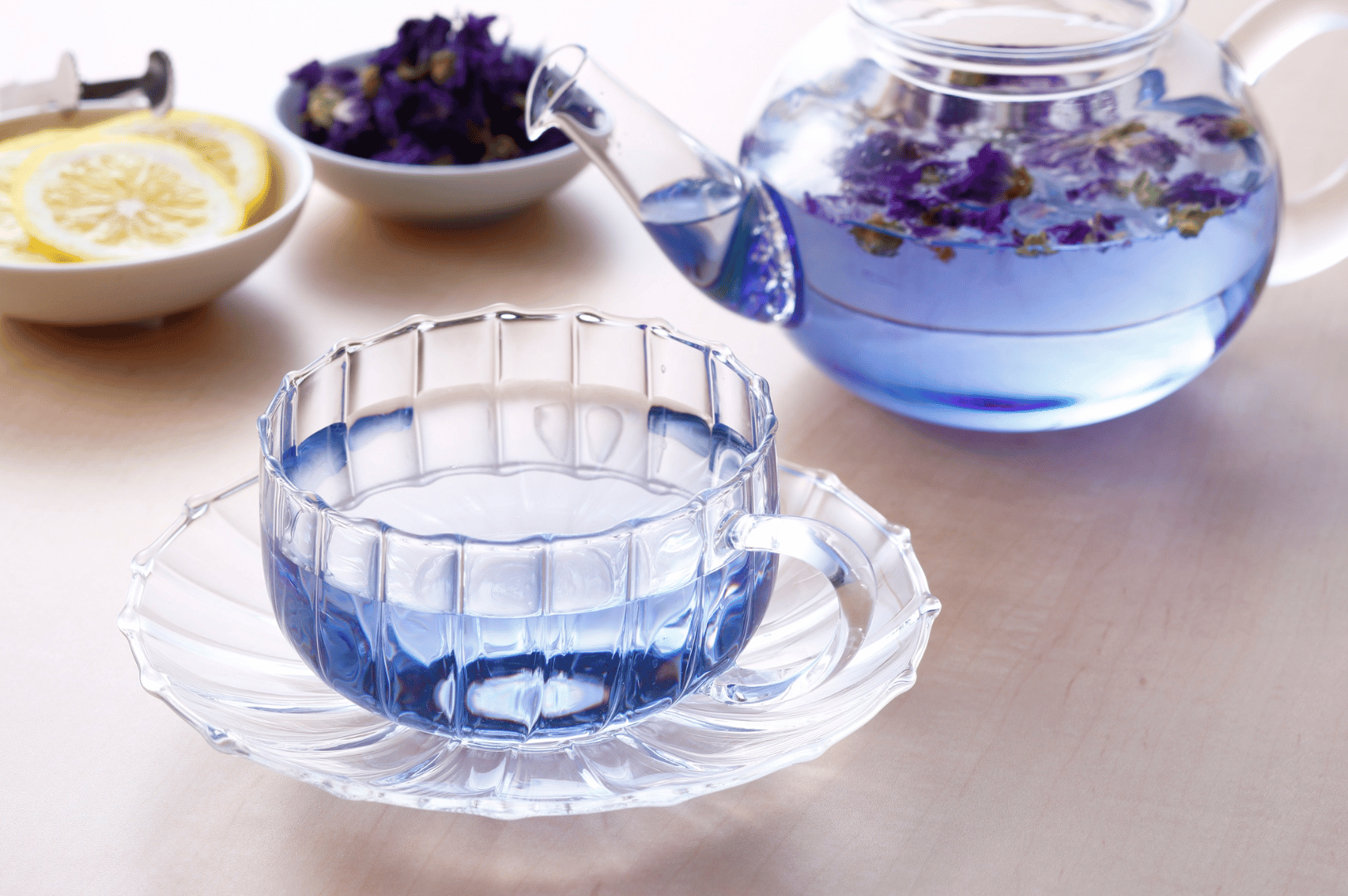
The color-changing properties of butterfly pea flower tea (also called blue pea or blue tea) introduce a splash of science into every cup. The iconic blue color comes from anthocyanins—powerful pigments also found in blueberries and red cabbage. These anthocyanins in butterfly pea flowers are especially sensitive to pH, which means acids dramatically affect the hue of the tea.
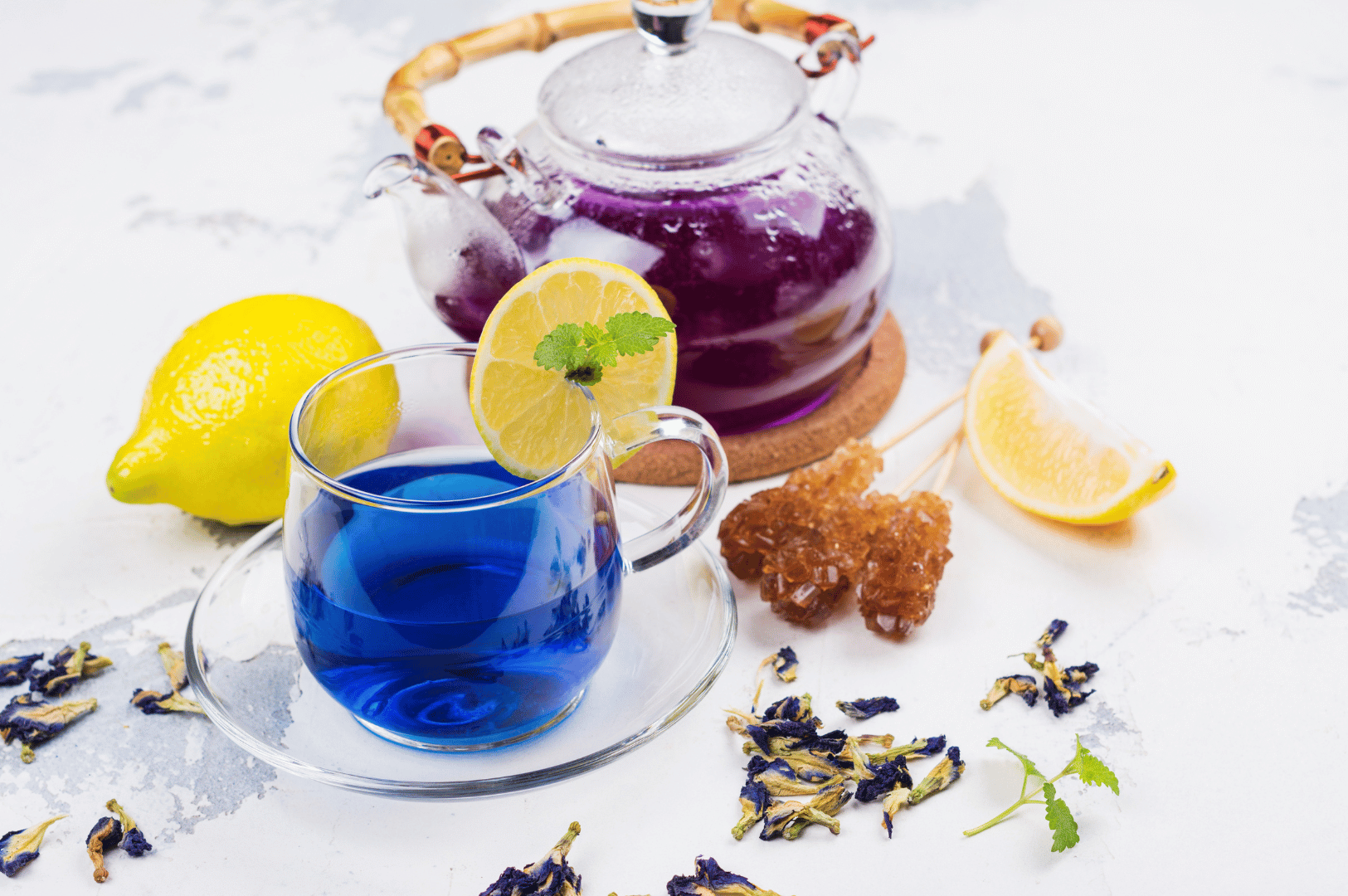
When you first brew blue butterfly pea tea with boiling water or hot water, the color is a deep blue. Add sugar or serve it chilled over ice cubes for a refreshing drink. Drop in lemon or lime juice (or even a slice of orange), which lowers the pH, and you'll witness an instant color change: blue turns to purple or pink! This delightful transformation is why Asian pigeonwings (another name for the butterfly pea plant) are must-haves in every Thai drink and video tutorial on Instagram.
Butterfly Pea Flowers: Historical and Cultural Significance in Thailand
Long before butterfly pea tea became a global trend, these bright blue petals had an important place in Thai households. In traditional Thai medicine, butterfly pea flowers—often called cordofan pea or nam dok anchan—were used to support eye health, enhance hair strength, and calm the mind. Edible flowers like butterfly pea also show up in many Thai recipes and beauty traditions, such as natural hair dye or eyebrow color.
Butterfly tea is more than a drink; it’s hospitality in a glass. Thai people serve it chilled with a little honey and lemon, often with crushed ice on hot afternoons, at spas, or before a meal in local Thai restaurants. Depending on the region, butterfly pea tea might be infused with pandan, lemongrass, or mint for added aroma and flavor. In southern and northern Thailand, blue flower tea is used as a natural dye in everyday cuisine—rice dishes, desserts, and even sticky rice.
How to Prepare Traditional Blue Butterfly Pea Tea
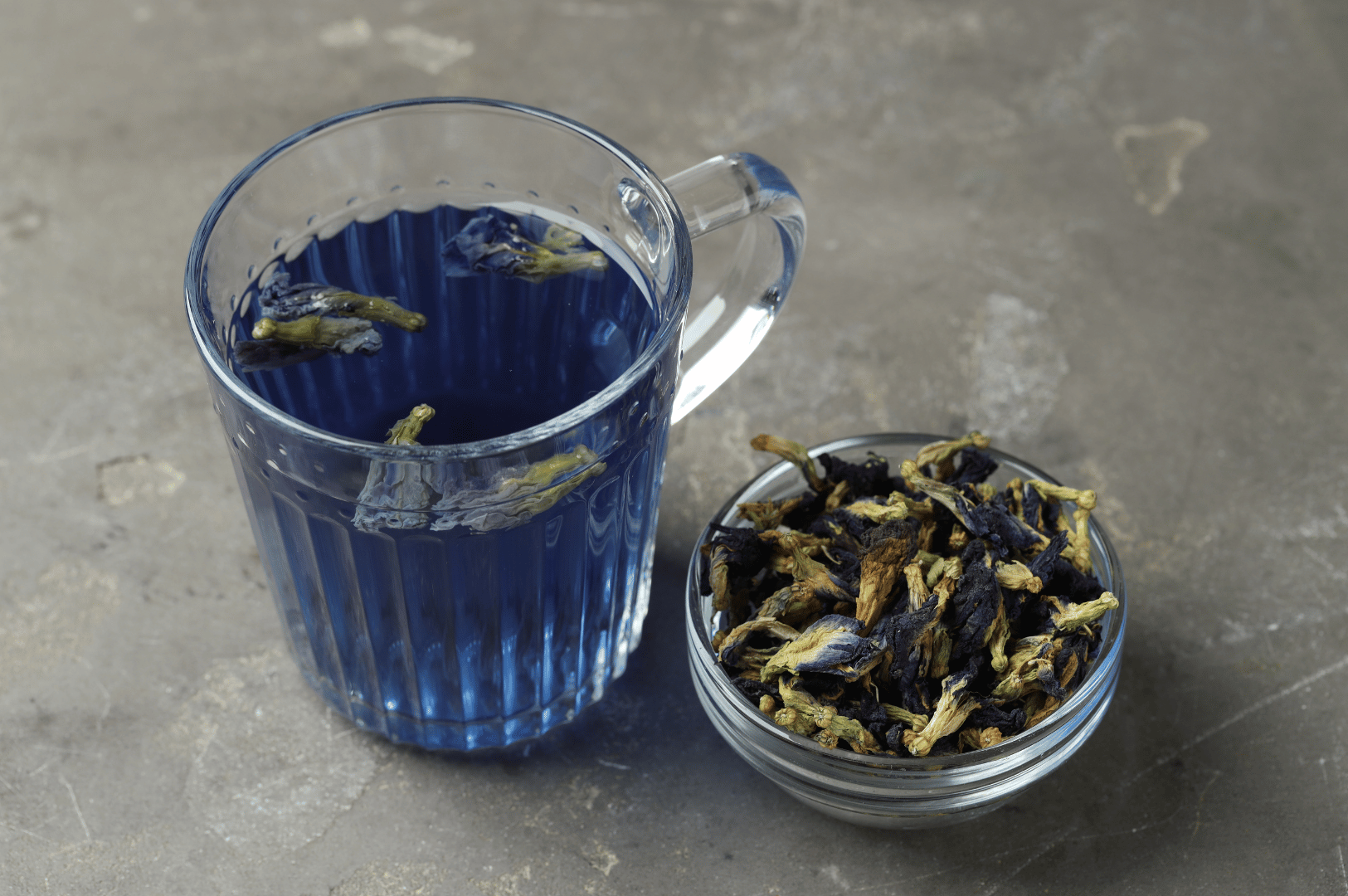
Making authentic butterfly pea tea at home is wonderfully simple.
Step-by-Step Brewing Method for Flower Tea
- Measure and Prepare: For each cup, use 5–7 dried flowers (more for deeper blue color).
- Bring Water to Temperature: Use boiling water or slightly cooled hot water (around 200°F/93°C).
- Steep the Blue Flowers: Pour over the dried butterfly pea flowers in a teapot or heatproof glass, and steep for 3–5 minutes until you achieve a rich blue color. For iced tea, let it cool and serve over ice cubes or crushed ice in a glass.
- Strain: Use a tea strainer to remove the flowers.
- Serve and Customize: Stir in honey, a squeeze of lemon juice or lime juice to reveal the magical color change and sweeten to taste. For traditional flair, garnish with mint or a pandan leaf. Many Thai people add simple syrup, milk, or whole milk for extra richness.
Pro Tip: For vibrant purple flower tea, experiment with the amount of lemon or lime for more color variety. Check out a video tutorial online for visual steps.
Health Benefits and Traditional Uses of Butterfly Pea Tea
Butterfly pea flower tea is embraced across southeast Asia—including in drinks cuisine of Thailand—for both its striking looks and health benefits. Rich in anthocyanins, butterfly tea acts as an antioxidant powerhouse. It’s naturally caffeine-free, offering a soothing alternative to stronger teas or coffee. Some studies suggest butterfly pea tea may support skin health, immunity, and even brain function thanks to its antioxidants.
Traditionally, blue tea is thought to ease stress, support digestion, and offer mild anti-inflammatory effects. Recipes for butterfly pea tea often note the lack of caffeine, making it ideal for evening sipping or as a base for cold drinks.
Health disclaimer: Always consult your healthcare provider before relying on herbal remedies for health issues or daily consumption.
Blue Pea: Beyond Tea in Thai Cuisine
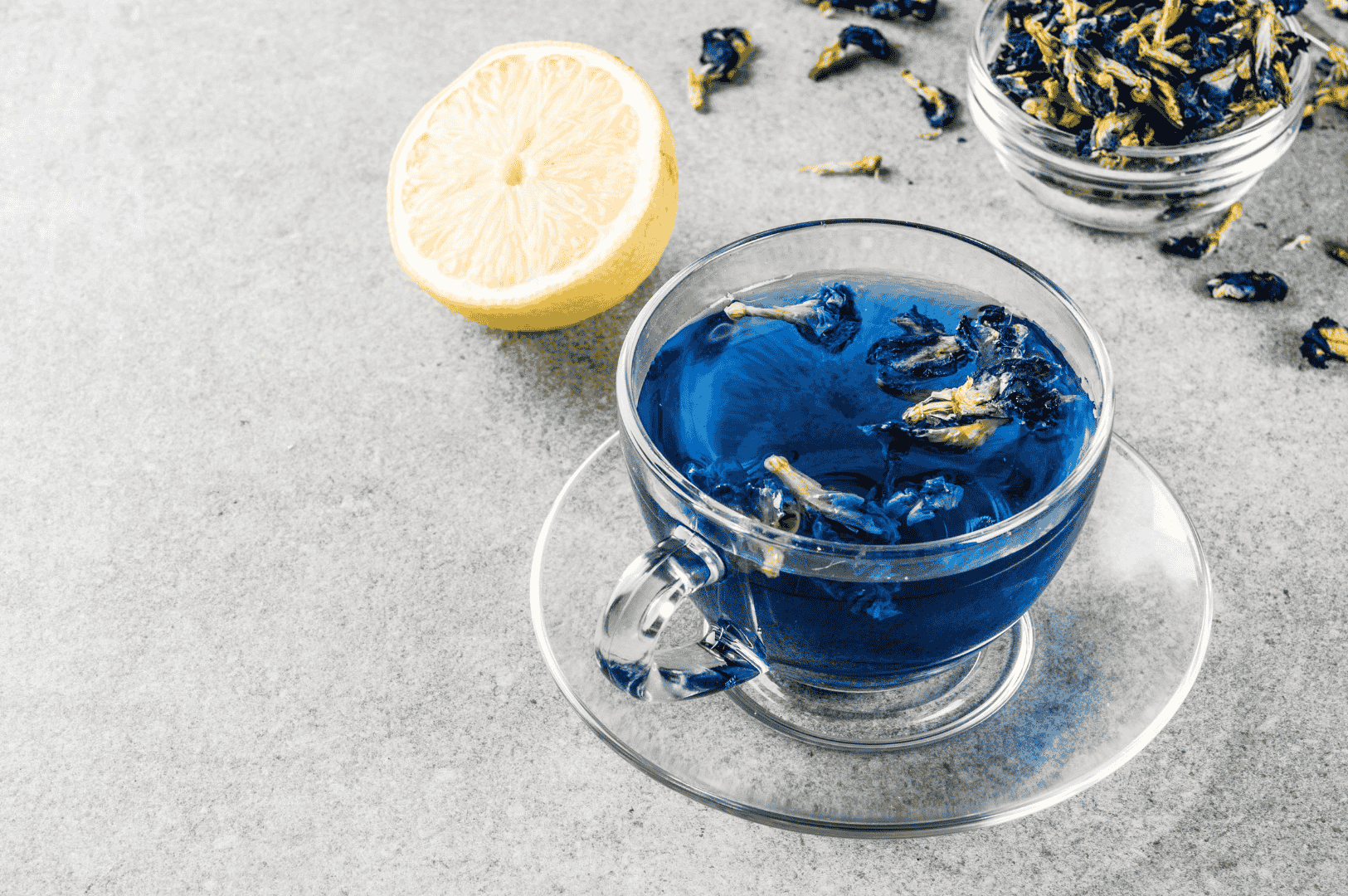
In the creative world of Thai food, blue pea (butterfly pea flower) is valued for much more than tea. Its dark blue natural dye colors blue rice for savoury meals, often paired with mango sticky rice (khao niao mamuang) or jasmine rice. Blue flower tea flavors everything from ice pops to jellies in the dessert case.
Modern Thai bars and cafés use butterfly pea as a key ingredient in color-changing cocktails, mocktails, and Thai iced tea fusion drinks. Watch as bartenders pour lemon or lime juice into the glass for an impressive tableside color change!
Blue Tea: Where to Find Authentic Butterfly Pea Flower Tea in Thailand
Travelers in Thailand should not miss the opportunity to sip authentic blue tea.
- Notable Cafés: Trendy spots in Bangkok and Chiang Mai serve butterfly pea lattes, frappes, and iced tea with honey, milk, or mint.
- Markets and Street Vendors: Search the bustling markets for bags of dried butterfly pea flowers or enjoy a glass of iced butterfly tea at street-side drink stalls.
- Restaurants: Many Thai restaurants serve butterfly tea as a welcome drink, or use it as an ingredient in both drinks and rice dish specialities.
Bring home these dried flowers from local markets or Asian grocery stores: they're light, shelf-stable, and perfect for DIY blue tea experiments.
Growing and Harvesting the Butterfly Pea Plant
The butterfly pea plant (Clitoria ternatea) thrives in southeast Asia’s warm, sunny weather. It’s prized for its fast growth and generous blooming of blue pea flowers. If you want to grow your own, plant seeds in well-drained soil with plenty of sun. Once your butterfly pea vines flower, harvest in the morning, dry the blossoms fully (away from direct sun), and store in a sealed container.
Sustainable cultivation ensures a steady supply both for beautiful tea and as edible flowers for dishes and drinks.
Cold Water and Flower Tea: Making Chilled Butterfly Pea Tea
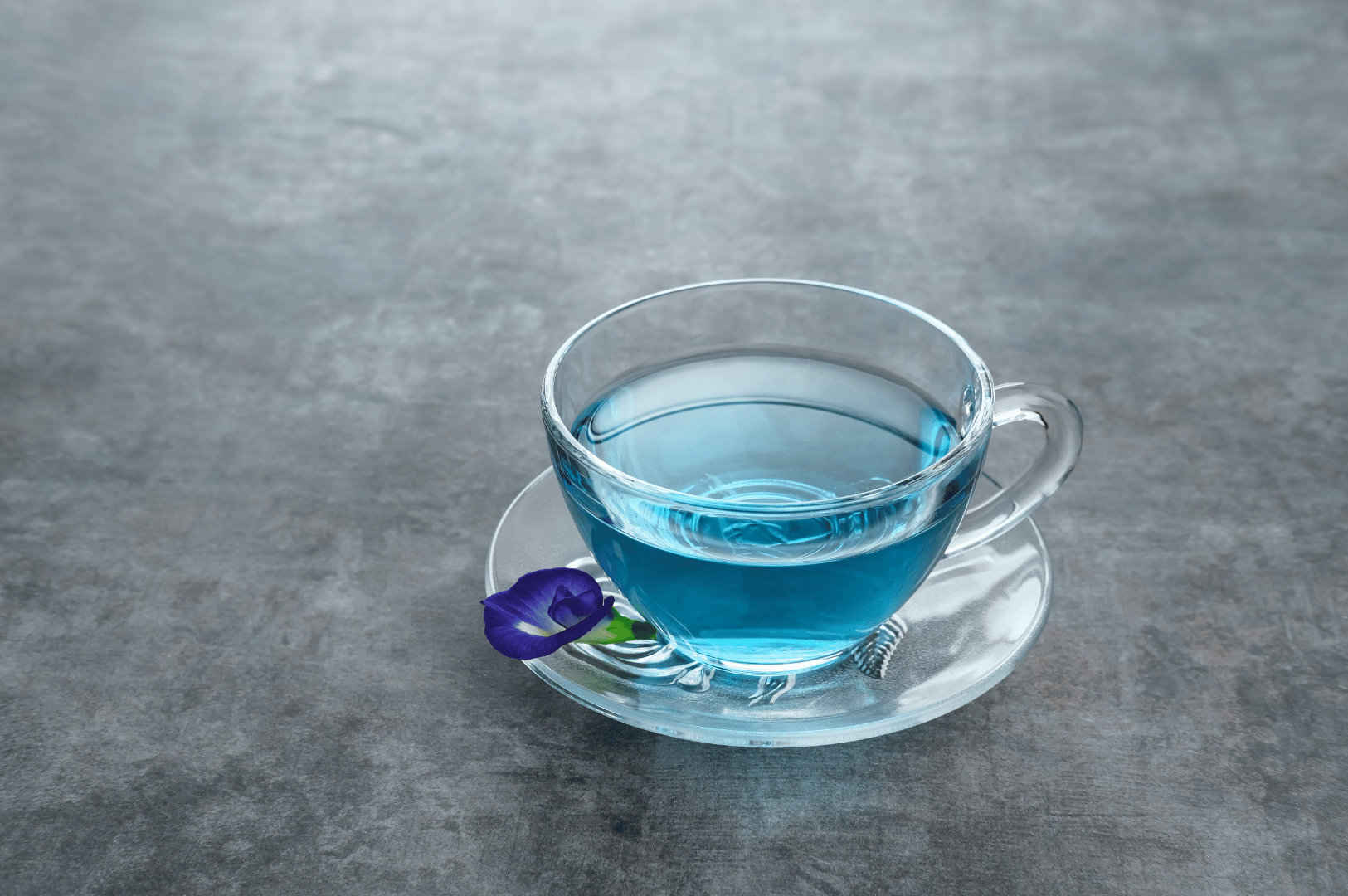
To enjoy cold water flower tea, brew blue butterfly pea tea as above, then let it cool and pour over crushed ice. This method is especially popular for hot days and in drink recipes that combine butterfly pea tea with other tropical flavors or sparkling sodas.
Conclusion
Butterfly pea flower tea is much more than a visual delight. This dazzling blue drink brings together centuries of Thai herbal tradition, scientific wonder, and delicious innovation. Whether you’re sipping it chilled at a Thai restaurant, creating blue flower tea recipes at home, or admiring its color changing properties in a glass, butterfly pea tea is Southeast Asia’s gift to the world—a symbol of nature’s magic in every cup.
Frequently Asked Questions (FAQ)
1. What does butterfly pea tea taste like?
Butterfly pea tea taste is exceptionally mild and earthy, similar to a light green tea or fresh beans. The flavor welcomes additions like honey, lemon, or mint.
2. Does blue tea contain caffeine?
No, butterfly pea flower tea is caffeine-free and can be enjoyed day or night.
3. How is blue tea served at Thai restaurants?
Most Thai restaurants serve it cold with honey, simple syrup, or milk—and often with a side of lemon or lime for you to stir in and enjoy the color change. It’s also offered hot or as part of a blue rice dish.
4. Where can I buy dried butterfly pea flowers?
Find them at Asian grocery stores, online marketplaces, or local markets in Thailand. Look for bright blue petals and check for required recipe ratings online.
5. How long do dried flowers last?
Properly stored in a sealed container away from light, dried butterfly pea flowers keep their vivid blue color and flavor for up to a year.
For a real treat, watch a video tutorial showing the color change in action, and don’t forget to review recipe ideas for your own magical butterfly tea creations. Whether you prefer it served chilled over ice cubes, mixed into Thai iced tea, or colored into a sweet rice dish, experience the wonder of blue butterfly pea tea—Thailand’s most enchanting drink.
To keep exploring Thai flavors, try khao soi, northern Thailand’s iconic curry noodle soup or browse more food journeys on Eat Drink Asia.

The Last Turn of Tamagoyaki in a Tsukiji Pan
Dio Asahi | October 7, 2026
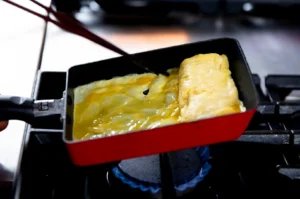
By Dio Asahi for Eat Drink Asia. It’s mid-morning, and the cook doesn’t look up. He stands over a rectangular pan, copper worn to a dull gold at the edges, and pours a thin skin of beaten egg across its surface. It hisses. Steam rises, warm and faintly sweet, and he tilts the pan just…
-
Seafood Restaurants in Singapore That Turn Crab Night Into a Full Table Ritual
Dio Asahi | October 6, 2026
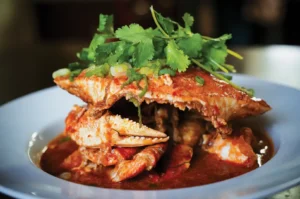
It always starts the same way for me. Someone lifts the lid off a plate of chilli crab, and the whole table leans in. Fingers reach before spoons do. Somebody tears the first piece of fried mantou, drags it through that sticky, sweet-savoury sauce, and the rest of us stop talking for a second. That…
-
Korean Street Food Is Built for Movement, Heat, and One-Handed Eating
Eda Wong | October 3, 2026
The first time I ate tteokbokki in Seoul, I burned my tongue standing up. It was late, the air was sharp with cold, and I had stopped at a small street food stall near a subway exit because the steam pulled me in. The woman handed me a paper cup of rice cakes in red…
-
Mrs Pho and the Bowl That Makes Somerset Feel Like a Vietnamese Family Table
Eat Drink Asia Team | October 1, 2026
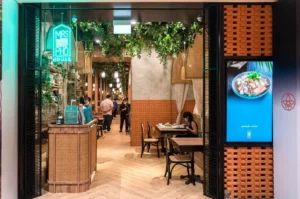
I wasn’t hungry when I walked into 313@somerset. I’d come for something else entirely; an errand, a shop I needed, the usual Orchard rush of people moving faster than the escalators. But somewhere on the first floor, past the noise, I caught the smell of star anise and beef bone, and my feet slowed down…
-
The Carving Knife at Colony, and the Way We Mark What Matters
Eda Wong | September 30, 2026
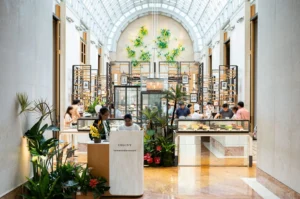
By Eda Wong for Eat Drink Asia. It’s late morning, and the light is doing most of the work. It pours through the high windows of Colony, at The Ritz-Carlton, Millenia Singapore, spilling across white tablecloths and the vintage prints on the walls. Marina Bay hums somewhere outside, but in here the room feels a…
-
Co Chung Vietnamese Restaurant and the Gỏi Cuốn That Makes Fresh Herbs Do the Work
Dio Asahi | September 29, 2026
I found it by accident, the way you find most things in a mall basement. I’d come down to Plaza Singapura’s B2 for something else entirely, drifting past the usual food-court noise, when I caught the smell of star anise and beef bone coming from a corner. I followed it. And there it was —…
-
Vietnamese Spring Roll: The Recipe That Only Works When the Herbs Stay Awake
Eda Wong | September 26, 2026
Fresh Vietnamese spring rolls, or gỏi cuốn, look delicate, but the recipe is really about control: barely softened rice paper, dry herbs, restrained noodles, clean protein, and a dipping sauce sharp enough to wake the whole thing up. This is not the fried version, chả giò or nem rán. This is the cool, translucent, herb-heavy…
-
Best Steakhouse Singapore: From Fire-Kissed Icons to Old-School Beef Plates
Eat Drink Asia Team | September 24, 2026
I didn’t set out to write about steak. It started with a bad day and a craving for something that pushed back when I bit into it. One dinner turned into a habit, and over a couple of years I found myself at counters, coffeeshops, and dining rooms all over this island, chasing the same…
-
The Ice Counter at Carousel, and the Table Everyone Can Reach
Dio Asahi | September 23, 2026
By Dio Asahi for Eat Drink Asia. It’s a Saturday evening, and someone across the room is carrying a birthday cake. The candles are lit, the walk is careful, and a whole table turns to watch. Plates clink. A child laughs somewhere. The room at Carousel, inside Royal Plaza on Scotts, isn’t quiet — it…
-
Tiong Shian Porridge Centre Review: The Soft Counterweight to Chinatown’s Crisp Toast
Dio Asahi | September 22, 2026
I’d spent the morning with kaya toast. Crisp bread, cold butter, the clean snap of it between my teeth. Good, all of it. But by the time I’d walked a few streets over to New Bridge Road, my mouth wanted the opposite. Something warm. Something that gave way instead of shattering. That’s how I ended…