By Eda Wong for Eat Drink Asia
It’s late afternoon, and the river is the colour of weak tea.
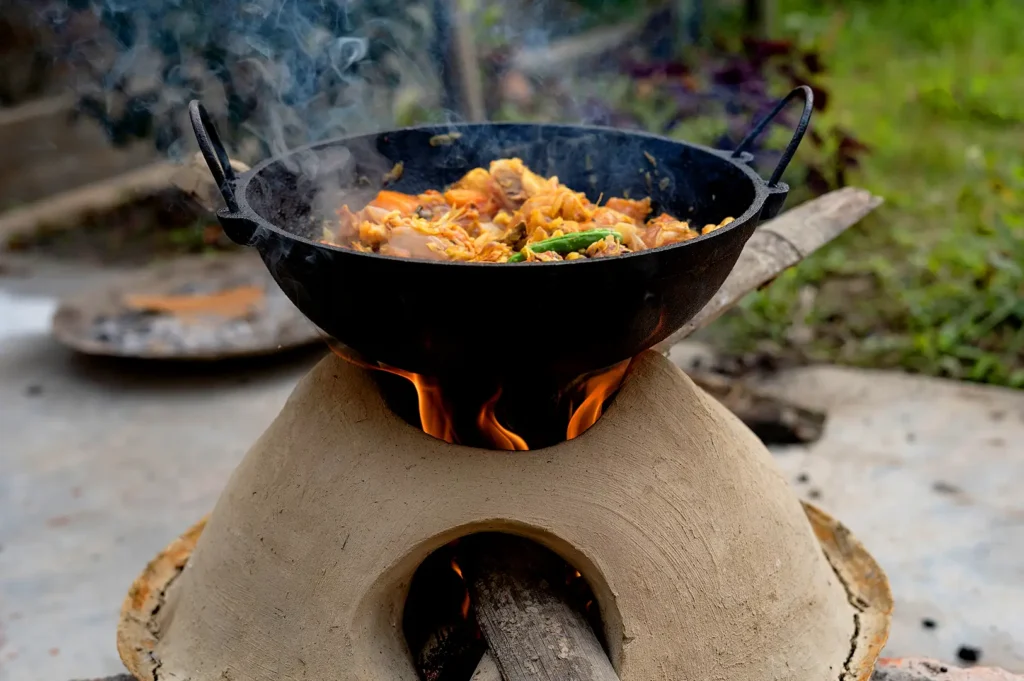
A woman crouches beside a small clay stove at the edge of the bank, feeding it slivers of charcoal. Smoke lifts, thin and grey, and drifts toward the water. On a bamboo skewer, a whole fish leans over the coals, its belly split and stuffed tight with lemongrass. The skin has started to crackle and blister where the heat licks closest. She doesn’t rush it. She turns the skewer a quarter, sits back on her heels, and waits.
The smell reaches me before the fish is done — charcoal, and something green underneath.
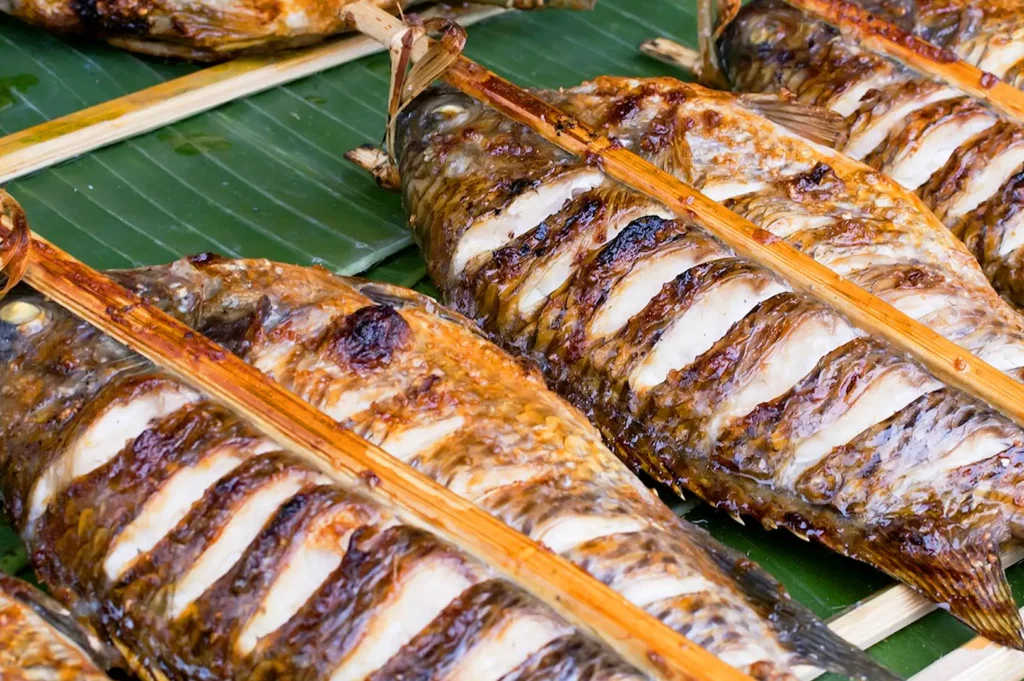
This is pa ping (pah ping) — “pa” for fish, “ping” for grilled. It’s a whole river fish, often tilapia or something pulled from the Mekong that morning, packed with lemongrass, dill, spring onion, sometimes a knot of herbs I can’t name. The stalk of lemongrass runs through the body like a spine. Then it’s clamped in a split bamboo skewer, salted on the skin, and set over the clay stove to cook slowly, low and patient.
The clay holds the heat gently. That’s the whole point. Too fierce, and the skin chars before the flesh gives up its water. So the cook works close to the coals, reading the smoke, turning by feel. By the time it’s ready, the skin peels back to steam and soft white flesh, and the lemongrass has perfumed everything from the inside out.
That’s the Eat Drink Asia experience. You eat it by the water, usually. Not alone.
Someone spreads a mat. Someone brings sticky rice in a woven basket, still warm. The fish is set down whole, and hands reach for it together — no plating, no ceremony, just fingers and rice and a dish of jeow, the chilli dip, passed around. The meal stretches. Nobody checks the time. The river keeps moving, and the talk moves with it, slow as the current.
That unhurried thing is what stays with me. This is food that refuses to be quick.
Because it would be so easy to make it quick now. A gas flame. A pre-cut fillet. A minute a side. And plenty of kitchens do — I understand why. But the clay stove asks for something the gas flame doesn’t: your attention, held over coals, for as long as the fish needs. The smoke, the crackle, the herb-thick steam — none of it survives the shortcut. What you’d save in minutes, you’d lose in everything else.
I think that’s why the woman by the river didn’t hurry.
She wasn’t cooking dinner. She was keeping something.
The fish came off the skewer. The skin gave way. And for a while, by the tea-coloured water, there was nothing to do but eat, and sit, and let the afternoon go where it wanted.

Co Chung Vietnamese Restaurant and the Gỏi Cuốn That Makes Fresh Herbs Do the Work
Dio Asahi | September 29, 2026
I found it by accident, the way you find most things in a mall basement. I’d come down to Plaza Singapura’s B2 for something else entirely, drifting past the usual food-court noise, when I caught the smell of star anise and beef bone coming from a corner. I followed it. And there it was —…
-
Vietnamese Spring Roll: The Recipe That Only Works When the Herbs Stay Awake
Eda Wong | September 26, 2026
Fresh Vietnamese spring rolls, or gỏi cuốn, look delicate, but the recipe is really about control: barely softened rice paper, dry herbs, restrained noodles, clean protein, and a dipping sauce sharp enough to wake the whole thing up. This is not the fried version, chả giò or nem rán. This is the cool, translucent, herb-heavy…
-
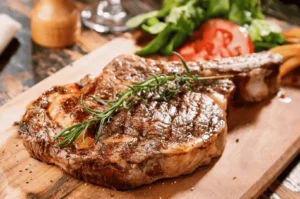
Best Steakhouse Singapore: From Fire-Kissed Icons to Old-School Beef Plates
Eat Drink Asia Team | September 24, 2026
I didn’t set out to write about steak. It started with a bad day and a craving for something that pushed back when I bit into it. One dinner turned into a habit, and over a couple of years I found myself at counters, coffeeshops, and dining rooms all over this island, chasing the same…
-
The Ice Counter at Carousel, and the Table Everyone Can Reach
Dio Asahi | September 23, 2026
By Dio Asahi for Eat Drink Asia. It’s a Saturday evening, and someone across the room is carrying a birthday cake. The candles are lit, the walk is careful, and a whole table turns to watch. Plates clink. A child laughs somewhere. The room at Carousel, inside Royal Plaza on Scotts, isn’t quiet — it…
-
Tiong Shian Porridge Centre Review: The Soft Counterweight to Chinatown’s Crisp Toast
Dio Asahi | September 22, 2026
I’d spent the morning with kaya toast. Crisp bread, cold butter, the clean snap of it between my teeth. Good, all of it. But by the time I’d walked a few streets over to New Bridge Road, my mouth wanted the opposite. Something warm. Something that gave way instead of shattering. That’s how I ended…
-
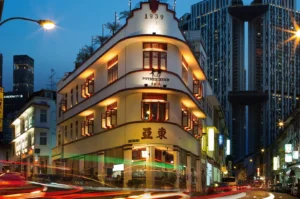
Tong Ah Eating House Review: A Chinatown Breakfast That Still Begins with Kaya Toast
Eda Wong | September 19, 2026
I almost walked past it. I’d been looking for the old triangular building, the red-and-white one you see in every photo of Keong Saik, the one that made Tong Ah feel like a landmark before you’d even ordered anything. But that’s not where it lives anymore. It’s a few doors down now, at 35 Keong…
-
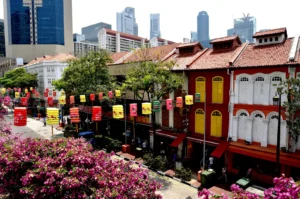
Breakfast at Chinatown Singapore: How Migration Built the City’s Morning Table
Eat Drink Asia Team | September 17, 2026
The first time I ate breakfast in Chinatown, I got it wrong. I arrived at eleven, hungry and hopeful, and found the kopi stalls already turning toward lunch. The porridge uncle was packing up. The toast man had switched to slicing char siew. I ate a rushed plate of noodles standing near a pillar, sweating,…
-
The Bitter Leaf Folded Into a Burmese Home Kitchen
Eda Wong | September 16, 2026
The oil is already hot when she reaches for the leaves. It’s late morning in a kitchen off a quiet lane, and a woman I’ve been watching stands over a blackened wok, tearing bitter gourd leaves by hand into a small heap. The garlic hits the oil first, sharp and loud. Then the leaves go…
-
Best Sushi Singapore: From Premium Japanese Restaurants to Exclusive Deals from Affordable Sushi Trains
Dio Asahi | September 15, 2026
I’ve been eating sushi in this city for years now, from S$1.50 plates rolling past on a belt to omakase counters where the bill made me sit up straight. Somewhere along the way I stopped chasing “the best” and started noticing something else — that good sushi answers a mood, not a ranking. Some nights…
-
Al Mubin Restaurant and the Nasi Goreng Sambal Ayam That Has to Carry the Whole Plate
Eda Wong | September 12, 2026
It was close to eleven at night when I finally sat down. The kind of hour when you’re not really hungry so much as unsettled, when you want something warm in front of you more than you want a proper meal. Al Mubin’s food court at Block 407, Ang Mo Kio Avenue 10, was still…