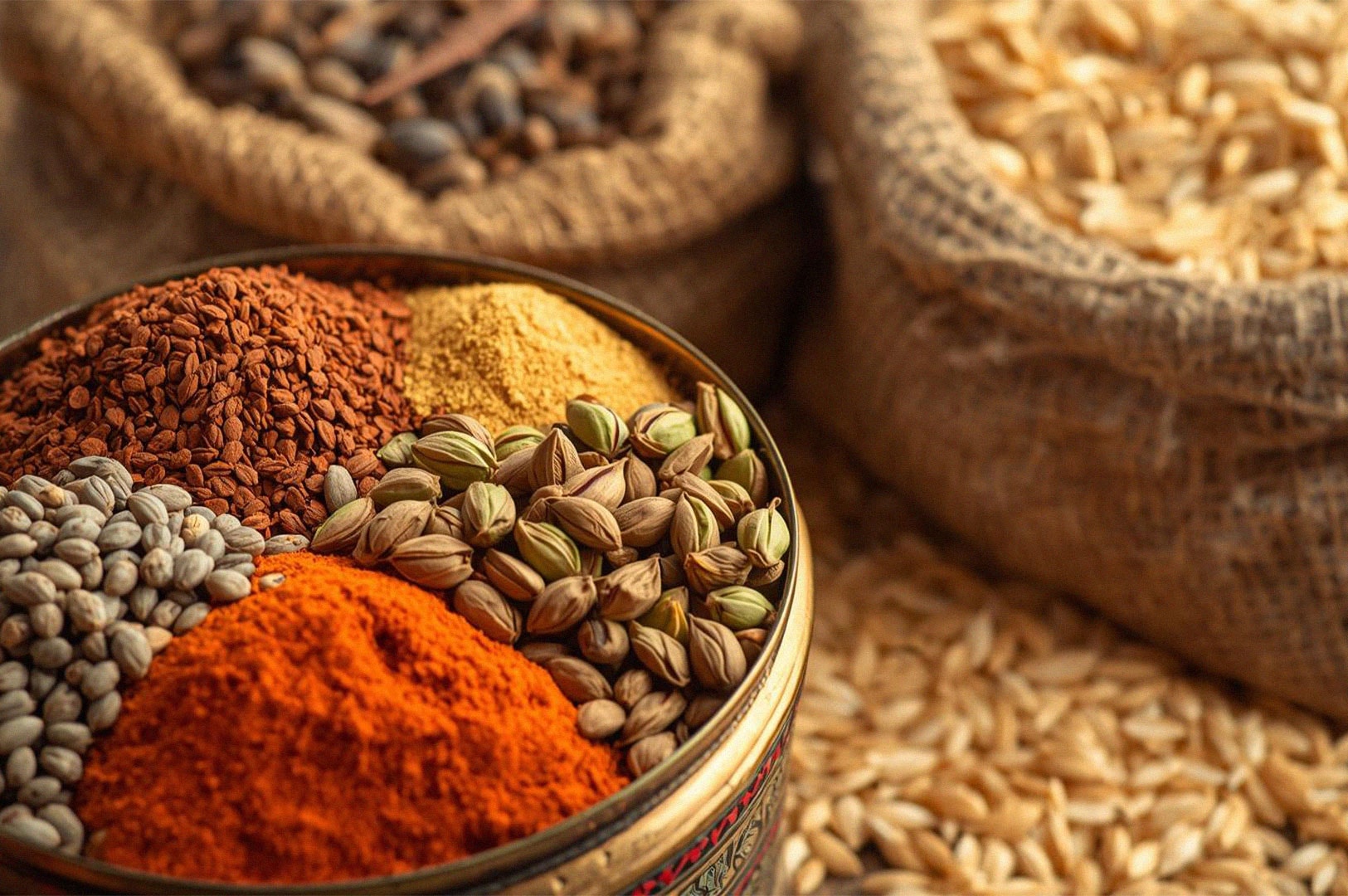
Indian cuisine is celebrated for its spectacular diversity, bursting with flavors, regional traditions, and culinary innovations. From the spice-laden gravies of Northern Indian cuisine and tandoor-fresh breads, to coconut-laced Southern Indian cuisine, fragrant rice dishes in the East, and the robust, spicy curries and street food of the West, the foods of India reflect not only rich geography and climate, but a vibrant patchwork of religious beliefs, history, and evolving tastes.
India’s regional cuisines paint a vivid picture of local life and landscape. Whether you’re enjoying vegetarian dishes abundant in seasonal vegetables and spices, indulging in hearty meat dishes rich with aromatic spices, or savoring famous fried snacks at a bustling street corner, every aspect of Indian food celebrates variety and depth.
Below, we explore how geography, climate, religion, and history have shaped the many faces of Indian cuisine—and why they remain favourite dishes on Indian menus around the world. For food lovers eager to explore a world of delicious dishes, the cuisines in India are endlessly rewarding. Every region is a culinary adventure, shaped by nature, trade, migration, and centuries of culinary traditions.
Historical and Cultural Roots of Indian Cuisine
The evolution of Indian cooking has been influenced for thousands of years by migration, religious practice, and cultural exchange. Early agricultural communities cultivated staple foods like wheat, barley, and rice, which today form the backbone of North Indian cuisine and South Indian cuisine alike.
Religion plays a key role: many Indians follow vegetarian or vegan diets for spiritual reasons, while others enjoy a vast range of chicken meat, goat meat, fish dishes, and more.
With time, Indian food developed under the influence of invaders and traders from Central Asia, the Middle East, and Europe. Mughal rulers introduced lavish cooking methods. Later, colonial trade brought potatoes, tomatoes, and chili peppers, now essential in spicy dishes and curries across India. Today, regional cuisines are defined as much by their use of Indian spices such as cumin, cardamom, garam masala, and mustard seeds, as by local grains, vegetables, and unique cooking techniques.
Northern Indian Cuisine: Rich Gravies and Tandoor Traditions
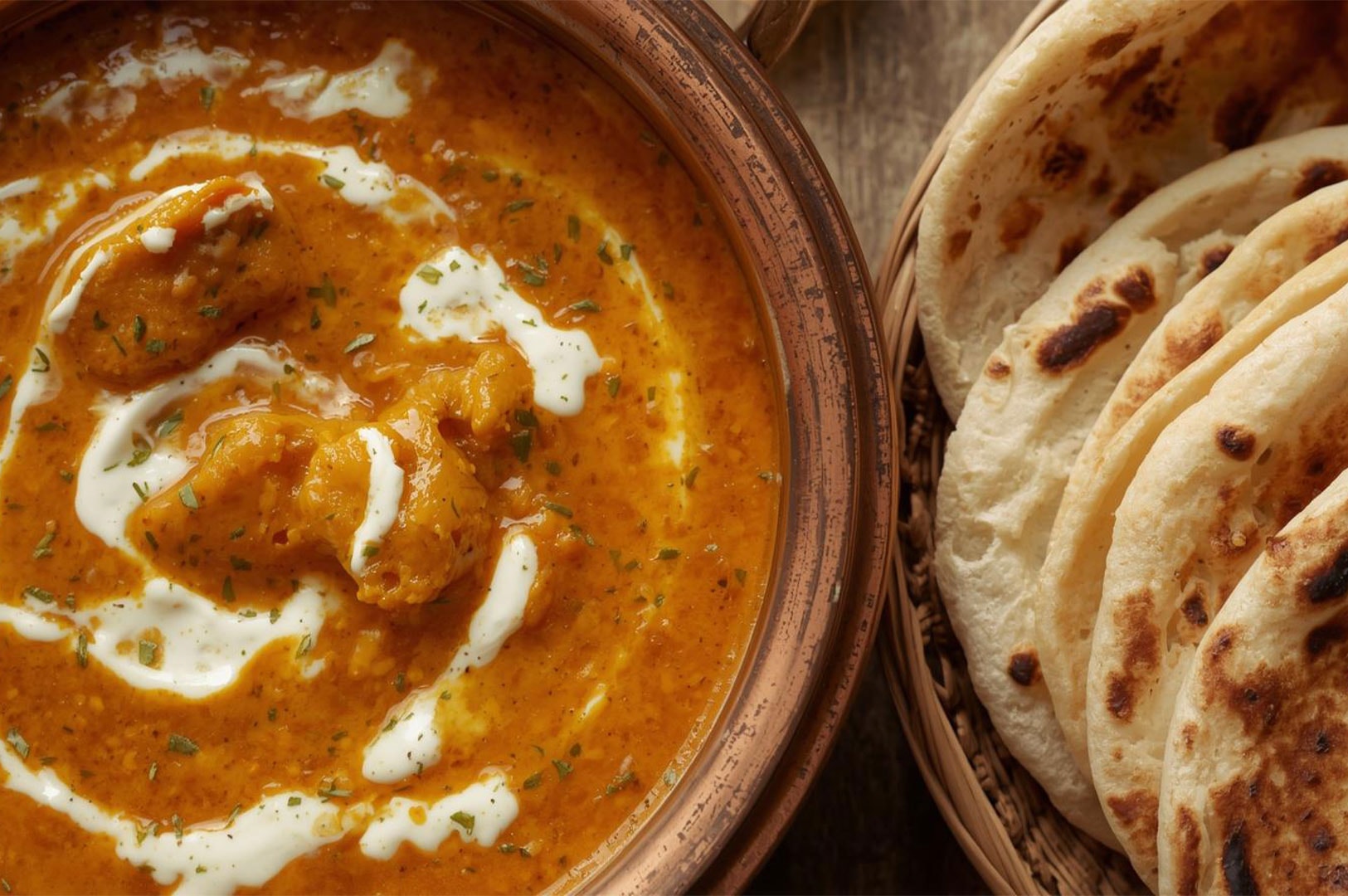
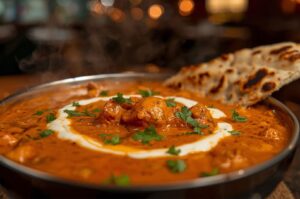
Northern Indian cuisine is renowned for its robust, creamy curries and an impressive array of breads, brought to life by the fertile plains and cooler climate of Northern India. The cuisine of regions such as Punjab, Uttar Pradesh, Kashmir, and Delhi cuisine is characterized by a penchant for aromatic spices, dairy, and meat dishes.
Breads like naan, roti, and paratha are typically served alongside gravies, although steamed basmati rice forms the heart of many biryanis and pilafs. North Indian gravies are famous for their creamy base, often enriched with cream, yogurt, or ghee. The region’s tandoor clay oven produces smoky, flavorful breads and roasted meats.
Signature North Indian Dishes:
- Tandoori chicken
- Butter chicken with tender chicken pieces
- Dal makhani
- Naan and roti
- Aloo gobi
The “dum” method of slow, sealed cooking, and the classic tadka (tempering of spices in hot oil) are staples in the kitchens of Northern India. These techniques bring out the full potential of garam masala and other Indian spices, creating hearty and flavorful curries like chicken curry and dal makhani that have become beloved popular Indian dishes worldwide.
Southern Indian Cuisine: Rice, Coconut, and Fermentation
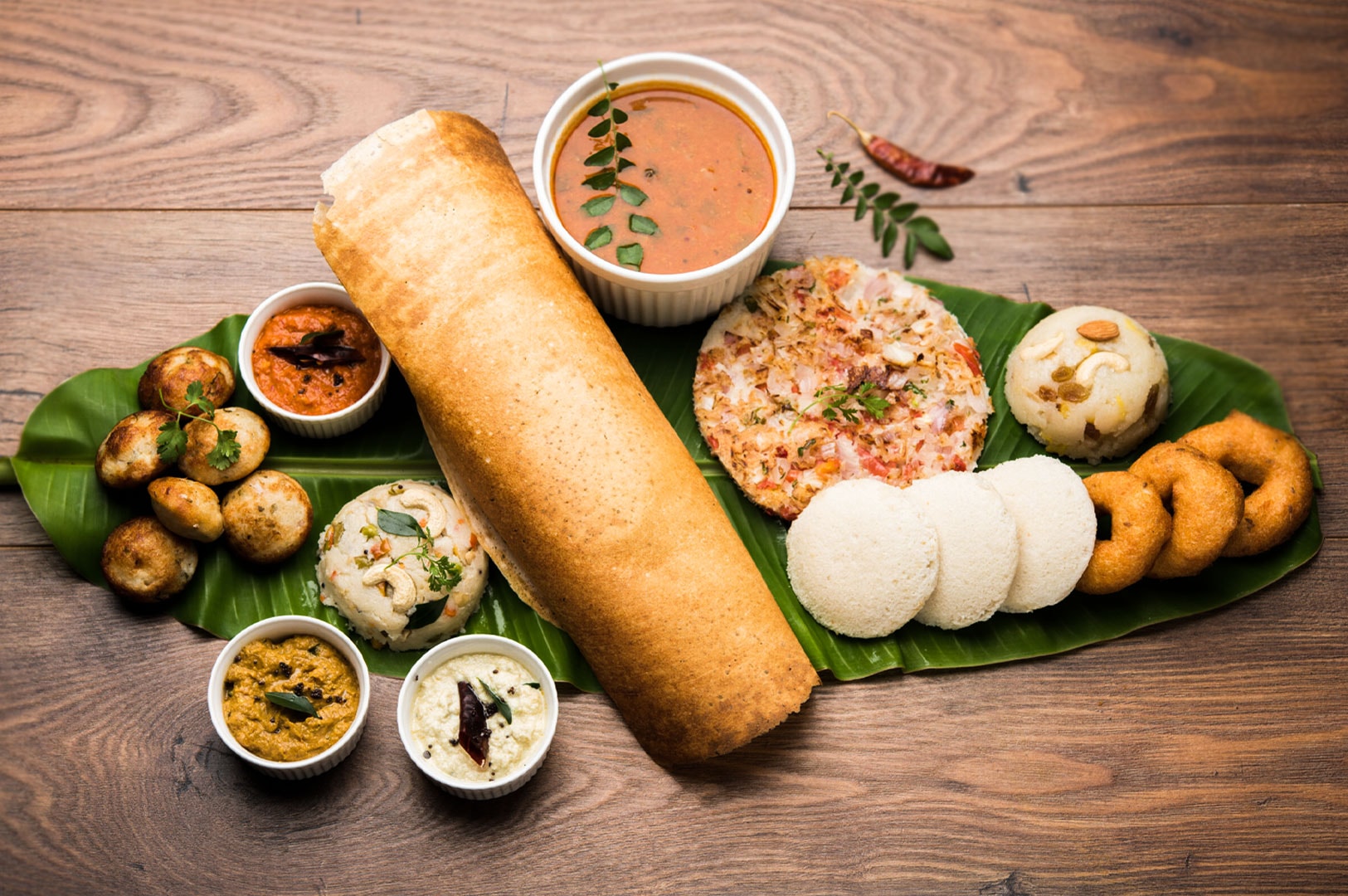
South Indian cuisine offers a bright, bold palette of flavors, especially in South Indian states such as Tamil Nadu, Kerala, Karnataka, and Andhra Pradesh. Here, meals are typically based on steamed rice, fermented rice batters, and coconut in various forms.
Fermentation is central, giving rise to soft, spongy idlis and crisp dosas. Coconut milk and freshly grated coconut bring a light creaminess to vegetable dishes, curries, and accompaniments like coconut chutney. Mustard seeds, curry leaves, and chili peppers infuse many dishes with distinctive southern flavor, while tamarind adds a sour tang to sambar and other gravies. The aromatic spices of the south, paired with rice and lentils, create a variety of vegetarian dishes favored in many South Indian households.
Famous South Indian Dishes:
- Dosa
- Idli
- Sambar (vegetable stew)
- Fish curry (often with coconut milk)
- Coconut chutney
South India is also famed for hearty curries featuring chicken meat or fish, and for its rich use of fresh fruits, produce, fermented foods, and spiced potato fillings. Meals are often served on banana leaves for an authentic taste—a tradition many consider a key part of Indian food culture.
Eastern Indian Cuisine: Mustard, Fish, and Sweets
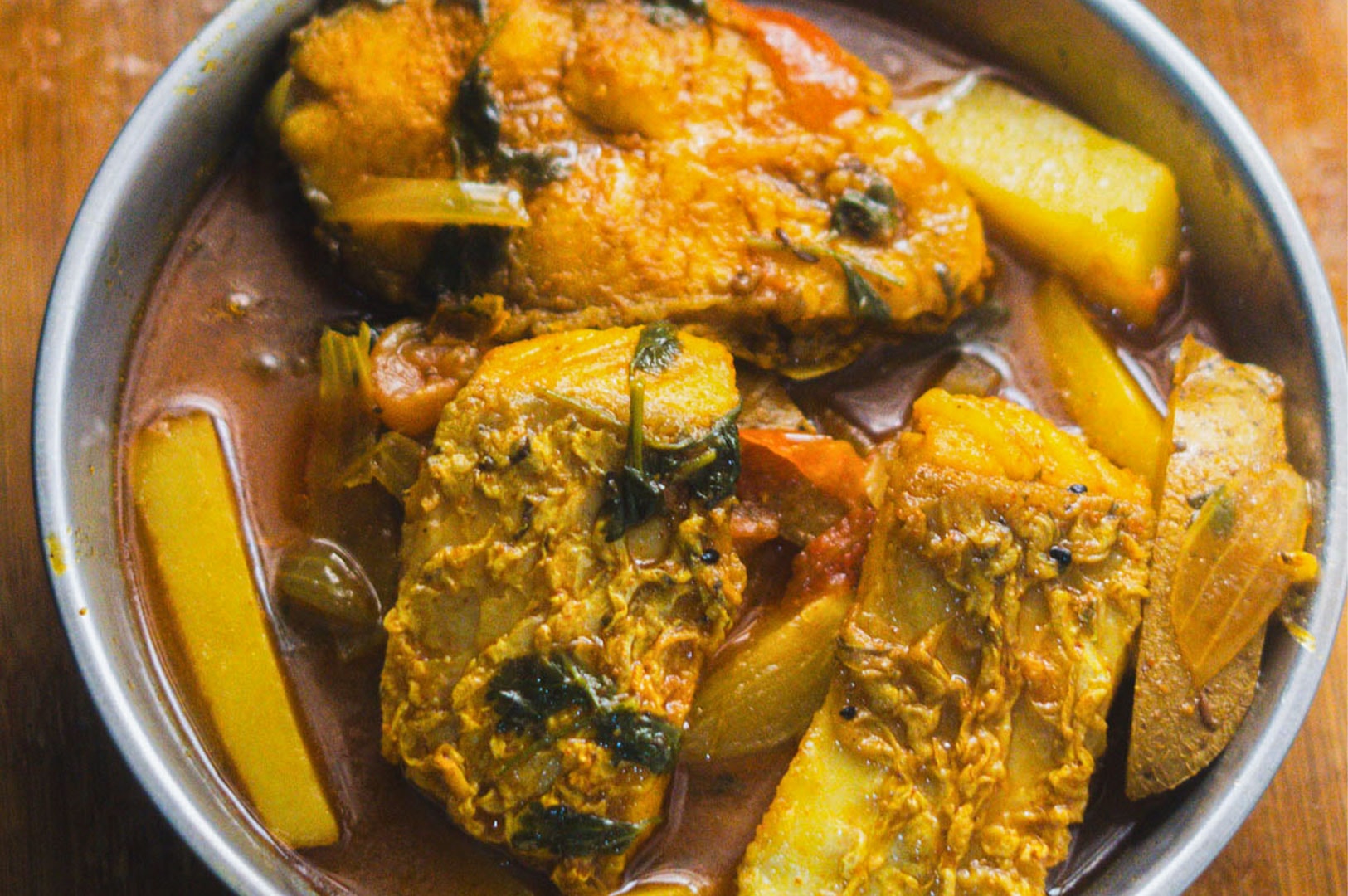
Eastern Indian cuisine, particularly in West Bengal, Odisha, and Bihar, shines with its love for river fish, mustard, and milk-based sweets. Its food traditions are shaped by fertile river deltas and a generally milder climate.
Steamed rice forms the staple food, and fish dishes like fish curry reign supreme, typically cooked in pungent mustard oil or spiced with poppy seeds. Use of mustard seeds and aromatic spices lends depth to both vegetarian and non-vegetarian dishes. Sweets are an art in Eastern Indian cuisine, with rice, milk, and paneer forming the basis of countless desserts.
Signature East Indian Dishes:
- Machher Jhol (fish curry)
- Shorshe Ilish
- Luchi with spiced potatoes
- Rasgulla
- Sandesh
- Mishti doi
Many Eastern Indian dishes are gently cooked or steamed, allowing the authentic flavors of vegetables and fish to shine. Bengal, in particular, is celebrated for its light gravies, subtle use of chili powder, and elaborate sweet dish creations that remain among India’s most famous dishes.
West Indian Cuisine: Coastal Bounty and Spicy Curries
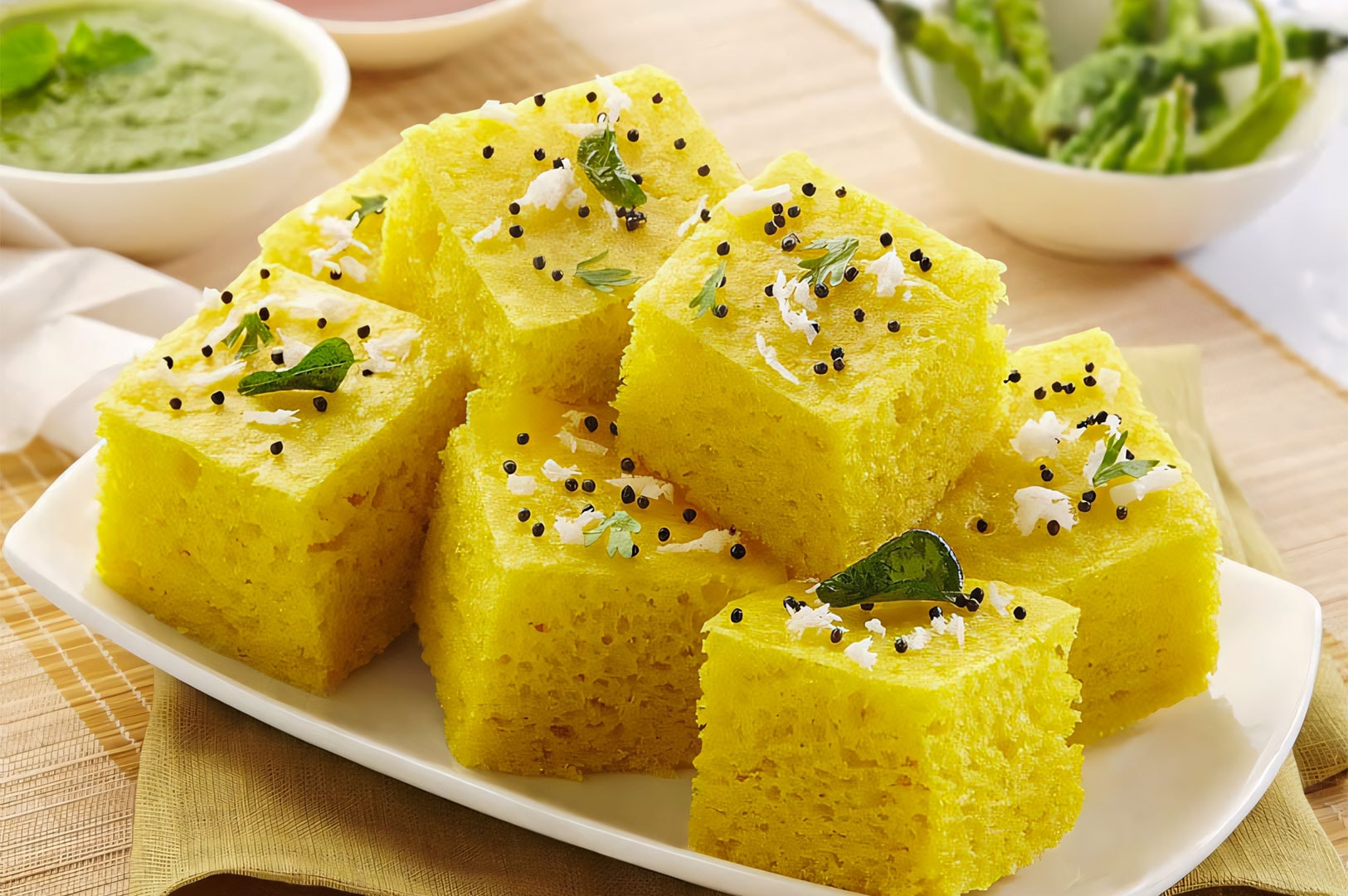
Western India boasts a colorful mix of coastal and arid influences, from Gujarat’s vegetarian delights to the seafood and spicy curries of Goa and Maharashtra. Here, rice, millet, peanuts, and coconut milk are commonly used, as is gram flour (chickpea flour) in snacks and steamed cakes.
Spicy, tangy flavors—often from kokum, vinegar, or chili powder—dominate dishes, especially in Goan cuisine, which is heavily influenced by Portuguese flavors and techniques. Gujarati cuisine is notable for its sweet-salty taste combinations and high use of vegetable curries and deep fried snacks.
Noteworthy West Indian Dishes:
- Dhokla
- Vada Pav (deep fried snack with spiced potatoes)
- Goan fish curry
- Sol kadhi
- Dal baati churma
Western India is renowned for its dynamic street food scenes, with fresh salads, deep fried vada, and spiced potatoes regularly enjoyed by locals and travelers alike.
Central Indian Cuisine: Rustic Roots and Tribal Heritage
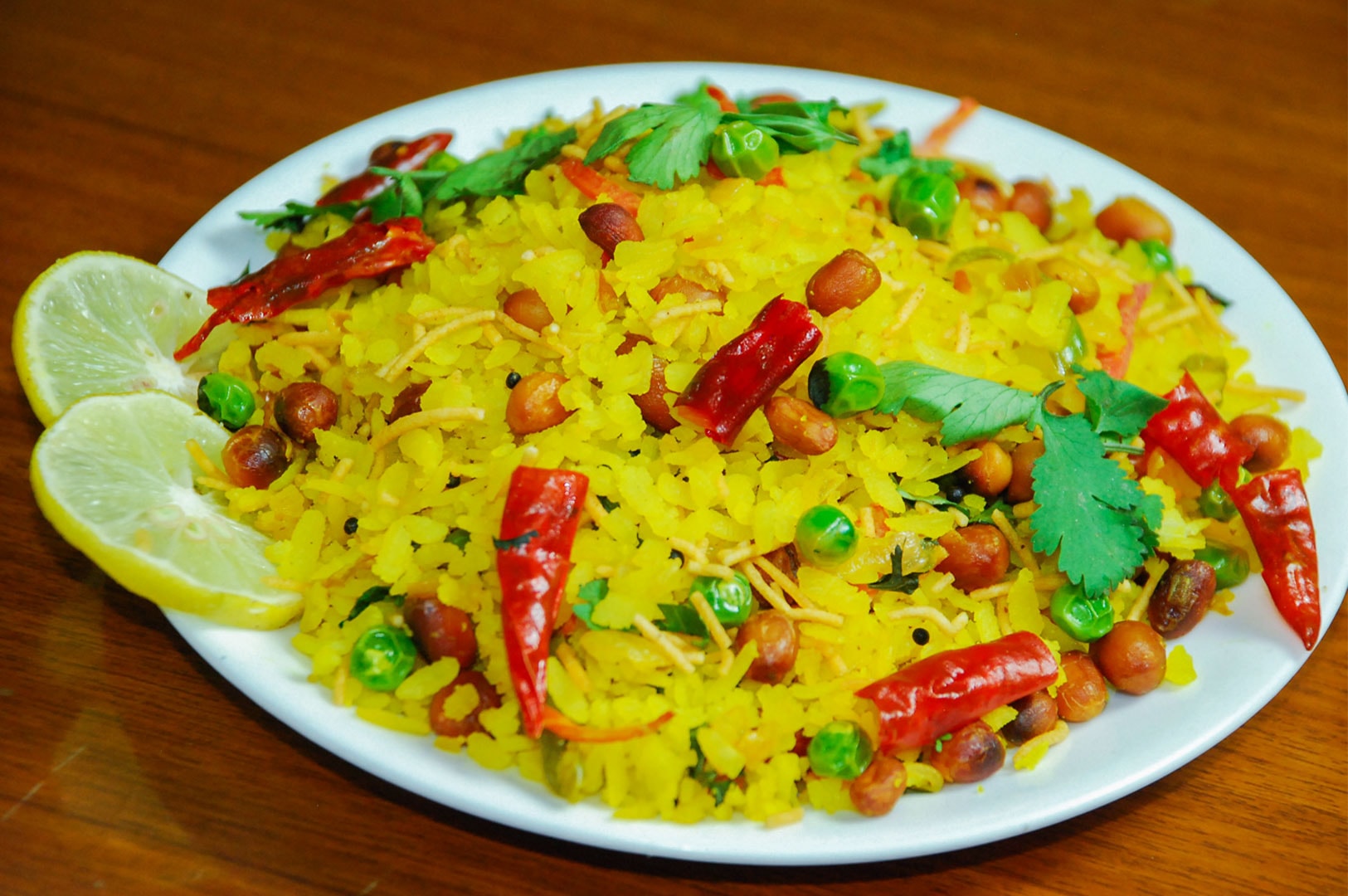
In the center of India, culinary traditions reflect a blend of North Indian and Southern Indian influences, drawing on the area’s forests, river valleys, and tribal heritage. Culinary traditions here feature simple grains—wheat, rice, and millets—as well as earthy spices and rustic cooking techniques.
Many dishes use seasonal vegetables or freshwater fish, with protein sources like goat meat being popular among meat eaters. Food is often roasted or slow-cooked for robust flavor, and local grains along with gram flour provide daily sustenance.
Central Indian Specialties:
- Poha
- Dal bafla
- Bhutte ka kees
Central Indian cuisine is wholesome, with bold seasoning and minimal oil, celebrating the bounty of local grains and seasonal produce.
Essential Ingredients and Cooking Techniques of Indian Cuisine
Indian cooking is defined by its rich palette of flavors and flexible cooking methods. Key elements include:
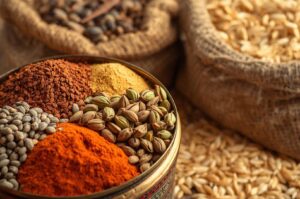
- Use of Indian spices such as cumin, coriander, cardamom, garam masala, mustard seeds, and chili powder to deliver bold flavors.
- Diverse grains, especially rice (including basmati rice), wheat, millets, and lentils form the basis of staples and side dishes.
- Cooking methods range from tandoori roasting and slow “dum” steaming, to fermenting rice for idlis and dosas, tempering (tadka), and deep frying snacks.
- Dairy products like ghee (clarified butter), whole milk, and yogurt enrich both savory and sweet preparations.
- Sweet dishes are ever-present, using milk, lentils, chickpea flour, or fruits to create some of India’s most beloved desserts.
Vegetarian and vegetable dishes are as celebrated as meat dishes, with stir fried vegetables, vegetable curries, and boiled potatoes often brightened with fresh salad, coconut chutney, or spicy tomato chutney for that authentic touch.
Indian Cooking: Influences and Modern Trends
India’s different Indian cuisines continue to evolve. The spread of Indian food worldwide, through migration and globalization, has resulted in new interpretations of traditional meals. Home cooks and chefs now blend techniques and ingredients for a fusion of flavors while still seeking the authentic taste of their heritage. Many Indian cooking traditions, like the use of aromatic spices or techniques such as deep frying, now inspire global cuisines, thanks to India’s influence and the universal appeal of its food.
Beyond India: A Broader Asian Culinary Landscape
Indian cuisine sits at the crossroads of Asia, sharing ingredients and techniques with neighboring food cultures—such as the use of coconut milk, chili peppers, and distinct spice blends. For those keen to discover more about the rich tapestry of Asian culinary traditions, Eat Drink Asia offers a valuable resource. Here you’ll find inspiration that connects Indian food with the vibrant flavors of the broader region.
A Celebration of India’s Regional Cuisines
From the creamy curries and tandoori specialties of the North, to the coconut-infused, rice-based vegetarian dishes of the South, from sweet fish curries and luscious desserts in the East, to the vibrant street food and spicy coconut-laced gravies in the West, the cuisines in India are celebrated worldwide. Each bite tells a story—the result of centuries of culinary traditions and innovation.
Whether you enjoy spicy dishes, deep fried snacks, vegetarian stews, or aromatic meat dishes, Indian cuisine offers a vast menu to delight every palate. Explore these regional cuisines for a journey through history, landscape, and culture—and for even more food inspiration beyond India, let Eat Drink Asia be your guide to the world of Asian cooking.

Takoyaki: The Sizzling Heart of Japan Food Culture
Dio Asahi | January 3, 2026
What is Takoyaki and Why Does it Matter in Japanese Food Culture? In the bright heart of Osaka, the sizzle of takoyaki batter signals one of Japan food culture’s most beloved street foods. Lines form at street stalls drawn by the delicious food aromas of sweet-savory sauce and bonito flakes dancing on golden spheres. Takoyaki,…
-
Everything You Need for a Flawless Bubble Tea Cake
Eda Wong | January 1, 2026
The global bubble tea phenomenon has evolved beyond drinks into the world of baking, creating one of the most exciting dessert trends of recent years. Bubble tea cake combines the beloved flavors of milk tea with the satisfying chew of boba pearls, all wrapped up in an adorable bubble tea cake that’s perfect for any…
-
Pad Thai Dish: Everything You Need to Know About the Rice Noodles That Make It Authentic
Eat Drink Asia Team | December 30, 2025
Pad Thai is more than just a staple of Thai Food; it’s a Global Phenomenon. From bustling street carts in Bangkok to high-end Thai Restaurants in New York, this iconic Pad Thai Dish has captured the hearts and palates of food lovers everywhere. The best Pad Thai rivals what you would find in a typical…
-
Thailand Food Pad Thai: Thailand’s Iconic Stir-Fried Noodle Dish
Eda Wong | December 27, 2025
Few dishes capture the essence of Thailand food culture like authentic Pad Thai. This beloved stir fried noodle dish is more than a meal-it’s a symbol of Thai identity, a perfect balance of sweet, savoury, and sour flavors, and a window into the soul of Thai cuisine. Whether you want to eat Pad Thai from…
-
Why Fish Curry is a Special Indian Cuisine
Dio Asahi | December 25, 2025
Along India’s vast and vibrant coastline, stretching over 7,500 kilometers, the sea offers its generous bounty to a cuisine renowned for its regional variations. Nowhere is the diversity of the Indian subcontinent more deliciously expressed than in a humble bowl of fish curry. Through this article, we’ll journey across India’s coasts and kitchens, exploring the…
-
Tikka Masala: The Story Behind One of the Most Iconic Dishes in India’s Food Cuisine
Eat Drink Asia Team | December 23, 2025
Ask anyone to name a famous Indian dish, and chances are “Tikka Masala” will be one of the first things they say. This creamy, vibrant, and aromatic curry has become a global symbol for the food cuisine in India, celebrated from street food stalls in Delhi to upscale Indian restaurants around the world. Its rich…
-
Cuisines in India: A Journey Through the Diverse Regional Food Traditions of the Subcontinent
Dio Asahi | December 20, 2025
Indian cuisine is celebrated for its spectacular diversity, bursting with flavors, regional traditions, and culinary innovations. From the spice-laden gravies of Northern Indian cuisine and tandoor-fresh breads, to coconut-laced Southern Indian cuisine, fragrant rice dishes in the East, and the robust, spicy curries and street food of the West, the foods of India reflect not…
-
Green Tea with Milk: A Tale of Two Teas from Taiwan and Thailand
Eda Wong | December 18, 2025
The simple combination of green tea with milk has sparked a culinary phenomenon across Asia, creating a diverse family of beverages that are both comforting and refreshing. While many countries have embraced this pairing, two nations stand out for their iconic and wildly different interpretations: Taiwan and Thailand. Each has cultivated a unique culture around…
-
The Emerald Journey: Exploring Asia’s Green Milk Tea Culture
Eat Drink Asia Team | December 16, 2025
A vibrant, emerald-hued wave is sweeping across Asia, delighting taste buds and defining modern café culture. From street-side stalls in Bangkok to chic tea houses in Taipei, green milk tea—sometimes simply called green tea with milk—has blossomed from a simple concept into a beloved, refreshing drink with countless regional interpretations and profound cultural significance. Whether…
-
Thai Green Milk Tea: The Complete Guide to Thailand’s Refreshing Emerald Delight
Eda Wong | December 13, 2025
Picture a tall glass filled with crushed ice, its emerald-green contents swirled with ribbons of creamy white milk—this is thai green milk tea, one of Southeast Asia’s most visually striking and refreshing drinks. Known locally as cha khiao nom yen, this popular drink has captured hearts across Asia and beyond with its distinctive pale green…