Across Southeast Asia, from bustling hawker centers to family kitchens, the sizzle of rice vermicelli noodles hitting a hot wok is a universal comfort. Few dishes capture the spirit of Asian noodle culture as well as fried bee hoon. This stir fry, made with thin rice noodles, delivers a tasty meal any time of the day—whether you crave it for breakfast, lunch, or dinner. Its delicate texture, rich flavor from soy sauce and oyster sauce, and the variety of vegetables and proteins make it a must-try dish, often found alongside fried chicken wings or served plain for a lighter bite.
This dish is far more than a simple staple; it is a cultural anchor. Whether it is served plain as a humble breakfast or piled high with shrimp, fish cakes, and fried chicken wings for a festive dinner, bee hoon represents the economical and adaptable spirit of the region. To truly understand this stir fry is to embark on a journey through history, technique, and the communal tables of the East.
The Anatomy of the Strand: Understanding Rice Vermicelli
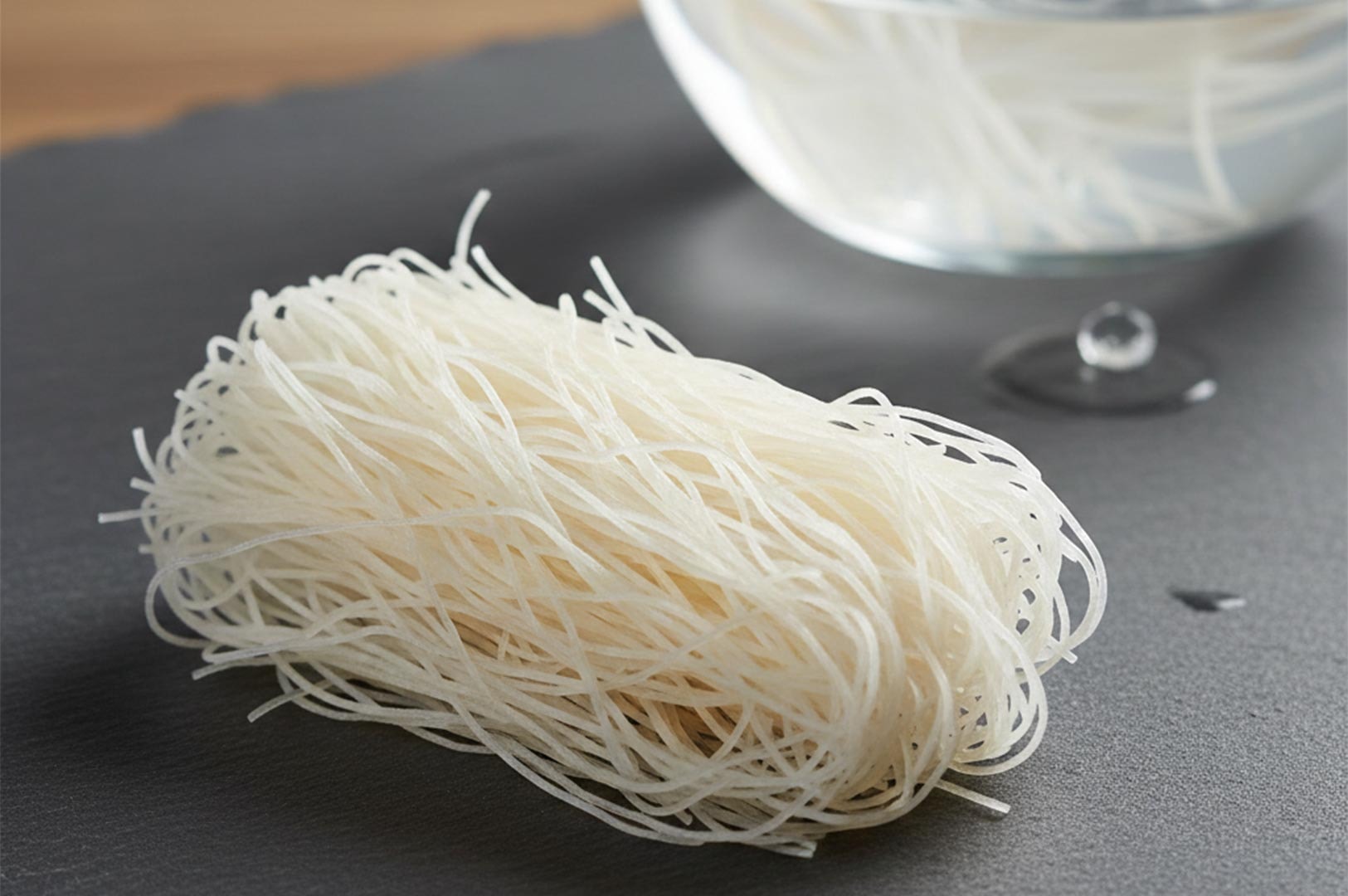
The key ingredient of this narrative is the noodle itself. Known variously as bee hoon, bihun, or rice vermicelli, these thin rice strands are crafted from a simple mixture of rice flour and water. Unlike the heavy, chewy wheat noodles of the north, these rice noodles are prized for their lightness and their incredible capacity to act as a sponge for delicious flavors.
The life of a fried bee dish begins long before the fire is lit. The dry rice vermicelli must be handled with a specific reverence. The ritual to soak bee hoon is a delicate balance; placing them in hot water or room temperature water until they are slightly softened is essential. One must avoid the temptation of boiling water, which risks turning the elegant strands into a mushy, characterless mass. Once the texture is exactly right—pliable but with a distinct “bite”—the noodles are drained and set aside, often kept in an airtight container to maintain their integrity until they meet the heat of the pan. To learn more about this staple, check out The Silk of the East: A Deep Dive into Bee Hoon and the Art of Rice Vermicelli.
A Geographic Symphony: Regional Variations of Fried Vermicelli
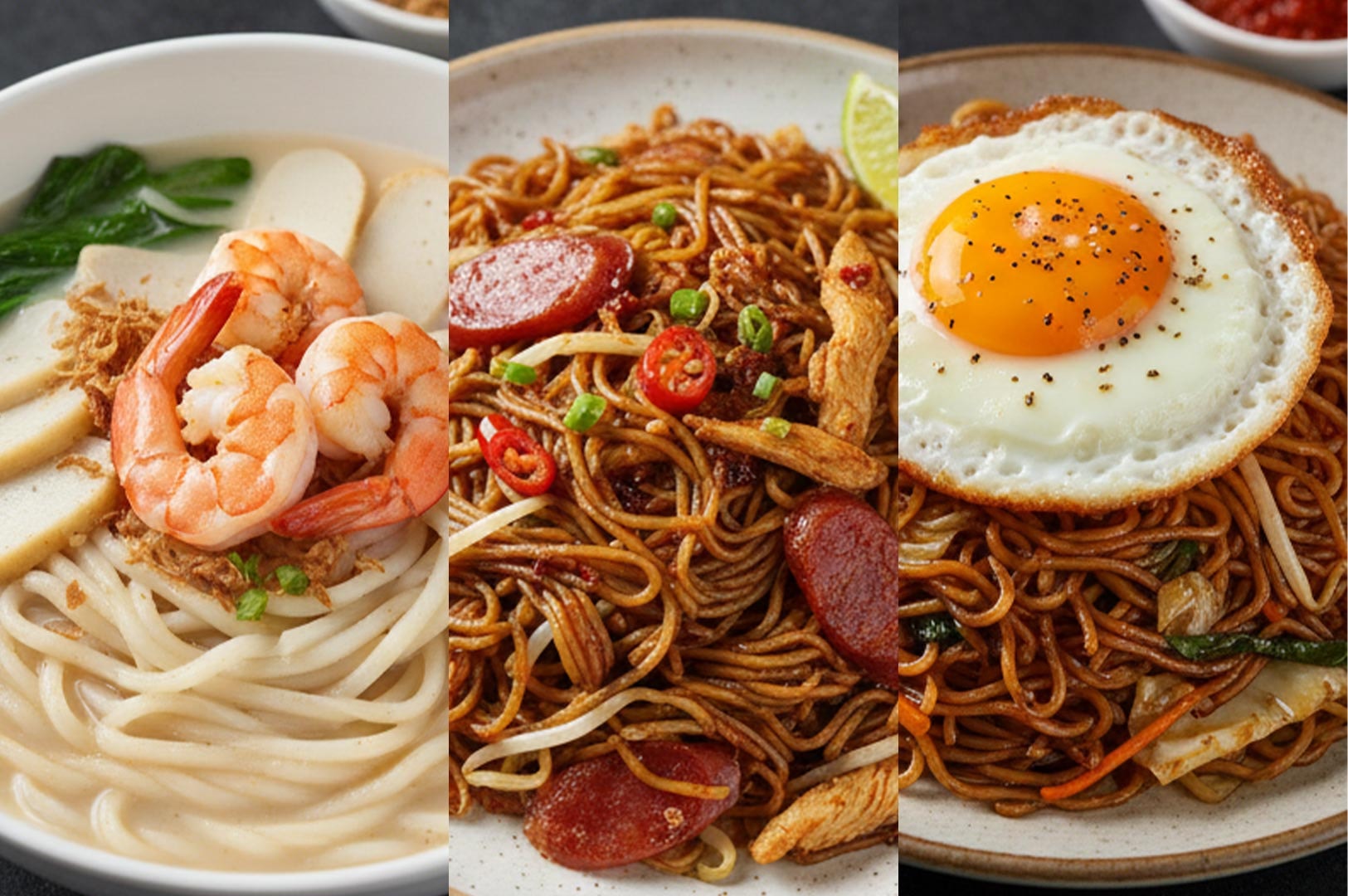
As one travels through the archipelago, the fried bee hoon morphs to reflect the local palate. In Singapore, the dish often takes the form of Singapore noodles or the beloved fried white bee hoon. This version is an exercise in restraint and purity, where the noodles are often braised in a rich chicken stock or chicken broth, absorbing the essence of the liquid until they are plump and savory. It is a tasty meal that relies on the quality of the broth rather than the intensity of the pigment.
Crossing the border into Malaysia, the profile shifts toward the bold and the spicy. Here, char bee hoon often features a darker complexion, achieved through the generous application of dark soy sauce and sweet soy sauce. The addition of sambal provides a creeping heat that defines the Malaysian experience.
Further south in Indonesia, the dish becomes bihun goreng or bee hoon goreng. This is perhaps the most decadent of the variations, defined by the heavy, syrupy presence of kecap manis. In an easy bihun goreng, the noodles are lacquered in this dark, sugary soy sauce, creating a smoky-sweet profile that pairs perfectly with a fried egg perched on top. Whether it is a one pan home-cooked version or a street-side delicacy, bihun goreng is a celebratory expression of Indonesian flavor.
The Architecture of the Wok: Technique and Heat
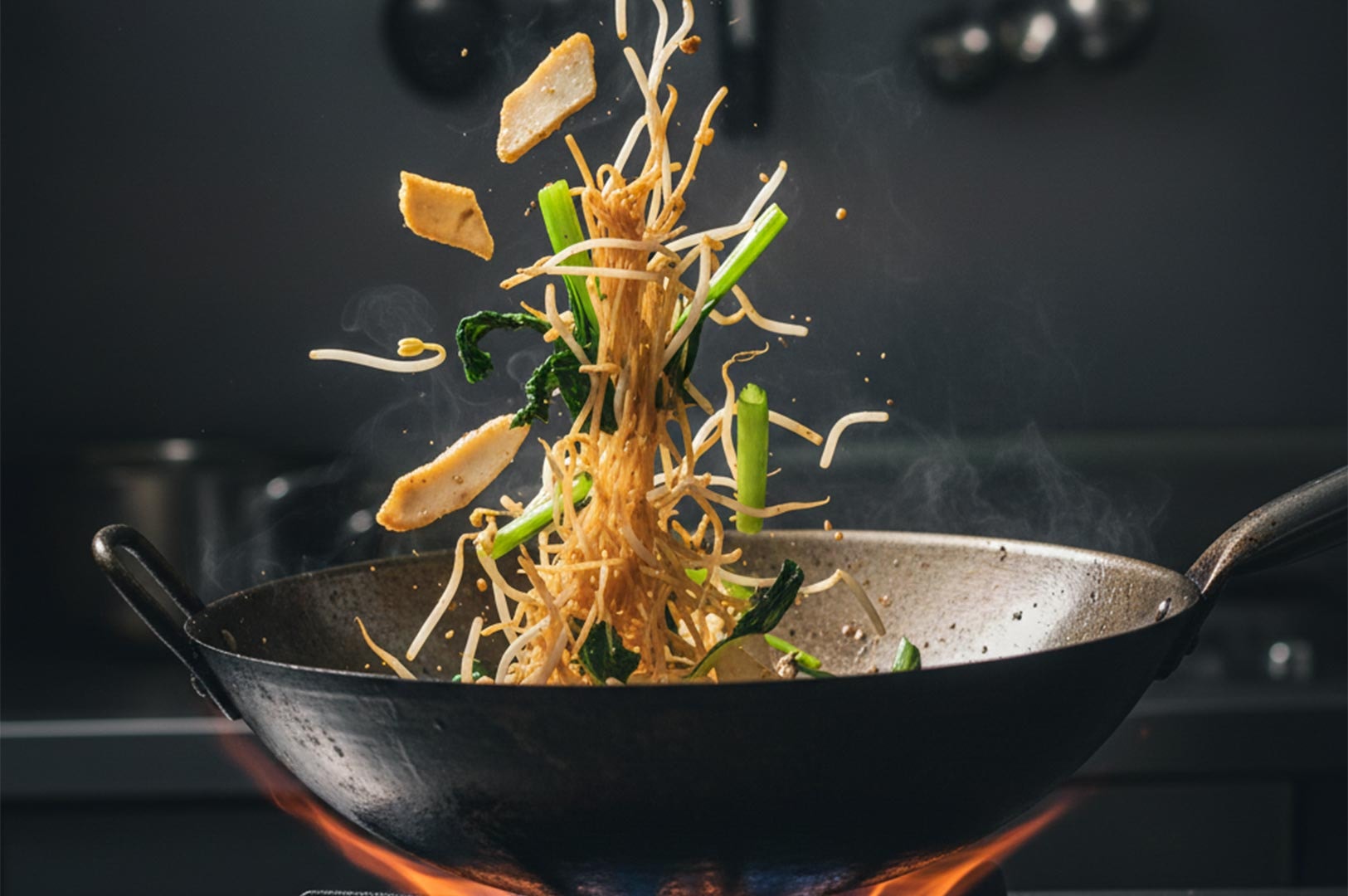
To cook a successful fried vermicelli requires more than just a recipe; it requires an understanding of the alchemy of the pan. The process begins with the heat. A non stick pan can suffice for the home cook, but the true soul of the dish is found in a large pan or wok over high heat. This intense temperature creates “wok hei,” or the breath of the wok, a smoky char that cannot be replicated by any other means.
The sequence of ingredients is a choreographed dance. First, the cooking oil or vegetable oil is heated until it shimmer. Aromatics—most notably garlic—are tossed in, releasing a scent that can be smelled from blocks away. If the version calls for it, beaten eggs are swirled into the oil, forming golden ribbons before the proteins are introduced. Add shrimp, fish cakes, or luncheon meat, searing them until they are just cooked through.
Then comes the arrival of the vegetables. A vibrant heap of cabbage, choy sum, bok choy, and bean sprouts hits the metal. For more specific regional flair, one might find baby bok choy, yu choy, or gai lan. These vegetables provide the necessary crunch and structural contrast to the soft noodles. Only then does the cook add noodles to the fray.
The Seasoning: A Balance of Umami
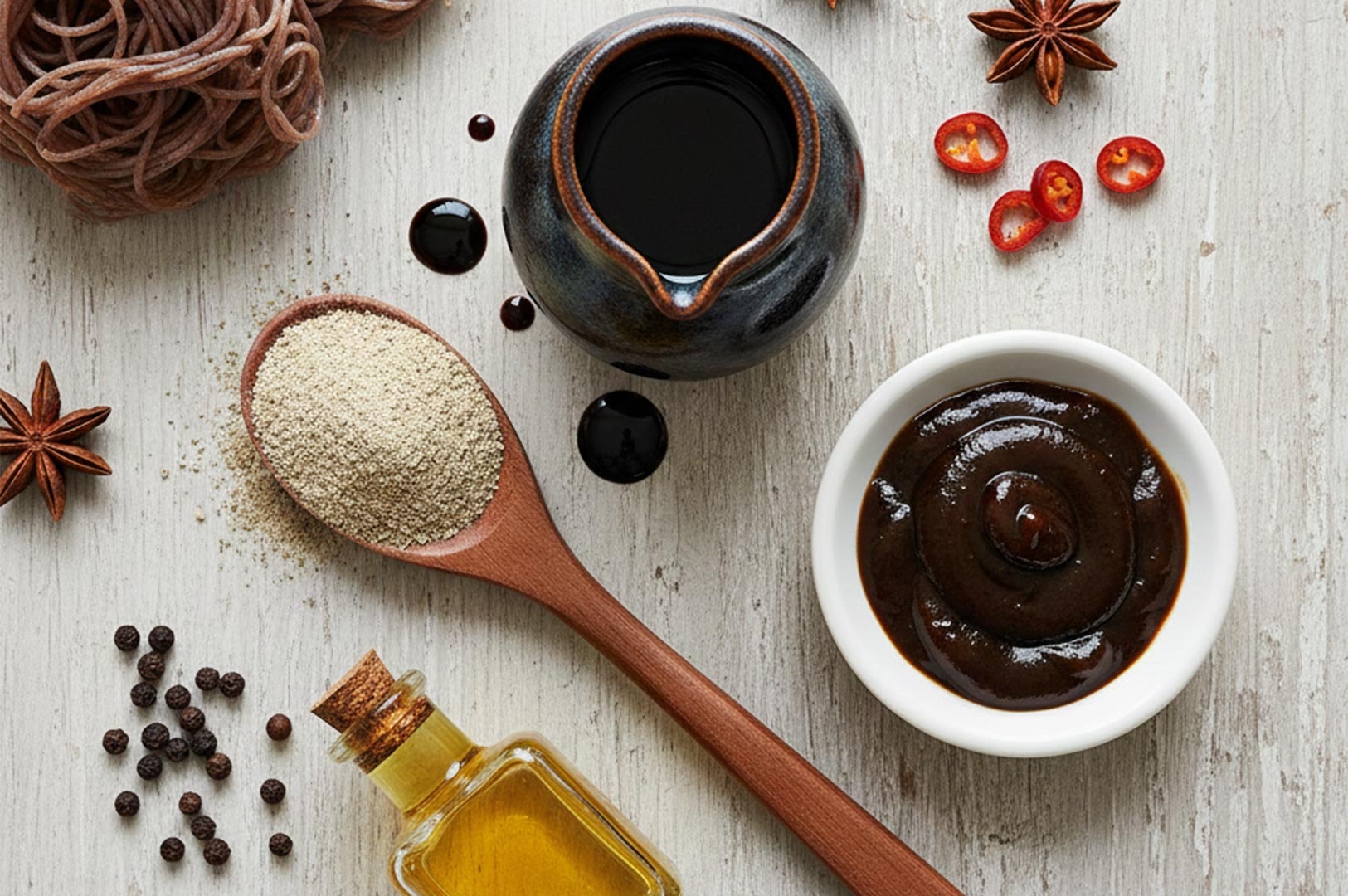
The seasoning of fried bee hoon is where the cook’s personality truly shines. A master of the craft uses a combination of light soy sauce for saltiness and dark soy sauce for that deep, mahogany color. A splash of oyster sauce provides a thick, velvety umami, while a dash of white pepper adds a sharp, floral kick.
Throughout the tossing process, the cook may find the noodles becoming dry or sticking to the pan. To remedy this, a small amount of chicken stock or chicken broth is flicked into the wok, creating a burst of steam that rehydrates the strands without making them soggy. The final flourish is almost always a drizzle of sesame oil, added just before the noodles are plated to provide a nutty, aromatic finish.
The Social Fabric of the Economical Bee Hoon
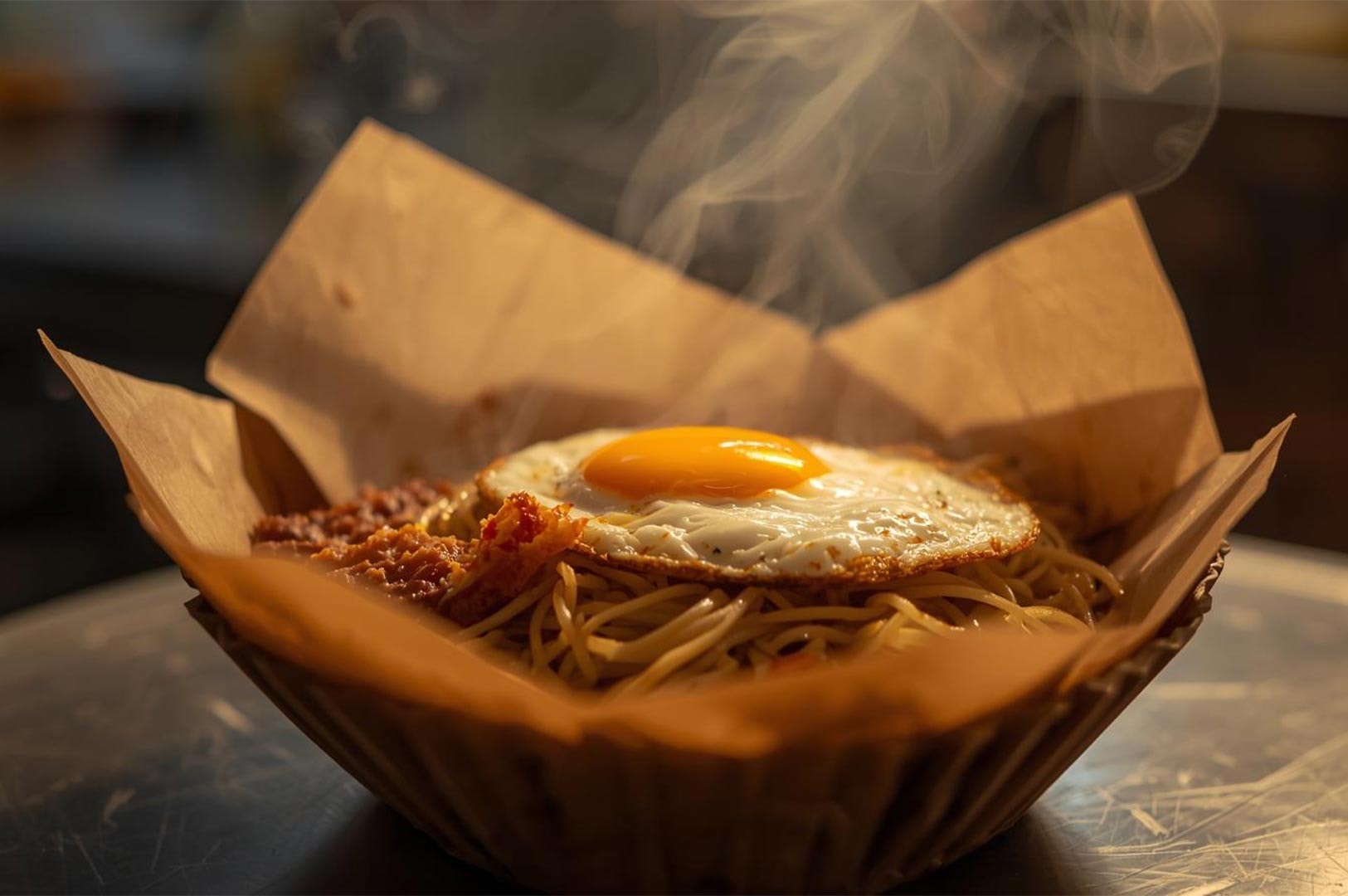
Beyond the taste and the high heat, fried bee hoon serves as the social glue of Southeast Asian life. In the morning, the “economical bee hoon” stall is a place of pilgrimage. Workers and students line up to receive a brown paper packet of noodles, often served plain or with a single piece of luncheon meat and a fried egg. It is a delicious, affordable, and reliable start to the day.
In the evening, the dish transforms. It becomes a communal platter at a family dinner, served alongside fried chicken wings and a saucer of fry sauce or sambal. It is a dish that invites people to comment something kind about the cook, a meal that demands to be shared. The versatility of bee hoon—its ability to be both a humble breakfast and a festive centerpiece—is what has allowed it to remain a pillar of Asian noodle culture for centuries.
The Enduring Legacy of the Rice Strand
As the world becomes more interconnected, the global community has begun to recognize the brilliance of these thin rice noodles. From the required recipe ratings on digital platforms to the inclusion of bee hoon in high-end fusion restaurants, the secret is out. However, the heart of the dish will always remain in the one pan wonders of the Southeast Asian kitchen.
It is a testament to the power of simple seasoning and simple ingredients. By taking nothing more than rice, water, a bit of soy sauce, and a handful of vegetables, the people of the East have created a delicious legacy that continues to evolve. Whether you are enjoying a plate of char bee hoon under the neon lights of a city or an easy bihun goreng in the quiet of a home, you are participating in a tradition of flavor that is as deep and enduring as the rice vermicelli itself.
From the first soak bee hoon to the final sizzle of the high heat, the story of these noodles is one of resilience, creativity, and the universal joy of a tasty meal. As long as there is a wok, a fire, and a bundle of rice vermicelli, the sizzle will continue to echo through the streets and kitchens of the world.

Pad Thai Dish: Everything You Need to Know About the Rice Noodles That Make It Authentic
Eat Drink Asia Team | December 30, 2025
Pad Thai is more than just a staple of Thai Food; it’s a Global Phenomenon. From bustling street carts in Bangkok to high-end Thai Restaurants in New York, this iconic Pad Thai Dish has captured the hearts and palates of food lovers everywhere. The best Pad Thai rivals what you would find in a typical…
-
Thailand Food Pad Thai: Thailand’s Iconic Stir-Fried Noodle Dish
Eda Wong | December 27, 2025
Few dishes capture the essence of Thailand food culture like authentic Pad Thai. This beloved stir fried noodle dish is more than a meal-it’s a symbol of Thai identity, a perfect balance of sweet, savoury, and sour flavors, and a window into the soul of Thai cuisine. Whether you want to eat Pad Thai from…
-
Why Fish Curry is a Special Indian Cuisine
Dio Asahi | December 25, 2025
Along India’s vast and vibrant coastline, stretching over 7,500 kilometers, the sea offers its generous bounty to a cuisine renowned for its regional variations. Nowhere is the diversity of the Indian subcontinent more deliciously expressed than in a humble bowl of fish curry. Through this article, we’ll journey across India’s coasts and kitchens, exploring the…
-
Tikka Masala: The Story Behind One of the Most Iconic Dishes in India’s Food Cuisine
Eat Drink Asia Team | December 23, 2025
Ask anyone to name a famous Indian dish, and chances are “Tikka Masala” will be one of the first things they say. This creamy, vibrant, and aromatic curry has become a global symbol for the food cuisine in India, celebrated from street food stalls in Delhi to upscale Indian restaurants around the world. Its rich…
-
Cuisines in India: A Journey Through the Diverse Regional Food Traditions of the Subcontinent
Dio Asahi | December 20, 2025
Indian cuisine is celebrated for its spectacular diversity, bursting with flavors, regional traditions, and culinary innovations. From the spice-laden gravies of Northern Indian cuisine and tandoor-fresh breads, to coconut-laced Southern Indian cuisine, fragrant rice dishes in the East, and the robust, spicy curries and street food of the West, the foods of India reflect not…
-
Green Tea with Milk: A Tale of Two Teas from Taiwan and Thailand
Eda Wong | December 18, 2025
The simple combination of green tea with milk has sparked a culinary phenomenon across Asia, creating a diverse family of beverages that are both comforting and refreshing. While many countries have embraced this pairing, two nations stand out for their iconic and wildly different interpretations: Taiwan and Thailand. Each has cultivated a unique culture around…
-
The Emerald Journey: Exploring Asia’s Green Milk Tea Culture
Eat Drink Asia Team | December 16, 2025
A vibrant, emerald-hued wave is sweeping across Asia, delighting taste buds and defining modern café culture. From street-side stalls in Bangkok to chic tea houses in Taipei, green milk tea—sometimes simply called green tea with milk—has blossomed from a simple concept into a beloved, refreshing drink with countless regional interpretations and profound cultural significance. Whether…
-
Thai Green Milk Tea: The Complete Guide to Thailand’s Refreshing Emerald Delight
Eda Wong | December 13, 2025
Picture a tall glass filled with crushed ice, its emerald-green contents swirled with ribbons of creamy white milk—this is thai green milk tea, one of Southeast Asia’s most visually striking and refreshing drinks. Known locally as cha khiao nom yen, this popular drink has captured hearts across Asia and beyond with its distinctive pale green…

Best Thai Singapore: Discover the Art of Authentic Pad Thai
Dio Asahi | December 11, 2025
In Singapore, a city that celebrates a universe of flavors, the magnetic pull of Thai cuisine is undeniable. From bustling food courts to elegant dining rooms, the kingdom’s culinary ambassadors have firmly planted their flag. When considering the best Thai food, it’s impossible to overlook how integral Pad Thai is to the local Thai food…
-
Thai Cuisine in Singapore: Finding the Best Authentic Flavors
Eat Drink Asia Team | December 9, 2025
The unmistakable aroma of lemongrass, galangal, and fiery spices mingles with the bustling night air in Singapore, setting the stage for a dining experience that wakes the soul and tantalizes the senses. Thai cuisine in Singapore has become an essential part of the city’s culinary landscape, offering a complete blend of vibrant flavor, tangy notes,…