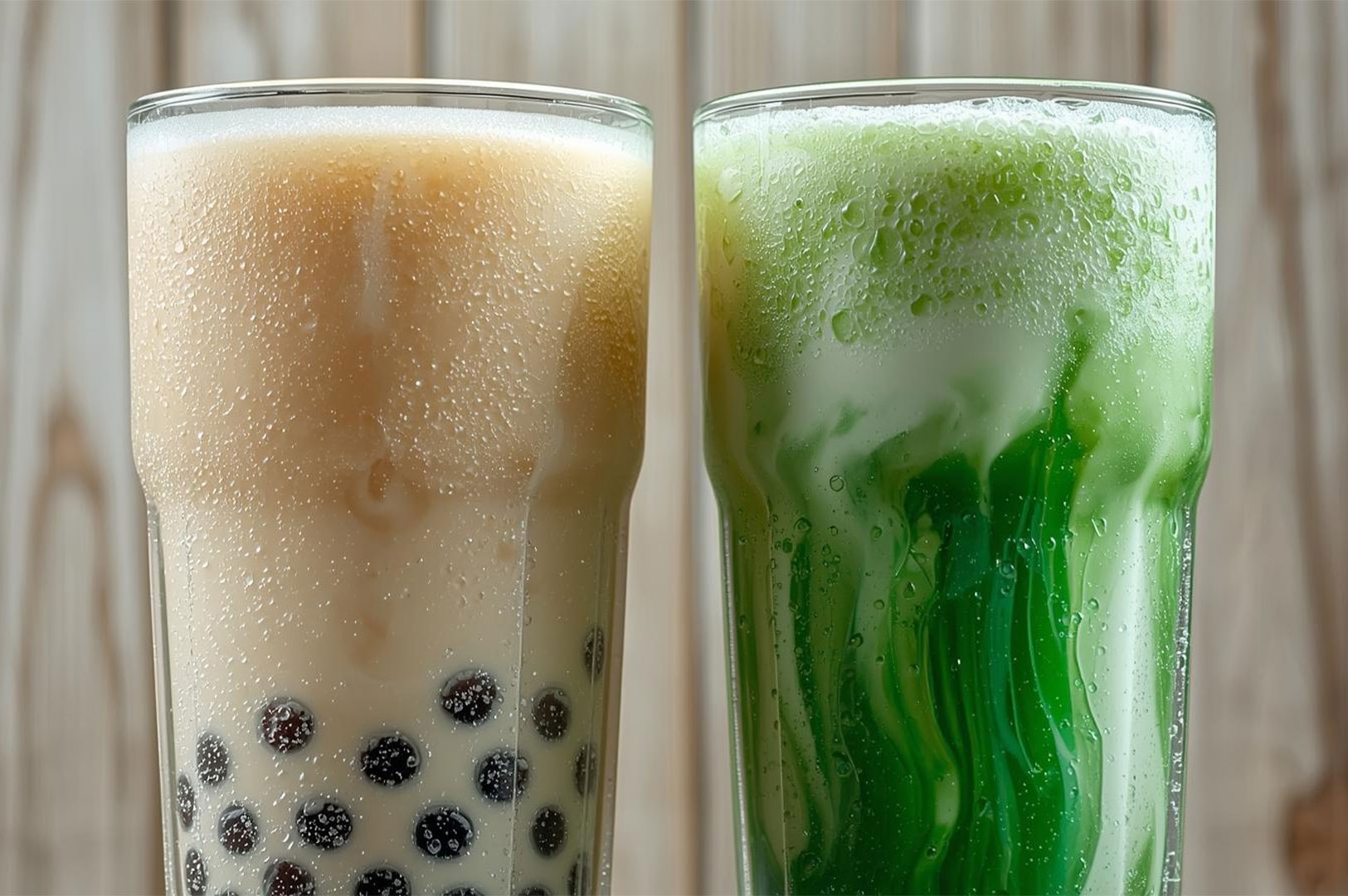
The simple combination of green tea with milk has sparked a culinary phenomenon across Asia, creating a diverse family of beverages that are both comforting and refreshing. While many countries have embraced this pairing, two nations stand out for their iconic and wildly different interpretations: Taiwan and Thailand. Each has cultivated a unique culture around their signature green milk tea, offering distinct flavors that tell a story about their local palates, ingredients, and traditions.
This journey will explore the fascinating world of green tea with milk, pitting the refined, customizable culture of Taiwan against the bold, sweet vibrancy of green tea Thailand is famous for. As we compare these delicious varieties, you’ll learn how different tea bases, types of milk, and preparation methods contribute to taste, texture, and appearance, reflecting the diversity of Asian tea culture. While they may share a name, these two drinks offer remarkably different experiences.
The Taiwanese Tradition: A Culture of Customization

Taiwan is the undisputed epicenter of modern milk tea culture. The island’s deep-rooted love for tea, combined with innovation, gave birth to the global bubble tea movement and its many green milk tea variations, including classic green tea with milk served over ice. Taiwanese milk tea shops have elevated the experience with a dazzling array of toppings, like chewy tapioca pearls, and a focus on catering to all kinds of dietary needs.
Origins and Unique Characteristics
Taiwan’s approach is often built on a base of high-quality, fragrant green teas, with jasmine green tea—a favorite for its creamy, aromatic profile and floral jasmine notes—being especially popular. The result is a pale green or beige drink that’s both light and refreshing. Unlike Thai green tea, which uses special green tea mixes and bold coloring, Taiwanese green milk tea relies on the natural flavors of tea leaves, sometimes blending in green tea powder or matcha for a more earthy note.
What sets this drink apart is the range of customization: you can select everything, from the type of green tea, the kind and amount of milk (whole milk, coconut milk, almond milk, oat milk, or even dairy-free milk options), to a preferred level of sweetness. You might find it sweetened with brown sugar syrup, honey, or agave syrup for different flavor undertones. Some shops even allow you to control the ratio of tea to milk—perfect for creating your ideal drink. Served hot or chilled over lots of ice cubes, this refreshing drink is loved for both its taste and its health benefits, as green tea is packed with antioxidants and generally lower in caffeine than black tea or coffee.
Cultural Context
In Taiwan, enjoying green tea with milk is a daily ritual for many tea lovers. It’s a social beverage, enjoyed with friends after school or during a work break, and it fits seamlessly into the broader context of Taiwan milk tea and Asian tea culture. The streets are dotted with countless tea shops, each offering their own blend, whether you want more milk, a splash of coconut milk, or even a lighter, dairy free option. This drink represents a modern evolution of Taiwan’s historic tea culture, making premium tea accessible and fun for a new generation.
The Thai Standard: Bold, Sweet, and Unforgettable
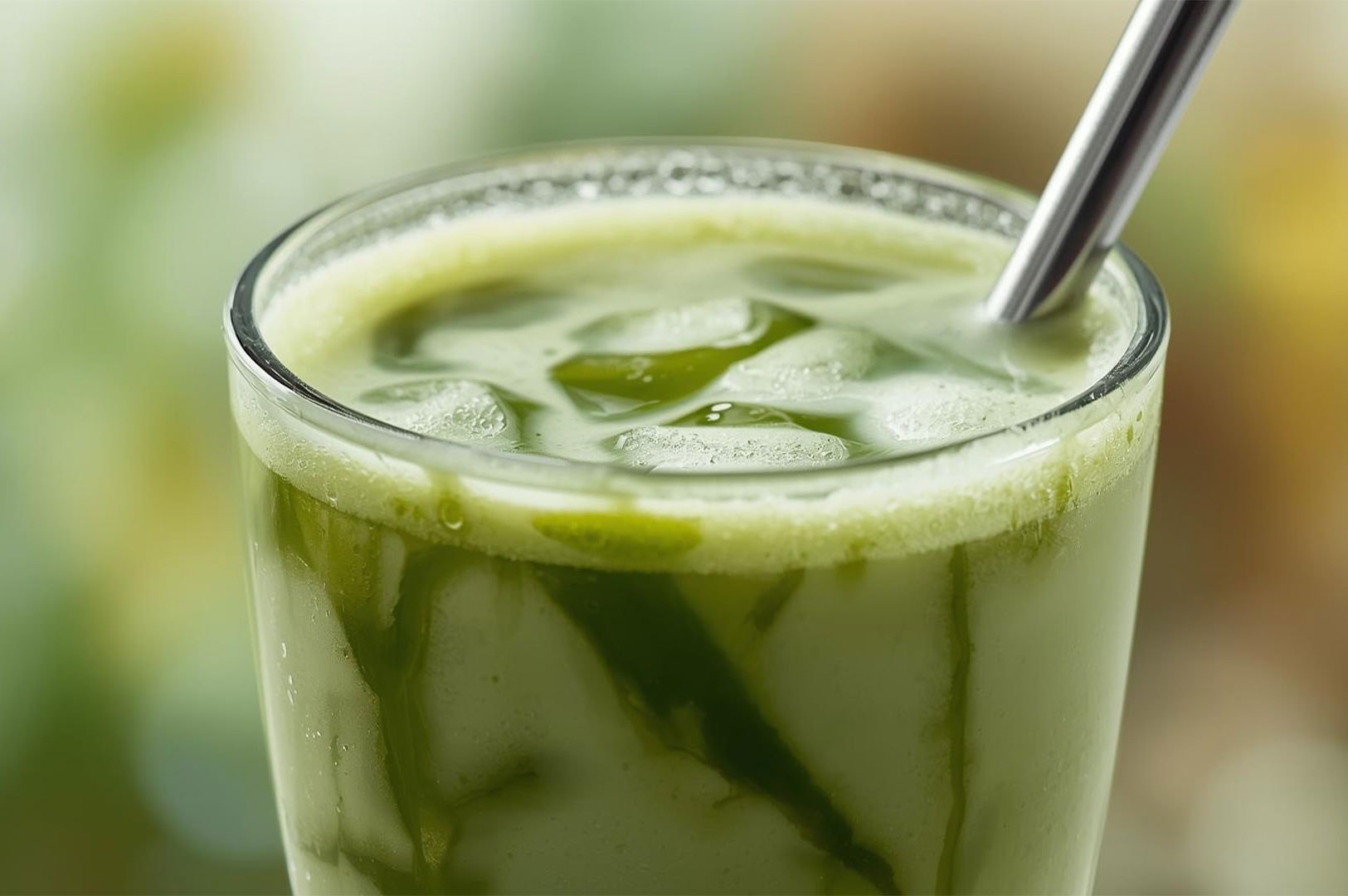
In contrast to Taiwan’s subtlety and customization, the experience of green tea Thailand offers is a bold and vibrant celebration of flavor. Known locally as cha khiao yen, Thai green milk tea is a staple of Thai tea culture, instantly recognizable by its vivid, almost iridescent green hue and its intensely sweet and creamy profile.
Distinctive Characteristics and Flavor
This indulgent drink gets its electric-green color from proprietary thai green tea mix powders, which often blend green tea leaves with food coloring and aromatic enhancements like jasmine or pandan. Thai tea blends have a unique molecular structure that helps deliver both strong flavor and a smooth, creamy body when paired with sweetened condensed milk and evaporated milk—key ingredients that give this creamy, cool drink its luscious mouthfeel. Between the natural tea and a generous pour of milk and sweetener, the drink achieves a perfect balance of earthy notes and indulgent sweetness.
Preparation typically involves steeping the green tea blend or finely ground matcha powder with hot water, straining, and pouring it over ice in a tall glass. Sweetened condensed milk and evaporated milk are swirled in to maximize creaminess. Some adventurous drinkers might request almond milk or oat milk for a dairy free milk alternative, but the classic Thai recipe prioritizes sweet, dense dairy.
Cultural Context
You’ll find Thai green tea with milk everywhere in Thailand: from night markets and street-side stalls to restaurants and cafés. For many, it’s an everyday ritual—a cool, sweet antidote to Thailand’s tropical climate, designed to refresh and delight the taste buds. It complements spicy Thai food, balances the heat, and brings lingering, floral jasmine aroma to every sip.
The drink is more than just a beverage; it’s a symbol of Thai street culture and an easy way to experience authentic local flavors. For a more detailed look into this beloved beverage, our complete guide to Thai Green Milk Tea on Eat Drink Asia explores its history and cultural significance.
Key Differences: Taiwan vs. Green Tea Thailand
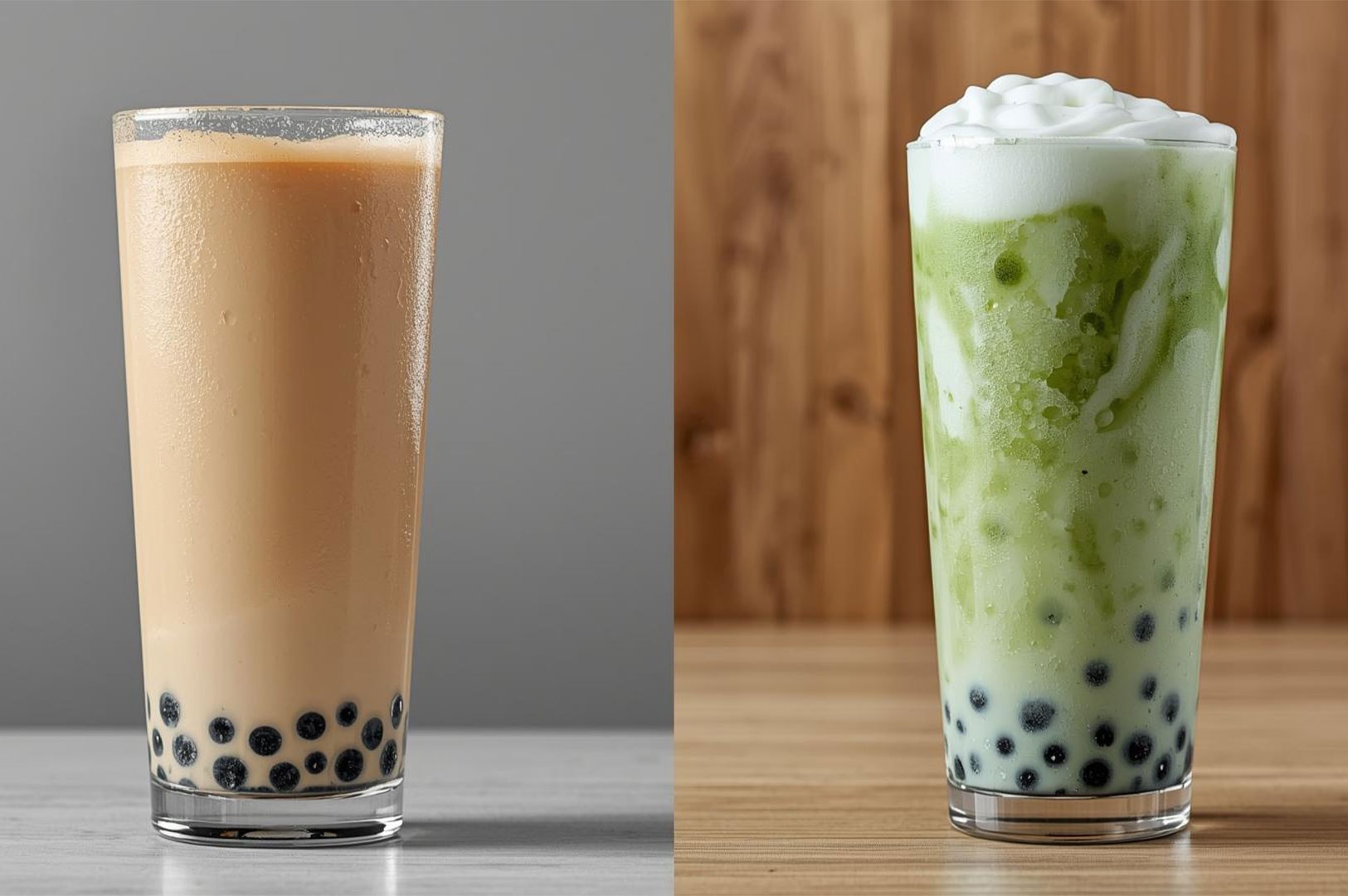
While both are forms of green tea with milk, the similarities largely end there. Here’s a direct comparison that highlights why each is so beloved:
- Tea Base: Taiwan excels in mild, fragrant teas like jasmine green or matcha—a fine powder often used for a deeper flavor. Thailand relies on a robust thai tea or green tea mix, often with added color and aroma enhancers.
- Milk Type and Structure: Taiwanese shops let you choose from whole milk, oat milk, coconut milk, almond milk, or non-dairy creamers—tailoring for preference or dietary needs. Thai green milk tea almost always uses sweetened condensed milk and evaporated milk, resulting in a thicker body and unmistakable richness.
- Sweetness and Flavour: Taiwanese green milk tea commonly allows you to select the sweetness level, sometimes right down to the percentage. Thai green tea is unapologetically sweet, its flavor crafted for a bold, dessert-like impact. While both drinks can be iced for a cool treat, Thai style is rarely served hot.
- Color and Appearance: Taiwanese versions appear light and natural, sometimes pale green depending on the tea blend, while the green tea Thailand is famous for is an eye-catching, opaque jade, thanks to the unique green tea mix.
- Serving Style: Taiwan’s signature is customization, often with boba or chewy tapioca pearls, fruit jellies, or grass jelly. Thai green milk tea is usually served straight, ice cold in a glass, sometimes with striking milk patterns after pouring.
- Cultural Significance: Taiwan’s green tea with milk symbolizes modern Asian tea culture, innovation, and the idea of creating your “best flavor” with every order. Thailand’s version honors the tradition of ready-to-drink street teas where the recipe is nearly always the same—familiar, delicious, and nostalgic.
- Health Considerations: Taiwanese tea can fit a range of health needs: use of oat milk or almond milk for lower calories, less sugar for weight management, and the antioxidant benefits of high-quality green tea. Thai green milk tea tends to be more indulgent, though tea catechins may still offer benefits.
Other Asian Green Tea with Milk Variations
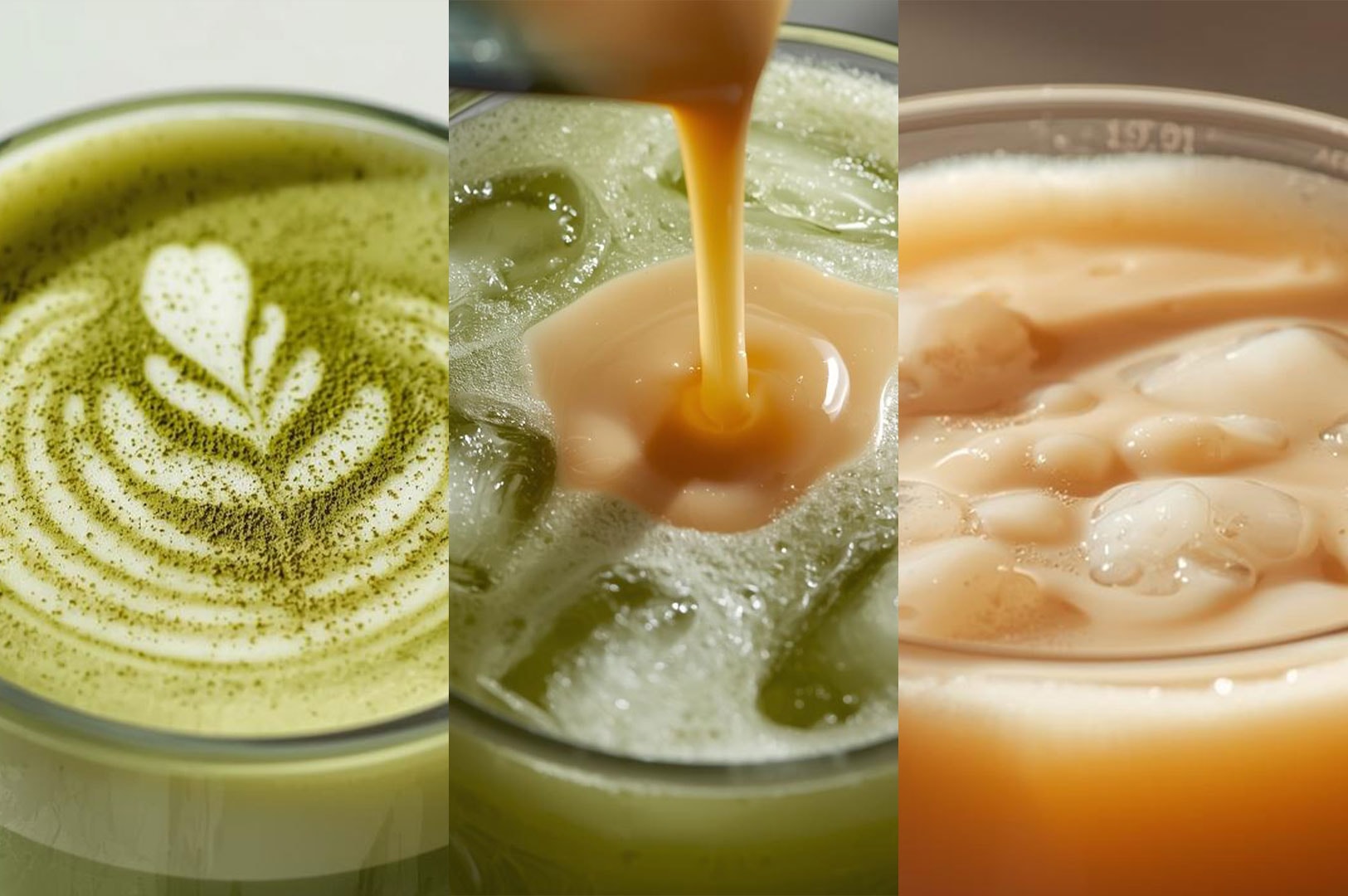
The love for green tea with milk extends beyond Taiwan and Thailand, celebrated throughout Asia in unique ways:
- Japan: The Japanese matcha latte, created with ceremonial-grade matcha powder and milk, showcases earthy notes and a smooth, creamy finish—less sweet but deeply flavorful. Traditional matcha is made with hot water using a whisk, while café lattes may pour tea over steamed milk or incorporate coconut milk for a dairy free option.
- Vietnam: Vietnamese trà xanh is typically strong brewed tea served over ice, then topped with a creamy layer of sweetened condensed milk. The combination delivers sweetness and depth, and is often enjoyed as a refreshing drink during hot afternoons.
- China: While adding milk to green tea isn’t traditional in China, modern tea shops are starting to experiment with creamy jasmine milk teas and cold-brew options, sometimes using the french press or specialty green tea blends to create a new array of flavors.
A Tale of Two Deliciously Different Teas
The contrasting worlds of Taiwanese and Thai green tea with milk beautifully illustrate the diversity and adaptability of Asian tea culture. One offers subtlety, choice, and a connection to modern café life, while the other provides bold, consistent, and indulgent comfort from a humble street stall. Neither is better—they are simply different, each a delicious reflection of its home, offering different molecular structures and unique health benefits.
If you’re seeking something creamy, cool, and wonderfully customizable, Taiwanese green milk tea—perhaps with boba or a splash of coconut milk—will fit the bill. Or, if your palate craves a sweet, strong brew designed to refresh and satisfy, Thai green milk tea’s signature green tea mix and velvety milk proteins are hard to beat.
Next time you pour tea or sip a new variation, remember you’re not just enjoying a drink—you’re sampling a piece of world culture, shaped by local tastes and traditions. We invite you to try each form, experiment with your own blends (maybe more milk for a creamier texture or a dash of lemon juice for brightness), and discover just how cool and delicious the world of green tea with milk can be—day or night, chilled from the fridge or poured hot from the kettle.

Pattaya Garden Restaurant and the Thai Meal That Knows How to Feed a Group
Eat Drink Asia Team | September 3, 2026
The rice came down first. A plain bowl, warm and steaming, set in the middle of the table before anything else. Then the green curry, in a bowl wide enough for four spoons to reach at once. And within a minute the table stopped being a set of individual meals and became one shared thing,…
-
At Keria Japanese Restaurant, the Meal Begins Before the First Bite
Dio Asahi | September 3, 2026
By Dio Asahi for Eat Drink Asia. The lift opens onto a corridor leading to the famed and hidden Cuppage Plaza food, and the building’s age shows in the flickering fluorescent light and the smell of old carpet. Then a sliding door pulls back, and Keria Japanese Restaurant asks you to slow down. Inside, it…
-
The Round Kaya Bun at Chin Mee Chin Confectionery, and the Mornings It Keeps
Eda Wong | September 2, 2026
By Eda Wong for Eat Drink Asia. It’s not quite eight, and the pastel-blue shophouse is already awake. Kopi cups clink against saucers. A ceiling fan turns slow overhead. Someone folds a newspaper at a marble-topped table, and the man behind the counter moves without hurry, sliding buns across in a rhythm he’s clearly done…
-
Nana Original Thai Food and the Thai Meal That Keeps Changing Its Accent
Eda Wong | September 1, 2026
The tom yum arrived first, and the first spoonful hit sour and hot at once, lime and chilli chasing each other down the throat. This classic Thai dish features a spicy sauce and aromatic herbs that awaken the taste buds straight away, setting the stage with its bold flavors. Then the pineapple rice came, sweet…
-
Pad Thai Recipe for People Who Know the Noodles Can’t Be an Afterthought
Dio Asahi | August 29, 2026
The first time I made Pad Thai, I ruined it before the wok was even hot. I’d left the noodles soaking while I answered a phone call. Ten minutes turned into forty. By the time I drained them, they were already soft, already surrendered. Everything I did in the pan after that was damage control….
-
Best Japanese Restaurant Singapore: Places That Nail the “First Bite”
Eat Drink Asia Team | August 27, 2026
I built this list around a very specific feeling: that first bite where the room goes quiet for a second. I’ve tried enough Japanese restaurants in Singapore over the years to know that “best” does not always mean the most expensive, the rarest, or the hardest to book. Sometimes it is the warmth of the…
-
Not Just Seafood: How Araya Shouten Keeps Japanese Fishing Culture Alive in Singapore
Eat Drink Asia Team | August 26, 2026
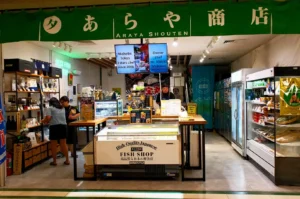
Japanese cuisine has long been admired for its attention to seasonality, precision, and respect for ingredients. However, behind every piece of sashimi or carefully prepared seafood dish lies a story that begins far away from the dining table, often with fishermen, coastal communities, and generations of knowledge passed down through time. At Araya Shouten, seafood…
-
The Ginger Shoyu Ramen at Ramen Soshiji, Where Orchard Goes Quiet
Dio Asahi | August 26, 2026
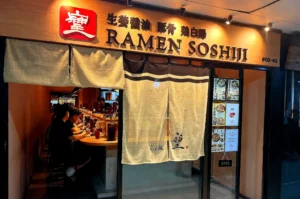
By Dio Asahi for Eat Drink Asia. The lift opens on the third floor of Orchard Plaza, and for a second I don’t know which way to turn. The corridor is dim and still, the kind of quiet that feels almost accidental in this part of town. A few doors down, an unmarked entrance. Inside,…
-
Indo Rasa Singapore and the Nasi Goreng That Measures a Kitchen’s Confidence
Eat Drink Asia Team | August 25, 2026
There’s a dish I order when I want to know a kitchen quickly. Not the specialty. Not the thing the menu is proud of. I order the fried rice. Because nasi goreng has nowhere to hide. It’s rice, chilli, chicken, egg, a few crackers, some cucumber. Everyone thinks they can make it. Most people can….
-
Bebek Goreng Pak Ndut and the Fried Duck That Makes Nasi Goreng Feel Too Polite
Eda Wong | August 22, 2026
The duck arrived and made a sound before I’d even touched it. Not the plate, the skin. When my fork pressed against it, there was a small, dry crackle, the kind you feel in your fingers before you hear it. That’s when I understood I wasn’t eating a soft meal. This was something with edges….