Korean food can look simple from the table.
A red bowl of kimchi stew. A tray of glossy fried chicken. Beef hissing on a grill. Banchan arriving in small dishes before anyone has even opened the menu. It feels familiar now, especially in Singapore, where Korean food has moved from novelty to everyday craving.
But halal Korean food is not just Korean food with pork removed.
I learned this slowly. A friend once asked a server what stock went into a kimchi jjigae I had casually assumed was fine. The answer was pork bone. Nothing on the table had looked obviously wrong. That was the point. Halal assurance is often invisible until you ask the right question.
What “Halal Korean Singapore” Actually Means
In Singapore, MUIS regulates the halal industry and provides halal certification services. For diners, that means the most reliable starting point is not a restaurant’s Instagram caption, a nice comment on a delivery app, or a “no pork” note on the menu. It is whether the specific outlet is currently certified.
The Labels Diners Often See
- MUIS-certified: The specific premises has gone through Singapore’s halal certification process.
- Muslim-owned: This may reassure many diners, but it is not the same as MUIS certification.
- Pork-free: Pork is absent, but that does not answer questions about meat sourcing, alcohol, shared fryers, or stock.
- Muslim-friendly: A common marketing phrase, not an official certification category.
The outlet detail matters. One branch being certified does not automatically mean every outlet under the same brand is certified. Certification can also change, so it is worth checking before you go, especially for group meals.
The Simple Rule
If someone at the table needs halal assurance, choose a fully certified venue when possible. It removes the burden from one person having to audit every sauce, tong, soup base, and grill while everyone else relaxes.
For another look at how certification makes shared meals easier, explore Eat Drink Asia picks for halal restaurants in Singapore serving authentic Nasi Padang.
Spicy Chicken and Dak Galbi: Read the Marinade
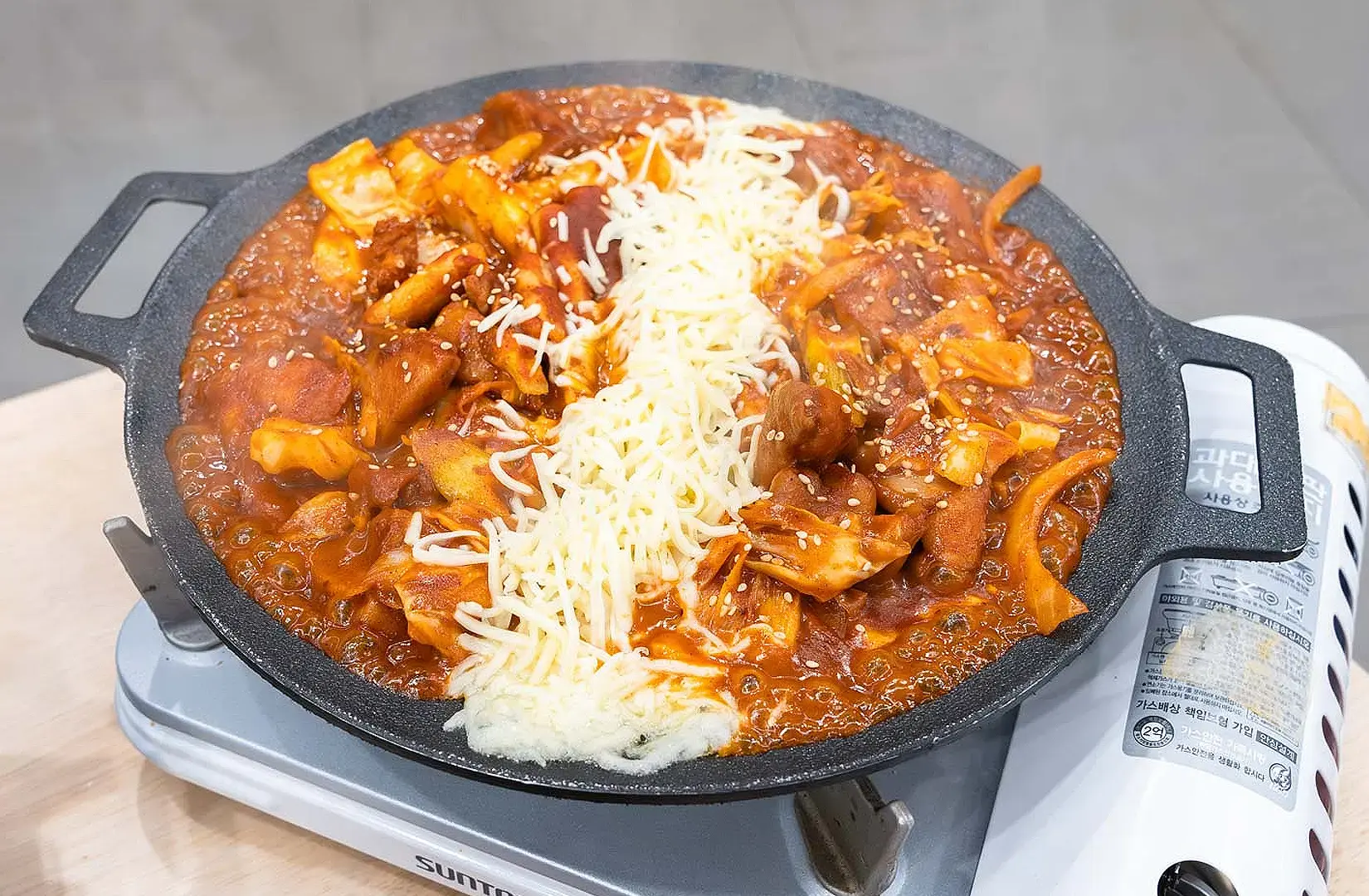
Spicy chicken dishes such as dak galbi often look safe because there is no pork on the plate. The marinade is where the real checking begins. A typical Korean spicy chicken marinade may mix gochujang, gochugaru, soy sauce, garlic, ginger, sesame oil, sugar, onion, pear, or apple. Some recipes also use rice wine or mirin.
The Gochujang Question
Gochujang is not automatically halal or automatically non-halal. It depends on the product, certification, and processing. Some commercial pastes may be suitable for halal kitchens. Others may contain alcohol or carry no recognised halal assurance.
At a certified restaurant, ingredient sourcing is part of the system. At an uncertified one, it is worth asking.
What A Good Halal Marinade Can Use
Halal kitchens can still build sweetness, depth, and shine with:
- Pear or apple purée
- Honey or sugar
- Rice vinegar balanced with sweetness
- Sesame oil
- Garlic and ginger
- Halal-certified soy sauce or seasoning
You still get the familiar smell: sesame hitting heat, garlic turning fragrant, chilli paste darkening at the edges, and chicken caramelising against the pan. The taste can stay bold, tasty, and sweet-spicy without cooking alcohol.
Korean Fried Chicken: Halal Meat Is Only the First Check
The meat has to be halal-sourced. Then the kitchen has to consider the fryer, batter, seasoning, and sauce. If the oil is shared with non-halal items, the issue returns. If the batter mix contains flavourings or processing aids of unclear origin, that matters too. If the sauce uses alcohol-based flavouring or cooking wine, the glossy glaze becomes another question.
That is why two boxes of fried chicken can look almost identical and still have different halal status. The crust may crackle the same way. The sauce may cling in the same sticky red shine. But what happened before it reached the box is what counts.
Brands such as 4Fingers and Jinjja Chicken publicly state halal compliance or halal certification for their Singapore outlets, but the safest habit is still to check the exact outlet before ordering, especially when using delivery apps.
Kimchi Stew: The Broth Matters as Much as the Kimchi
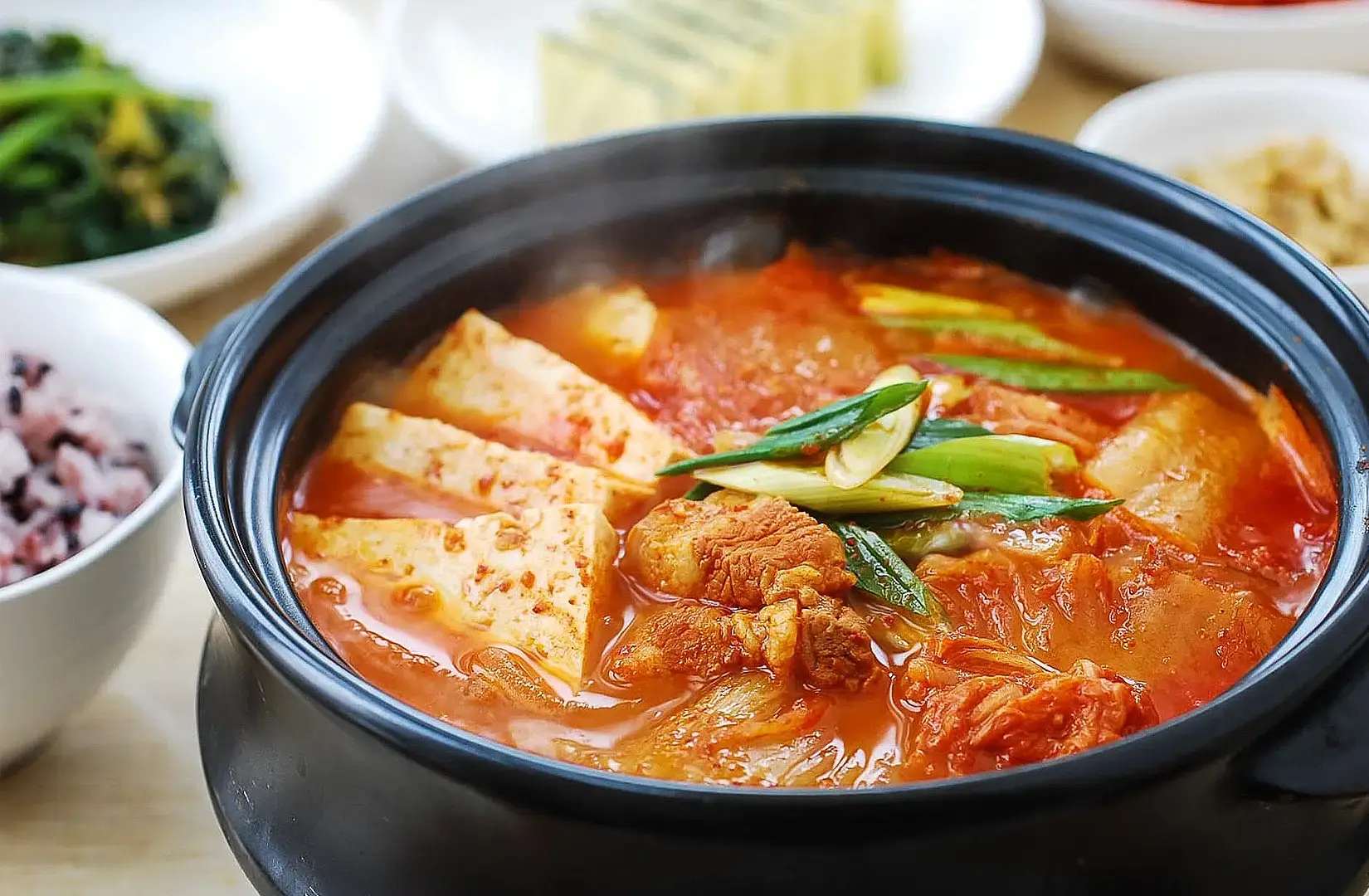
Kimchi jjigae looks direct: red soup, sour cabbage, soft tofu, steam, and heat. But that one bowl can hold several hidden questions. Traditional versions often use pork belly, pork stock, anchovy broth, or meat-based seasoning. Even when no meat is visible, the soup base may still carry pork bones, meat extract, or stock powder. Kimchi itself may contain fish sauce, salted shrimp, or anchovy extract. Those items are not automatically a problem, but their source and processing still matter.
Bulgogi: Sweetness Without Cooking Alcohol
Bulgogi is one of the clearest examples of how halal adaptation can keep the spirit of a dish intact. The usual flavour profile is sweet, savoury, garlicky, and slightly smoky. Traditional marinades often use pear, soy sauce, sugar, sesame oil, garlic, onion, and sometimes rice wine or mirin. The alcohol adds aroma and softness, but it is not the whole dish.
Mixed Rice, Tofu Stews, and Banchan Need Checking Too
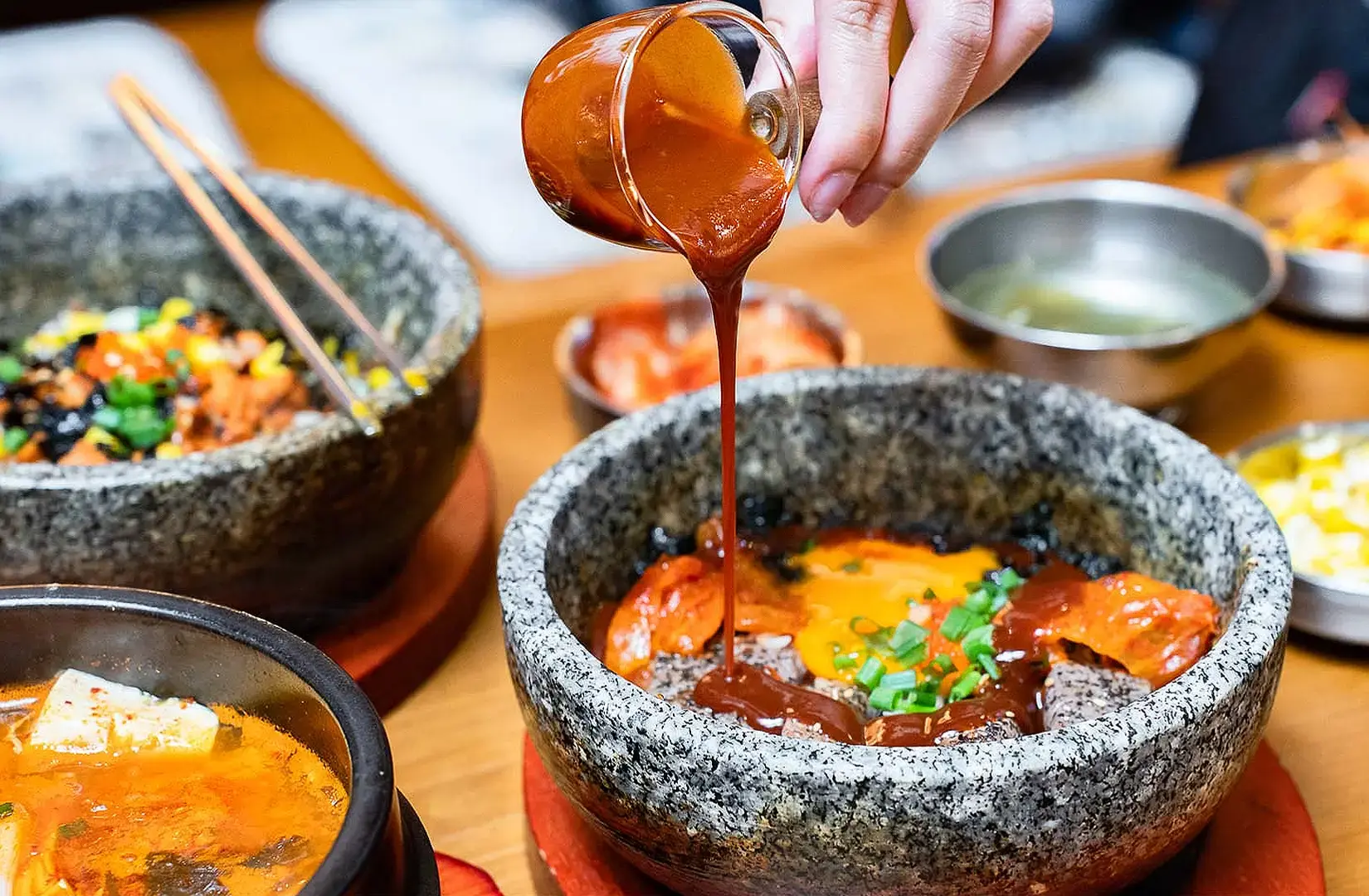
Mixed rice dishes can look like the safest choice because they are built around rice, egg, veggies, and sauce. But they still need checking. Bibimbap may carry beef in the topping, a gochujang sauce of unknown origin, vegetables seasoned with meat stock, or utensils shared with other dishes. Sundubu jjigae has the same issue. The tofu is not the problem. The soup base is.
A hot stone bowl can look harmless: rice crackling at the edges, egg softening into the grains, veggies arranged in neat colours, sauce waiting to be mixed in. But halal status depends on what went into each component before that pretty bowl arrived.
Korean BBQ: The Grill Is the Whole System
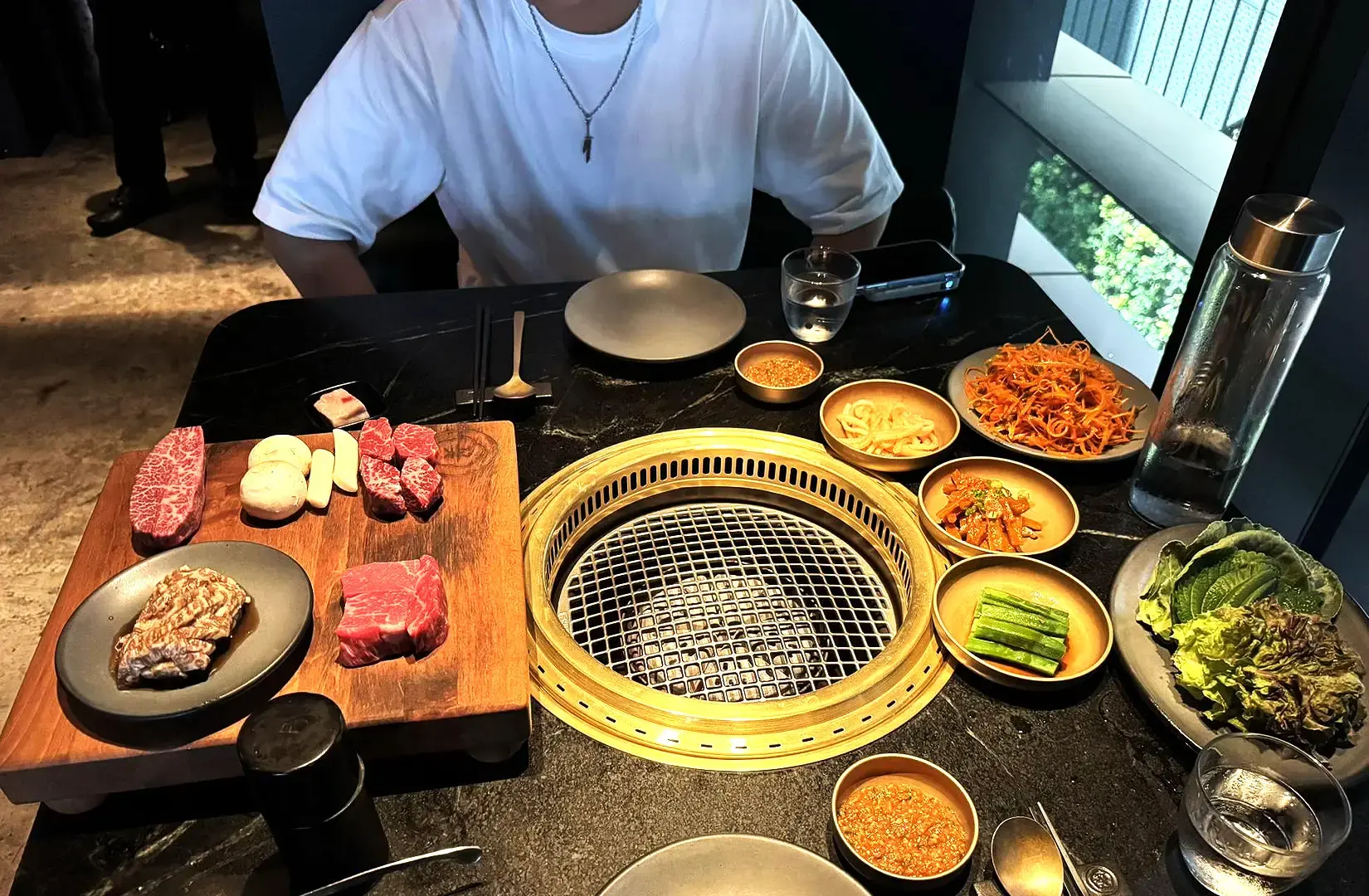
At a traditional barbecue restaurant, pork belly, beef, chicken, and seafood may pass across the same grill. Tongs move between plates. Marinades sit close together. Raw and cooked items may share prep spaces if the kitchen is not designed for separation. A halal-certified Korean BBQ setup has to think beyond replacing pork with chicken or beef. It needs separation across sourcing, storage, prep, utensils, grill surfaces, marinades, and service.
Captain Kim Korean BBQ & Hotpot describes itself as a halal Korean BBQ and hotpot buffet with outlets in areas such as Tampines, Bukit Panjang, and Clementi. That matters because a grill meal is only relaxing when the system around the fire has already been handled.
If unlimited grilling is only one version of the buffet experience you enjoy, our Best Buffet Singapore feature explores how other restaurants turn abundance into a more organised meal.
Ask These Questions If It Is Not Certified
- Is pork served anywhere on the premises?
- Are grills shared with non-halal meat?
- Are tongs and utensils separated?
- Are marinades made separately?
- Is the meat halal-sourced?
- Are staff trained to handle halal requests clearly?
For mixed groups, the kindest choice is usually the simplest one: book a certified venue. It keeps the meal easy to enjoy instead of turning one diner into the table’s compliance officer.
What It Typically Costs in Singapore
Prices vary by outlet, location, and promotions, but these ranges are useful for planning.
Meal Type | Usual Price Range | What To Expect |
|---|---|---|
Quick Korean rice bowls | S$10 to S$20 | Rice, egg, meat or tofu, sauce, and vegetables |
Stews and noodle dishes | S$15 to S$25 | Hot broth, tofu, kimchi, seafood, beef, or chicken |
Fried chicken meals | S$10 to S$25 | Crispy chicken, sauce, sides, and drinks |
Korean BBQ or hotpot buffet | Usually higher | Grill items, soup bases, cooked food, and shared table dining |
For groups, budget more than you think if you are ordering stew, fried chicken, rice dishes, drinks, and other dishes together. Korean food is built for sharing, and the table fills quickly.
Affordable places are easier to find now than they used to be, but price should not be the only point. A cheap meal is not useful if the halal terms are unclear.
Before You Visit
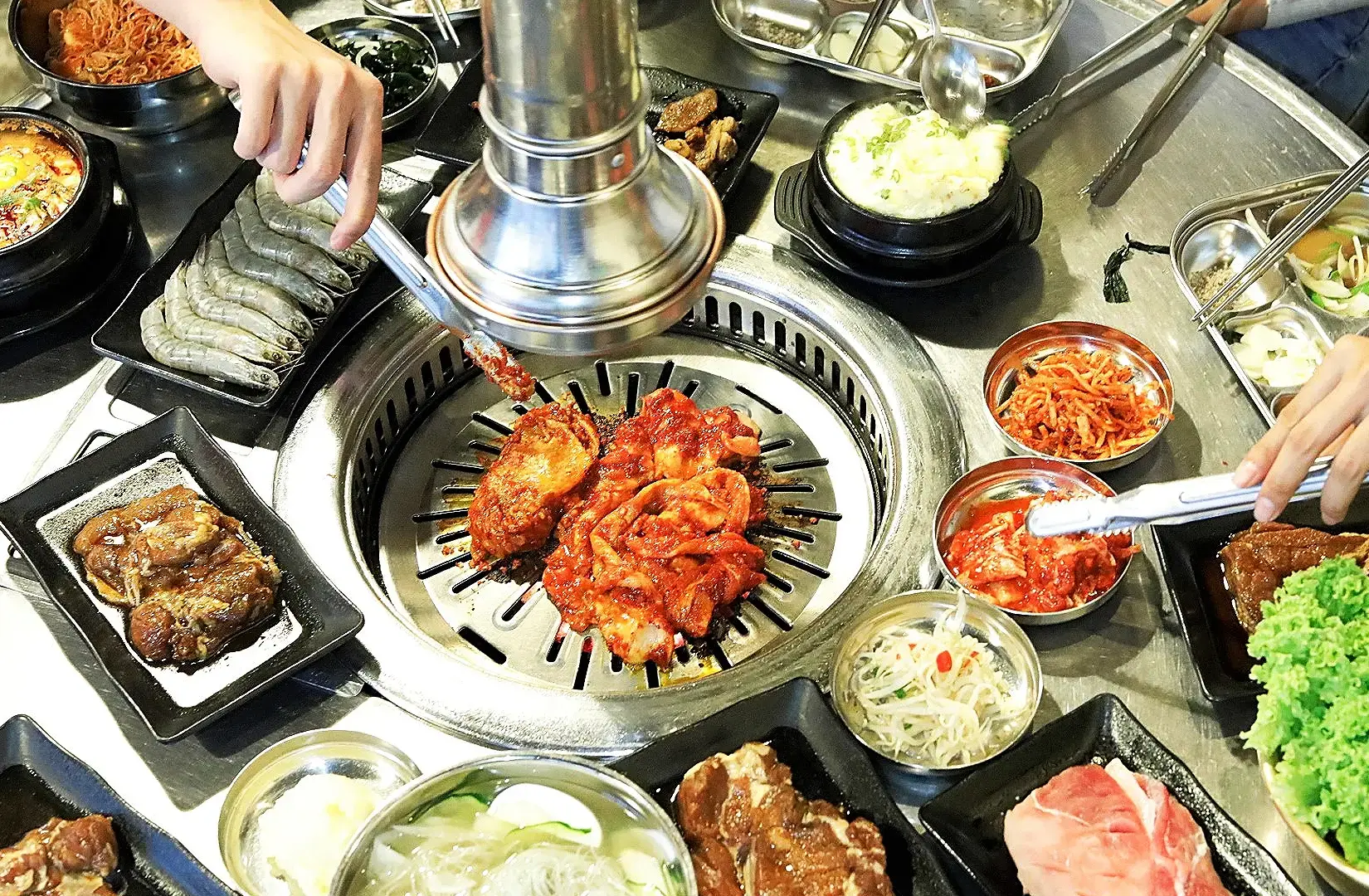
For Korean BBQ, I prefer early dinner around 5:30pm to 6pm. The room is usually less smoky, the buffet trays look fresher, and the grills turn over faster. Wear something you do not mind smelling like smoke, tie back long hair, and book ahead for groups.
For fried chicken, dine in if crispness matters. Delivery softens the crust, especially once sauce and steam sit in the box together.
For stews, delivery travels better, but broth can spill and rice can dry out. If you care about the full experience, eat it fresh.
Practical Planning Notes
- Check operating hours before visiting, especially on Thursday nights, weekends, and public holidays.
- Read the menu carefully before ordering.
- Call ahead if the halal status is not clear.
- Choose a certified restaurant when sharing with Muslim friends or family.
- Ask staff directly if you need clarity on sauce, marinade, broth, or grill handling.
- Add time for queues if you are visiting popular east-side outlets or city locations.
What Stays Korean
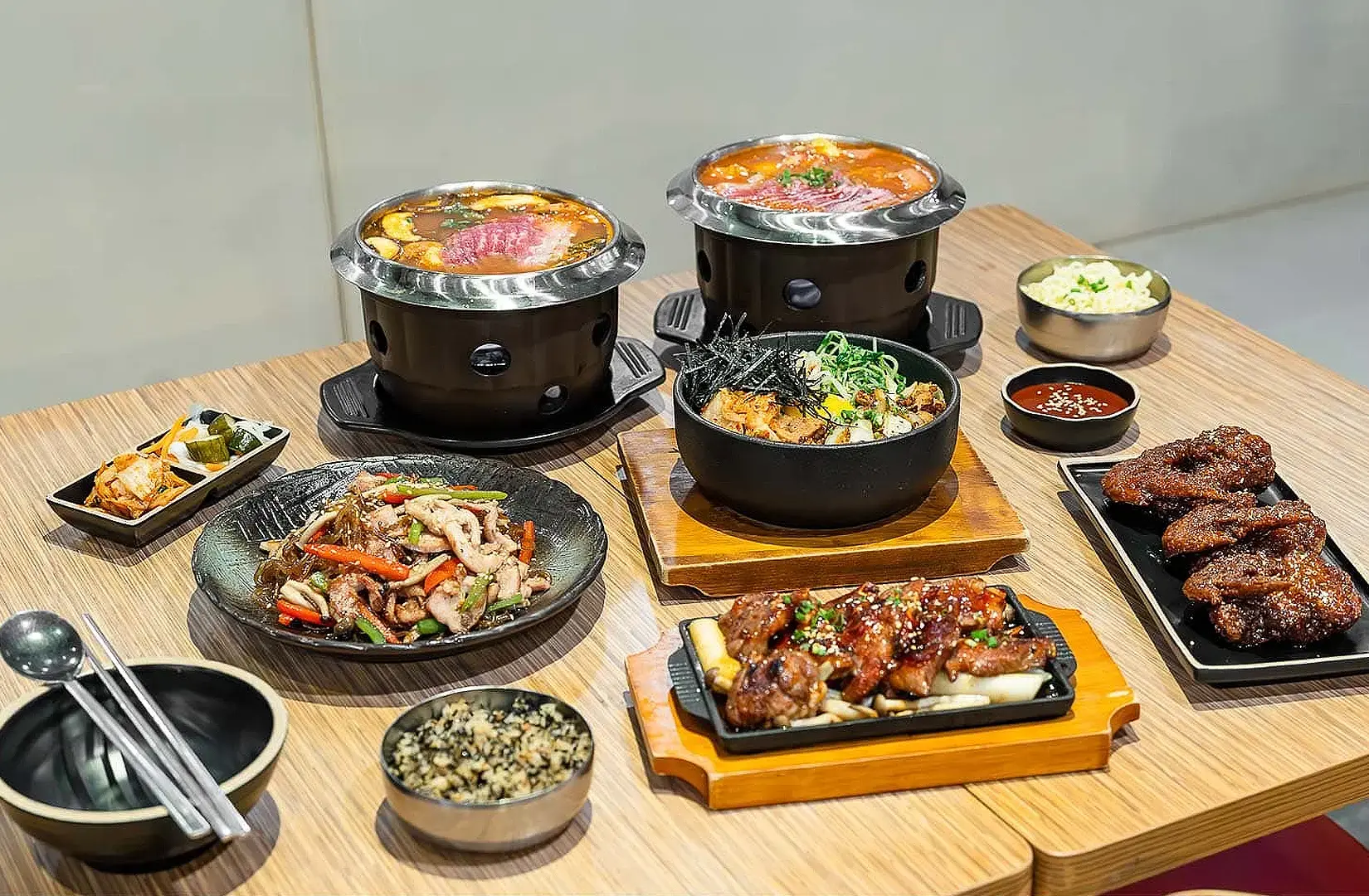
The surprising thing is how much stays the same. The fermentation stays. The chilli stays. So do the garlic, sesame, rice, smoke, banchan rhythm, and the shared-table feeling of everyone reaching across for one more bite.
What changes is mostly invisible: the stock, the oil, the alcohol in the marinade, the fryer, the grill, the tongs, the supplier list. That invisible work is what makes the meal feel easy for the diner. When it is done well, halal Korean food does not taste like compromise. It tastes like someone cared enough to rebuild the dish properly.
And that is the version worth looking for.

The National Dish of Indonesia Is Not One Plate: Why a Country of Islands Needs Many Icons
Dio Asahi | October 13, 2026
The first time someone asked me for the national dish of Indonesia, I answered nasi goreng without thinking. It seemed obvious: fried rice darkened with kecap manis, often topped with a fried egg, familiar from warungs and late-night street food stalls. That answer is not wrong. It is simply too small. Indonesian food is regional,…

Sapporo in a Bowl: Soup Curry by Ki-setsu Comes to Singapore
Eda Wong | October 12, 2026
Ask most Singaporeans to picture Japanese curry and a familiar image probably comes to mind: a plate of rice beneath thick brown gravy, perhaps with a breaded cutlet sliced neatly across the top. It is rich, sweet-edged, comforting and, by now, almost as recognisable as ramen or donburi. Head to the fourth floor of Fortune…
-
Meokja by Jungga Review: The Halal Korean Snack Table That Knows What It’s Doing
Eda Wong | October 10, 2026
I had not planned to eat at Meokja by Jungga. I was walking down North Bridge Road on a Tuesday, somewhere around the awkward hour between lunch and dinner, when I caught the smell of something frying and the low clatter of a kitchen working hard. I looked up, saw the sign, and my feet…
-
Seoul Bunsik Funan Review: The Comfort of Korean Street Food Without the Street
Eat Drink Asia Team | October 8, 2026
I have eaten ramyeon on a plastic stool in Seoul, close to midnight, with cold air biting at my ankles and the broth doing all the work of keeping me warm. Seoul Bunsik Funan is not that. This was a bright Tuesday afternoon, escalators humming behind me, the smell of mall air-con instead of street…
-
The Last Turn of Tamagoyaki in a Tsukiji Pan
Dio Asahi | October 7, 2026
By Dio Asahi for Eat Drink Asia. It’s mid-morning, and the cook doesn’t look up. He stands over a rectangular pan, copper worn to a dull gold at the edges, and pours a thin skin of beaten egg across its surface. It hisses. Steam rises, warm and faintly sweet, and he tilts the pan just…
-
Seafood Restaurants in Singapore That Turn Crab Night Into a Full Table Ritual
Dio Asahi | October 6, 2026
It always starts the same way for me. Someone lifts the lid off a plate of chilli crab, and the whole table leans in. Fingers reach before spoons do. Somebody tears the first piece of fried mantou, drags it through that sticky, sweet-savoury sauce, and the rest of us stop talking for a second. That…
-
Korean Street Food Is Built for Movement, Heat, and One-Handed Eating
Eda Wong | October 3, 2026
The first time I ate tteokbokki in Seoul, I burned my tongue standing up. It was late, the air was sharp with cold, and I had stopped at a small street food stall near a subway exit because the steam pulled me in. The woman handed me a paper cup of rice cakes in red…
-
Mrs Pho and the Bowl That Makes Somerset Feel Like a Vietnamese Family Table
Eat Drink Asia Team | October 1, 2026
I wasn’t hungry when I walked into 313@somerset. I’d come for something else entirely; an errand, a shop I needed, the usual Orchard rush of people moving faster than the escalators. But somewhere on the first floor, past the noise, I caught the smell of star anise and beef bone, and my feet slowed down…
-
The Carving Knife at Colony, and the Way We Mark What Matters
Eda Wong | September 30, 2026
By Eda Wong for Eat Drink Asia. It’s late morning, and the light is doing most of the work. It pours through the high windows of Colony, at The Ritz-Carlton, Millenia Singapore, spilling across white tablecloths and the vintage prints on the walls. Marina Bay hums somewhere outside, but in here the room feels a…
-
Co Chung Vietnamese Restaurant and the Gỏi Cuốn That Makes Fresh Herbs Do the Work
Dio Asahi | September 29, 2026
I found it by accident, the way you find most things in a mall basement. I’d come down to Plaza Singapura’s B2 for something else entirely, drifting past the usual food-court noise, when I caught the smell of star anise and beef bone coming from a corner. I followed it. And there it was —…