By Dio Asahi for Eat Drink Asia.
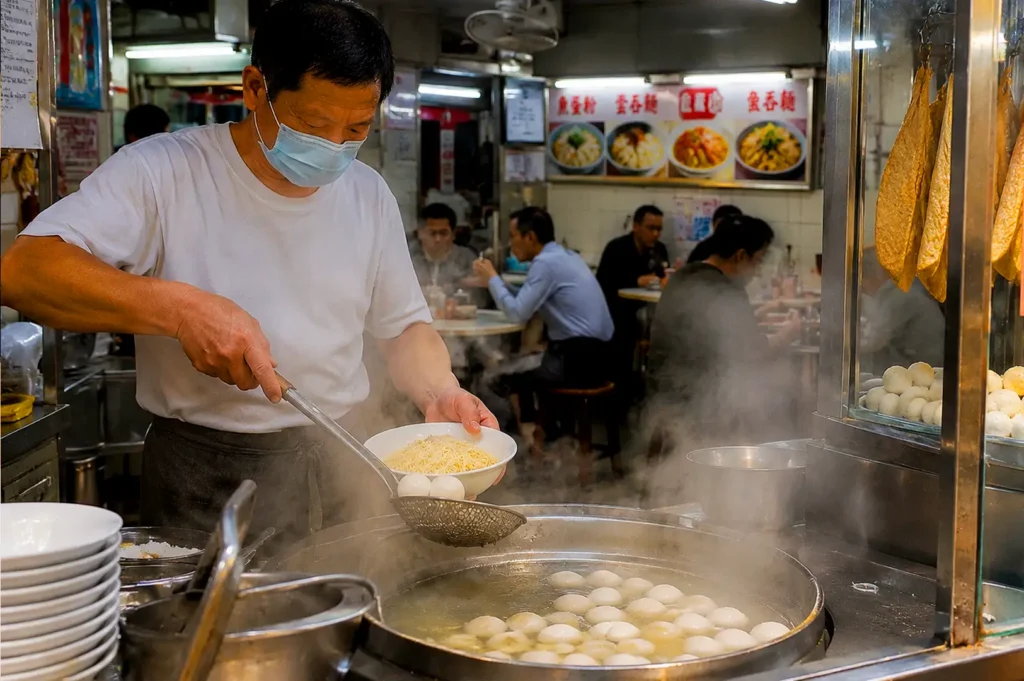
It’s a little past seven in the morning, and the stall is already breathing. Steam rolls off a deep metal pot near the front and fogs the glass where a row of fish cakes hangs on hooks. A ladle knocks against the rim. Somewhere behind me, a stool scrapes across the tiled floor.
The man at the pot doesn’t look up. He lifts a wire strainer, shakes it twice, and tips a handful of pale fish balls into a bowl of noodles. The broth follows, clear and faintly gold. The air smells of dried flatfish and white pepper, with something sweeter underneath, like the sea after rain.
In Cantonese, they’re called yu daan (魚蛋), said roughly “yoo-dahn.” It means fish eggs. They aren’t eggs at all, just small rounds of fish paste, usually made from white-fleshed fish that’s been minced, salted, and worked until it turns glossy and tight.
The working is the whole thing. A good paste gets beaten and slapped against the side of a bowl, again and again, until it binds and starts to push back. Locals have a phrase for the result: daan ngaa, “bouncing teeth.” The fish ball should resist your bite for a second, then give.
At a noodle stall, they go into yu daan fan, fish balls with noodles. The noodles are often thin egg noodles or flat rice noodles, sitting in a broth simmered from fish bones and dried fish. Nothing hides here. There’s no thick sauce to cover a bad batch.
I’ve noticed nobody lingers. A woman in a security uniform orders standing up, then sits anyway when a stool frees up. A schoolboy eats with his backpack still on. When the room fills, strangers share tables without a word. People here call it daap toi, and the etiquette is simple: nod, sit, eat, leave room.
Ordering works like shorthand. A few syllables at the counter cover the noodle type, the toppings, and whether you want spring onion. The bowl lands before you’ve pulled your chopsticks from the tin box on the table.
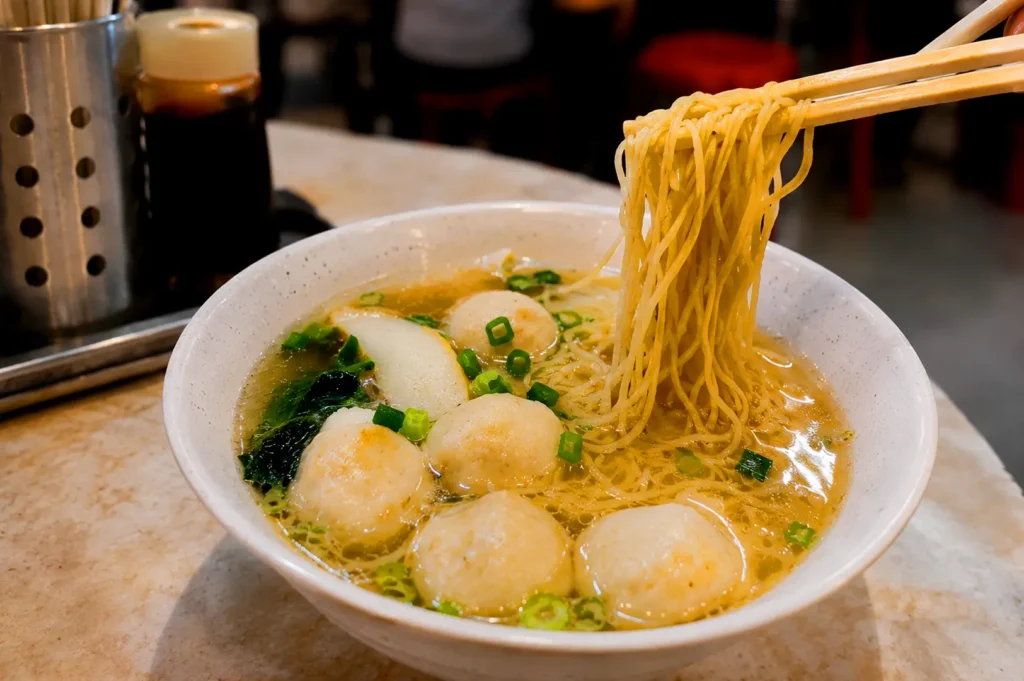
That speed isn’t carelessness. It’s the city’s rhythm, folded into breakfast. A bowl like this is meant to fit between a train and a desk, warm enough to carry you through to lunch.
Eat Drink Asia is very keen at how quietly the cook manages the heat and that is something that stayed with us. The pot never quite reaches a rolling boil. If it runs too hot, the fish balls swell and toughen at the edges. He drops them in, waits until they rise and bob at the surface, then lifts them out moments later.
These days, plenty of stalls buy fish balls frozen. They come perfectly round, identical, and bright white. They’re convenient, and they fill a bowl. But the handmade ones here look a little uneven and slightly gray, with a fleck of fish skin now and then. They taste more of fish than of flour. That difference is easy to miss, and harder to keep.
I finish the broth last, tipping the bowl toward me the way the man beside me does. The steam has thinned. Outside, the street has filled with buses and footsteps.
Nobody photographs fish balls. They aren’t made for that. They’re made for an ordinary morning, a shared table, and a cook who still knows exactly when to lift the strainer.

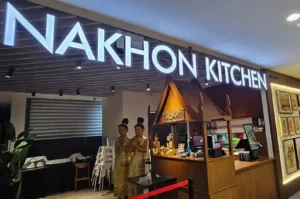
Cuisine in the World Meets Singapore: Inside Nakhon Kitchen’s Cross-Cultural Magic
Dio Asahi | March 26, 2026
There’s a rite of passage for any food lover living in the East of Singapore, and it involves a queue. Specifically, the perpetually long, snaking queue outside Nakhon Kitchen in Bedok. I’d heard the legends for years: authentic Thai food, rock-bottom prices, and a wait time that tests your commitment. So, on a Tuesday evening…
-
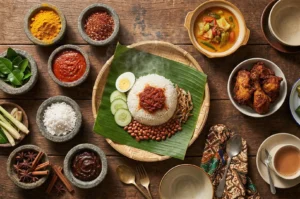
The Spice Route Secrets: A Deep Dive into Malay Ethnic Food
Eda Wong | March 24, 2026
My first time ordering Nasi Padang in Geylang Serai was overwhelming, I randomly picked dishes and was shocked by a $20 bill due to premium beef rendang and squid. That taught me to always ask seafood prices and that Malay food is a complex, modular cuisine. Malay food is everywhere in Singapore, in hawker centres,…
-
The Shokunin Spirit: How Japan’s Craftsman Philosophy Lives Inside Singapore’s Most Disciplined Omakase Counter
Dio Asahi | March 21, 2026
The fire is not roaring; it is breathing. In a small, darkened workshop in Sakai, a swordsmith watches the colour of the steel with eyes that have tracked the same transformation for forty years. He does not look at a clock. He listens to the hum of the charcoal. He waits for the metal to…
-
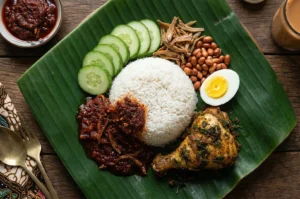
The Evolution of the Plate: How History Transformed Iconic Malaysian Dishes
Eda Wong | March 19, 2026
I used to think I understood Malaysian food. As a Singaporean, it’s practically in my DNA, right? Nasi lemak for breakfast, a cheeky roti canai for supper – I thought I had it all figured out. Then I spent a week eating my way through Penang and Kuala Lumpur, and I realised I knew absolutely…
-
The Soul of the Table: An Educational Guide to the Role of Food in Malaysian Culture
Eat Drink Asia Team | March 17, 2026
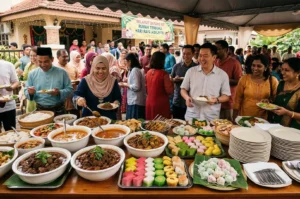
We still remember our first collective Rumah Terbuka (Open House) experience in Kuala Lumpur.Standing at the doorway of a home during Hari Raya, we were utterly paralyzed by the sheer volume of people and the aroma of Malaysian cooking. There were aunties ladling beef rendang and tables groaning under the weight of colourful kuih. “Do…
-
Asian Food Comfort Trends: Why Broths and Bowls are Dominating Globally
Eda Wong | March 14, 2026
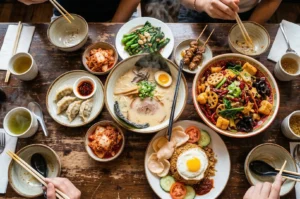
I still remember the first time I faced a “build-your-own” Mala Xiang Guo counter. I stood there, plastic tongs in hand, completely paralyzed by the mountain of choices. Lotus root? Kelp knots? three different types of tofu skin? My anxiety spiked. I panicked, grabbed way too much luncheon meat, and ended up with a $28…
-
The Fifth Element: A Masterclass on Umami in East Asian Cuisine
Dio Asahi | March 12, 2026
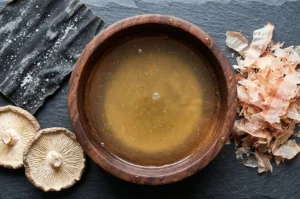
I’ll never forget the first time I made miso soup from scratch. Not the instant kind, but the “proper” way. I boiled water, dissolved miso paste, added tofu, and waited. It tasted flat, salty and cloudy but missing the deep, satisfying flavor I loved in Japanese restaurants. I thought maybe I needed better miso. Years…
-
Why My Quest Ended at Yummy Western (409 AMK)
Dio Asahi | March 10, 2026
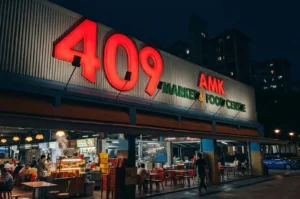
There’s a specific magic to a late-night supper hunt in Singapore. It’s the ritual of chasing a craving through the humidity to find that one stall that hits the spot. For me, that meant a pilgrimage to Ang Mo Kio Avenue 10. I arrived at 10 PM on a Friday, just as the ‘supper soul’…
-
A Taste of Time: My Dinner at Guan Hoe Soon
Eda Wong | March 7, 2026
There’s something special about visiting a place that has seen decades of Singapore’s history unfold. Guan Hoe Soon, tucked away on Joo Chiat Road, holds the title of Singapore’s oldest Nyonya restaurant, and you can feel that heritage the moment you step inside. I’d heard about it for years, a place where recipes aren’t just…
-
The 6 Best Halal Restaurant in Singapore for Authentic Nasi Padang
Eda Wong | March 5, 2026
There are few meals as satisfying as Nasi Padang, a colourful feast where you choose from a variety of dishes to create your perfect plate. Over the years, I’ve explored Singapore’s Nasi Padang scene, especially in Kampong Glam, sampling everything from humble hawker stalls to renowned spots. This list highlights the best halal Nasi Padang…