In the vibrant tapestry of global gastronomy, few cultures have elevated the plant-based plate to an art form quite like India. While much of the world has recently turned toward meat alternatives for health or environmental reasons, Indian cuisine has been centered on the vegetable for millennia. This isn’t merely a dietary choice; it is a rich cultural legacy. With a protein packed foundation of lentils, grains, and seasonal produce, Indian foods vegetarian traditions offer a perfect blend of nutrition and sensory delight that few other cultures can match.
Explore Eat Drink Asia and get excited about authentic recipes, creative cooking tips, and fresh insights into the lively world of Indian vegetarian cuisine!
The Philosophical Roots of the Indian Cuisine
To understand Indian dishes, one must first understand the philosophy behind them. The concept of Ahimsa, or non-violence, is woven into the very fabric of the nation’s history. From the ancient scriptures of the Vedas to the teachings of Jainism and Buddhism, the act of eating is seen as a way to nourish the soul without causing harm. This belief has resulted in a collection of Indian recipes that are naturally vegan or vegetarian, developed not as “substitutes” for meat, but as complete, standalone masterpieces.
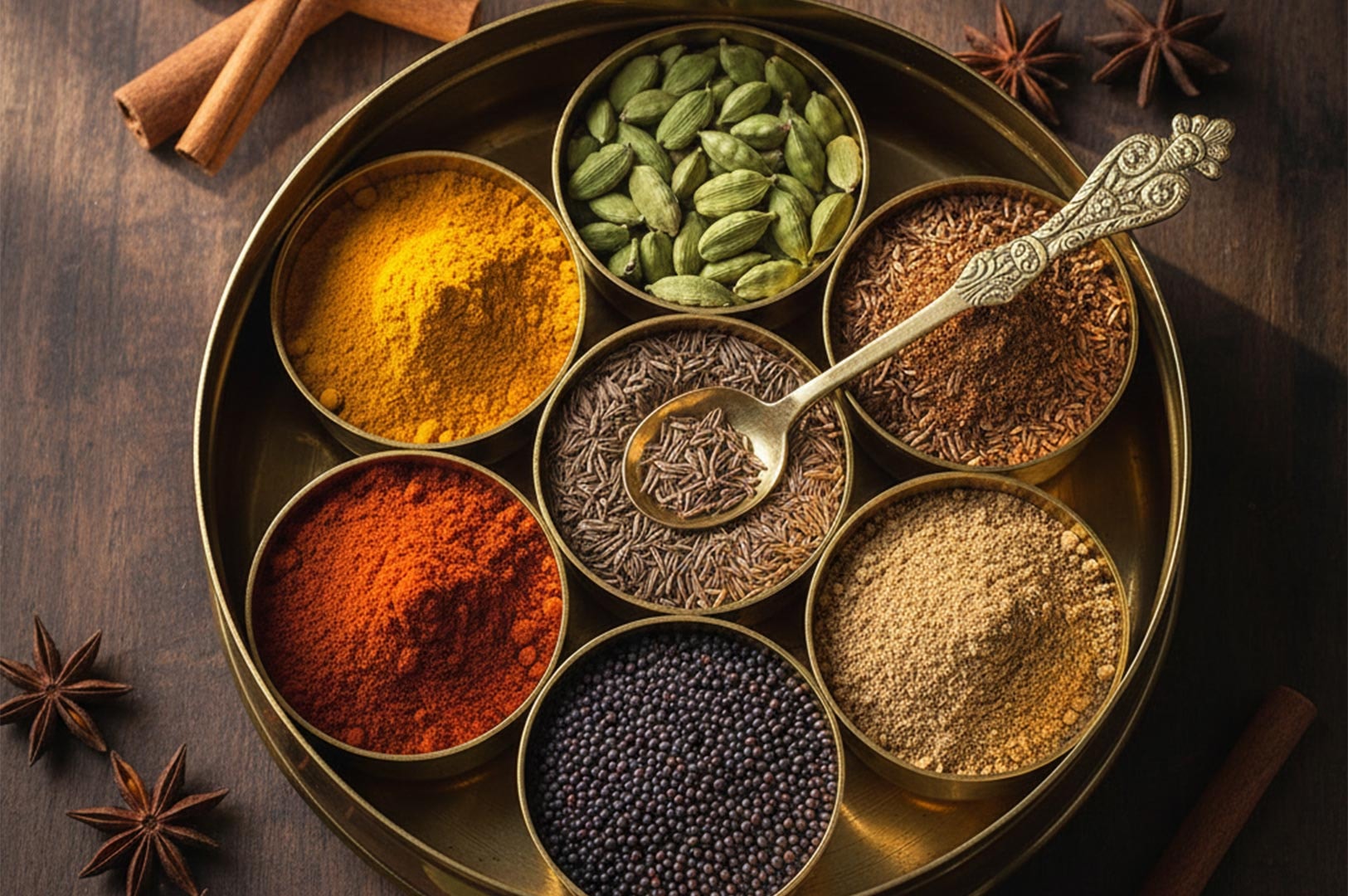
In a typical Indian household, the kitchen is considered a sacred space. The aromatic spices stored in the traditional masala dabba (spice box) are more than just flavor enhancers; they are part of an ancient medicinal system. Turmeric, with its golden hue, is prized for its anti-inflammatory properties, while black pepper and ginger are utilized to aid digestion. When you cook a traditional dish, you aren’t just making a meal; you are practicing a form of alchemy.
A Geographic Symphony: From the Himalayas to the Indian Ocean
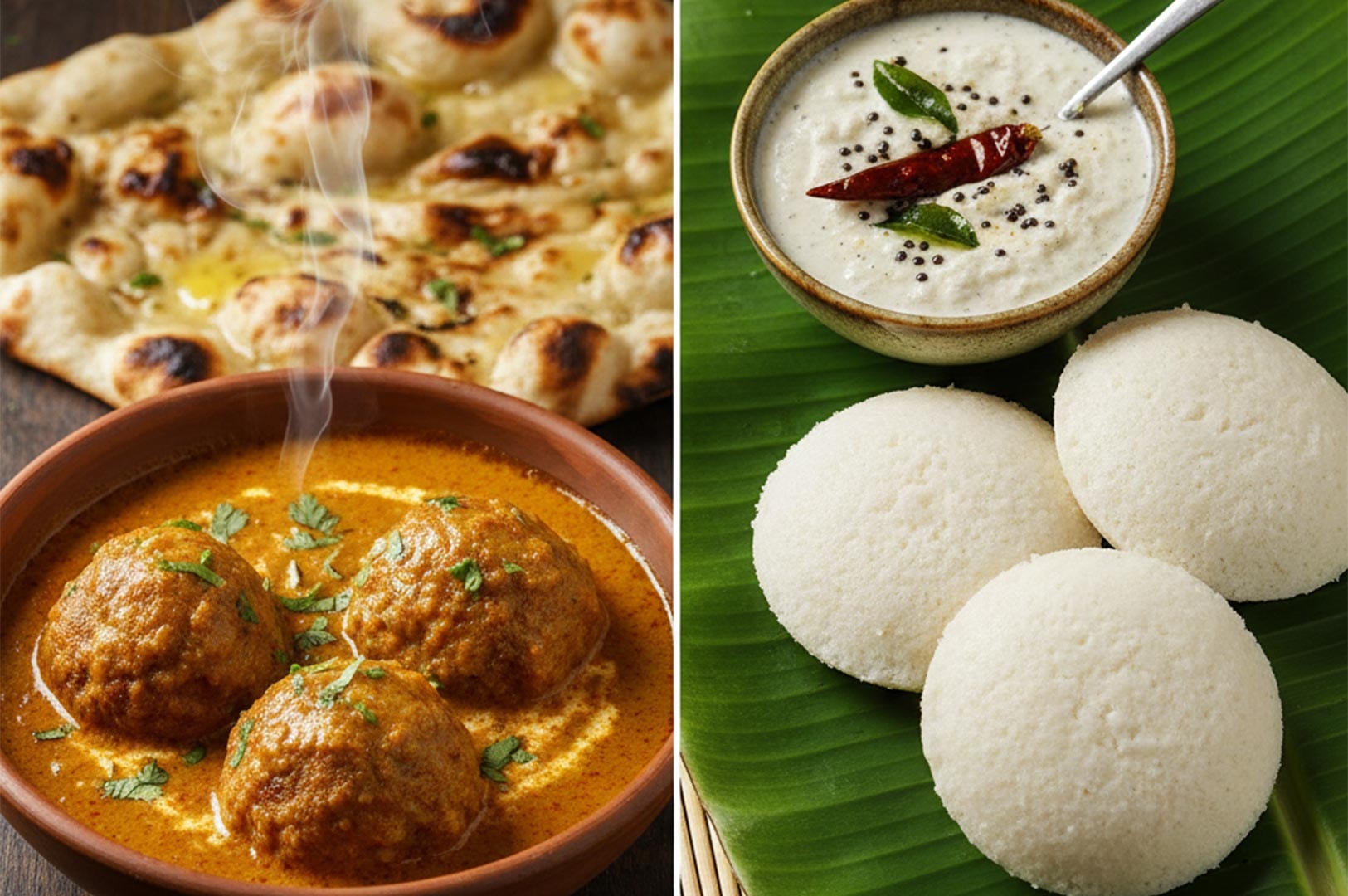
The beauty of Indian vegetarian food lies in its regional diversity. If you travel through Northern India, you are greeted by the scent of roasting wheat and heavy cream. Because of the cooler climate and Persian influences, the cuisine here is hearty and indulgent. This is the land of the perfectly spiced chana masala and the iconic malai kofta—fried dumplings made of paneer and potato submerged in a creamy sauce. On special occasions, the aroma of garam masala wafts through the air as families gather to share naan and roti fresh from the tandoor.
However, as you move toward the tropical South, the landscape changes, and so does the food. The heavy wheat-based breads are replaced by rice dishes and fermented rice preparations. In states like Tamil Nadu and Kerala, the air smells of roasted mustard seeds and fresh curry leaves. Here, coconut is king. It is used in every form—grated, toasted, or as coconut milk to thicken a spicy curry. A breakfast of steamed idli (rice cakes) pairs perfectly with a cooling coconut chutney, providing a protein boost to start the day.
The Architecture of Indian Recipes: Spices and Techniques
The hallmark of Indian flavors is the complexity of the sauce. Unlike Western sauces that often rely on stocks or fats, an Indian curry is built layer by layer. It starts with a base of garlic, onions, and ginger sautéed over medium heat until they caramelize. Then come the tomatoes, which break down into a jammy consistency, providing the acidity needed to balance the rich oils.
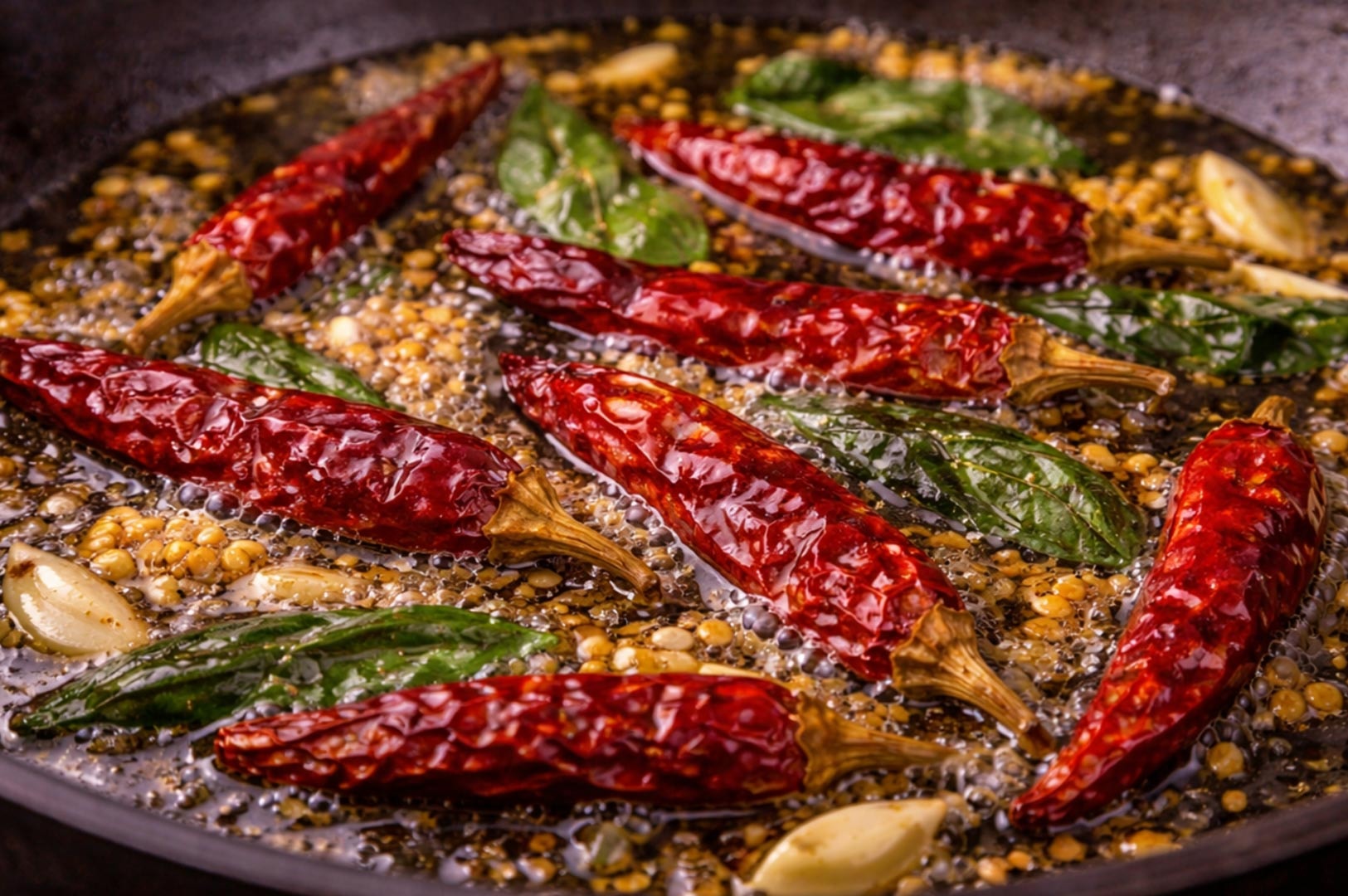
The “Tadka,” or tempering, is the most crucial technique. Spices like cumin, mustard seeds, and asafoetida are dropped into hot oil until they pop and sizzle, releasing their essential oils. This infused oil is then poured over red lentils or soups at the very last second, creating a tasty explosion of flavor. This process ensures that even simple ingredients like green peas and carrots are transformed into something extraordinary.
Modern Traditions: The Instant Pot and Beyond
In today’s fast-paced world, the whole family often finds themselves squeezed for time. This has led to a fascinating evolution in how Indian vegetarian recipes are prepared. The Instant Pot has become a staple in the modern diaspora kitchen, allowing home cooks to achieve the “slow-cooked” taste of a lentil curry in a fraction of the prep time.
We are also seeing a rise in “global-Indian” fusion. A tofu tikka masala is a perfect example of this—taking a traditional creamy tomato base and swapping the dairy for vegan tofu to satisfy modern dietary preferences. Even ingredients like sweet potatoes, which aren’t traditionally the main star of an Indian dish, are being integrated into spicy masalas, proving that Indian recipes are living, breathing entities that continue to grow.
The Social Fabric: Street Food and Family Tables
You cannot discuss Indian food without mentioning the street culture. In cities like Mumbai or Delhi, vegetarian snacks are a way of life. From the spicy crunch of a samosa to the tangy explosion of a chaat, these foods are designed to hit every part of the palate: sweet, sour, spicy, and salty. These are the tasty treats that bring people together across social divides.
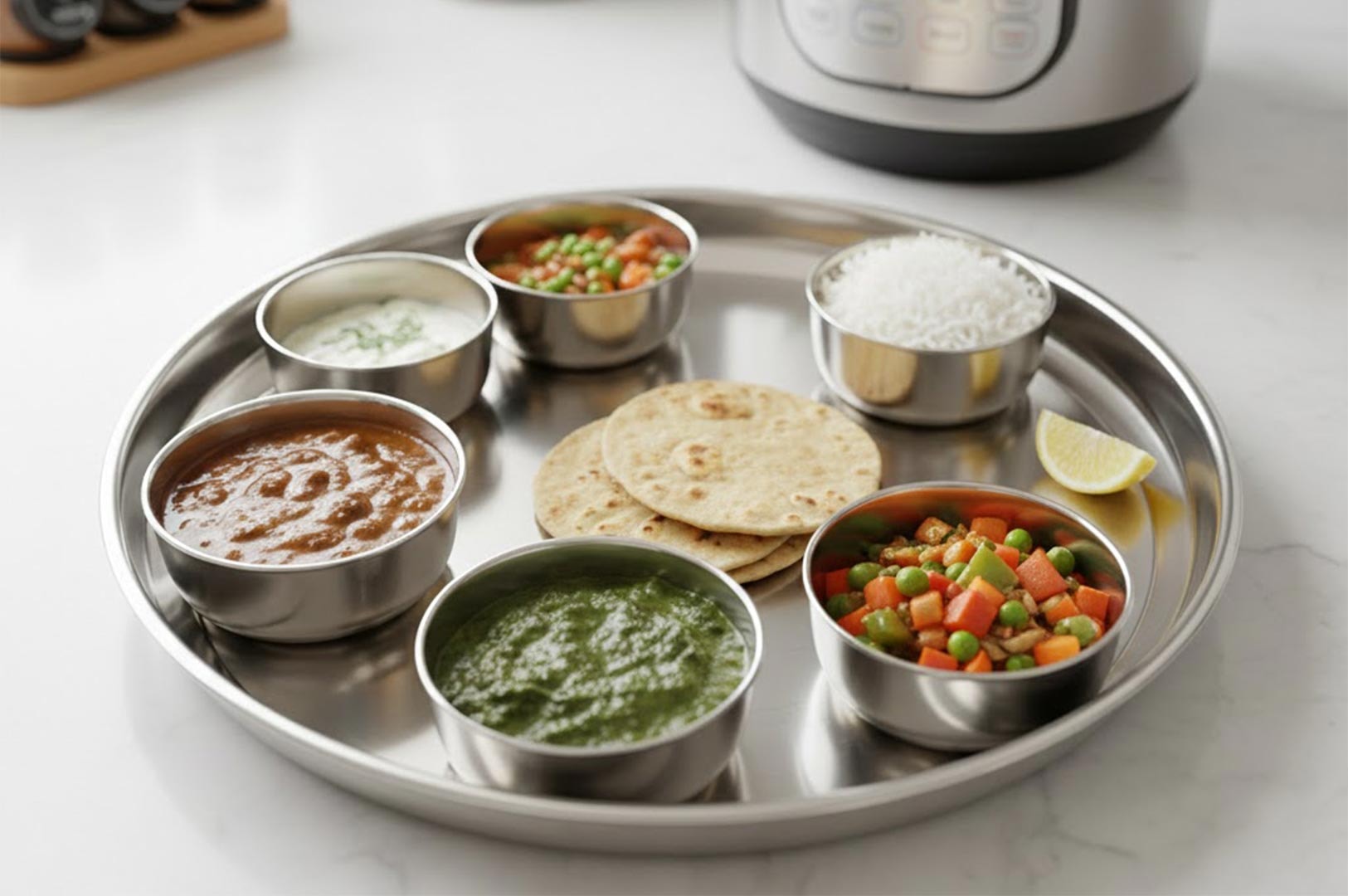
At home, the ritual of the “Thali“—a large platter containing various small bowls of vegetables, lentils, rice, and yogurt—ensures a balanced diet. It is a delicious reminder that a vegetarian diet can be incredibly varied. Whether it is a simple dinner of dal and rice on busy weeknights or an elaborate feast for a wedding, the focus remains on the quality of the produce and the balance of the spices.
Indian Vegetarian Recipes: A Global Inspiration
Today, resources and other culinary platforms provide detailed instructions for those looking to recreate these flavors at home. As more people move toward plant-based living, the world is looking to India for inspiration. The techniques developed over thousands of years—like the fermentation of rice or the strategic use of lentils—are now being studied by chefs worldwide.
As you embark on your own journey through Indian cuisine, don’t be afraid to experiment. Start with a simple chana masala, learn the rhythm of the spices, and soon you will find that you don’t need meat to create a meal that is satisfying and rich.

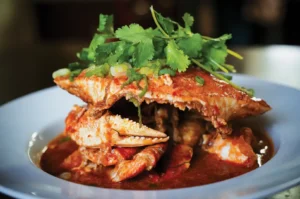
Seafood Restaurants in Singapore That Turn Crab Night Into a Full Table Ritual
Dio Asahi | October 6, 2026
It always starts the same way for me. Someone lifts the lid off a plate of chilli crab, and the whole table leans in. Fingers reach before spoons do. Somebody tears the first piece of fried mantou, drags it through that sticky, sweet-savoury sauce, and the rest of us stop talking for a second. That…
-
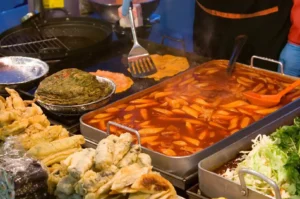
Korean Street Food Is Built for Movement, Heat, and One-Handed Eating
Eda Wong | October 3, 2026
The first time I ate tteokbokki in Seoul, I burned my tongue standing up. It was late, the air was sharp with cold, and I had stopped at a small street food stall near a subway exit because the steam pulled me in. The woman handed me a paper cup of rice cakes in red…
-
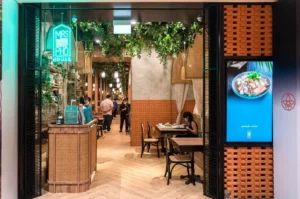
Mrs Pho and the Bowl That Makes Somerset Feel Like a Vietnamese Family Table
Eat Drink Asia Team | October 1, 2026
I wasn’t hungry when I walked into 313@somerset. I’d come for something else entirely; an errand, a shop I needed, the usual Orchard rush of people moving faster than the escalators. But somewhere on the first floor, past the noise, I caught the smell of star anise and beef bone, and my feet slowed down…
-
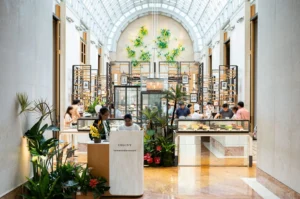
The Carving Knife at Colony, and the Way We Mark What Matters
Eda Wong | September 30, 2026
By Eda Wong for Eat Drink Asia. It’s late morning, and the light is doing most of the work. It pours through the high windows of Colony, at The Ritz-Carlton, Millenia Singapore, spilling across white tablecloths and the vintage prints on the walls. Marina Bay hums somewhere outside, but in here the room feels a…
-
Co Chung Vietnamese Restaurant and the Gỏi Cuốn That Makes Fresh Herbs Do the Work
Dio Asahi | September 29, 2026
I found it by accident, the way you find most things in a mall basement. I’d come down to Plaza Singapura’s B2 for something else entirely, drifting past the usual food-court noise, when I caught the smell of star anise and beef bone coming from a corner. I followed it. And there it was —…
-
Vietnamese Spring Roll: The Recipe That Only Works When the Herbs Stay Awake
Eda Wong | September 26, 2026
Fresh Vietnamese spring rolls, or gỏi cuốn, look delicate, but the recipe is really about control: barely softened rice paper, dry herbs, restrained noodles, clean protein, and a dipping sauce sharp enough to wake the whole thing up. This is not the fried version, chả giò or nem rán. This is the cool, translucent, herb-heavy…
-
Best Steakhouse Singapore: From Fire-Kissed Icons to Old-School Beef Plates
Eat Drink Asia Team | September 24, 2026
I didn’t set out to write about steak. It started with a bad day and a craving for something that pushed back when I bit into it. One dinner turned into a habit, and over a couple of years I found myself at counters, coffeeshops, and dining rooms all over this island, chasing the same…
-
The Ice Counter at Carousel, and the Table Everyone Can Reach
Dio Asahi | September 23, 2026
By Dio Asahi for Eat Drink Asia. It’s a Saturday evening, and someone across the room is carrying a birthday cake. The candles are lit, the walk is careful, and a whole table turns to watch. Plates clink. A child laughs somewhere. The room at Carousel, inside Royal Plaza on Scotts, isn’t quiet — it…
-
Tiong Shian Porridge Centre Review: The Soft Counterweight to Chinatown’s Crisp Toast
Dio Asahi | September 22, 2026
I’d spent the morning with kaya toast. Crisp bread, cold butter, the clean snap of it between my teeth. Good, all of it. But by the time I’d walked a few streets over to New Bridge Road, my mouth wanted the opposite. Something warm. Something that gave way instead of shattering. That’s how I ended…
-
Tong Ah Eating House Review: A Chinatown Breakfast That Still Begins with Kaya Toast
Eda Wong | September 19, 2026
I almost walked past it. I’d been looking for the old triangular building, the red-and-white one you see in every photo of Keong Saik, the one that made Tong Ah feel like a landmark before you’d even ordered anything. But that’s not where it lives anymore. It’s a few doors down now, at 35 Keong…