There’s a dish I order when I want to know a kitchen quickly.
Not the specialty. Not the thing the menu is proud of. I order the fried rice.
Because nasi goreng has nowhere to hide. It’s rice, chilli, chicken, egg, a few crackers, some cucumber. Everyone thinks they can make it. Most people can. But there’s a difference between rice that’s been cooked and rice that’s been decided, and you can taste that difference in the first mouthful.
So when I sat down at Indo Rasa Singapore, I skipped the pempek. I skipped the oxtail everyone talks about. I ordered nasi goreng.
The Room Before the Plate at Indo Rasa Singapore
Far East Plaza does not try to impress you.
It is an old mall on Scotts Road, a short walk from Orchard MRT, and it wears its age plainly: worn tiles, small shopfronts, the low hum of a place that has fed people for decades without asking for applause. You come here for the food tucked into corners, not for the setting.
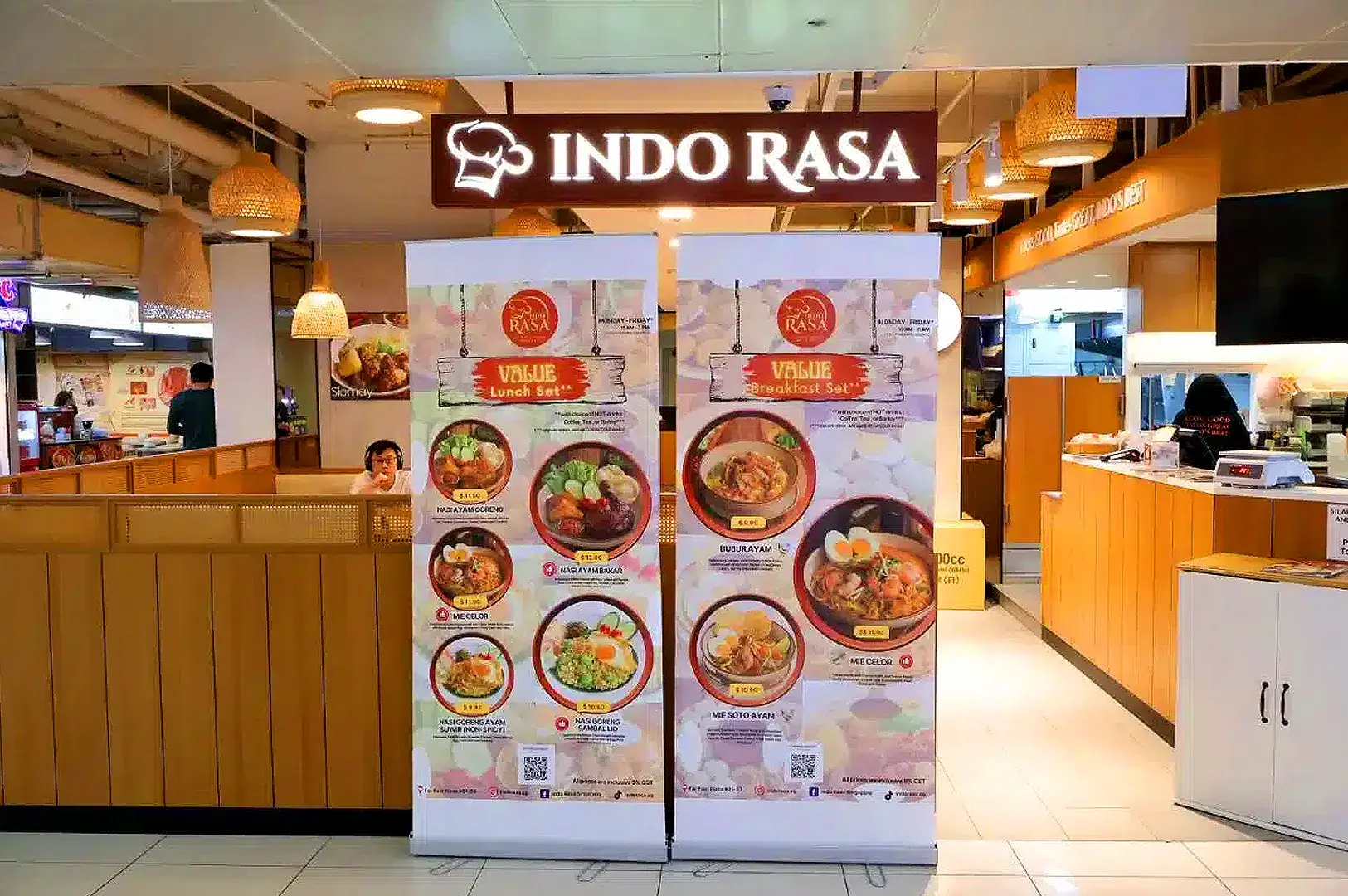
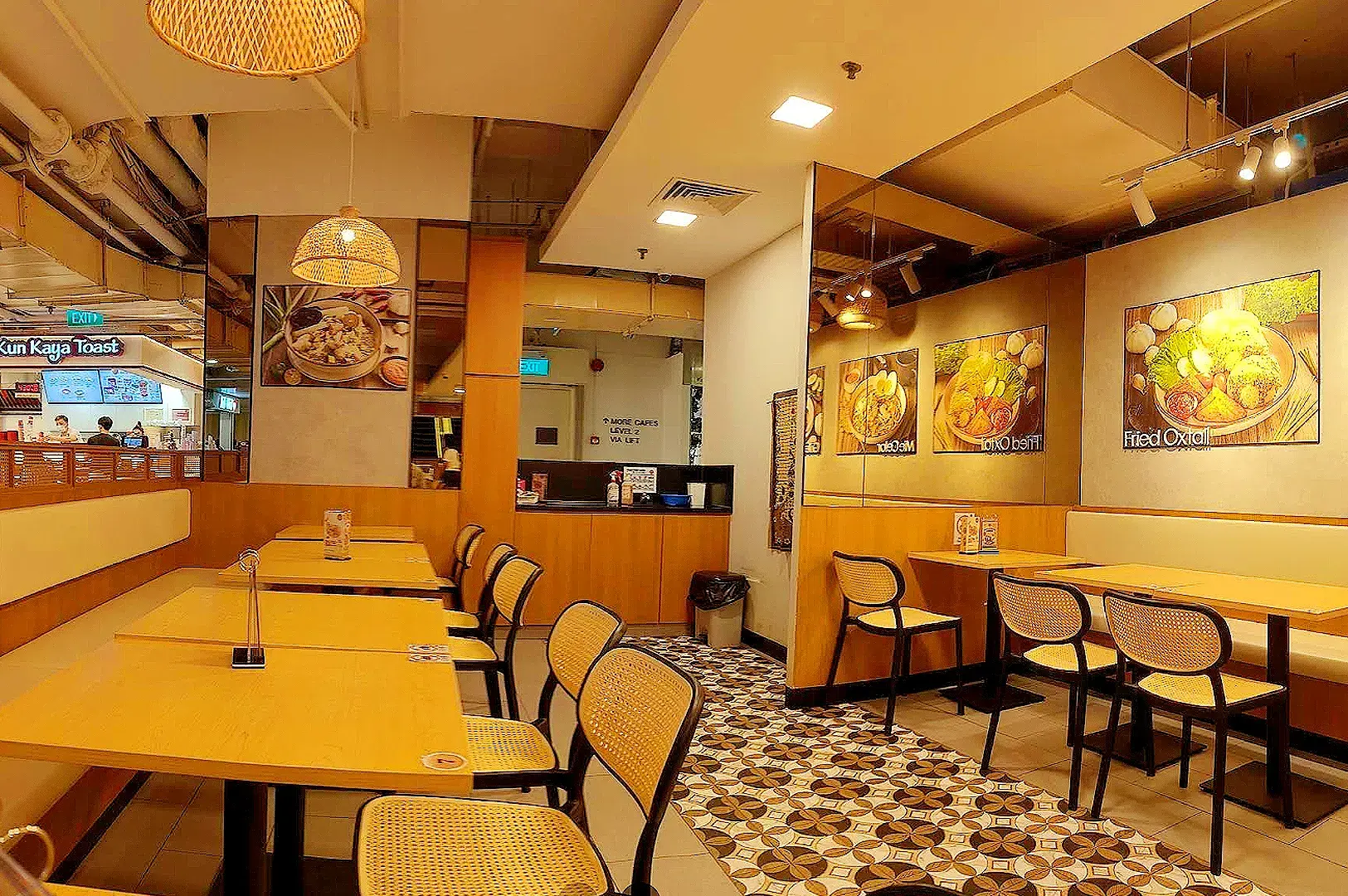
Indo Rasa Singapore sits on the ground floor at #01-23 Far East Plaza. It is compact, with tables set close together, the kind of room where you overhear the next table’s order and it does not bother you. There was no queue when I came, just after the lunch rush had thinned. A staff member pointed me to a seat without fuss.
What the Menu Tells You
The menu is long, reflecting the rich flavours of Indonesian cuisine. It moves from Palembang specialties to grilled meats, rice plates, noodles, drinks, and desserts.
A few dishes explain the kitchen’s range quickly:
- Pempek, the Palembang fish cake served with dark, sharp cuko sauce
- Mie celor, with coconut milk, yellow noodles, prawns, boiled egg, bean sprouts, and fried tofu
- Ayam goreng w, fried chicken served with fried tofu and tahu tempe
- Ayam bakar w, grilled chicken with special bbq sauce served with fried tofu and tempeh
- Ikan bakar and ikan goreng, with some options listed as bakar w o rice or goreng w o rice
- Nasi udang petai balado, with spicy chili belacan prawns, stink beans, salted egg, diced tomato, and rice
- Soursop smoothie and es kacang merah for something sweet and cooling
It is the kind of menu that could scatter a kitchen thin. Part of what I wanted to know was whether the everyday dishes still got attention when so much else was competing for it.
I ordered two plates: the Nasi Goreng Ayam Suwir as the control, and the Nasi Goreng Sambal Ijo as the harder question.
The First Plate: Nasi Goreng Ayam Suwir
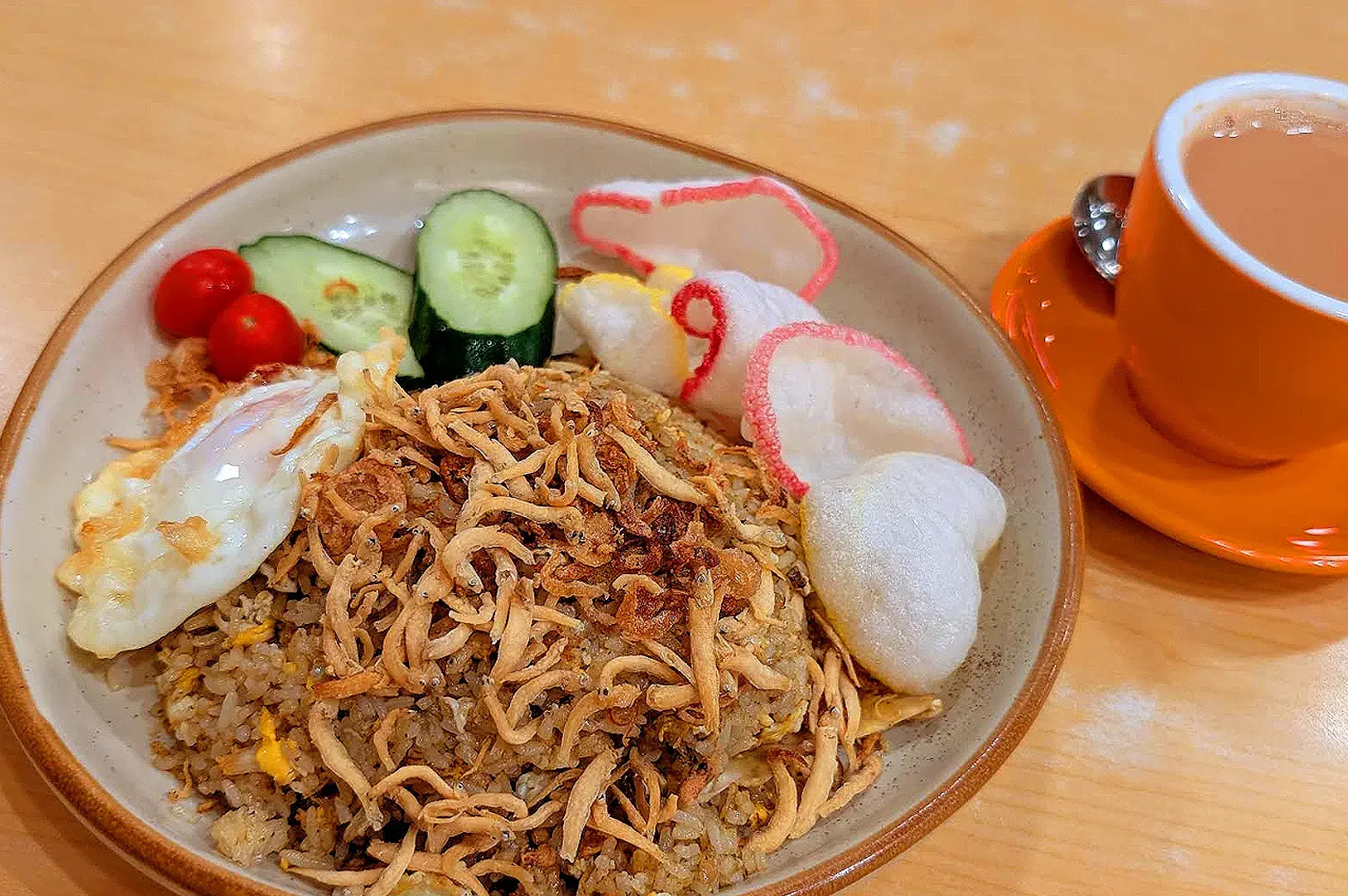
The Ayam Suwir came first, and I noticed the smell before the plate landed. Not sweet, not heavy. Something toasted sat underneath the aroma of garlic and fried onions, the kind of quiet char that tells you the rice has met proper heat.
The first thing I checked was the rice. I always do. I dragged my fork through it and the grains moved apart, separate, each one carrying a light brown stain rather than clumping into a wet mass. That told me most of what I needed to know. Someone here understands that nasi goreng has to move across the plate, not sit in a puddle of its own oil.
The shredded chicken ran through the rice rather than sitting awkwardly on top. That matters more than it sounds. Suwir should feel pulled into the dish, not added as a dry protein afterthought. Here, the chicken made the rice feel more domestic, like something cooked to be eaten rather than staged.
What Worked on the Plate
On top was a sunny side up egg with crisp, lacy edges. I broke the yolk and let it run. This is where many plates of nasi goreng collapse. The yolk floods, the rice softens, and the whole thing turns into comfort mush. Here, the rice stayed composed.
Around the plate were:
- Cucumber, cold and clean
- Cherry tomatoes, adding a small burst of acidity
- Onion crackers, still crisp rather than decorative
- A lemon slice, useful for a zesty lift
After a few forkfuls of warm, seasoned rice, those small edges mattered. They gave the mouth somewhere to rest.
It was a good plate. Not loud. Controlled.
Where the Kitchen Shows Itself: Nasi Goreng Sambal Ijo
Green chilli does not flatter anything.
Kecap manis is forgiving. Its sweetness can cover a lot. But sambal ijo is bright, sharp, and slightly bitter, and it exposes bland rice the way daylight exposes a rushed paint job. If the base underneath is flat, the green chilli only makes it flatter.
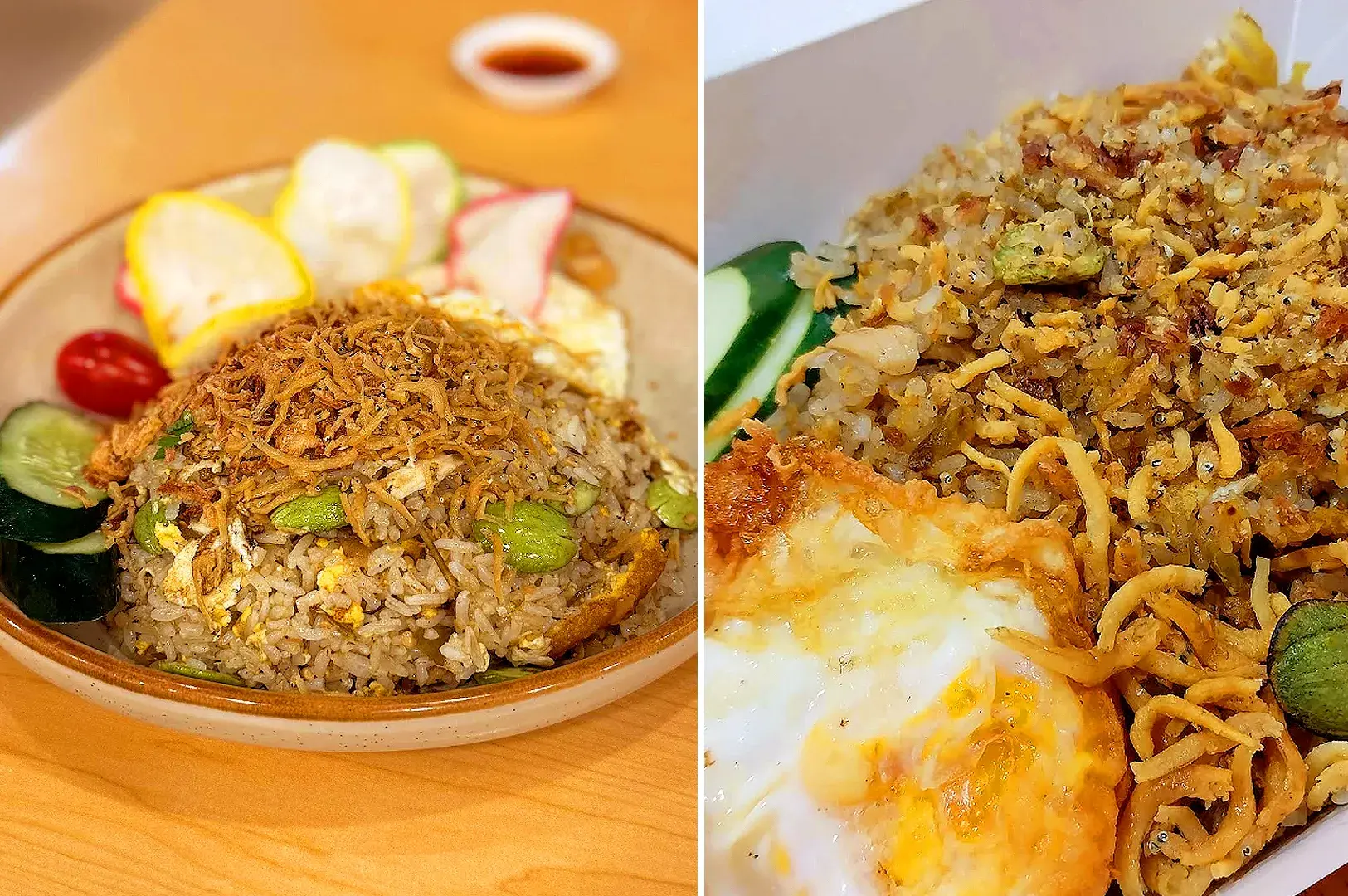
The Nasi Goreng Sambal Ijo arrived a shade paler than the first, flecked through with green. There was heat in it, not punishing, but present. The spice built across a few bites and settled warmly at the back of the throat. Underneath the chilli, I caught the small salty hit of anchovies, that ikan bilis crackle that gives Indonesian fried rice its savoury spine.
For those interested in making it at home, the chicken nasi goreng recipe captures the perfect balance of spices and flavors that define this classic Indonesian fried rice.
Why This Plate Mattered More
The supporting cast was familiar: sunny side up egg, onion crackers, cucumber, and cherry tomatoes. But here the fried onions did more, adding a sweet, toasted depth that met the green chilli halfway.
What worked was that the rice held its own against all of it. The sambal did not have to carry a weak base. It sat on top of rice that already knew what it was doing.
That is the whole test. A timid kitchen hides behind toppings, piling on garnish, heat, sauce, or extra spices to distract from grains that never got hot enough. This kitchen did not need the distraction. The rice was the evidence. Everything else was testimony.
I finished more of the sambal ijo than I meant to.
A Glance Beyond the Nasi Goreng
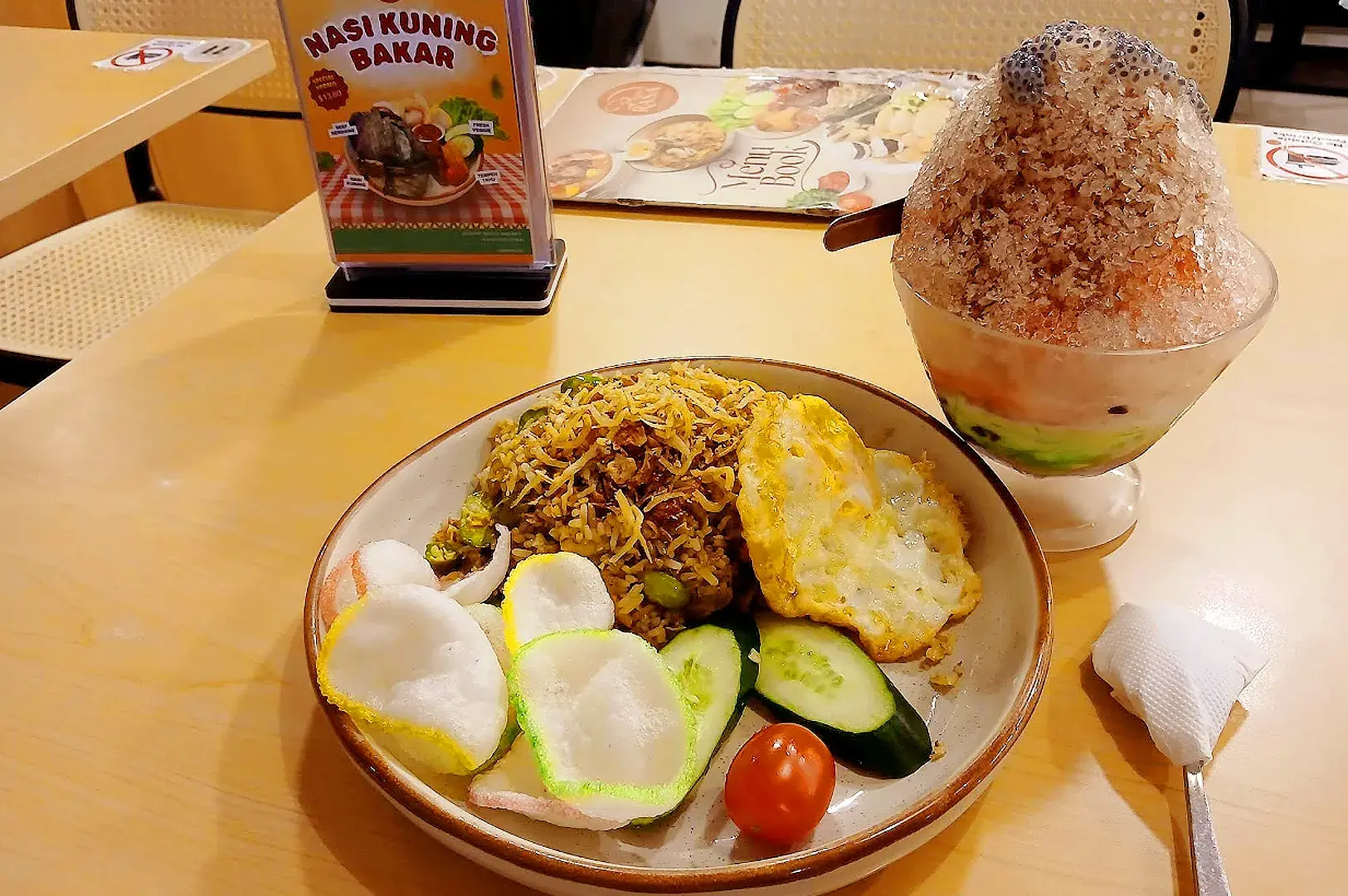
I ordered one more thing to check my reading: the Ayam Bakar, grilled chicken with special bbq sauce served alongside fried tofu, tahu tempe, cucumber, cherry tomatoes, lettuce, and onion crackers.
The chicken was soft, honestly seasoned, and it took well to a spoonful of sambal cobek belacan on the side. The special bbq sauce brought a pedas manis character, that sweet-spicy balance that works best when the grill has done its part.
The fried tofu and tempeh gave the plate texture, while the cucumber, tomatoes, and lettuce kept the meal from turning heavy.
What the Wider Menu Suggests
I will not pretend everything on a broad menu always lands perfectly. A restaurant covering this many categories has a lot to hold together:
- Palembang classics like pempek, mie celor, and tekwan
- Everyday comfort dishes like bubur ayam, mie soto ayam, and soto ayam
- Stir fried options like mie goreng jawa and kacang panjang, or stir fried long beans
- Grilled and fried plates such as ayam bakar, ayam goreng, ikan bakar, and ikan goreng
- Rice sets with sambal, salted egg, tomato, cabbage, cucumber, and crackers
- Desserts and drinks like es kacang merah, soursop smoothie, and original less sugar options
That breadth costs consistency. It usually does.
But the nasi goreng was not where that unevenness showed. The dish I ordered to catch a kitchen out was the dish it handled with the most quiet certainty.
What You Should Know About Indo Rasa Singapore
The practical stuff is simple.
Indo Rasa Singapore is at Far East Plaza, #01-23, along Scotts Road. Orchard MRT is a short walk away, which makes it easy to reach without thinking too much about parking in that part of Singapore.
Expect to spend around S$10 to S$20 per person for a rice set and a drink, and a little more if you add buntut bakar, pempek, or another side dish to share. For more dining options, check out our comprehensive guide to Singapore halal restaurants for other halal restaurant options.
Before You Go
A few details are worth knowing:
- Indo Rasa is commonly listed as halal-ingredients-only rather than formally halal-certified, so check directly if that distinction matters to you.
- Come off-peak if you can. The room is small, and it can feel tight during the Orchard lunch crush.
- Just after noon or early evening is easier than peak lunch.
- No booking is needed for one or two people. It is walk-in casual by nature.
- For something cooling, consider the soursop smoothie or es kacang merah after a spicy meal.
The best way to read Indo Rasa is not as a polished dining room, but as a small Indonesian restaurant where the rice tells you whether the kitchen is paying attention.
The Rice Gives the Kitchen Away
Some meals make you want to photograph them. This one just made me want to keep eating.
I’d come here if you want Indonesian rice done with real control, in a room that doesn’t perform for you. If you like sambal that argues back, if you’re a little bored of the same ayam penyet everywhere, if you’d rather a plate that tastes decided than one that looks styled — Indo Rasa is worth the walk into that old mall.
I wouldn’t come for polish. The service is functional, warm enough but not fussed over. The space is cramped. The menu is long enough to overwhelm, and not every corner of it will land. If you want a quiet, refined dining room, this isn’t that, and it isn’t trying to be.
A kitchen can hide behind a specialty. It’s much harder to hide behind fried rice.
This one didn’t try.

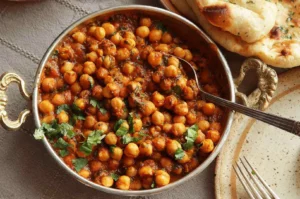
Chana Masala With Warm Roti, Built for Weeknights: Quick Vegetarian Dinner Recipes Indian
Dio Asahi | July 14, 2026
The first time I made chana masala, I started with dried chickpeas at 7:30 on a weeknight, soaking and boiling like the recipe said. By the time the curry was actually done, it was nearly ten and I’d already eaten half a loaf of bread out of sheer hunger. That night taught me something I…
-
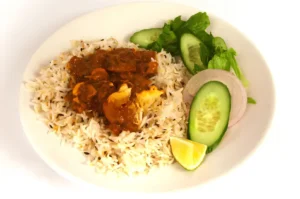
One-Pan Chicken Curry With Jeera Rice and Cucumber Raita: Food for Dinner Indian, Made Practical
Eat Drink Asia Team | July 11, 2026
The first time we cooked a full Indian dinner on a weeknight, the curry, rice, and raita felt like three separate tasks—three pans, three timers, and a kitchen full of wonderful smells but chaos. The curry was good, the rice sticky, and the raita watery from being made too early. That night taught us a…
-
Banana Leaf Steam: Why Some Rice Smells Like Home
Eda Wong | July 10, 2026
Steam rises from the pot, and a woman lifts a banana leaf over the open flame, turning it once, twice, until its stiff green softens and the surface goes glossy and pliant. She wipes it down with a damp cloth, then spoons hot rice into its center while the grains still steam. The leaf releases…
-
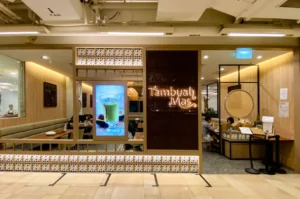
Tambuah Mas Paragon, Delivered: Unique Food Delivery Singapore With Old-School Comfort
Eda Wong | July 9, 2026
I ordered from Tambuah Mas on a rainy Sunday at around 6:15pm, mostly because I wasn’t in the mood to dress up and head into town, but I still wanted a proper meal. Not a sad one-bowl lunch. A real spread. That’s the thing about Tambuah Mas. It’s been around since 1981, serving Indonesian home-style…
-
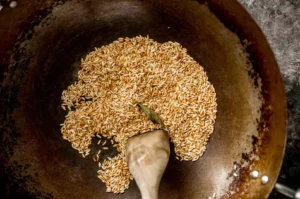
Toasted Rice Powder: The Dust That Makes Larb Sing
Dio Asahi | July 8, 2026
A wok sits over a low flame, and a handful of raw sticky rice slides across its dry surface. No oil, no water—nothing but heat and patience. The grains pale, then blush amber, then deepen toward the color of weak tea. Someone shakes the pan in a slow, even rhythm, listening as much as watching….
-
Ordering Lunch From Co Hai Banh Mi, and Finding Out the Definition of Good Food Delivery
Dio Asahi | July 7, 2026
I ordered lunch from Co Hai Banh Mi & Phở Vietnamese Restaurant on a Thursday at 12:08pm, which is probably the worst and most honest time to test delivery food. It was raining lightly, the kind of Singapore lunch rain that makes every rider slower and every office worker hungrier. I had been thinking about…

Orchard Plaza Food: Hidden Japanese Restaurants and Local Eats Near Somerset
Eat Drink Asia Team | July 4, 2026
Orchard Plaza is one of those buildings we kept walking past before we properly understood it. From the street, it looks more like an office block than a dinner plan. But over repeated visits, usually after work or during odd lunch windows, we’ve found that the real charm sits behind lift doors, quiet corridors, and…
-
Salted Egg, Properly Treated: Sauce, Not Shortcut
Eda Wong | July 3, 2026
By Eda Wong for Eat Drink Asia. The wok station is already hot when the cook lowers the flame. In the narrow back of a Singapore zi char kitchen, the air smells of butter, curry leaves, and the faint mineral edge of salted duck egg. A metal spatula presses cooked yolks through oil until they…
-
Fish Sauce at the Table: The Quiet Work of Fish Sauce
Dio Asahi | July 1, 2026
At a narrow lunch table in Bangkok, the bottle arrives before the rice has stopped steaming. It is clear glass, refilled many times, its plastic cap slightly stained from years of fingers and heat. Beside it sits a small bowl of sliced chillies floating in amber liquid, the cut edges pale and sharp. Someone nudges…
-
Eat 3 Bowls Bendemeer Review: A Taiwanese Comfort Food That Delivers
Eda Wong | June 30, 2026
I ordered Eat 3 Bowls @ Bendemeer on a Thursday at about 11:45am, which is my favourite test window for delivery food. It’s close enough to lunch for the kitchen to be in rhythm, but not so late that every rider in the neighbourhood is already fighting the office crowd. By 12:25pm, the bag was…