Let me clear up the first puzzle right away. The name “Isshin Machi” sounds unmistakably Japanese, and I’ll admit I walked in half-expecting ramen and gyoza. What I found instead was a Taiwanese kitchen, plates of lu rou fan, braised beef noodles, and golden fried chicken that trace straight back to the island’s home cooking.
That small mismatch turned out to be a useful entry point. Taiwan’s food culture is itself a record of exchange, shaped by Hokkien settlers, Hakka migrants, and decades of Japanese influence. A Taiwanese restaurant wearing a Japanese-sounding name is, oddly enough, a fitting symbol of that layered history.
I visited on a weekday afternoon, when the lunch rush had thinned and the staff had time to talk. What follows is my honest account of what worked, what didn’t, and who this place is really for.
Is Isshin Machi Taiwanese Comfort Food or Japanese Cuisine?
Isshin Machi is unmistakably a Taiwanese restaurant, not Japanese, despite the name. If you arrive expecting sushi or ramen, recalibrate before you sit down. The menu is built around Taiwanese comfort food: braised meat, chewy noodles, fried chicken, milk tea, and the kind of rice bowls designed for a slow, satisfying meal.
What makes Isshin Machi interesting is how confidently it sits outside Singapore’s usual food categories. This is not a hawker stall, not a polished Orchard Road dining room, and not a generic Singapore restaurant trying to please everyone. It is closer to a neighbourhood Taiwanese canteen, where lu rou fan carries the emotional weight of the meal.
The dish to understand first is the Hakka-style braised meat rice. The pork is soft, glossy, and savoury, with a sauce that sinks into the rice instead of sitting on top. In a city where locals debate chicken rice, nasi lemak, roti prata, and char kway teow with serious precision, Isshin Machi adds another comforting bowl to the conversation.
What’s the Atmosphere Like at Isshin Machi East Coast?
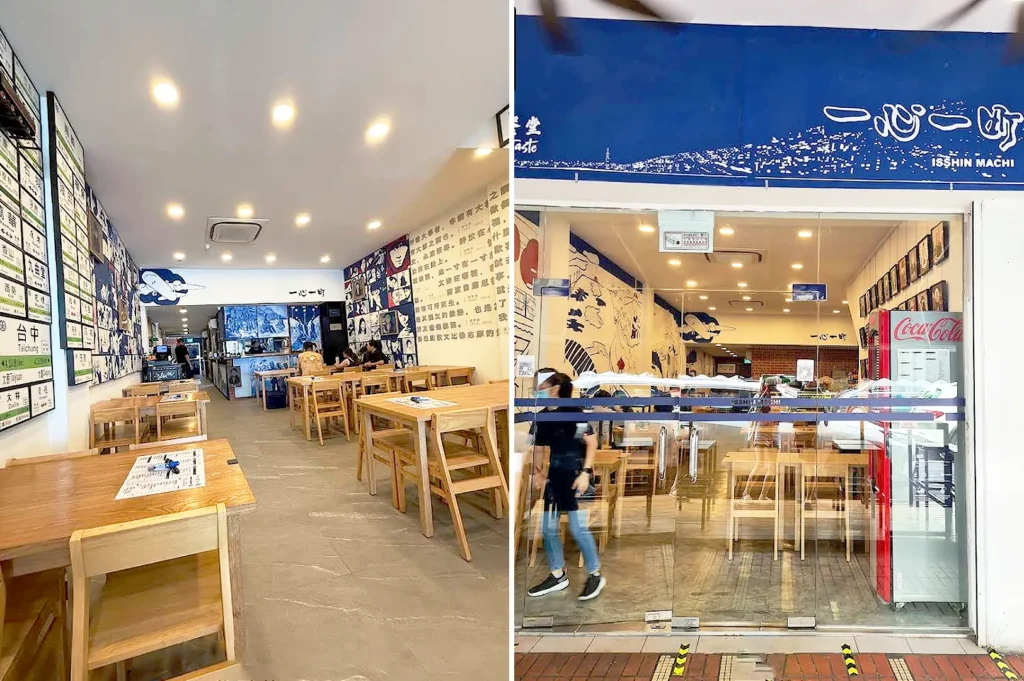
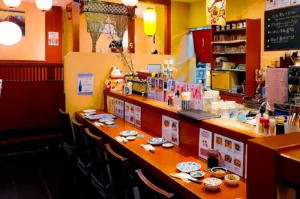
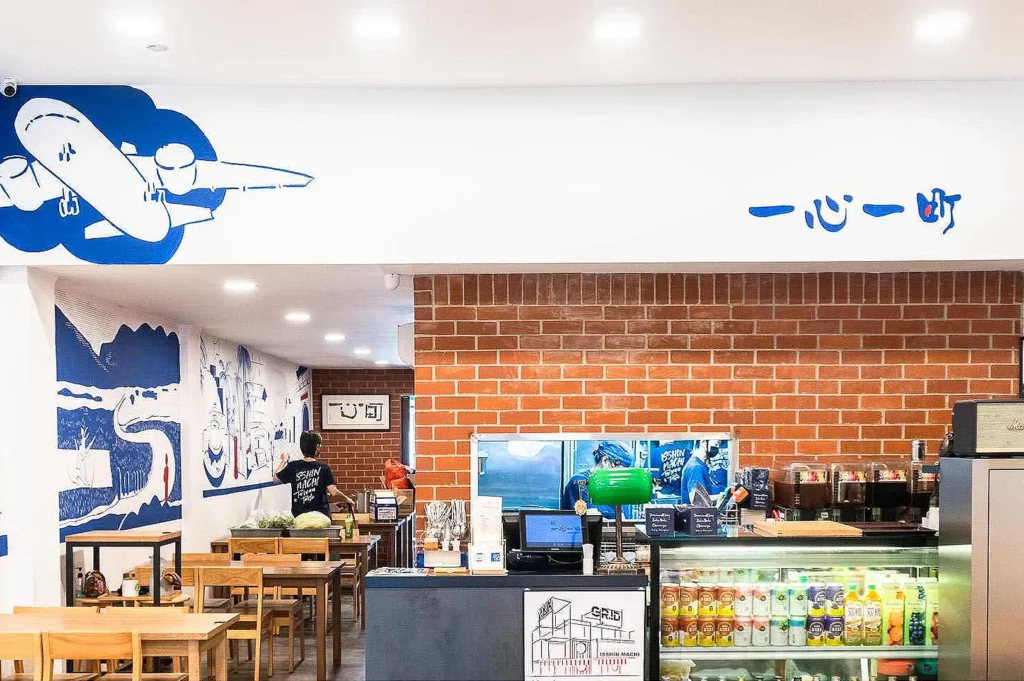
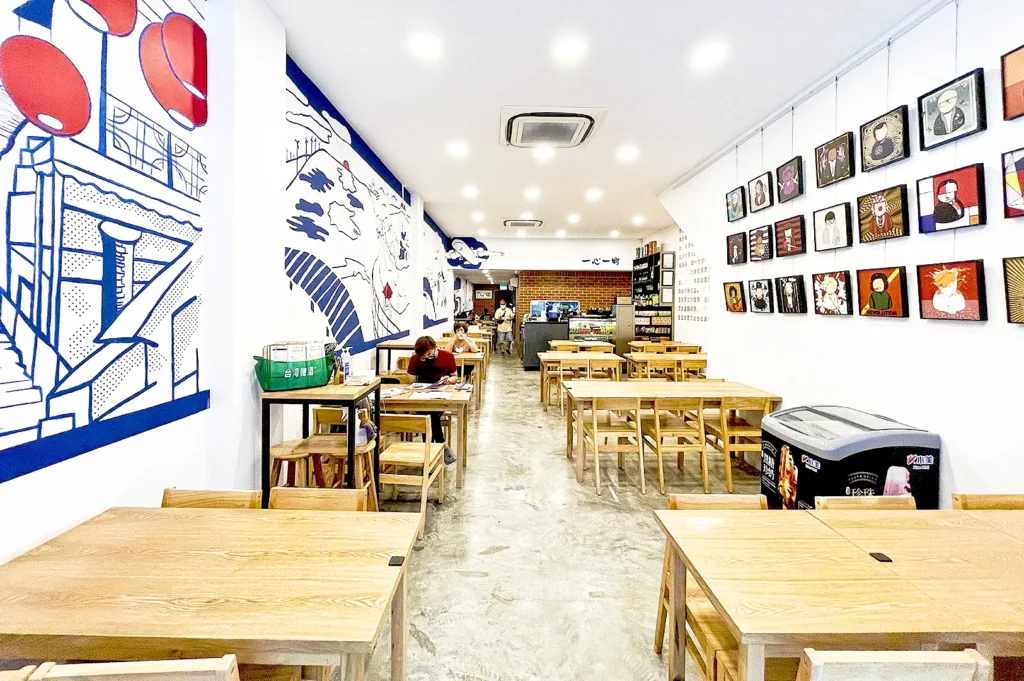
Isshin Machi is located at 224 East Coast Road, in a neighbourhood with deep food roots and steady evening traffic. The space seats around 70 diners, with wooden tables, simple chairs, and a warm room that feels more practical than curated. It is not trying to be one of the best Singapore restaurants on Orchard Road. Its strength is familiarity.
I remember noticing the blue-and-white murals before the food arrived. Scenes of Jiufen, Alishan, and Gaomei Wetlands quietly map Taiwan across the walls. That detail gives the dining experience a sense of place, especially when a steaming bowl of noodles lands on the table.
The room can get busy at lunch and dinner, but it stays casual. This is the kind of restaurant where friends can talk over a shared spread, families can eat without fuss, and solo diners can settle into a bowl without feeling rushed. It may not be a polished hidden gem, but it has the more useful quality of feeling lived-in.
The Dishes I’d Reorder at Isshin Machi
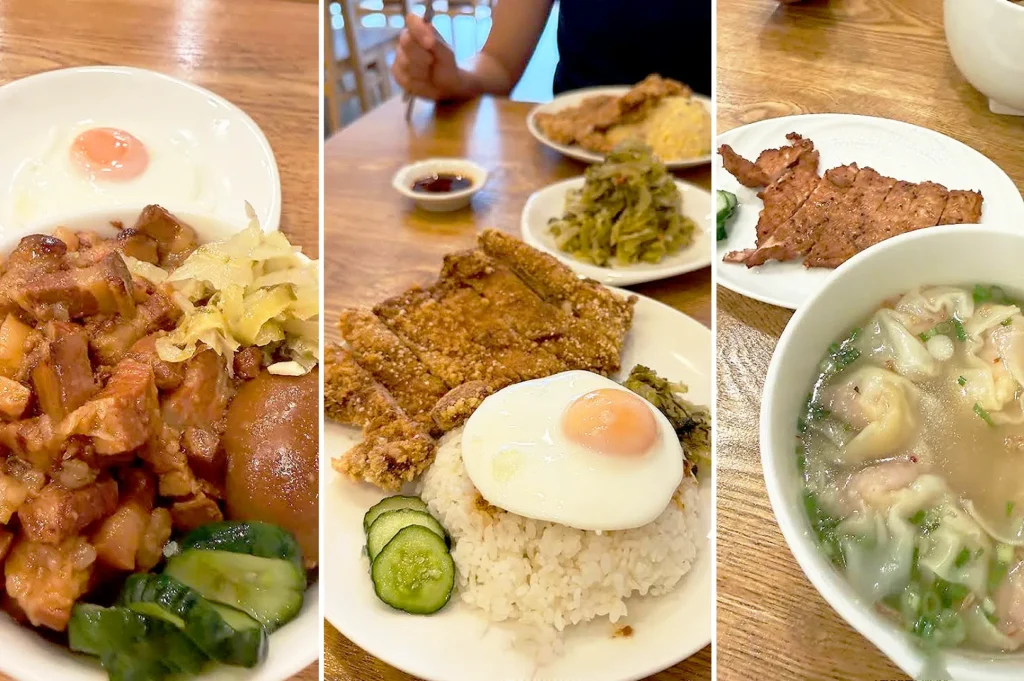
Hakka-Style Braised Meat Rice: Lu Rou Fan
The lu rou fan is the anchor. Served in a generous bowl, it brings together soft pearl rice, braised pork, preserved vegetables, cucumber slices, and a braised egg. The first bite is fatty, savoury, and slightly sweet, with the pork melting into the rice like a slow-cooked memory.
The preserved vegetables matter. Their salty crunch cuts through the richness, keeping the dish from becoming heavy. This is why lu rou fan works so well as comfort food: it is soft, warm, and steady, but never flat. Among all the dishes I tried at Isshin Machi, this is the one I would reorder first.
If you are looking for recommended food nearby East Coast Road, start here. It offers the same emotional satisfaction that many people find in Hainanese chicken rice or fragrant rice with curry, but through a Taiwanese lens.
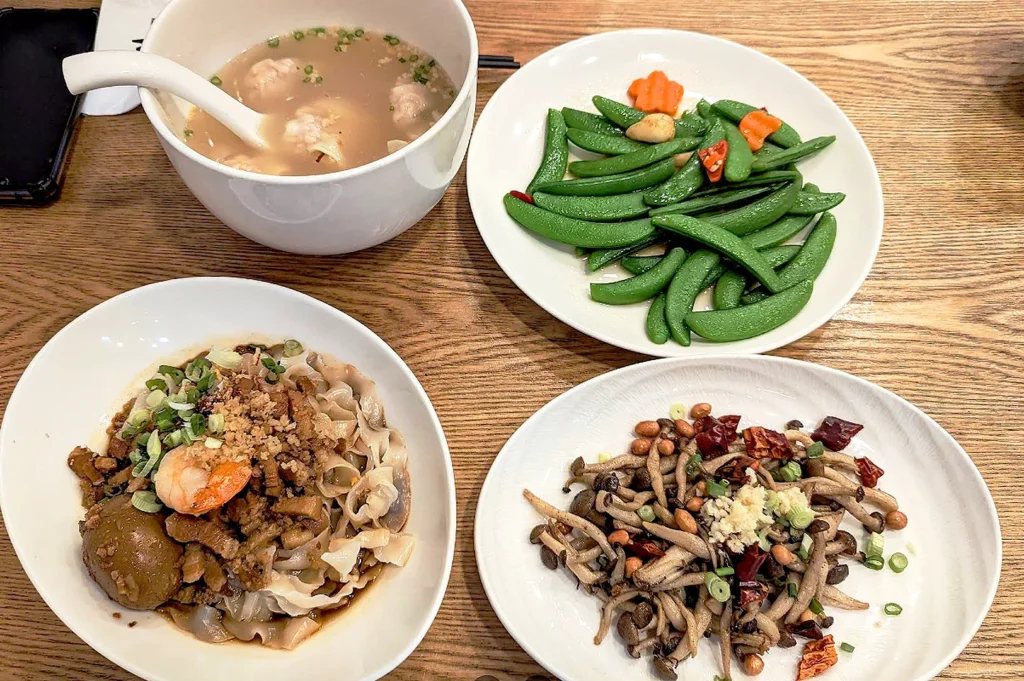
Shrimp and Pork Wonton Noodles with Fiery Chili Oil
The wonton noodles bring the strongest street food energy. The noodles are chewy and coated in chili oil, with a sour, spicy lift that wakes up the palate. The wontons are plump, filled with pork and shrimp, and wrapped in skins that stay tender without falling apart.
This dish is not gentle. It has bold flavors, a little vinegar sharpness, and enough heat to keep you reaching for a drink. I liked how the chili oil clung to the noodles rather than pooling uselessly at the bottom. It is one of the more delicious things on the menu, especially if your taste leans toward heat.
Taiwanese Braised Beef Noodles
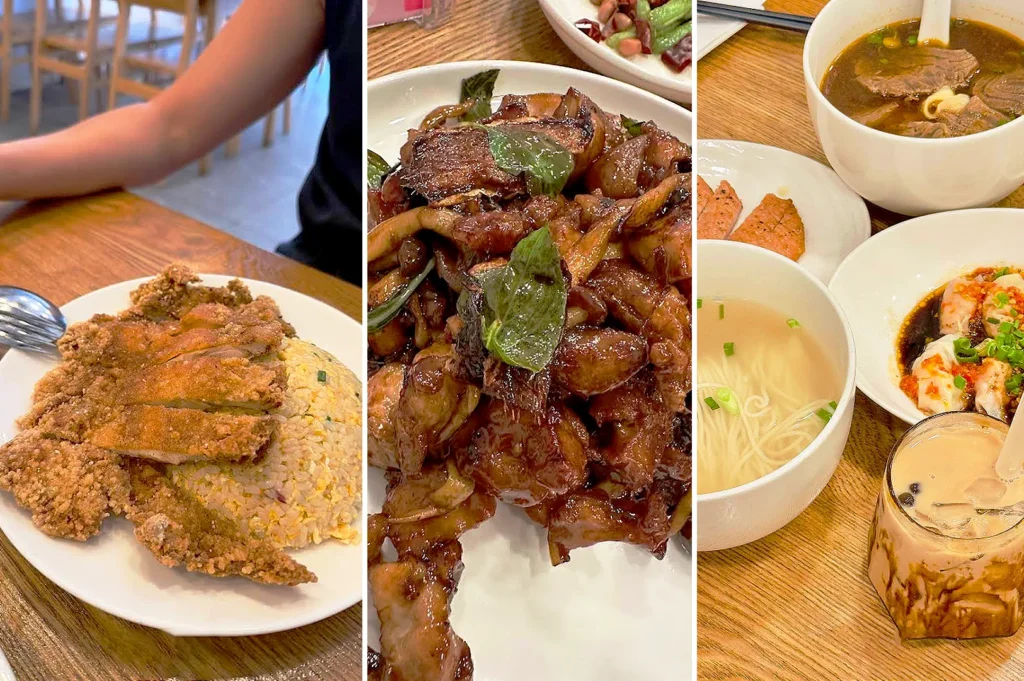
The beef noodles are priced higher than the rice bowls, but they offer a different kind of comfort. You can choose between la mian and Tainan Guan Miao noodles. I prefer the latter for its flatter, chewier bite.
The broth is clear rather than muddy, carrying beef depth without becoming too heavy. The beef itself is tender, and the noodles absorb the broth well. I still think the lu rou fan is better value, but this is a strong choice for anyone who wants a warming bowl of Taiwanese cuisine.
Hakka-Style Golden Fried Chicken
The fried chicken is best eaten immediately. The crust arrives thick, crunchy, and golden, with dried chili and salted vegetables adding little bursts of flavour. Inside, the chicken stays tender and lightly marinated.
This is the snack I would order if I were sharing with friends over beer. Just avoid takeaway if you can; once the crust steams in the box, the texture fades quickly.
Fried Rice with Marinated Pork Chop
The pork chop deserves praise. It is crisp outside, juicy inside, and carries a subtle white pepper warmth. The fried rice, though, was less convincing on my visit. It lacked the smoky depth I look for and leaned a little dry and salty.
Order it for the pork chop rather than the rice. It is still tasty, but not the strongest dish here.
Brown Sugar Caramel Pearl Milk Tea
The brown sugar milk tea is a sweet finish, with chewy pearls and caramel depth. It can run very sweet, so ask for less sugar if you prefer balance. After spicy noodles or fried chicken, it works like dessert in a cup.
How Is the Service at Isshin Machi?
Service at Isshin Machi is functional rather than polished. Some diners report warm staff and quick pacing, while others find it less attentive during peak periods. My read is simple: come for the food, not ceremony.
If your ideal dining experience involves wine service, fine pacing, or the kind of hospitality expected at the best restaurants, this may feel too casual. But if you want good food, quick turnover, and a sincere Taiwanese mood, it works.
Where to Find Isshin Machi and How to Get There
Isshin Machi is at 224 East Coast Road, in the Katong area. The nearest MRT is Eunos, followed by a short bus ride or taxi. That makes it less convenient than Maxwell Food Centre, Little India, or central hawker centres, but the location is part of the charm.
This stretch of town has always rewarded diners willing to travel for food. It is not as tourist-facing as Orchard Road, but locals know the East Coast for its wide range of good food, from Peranakan meals to casual Taiwanese dining, alongside some of the best Chinese restaurants in Singapore that showcase the city’s rich culinary diversity.
Practical Details Before You Go
- Operating hours: Usually daily, around 11:00am–9:30pm
- Average spend: S$15–S$25 per person
- Best for: Casual lunch, relaxed dinner, and Taiwanese comfort bowls
- Delivery: Available through major platforms
- Halal status: Not halal-certified
- Reservations: Walk-ins usually work, but call ahead for groups
There may be extra cost for drinks or add-ons, so check the menu before ordering if you are budgeting closely.
Isshin Machi and Singapore’s Wider Food Scene
Isshin Machi sits neatly within Singapore’s broader appetite for deeply rooted comfort food. The city’s hawker centres and hawker stalls have long been shaped by iconic dishes like bak chor mee, hokkien mee, chilli crab, chicken rice, roti prata, nasi lemak, and kaya toast. Places like Ya Kun Kaya Toast define breakfast for many, while the best hawker stalls keep everyday dining democratic.
Seen in that context, lu rou fan does not feel foreign. It belongs to the same world of rice, sauce, heat, and memory. Like char kway teow or Hainanese chicken rice, it succeeds through balance rather than luxury.
For your next visit, I would order the lu rou fan, the chili oil wonton noodles, and fried chicken to share. If you still have room, finish with milk tea or walk to a nearby kopitiam for kaya toast. That combination tells you something useful about Singapore: the best places to eat are often the ones where cultures sit comfortably beside each other, whether at a casual Taiwanese spot like Isshin Machi or a refined omakase Singapore experience.
Who should eat at Isshin Machi?
After mapping the menu and the mood, I’d recommend Isshin Machi for a specific kind of diner. It’s ideal for East Coast and Katong residents, anyone with a Taiwanese food craving, and people who want a casual lunch, a simple dinner, or a reliable delivery order.
It’s a weaker fit for a few groups. Halal diners can’t eat here. Those wanting refined, consistent service may be disappointed. And if you need MRT-direct convenience, the bus connection will test your patience.
For me, the verdict is straightforward. The lu rou fan alone justifies a visit, the wontons and chili oil reward a return, and the murals give your eyes something to wander over while you eat. It’s an unpolished, comforting slice of Taiwan tucked into a quiet stretch of East Coast Road, and I left already planning my next bowl.

At Keria Japanese Restaurant, the Meal Begins Before the First Bite
Dio Asahi | September 3, 2026
By Dio Asahi for Eat Drink Asia. The lift opens onto a corridor leading to the famed and hidden Cuppage Plaza food, and the building’s age shows in the flickering fluorescent light and the smell of old carpet. Then a sliding door pulls back, and Keria Japanese Restaurant asks you to slow down. Inside, it…
-
The Round Kaya Bun at Chin Mee Chin Confectionery, and the Mornings It Keeps
Eda Wong | September 2, 2026
By Eda Wong for Eat Drink Asia. It’s not quite eight, and the pastel-blue shophouse is already awake. Kopi cups clink against saucers. A ceiling fan turns slow overhead. Someone folds a newspaper at a marble-topped table, and the man behind the counter moves without hurry, sliding buns across in a rhythm he’s clearly done…
-
Nana Original Thai Food and the Thai Meal That Keeps Changing Its Accent
Eda Wong | September 1, 2026
The tom yum arrived first, and the first spoonful hit sour and hot at once, lime and chilli chasing each other down the throat. This classic Thai dish features a spicy sauce and aromatic herbs that awaken the taste buds straight away, setting the stage with its bold flavors. Then the pineapple rice came, sweet…
-
Pad Thai Recipe for People Who Know the Noodles Can’t Be an Afterthought
Dio Asahi | August 29, 2026
The first time I made Pad Thai, I ruined it before the wok was even hot. I’d left the noodles soaking while I answered a phone call. Ten minutes turned into forty. By the time I drained them, they were already soft, already surrendered. Everything I did in the pan after that was damage control….
-
Best Japanese Restaurant Singapore: Places That Nail the “First Bite”
Eat Drink Asia Team | August 27, 2026
I built this list around a very specific feeling: that first bite where the room goes quiet for a second. I’ve tried enough Japanese restaurants in Singapore over the years to know that “best” does not always mean the most expensive, the rarest, or the hardest to book. Sometimes it is the warmth of the…
-
Not Just Seafood: How Araya Shouten Keeps Japanese Fishing Culture Alive in Singapore
Eat Drink Asia Team | August 26, 2026
Japanese cuisine has long been admired for its attention to seasonality, precision, and respect for ingredients. However, behind every piece of sashimi or carefully prepared seafood dish lies a story that begins far away from the dining table, often with fishermen, coastal communities, and generations of knowledge passed down through time. At Araya Shouten, seafood…
-
The Ginger Shoyu Ramen at Ramen Soshiji, Where Orchard Goes Quiet
Dio Asahi | August 26, 2026
By Dio Asahi for Eat Drink Asia. The lift opens on the third floor of Orchard Plaza, and for a second I don’t know which way to turn. The corridor is dim and still, the kind of quiet that feels almost accidental in this part of town. A few doors down, an unmarked entrance. Inside,…
-
Indo Rasa Singapore and the Nasi Goreng That Measures a Kitchen’s Confidence
Eat Drink Asia Team | August 25, 2026
There’s a dish I order when I want to know a kitchen quickly. Not the specialty. Not the thing the menu is proud of. I order the fried rice. Because nasi goreng has nowhere to hide. It’s rice, chilli, chicken, egg, a few crackers, some cucumber. Everyone thinks they can make it. Most people can….
-
Bebek Goreng Pak Ndut and the Fried Duck That Makes Nasi Goreng Feel Too Polite
Eda Wong | August 22, 2026
The duck arrived and made a sound before I’d even touched it. Not the plate, the skin. When my fork pressed against it, there was a small, dry crackle, the kind you feel in your fingers before you hear it. That’s when I understood I wasn’t eating a soft meal. This was something with edges….
-
The Coconut Spoon That Shapes Nyonya Kueh Salat
Eda Wong | August 21, 2026
By Eda Wong for Eat Drink Asia. Steam curls up from a tray in the back of the kitchen, and the whole room smells green. Pandan, crushed and knotted, pushed through wet cloth until the leaves give up their colour. An auntie leans over the tray with a spoon carved from coconut shell, dark and…