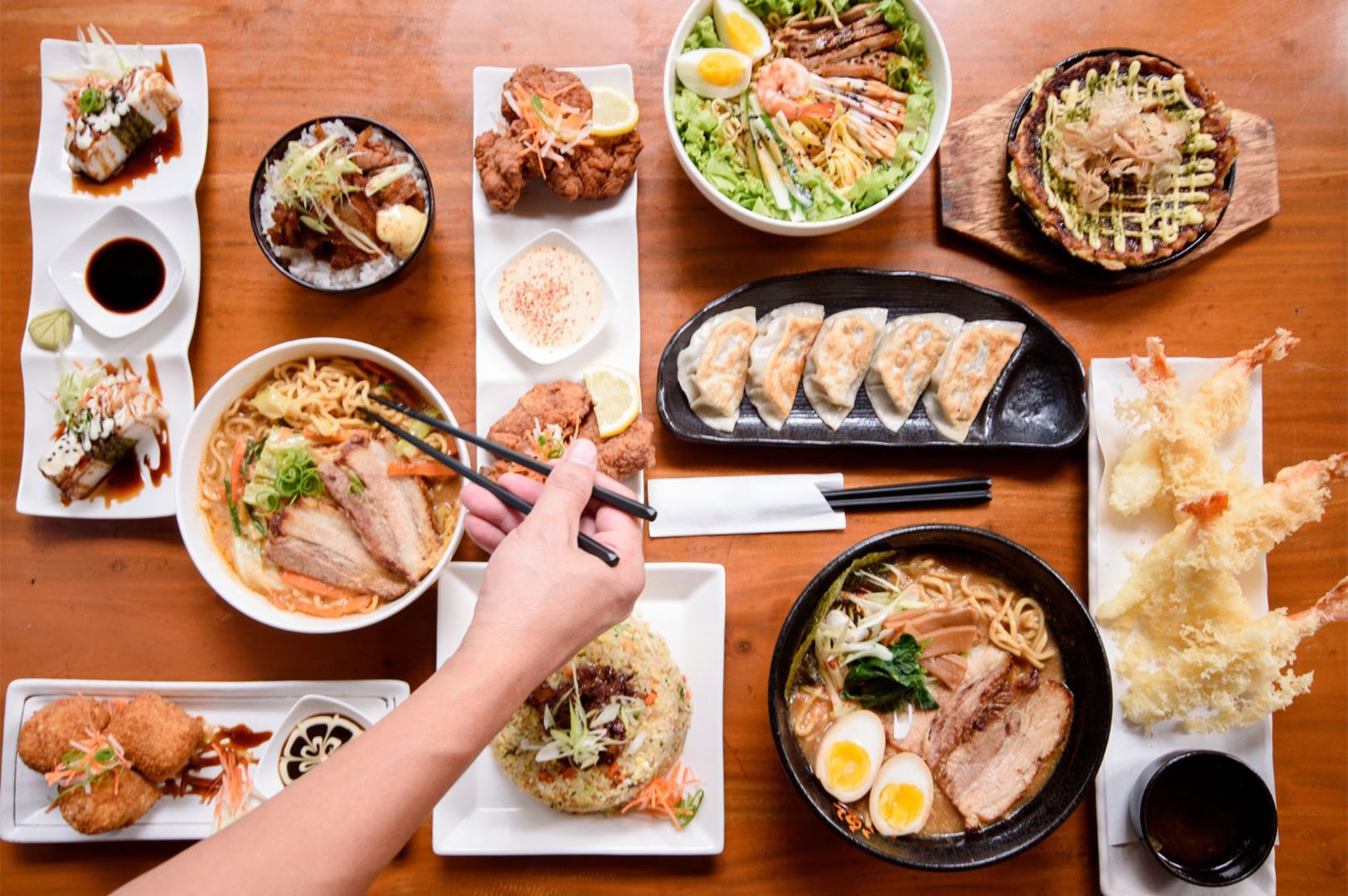
When it comes to Japan and food, the two are intertwined in ways that captivate taste buds and awaken the senses. Japanese cuisine stands as one of the world’s most revered traditions—more than nourishing meals, it is an art reflecting centuries of philosophy and a window into Japanese culture itself. Every bowl of miso soup, every delicate slice of raw fish, and every sweet red bean paste treat is steeped in history, ritual, and reverence for natural flavors. To appreciate food and Japan is to embark on a food adventure where each dish tells a story of the land, the seasons, and the people.
Japan food culture is one of deep respect and harmony. The Japanese people take pride in their cuisine, whether savoring the subtle sweetness of kaiseki cuisine or enjoying street food at bustling train stations. From the craftsmanship in creating savory broth for ramen shops to hand-shaping rice balls for a picnic under cherry blossoms, traditional Japanese food traditions are carefully preserved and celebrated. Throughout this exploration, we’ll see how foundational elements like soy sauce, miso, and bonito flakes blend with seasonal ingredients and local specialties, offering an unforgettable food experience for anyone visiting Japan.
The Rhythm of the Seasons: Embracing Shun
Central to Japanese food is shun (旬), the celebration of seasonality. Many Japanese dishes are built around ingredients at their peak freshness, making each typical meal a snapshot of nature’s best. Shun doesn’t just affect fine dining—seasonal street food and even quick meals from convenience stores mirror this focus.
A Menu Written by Nature: Seasonal Ingredients
In Japan, food menus reflect the vibrant progression of the year: delicate bamboo shoots and green onion in spring, deep fried summer tempura, kabocha squash in autumn, and simmering hot soup with root vegetables in winter.
Japanese cooking celebrates subtle flavor changes, often with small portions that let each element shine. Chefs in traditional Japanese restaurants design their offerings to showcase the bounty of each season, a practice born from Buddhist monks’ reverence for nature and the Japanese love of honoring change.
Umami and the Heart of Japanese Flavour
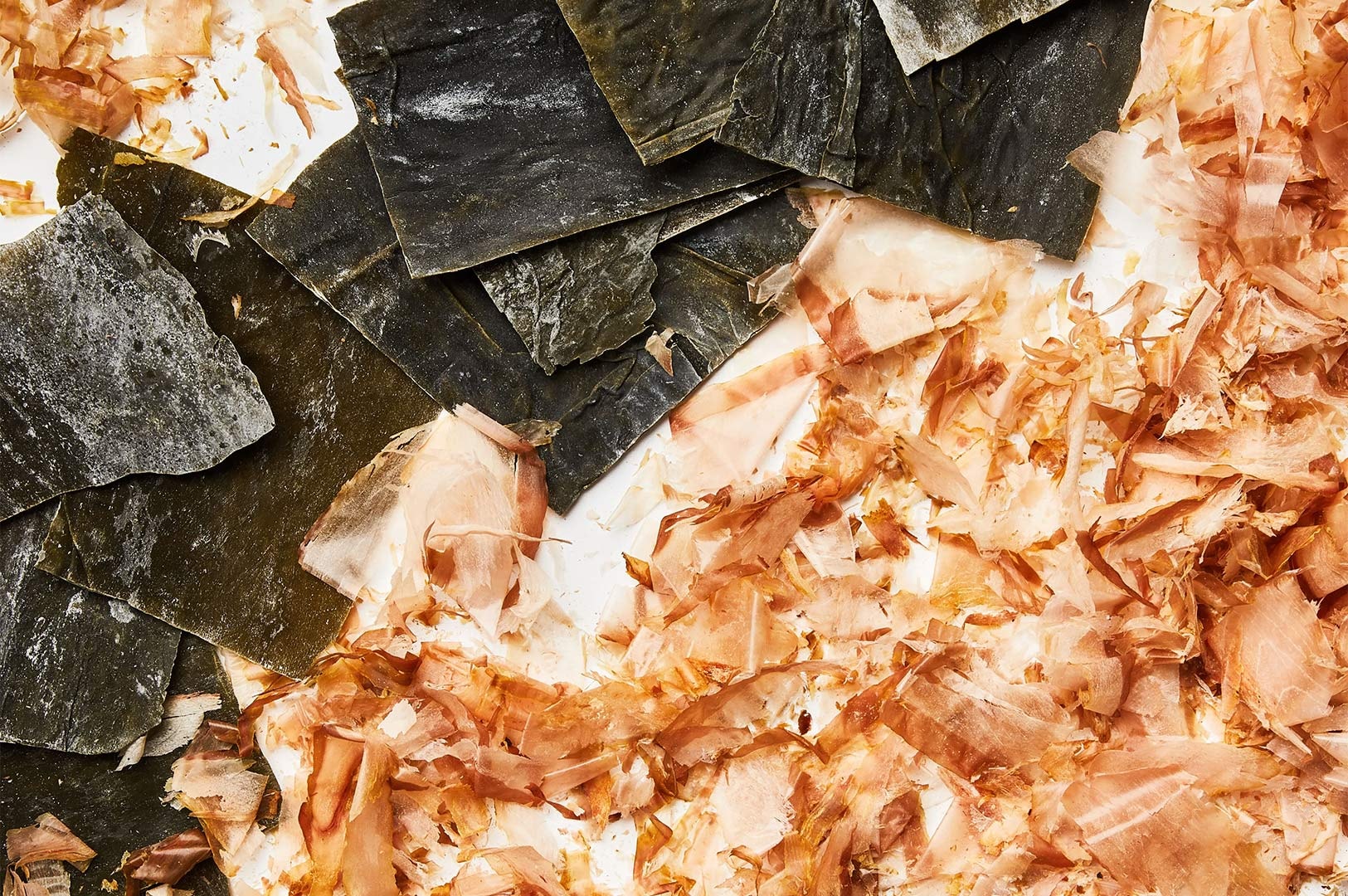
The concept of umami—the “pleasant savory taste”—is at the core of many Japanese dishes. Recognized alongside sweet, sour, salty, and bitter, umami comes alive thanks to ingredients like soy sauce, soup stock, miso paste, aged fish cakes, and rice wine.
The Science and Soul of Savouriness
Foods such as dashi (made from bonito flakes and kombu) form the foundation of classic Japanese cooking. That savory broth forms the base of miso soup, shabu shabu hot pot, and many Japanese comfort foods. Miso’s subtle earthy tang and the savory punch of soy sauce add complexity to rice bowls, curry rice, and hot pot staples.
Even with such deep flavors, Japanese cuisine values balance and clarity. Many Japanese dishes accentuate the umami experience with natural seasoning—green tea, pickled vegetables, or a sprinkle of spring onion. Whether savoring raw egg atop hot rice or tasting the depth of a boiling broth in shabu shabu, that sense of umami pulls together the senses and brings out the best in seasonal ingredients.
Washoku: Harmony in Every Japanese Cuisine Meal
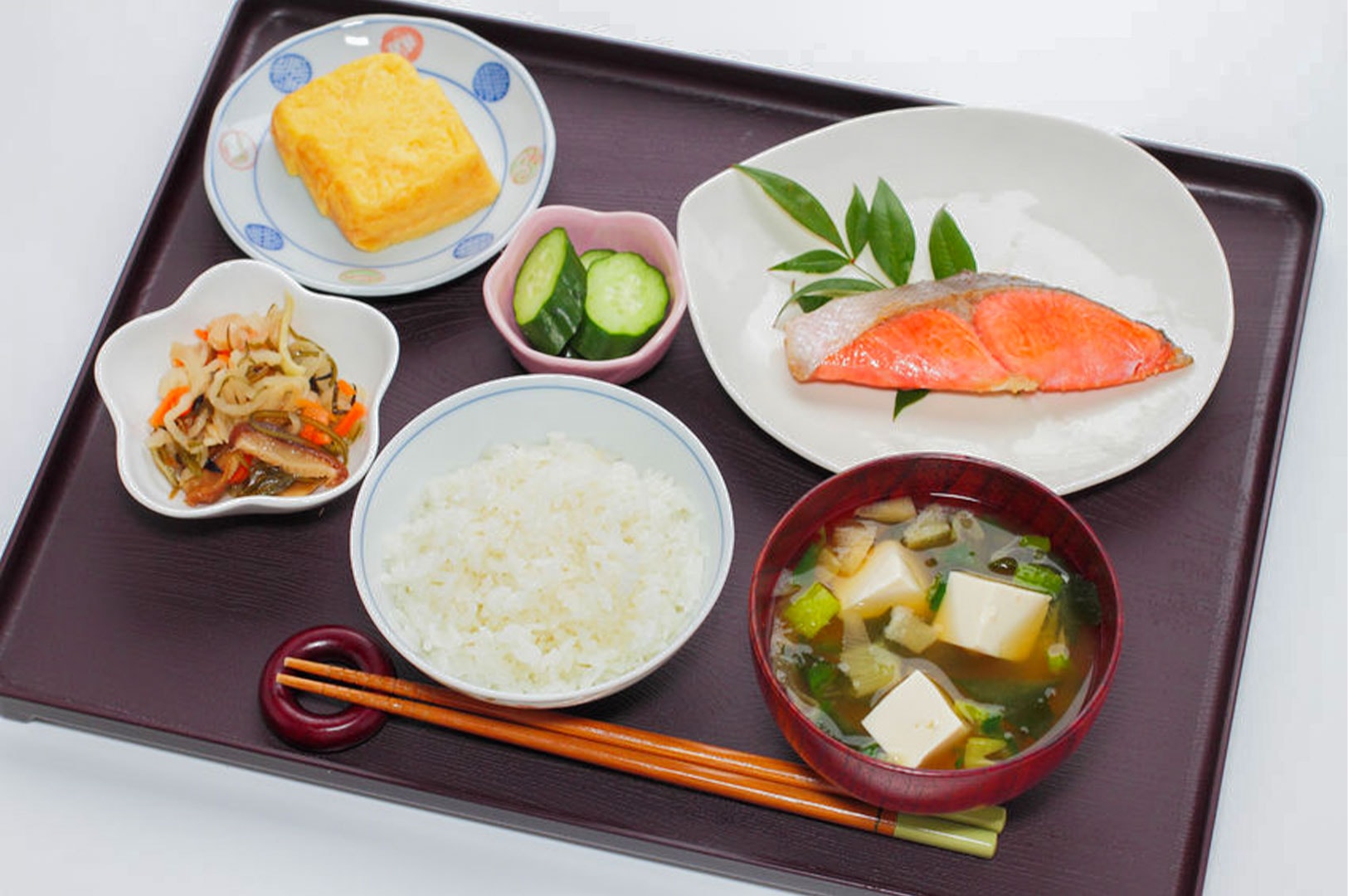
Recognized by UNESCO as an Intangible Cultural Heritage, washoku refers to traditional Japanese food practices rooted in harmony. It’s a comprehensive approach where each meal—including soup, a rice bowl, and small dishes—combines different flavors, colors, and textures, embodying balance and thoughtful presentation.
This approach not only nourishes but delights. Washoku’s embrace of variety means that meals include a blend of vegetarian cuisine, seafood, and sometimes wagyu beef or Kobe beef, alongside rice and simmered vegetables. Whether in bustling ramen shops or a tranquil fine dining setting, the same philosophy applies: respect the ingredients, eat mindfully, and enjoy the sensory moments. Cooking classes across Japan proudly teach the washoku method, celebrating a tradition that echoes through both casual and formal food experiences.
A perfect example of this dedication to craftsmanship and mindful eating is found in the omakase dining experience, where chefs showcase their skill and respect for seasonal ingredients through meticulously prepared courses. Omakase, often highlighted in various articles about Japanese cuisine, embodies the shokunin spirit—an artisan’s commitment to perfection and tradition—making it a revered practice that complements the principles of washoku.
Regional Diversity: A Tapestry of Flavors
One reason so many visitors embark on a food tour across Japan is the sheer diversity of local specialties from Hokkaido to Okinawa. Each region boasts popular Japanese dishes unique to its climate, history, and people.
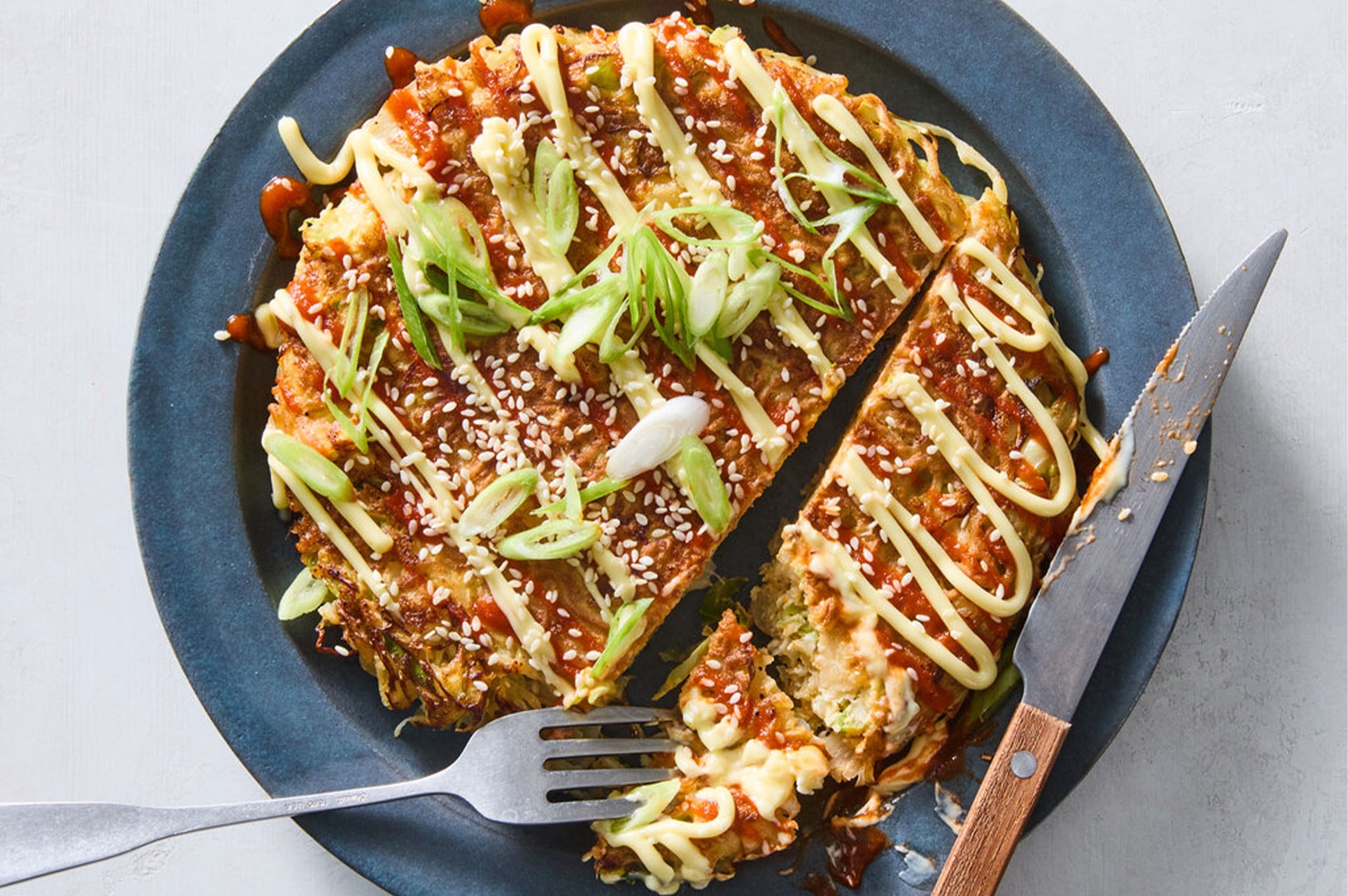
In the north, Hokkaido’s seafood shines in dishes like hot crab soup and subtlety flavored fish cakes. The Kanto region is home to savory simmered oden and the iconic vinegared rice in sushi, while Kansai offers fluffy wheat flour noodles and the sweet-savory experience of Osaka’s street food. Kansai is also famous for okonomiyaki, a savory Japanese pancake made with cabbage and spring onion.
The love for food in Japan also shows in regional ramen styles, such as Hakata ramen with its creamy savory broth and thin wheat noodles, or Tokyo’s shoyu-based hot soup. Local specialties might include pork belly braised with miso, deep fried meats known as tonkatsu, or a sweet side of Japanese soft cream. Even kaiseki cuisine, with its roots in Kyoto, reflects regional pride—each course a showcase for local and seasonal ingredients, artfully arranged and typically served in small portions.
Rituals of the Table: How Japanese Dining Reflects Culture
Dining in Japan is as much about ritual as it is about taste. Japanese food culture is filled with small gestures that show appreciation for meals and company alike. The ritual begins with “itadakimasu” before eating and ends with “gochisousama deshita” on finishing—a nod to gratitude for all who contributed to the meal.
In traditional Japanese restaurants, fine dining is accompanied by meticulous table settings, often featuring handpicked ceramics or lacquerware. Family meals echo this care, with hot soup or rice bowl set on individual trays, paired with side dishes like pickled vegetables or boiled eggs for balance. In both formal and casual dining, natural flavors are allowed to shine, and every component—from a bowl of miso soup to fresh green tea—is prepared with respect and intention.
From street food stalls brimming with savory snacks to elaborate banquets featuring raw fish and subtle sweetness in sweet red bean paste, Japanese food rituals celebrate life’s moments, big and small. Whether enjoying kaiseki in Kyoto, shabu shabu with friends, or ramen at a Tokyo counter, you’re participating in a cultural legacy that honors both tradition and innovation.
Everyday Eats and New Food Adventures
One remarkable aspect of Japanese cuisine is its accessibility—from high-end establishments to everyday eats found in convenience stores or at local markets. Japanese curry, a culinary import from the Edo period, is now a beloved staple, its mild heat and thick gravy served over white rice and topped with deep fried delights like pork cutlets. Similarly, miso soup, a constant in the Japanese diet, appears everywhere, from breakfast tables to quick-service cafeterias.
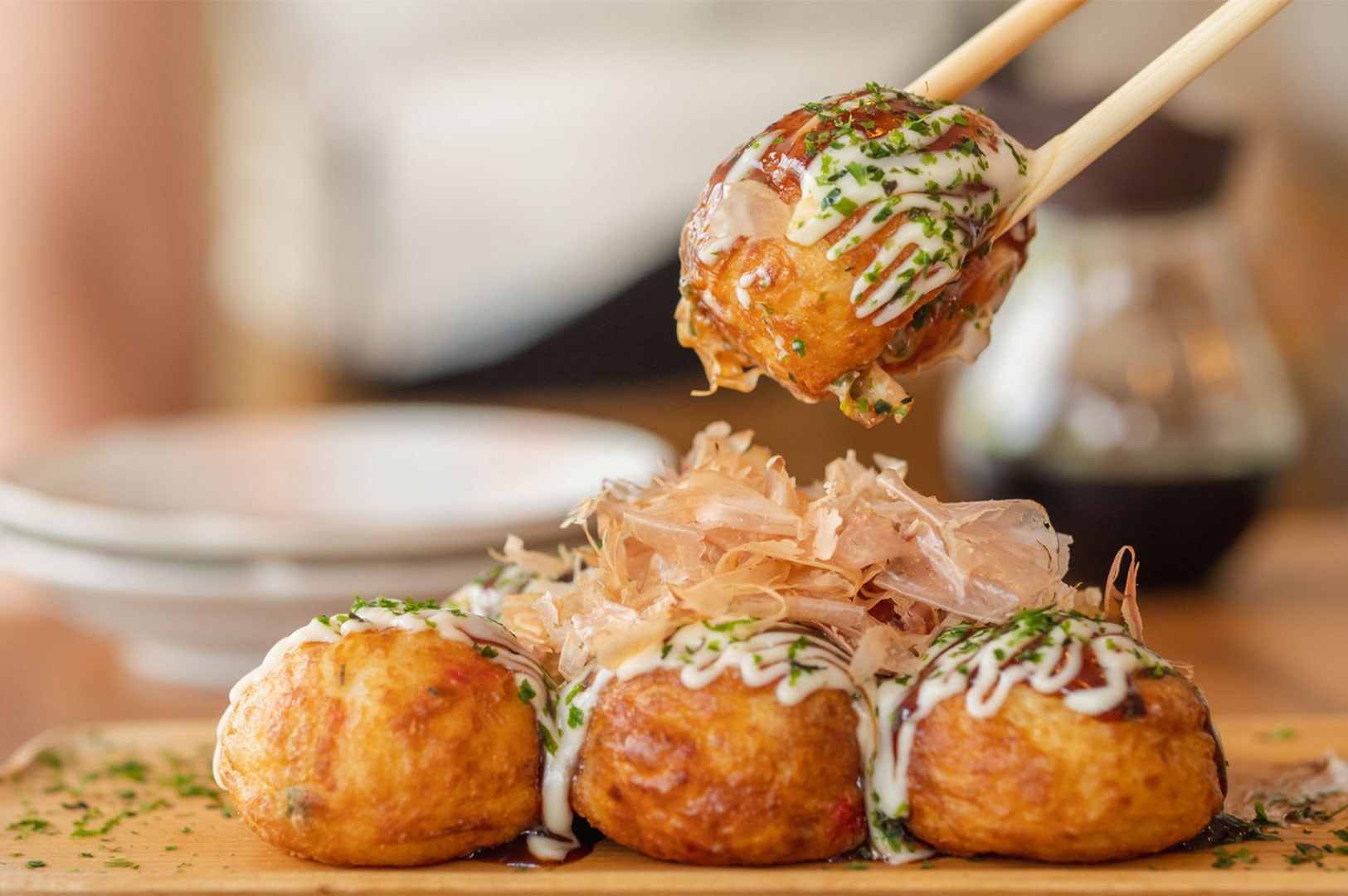
Japan is home to countless food experiences beyond the well-known sushi, ramen, and tempura. Street food favorites—like takoyaki, rice balls (onigiri), and hanami dango—invite locals and tourists alike into an atmosphere where flavors are bold, portions are small, and the offerings are always changing with the seasons.
Those seeking authentic Japanese food culture often participate in cooking classes to learn traditional techniques or embark on a food tour to discover different types of hanami treats, wheat noodles, and how to balance flavors in a boiling broth. No matter where you eat in Japan, expect an emphasis on subtlety, presentation, and a different texture in every bite. And don’t forget to try a bowl of hot soup or taste a slice of wagyu beef—these are musts on any next food adventure through Japan’s cities and countryside.
Sweet Finales: Desserts and Everyday Indulgences
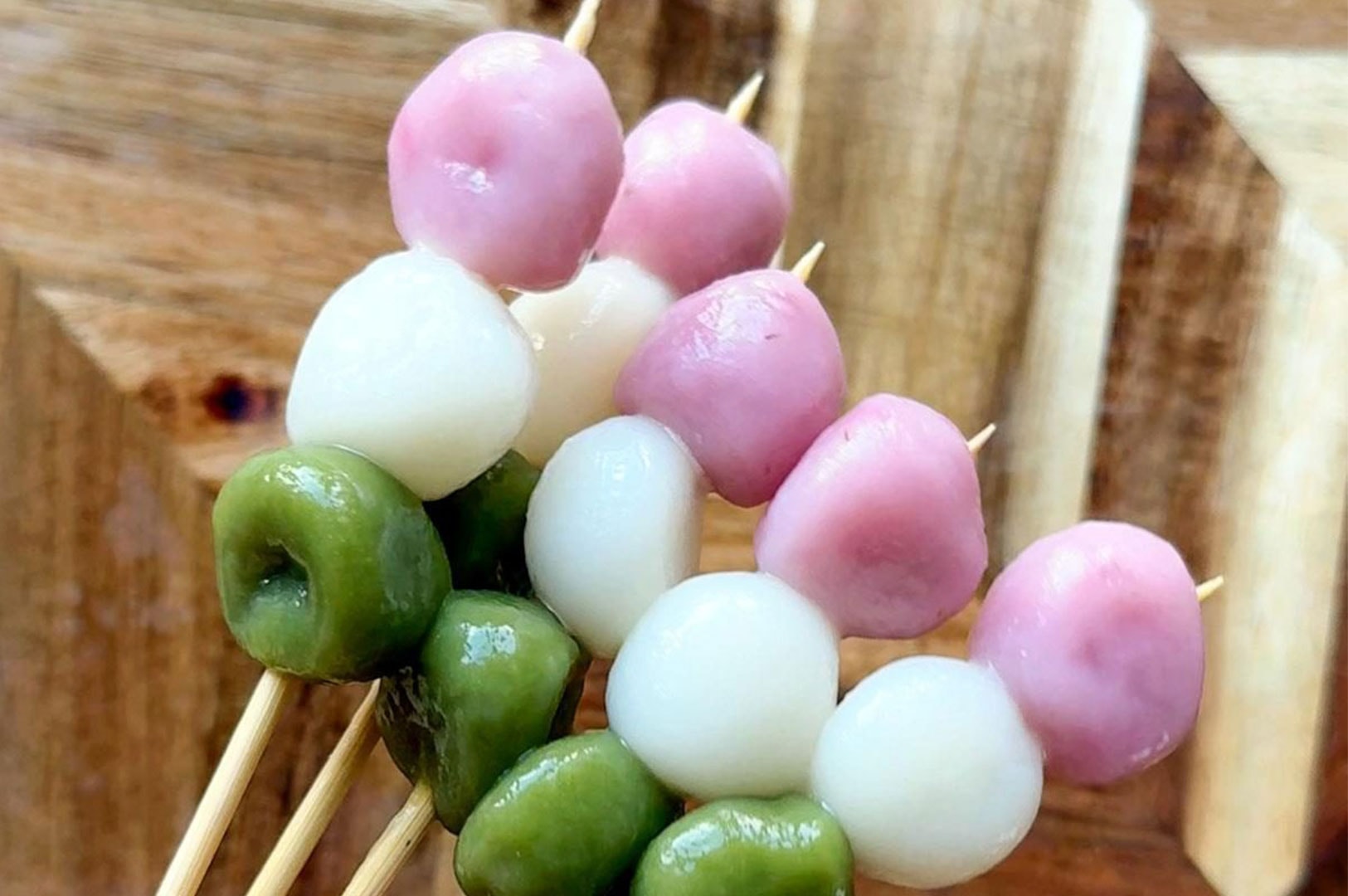
Japanese cuisine is celebrated not only for its savory dishes but also for its range of sweets, from hanami dango to sweet red bean paste delicacies. Japanese soft cream is a local favorite, often enjoyed in unique flavors like green tea or subtle sweetness from seasonal fruits. Rice balls filled with red bean paste or wrapped in pickled vegetables offer a classic end to a typical meal.
It’s also common to find desserts at convenience stores—mini cakes, sweet buns, and even fine green tea treats for those craving something sweet on the go. Japanese mayo and spring onion sometimes make surprising appearances, even paired with deep fried snacks for playful contrast.
Savoring Legacy and Innovation
The relationship between food and Japan is alive in every savory broth, every piece of sushi, and every hand-rolled rice ball. Japanese food culture is a living tapestry—rooted in tradition but always welcoming new food experiences. Whether it’s the artful arrangement of a kaiseki meal, the warmth of curry rice paired with pickled plum, or the energy of Japan’s street food, each bite connects diners to cherished rituals, to the land, and to the spirit of community and exploration.
Japanese cuisine invites us on a journey of discovery: from the subtle sweetness of red bean paste to the savory satisfaction of soy sauce–laced ramen, from fine dining kaiseki experiences to a quick snack in a bustling train station. Through seasonality, ritual, and mindful preparation, Japanese people have made every meal an opportunity to appreciate connection, gratitude, and the beauty of the everyday.
Embodying the meticulous care and dedication found in Japanese cuisine is the Shokunin Spirit: how Japan’s craftsman philosophy lives inside Singapore’s most disciplined omakase counter, reflecting the same reverence for precision and tradition that defines Japan and food culture.

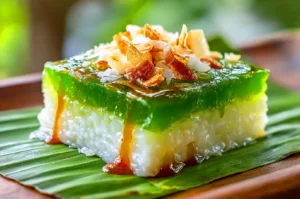
The Coconut Spoon That Shapes Nyonya Kueh Salat
Eda Wong | August 21, 2026
By Eda Wong for Eat Drink Asia. Steam curls up from a tray in the back of the kitchen, and the whole room smells green. Pandan, crushed and knotted, pushed through wet cloth until the leaves give up their colour. An auntie leans over the tray with a spoon carved from coconut shell, dark and…
-
Chicken Nasi Goreng Recipe: What Leftover Rice Becomes After the Wok Gets Serious
Dio Asahi | August 20, 2026
There’s a container of rice at the back of my fridge most weeks. Cold, a little hard, forgotten from a dinner two nights ago. Some people see that and think of waste. I see the start of something better. Because leftover rice doesn’t want to be reheated. It wants to be fried. And when it…
-
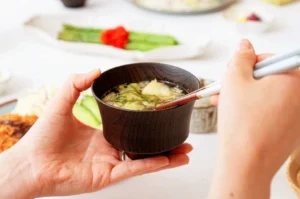
The First Ladle of Miso Soup in a Tokyo Breakfast Shop
Dio Asahi | August 19, 2026
By Dio Asahi for Eat Drink Asia. The shop is barely wider than a hallway. Seven stools, a counter worn smooth, and behind it a woman ladling soup into small ceramic bowls before anyone has ordered it. Steam lifts off the surface and fogs the window against the cold morning. The bowl reaches me warm…
-
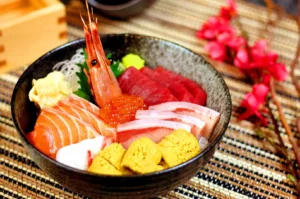
Chirashi Don Best Picks When Bowls Between the Sushi Counter and Lunch Are the Current Mood
Eat Drink Asia Team | August 18, 2026
There’s a specific kind of hunger that a chirashi don answers. It’s not the hunger for a full sushi omakase, with its slow ceremony and its quiet counter watching. And it’s not the hunger for something thrown together and forgotten by three o’clock. It sits somewhere in between — fish and rice in one bowl,…
-
Kopi Through the Cloth: Why the Strain Matters
Eda Wong | August 17, 2026
By Eda Wong for Eat Drink Asia. It is not yet seven, and the uncle at Heap Seng Leong has the pot going. He works the sock strainer over the tin cup with both hands, dipping and lifting, dipping and lifting, coaxing the coffee through the worn cloth. Steam rises between his fingers. The smell…
-
SBCD Korean Tofu House and the Comfort Logic of Bubbling Soondubu
Eda Wong | August 15, 2026
It was raining the afternoon I went. Not the polite kind, the sort that drums against the glass of Guoco Tower and makes you glad you’re already underground. I hadn’t planned on soondubu. I’d planned on something quick, something I could eat between the errands piling up in my head. But the rain does something…
-
The Knife Work at Hanashizuku Japanese Cuisine, Three Floors Above the Noise
Eda Wong | August 14, 2026
By Eda Wong for Eat Drink Asia. The lift doors open on a floor of Cuppage Plaza that has seen better decades. Peeling signage. A corridor that smells faintly of old carpet and cigarette smoke drifting from somewhere. Then a door slides shut behind me, and the noise falls away. Inside Hanashizuku Japanese Cuisine, the…
-
Todamgol Restaurant and the Comfort Logic Behind Famous Korean Foods
Dio Asahi | August 13, 2026
It was close to nine on a Friday when I finally found the door. Tanjong Pagar was doing its usual thing, full tables spilling onto five-foot ways, soju bottles catching the light, someone laughing too loudly two doors down. I almost walked past Todamgol. Then the smell reached me. Fermented, smoky, a little sharp. The…
-
The Same Grill, Three Decades On, at Kazu Sumiyaki Restaurant
Dio Asahi | August 12, 2026
By Dio Asahi for Eat Drink Asia. The lift opens on the fourth floor of Cuppage Plaza and the smoke finds me before the door does. Charcoal, dark and earthy, threaded through with something richer — fat meeting fire. I follow it down a narrow corridor, past shuttered shops and flickering signage, until I reach…
-
Popular Korean Cuisine Has a Memory: Why Famous Korean Food Feels So Complete
Eat Drink Asia Team | August 11, 2026
The first time I ordered kimchi jjigae in Singapore, I made a small mistake. It came bubbling in a stone pot, and I ate it like soup, spoonful after spoonful, straight down, until my mouth was on fire and the bowl was half gone. The auntie across the counter watched me for a moment, then…