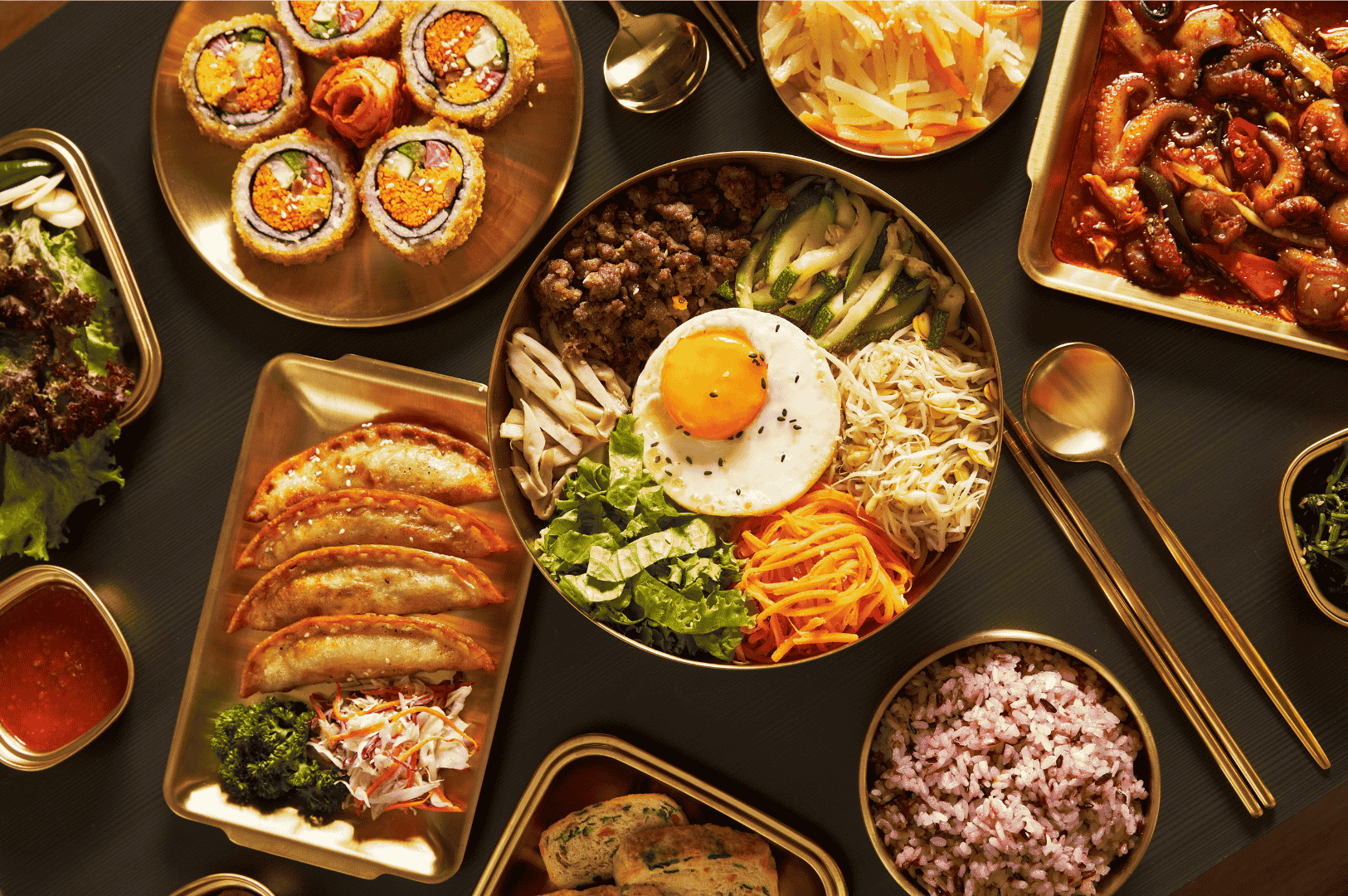
Picture this: A steaming Korean rice bowl is placed before you in Jeonju, South Korea. Vibrant arcs of seasoned bean sprouts, glossy strips of Korean beef, a golden runny yolk resting atop perfectly cooked mixed rice, and a dollop of rich red bibimbap sauce invite you to mix it all together. As you stir, the aroma of sesame oil mingles with the earthy fragrance of shiitake mushrooms, garlic stems, and other vegetables, creating an irresistible promise of tasty flavour. The combination of ingredients delivers a unique flavour experience, with each component—like apple, pear, soy sauce, and sesame oil—contributing to the overall depth and complexity of the dish.
This is authentic Jeonju bibimbap—a dish that is as much a feast for the eyes as it is for the palate. Declared a UNESCO City of Gastronomy, Jeonju takes immense pride in its culinary heritage, with bibimbap standing as its crowning jewel. Koreans have long considered bibimbap a tasty symbol of their innovative cuisine.
So, what makes Jeonju’s version of this beloved Korean cuisine superior to all others? Let’s dive into its history, cultural significance, and unique characteristics to uncover why Jeonju bibimbap reigns supreme.
Introduction to Jeonju
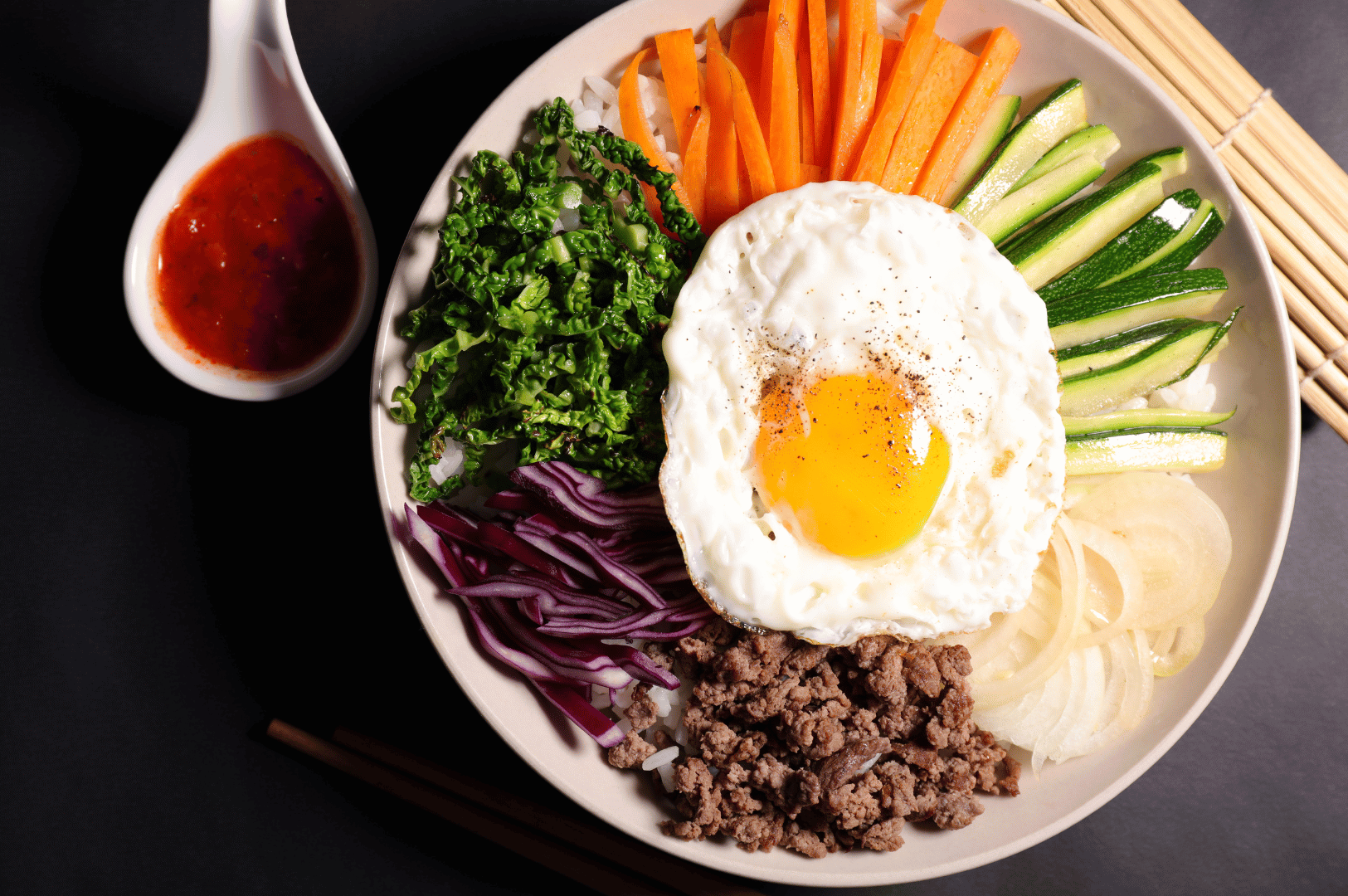
Nestled in the heart of South Korea, Jeonju stands proudly as the nation’s culinary capital—a city where every meal is a celebration of tradition and flavor. Renowned for its vibrant food scene, Jeonju is a haven for lovers of traditional Korean cuisine, offering an array of delicious dishes that showcase the region’s rich history and dedication to authentic taste. At the center of this culinary tapestry is Jeonju bibimbap, a signature Korean rice bowl that brings together a colorful medley of vegetables, savory meat, and a perfectly cooked egg, all harmonized by a luscious bibimbap sauce. Whether you’re wandering the bustling markets or dining in a centuries-old restaurant, you’ll find that every serving of bibimbap in Jeonju is a testament to the city’s commitment to preserving its gastronomic heritage.
The Historical Roots of Authentic Jeonju Bibimbap
Origins in Royal Korean Cuisine
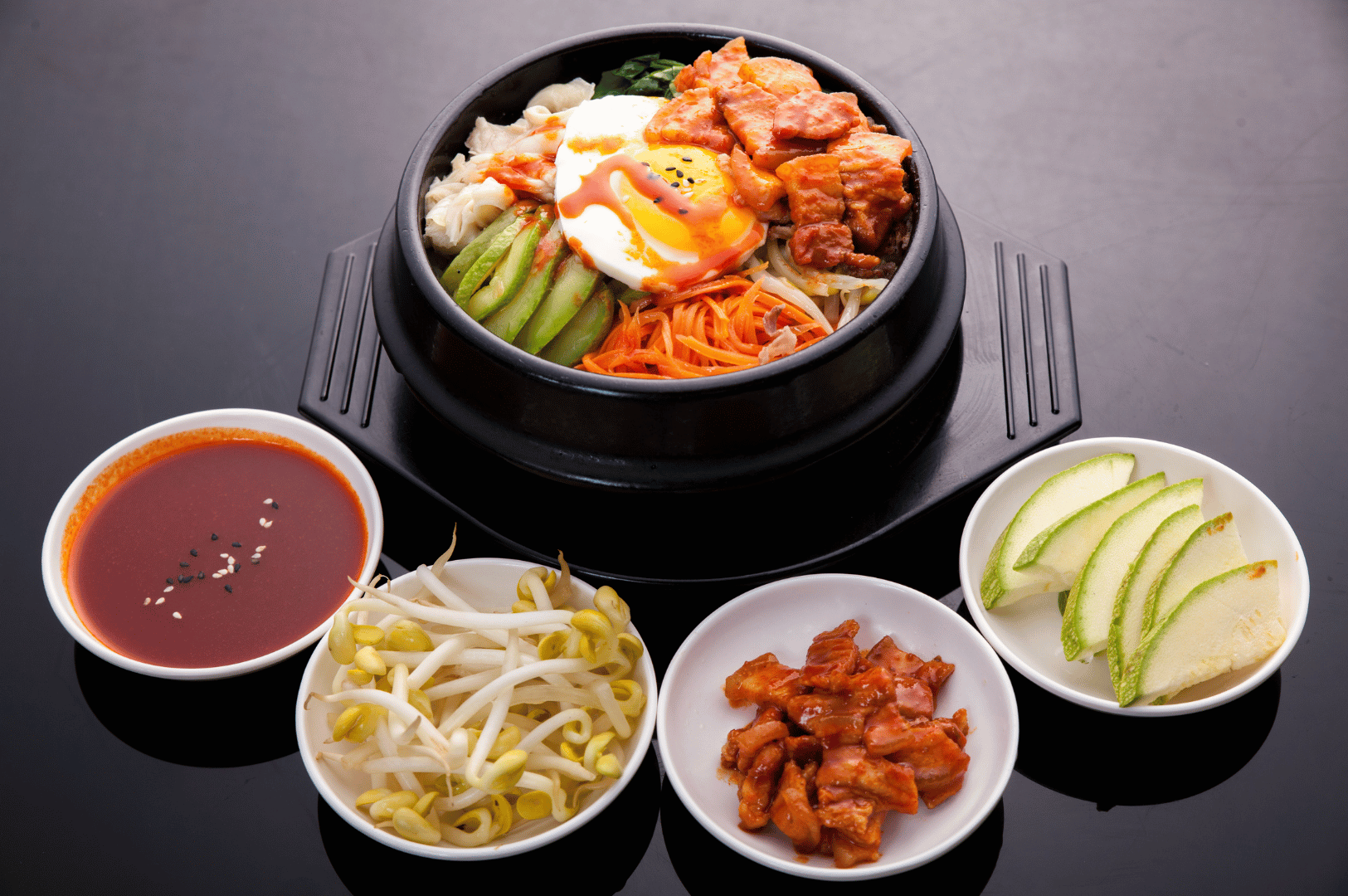
Bibimbap, literally meaning “mixed rice,” traces its roots back to Korea’s royal courts. One theory suggests that servants mixed leftovers from elaborate royal feasts into bowls of rice to create a practical but delicious meal. Another story connects it to ancestral rites, where mixing all the ingredients symbolized harmony, unity, and prosperity for the family.
Evolution Through Centuries
Over time, bibimbap became a food of the people. Farmers during harvest season would quickly toss white rice, bean sprouts, spinach, and other vegetables into a single bowl with a spoonful of spicy bibimbap sauce for a convenient energy boost. By the 19th century, bibimbap had spread across South Korea, with regions adapting the dish to their own ingredients and tastes.
Cultural Significance to Jeonju and South Korea
While bibimbap is found across the nation, Jeonju became the spiritual home of the dish. With fertile farmland, a tradition of making artisan condiments, and high-quality Korean beef, Jeonju’s version stood apart. Today, the city’s reputation as South Korea’s culinary capital is inseparable from its signature dish. Visitors from around the world travel to Jeonju not only to enjoy bibimbap, but to experience the essence of Korean culture itself.
What Makes Jeonju Bibimbap Special?
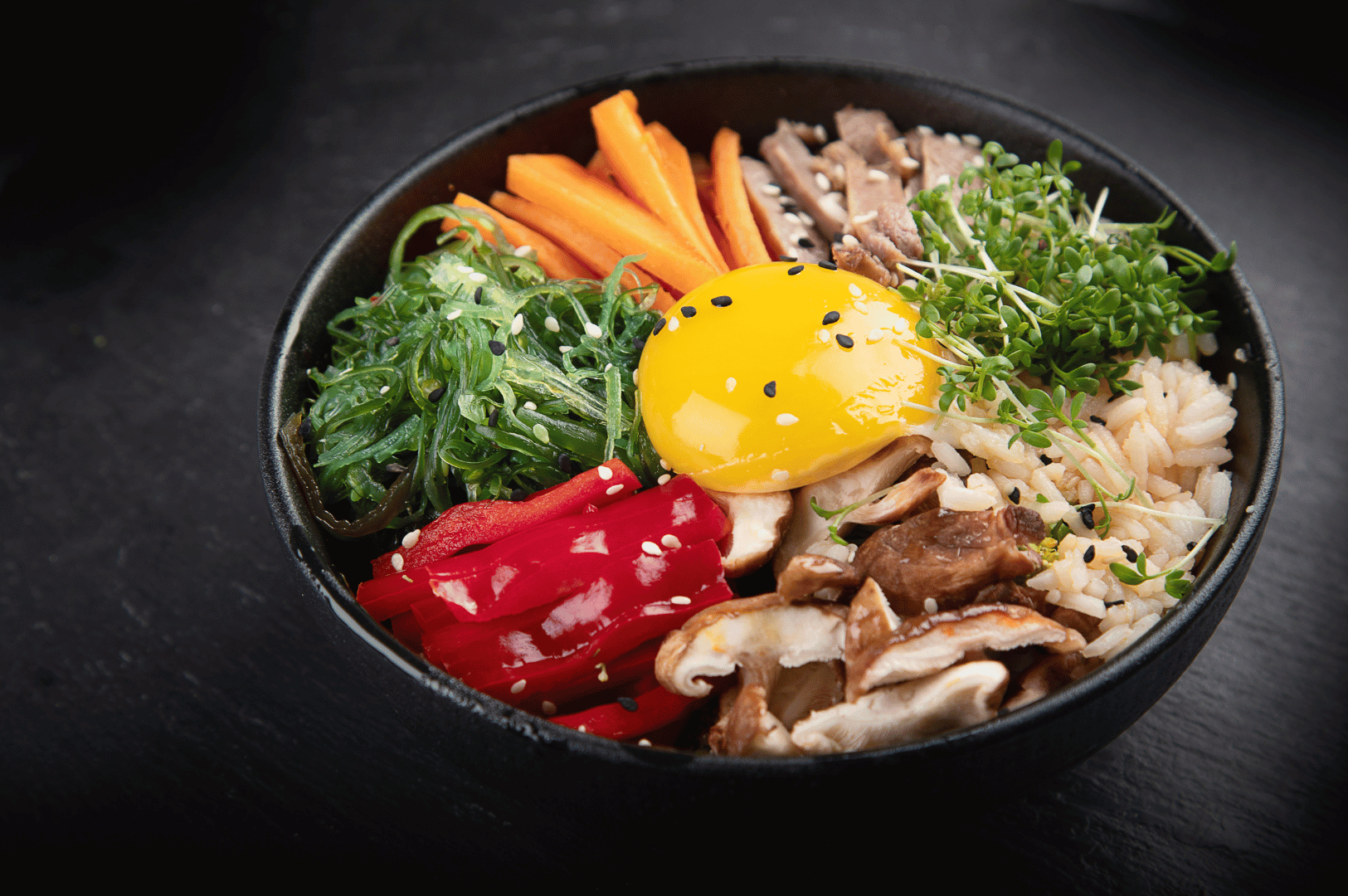
The Sacred Ingredients: Korean Beef, Bean Sprouts, and Other Vegetables
What distinguishes Jeonju bibimbap is the careful choice of ingredients, each one adding a vital layer of flavor and texture:
- Rice simmered in oxtail broth for a rich, savory base.
- Thinly sliced Korean beef, marinated with soy sauce, garlic, and ginger, seared to perfection.
- Bean sprouts for crunch, shiitake mushrooms for umami depth, spinach for freshness, and carrots for sweetness.
- A colorful mix of other vegetables like garlic stems, cabbage, and fernbrake (gosari).
- A sprinkle of sesame seeds and a drizzle of sesame oil for nutty aroma.
The Artisanal Preparation of a Korean Rice Bowl
Unlike simplified home versions, Jeonju chefs treat each ingredient with respect. Vegetables are seasoned separately—some blanched, others stir-fried over high heat, ensuring every topping retains its character. Meat is marinated for hours before cooking, and even the broth for the rice is simmered slowly, often using oxtail or beef bones for a deep richness.
Unique Serving Traditions with Mixed Rice and Bibimbap Sauce
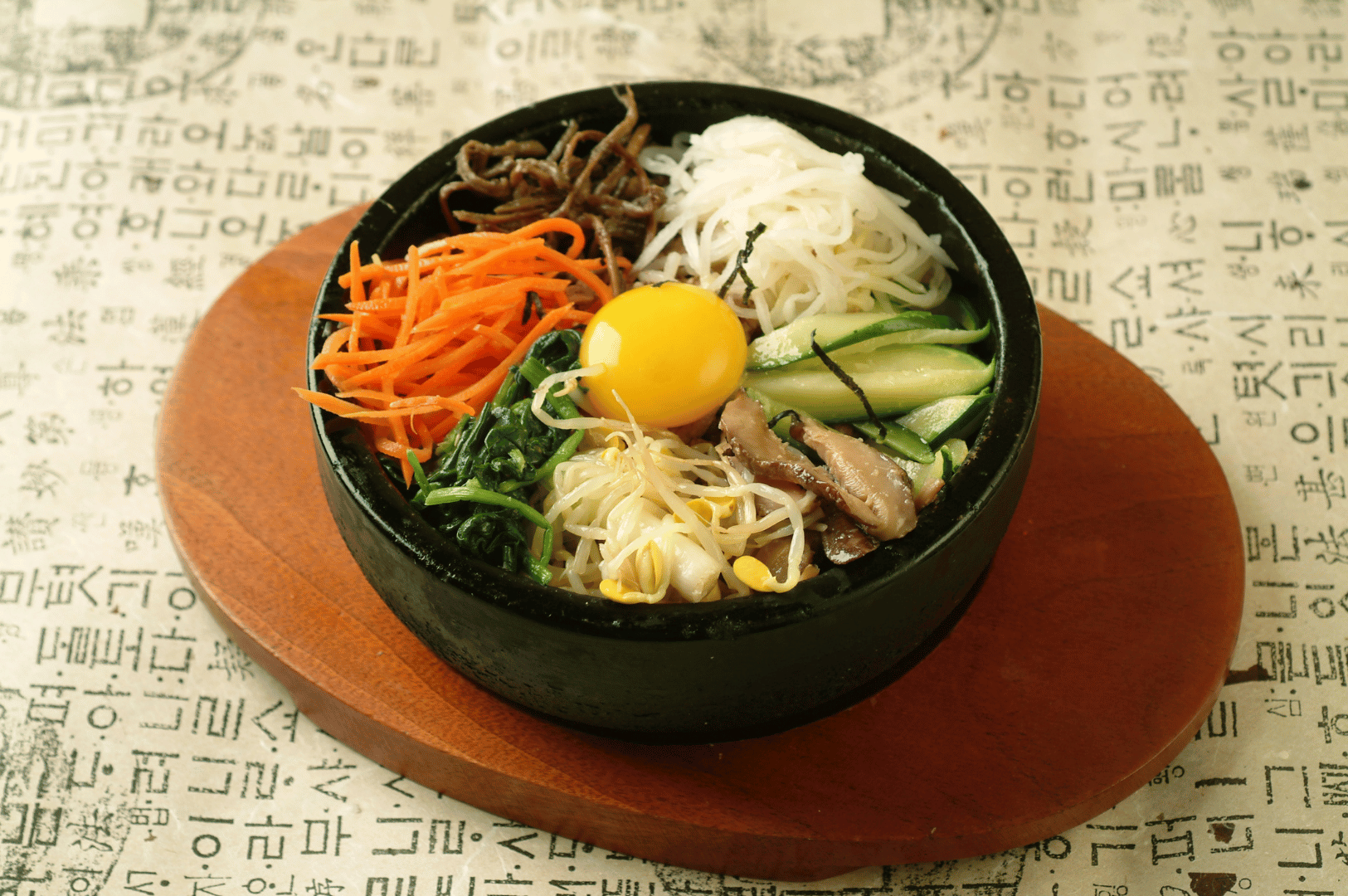
Presentation is as important as taste. The toppings are arranged in a kaleidoscopic pattern around the bowl, symbolizing balance and harmony. A raw yolk or sunny side fried egg is placed at the center. Diners then add the bibimbap sauce—a blend of gochujang, soy sauce, rice vinegar, and sometimes fish sauce or honey—before mixing. After mixing, diners eat the bibimbap to fully experience the blend of flavors and textures in each bite. Eating bibimbap with metal chopsticks in a traditional brass bowl makes the experience authentically Jeonju.
Comparing Regional Bibimbap Variations Across South Korea
Jeonju vs. Seoul Style
Seoul-style bibimbap, popular in modern restaurants, often uses pre-prepped vegetables and simple seasoning. While convenient, it lacks the depth of Jeonju’s broth-infused rice and carefully balanced toppings.
Other Regional Specialties and Other Vegetables
- Jinju Bibimbap: Served with raw fish or yukhoe (beef tartare).
- Andong Bibimbap: Rich in mountain greens like fernbrake and wild herbs.
- Tongyeong Bibimbap: Incorporates seafood, reflecting the coastal lifestyle.
Each regional variation highlights local vegetables and proteins, but authentic Jeonju bibimbap is still regarded as the gold standard.
Why Food Lovers Choose Authentic Jeonju Bibimbap
Food critics and casual travelers alike agree that Jeonju’s version is unmatched. The combination of broth-cooked rice, premium Korean beef, fresh vegetables, and perfectly balanced bibimbap sauce creates layers of flavor that no other region can quite replicate.
Experiencing Jeonju in Korea’s Culinary Capital
Notable Restaurants in Jeonju Bibimbap’s Birthplace
- Gogung: One of Jeonju’s most iconic bibimbap restaurants, known for its authentic flavors and beautifully arranged ingredients that showcase the city’s culinary heritage.
- Hanguk Jip: A cozy eatery offering homestyle bibimbap recipes, loved for its comforting flavors and traditional approach to Korean cuisine.
- Family-run traditional restaurants across Jeonju Hanok Village, each with its own twist.
Dining in Jeonju’s Hanok Village: More Than Just a Korean Rice Bowl
Jeonju Hanok Village, with over 800 preserved traditional Korean houses, is the best place to enjoy bibimbap. Dining here is an immersive experience—wooden beams, paper lanterns, and the smell of Korean food in the air. Festivals often feature bibimbap tastings, with giant communal bowls symbolizing unity, reinforcing Jeonju’s place as South Korea’s culinary capital.
Bringing Authentic Jeonju Bibimbap Home
Essential Ingredients: Korean Beef, Bean Sprouts, and Other Vegetables
To cook authentic Jeonju bibimbap at home, stock up on:
- Rice (preferably short-grain) cooked in oxtail broth.
- Thinly sliced beef, though you can substitute chicken, pork, turkey, or tofu.
- Fresh bean sprouts, shiitake mushrooms, spinach, carrots, garlic stems, and other vegetables.
- Bibimbap sauce made with gochujang, soy sauce, fish sauce, rice vinegar, and a touch of honey.
- A raw or fried egg for the classic runny finish.
Step-by-Step Guide to Making a Korean Rice Bowl with Bibimbap Sauce
- Cook the rice in broth until fluffy and fragrant.
- Prepare vegetables individually—quickly blanch spinach, sauté mushrooms and carrots, season bean sprouts with sesame oil.
- Cook the beef: marinate in soy sauce, garlic, and ginger, then sear over high heat.
- Assemble the bowl: arrange toppings in sections around the rice.
- Place the egg in the center, sprinkle sesame seeds, drizzle sesame oil, and serve with bibimbap sauce.
Common Mistakes to Avoid When Cooking Mixed Rice
- Using plain water for rice instead of broth.
- Overcooking vegetables until limp.
- Skimping on fresh, high-quality ingredients.
- Forgetting to mix thoroughly—bibimbap is meant to combine all flavors into one harmonious meal.
Preservation of Tradition: Safeguarding Jeonju’s Culinary Heritage
Jeonju’s reputation as a culinary capital is built on a steadfast commitment to preserving the roots of traditional Korean cuisine. The city actively safeguards its food heritage through hands-on cooking classes, lively food festivals, and a rigorous restaurant certification system that ensures authenticity. These efforts help keep time-honored recipes and cooking techniques alive, allowing both locals and visitors to savor the true flavors of Jeonju. Dining at one of the city’s traditional restaurants, you’ll encounter dishes prepared with fresh, seasonal ingredients like shiitake mushrooms, garlic stems, and a generous sprinkle of sesame seeds—each element chosen to deliver an authentic taste experience. Whether you’re sampling classic Jeonju bibimbap, tangy kimchi, or other beloved Korean dishes, every meal in Jeonju is a tribute to the city’s culinary legacy. By supporting these restaurants and participating in the local food culture, you help preserve Jeonju’s rich gastronomic traditions for generations to come.
Why Jeonju Deserves Its Title as Korea’s Culinary Capital
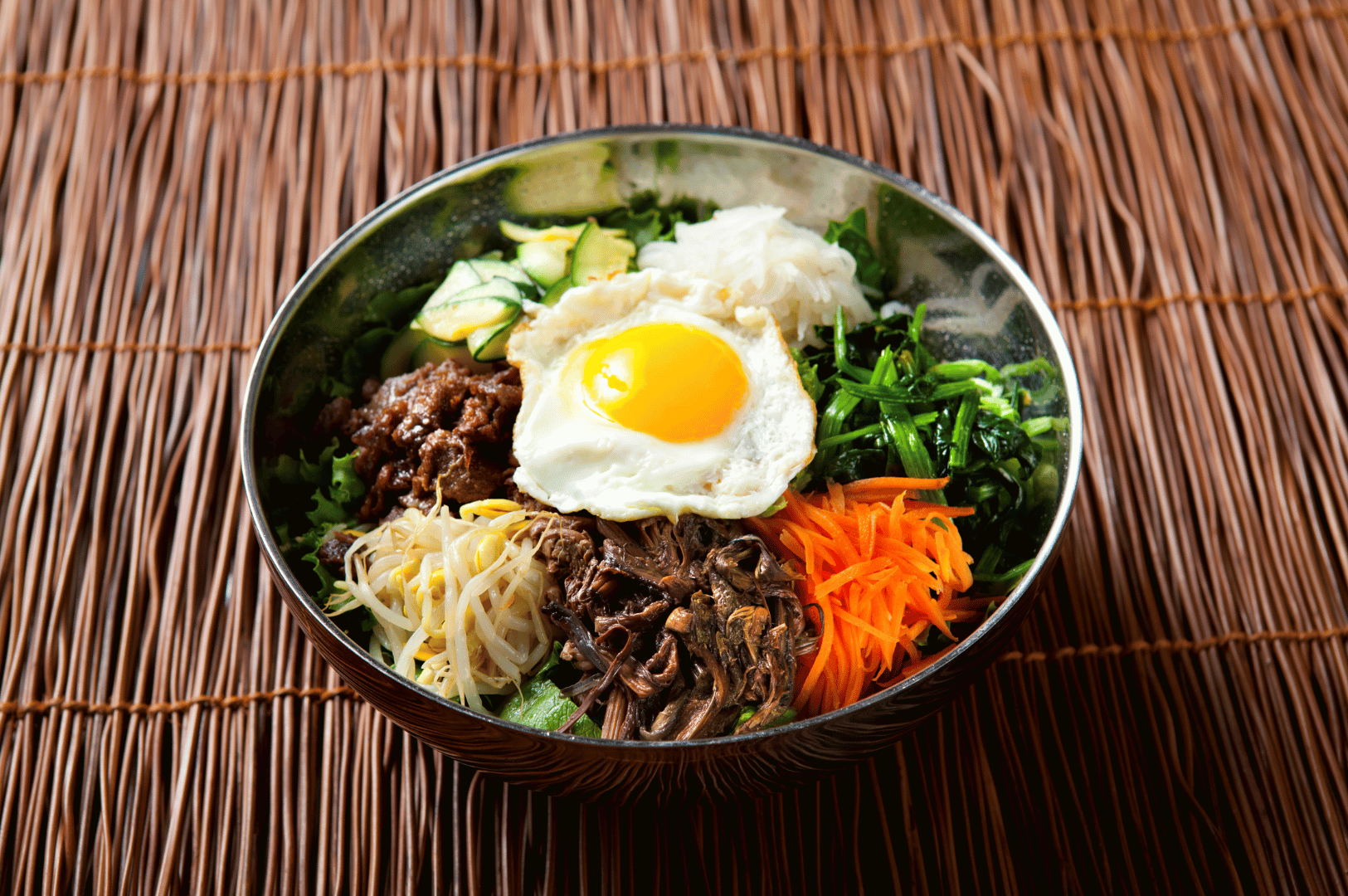
Authentic Jeonju bibimbap is more than just a dish—it is a story of history, culture, and artistry. From its royal origins to its role as a farmer’s meal, it has evolved into a Korean rice bowl that symbolizes harmony and balance. Jeonju’s dedication to premium Korean beef, fresh bean sprouts, colorful other vegetables, savory broth-cooked mixed rice, and perfectly blended bibimbap sauce makes it stand above all regional versions.
To round out such a rich meal, many locals enjoy a chilled traditional drink to cleanse the palate. You can learn more about this pairing in our Eat Drink Asia guide, Traditional Korean Sikhye: Sweet Rice Punch Through the Seasons. So why not plan your trip to Jeonju—or try making your own bowl at home? Either way, you’ll discover that the secret to delicious bibimbap is not just in the ingredients, but in the harmony of all the flavors mixed together!

Fresh Sashimi Singapore: Places for Clean Cuts, Quiet Counters, and Fish That Still Feels Alive
Eda Wong | September 5, 2026
I didn’t grow up eating raw fish. For years, sashimi felt like something you learned to appreciate rather than something you loved. Cold, foreign, a little intimidating. Then one afternoon, at a quiet counter, a chef placed a single slice of chutoro in front of me and said nothing. I ate it. And I understood….
-
Pattaya Garden Restaurant and the Thai Meal That Knows How to Feed a Group
Eat Drink Asia Team | September 3, 2026
The rice came down first. A plain bowl, warm and steaming, set in the middle of the table before anything else. Then the green curry, in a bowl wide enough for four spoons to reach at once. And within a minute the table stopped being a set of individual meals and became one shared thing,…
-
At Keria Japanese Restaurant, the Meal Begins Before the First Bite
Dio Asahi | September 3, 2026
By Dio Asahi for Eat Drink Asia. The lift opens onto a corridor leading to the famed and hidden Cuppage Plaza food, and the building’s age shows in the flickering fluorescent light and the smell of old carpet. Then a sliding door pulls back, and Keria Japanese Restaurant asks you to slow down. Inside, it…
-
The Round Kaya Bun at Chin Mee Chin Confectionery, and the Mornings It Keeps
Eda Wong | September 2, 2026
By Eda Wong for Eat Drink Asia. It’s not quite eight, and the pastel-blue shophouse is already awake. Kopi cups clink against saucers. A ceiling fan turns slow overhead. Someone folds a newspaper at a marble-topped table, and the man behind the counter moves without hurry, sliding buns across in a rhythm he’s clearly done…
-
Nana Original Thai Food and the Thai Meal That Keeps Changing Its Accent
Eda Wong | September 1, 2026
The tom yum arrived first, and the first spoonful hit sour and hot at once, lime and chilli chasing each other down the throat. This classic Thai dish features a spicy sauce and aromatic herbs that awaken the taste buds straight away, setting the stage with its bold flavors. Then the pineapple rice came, sweet…
-
Pad Thai Recipe for People Who Know the Noodles Can’t Be an Afterthought
Dio Asahi | August 29, 2026
The first time I made Pad Thai, I ruined it before the wok was even hot. I’d left the noodles soaking while I answered a phone call. Ten minutes turned into forty. By the time I drained them, they were already soft, already surrendered. Everything I did in the pan after that was damage control….
-
Best Japanese Restaurant Singapore: Places That Nail the “First Bite”
Eat Drink Asia Team | August 27, 2026
I built this list around a very specific feeling: that first bite where the room goes quiet for a second. I’ve tried enough Japanese restaurants in Singapore over the years to know that “best” does not always mean the most expensive, the rarest, or the hardest to book. Sometimes it is the warmth of the…
-
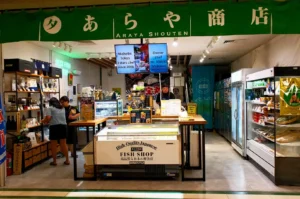
Not Just Seafood: How Araya Shouten Keeps Japanese Fishing Culture Alive in Singapore
Eat Drink Asia Team | August 26, 2026
Japanese cuisine has long been admired for its attention to seasonality, precision, and respect for ingredients. However, behind every piece of sashimi or carefully prepared seafood dish lies a story that begins far away from the dining table, often with fishermen, coastal communities, and generations of knowledge passed down through time. At Araya Shouten, seafood…
-
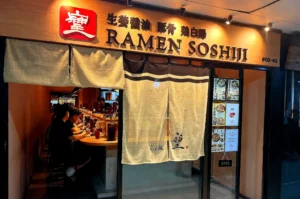
The Ginger Shoyu Ramen at Ramen Soshiji, Where Orchard Goes Quiet
Dio Asahi | August 26, 2026
By Dio Asahi for Eat Drink Asia. The lift opens on the third floor of Orchard Plaza, and for a second I don’t know which way to turn. The corridor is dim and still, the kind of quiet that feels almost accidental in this part of town. A few doors down, an unmarked entrance. Inside,…
-
Indo Rasa Singapore and the Nasi Goreng That Measures a Kitchen’s Confidence
Eat Drink Asia Team | August 25, 2026
There’s a dish I order when I want to know a kitchen quickly. Not the specialty. Not the thing the menu is proud of. I order the fried rice. Because nasi goreng has nowhere to hide. It’s rice, chilli, chicken, egg, a few crackers, some cucumber. Everyone thinks they can make it. Most people can….