By Dio Asahi for Eat Drink Asia.
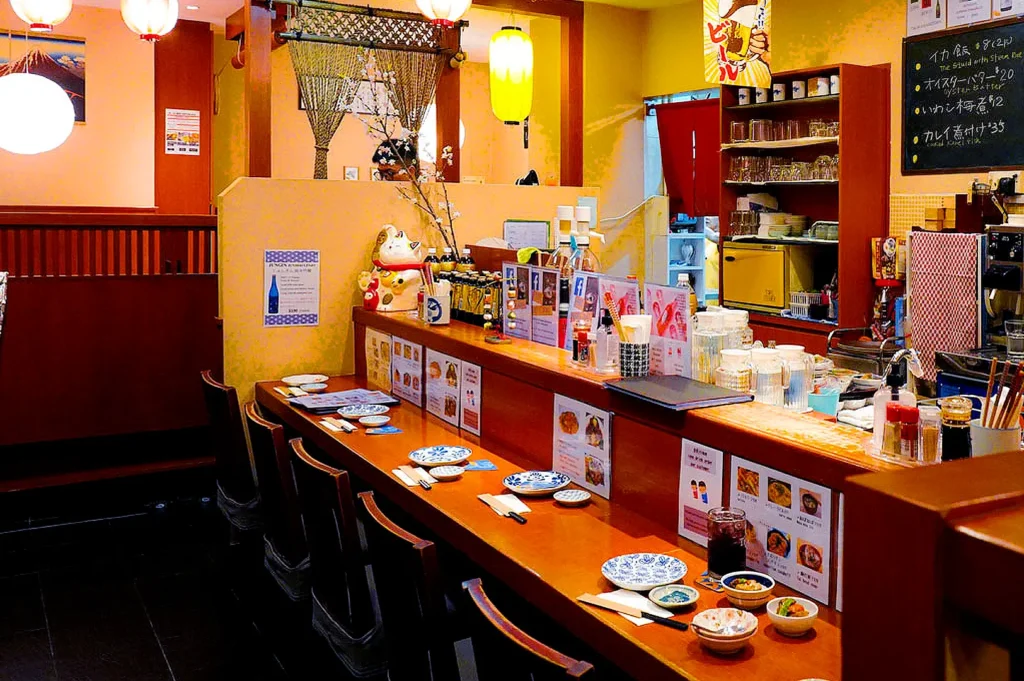
The lift opens onto a corridor leading to the famed and hidden Cuppage Plaza food, and the building’s age shows in the flickering fluorescent light and the smell of old carpet. Then a sliding door pulls back, and Keria Japanese Restaurant asks you to slow down.
Inside, it is quiet. A chef works behind the counter without hurry, wiping down a board that already looks clean. Steam rises from somewhere near the back. Nobody rushes to seat you. You wait a beat, and in that pause, something shifts. All at once, everything you read about this building come together.
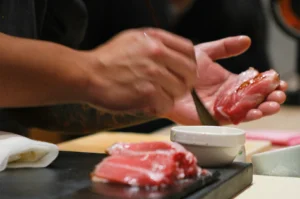
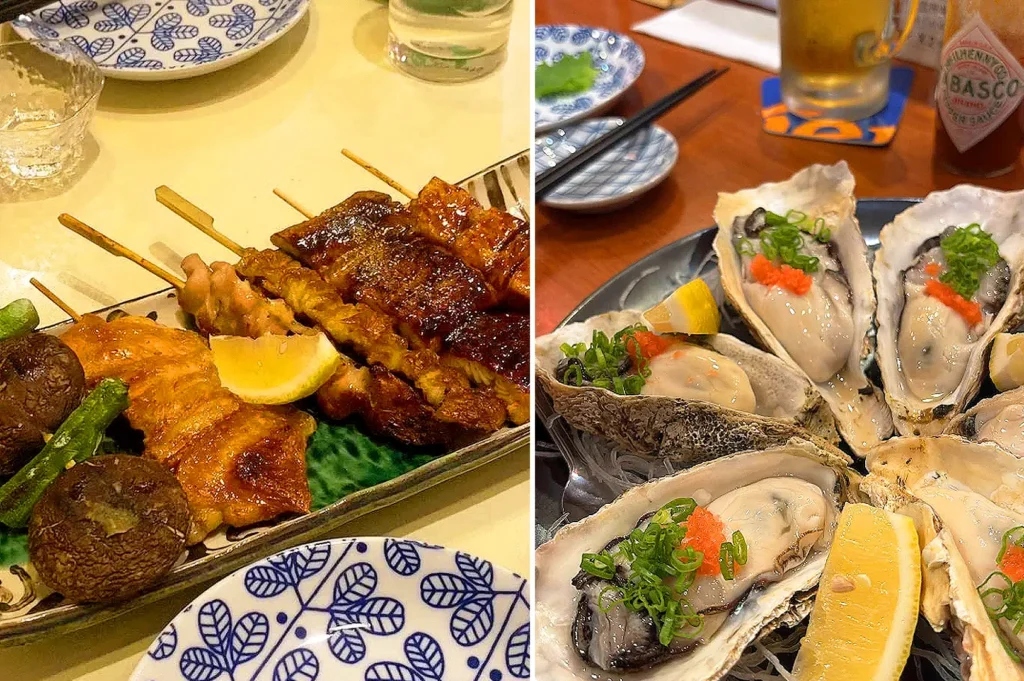
The moment I keep returning to is small. A single piece of fish, placed on the counter in front of me, was left mostly alone. A brush of soy already on it. A grain of salt, maybe. No garnish crowding the plate, no drizzle, no swirl. The chef set it down and stepped back, and it was clear I was meant to eat it now, at this temperature, in this order, before it changed.
That is the whole idea. The fish is served slightly cool, not cold, the flesh soft and yielding, carrying a clean sweetness that would have vanished under anything louder. The rice underneath is warm, pressed loosely, and it comes apart the second it reaches your mouth. There is nothing to hide behind here. The craft is in the restraint, in knowing what to leave out.
This is what Japanese kitchens quietly brought to Singapore. Not just new dishes, but a different rhythm of eating. Somewhere along the way, a certain kind of Japanese meal here stopped being about abundance and started being about trust. You order omakase and hand the decisions over. You eat what is good today, not what you planned to want. Seasonality stops being a marketing word and becomes the actual reason a dish tastes the way it does, on this night and not another.
There is a tension in that, and Keria sits right inside it. We live in a city that runs on speed and options, where a meal can arrive at your door in twenty minutes and every menu promises more. Restraint is a hard sell in a place like that. Choosing less, waiting longer, trusting a stranger to decide for you — none of it is convenient. And yet the room was full, mostly of people eating in near silence, which tells you something.
What feels worth noticing is not that the food is careful. Plenty of food is careful. It is that the carefulness asks something of you in return. You cannot scroll through this meal. You have to be present for the piece of fish while it is still at its best, because the window is short and nobody will reheat it for you.
I left thinking about how a building this worn could hold a room this still.
The fan hummed somewhere overhead. A kettle clicked off in the back. Outside, Orchard Road carried on without me. For a while, at that counter, none of it mattered.

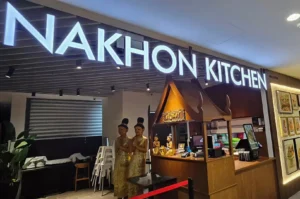
Cuisine in the World Meets Singapore: Inside Nakhon Kitchen’s Cross-Cultural Magic
Dio Asahi | March 26, 2026
There’s a rite of passage for any food lover living in the East of Singapore, and it involves a queue. Specifically, the perpetually long, snaking queue outside Nakhon Kitchen in Bedok. I’d heard the legends for years: authentic Thai food, rock-bottom prices, and a wait time that tests your commitment. So, on a Tuesday evening…
-
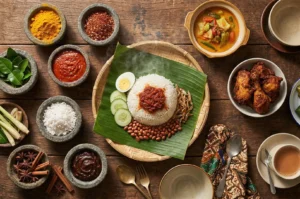
The Spice Route Secrets: A Deep Dive into Malay Ethnic Food
Eda Wong | March 24, 2026
My first time ordering Nasi Padang in Geylang Serai was overwhelming, I randomly picked dishes and was shocked by a $20 bill due to premium beef rendang and squid. That taught me to always ask seafood prices and that Malay food is a complex, modular cuisine. Malay food is everywhere in Singapore, in hawker centres,…
-
The Shokunin Spirit: How Japan’s Craftsman Philosophy Lives Inside Singapore’s Most Disciplined Omakase Counter
Dio Asahi | March 21, 2026
The fire is not roaring; it is breathing. In a small, darkened workshop in Sakai, a swordsmith watches the colour of the steel with eyes that have tracked the same transformation for forty years. He does not look at a clock. He listens to the hum of the charcoal. He waits for the metal to…
-
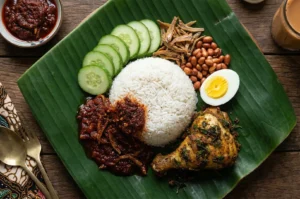
The Evolution of the Plate: How History Transformed Iconic Malaysian Dishes
Eda Wong | March 19, 2026
I used to think I understood Malaysian food. As a Singaporean, it’s practically in my DNA, right? Nasi lemak for breakfast, a cheeky roti canai for supper – I thought I had it all figured out. Then I spent a week eating my way through Penang and Kuala Lumpur, and I realised I knew absolutely…
-
The Soul of the Table: An Educational Guide to the Role of Food in Malaysian Culture
Eat Drink Asia Team | March 17, 2026
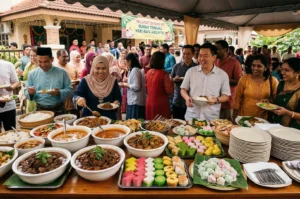
We still remember our first collective Rumah Terbuka (Open House) experience in Kuala Lumpur.Standing at the doorway of a home during Hari Raya, we were utterly paralyzed by the sheer volume of people and the aroma of Malaysian cooking. There were aunties ladling beef rendang and tables groaning under the weight of colourful kuih. “Do…
-
Asian Food Comfort Trends: Why Broths and Bowls are Dominating Globally
Eda Wong | March 14, 2026
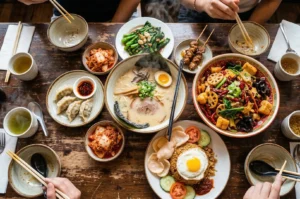
I still remember the first time I faced a “build-your-own” Mala Xiang Guo counter. I stood there, plastic tongs in hand, completely paralyzed by the mountain of choices. Lotus root? Kelp knots? three different types of tofu skin? My anxiety spiked. I panicked, grabbed way too much luncheon meat, and ended up with a $28…
-
The Fifth Element: A Masterclass on Umami in East Asian Cuisine
Dio Asahi | March 12, 2026
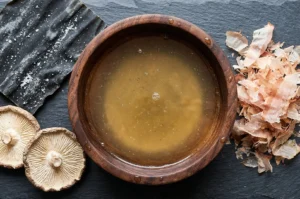
I’ll never forget the first time I made miso soup from scratch. Not the instant kind, but the “proper” way. I boiled water, dissolved miso paste, added tofu, and waited. It tasted flat, salty and cloudy but missing the deep, satisfying flavor I loved in Japanese restaurants. I thought maybe I needed better miso. Years…
-
Why My Quest Ended at Yummy Western (409 AMK)
Dio Asahi | March 10, 2026
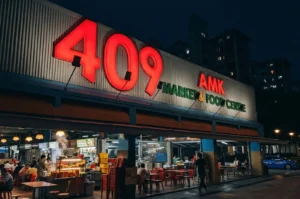
There’s a specific magic to a late-night supper hunt in Singapore. It’s the ritual of chasing a craving through the humidity to find that one stall that hits the spot. For me, that meant a pilgrimage to Ang Mo Kio Avenue 10. I arrived at 10 PM on a Friday, just as the ‘supper soul’…
-
A Taste of Time: My Dinner at Guan Hoe Soon
Eda Wong | March 7, 2026
There’s something special about visiting a place that has seen decades of Singapore’s history unfold. Guan Hoe Soon, tucked away on Joo Chiat Road, holds the title of Singapore’s oldest Nyonya restaurant, and you can feel that heritage the moment you step inside. I’d heard about it for years, a place where recipes aren’t just…
-
The 6 Best Halal Restaurant in Singapore for Authentic Nasi Padang
Eda Wong | March 5, 2026
There are few meals as satisfying as Nasi Padang, a colourful feast where you choose from a variety of dishes to create your perfect plate. Over the years, I’ve explored Singapore’s Nasi Padang scene, especially in Kampong Glam, sampling everything from humble hawker stalls to renowned spots. This list highlights the best halal Nasi Padang…