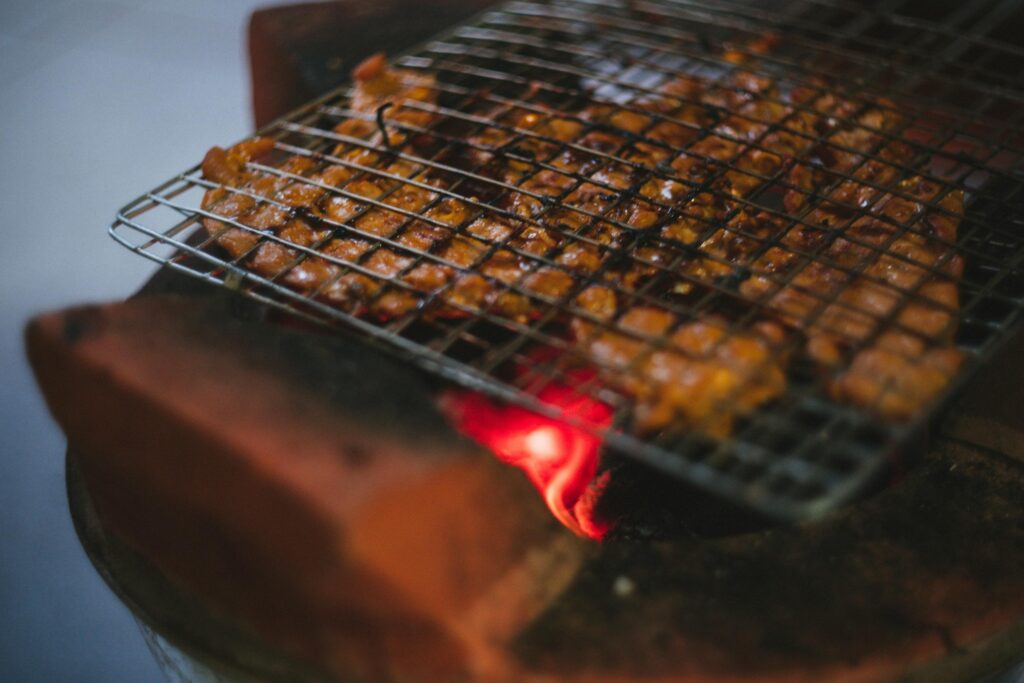
The first thing I noticed was the smoke, thin, controlled, rising steadily from a charcoal grill along a Bangkok street. Skewers of pork turned in a quiet rhythm, fat dripping and hissing as it met the heat. The air carried layers of scent: sweet palm sugar, garlic, and a faint fermented depth beneath it. I remember watching the vendor press each skewer gently against the grill, coaxing out a light crust at the edges while a basket of sticky rice steamed beside him. Nothing felt rushed. Every movement fulfills a purpose.
Moo ping looks simple, but its structure is deliberate. Thin slices of pork, often from the shoulder, are marinated in soy sauce, garlic, coriander root, and palm sugar. In some versions, coconut milk is added to introduce fat, helping the meat retain moisture over direct heat. When grilled, the sugars caramelize into a lightly crisp exterior while the inside remains tender. The result is a balance of texture and flavour that feels effortless but depends heavily on timing. It is typically paired with sticky rice, which absorbs the rendered fat and softens the intensity of the meat. In Thailand, this is everyday food, breakfast, snack, or something eaten quickly between errands.
What becomes interesting is how moo ping fits into a broader pattern across Asia. Skewered meat appears in many forms, satay in Southeast Asia, yakitori in Japan, kebabs across Central and West Asia. The method is shared: small cuts, direct heat, controlled charring. But the flavour system shifts with geography. In Thailand, palm sugar plays a defining role, creating a surface that caramelizes quickly and locks in moisture. This introduces a constraint. Too much heat, and the sugar burns. Too little, and the structure remains soft without contrast. Moo ping exists in that narrow space where heat and sugar must be managed together.
Check here for more information about food in the South East Region: https://eatdrinkasia.com/exploring-food-southeast-region-culinary-journey/
What sets it apart is its calibration. The pork is sliced thin to ensure even cooking. The marinade penetrates just enough to season without overwhelming the natural flavour of the meat. I noticed that some vendors brush on additional glaze near the end, deepening the caramelization, while others keep it restrained. Even the sticky rice is not incidental, it completes the system, balancing richness with neutral starch. These adjustments may seem minor, but they reflect a deep familiarity with the process.
Standing there, watching the skewers turn, it became clear that moo ping is less about grilled pork and more about coordination. Heat, sugar, fat, and timing move together in a controlled sequence. It is eaten quickly, often in passing, but the structure behind it is precise. Once you notice that, it becomes difficult to see moo ping as just another piece of street food.

Yuja Tea: Korea’s Traditional Citron Tea
Dio Asahi | January 27, 2026
The golden, aromatic steam rising from a cup of yuja tea carries centuries of Korean tradition and wellness wisdom. This caffeine-free citrus beverage has warmed Korean hearts through countless winters, offering both comfort and powerful health benefits in every sip. Made from the Korean citron known as yuja fruit, this simple Korean tea represents one…
-
The Global Phenomenon of Korean Instant Noodle: A Cultural and Culinary Journey
Eda Wong | January 24, 2026
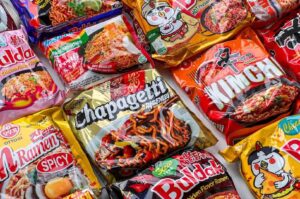
In the high-octane streets of South Korea, where the “pali-pali” (hurry-hurry) culture defines the pace of life, one dish stands as the ultimate equalizer of speed and satisfaction: Korean ramyeon. While the world often uses the terms ramen and ramyeon interchangeably, the Korean version is a distinct entity. It is not merely a quick snack…
-
Traditional Ramyeon: The Soulful Heart of Korean Noodle Culture
Eat Drink Asia Team | January 20, 2026
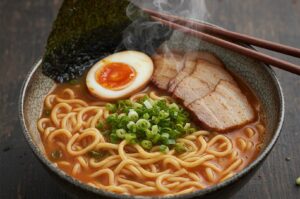
In the bustling culinary landscape of South Korea, few comfort foods can match the satisfaction of a steaming bowl of ramyeon. While outside of Korea, “ramyeon” often brings to mind Korean instant noodles or instant ramen, true ramyeon Korean style refers to the artful, freshly prepared noodle soup enjoyed in homes and at local restaurants…
-
The Heart of the Korean Noodles: History and Texture
Eda Wong | January 17, 2026
In Korea, a bowl of noodles is far more than a simple dish; it is a cultural anchor that has weathered centuries of change. For generations, the length of the strand has symbolized a long and prosperous life, making Korean noodles a staple at birthdays, weddings, and the milestone 60th birthday celebration known as hwangap….
-
Preserving the ‘Big Bowl’ Tradition with Pen Cai Delivery in the Age of Doorstep Dining
Eat Drink Asia Team | January 15, 2026
Modern Festive Menu: Bringing the Big Bowl Home There is a special, undeniable magic to the Chinese New Year reunion dinner. For many families, Chinese New Year 2026 is another chance to gather loved ones at the table and celebrate with a glorious pen cai—sometimes called the “big bowl feast”—overflowing with premium ingredients and festive…
-
Sencha: Traditions, Flavors, and the Essence of Japanese Tea
Eat Drink Asia Team | January 15, 2026
When people around the world think of Japanese tea, images of tranquil tea ceremonies in small rooms or frothy bowls of matcha often come to mind. Yet, the reality of tea drinking in Japan is much broader, woven deeply into the culture and daily habits. For the vast majority, sencha is the beloved tea that…
-
The Best Restaurants Tokyo Are Rarely the Ones You Plan For
Eda Wong | January 12, 2026
Tokyo, Japan’s capital, does not reward urgency. It rewards return. On my first visit, I chased what everyone told me were the best restaurants Tokyo had to offer. I spent weeks highlighting maps, bookmarking digital “must-eat” lists, and refreshing reservation pages until my eyes blurred. I thought that by conquering the top-tier establishments, I would…
-
Japan and Food: Culinary Harmony – The Deep Connection Between Japanese Food and Culture
Eat Drink Asia Team | January 11, 2026
When it comes to Japan and food, the two are intertwined in ways that captivate taste buds and awaken the senses. Japanese cuisine stands as one of the world’s most revered traditions—more than nourishing meals, it is an art reflecting centuries of philosophy and a window into Japanese culture itself. Every bowl of miso soup,…
-
The Verdant Cup: A Celebration of Green Tea in Japan
Eda Wong | January 10, 2026
In Japan, green tea is much more than a beverage. It marks a moment of pause, hospitality, and tradition. The story of green tea in Japan weaves through centuries of culture, artistry, and daily life—bridging ancient rituals like the Japanese tea ceremony to everyday meals enjoyed at home. The origins and beginning of Japanese tea…
-
Japanese Green Tea from Japan: The Story of Matcha
Dio Asahi | January 8, 2026
On a misty April morning in Kyoto, I knelt on tatami in a small tea room outside Uji, Japan. The host, dressed in kimono, moved with quiet skill as she scooped matcha powder into a ceramic bowl. The air was filled with the aroma of aged wood mixed with the grassy scent of high quality…