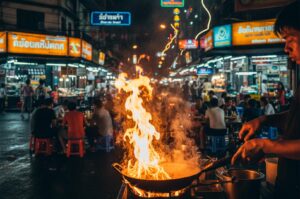
The first thing I noticed at Pagi Sore Indonesian Restaurant was the smell.
Not the sharp, showy kind. Something slower: coconut milk, lemongrass, chilli, fried egg, and the deep warmth of spice paste drifting out from a wood-heavy dining room while Far East Square kept moving outside.
I walked over on a Wednesday evening, just after 5:30pm, because someone once told me this place had been feeding Singapore since 1989. That is a long time to survive in a city where restaurants can disappear in a season. I wanted to know what keeps a kitchen going that long.
First Impressions at Pagi Sore Indonesian Restaurant
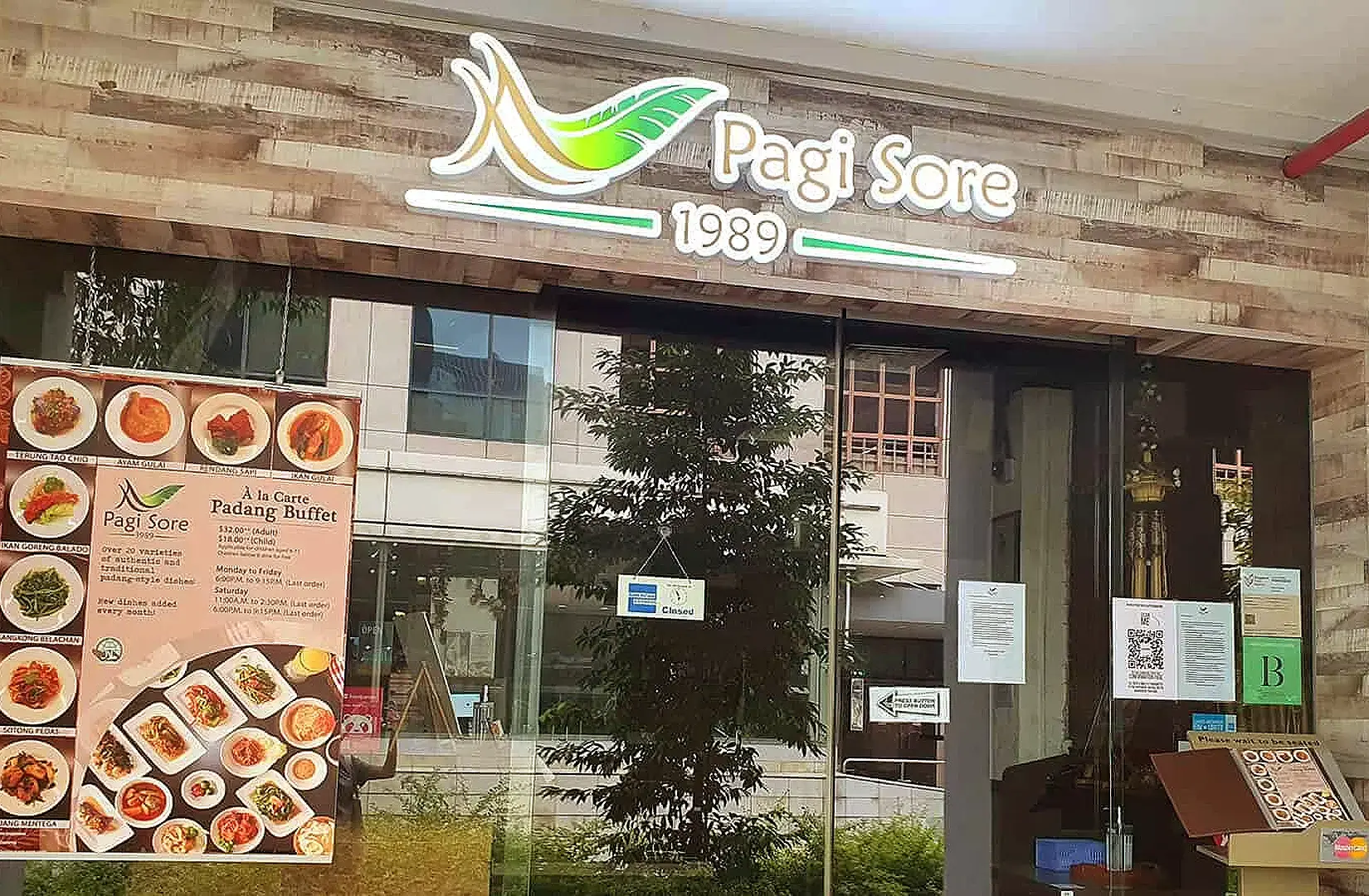
Pagi Sore Indonesian Restaurant sits at 88/90 Telok Ayer Street, Far East Square, right across from Telok Ayer MRT Exit B. The location gives CBD diners easy access, whether they are coming for lunch, dinner, or a proper Indonesian restaurant meal after work.
The Room and Atmosphere
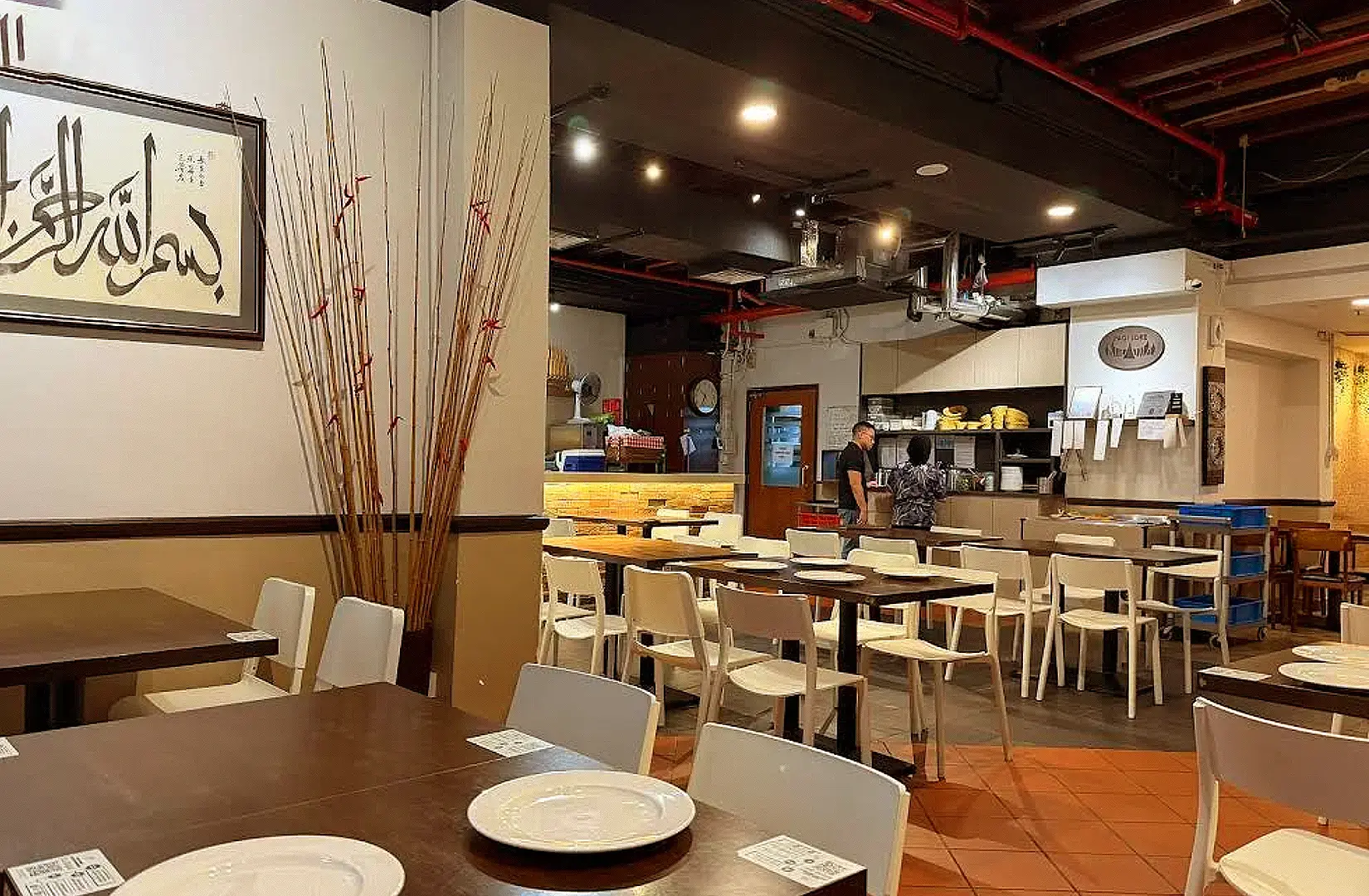
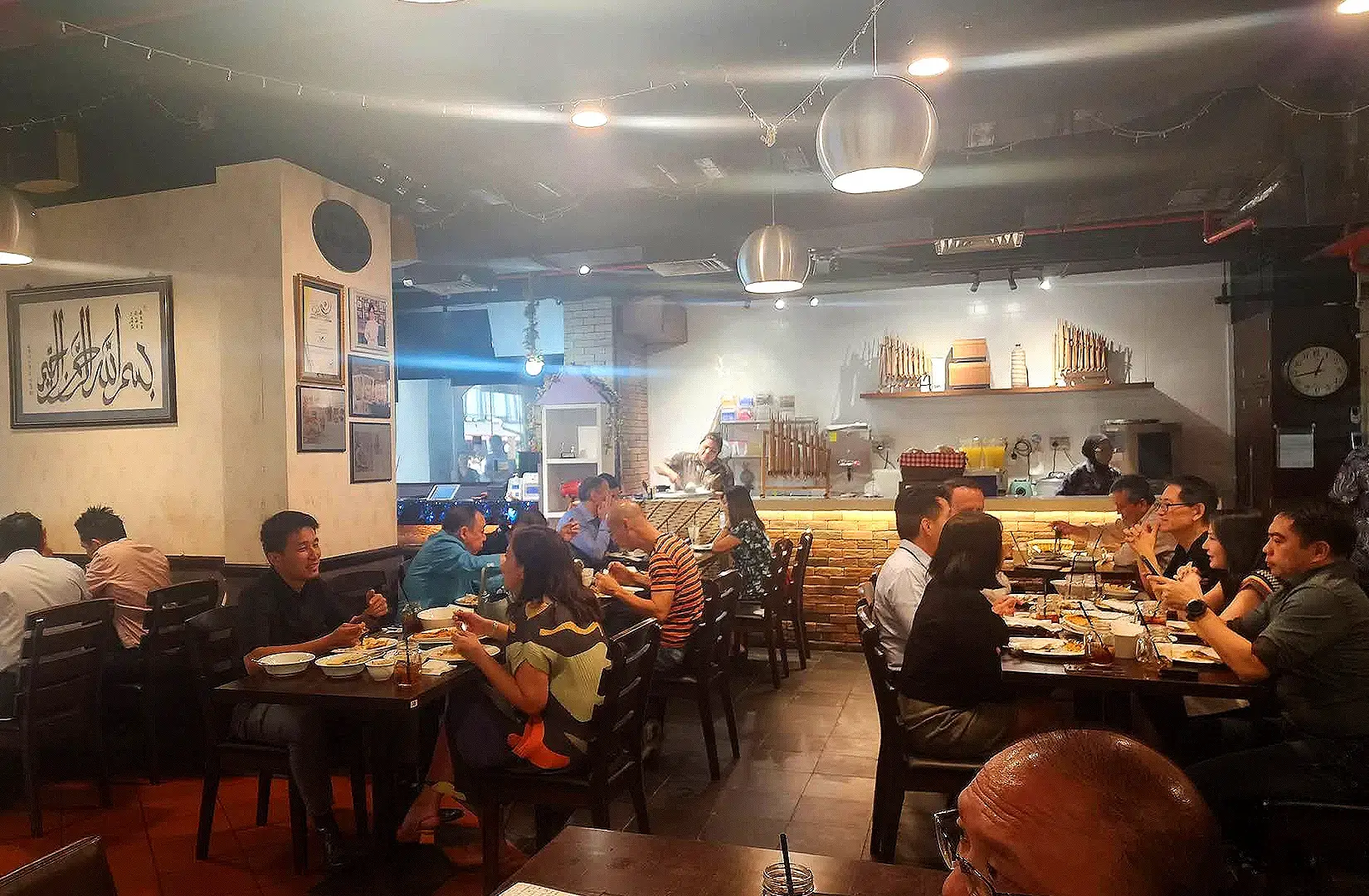
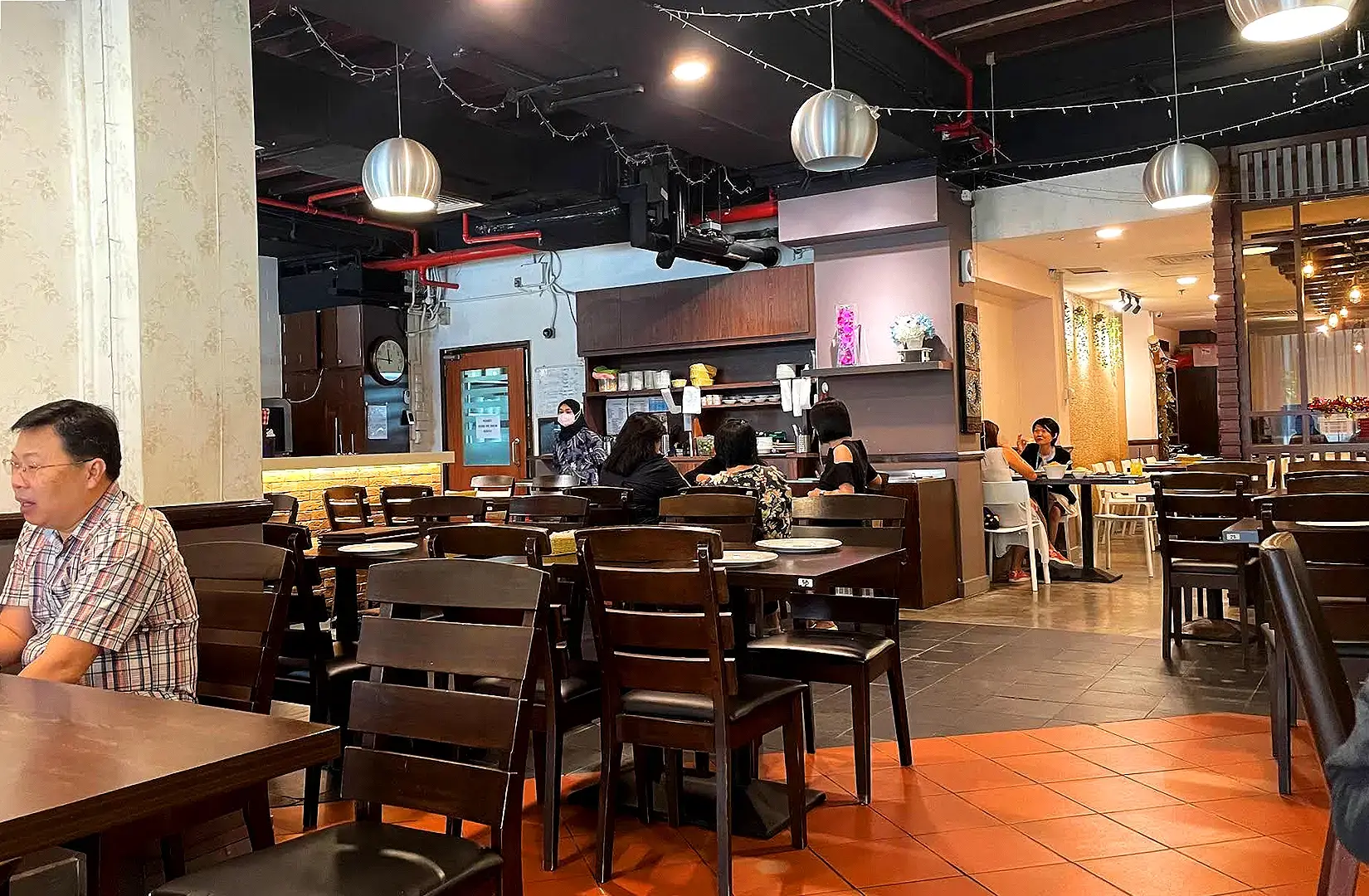
I will be honest. It looks more modest than its history suggests. There is no dramatic styling, no glossy dining-room theatre, and no attempt to make the place feel newer than it is. Instead, it feels clean, lived-in, and practical, the way older restaurants do when they have spent years feeding regulars instead of chasing trends.
At that hour, the room was quiet. A few tables, low conversation, the clink of serving spoons. I have read that lunch gets packed with the office crowd, and I believe it. But weekday dinner felt like the better version: slower, calmer, and easier to read.
What to Order First at Pagi Sore
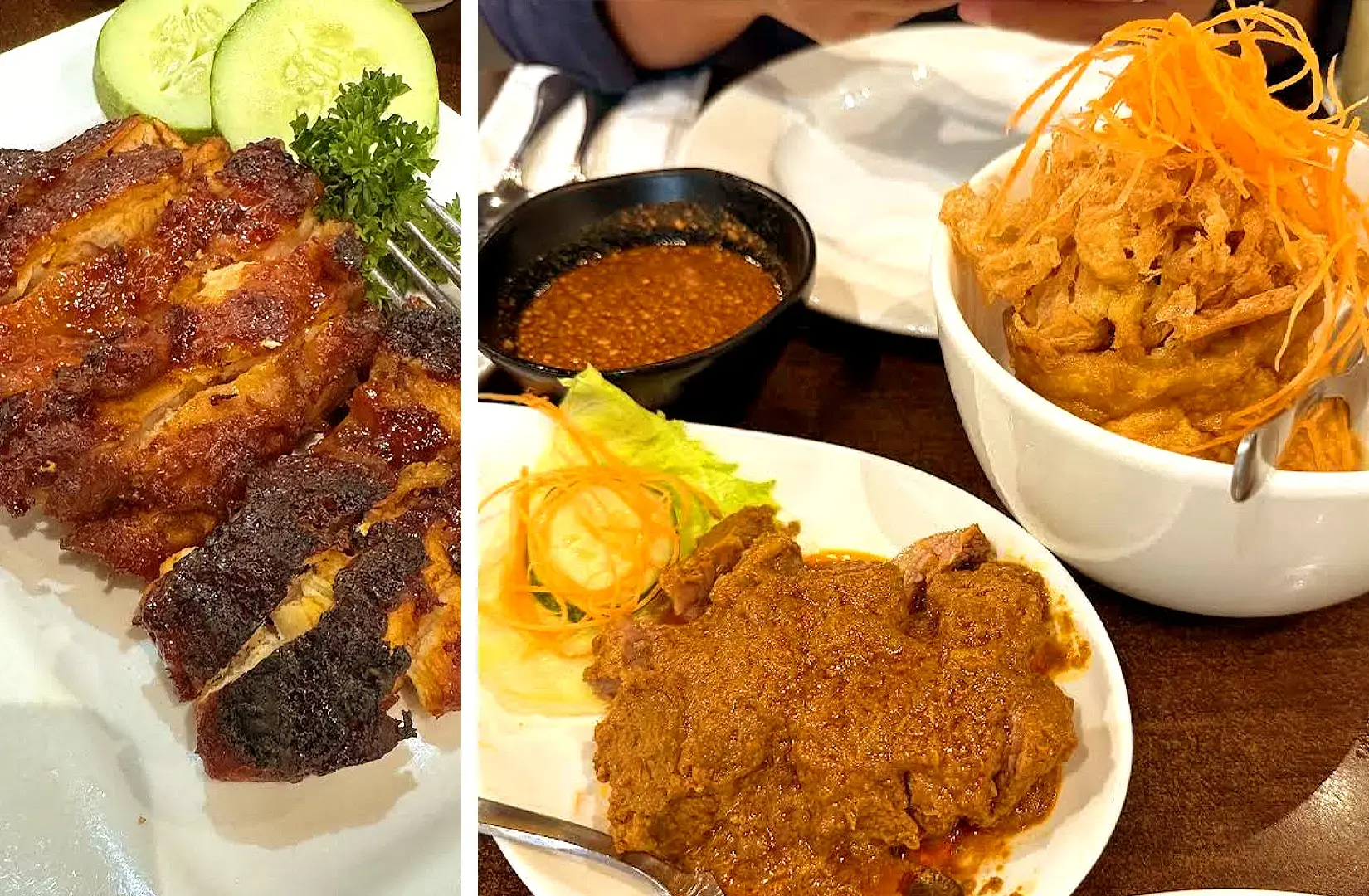
Pagi Sore is best approached as a sharing restaurant. This is not the place to order one lonely plate and call it done. The food makes more sense when several dishes crowd the table, with rice in the middle and sauces moving from plate to plate.
For a first visit, I would set the meal around:
- Tahu Telor for crunch, tofu, and sweetness
- Ikan Ota Kukus for the restaurant’s heritage dish
- Rendang Sapi for deep beef comfort
- Tumis Kangkong Belachan for vegetable brightness
- Udang Mentega if you have enough people for prawns
- Fragrant rice to hold all the sauces together
If you are dining solo, choose carefully. If you are in a group of three to six, the restaurant opens up properly. That is when you can dig into the variety without feeling like you have overcommitted. A table this varied helps explain why Eat Drink Asia explained the country’s culinary identity is carried by many regional dishes rather than one undisputed icon.
Tahu Telor: The Tofu Tower That Started It
It arrives as a deep-fried tower of tofu and egg, crisp on the outside, soft within, and ready for the dark sweet sauce that comes with it. That timing matters. Pour too early and the tower softens too fast. Get it right and the first bite gives you crackle, then custardy egg, then tofu, then sticky sweet heat.
Why It Works
There is a clear Chinese cooking techniques logic in the frying, the height, and the texture control, but the flavour lands firmly in Indonesian cuisine. It is not gimmicky fusion. It feels more like two kitchen traditions that learned to speak to each other decades ago.
Pagi Sore’s own site describes its identity as a combination of authentic Indonesian spices and Chinese cooking techniques, built around heritage recipes passed down from founder Chef Liyana Kwan. That makes the Tahu Telor feel less like a crowd-pleaser and more like a mission statement.
Ikan Ota Kukus: Chef Liyana’s Fish
The dish I actually came for was Ikan Ota Kukus.
Pagi Sore describes it as one of Chef Liyana Kwan’s most recognised original dishes: a whole leatherjacket fish steamed in a smooth, rich ota-based gravy. It sounds heavier than it eats. The fish came soft and clean, with flesh that lifted easily and carried the gravy well.
The Gravy Holds the Memory
It is spiced and creamy, but not punishing. The egg worked into the otak-style sauce makes it feel rounded, almost comforting, with heat that hums rather than shouts. It tastes like one of those recipes that has been repeated enough times to become muscle memory.
Chef Liyana founded the restaurant, and her son, Chef Park, now carries the second-generation story. Pagi Sore’s official site says Chef Park guards the authenticity of the recipes while improving them to cater to today’s F&B landscape. You can feel that balance in this dish: the recipe held steady, the hand behind it still moving forward.
Rendang Sapi: The Honest Beef Test
The Rendang Sapi came next, dark and glossy, with sauce clinging to the beef the way good rendang should.
The flavour was deep and concentrated. It had that slow-cooked, dry-ish spiced coating that separates proper rendang from a wet curry pretending to be one. Spooned over rice, it gave exactly the comfort I wanted: coconut, spice, beef, and a little smoke of patience.
The Honest Bit
A couple of pieces ran fattier than I would have liked. The sauce carried them, but if you are particular about lean beef, you may notice it. Still, I understand why regulars return for this dish. The sauce earns love even when a bite or two does not land perfectly.
Tumis Kangkong Belachan and Udang Mentega
I almost skipped the Tumis Kangkong Belachan. I am glad I did not.
Pagi Sore says the kangkong is cooked dish by dish with freshly ground chilli, and that detail matters. The vegetable stayed bright and crunch-fresh, not the sad, wilted heap you sometimes get when a kitchen treats greens like an afterthought.
The Vegetable That Proved the Kitchen
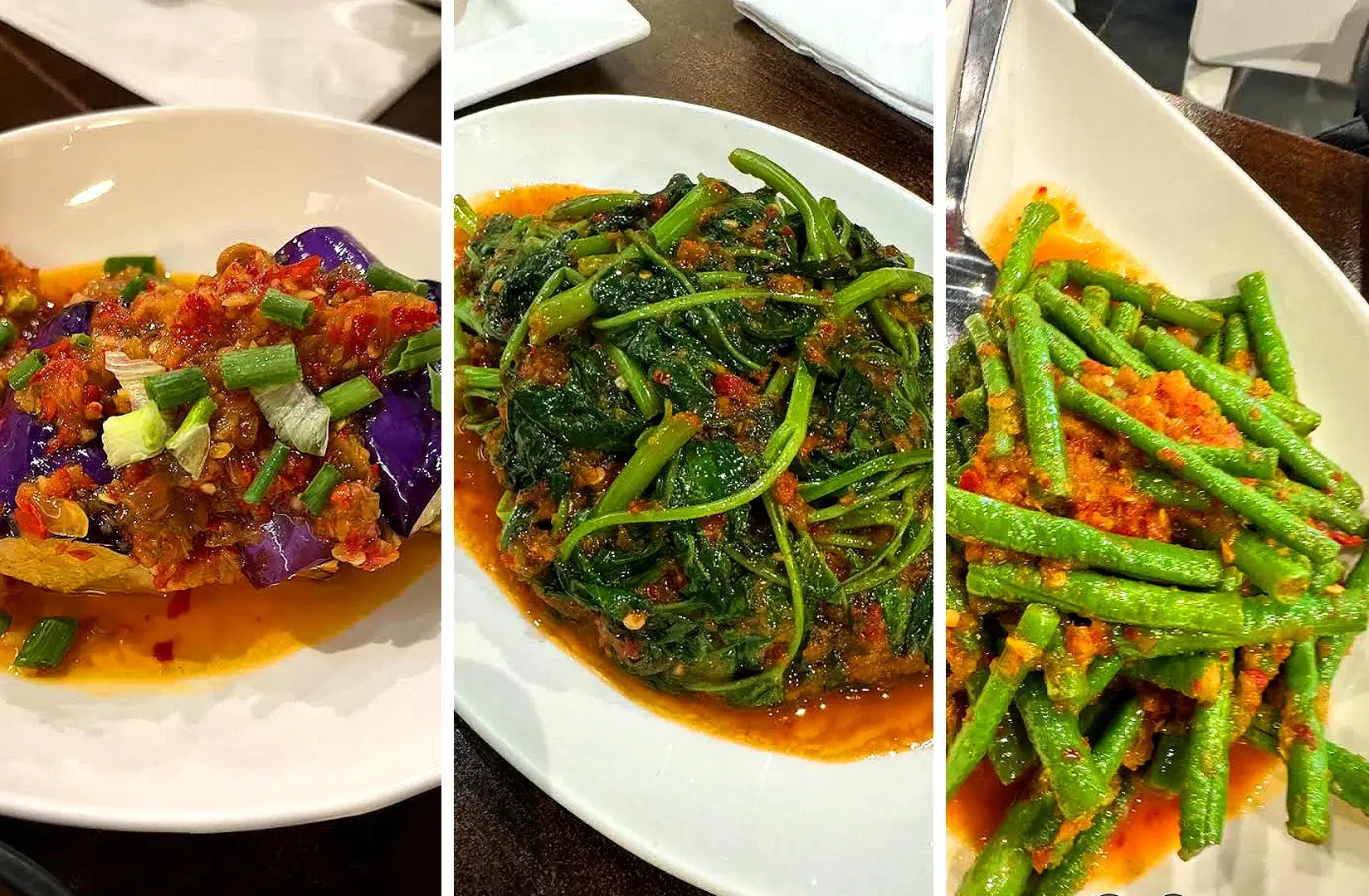
The belachan sat underneath the dish like a low, savoury pulse: salty, funky, garlicky, and just sharp enough to wake the table. It is a simple plate. That is exactly why it tells you so much. A kitchen that respects its kangkong usually respects everything else.
The Prawns for Bigger Tables
I also added the Udang Mentega, wok-fried prawns in Pagi Sore’s sugar-and-butter mix.
They were sweet, rich, and a little crisp at the edges, with that glossy butter coating that makes prawns feel more indulgent than necessary. Good, but after fish and rendang, it felt like one dish more than I needed.
The Rice Nobody Warned Me About
Then there was the rice. Fragrant, faintly blue-tinted, and wrapped in banana leaf, it carried a soft grassy scent that tied the whole table together. I was not expecting to remember rice, but I did.
Why It Matters
On a table filled with heavy sauces, rice is not background. It catches rendang oil, softens chilli, stretches gravy, and gives your palate somewhere to land. Pagi Sore understands this. The rice felt like part of the meal, not filler.
Service and Pacing
The service that evening was warm. Food came fast. Genuinely fast. Dish after dish arrived before I had fully settled into the last one, which can be both a blessing and a small problem if you like to eat slowly.
What to Expect
- Fast pacing, especially once the order is in
- Warm service when the room is calm
- Possible lunch crowds during CBD peak hours
- Reservation recommended for lunch or group meals
- Updates on Facebook, where the restaurant points customers for events and announcements
Price, Value, and Best Occasion
Pagi Sore Indonesian Restaurant Est 1989 is not a budget nasi padang counter, and it should not be judged like one. Expect around S$20–S$40 per person, depending on whether you order fish, prawns, beef, and several sharing plates. The value improves with a group because the signatures are built for the middle of the table.
For more casual alternatives, our guide to halal restaurants in Singapore compares Pagi Sore with other places serving rendang, sambal and rice-led Indonesian meals.
Before You Go to Far East Square
Pagi Sore is located at 88/90 Telok Ayer Street, Far East Square, Singapore 048470. The nearest MRT is Telok Ayer, Exit B, which drops you almost at the door. Its official dine-in hours are 11am to 3pm, with last order at 2pm, and 5:30pm to 9pm, with last order at 8pm. Monday is listed as lunch only, while Tuesday to Sunday runs lunch and dinner.
- Book ahead if you are coming for lunch.
- Come Tuesday to Thursday dinner for a calmer meal.
- Avoid cutting it close to last order, especially at dinner.
- Check if the restaurant is closed or running changed hours on holidays.
- Visit with a group if you want the signatures.
- Find the restaurant from Telok Ayer Exit B for easiest access.
For Fri lunches, I would be especially careful with timing. The CBD crowd can move fast, and a popular table at Far East Square does not stay empty for long.
Worth a Second Bite?
Yes, it is! Not because Pagi Sore dazzled me. It did not try to. I would go back because it cooked its own recipes with confidence, held onto them across generations, and served them without making a big performance of heritage.
Just come with the right expectations. The room is modest. The spice is fragrant rather than punishing. Some dishes are better shared than eaten alone. And if you want the wild heat of street-side Padang food from Indonesia, this is not quite that kitchen.
I understood why Pagi Sore has lasted. Some restaurants survive by changing everything. This one survives by knowing what to protect.

The Global Soup Bowl: How Indonesian Soto Shapes the Future of Asiatic Food Traditions
Dio Asahi | March 3, 2026
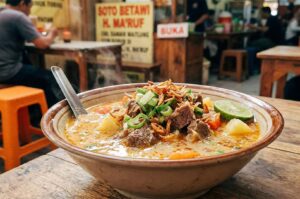
I still remember my first “real” bowl of Indonesian soto. Sitting on a low plastic stool in a cramped warung, I ordered Soto Betawi, expecting it to be like the clear Soto Ayam from Singaporean weddings. I was wrong. The rich, milky broth was intense, creamy, and boldly spiced. That first spoonful rewired my idea…
-
Shun: Japan’s Seasonal Treasures – A Deep Dive Into the Ingredients Behind True Omakase
Eat Drink Asia Team | February 28, 2026
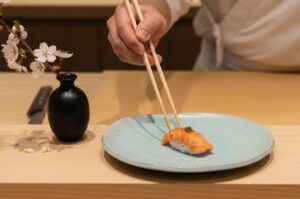
In the world of Asian food, few dining experiences capture the soul of traditional Japanese food culture like omakase. At a premier omakase restaurant, diners entrust their meal entirely to the chef, whose artistry is guided not just by mastery, but by shun—the appreciation of seasonal and fresh ingredients at the absolute peak of their…

My Trip to Bánh Mì Saigon and How It Compares to Best Food in Singapore
Eda Wong | February 26, 2026
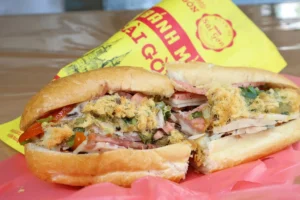
Located in the bustling neighborhood of Ang Mo Kio, Bánh Mì Saigon offers a taste of Vietnam right here in Singapore. From traditional bánh mì sandwiches to hearty pho bowls and refreshing Vietnamese iced coffee, this restaurant has it all. I arrived at Bánh Mì Saigon on a busy Saturday evening and was immediately drawn…
-
Tea Room by Ki-setsu: A Curated Journey Through Chinese Tea in the Heart of Singapore
Dio Asahi | February 25, 2026
Most people arrive at Chinese tea the way they arrive at any beverage: thirsty, curious, maybe looking for something sweet or soothing. But traditional chinese tea isn’t built like a single drink. It’s a network: leaf origin, processing choices, vessel physics, water, pacing, and the quiet social technology of sitting down long enough for a…
-
Tandoori Chicken: The Signature Indian Chicken Dish
Eda Wong | February 24, 2026
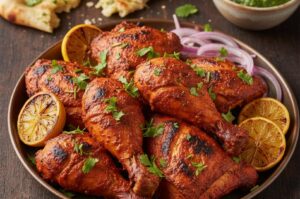
Tandoori chicken stands tall among the best Indian chicken recipes. With its vibrant hue and smoky aroma, this iconic Indian chicken dish is celebrated in Indian restaurants worldwide. Emerging from Punjab, it pairs perfectly with fragrant basmati rice or fresh naan and is a favorite for anyone who loves bold flavors. The hallmark of tandoori…
-
Chicken 65: A Fiery Indian Chicken Recipe You Must Try
Eat Drink Asia Team | February 21, 2026
We’ve spent months tracking the ‘shatter-rate’ of chicken across the South, and here’s the truth: most of what you find is a pale, food-colored imitation. The real Chicken 65 isn’t just spicy; it’s an atmospheric experience. It starts with the sharp, herbal snap of curry leaves hitting 180°C oil and ends with a deep, earthy…
-
Mastering the Art of Indian Dishes with Chicken
Eda Wong | February 19, 2026
The story of India’s culinary identity is deeply tied to its poultry dishes. I remember my first attempt at an Indian chicken recipe, failing to brown the onions properly left the dish hollow, missing its soul. The sound of mustard seeds popping in hot oil signals layers of flavor to come. The steam from the…
-
Crunch, Sweet, and Heat: The Irresistible Textures of Southeast Asian Snacks
Dio Asahi | February 17, 2026
In the humid, sticky heat of Southeast Asia, where your shirt clings to your back and the air is thick with the sharp scent of oxidising oil, there’s a particular clink that always gets me. It’s the sound of a metal spatula striking a wok, a rhythmic percussion that’s as familiar to me now as…
-
The Living Pantry: How Geography and Trade Shaped the Food in the Southeast Region
Eat Drink Asia Team | February 14, 2026
To understand the plate is to understand the map. If you were to trace the spice routes of the 15th century or follow the monsoon winds that carried merchant ships across the Indian Ocean, you would find yourself at the epicenter of the world’s most vibrant pantry. The food in the Southeast region of Asia…
-
A Symphony of Senses: Why Southeast Asian Food is the World’s Greatest Culinary Journey
Dio Asahi | February 12, 2026
If you were to stand at a busy intersection in Bangkok, Ho Chi Minh City, or Jakarta and close your eyes, your nose would tell you a story before your eyes ever could. There is a specific, intoxicating perfume that defines Southeast Asian food: the sharp tang of lime juice hitting a hot wok, the…