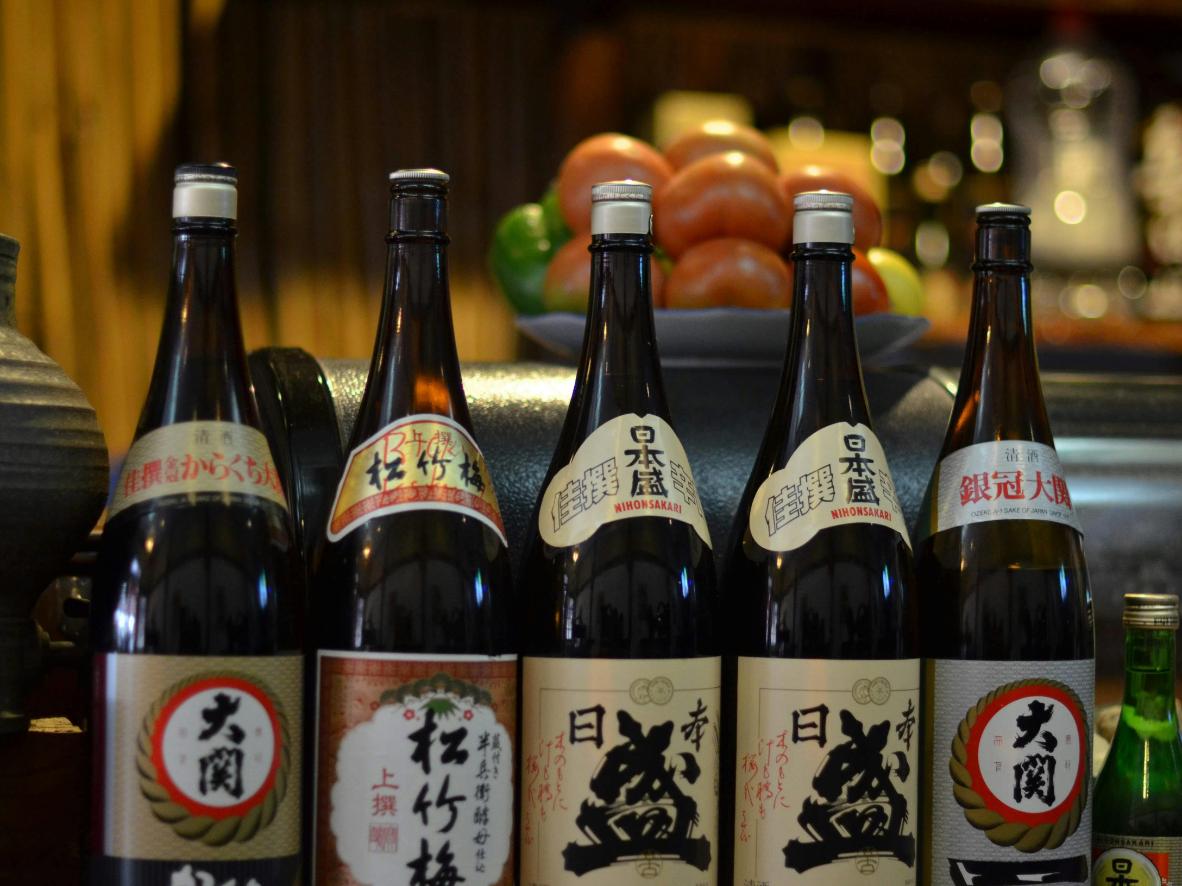
When exploring Japanese sake, many wonder about its grades and complex flavors. Sake’s unique profile offers remarkable versatility, enjoyed in various serving styles and paired with diverse dishes. One fundamental aspect is sake alcohol content. Is sake stronger than wine? How does its alcohol by volume (ABV) compare to beer? The answer is nuanced.
Understanding sake alcohol percent is key to appreciating this revered Japanese rice wine and selecting bottles suited to your palate. It influences aroma, texture, and the overall drinking experience. At Eat Drink Asia, we believe knowledge transforms a simple drink into a profound cultural experience.
This guide dives into sake alcohol content. As a popular alcoholic beverage in Japan, sake holds deep cultural significance. Among alcoholic beverages, sake stands out for its traditional brewing methods and unique flavor profile, setting it apart from beer, wine, and spirits. We’ll demystify the numbers, explain their relation to sake types, and help you choose like an expert.
What Is Sake Alcohol Content and Why Does It Matter?
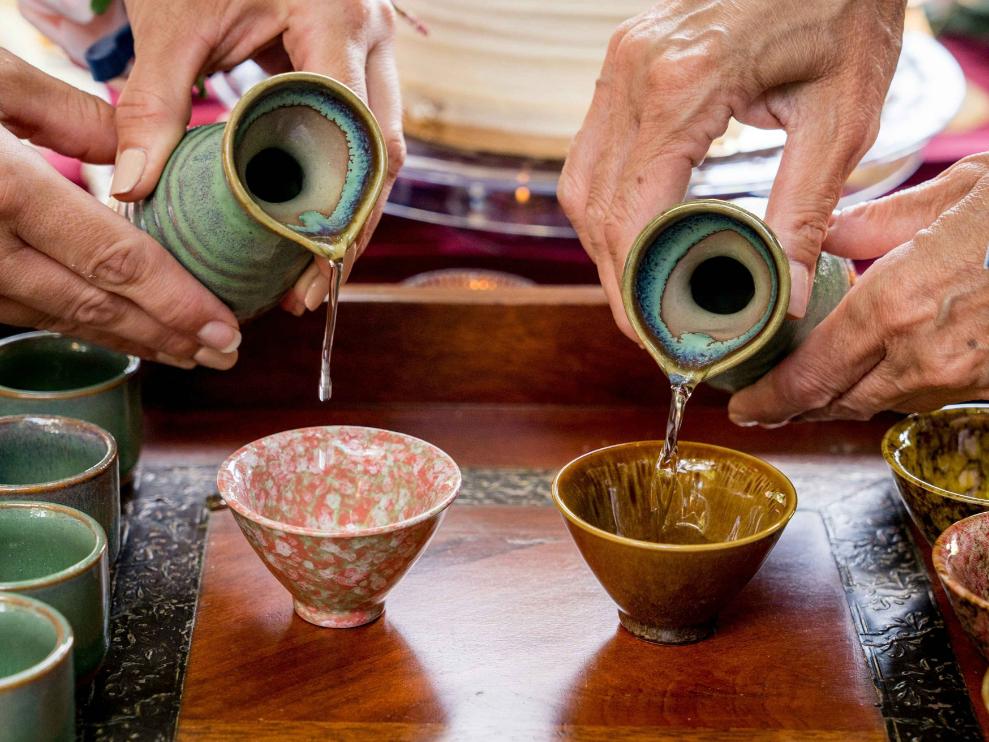
Sake alcohol content, expressed as ABV, measures ethanol volume in the beverage. Though technical, this number is vital. Knowing how much alcohol sake contains—usually around 15-17% ABV—affects its intensity and how quickly it impacts your Blood Alcohol Concentration (BAC). The alcohol content shapes the drink’s body, texture, aroma, and flavor perception.
Sake is a fermented alcoholic drink with a unique place in Japanese tradition. Higher ABV yields a richer, fuller body and warming sensation; lower ABV offers a lighter, crisper profile. Alcohol content also influences perceived tastes—fruity, floral, or herbal—making each drinking experience distinct. This helps you anticipate whether to choose a robust, complex sake for hearty meals or a light, easy-sipping option for a warm afternoon.
Decoding Sake Alcohol Percent: How Strong Is Sake?
A common misconception is that sake (nihonshu) is a harsh spirit. In reality, most premium sake resembles strong wine more than spirits like vodka or shochu. Freshly pressed, undiluted sake, called genshu, typically has 18-20% ABV—higher than most wines and beers. When abv ranging, sake generally falls between 15-20%, while wine ranges from 12-15% and beer from 4-7%, highlighting sake's position as stronger than wine and beer but milder than spirits.
This is high for a fermented beverage. Most wines range 12-15% ABV; beers, with their lower alcohol percentage, typically range from 4-7%. Though called rice wine, sake’s brewing process differs from grape wines, using powerful sake yeasts that thrive in higher alcohol environments.
Most shelf sake is diluted with pure water before bottling to lower ABV to a balanced 15-16%. This softens the alcoholic edge, refines texture, and harmonizes delicate flavors and aromas. Sake’s higher alcohol content distinguishes it from beer and most wines, yet it remains milder than spirits like vodka.
How Sake Alcohol Content Compares to Other Drinks
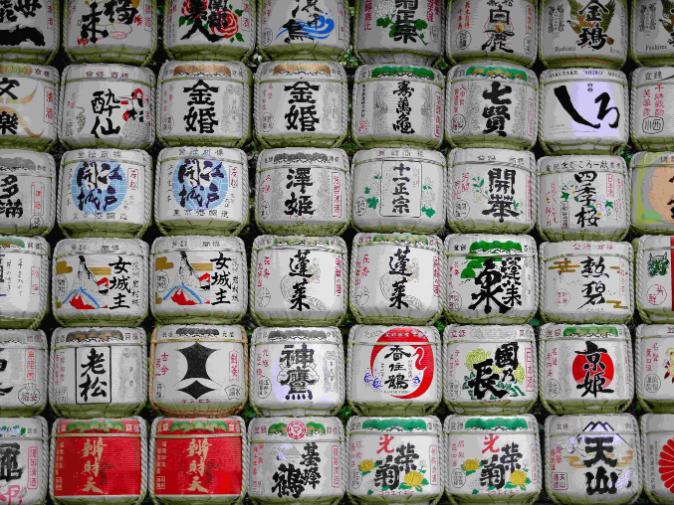
Sake stands out for its higher alcohol content compared to many beverages:
- Beer: 4-7% ABV; lower than sake, making sake significantly stronger.
- Wine: 12-15% ABV; most sake is slightly stronger.
- Spirits (Vodka, Whiskey, Shochu): 40% ABV or higher; sake is much less potent.
Sake occupies a unique middle ground, offering strength and complexity distinct from other alcoholic drinks.
Sake Alcohol Percentage Across Different Sake Types
Sake alcohol percent varies by classification and style. There are many types of sake, each with its own characteristics and alcohol content. While 15-16% is standard, brewers target strengths for specific profiles, such as dry sake with a crisp finish or sweet sake with higher residual sugar.
| Sake Category | Typical ABV (%) | Key Characteristics |
|---|---|---|
| Genshu (Undiluted) | 18-20 | High alcohol sake, rich, bold, full-bodied, most intense flavor profile. Genshu is undiluted, resulting in a higher alcohol content and deeper taste. |
| Junmai, Ginjo, Daiginjo | 15-17 | Common range; high-grade sake often served chilled to preserve delicate flavors. Well-balanced and aromatic. |
| Honjozo | 15-16 | Slightly lighter body due to added brewer’s alcohol. |
| Nigori (Cloudy) | 12-17 | Varies widely; often sweet with creamy texture and rich mouthfeel. |
| Low-Alcohol Sake | 5-12 | Light, often sweet or sparkling; easy-drinking and refreshing. |
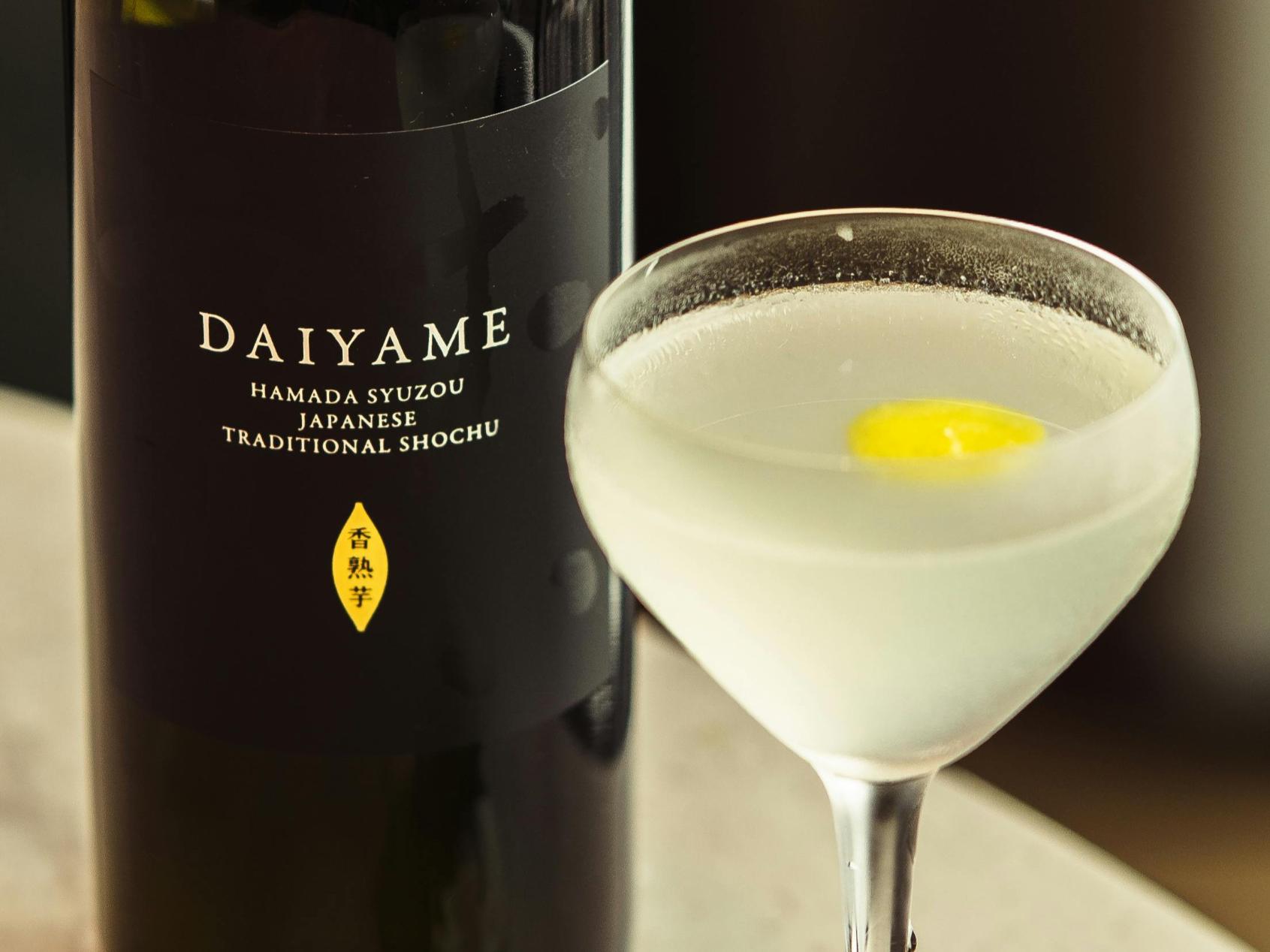
Each of these types of sake offers distinct flavor profiles, ranging from light and crisp to rich and fruity, allowing diners to explore a wide spectrum of tastes.
Sake classification depends on rice polishing ratio—the amount of rice grain milled away. The polishing process is crucial, as removing more of the outer layers leads to higher quality and more refined sake, influencing alcohol content and flavor complexity. The degree of polishing directly impacts the resulting sake, affecting its aroma, taste, and overall quality.
For more details, explore our complete guide to Japanese sake.
Factors That Influence Sake Alcohol Content
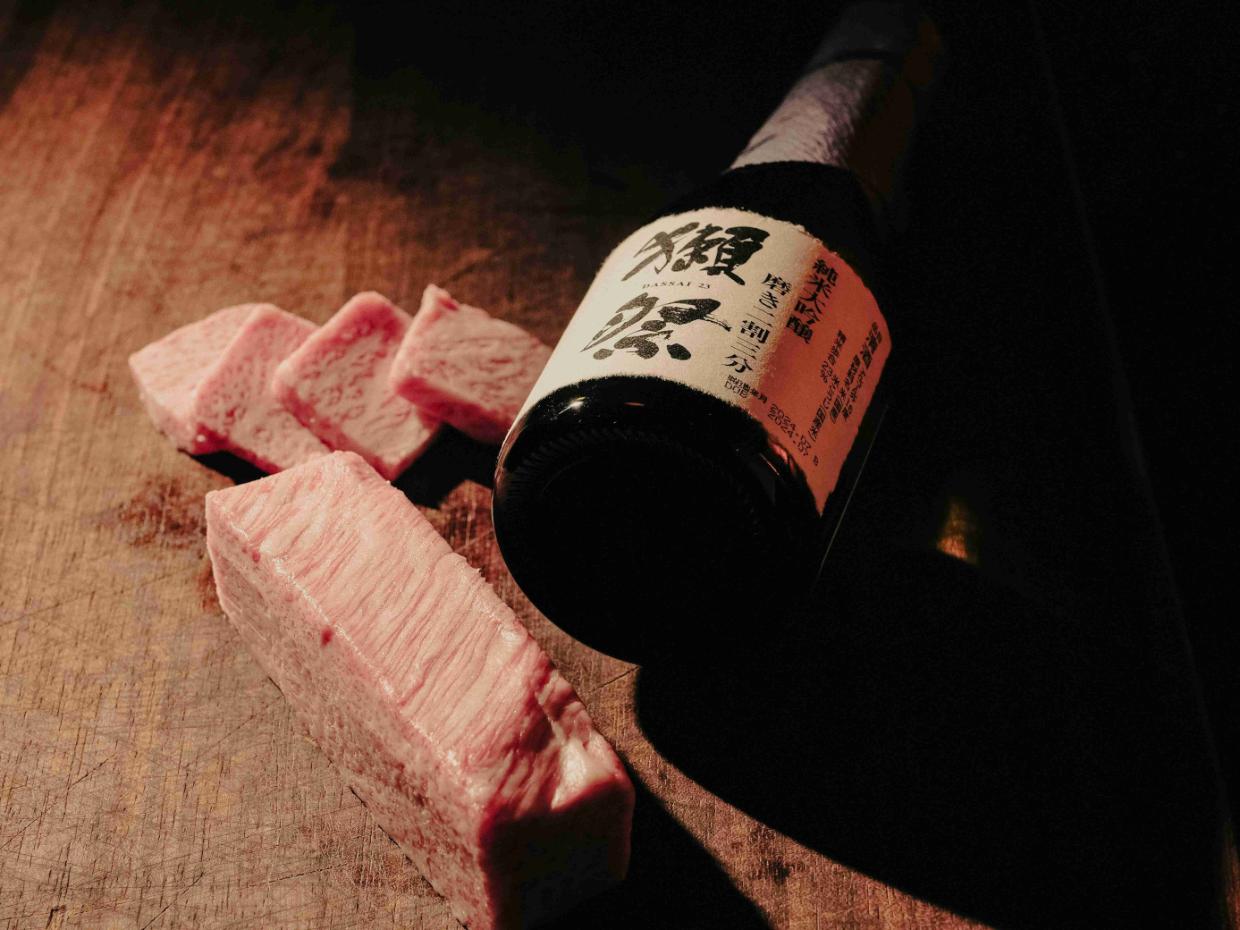
The final ABV results from master brewer (toji) decisions. Production methods at sake breweries shape alcohol content, with unique techniques and traditions. The production process involves multiple steps, including rice polishing, steaming, kōji preparation, and careful fermentation management, all of which influence the final sake. Key factors during and after brewing—such as fermenting rice, using steamed rice, and converting it into fermented rice—determine strength.
Temperature control during fermentation ensures optimal alcohol production and flavor profile. The fermentation process converts rice starch into sugars and then alcohol, with kōji and yeast playing essential roles in flavor development and alcohol content. Some sake types receive added distilled alcohol to enhance yield or flavor, though many premium sake brewers avoid or minimize this.
Rice grains’ choice and polishing are critical. More rice and removing outer layers through polishing result in refined sake; degree of polishing affects quality, flavor, and cost. Water quality and quantity before fermentation also impact the final product. Many producers contribute to the diversity of sake styles by optimizing their methods and ingredients. Skilled sake brewers oversee all steps to craft distinctive sake varieties, reflecting the craftsmanship and tradition of sake production.
The Brewing Process: Multiple Parallel Fermentation
Sake's high alcohol level comes from multiple parallel fermentation, a hallmark of true and traditional sake brewing. Unlike wine, where sugar is present in grapes, sake starts with starch in rice.
In one tank, koji-kin mold converts rice starch into sugar while yeast simultaneously ferments sugar into alcohol. This efficient process allows yeast to produce alcohol levels unattainable in most fermented drinks.
Water Dilution (Warimizu)
Most sake is diluted with water after fermentation—a crucial step for balance. In traditional serving customs, water prior to serving is sometimes used to further enhance the sake's flavor and aroma, especially when warming sake in small cups like sakazuki. Undiluted genshu sake’s high alcohol can overpower subtle flavors. Adding pure water lowers ABV to about 15-16%, crafting a smoother, elegant beverage. Regulations set maximum alcohol content to maintain classification and quality.
Fortification with Brewer’s Alcohol
Some sake types like honjozo and non-junmai ginjo/daiginjo receive small amounts of neutral distilled alcohol post-fermentation. This extracts aromatic and flavorful compounds from rice solids, producing lighter, more fragrant sake. Japan’s liquor tax law limits added alcohol, affecting classification and taxation. The Liquor Tax Act sets an upper limit on the amount of distilled alcohol that can be added to sake, which is especially relevant for inexpensive sake classified as futsū-shu. This fortification usually keeps final ABV within the 15-16% range after dilution.
How to Read a Sake Label for Alcohol Content
Sake alcohol content is usually clearly displayed on labels. Japanese law requires listing the alcohol percentage.
Look for アルコール分 (arukōru-bun) meaning “alcohol content,” followed by a number and 度 (do) or %. For example, 15度 or 15% indicates 15% ABV. Export labels often show “Alc. by Vol.” or “ABV.”
Labels also display the sake meter or sake meter value (nihonshudo), ranging from -15 (very sweet) to +15 (very dry), indicating sweetness or dryness. Traditional serving sizes like ichi go (180 ml) and ni go (360 ml) reflect customary drinking volumes.
At sake tasting events or brewery tours, guides explain label details, enhancing appreciation of sake nuances.
Choosing Sake Based on Alcohol Preference
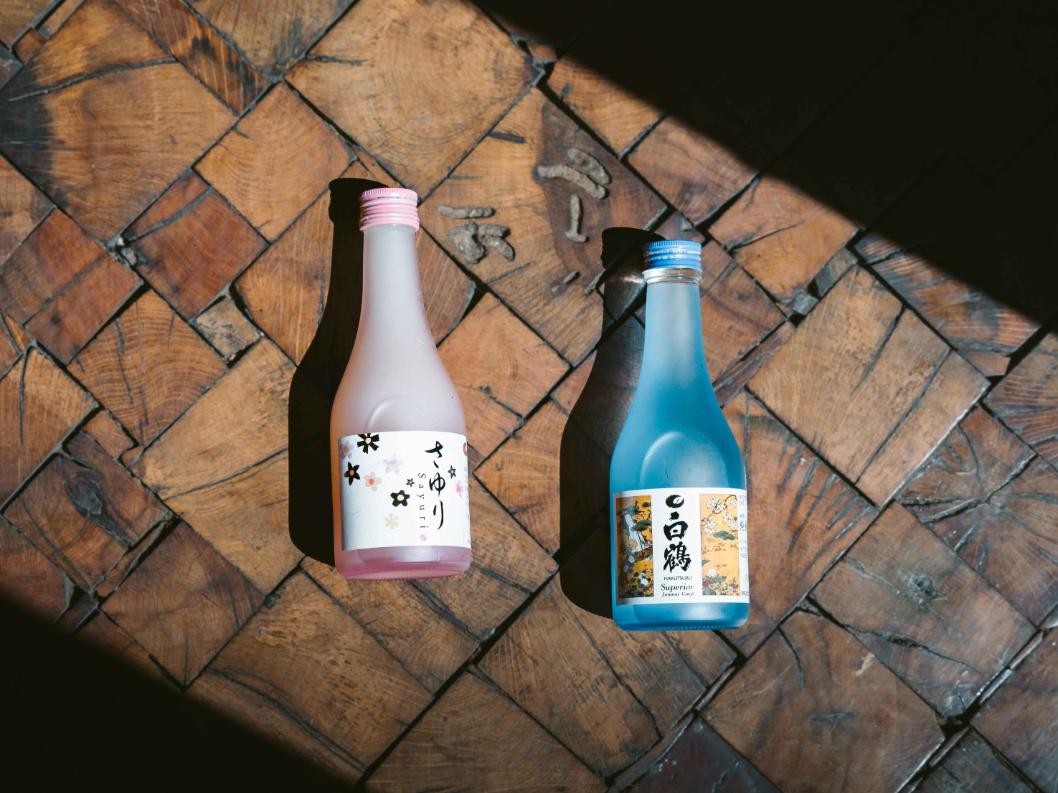
Personal alcohol preference guides sake selection, but choosing the best sake for your meal can elevate the entire dining experience. People drink sake at home, restaurants, or specialty sake bars.
- Light, Refreshing: ABV 13% or lower; often labeled “low-alcohol,” sometimes sparkling. Sparkling sake, like sparkling wine, is effervescent and approachable, ideal as aperitif or with light dishes.
- Classic, All-Rounder: ABV 15-16%; industry standard for balanced flavor, aroma, and body. Versatile for food pairing. Most Junmai, Ginjo, and Daiginjo sakes fall here. Local sake from various regions offers unique profiles.
- Bold, Rich, Flavorful: Genshu (undiluted) sake with 18-20% ABV; robust, full-bodied, perfect for sipping or pairing with rich dishes like grilled meats or stews. Served as hot sake (atsukan) traditionally in winter, poured into small cups like choko or sakazuki. Some premium sake are aged for longer periods, developing complex flavors.
Drinking sake can be a social or sensory experience, whether enjoyed chilled, at room temperature, or as hot sake in colder months. Pairing sake with different dishes brings out unique flavors, enhancing both the sake and the cuisine.
Health, Responsibility, and Savoring the Experience
With sake’s higher average alcohol percent than wine or beer, mindful drinking is key. Premium sake’s smoothness can mask strength, leading to overconsumption.
Be aware of ABV, savor slowly to appreciate aromas and flavors. Pair with food, as in Japanese tradition, to moderate intake and enhance enjoyment. Sake is central to Japanese culture, enjoyed in rituals and social gatherings. Drinking water between servings aids hydration and palate cleansing.
The Intersection of Alcohol, Flavor, and Culture
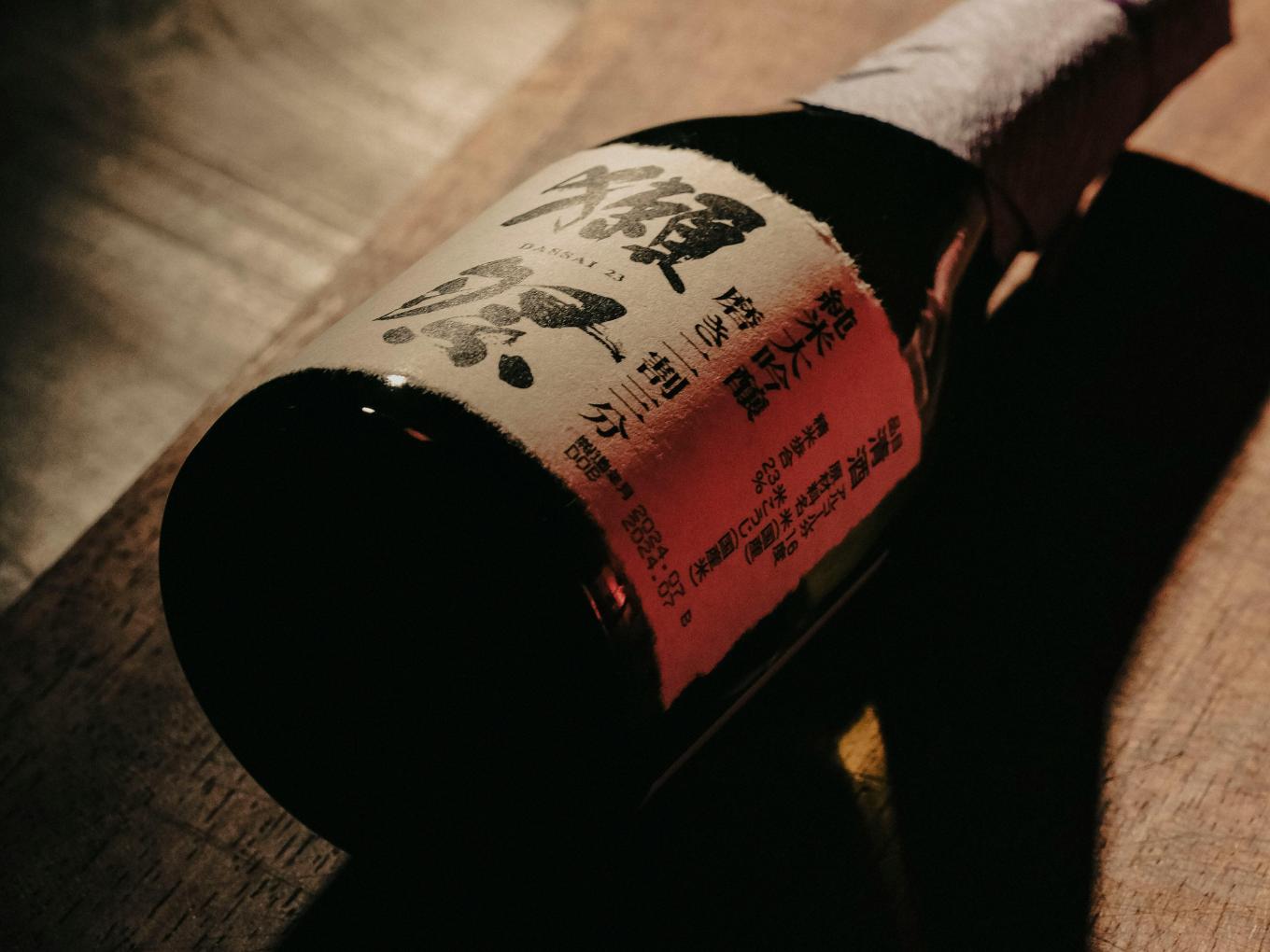
Sake alcohol content is more than a number; it defines sake’s identity. It shapes taste, aroma, and sensation. From low-alcohol sparkling sake’s lightness to potent genshu with the highest alcohol content, ABV is a brewer’s tool for crafting sensory journeys.
Understanding sake alcohol percent unlocks deeper appreciation for this ancient beverage. Beyond brand choice, select sake by style, body, and experience. Next time you browse, check the label—this number holds the key to a world of flavor. The evolution of sake production reflects centuries of innovation and craftsmanship, shaping the diverse offerings available today. When choosing, look for true sake—authentic sake made only from rice, water, and koji mold—to experience the genuine tradition of Japanese brewing.
For those eager to explore more about sake and other Asian culinary delights, click here: https://eatdrinkasia.com/. Eat Drink Asia offers comprehensive guides, expert insights, and curated recommendations to deepen your journey into the vibrant world of Japanese culture and cuisine. Dive in and discover your next favorite sake with us!

Asian Food Comfort Trends: Why Broths and Bowls are Dominating Globally
Eda Wong | March 14, 2026
I still remember the first time I faced a “build-your-own” Mala Xiang Guo counter. I stood there, plastic tongs in hand, completely paralyzed by the mountain of choices. Lotus root? Kelp knots? three different types of tofu skin? My anxiety spiked. I panicked, grabbed way too much luncheon meat, and ended up with a $28…
-
The Fifth Element: A Masterclass on Umami in East Asian Cuisine
Dio Asahi | March 12, 2026
I’ll never forget the first time I made miso soup from scratch. Not the instant kind, but the “proper” way. I boiled water, dissolved miso paste, added tofu, and waited. It tasted flat, salty and cloudy but missing the deep, satisfying flavor I loved in Japanese restaurants. I thought maybe I needed better miso. Years…
-
Why My Quest Ended at Yummy Western (409 AMK)
Dio Asahi | March 10, 2026
There’s a specific magic to a late-night supper hunt in Singapore. It’s the ritual of chasing a craving through the humidity to find that one stall that hits the spot. For me, that meant a pilgrimage to Ang Mo Kio Avenue 10. I arrived at 10 PM on a Friday, just as the ‘supper soul’…
-
A Taste of Time: My Dinner at Guan Hoe Soon
Eda Wong | March 7, 2026
There’s something special about visiting a place that has seen decades of Singapore’s history unfold. Guan Hoe Soon, tucked away on Joo Chiat Road, holds the title of Singapore’s oldest Nyonya restaurant, and you can feel that heritage the moment you step inside. I’d heard about it for years, a place where recipes aren’t just…
-
The 5 Best Halal Restaurant in Singapore for Authentic Nasi Padang
Eda Wong | March 5, 2026
There are few meals as satisfying as Nasi Padang, a colourful feast where you choose from a variety of dishes to create your perfect plate. Over the years, I’ve explored Singapore’s Nasi Padang scene, especially in Kampong Glam, sampling everything from humble hawker stalls to renowned spots. This list highlights the five best halal Nasi…
-
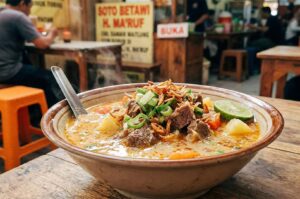
The Global Soup Bowl: How Indonesian Soto Shapes the Future of Asiatic Food Traditions
Dio Asahi | March 3, 2026
I still remember my first “real” bowl of Indonesian soto. Sitting on a low plastic stool in a cramped warung, I ordered Soto Betawi, expecting it to be like the clear Soto Ayam from Singaporean weddings. I was wrong. The rich, milky broth was intense, creamy, and boldly spiced. That first spoonful rewired my idea…
-
Shun: Japan’s Seasonal Treasures – A Deep Dive Into the Ingredients Behind True Omakase
Eat Drink Asia Team | February 28, 2026
In the world of Asian food, few dining experiences capture the soul of traditional Japanese food culture like omakase. At a premier omakase restaurant, diners entrust their meal entirely to the chef, whose artistry is guided not just by mastery, but by shun—the appreciation of seasonal and fresh ingredients at the absolute peak of their…
-
My Trip to Bánh Mì Saigon and How It Compares to Best Food in Singapore
Eda Wong | February 26, 2026
Located in the bustling neighborhood of Ang Mo Kio, Bánh Mì Saigon offers a taste of Vietnam right here in Singapore. From traditional bánh mì sandwiches to hearty pho bowls and refreshing Vietnamese iced coffee, this restaurant has it all. I arrived at Bánh Mì Saigon on a busy Saturday evening and was immediately drawn…
-
Tea Room by Ki-setsu: A Curated Journey Through Chinese Tea in the Heart of Singapore
Dio Asahi | February 25, 2026
Most people arrive at Chinese tea the way they arrive at any beverage: thirsty, curious, maybe looking for something sweet or soothing. But traditional chinese tea isn’t built like a single drink. It’s a network: leaf origin, processing choices, vessel physics, water, pacing, and the quiet social technology of sitting down long enough for a…
-
Tandoori Chicken: The Signature Indian Chicken Dish
Eda Wong | February 24, 2026
Tandoori chicken stands tall among the best Indian chicken recipes. With its vibrant hue and smoky aroma, this iconic Indian chicken dish is celebrated in Indian restaurants worldwide. Emerging from Punjab, it pairs perfectly with fragrant basmati rice or fresh naan and is a favorite for anyone who loves bold flavors. The hallmark of tandoori…