By Eda Wong for Eat Drink Asia.
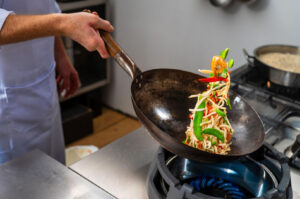
The wok station is already hot when the cook lowers the flame. In the narrow back of a Singapore zi char kitchen, the air smells of butter, curry leaves, and the faint mineral edge of salted duck egg. A metal spatula presses cooked yolks through oil until they loosen into a grainy paste. Then comes the sound I wait for: a soft foaming hiss, not a sizzle, as the yolk meets fat and begins to bloom. The sauce turns the colour of marigold dust. It looks rich before it tastes rich, clinging to the curve of the wok in slow, glossy streaks.
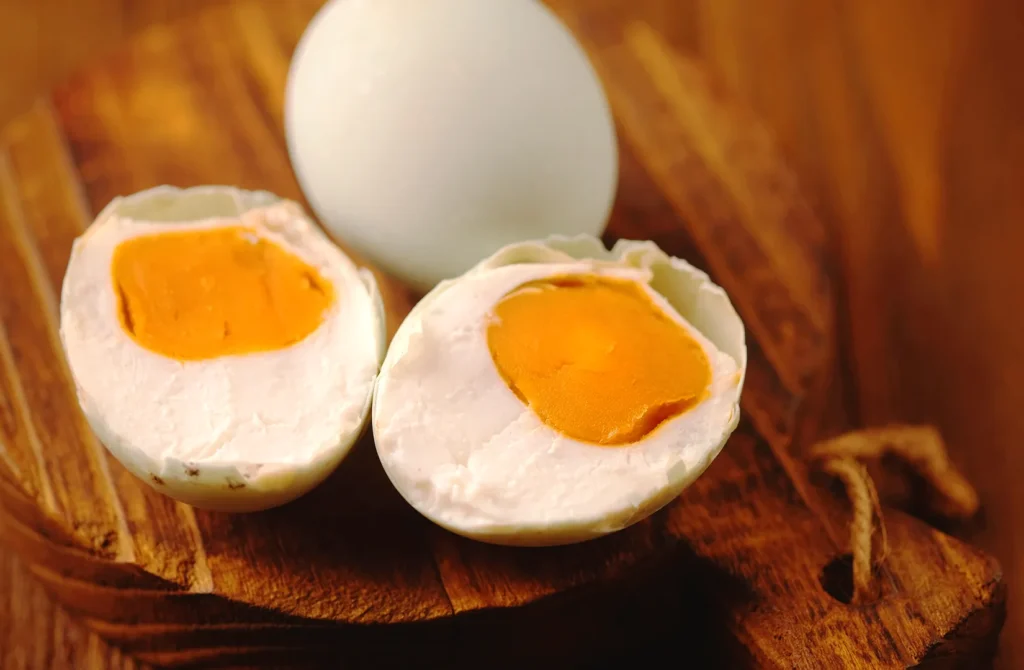
Salted egg, or 咸蛋, often said as haam daan in Cantonese, is usually a duck egg cured in salt until the white becomes sharp and the yolk turns dense, oily, and almost sandy; a quiet reminder that, in East Asian cusine, umami is its own kind of masterclass. In many kitchens, the yolk is the part that matters most for sauce. It is cooked, mashed, and coaxed into butter or oil with aromatics such as curry leaves and chilli, and sometimes a little milk to soften its edges. Properly handled, it becomes an emulsion: not just melted fat, not just crumbled yolk, but a sauce that holds together. The heat must stay low enough to keep it from splitting, yet high enough to wake the yolk’s deep savoury aroma. When it works, the texture is plush but not heavy, salty but not blunt.
At the table, salted egg sauce carries a particular kind of appetite. It belongs easily to shared plates, to family meals where someone reaches first for the prawn, someone else for the tofu, and the last streaks of sauce are dragged across rice without ceremony. It signals generosity, but also judgement. Too much sauce can bury the ingredient underneath; too little makes the plate feel unfinished. I have watched people pause before taking the final piece, measuring politeness against desire. That small hesitation is part of the meal. Salted egg is not quiet in flavour, but it still asks for balance: the bitterness of curry leaf, the heat of chilli, the sweetness of shellfish or pumpkin, the plainness of rice.
What feels worth recognising now is how easily salted egg has become shorthand for indulgence. It appears as powder, coating, drizzle, dust; a flavour that can be applied quickly to anything crisp. There is pleasure in that too, but it can flatten the ingredient into a trend instead of a technique. The older craft is slower and more fragile. It depends on mashed yolks, controlled heat, and the cook’s eye for the moment when the sauce stops looking broken and starts looking alive. A good salted egg sauce does not shout through excess. It holds richness in place.
By the time the plate reaches the table, the sauce has settled into every ridge and corner. It leaves a warm, salted trace on the fingers and a faint curry-leaf perfume in the air. I think of it less as luxury than care: an ordinary egg, preserved, broken down, and brought back together with patience.

The Quiet Pull of Lahpet in Myanmar’s Tea Leaf Salad
Dio Asahi | June 10, 2026
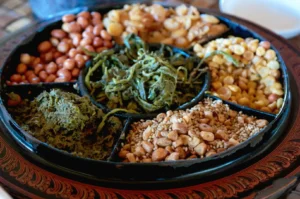
The afternoon humidity presses against the open-air teahouse in downtown Yangon, where the sharp clatter of a silver spoon against ceramic cuts through the low hum of conversation. A small plate sits in the centre of a low plastic table, holding a dense, dark green cluster that smells faintly of damp earth and sharp lime….
-
Dining at Suntec: The Restaurants That Feel Like Different Cities in One Mall
Eda Wong | June 9, 2026
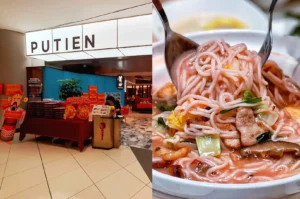
Over the past six months, I’ve navigated the sprawling, sometimes disorientating corridors of Suntec City more times than I can count. What started as a simple quest to find decent spots for post-meeting lunches quickly turned into a genuine culinary journey. I have tried over a dozen venues within this massive complex, and I’ve found…
-
PappaRich SG and the Comfort of Malaysian Staple Food: A Restaurant Review in Familiar Flavours
Dio Asahi | June 6, 2026
There is a very specific kind of exhaustion that hits you right before a flight or just after you land. You are dragging your suitcase, staring blankly at the departure boards, and suddenly, you realize you are starving. But you don’t want just any food. You want something warm, familiar, and deeply comforting. I felt…
-
Sri Lanka’s Ambul Thiyal and the Sourness of Goraka
Eda Wong | June 5, 2026
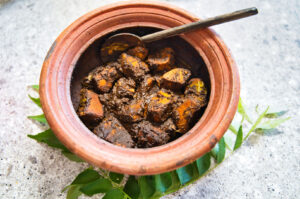
In the open-air kitchen of a coastal home in southern Sri Lanka, a low fire crackles under a wide, unglazed clay pot. The air is thick with the scent of roasted black pepper and something deeply, aggressively tart. A wooden spoon scrapes the bottom of the pot, turning cubes of firm yellowfin tuna until they…
-
Traditional Malaysian Foods Aren’t a Museum: They’re a Living Argument at the Table
Eda Wong | June 4, 2026
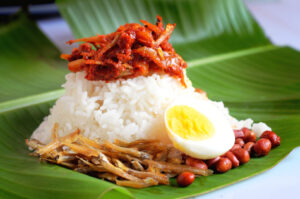
When I first really started digging into traditional Malaysian food, I made a classic rookie mistake. I was sitting at a crowded kopitiam in Kuala Lumpur, looking at a plate of nasi lemak, and I thought I understood exactly what it was supposed to be. I thought it was a fixed, rigid recipe, a museum…
-
In Gifu, Hoba Miso Warms Slowly Over Magnolia Leaves
Dio Asahi | June 3, 2026
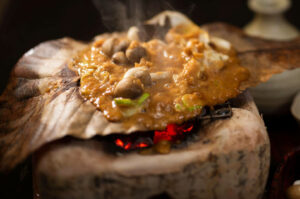
Frost clings to the wooden window frames in the highlands of Gifu. Inside, the air is thick with the scent of woodsmoke and fermented soybeans. On the table, a small ceramic charcoal grill known as a shichirin radiates a gentle, localized heat. Resting directly above the glowing embers is a large, brittle brown leaf holding…
-
The Stir Fried Egg Plant That Taught Me Restraint at Si Chuan Dou Hua Restaurant
Eat Drink Asia Team | June 2, 2026
I’ve always had a love-hate relationship with Sichuan food. Usually, you walk into a spot, order your food, and spend the rest of the night sweating through your shirt, chugging ice water, and wondering why you did this to yourself. But when I visited Si Chuan Dou Hua Restaurant on a Tuesday around 7 pm,…
-
What the Wok Is Really Doing to the Vegetable: The Question Behind Every ‘Brinjal Recipe Chinese Style’
Dio Asahi | May 30, 2026
When I first tried cooking brinjal at home, I was completely convinced that all I needed was a hot pan, some oil, and a good recipe. I chopped the vibrant purple vegetable, threw it into a standard frying pan with a generous pour of oil, and waited for the magic to happen. Instead of the…
-
The Clay Pot Rice Crust That Hong Kong Cooks Wait For
Eda Wong | May 29, 2026
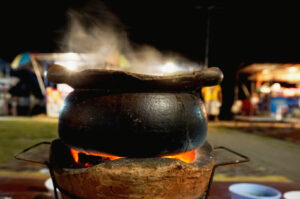
The December wind cuts sharply through the narrow alleys of Temple Street, but the ambient heat from the glowing charcoal stoves pushes the chill away. A cook stands before a long row of blackened clay pots, working with a rhythmic, almost meditative focus. Plumes of white steam rise into the night air, carrying the heavy,…
-
The Velvet Logic Behind a Chinese Eggplant Recipe: When ‘Eggplant Recipes Asian’ Means Silk
Eda Wong | May 28, 2026
I vividly remember standing over my stove a few years ago, staring into a wok full of what can only be described as a greasy, grey disaster. When I first tried this dish at home, I assumed that tossing chopped eggplant into a hot pan with a generous glug of cooking oil would naturally yield…