In the vibrant world of Korean food, beyond the fiery spice of gochujang and the savoury comfort of bulgogi, lies a gentler, more subtle delight. Meet traditional Korean sikhye (식혜), a beloved Korean sweet rice punch that holds a special place in the nation’s heart. With its cloudy, amber hue and delicate sweetness, this drink is a cornerstone of Korean culinary heritage.
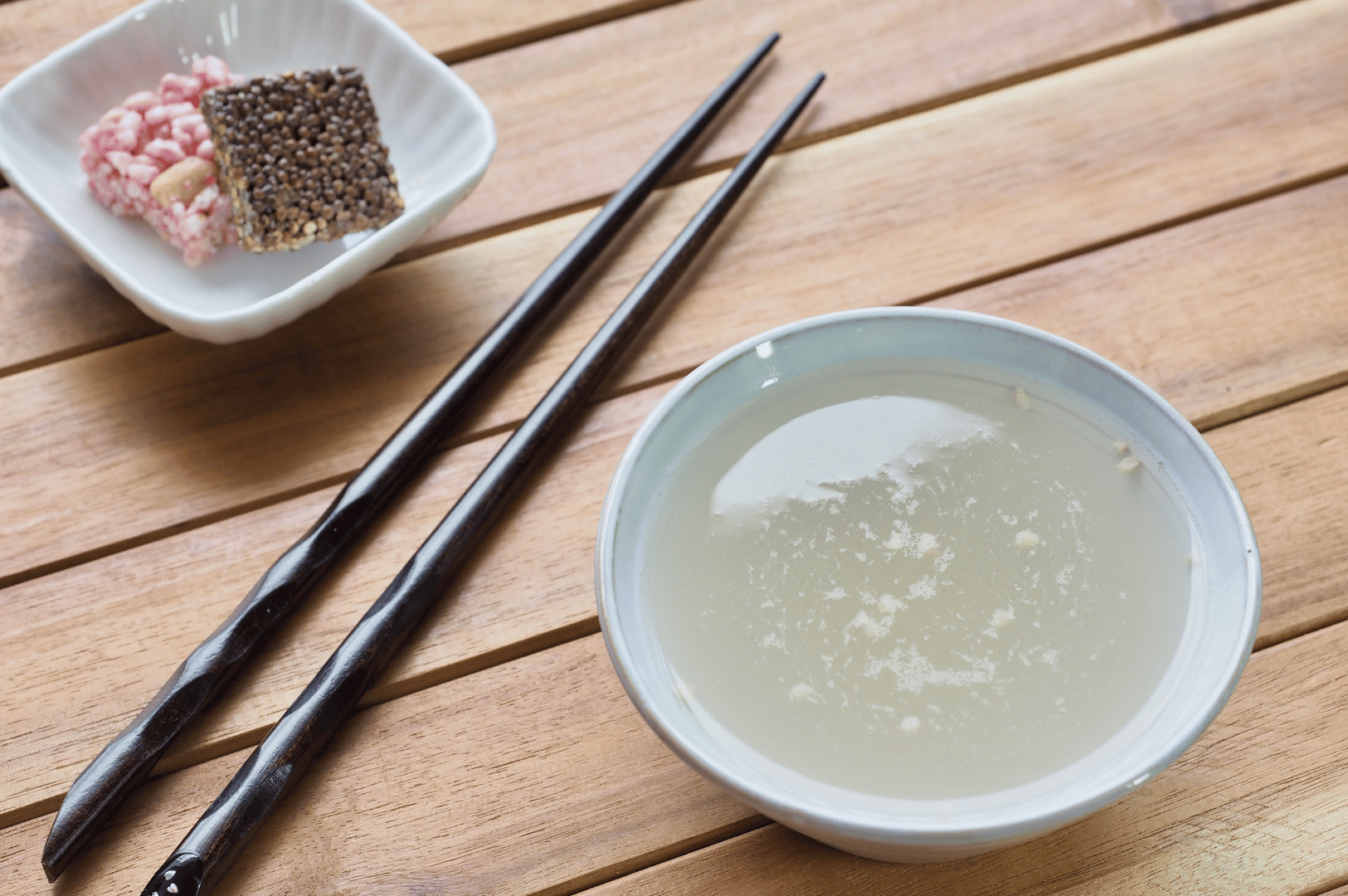
You’ll find it served in a small bowl, often as a sweet conclusion to a meal or as a refreshing pause in the day. Characterised by soft grains of Korean rice floating gently within, this beverage offers a unique taste of history, tradition, and the art of fermentation.
Traditional sikhye is typically made with short-grain white rice for its authentic flavor and texture; while brown rice can be used, it produces a different taste and consistency. It’s a true celebration of flavours and a must-try for anyone exploring Korean recipes.
A Sip of History: The Story of Sikhye
The origins of sikhye are woven deep into Korea's agricultural past. While its exact beginnings are ancient, the drink as we know it gained prominence during the Joseon Dynasty. It was a drink for royalty and commoners alike, cherished for its pleasant flavour and digestive qualities.
Before refined sugar became common, Koreans mastered creating sweetness from grains. This fermented rice beverage was a testament to that ingenuity, using the natural power of barley malt to transform humble sweet rice.
Sikhye became particularly essential during major Korean holidays like Seollal (Lunar New Year) and Chuseok (Harvest Festival). After large, indulgent feasts, a bowl of this Korean sweet rice drink was served to aid digestion, a tradition that continues to this day. Its role in these celebrations cemented sikhye as a drink of wellness, community, and festive cheer.
The Magic of Malt: How Traditional Sikhye is Made
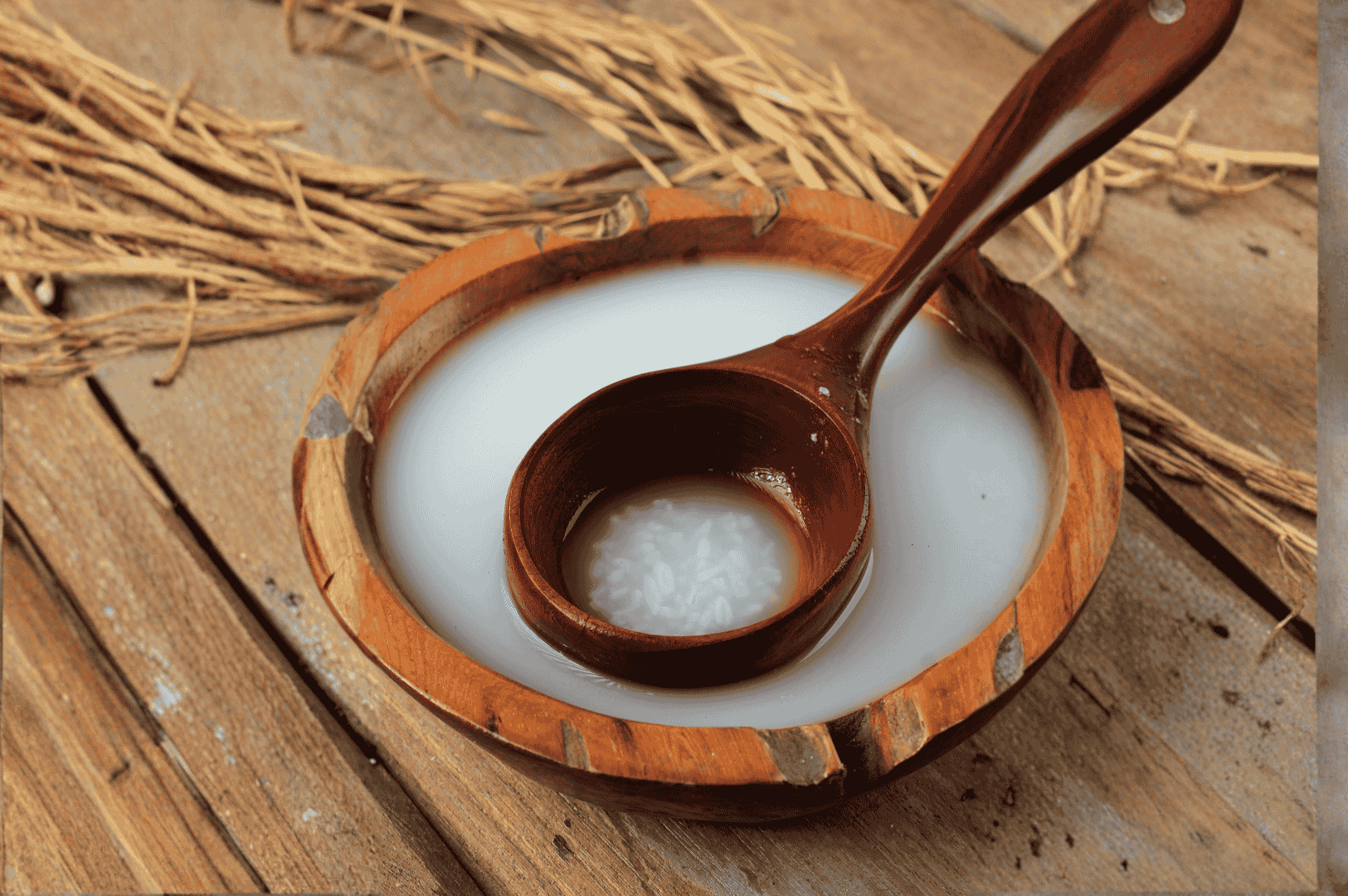
Crafting authentic sikhye is a lesson in patience and food science. The process relies on the natural enzymes in malted barley to convert the starch in cooked rice into sugar. The primary ingredient is malted barley flour, often sold as coarse malted barley. The traditional method unfolds in careful steps.
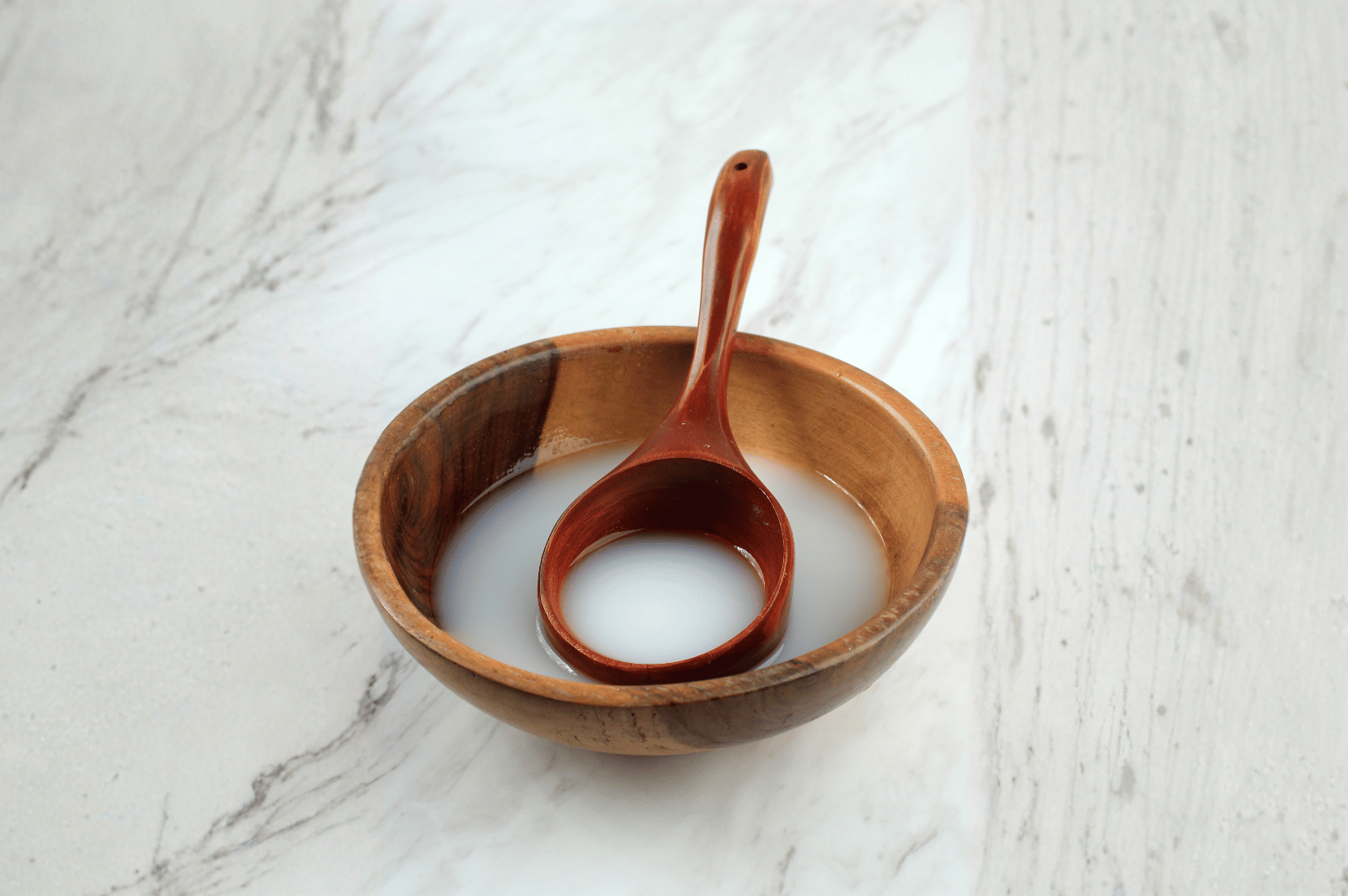
First, the barley malt is mixed with warm water in a large bowl to create a milky liquid. This is the malt water. It’s crucial to let the malt water sit so any sediment can settle. The clear malt liquid is then gently poured off, leaving the dregs behind. This strained malt water is the key to the whole process.
Next, this precious liquid is combined with freshly steamed rice—typically cooked short grain rice—in a large pot. For sikhye, cooking rice with less water is important to achieve a drier, non-sticky texture; use a slightly reduced water ratio when cooking short grain rice to ensure the grains remain separate and ideal for this recipe.
The mixture is kept at a constant warm temperature, often using a rice cooker on its ‘keep warm’ setting. At this temperature, the enzymes in the malt barley water begin their work. Over several hours, they break down the starches in the rice, creating a natural, clean sweetness.
The sign of success is seeing rice grains floating to the surface. Once there is significant rice float, the process is nearly complete. Finally, the liquid is boiled briefly, often with a little sugar for more flavor, to stop the enzymatic reaction. After cooling, it is ready to be served.
A Drink for All Seasons
Sikhye is a wonderfully versatile drink, enjoyed year-round with adaptations that suit each season.
Spring's Gentle Welcome
As cherry blossoms blanket the country, sikhye offers a light, refreshing counterpoint. Its clean, sweet taste feels like a perfect pairing for spring picnics, complementing the delicate flavours of the season's fresh vegetables and heralding the end of winter.
Summer's Ultimate Cooler
In the sweltering Korean summer, nothing beats an ice-cold bowl of sikhye. It's the quintessential drink at jjimjilbangs (Korean bathhouses), providing instant, hydrating relief after a hot sauna. Many enjoy it as a sikhye slush, a partially frozen treat that is incredibly refreshing. As a Korean sweet rice punch, it's a far more wholesome choice than sugary sodas.
Autumn's Harvest Bounty
Fall brings Chuseok, the harvest festival. Sikhye made with the season's new rice crop is an essential part of the celebration, symbolising gratitude and abundance. It’s the perfect digestif after a large holiday meal, allowing families to relax and savour their time together.
Winter's Warm Embrace
While often served cold, sikhye can also be enjoyed warm during the cold winter months, especially around Korean holidays. Some variations include a few ginger slices or a hint of cinnamon, transforming it into a comforting, spiced beverage that warms you from the inside out.
Regional Twists and Variations
Like many Korean recipes, sikhye has fascinating regional differences. The most famous is Andong Sikhye, which is a startling departure from the sweet version. It’s a savoury, spicy, and tangy concoction with a reddish hue from red chilli powder, often containing radish and ginger slices.
You might also find hobak-sikhye (pumpkin sikhye), where sweet pumpkin is added for a vibrant colour and earthy sweetness. In some areas, dried jujube is added to the drink for a decorative touch and subtle fruity note. These local variations are often found at traditional korean markets.
The Healthful Qualities of Sikhye
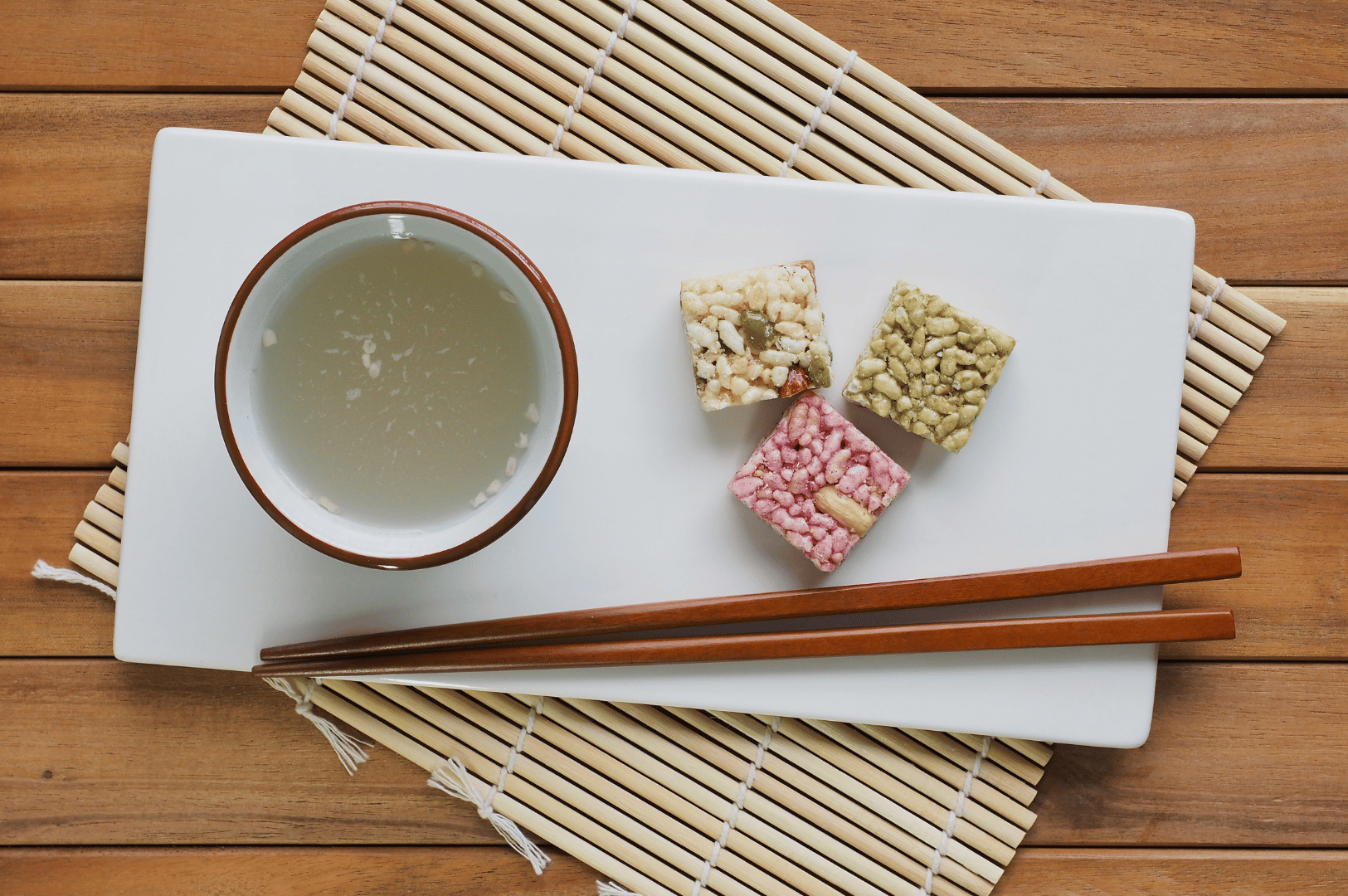
In traditional Korean medicine, sikhye is valued for more than just its flavour. Its primary benefit is aiding digestion, thanks to the amylase enzymes that help break down carbohydrates. This is why it’s a post-feast staple. The soft rice grains provide dietary fibre, and the natural sugars offer a gentle energy boost.
While traditional sikhye contains natural sugars, it is a much healthier alternative to drinks made with large amounts of refined sugar water.
Modern Interpretations and Availability
The homemade version of sikhye is a treasure, but today this classic rice drink is also experiencing a modern revival. You can easily find canned sikhye in most korean markets and korean grocery stores worldwide. Contemporary cafes in Seoul are getting creative, offering sikhye-flavoured ice cream, lattes, and even cocktails. These innovative takes introduce the classic taste of traditional Korean sikhye to a new generation, proving its timeless appeal. Making a batch at home allows you to control the sweetness and appreciate the difference compared to commercial versions, which often contain more sugar.
Your Guide to Making Homemade Sikhye
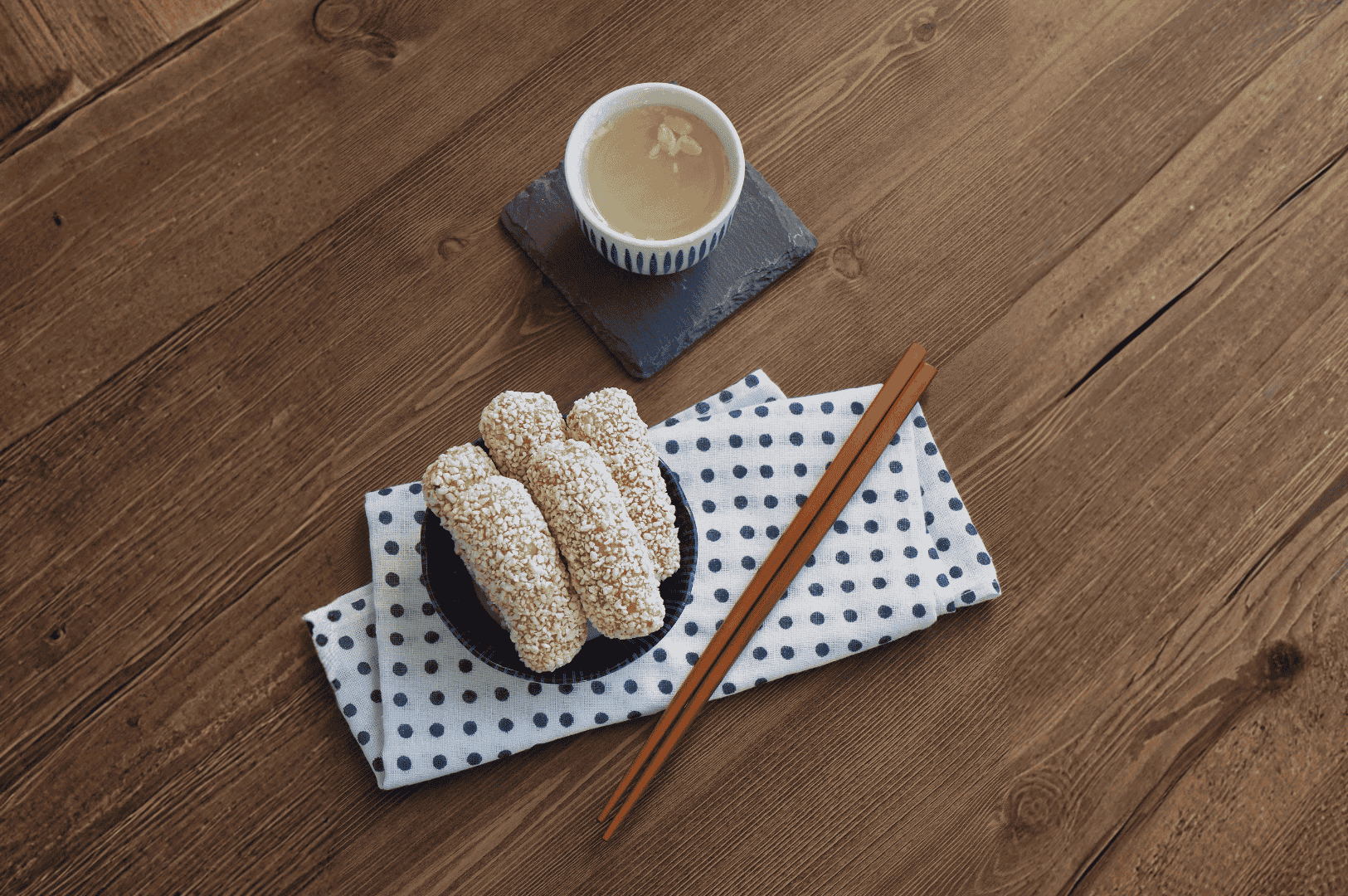
Making homemade sikhye is a rewarding project. With modern tools like an Instant Pot or slow cooker, it’s easier than ever to follow this traditional sikhye recipe.
Ingredients:
- 1 cup short grain rice (to make about 3 cups of cooked rice)
- 200g malted barley flour
- 12 cups cold water
- ½ cup sugar (or to taste)
- A few pine nuts or jujube slices for garnish (optional)
Instructions:
- Prepare the Malt Water: In a large bowl, combine the malted barley flour with 8 cups of lukewarm water. Gently massage the mixture with your hands for about 5 minutes to release the milky water. Let the malt water sit for at least an hour.
- Strain the Liquid: Carefully gently pour the clear liquid into your Instant Pot or large pot, leaving the white sediment behind. You can pour it through a fine sieve or cheesecloth to ensure no sediment remains. You can also reserve any remaining liquid for later use if desired.
- Combine and Warm: Add your cooked short grain rice to the pot with the strained malt water and give it a good stir. If your rice is clumpy or you are using drier rice, break it up.
- Ferment: Set your Instant Pot to the “Keep Warm” function (yogurt setting also works) for 4-6 hours. If using a pot on the stove, maintain a low temperature (around 60°C) over medium heat, ensuring it does not boil.
- Check for Floating Grains: The process is complete when you see a good amount of floating rice grains. When about 3 or 4 rice floats to the top, it is a sign that fermentation is complete.
- Boil and Sweeten: Transfer the liquid to a large pot on the stove if using an Instant Pot. Add the remaining 4 cups of fresh water and the sugar. Bring to a boil over high heat and cook for 10 minutes, skimming any foam. Remove the floating grains with a fine strainer and set them aside to add back to the drink when serving, if desired.
- Cool and Serve: Let all the liquid cool completely, then refrigerate until chilled. Serve in a bowl with the reserved rice grains and a garnish of pine nuts.
A Sweet Taste of Korean Tradition
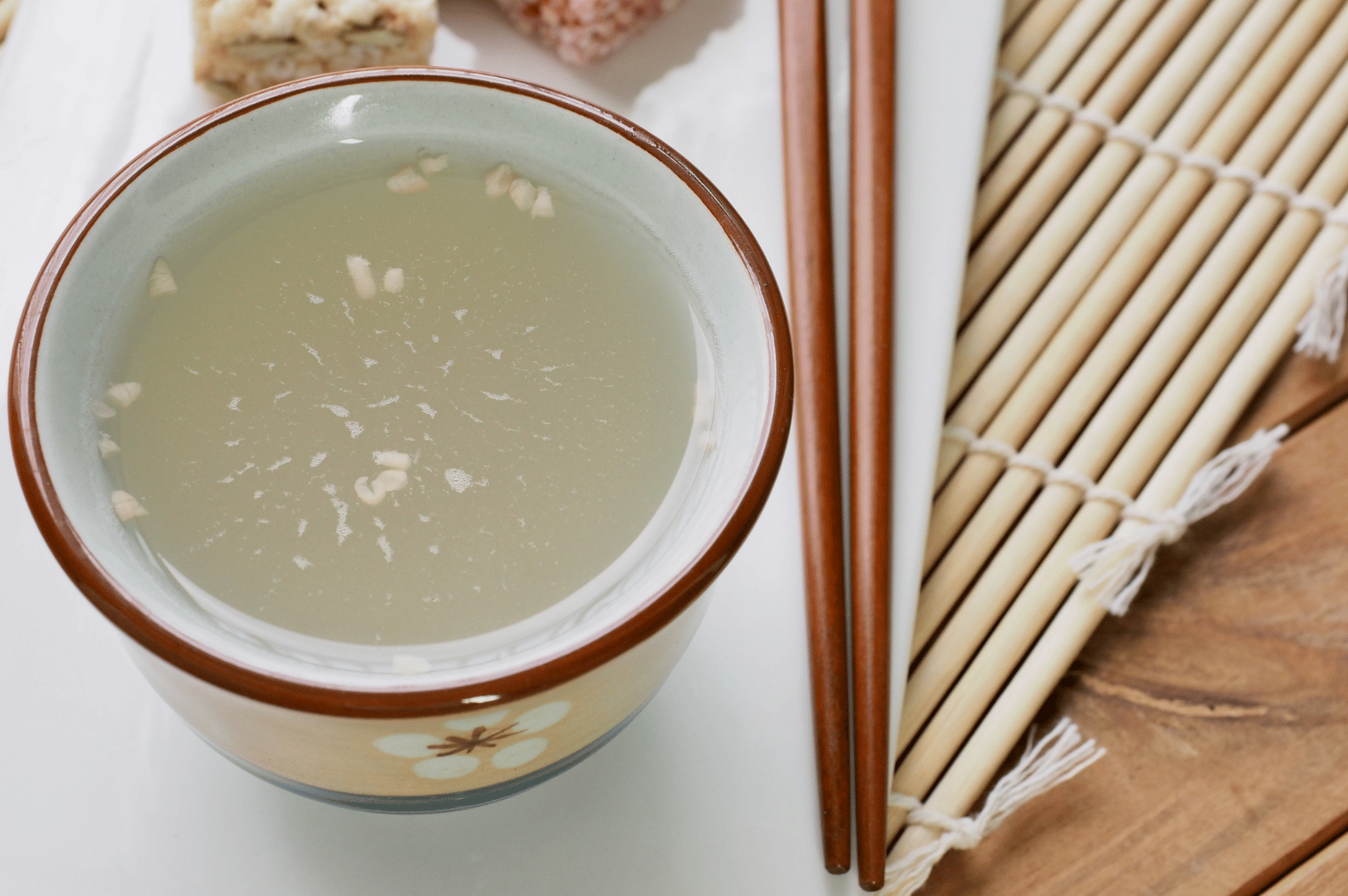
Sikhye is a living piece of drinks cuisine and a symbol of Korean ingenuity. The homemade version is a culinary journey that connects you to centuries of tradition.
From its role in celebrating Korean holidays to its modern revival in trendy cafes, this Korean sweet rice punch remains a beloved source of comfort and refreshment.
We encourage you to explore the world of Korean recipes by trying this one at home or seeking it out at a local market. Every sip is a shared experience, a taste of a culture's enduring legacy.
To continue your culinary exploration, discover why Jeonju is celebrated as Korea’s culinary capital or learn more about communal dining traditions across Asia that bring people together through food.

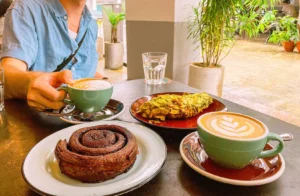
Best Cafe Singapore: A Map of Brunch Plates, Quiet Corners, and Dangerous Pastries
Dio Asahi | July 18, 2026
I didn’t set out to make a list. I made a habit. Over the years, cafes became the places I went to think, to wait out the rain, to sit with a coffee I didn’t have to rush. Some I returned to for the food. Others, I returned to for the feeling — the way…

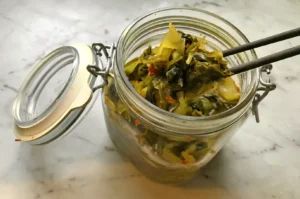
Pickled Mustard Greens: The Sour Note in Clear Broth
Eda Wong | July 17, 2026
Steam lifts from a bowl of clear pork broth, and a spoonful of chopped pickled greens slides in. The broth shifts at once, its richness suddenly cut by a sharp, clean sourness that sits high and bright on the tongue. The greens have softened in the heat but keep a faint, springy crunch. Someone leans…
-
The Potato Curry That Teaches You How Spices Wake Up: A Beginner’s Indian Cooking Lesson
Eda Wong | July 16, 2026
The first time I made aloo curry on my own, I burned the cumin. I remember standing in my tiny HDB kitchen, watching those little seeds go from golden to black in what felt like one breath, and thinking: this is harder than it looks. But here’s what that bitter, smoky disaster taught me, the…
-
Bamboo Skewers and Smoke: Street Grills in Chiang Mai
Dio Asahi | July 15, 2026
The cart glows at the edge of the lane just as the heat of the day finally loosens. A woman fans the coals with a flattened piece of cardboard, and the embers brighten orange under a row of skewers. Fat slides off the pork, hits the charcoal, and hisses upward in a thin curl of…
-
Chana Masala With Warm Roti, Built for Weeknights: Quick Vegetarian Dinner Recipes Indian
Dio Asahi | July 14, 2026
The first time I made chana masala, I started with dried chickpeas at 7:30 on a weeknight, soaking and boiling like the recipe said. By the time the curry was actually done, it was nearly ten and I’d already eaten half a loaf of bread out of sheer hunger. That night taught me something I…
-
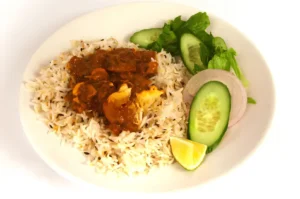
One-Pan Chicken Curry With Jeera Rice and Cucumber Raita: Food for Dinner Indian, Made Practical
Eat Drink Asia Team | July 11, 2026
The first time we cooked a full Indian dinner on a weeknight, the curry, rice, and raita felt like three separate tasks—three pans, three timers, and a kitchen full of wonderful smells but chaos. The curry was good, the rice sticky, and the raita watery from being made too early. That night taught us a…
-
Banana Leaf Steam: Why Some Rice Smells Like Home
Eda Wong | July 10, 2026
Steam rises from the pot, and a woman lifts a banana leaf over the open flame, turning it once, twice, until its stiff green softens and the surface goes glossy and pliant. She wipes it down with a damp cloth, then spoons hot rice into its center while the grains still steam. The leaf releases…
-
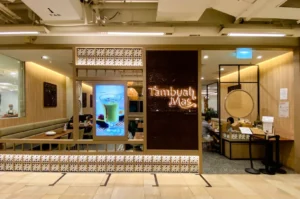
Tambuah Mas Paragon, Delivered: Unique Food Delivery Singapore With Old-School Comfort
Eda Wong | July 9, 2026
I ordered from Tambuah Mas on a rainy Sunday at around 6:15pm, mostly because I wasn’t in the mood to dress up and head into town, but I still wanted a proper meal. Not a sad one-bowl lunch. A real spread. That’s the thing about Tambuah Mas. It’s been around since 1981, serving Indonesian home-style…
-
Toasted Rice Powder: The Dust That Makes Larb Sing
Dio Asahi | July 8, 2026
A wok sits over a low flame, and a handful of raw sticky rice slides across its dry surface. No oil, no water—nothing but heat and patience. The grains pale, then blush amber, then deepen toward the color of weak tea. Someone shakes the pan in a slow, even rhythm, listening as much as watching….
-
Ordering Lunch From Co Hai Banh Mi, and Finding Out the Definition of Good Food Delivery
Dio Asahi | July 7, 2026
I ordered lunch from Co Hai Banh Mi & Phở Vietnamese Restaurant on a Thursday at 12:08pm, which is probably the worst and most honest time to test delivery food. It was raining lightly, the kind of Singapore lunch rain that makes every rider slower and every office worker hungrier. I had been thinking about…