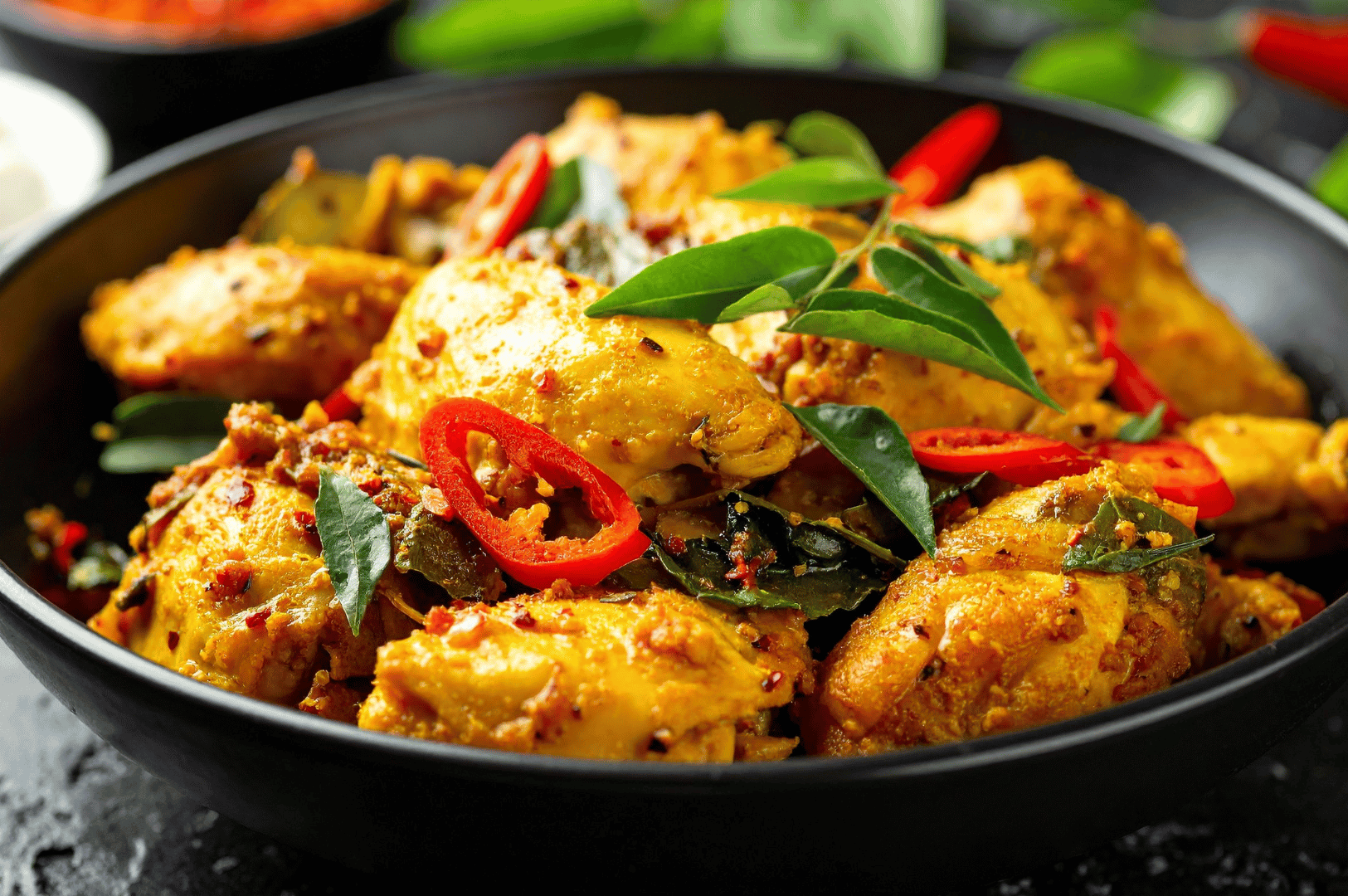
Step into a South Asian kitchen, and the senses are instantly enveloped by the inviting aroma of food slowly simmering in a sturdy clay pot or heavy vessel. The allure is undeniable: in this space, slow-cooked curry recipes are a celebration of patient tradition, spices, and the richness of South Asian cuisine. Here, time and heat collaborate to coax the deepest flavors and the softest textures from the most humble of ingredients. A gentle bubbling beneath a tightly fitted lid, the mingling scents of cumin, coriander, and ginger, and the rhythmic clatter of stirring spoons form the backdrop to culinary artistry—a scene repeated for generations across India, Pakistan, Bangladesh, Nepal, and beyond. In this world, slow cooking is a ritual that transforms chicken thighs, lamb, mutton, beef, legumes, and vegetables into soulful spreads for dinner or festive gatherings.
The Science and Magic of Slow Cooking
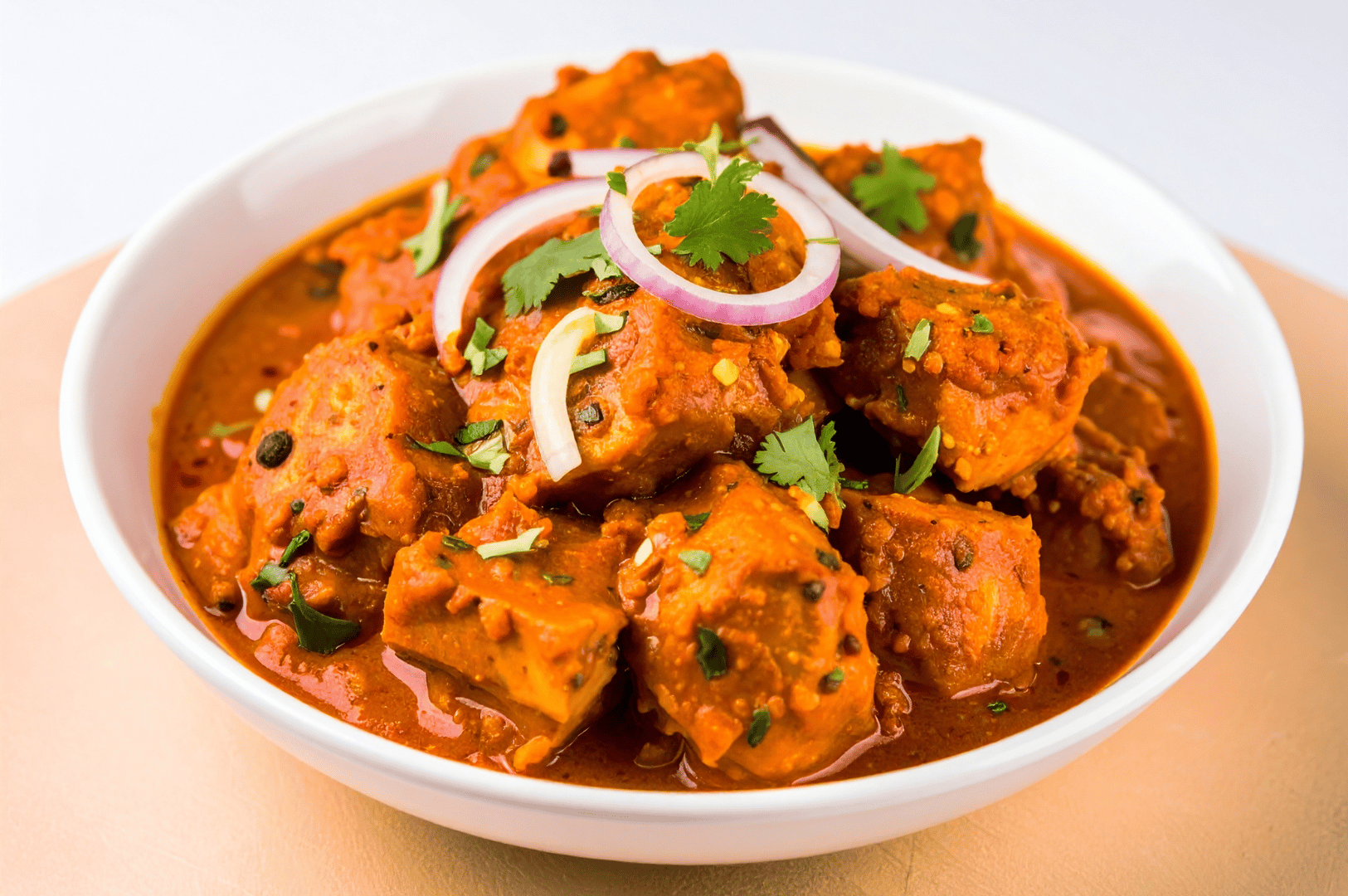
At its core, slow cooking is about relinquishing control to time and heat. The science involved in slow-cooked curry is as intricate as it is fascinating. Unlike quick frying or roasting, which sear flavor on the surface, slow cooking draws out the character from every ingredient.
Molecular Transformations
Proteins in chicken, lamb, or beef—especially tougher cuts like mutton and chicken thighs—are gradually broken down by sustained, gentle heat. The collagen within them melts, rendering the once-tough cuts soft, yielding, and silky. This process gives a curry its creamy, luxurious mouthfeel.
Wheat flour and ground almonds, common thickeners in the region, benefit from this process, their starches slowly swelling and binding the sauce into a cohesive, rich consistency.
Layered Flavours Through Browning and Spices
Traditional slow-cooked curries begin with browning aromatics such as onion, ginger, and garlic in oil or ghee. This stage is crucial: the Maillard reaction develops caramelized notes, while slow frying allows the natural sugars and amino acids to transform and deepen. When black pepper, cardamom, cumin, and coriander seeds are added, the spices bloom, releasing volatile oils that infuse the curry over time.
Slow cookers and clay pots excel at maintaining the low, steady heat required for these complex flavor developments, whether the dish is a fiery beef curry from Bangladesh or a mild, creamy cottage cheese curry from India, packed with cashews and herbs.
The Role of Liquids
Slow cooking relies on carefully measured liquids. Water, yogurt, or creamy coconut milk often form the base. Occasionally, ground almonds or lentils are added for body and taste, joined by root vegetables like potato or cauliflower. The act of slow simmering melds all the ingredients and encourages even starchy beans and rice to absorb the full spectrum of spice-laden broth.
Slow Cooking’s Regional Masterpieces
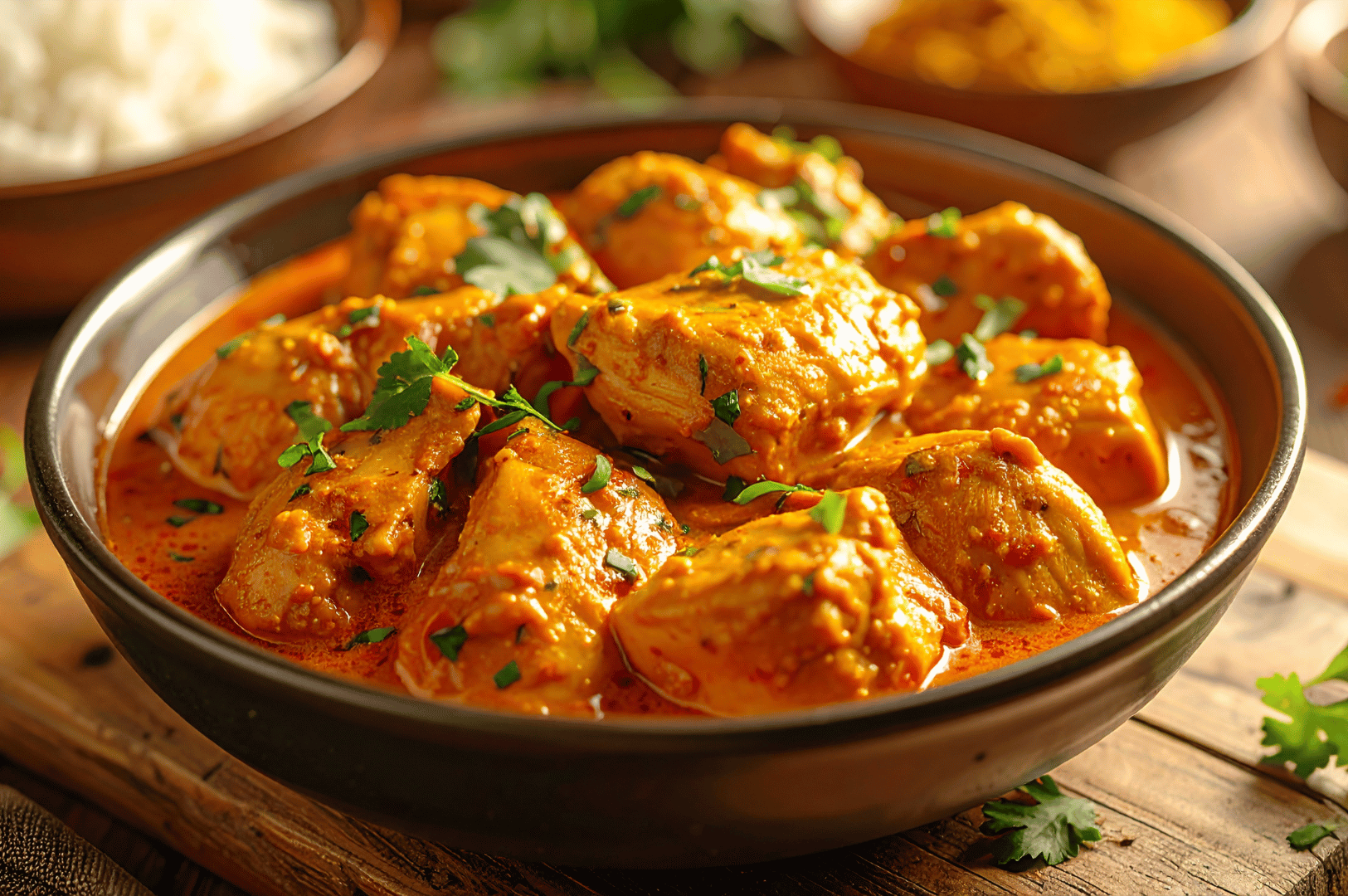
Slow-cooked curry recipes from South Asia are as diverse as the landscapes and cultures they arise from. Each region champions its own classic techniques and serves up dishes that define celebratory dinners and comfort food.
Nihari: Hearty Bread Companionship from Pakistan
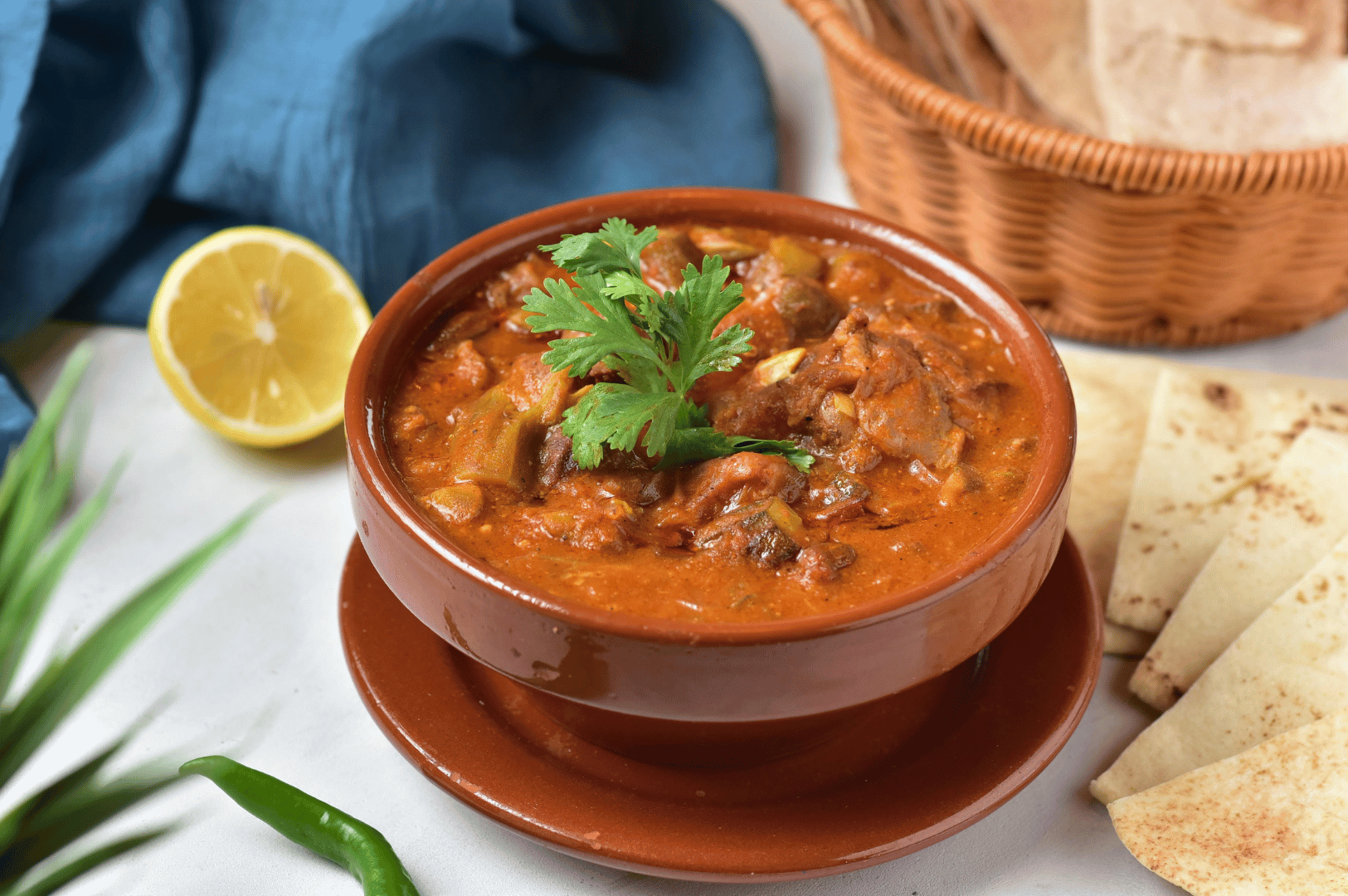
Nihari originated in the royal kitchens of North India and Pakistan, later spreading to Bangladesh and beyond. Made with beef or mutton, gently cooked overnight, the meat becomes fall-apart soft—a result only achieved with long, patient heat. Black pepper, ginger, and cardamom add warmth, while a final flourish of cilantro and mint brings freshness. Served with tender naan or soft wheat flour bread, nihari is a staple at morning feasts.
Bengali Kosha Mangsho: Bhunao’s Triumph
Bengal's famed kosha mangsho is a testament to the bhunao technique, which involves patient frying and stirring of mutton or beef with onions, ginger, and herbs in a clay pot. Tomatoes, a handful of ground almonds, and yogurt join to build body and a beautiful deep-red color. The curry is eaten with rice or fresh cucumber salad and often enjoyed at dinner gatherings spanning generations.
Dum-Aloo: The Flavour-Soaked Potato
Hailing from North India and Nepal, dum aloo features potatoes slow-cooked in a lid-sealed pot. A mixture of spices—black pepper, cumin, coriander, and a dash of sugar—melds into a sauce of yogurt and ghee. Because of the dum cooking method, even vegetables attain a softness and absorb the complex flavors, creating a mild, creamy dish that pairs well with soft naan or rice.
South Indian Mutton Korma: Creamy and Rich
Mutton korma relies on a base of ground almonds, cashews, and yogurt, with lamb or mutton simmered for hours, resulting in a creamy, aromatic curry. Ghee, cardamom, mint, and coriander create signature flavor notes, while onions form the golden backbone of the sauce.
Bangladeshi Bhuna Beef: Spicy, Packed, and Satisfying
Bangladeshi cuisine specializes in the bhuna method: beef, potatoes, and lentils are slow-cooked and stirred regularly in a hot pot, ensuring the masala—cloves, cinnamon, ginger, and herbs—coats every piece. The result is a tasty, spicy dish best enjoyed with rice or wheat flatbreads.
Mastering Essential Cooking Techniques
The secret to every standout curry recipe lies in the mastery of traditional cooking techniques, often spanning many hours and great patience.
Bhunao: Stirring for Depth
The bhunao technique is about patience and constant stirring—onion, ginger, black pepper, and spices are slowly fried in oil until the mix turns golden and the ghee separates. It's a method that sets the base for flavor-packed curries, encouraging all the spices to mingle and melt into a harmonious blend.
Dum Cooking: Sealing in Flavour
Dum cooking involves placing ingredients in a heavy pot, often with a dough-sealed lid, and letting gentle heat do its magic. The slow build of hot, steamy air within allows rice, mutton, or chicken to absorb all aromatics—resulting in soft, succulent, and fragrant food that’s impossible to rush.
Tarka Tempering: The Finishing Touch
At the last moment, prepare tarka by heating oil or ghee until hot, then dropping in cumin, coriander, or mustard seeds, often with sliced garlic, mint, or chili. This sizzling infusion is promptly drizzled over lentils or curries, amplifying aroma and taste with a single, dramatic gesture.
Roasting and Browning
Quick, high-heat browning locks in juices and brings out the sweetness of onions and vegetables like cauliflower. Roasting spices before grinding intensifies their taste and imbues curries with signature notes.
The Cultural Connection
In South Asian culture, the preparation and sharing of slow-cooked curries are sacred rituals that unite families. Weddings, religious festivals, and community feasts revolve around packed tables featuring lamb biryani, creamy chicken korma, spicy potato curry, and tender kebabs. More than just food, these dishes signify life’s milestones, symbolizing abundance and the warmth of hospitality. The labor—kneading dough, marinating meat, layering rice—is a shared experience, as important as the meal itself.
Generations gather to prepare and serve curries brimming with vegetables, cottage cheese, and lentils alongside yogurt dips and cucumber salads. Tea is brewed strong, and conversation flows as easily as ghee over hot, fluffy rice. Whether eaten from serving glasses at a street market in India or spread on a family table in Pakistan, these dishes are living links to tradition.
Modern Adaptations for Home Cooks
Today, the global spread of South Asian cuisine and the popularity of slow cooked curry recipes have inspired many to adapt traditional methods for busier lives.
Slow Cooker and Freezer-Friendly Meals
- With a slow cooker, a cook can prepare a base using the bhunao technique, transfer meat, vegetables, and sauce to the pot, and let gentle heat create magic while life goes on. Curries, rich with ground almonds, potatoes, and spices, freeze well, and the taste deepens over time.
Batch Cooking
- Weekends are perfect for larger preparation. Freeze half for an easy dinner later in the week—these dishes only improve with time as flavors meld and intensify.
Experimenting with Ingredients
- Chicken thighs for softer bites, or lamb for robust flavor; add beans or lentils for protein-packed, healthy dishes. Fresh herbs like cilantro and mint finish each dish with zest and aroma.
The Irreplaceable Taste of Time
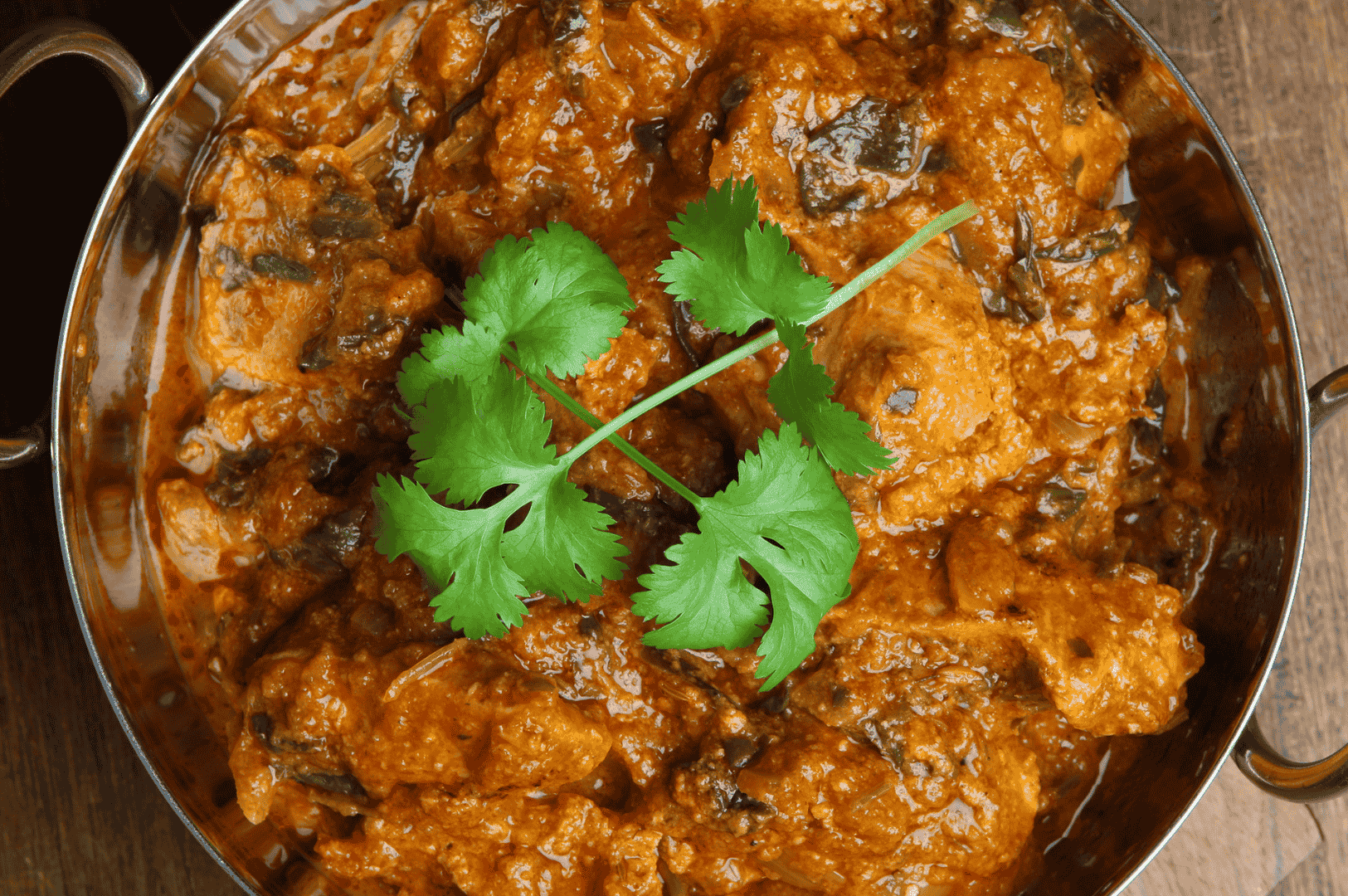
No shortcut delivers the same results. Slow cooked curry recipes develop a creamy texture, soft meat, and a sauce that glistens with ghee. Spices lose their sharpness and settle into a unified tapestry of flavors, while roots, beans, and vegetables absorb every bit of the seasoned sauce. Even the rice on the side is extra tasty when simmered slowly with cardamom and mint.
A curry’s flavour is more than just hot or spicy—it’s a dance of salt, sugar, ghee, and herbs, a balance refined by careful stirring and patient heat. Each dinner prepared in this way is a testament to tradition and the joy of slow living.
Embrace Slow Cooking—For Life
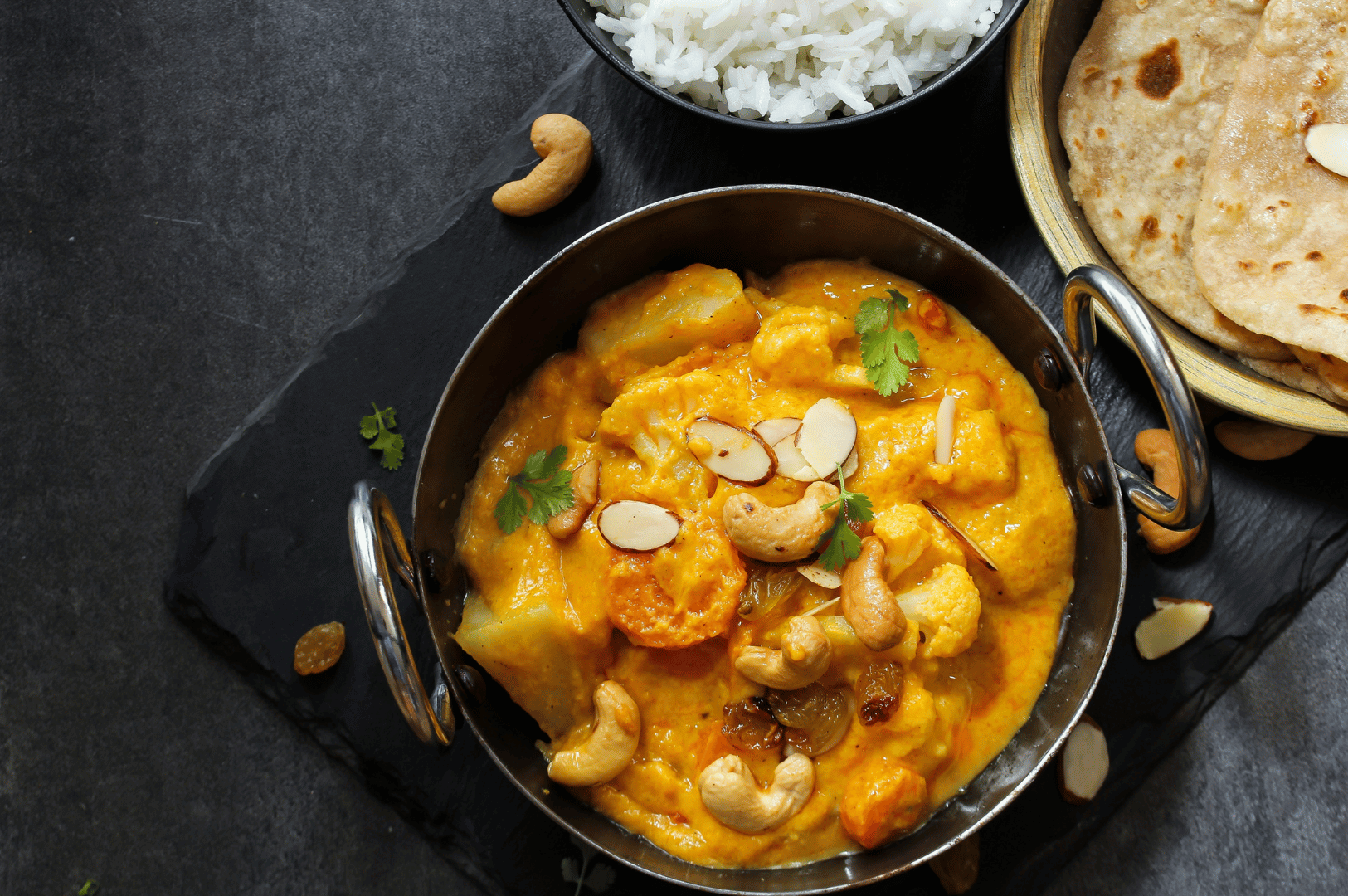
The story of South Asian curries is one of patience, creativity, and deep family connection. Preparing classic dishes like mutton biryani, chicken curry, or a beautiful dish of lamb and lentils is an adventure in taste, guaranteed to bring nostalgia and excitement to any table.
Whether using a slow cooker or clay pot, browning onions or finishing with a scattering of fried mint, slow cooking delivers flavour and texture that are impossible to rush or replicate. So, prepare all the ingredients, savor the process, and serve with pride—the rewards are always delicious, from the first bite to the last.
If you're looking for a perfect dish to slow-cook and immerse yourself in a rich, comforting experience, try the Northern Thailand Khao Soi curry noodle dish. Continue your culinary exploration with Century-Old Dumpling Techniques: Ancient Wisdom in Modern Kitchens.

The Soul of the Table: An Educational Guide to the Role of Food in Malaysian Culture
Eat Drink Asia Team | March 17, 2026
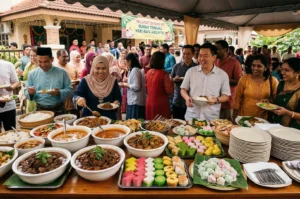
We still remember our first collective Rumah Terbuka (Open House) experience in Kuala Lumpur.Standing at the doorway of a home during Hari Raya, we were utterly paralyzed by the sheer volume of people and the aroma of Malaysian cooking. There were aunties ladling beef rendang and tables groaning under the weight of colourful kuih. “Do…
-
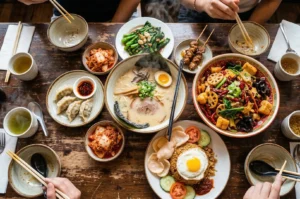
Asian Food Comfort Trends: Why Broths and Bowls are Dominating Globally
Eda Wong | March 14, 2026
I still remember the first time I faced a “build-your-own” Mala Xiang Guo counter. I stood there, plastic tongs in hand, completely paralyzed by the mountain of choices. Lotus root? Kelp knots? three different types of tofu skin? My anxiety spiked. I panicked, grabbed way too much luncheon meat, and ended up with a $28…
-
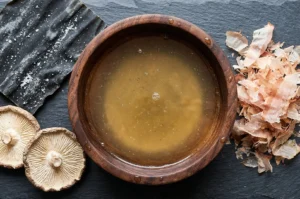
The Fifth Element: A Masterclass on Umami in East Asian Cuisine
Dio Asahi | March 12, 2026
I’ll never forget the first time I made miso soup from scratch. Not the instant kind, but the “proper” way. I boiled water, dissolved miso paste, added tofu, and waited. It tasted flat, salty and cloudy but missing the deep, satisfying flavor I loved in Japanese restaurants. I thought maybe I needed better miso. Years…
-
Why My Quest Ended at Yummy Western (409 AMK)
Dio Asahi | March 10, 2026
There’s a specific magic to a late-night supper hunt in Singapore. It’s the ritual of chasing a craving through the humidity to find that one stall that hits the spot. For me, that meant a pilgrimage to Ang Mo Kio Avenue 10. I arrived at 10 PM on a Friday, just as the ‘supper soul’…
-
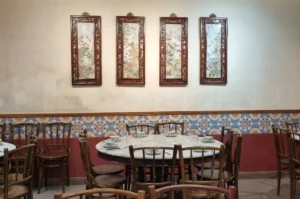
A Taste of Time: My Dinner at Guan Hoe Soon
Eda Wong | March 7, 2026
There’s something special about visiting a place that has seen decades of Singapore’s history unfold. Guan Hoe Soon, tucked away on Joo Chiat Road, holds the title of Singapore’s oldest Nyonya restaurant, and you can feel that heritage the moment you step inside. I’d heard about it for years, a place where recipes aren’t just…
-
The 5 Best Halal Restaurant in Singapore for Authentic Nasi Padang
Eda Wong | March 5, 2026
There are few meals as satisfying as Nasi Padang, a colourful feast where you choose from a variety of dishes to create your perfect plate. Over the years, I’ve explored Singapore’s Nasi Padang scene, especially in Kampong Glam, sampling everything from humble hawker stalls to renowned spots. This list highlights the five best halal Nasi…
-
The Global Soup Bowl: How Indonesian Soto Shapes the Future of Asiatic Food Traditions
Dio Asahi | March 3, 2026
I still remember my first “real” bowl of Indonesian soto. Sitting on a low plastic stool in a cramped warung, I ordered Soto Betawi, expecting it to be like the clear Soto Ayam from Singaporean weddings. I was wrong. The rich, milky broth was intense, creamy, and boldly spiced. That first spoonful rewired my idea…
-
Shun: Japan’s Seasonal Treasures – A Deep Dive Into the Ingredients Behind True Omakase
Eat Drink Asia Team | February 28, 2026
In the world of Asian food, few dining experiences capture the soul of traditional Japanese food culture like omakase. At a premier omakase restaurant, diners entrust their meal entirely to the chef, whose artistry is guided not just by mastery, but by shun—the appreciation of seasonal and fresh ingredients at the absolute peak of their…
-
My Trip to Bánh Mì Saigon and How It Compares to Best Food in Singapore
Eda Wong | February 26, 2026
Located in the bustling neighborhood of Ang Mo Kio, Bánh Mì Saigon offers a taste of Vietnam right here in Singapore. From traditional bánh mì sandwiches to hearty pho bowls and refreshing Vietnamese iced coffee, this restaurant has it all. I arrived at Bánh Mì Saigon on a busy Saturday evening and was immediately drawn…
-
Tea Room by Ki-setsu: A Curated Journey Through Chinese Tea in the Heart of Singapore
Dio Asahi | February 25, 2026
Most people arrive at Chinese tea the way they arrive at any beverage: thirsty, curious, maybe looking for something sweet or soothing. But traditional chinese tea isn’t built like a single drink. It’s a network: leaf origin, processing choices, vessel physics, water, pacing, and the quiet social technology of sitting down long enough for a…