Ask most Singaporeans to picture Japanese curry and a familiar image probably comes to mind: a plate of rice beneath thick brown gravy, perhaps with a breaded cutlet sliced neatly across the top. It is rich, sweet-edged, comforting and, by now, almost as recognisable as ramen or donburi.
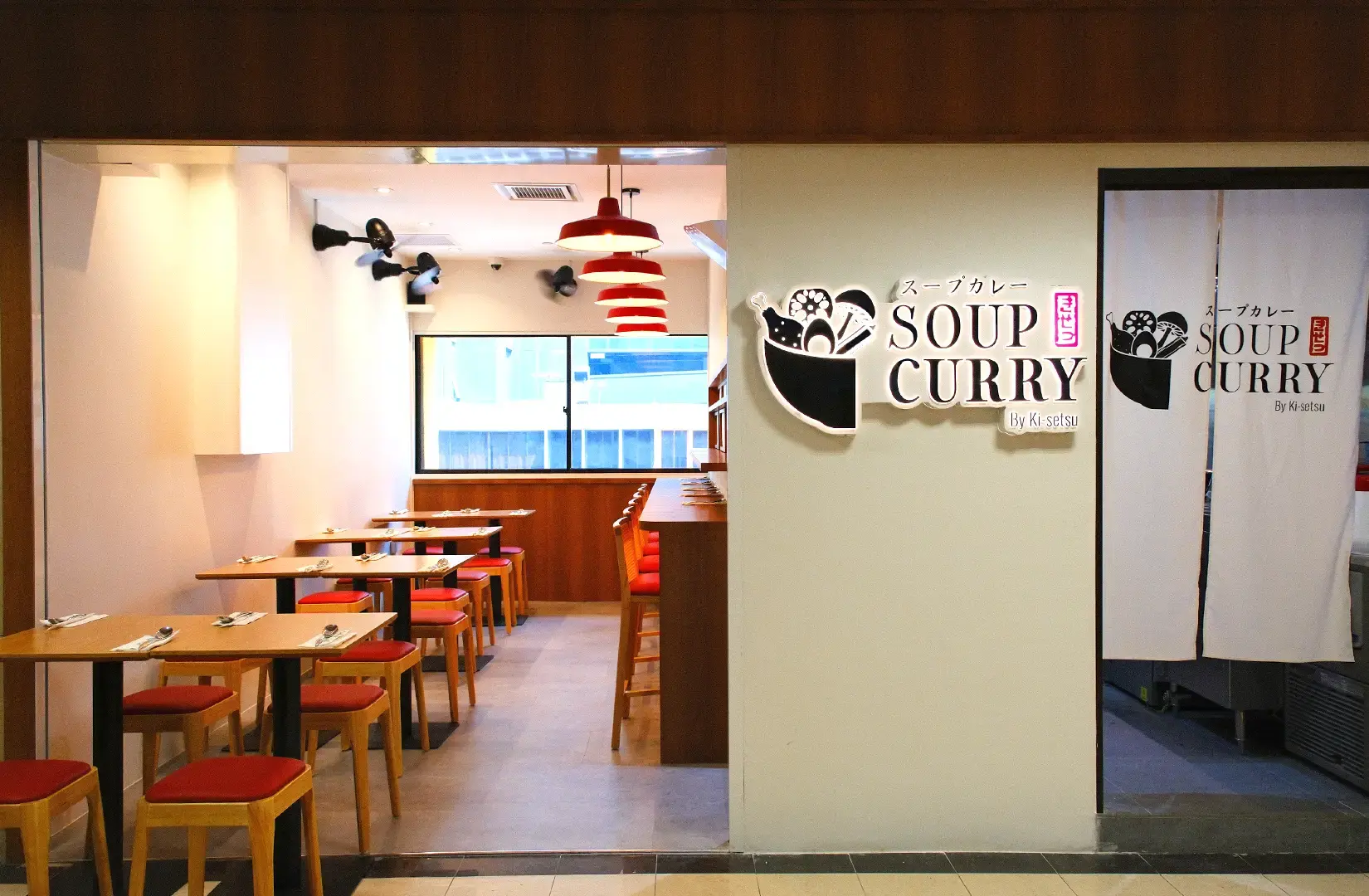
Head to the fourth floor of Fortune Centre, however, and Soup Curry by Ki-setsu asks you to forget that image for a moment.
Here, the curry arrives in a bowl deep enough for a spoon. The Japanese rice sits separately. Vegetables rise from an aromatic broth rather than disappearing beneath gravy, and the first thing you are meant to do is not pour everything together but take a sip.
That first spoonful explains a regional Japanese dish that has remained relatively unfamiliar in Singapore. Hokkaido soup curry comes from Sapporo, where it developed into one of the city’s distinctive soul foods. It shares the spices and warmth we associate with curry, but little of the heavy texture Singapore diners may expect.
Soup Curry by Ki-setsu builds its entire identity around that difference.
Hokkaido Soup Curry Is Not Thin Japanese Curry
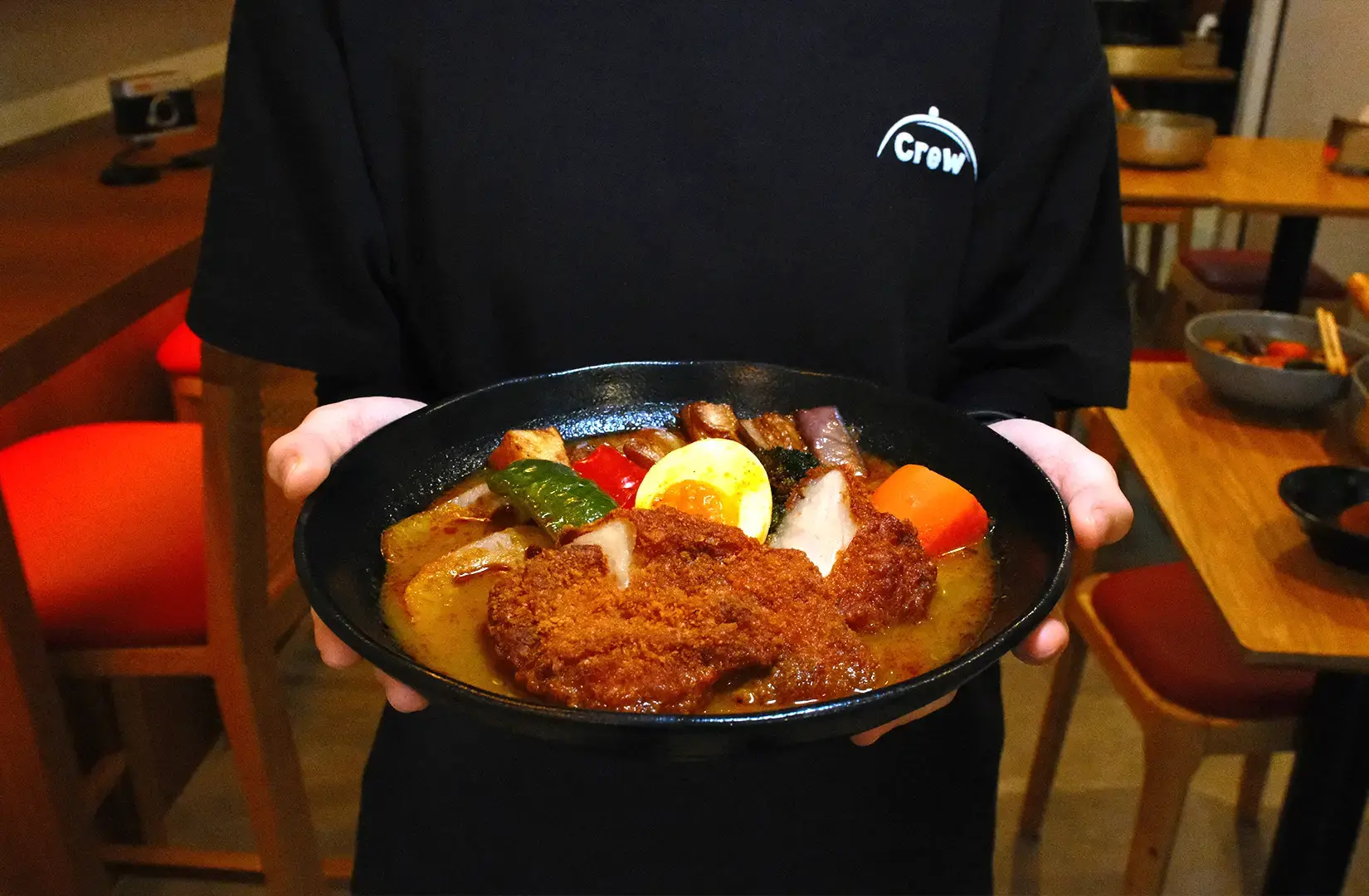
Calling soup curry a watery version of Japanese curry misses the idea entirely. Traditional Hokkaido soup curry is intentionally broth-led. Instead of building the meal around a thick roux that is poured over rice, the soup remains separate and light enough to drink. The bowl is completed with substantial vegetables and meat or other protein, while the rice waits on its own plate.
There are different versions throughout Sapporo and beyond. Diners who have previously encountered Hokkaido specialists or names such as Sama Curry may recognise the general format: broth, spices, vegetables, protein and rice, with control over the spiciness level. Some variations might involve chicken thigh, different vegetable combinations or more aggressive chilli, but the essential appeal is similar. Every component still has room to taste like itself.
At Ki Setsu, the point becomes obvious as soon as the bowl lands on the table. This is a soup first, but one carrying enough curry fragrance, savouriness and substance to make it a complete meal.
Start With the Broth
Resist the instinct to head immediately for the chicken. Start with a spoonful of broth.
Soup Curry by Ki-setsu builds its base from chicken bone broth simmered for more than six hours, with no added MSG. Curry spices and aromatics bring fragrance and warmth, while chilli increases the spiciness according to the level you pick.
The first mouthful is noticeably different from conventional curry rice. There is no dense roux coating the tongue and no thick sauce demanding a large mouthful of rice afterwards. Instead, savouriness arrives first, followed by aromatic spices and then the heat.
That balance matters. A broth this light has fewer places to hide. Make it too weak and the bowl feels diluted; push the spices too far and every other ingredient disappears. Here, the intention is for the soup to remain drinkable while still carrying enough depth to support everything sitting inside it.
It makes soup curry unusually easy to pace. Take a sip, eat some rice, pull away a piece of chicken, then head back to the broth. The rhythm is closer to working through a bowl of soup than attacking a plate of Japanese curry. For a first time diner, that change of pace might be the most interesting thing about it.
The Vegetables Are Part of the Main Event
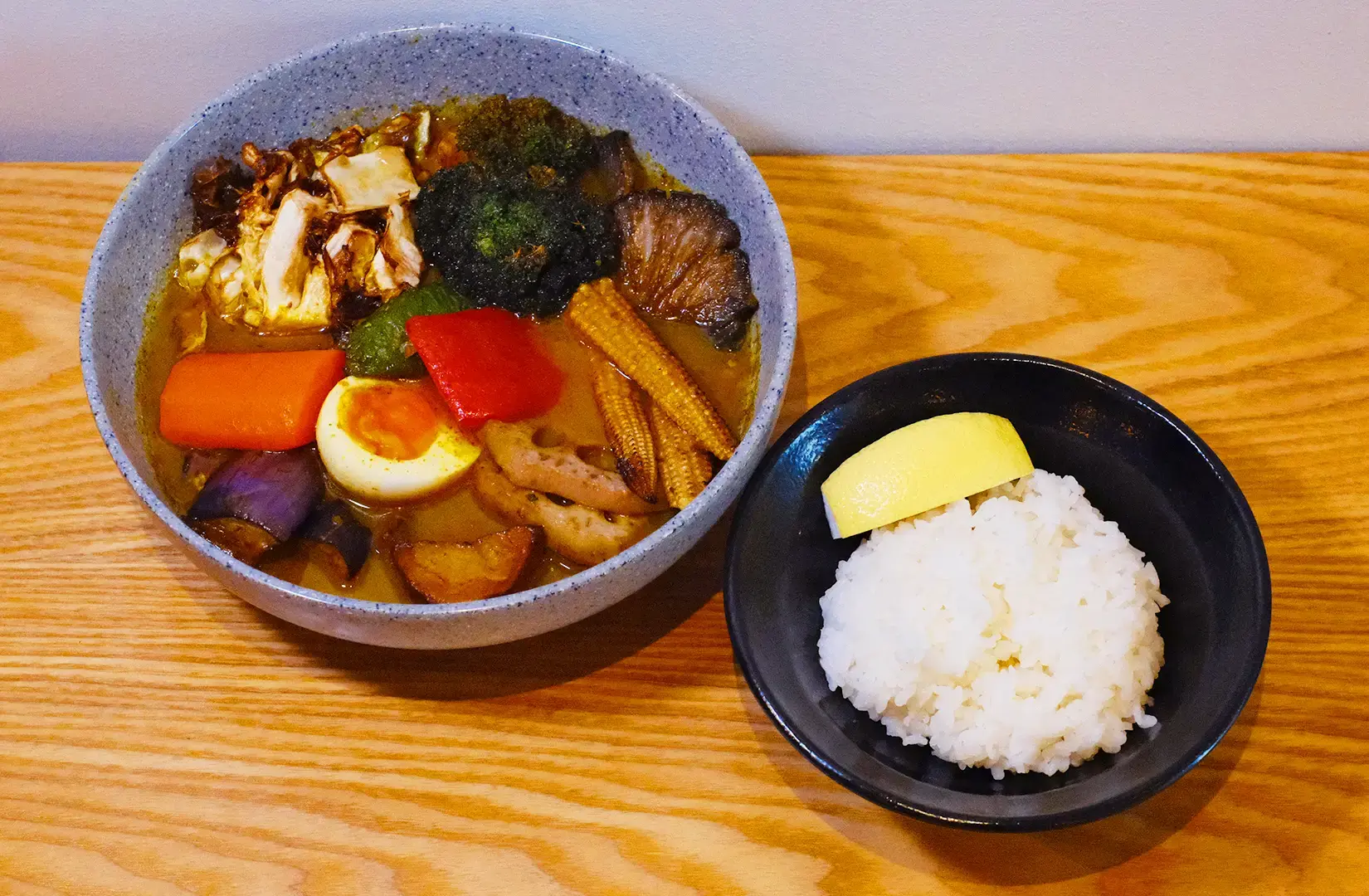
Then there are the vegetables. In plenty of curry dishes, carrot and potato are functional supporting players. In Sapporo-style soup curry, vegetables are much more substantial, both visually and texturally.
Many at Soup Curry by Ki-setsu are prepared through su-age, a Japanese method of flash frying directly in oil without batter. Rather than giving everything the same crisp shell, flash frying concentrates flavour while allowing each vegetable to keep its own character.
Eggplant becomes soft enough to soak up the broth. Broccoli retains more structure. Carrot brings sweetness, while potato gives the bowl some weight. Depending on seasonality and availability, diners may also encounter bell peppers, lotus root, okra, pumpkin and other vegetables.
That changing selection is worth noting. Do not head in expecting an absolute checklist where baby corn, two pieces of broccoli or a specific number of carrot slices are guaranteed every visit. Ki-setsu’s approach allows the vegetable mix to shift according to what is available and worth serving.
The result is more interesting than a cafe-style vegetable garnish placed beside the main event. Here, the vegetables are the event too.
Take a bite of eggplant after it has absorbed some curry and then follow it with something firmer, and you begin to notice how much texture matters to the bowl. Sweet, earthy, soft and lightly caramelised flavours appear at different points rather than merging into one anonymous curry taste.
Chicken Bowl or Vegetable Bowl?
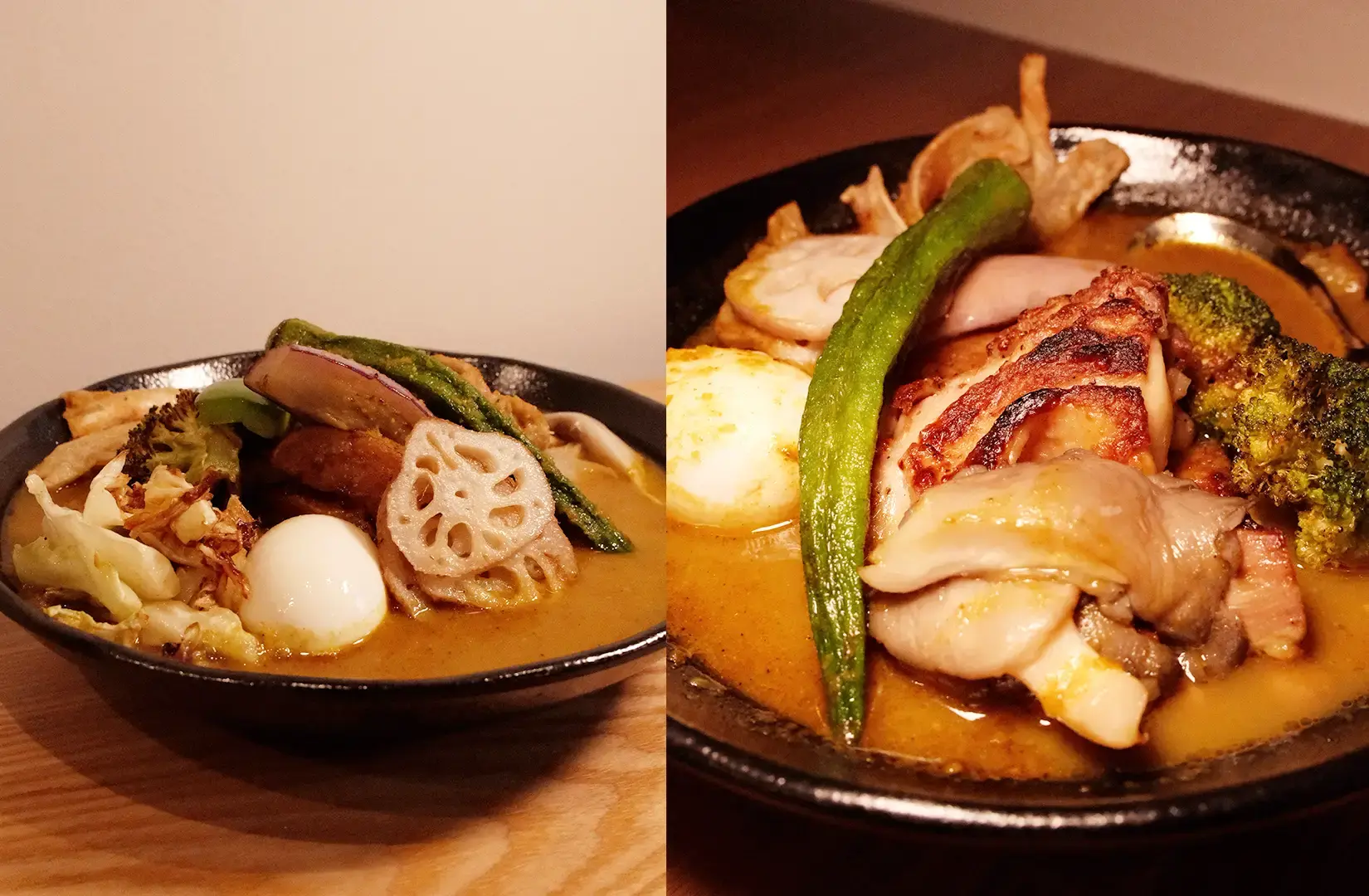
There are two main choices, both priced at $14.80: the Chicken Curry Bowl and Vegetable Curry Bowl. The chicken bowl is the more substantial choice. It comes with a large portion of chicken, half a ramen egg, around six varieties of vegetables, Hokkaido-style curry broth and rice.
The source material for the restaurant describes the chicken as having undergone a long simmer, giving the meat the tenderness you want when it meets a bowl of broth. Rather than needing a knife, the chicken yields easily around the bone. Pull off a piece, let it sit briefly in the curry, and the meat takes on another layer of spice.
Some soup curry versions use chicken thigh, but the pleasure is essentially the same: tender meat against aromatic liquid, followed by rice to reset the palate.
The vegetable bowl takes the opposite approach. Approximately nine varieties of vegetables turn what might sound like the lighter option into a surprisingly satisfying meal. There is also half a ramen egg, broth and rice, so it never feels as though the chicken has simply been removed and nothing put in its place.
For diners who enjoy vegetables as much as meat, this may actually be the more revealing introduction to Hokkaido soup curry. With plenty of individual pieces to work through, every spoon offers a slightly different combination.
And What Do You Do With the Rice?
There is no challenge to solve and no etiquette exam hiding beneath the bowl. The Japanese rice arrives separately because soup curry gives diners choice over how the two should meet.
You can spoon some rice into the soup. You can take a spoonful of rice and dip it into the broth. You can drizzle a little curry over the rice, or simply alternate between the two.
We liked the latter approach because it keeps the contrast intact. A bite of rice softens the spiciness, then another sip of broth restores the aromatics. The separation also prevents the grains from becoming saturated before you are ready for them.
The important thing is that the curry was not meant to behave like gravy. There is no need to have the entire pot poured across your plate. And because rice is free-flow, diners with a larger appetite have room to enjoy the broth properly without rationing every grain.
How Spicy Should You Go?
Your preferred spiciness level changes the experience more than you might expect. At the gentler end, the chicken stock, vegetable sweetness and curry fragrance are easier to pick apart. Increase the spiciness and chilli becomes more assertive, giving the broth a stronger warmth that builds through the meal.
Going as spicy as possible simply for the challenge rather misses the point. The best level is the one that lets you notice both the spices and the stock underneath them.
That distinction is important because the broth is not designed merely to deliver heat. Soup curry should remain something you want another spoon of, then another, rather than becoming an endurance test halfway through the bowl.
Soup Curry Is Only Half the Story
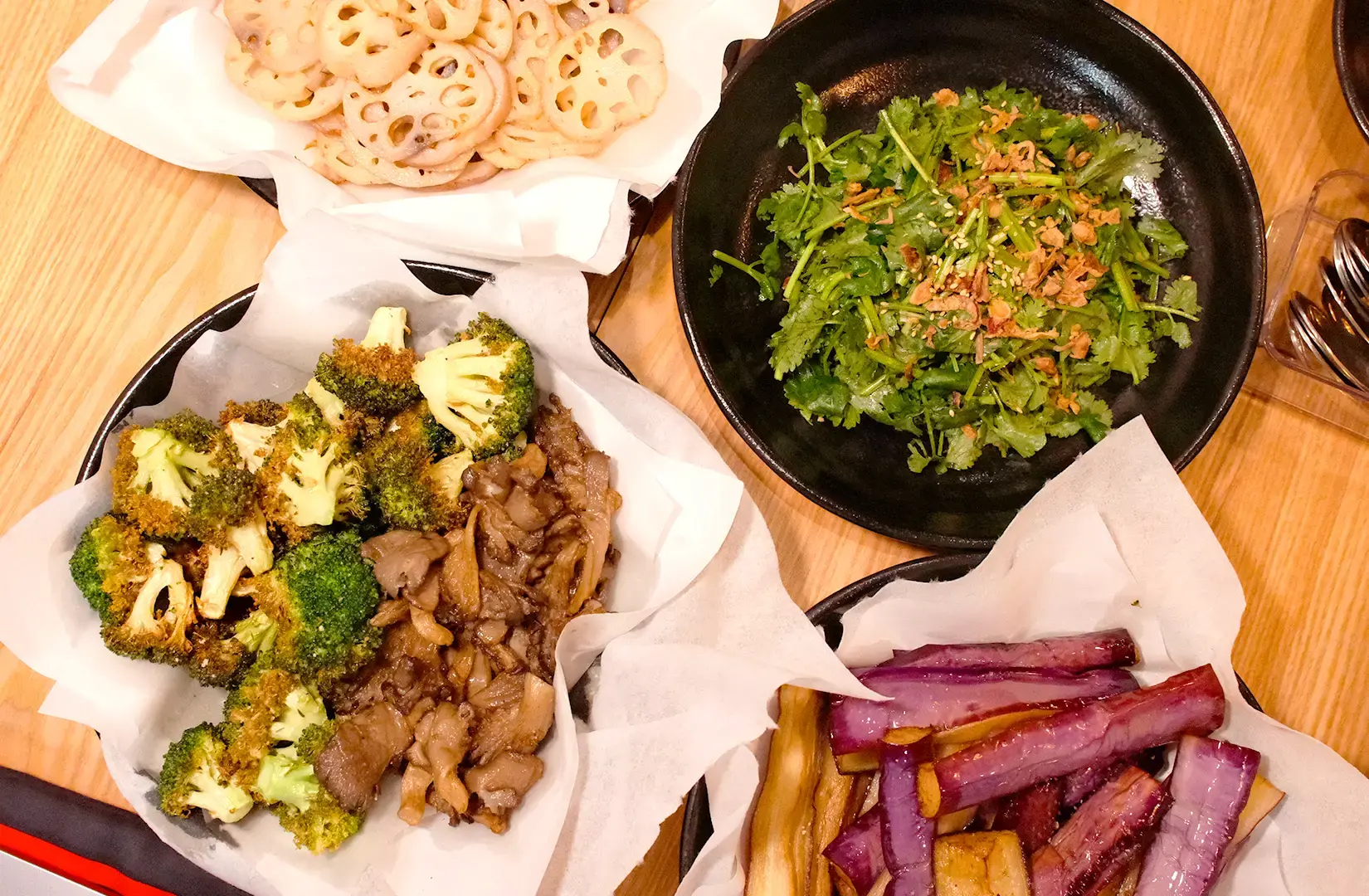
Despite the name, Soup Curry by Ki-setsu does not stop at one type of meal. The menu expands into an izakaya-style format in the evening, giving diners a reason to sit longer over small dishes and a drink. That makes the restaurant feel different after lunch hours, when the curry bowls naturally command most of the attention.
Among the sides worth considering is the Kani Cream Croquette. Break through the crisp exterior and the centre turns rich and soft, with warm kani cream flowing inside. Give it a moment before the first bite; fillings like this hold heat remarkably well.
Fukushima Mehikari offers something different again. The greeneye fish is served whole and deep-fried, creating a delicate fried exterior around a moist centre.
For contrast, the Coriander Salad uses a tangy yuzu dressing to cut through richer dishes, while the Crisp Fries are an unexpectedly tempting side. You can pick salt or Curry Spice; the latter makes more thematic sense and turns a familiar plate of fries into something very easy to keep reaching for.
There is also a broader point here. Ki Setsu comes from the group behind Sushi Masa by Ki-setsu, but this restaurant is not trying to recreate an omakase experience. The mood is casual and the food is built around comfort rather than ceremony.
Sapporo, by Way of Fortune Centre
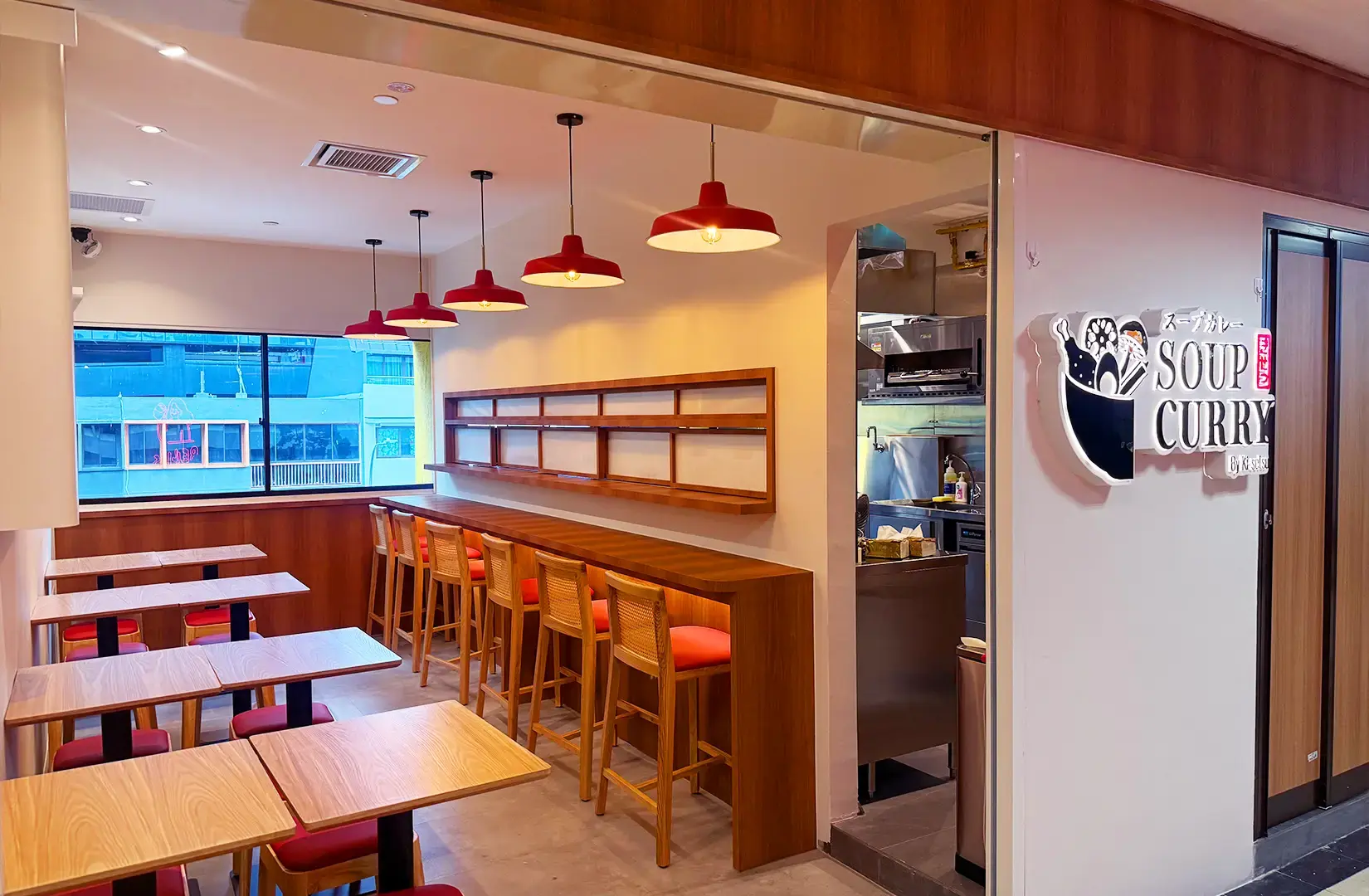
Soup Curry by Ki-setsu officially launched at Fortune Centre last October 8, 2026, giving this regional Hokkaido dish a dedicated home in Singapore.
That location feels oddly appropriate. Fortune Centre has long rewarded diners willing to head upstairs and look beyond the obvious. Soup curry requires something similar: a willingness to reconsider what you think you already know.
The current opening hours are Monday to Saturday, 11:30am to 1:30pm for lunch and 6pm to 9pm for dinner, with the restaurant closed on Sunday. It is walk-in only according to the restaurant’s current site.
What makes the visit worth making, though, is not novelty for novelty’s sake.
Hokkaido soup curry takes familiar things and rearranges their relationship. Nothing needs to disappear beneath sauce. The broccoli can still taste like broccoli. The eggplant gets to become soft and absorbent. The chicken keeps its identity, and the broth remains something you want to drink from beginning to end.
For Singaporeans accustomed to the comforting thickness of standard Japanese curry, the first bowl may require a small adjustment of expectations.
Then you take another sip. And suddenly Sapporo’s idea of curry makes a great deal of sense.

Tea Room by Ki-setsu: A Curated Journey Through Chinese Tea in the Heart of Singapore
Dio Asahi | February 25, 2026
Most people arrive at Chinese tea the way they arrive at any beverage: thirsty, curious, maybe looking for something sweet or soothing. But traditional chinese tea isn’t built like a single drink. It’s a network: leaf origin, processing choices, vessel physics, water, pacing, and the quiet social technology of sitting down long enough for a…
-
Tandoori Chicken: The Signature Indian Chicken Dish
Eda Wong | February 24, 2026
Tandoori chicken stands tall among the best Indian chicken recipes. With its vibrant hue and smoky aroma, this iconic Indian chicken dish is celebrated in Indian restaurants worldwide. Emerging from Punjab, it pairs perfectly with fragrant basmati rice or fresh naan and is a favorite for anyone who loves bold flavors. The hallmark of tandoori…
-
Chicken 65: A Fiery Indian Chicken Recipe You Must Try
Eat Drink Asia Team | February 21, 2026
We’ve spent months tracking the ‘shatter-rate’ of chicken across the South, and here’s the truth: most of what you find is a pale, food-colored imitation. The real Chicken 65 isn’t just spicy; it’s an atmospheric experience. It starts with the sharp, herbal snap of curry leaves hitting 180°C oil and ends with a deep, earthy…
-
Mastering the Art of Indian Dishes with Chicken
Eda Wong | February 19, 2026
The story of India’s culinary identity is deeply tied to its poultry dishes. I remember my first attempt at an Indian chicken recipe, failing to brown the onions properly left the dish hollow, missing its soul. The sound of mustard seeds popping in hot oil signals layers of flavor to come. The steam from the…
-
Crunch, Sweet, and Heat: The Irresistible Textures of Southeast Asian Snacks
Dio Asahi | February 17, 2026
In the humid, sticky heat of Southeast Asia, where your shirt clings to your back and the air is thick with the sharp scent of oxidising oil, there’s a particular clink that always gets me. It’s the sound of a metal spatula striking a wok, a rhythmic percussion that’s as familiar to me now as…
-
The Living Pantry: How Geography and Trade Shaped the Food in the Southeast Region
Eat Drink Asia Team | February 14, 2026
To understand the plate is to understand the map. If you were to trace the spice routes of the 15th century or follow the monsoon winds that carried merchant ships across the Indian Ocean, you would find yourself at the epicenter of the world’s most vibrant pantry. The food in the Southeast region of Asia…
-
A Symphony of Senses: Why Southeast Asian Food is the World’s Greatest Culinary Journey
Dio Asahi | February 12, 2026
If you were to stand at a busy intersection in Bangkok, Ho Chi Minh City, or Jakarta and close your eyes, your nose would tell you a story before your eyes ever could. There is a specific, intoxicating perfume that defines Southeast Asian food: the sharp tang of lime juice hitting a hot wok, the…
-
The Alchemy of the Wok: The Story of Singapore-Style Bee Hoon
Eda Wong | February 10, 2026
Across the humid evening air of Singapore, a rhythmic clatter echoes from hawker stalls to high-rise kitchens—the sound of a metal spatula against a seasoned wok. Within that intense heat, rice vermicelli noodles undergoes a profound transformation, absorbing the golden hues of curry powder, the savory depths of soy sauce, and the smoky “breath” of…
-
The Sizzle of the Wok: An Exploration of Fried Bee Hoon Across Southeast Asia
Eat Drink Asia Team | February 7, 2026
Across Southeast Asia, from bustling hawker centers to family kitchens, the sizzle of rice vermicelli noodles hitting a hot wok is a universal comfort. Few dishes capture the spirit of Asian noodle culture as well as fried bee hoon. This stir fry, made with thin rice noodles, delivers a tasty meal any time of the…
-
The Silk of the East: A Deep Dive into Bee Hoon and the Art of Rice Vermicelli
Eda Wong | February 5, 2026
Across the bustling kitchens of Southeast Asia, one humble ingredient has woven itself into the fabric of countless beloved dishes. Bee hoon, the delicate rice vermicelli that transforms from brittle strands into silky noodles, represents centuries of culinary tradition and innovation. Whether you’ve savored Singapore noodles in a hawker center or encountered fried bee hoon…