Asia's Food Guide: South Korea

Eat Drink Asia Logo

Discovering the Soul of Korean Cuisine

South Korea captivates food explorers with its unique blend of tradition, bold flavors, and lively communal dining. As highlighted in any thorough Asia’s food guide, the Korean table is centered around harmony—balancing spicy, savory, sweet, and sour notes, while transforming every meal into a social event.

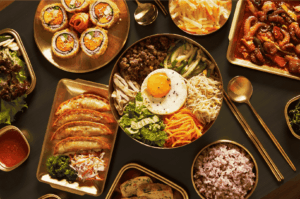
At the heart of Korean cuisine lies fermentation, seen in staples like kimchi—a type of pickled cabbage that is spicy, tangy, and teeming with healthy probiotics. Every household treasures its own recipe, making kimchi as diverse as the regions themselves. Kimchi and bibimbap are among the most famous dishes and popular Asian dishes, celebrated for their cultural significance and unique flavors. Another icon, bibimbap, layers seasoned vegetables, marinated meat, and fried egg atop steamed rice, which is then mixed with gochujang (chili paste) for maximum flavor and visual appeal.

Barbecue fans relish samgyeopsal, thick slices of pork belly grilled at the table and wrapped in crisp lettuce with garlic, ssamjang (spicy paste), and banchan (side dishes). This experience highlights Korea’s cherished culture of shared meals and conversation, and showcases traditional cooking methods such as grilling and fermentation. Jeonju’s bibimbap is considered the gold standard, brimming with an array of fresh toppings. Busan’s eomuk (fish cake) brings coastal flair, offering warm, hearty street food often enjoyed by the seaside.

Korean cuisine is more than bold spices—it’s about contrasts, balance, and bringing people together. This spirit infuses every aspect of the culinary experience, inviting you to savor the flavors and the company.

Traditional Korean Beverages: From Everyday Sips to Festive Toasts

Complementing Korea’s vibrant dishes are a range of traditional drinks, each with its own story and place on the Asia dining guide. Sikhye stands out as a sweet rice beverage served chilled—a comforting finish to a spicy meal. Made by fermenting cooked rice with malted barley, sikhye is slightly fizzy, gently sweet, and excellent for aiding digestion.

Boricha (barley tea) is Korea’s daily staple. Mildly nutty and caffeine-free, it’s enjoyed hot in winter for warmth and iced in summer for refreshment. Found in restaurants and homes alike, boricha pairs easily with any meal and provides vitamins and minerals to keep you hydrated and healthy.

Korea’s love for tea extends to yuja-cha (citron tea) and saenggang-cha (ginger tea), which offer natural vitamin C and comforting warmth, especially in colder months. Yuja-cha’s fragrant, citrusy tang is beloved during winter, while ginger tea’s zesty heat soothes and invigorates.

Beyond teas, Korea offers a wealth of herbal infusions believed to bring balance and wellness. These drinks reflect the Korean philosophy that food and drink should nourish both body and spirit. South Korea’s food and drinks culture embraces tradition, innovation, and the bonds of sharing. Every meal is an invitation to experience a vibrant, communal heritage—one delicious bite or sip at a time.

Discover Authentic Flavours Across Asia's Culinary Landscape

This comprehensive Asia dining guide to South Korea reveals a culinary culture that celebrates diversity, tradition, and the healing power of food and drinks. Through this vibrant world of food and drinks, South Korea provides an endless adventure—one best savored with curiosity and an open heart.


Latest Articles About South Korea

The Essence of Jeju Citron Tea: A Distinctive Profile of Yuja Tea in Korea

By Dio Asahi | January 31, 2026

Imagine sitting in a quiet, sun-drenched teahouse overlooking the dramatic volcanic coastline of Jeju Island. The steam rising from your cup carries an aroma that is at once familiar and yet entirely new—a version of Korean citron tea, or yuja cha, that tastes of sea salt, volcanic soil, and generations of island tradition. As you…

Korean Citron Tea: Health Benefits and Wellness Secrets

By Eat Drink Asia Team | January 29, 2026

As the seasons change and a chill enters the air, many of us seek out comforting rituals to support our well-being. Imagine wrapping your hands around a steaming cup of Korean citron tea—also known as yuja-cha—its bright, citrus aroma soothing and revitalizing with every sip. More than just a winter treat, Korean citron tea is…

Yuja Tea: Korea’s Traditional Citron Tea

By Dio Asahi | January 27, 2026

The golden, aromatic steam rising from a cup of yuja tea carries centuries of Korean tradition and wellness wisdom. This caffeine-free citrus beverage has warmed Korean hearts through countless winters, offering both comfort and powerful health benefits in every sip. Made from the Korean citron known as yuja fruit, this simple Korean tea represents one…

The Global Phenomenon of Korean Instant Noodle: A Cultural and Culinary Journey

By Eda Wong | January 24, 2026

In the high-octane streets of South Korea, where the “pali-pali” (hurry-hurry) culture defines the pace of life, one dish stands as the ultimate equalizer of speed and satisfaction: Korean ramyeon. While the world often uses the terms ramen and ramyeon interchangeably, the Korean version is a distinct entity. It is not merely a quick snack…

Traditional Ramyeon: The Soulful Heart of Korean Noodle Culture

By Eat Drink Asia Team | January 20, 2026

In the bustling culinary landscape of South Korea, few comfort foods can match the satisfaction of a steaming bowl of ramyeon. While outside of Korea, “ramyeon” often brings to mind Korean instant noodles or instant ramen, true ramyeon Korean style refers to the artful, freshly prepared noodle soup enjoyed in homes and at local restaurants…

The Heart of the Korean Noodles: History and Texture

By Eda Wong | January 17, 2026

In Korea, a bowl of noodles is far more than a simple dish; it is a cultural anchor that has weathered centuries of change. For generations, the length of the strand has symbolized a long and prosperous life, making Korean noodles a staple at birthdays, weddings, and the milestone 60th birthday celebration known as hwangap.…

Traditional Korean Sikhye: Sweet Rice Punch Through the Seasons

By Eda Wong | October 23, 2025

In the vibrant world of Korean food, beyond the fiery spice of gochujang and the savoury comfort of bulgogi, lies a gentler, more subtle delight. Meet traditional Korean sikhye (식혜), a beloved Korean sweet rice punch that holds a special place in the nation’s heart. With its cloudy, amber hue and delicate sweetness, this drink…

Authentic Jeonju Bibimbap: Why Korea’s Culinary Capital Makes It Best

By Eat Drink Asia Team | October 21, 2025

Picture this: A steaming Korean rice bowl is placed before you in Jeonju, South Korea. Vibrant arcs of seasoned bean sprouts, glossy strips of Korean beef, a golden runny yolk resting atop perfectly cooked mixed rice, and a dollop of rich red bibimbap sauce invite you to mix it all together. As you stir, the…