If you were to stand at a busy intersection in Bangkok, Ho Chi Minh City, or Jakarta and close your eyes, your nose would tell you a story before your eyes ever could. There is a specific, intoxicating perfume that defines Southeast Asian food: the sharp tang of lime juice hitting a hot wok, the earthy funk of shrimp paste fermenting in the sun, and the sweet, creamy scent of coconut milk bubbling in a clay pot.
Southeast Asia is not just a geographical region; it is a sensory explosion. For centuries, this corner of the globe has been the world’s spice box, a crossroads where culinary traditions from India, China, and indigenous archipelagoes collided to create what are arguably the most delicious cuisines on the planet. This isn’t just about sustenance; it’s about a balance of salt, sweet, sour, and heat that dances on the palate in a way that makes other Asian food feel almost quiet by comparison.
The Alchemy of the Southeast Asian Pantry
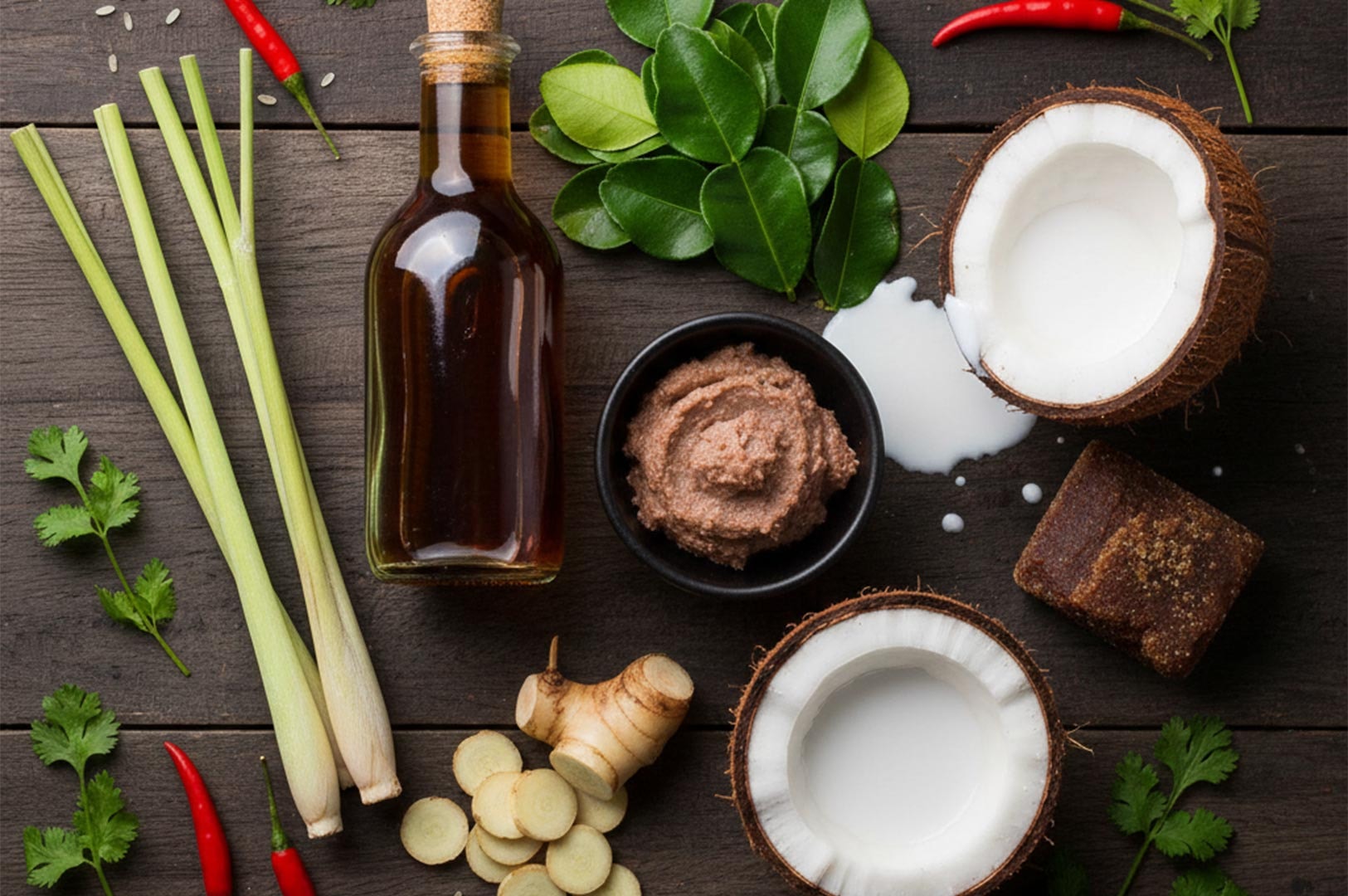
To understand why Southeast Asian cuisine is so incredibly flavorful, you have to look at the “holy trinity” of ingredients that form its backbone. While Japanese food might rely on the subtle purity of dashi and East Asia often leans heavily on the savory depth of soy sauce, Southeast Asian chefs play a more aggressive—and rewarding—game.
The Soul of the Sauce
In almost every Southeast Asian kitchen, the salt doesn’t come from a shaker; it comes from a bottle of fish sauce. This amber liquid is the lifeblood of the region. On its own, it’s pungent, but when dropped into a flavorful broth or whisked into a dipping sauce, it transforms into a savory, umami-rich backbone that heightens every other ingredient. In Indonesia and Malaysia, this saltiness often comes from shrimp paste (belacan or terasi), a pungent block of fermented krill that provides a deep, earthy funk to sambals.
The Cream and the Crunch
Then, there is the texture. Coconut milk provides a velvety richness to Thai dishes like green curry, acting as a cooling foil to the fiery red chili peppers. To brighten these heavy flavors, a handful of fresh herbs—Thai basil, cilantro, and mint—is almost always tossed on at the last second.
- Palm Sugar: Derived from palmyra or coconut palms, it provides a smoky, caramel-like sweetness.
- Kaffir Lime Leaves: These hourglass-shaped leaves lend a citrusy aroma that defines Tom Yum.
- Galangal and Lemongrass: The woody, floral aromatics that distinguish Thai food from its neighbors.
Street Food: The Living Heart of the Region
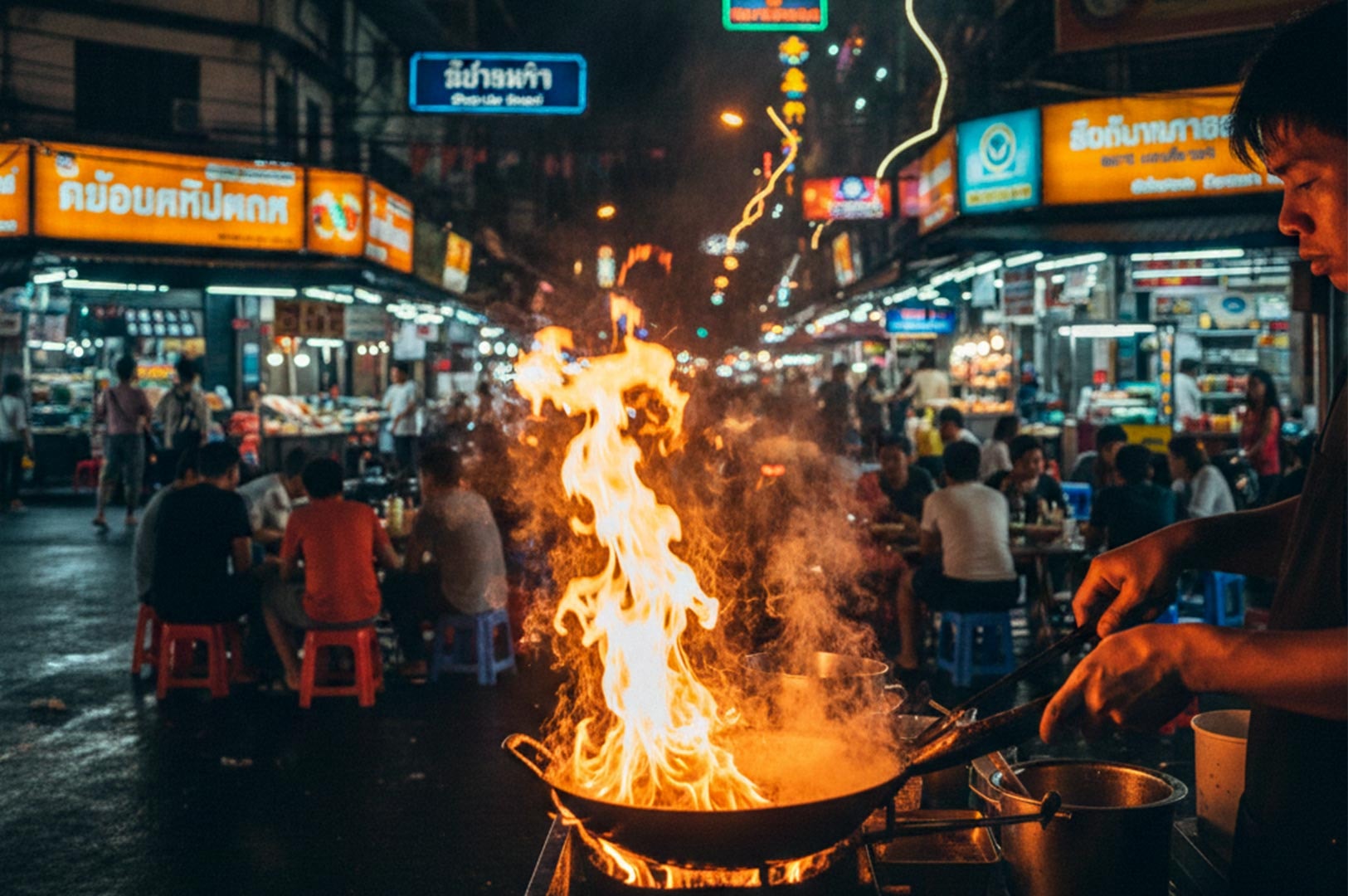
You cannot talk about Southeast Asian food without talking about the sidewalk. In this part of the world, the best food isn’t found behind velvet ropes; it’s found on plastic stools. Street food vendors are the keepers of the region’s gastronomic flame, often having spent decades perfecting a single national dish.
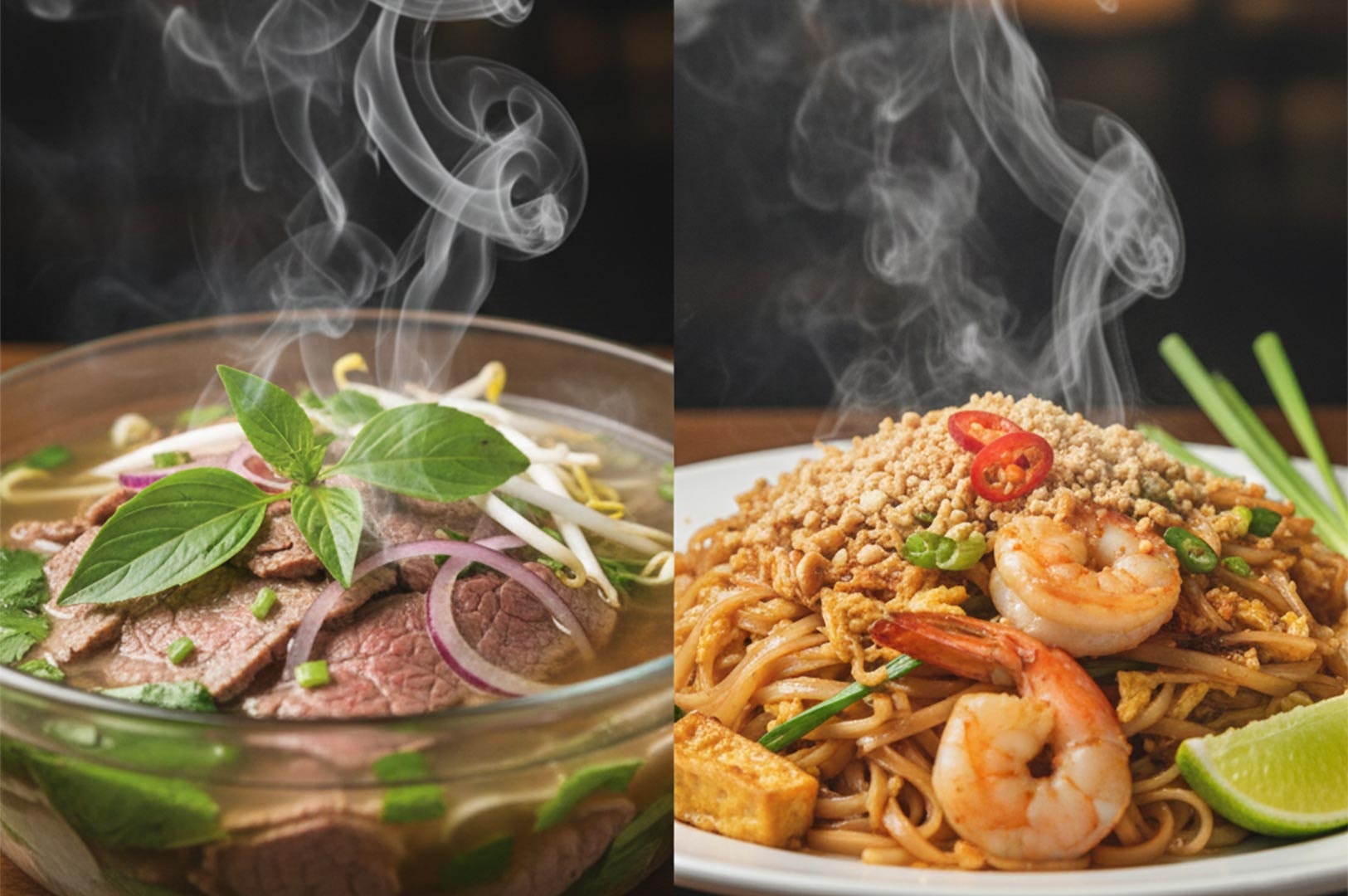
In Vietnam, the morning fog is pierced by the aroma of Vietnamese noodle soup, or Pho. This isn’t just a meal; it’s a ritual. A flavorful broth is simmered for twelve hours with charred ginger and star anise, then poured over silky rice noodles and thin slices of beef. It is typically served with a mountain of bean sprouts, fresh basil, and a squeeze of lime.
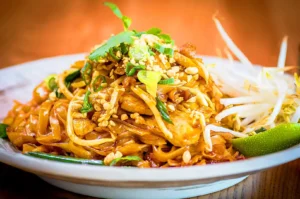
Cross the border into Thailand, and the street food landscape shifts. Here, the wok is king. Pad Thai is perhaps the most famous noodle dish globally, a masterful scramble of flat rice noodles, dried shrimp, tofu, and bean sprouts, finished with a dusting of crushed peanuts. But if you want something truly soul-warming, look for Tom Yum Goong. This hot and sour soup, teeming with prawns and fragrant with lemon juice and lemongrass, is a masterclass in flavor balancing.
The Influence of Migration and Fusion
The beauty of Southeast Asian countries lies in their history as a global melting pot. Many of the region’s favorite dishes are actually a form of fusion food, born from the influence of Chinese immigrants who traveled south centuries ago.
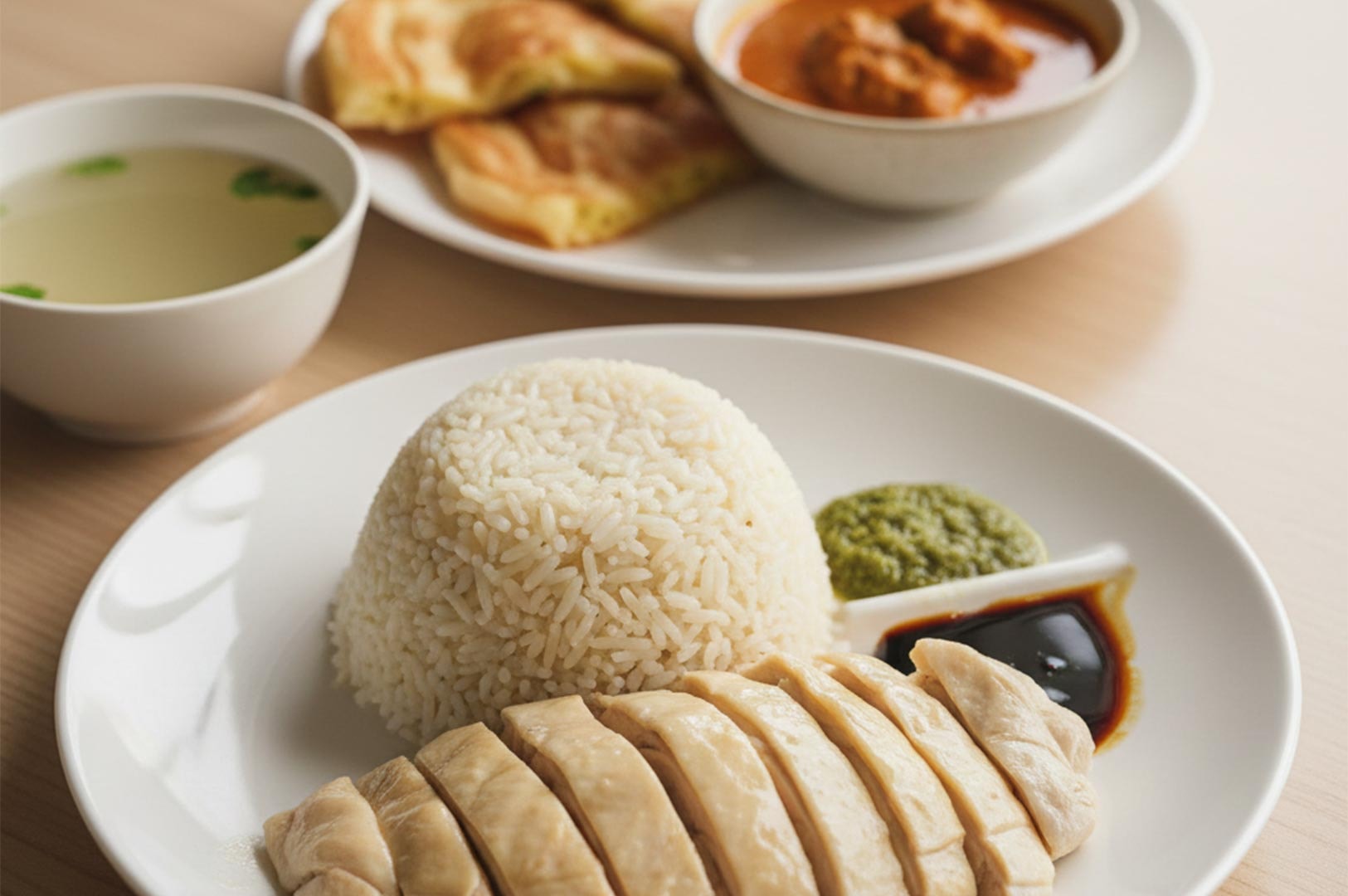
Take Hainanese Chicken Rice, the undisputed king of Singaporean and Malaysian food. It is a deceptively simple dish of poached chicken served with rice that has been cooked in chicken fat and ginger. Its brilliance lies in the execution—the silky skin of the chicken and the punchy chili-ginger dipping sauce. Similarly, Roti Canai—a flaky, buttery flatbread—shows the undeniable influence of Indian labor and trade in the Malay Peninsula.
In the Philippines and Indonesia, you see the heavy use of soy sauce and sweet soy sauce (kecap manis), a thick, syrupy condiment that gives dishes like Nasi Goreng (fried rice) its dark, caramelized hue. It’s also the secret behind fried tempeh, a fermented soy cake that is a staple protein across the Indonesian archipelago.
A Narrative Journey Through Iconic Flavors
If one were to chart a course through these delicious destinations, the journey would begin with the aromatic curries of the mainland. While Thai food is famous for the coconut-heavy Tom Kha Gai, the culinary story continues into Cambodia, which offers a gentler, more herb-forward alternative called Fish Amok. This silken mousse of white fish is steamed in banana leaves with a curry paste made of lemongrass and turmeric, showcasing a subtlety that is often overlooked in the region’s more fiery reputations.
The narrative of the region is also written in rice flour. From the stir fried noodles found in a smoky Bangkok alley to the Bun Cha (grilled pork with noodles) of Hanoi, the region runs on this versatile grain.
You might find flat rice noodles tossed in a dark soy glaze for Char Kway Teow in a Malaysian hawker center, or glutinous rice steamed inside bamboo for a portable street food snack. Each iteration of the noodle reflects the local climate and the specific preferences of the community, whether they crave the “breath of the wok” or the freshness of a cold noodle salad.
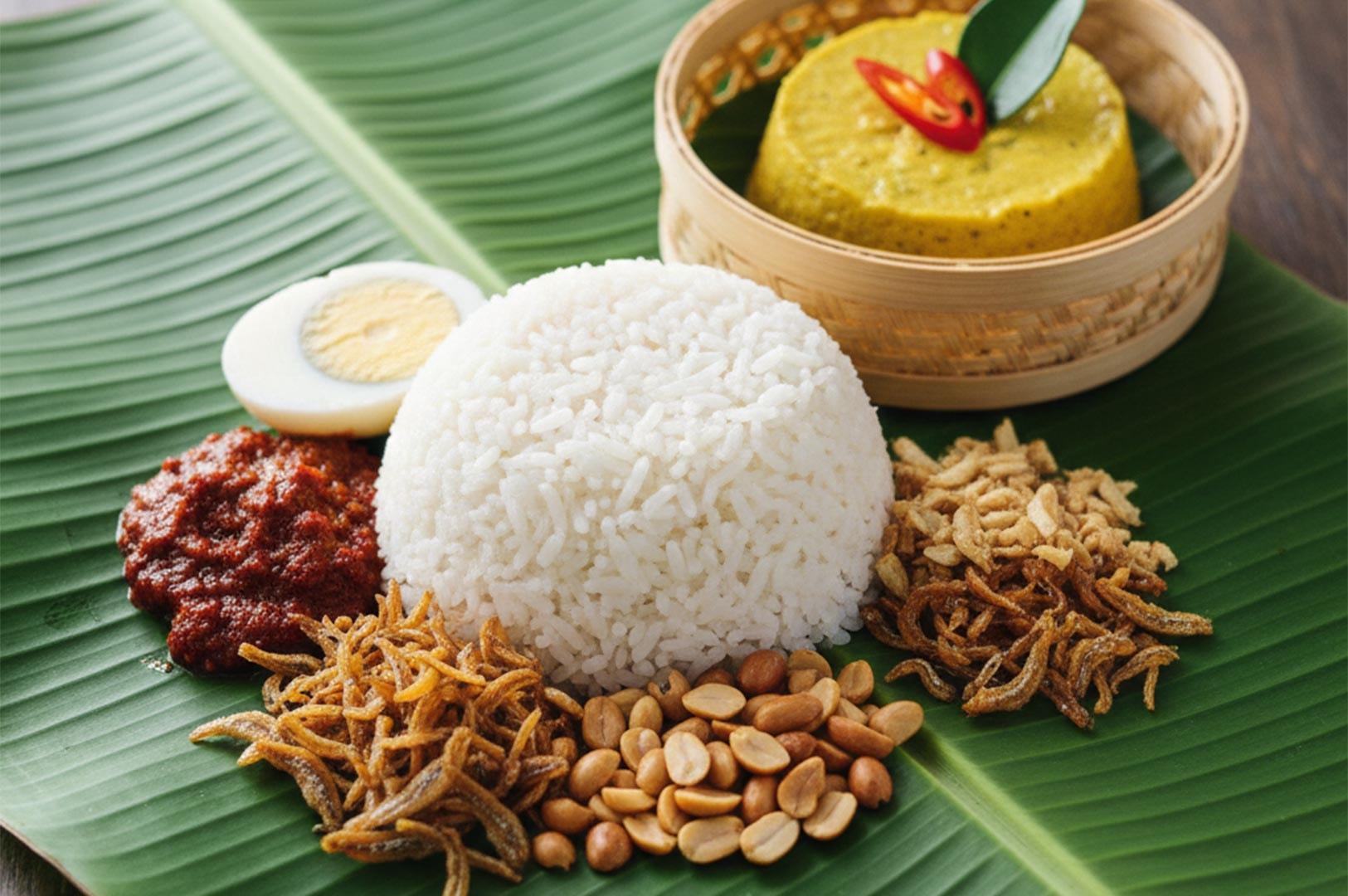
Moving toward the islands, the flavors become even richer. In Malaysia, the national pride is Nasi Lemak, where steamed rice is infused with coconut milk and pandan, then served with a spicy sambal and hard boiled eggs.
In Indonesia, the diversity of the archipelago means the food changes with every island. While pork belly is less common in many areas, in Bali, the legendary Babi Guling (roast suckling pig) remains a celebratory feast, highlighting the unique Hindu-Balinese culinary traditions that stand out within the broader Indonesian landscape.
The Art of the Sweet Finish
Southeast Asians have a unique relationship with dessert. You won’t find many heavy cakes or pastries here. Instead, sweetness comes from nature and the clever use of sweetened condensed milk and evaporated milk.
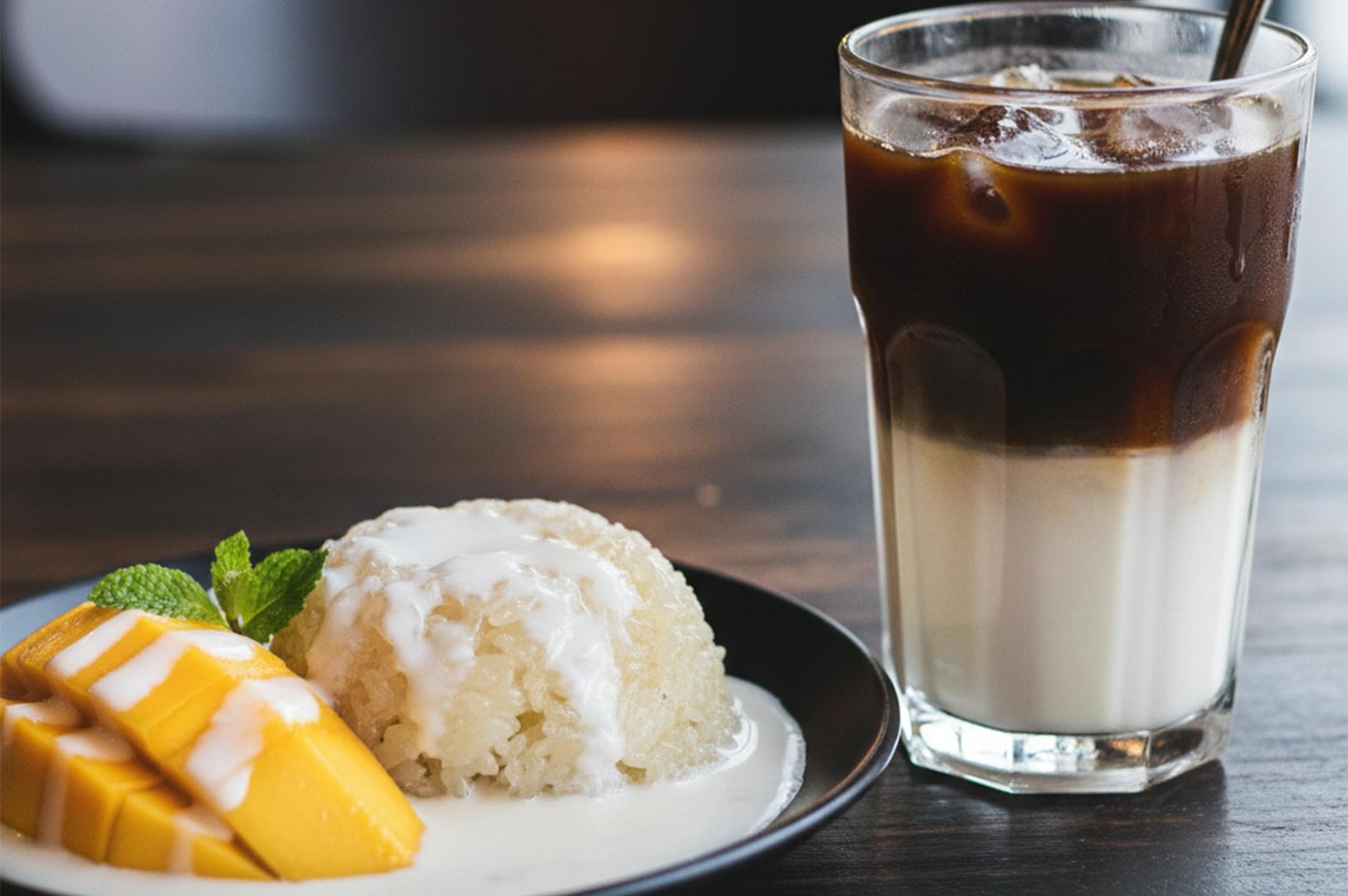
After a spicy meal, nothing cuts the heat like a bowl of sticky rice topped with slices of ripe mango and a drizzle of salty coconut cream. For a refreshing drink, locals turn to iced coffee sweetened with thick condensed milk or bowls of grass jelly and shaved ice.
Glutinous rice also makes an appearance in countless snacks, often wrapped in banana leaves with palm sugar or filled with savory Chinese sausage. The textures are chewy, bouncy, and entirely different from Western desserts, focusing on the natural sweetness of tubers and grains.
Why We Keep Coming Back
What makes Southeast Asian food the best street food in the world isn’t just the ingredients; it’s the accessibility and the soul. It is food that is meant to be shared. It is food that values the “umami” of fish sauce just as much as the brightness of cherry tomatoes or the crunch of a rice paper spring roll.
Whether you are cracking into a spicy Chili Crab in Singapore, enjoying a bowl of Vietnamese food by a lake in Da Lat, or learning how to cook noodles in a Chiang Mai cooking class, you are participating in a thousand-year-old conversation between cultures.
The region’s culinary traditions are a reminder that the most great food doesn’t require a tablecloth—it just requires fresh ingredients, a little bit of heat, and an open mind. From the first sip of a Tom Yum broth to the last bite of a Roti Canai, this is a journey that never truly ends.
Ready to Taste the Tradition?
The world of Asian food is vast, but you don’t have to fly across the ocean to start your journey. Why not try recreating a classic at home? Start by sourcing a high-quality fish sauce and some fresh herbs from your local market.

Pattaya Garden Restaurant and the Thai Meal That Knows How to Feed a Group
Eat Drink Asia Team | September 3, 2026
The rice came down first. A plain bowl, warm and steaming, set in the middle of the table before anything else. Then the green curry, in a bowl wide enough for four spoons to reach at once. And within a minute the table stopped being a set of individual meals and became one shared thing,…
-
At Keria Japanese Restaurant, the Meal Begins Before the First Bite
Dio Asahi | September 3, 2026
By Dio Asahi for Eat Drink Asia. The lift opens onto a corridor leading to the famed and hidden Cuppage Plaza food, and the building’s age shows in the flickering fluorescent light and the smell of old carpet. Then a sliding door pulls back, and Keria Japanese Restaurant asks you to slow down. Inside, it…
-
The Round Kaya Bun at Chin Mee Chin Confectionery, and the Mornings It Keeps
Eda Wong | September 2, 2026
By Eda Wong for Eat Drink Asia. It’s not quite eight, and the pastel-blue shophouse is already awake. Kopi cups clink against saucers. A ceiling fan turns slow overhead. Someone folds a newspaper at a marble-topped table, and the man behind the counter moves without hurry, sliding buns across in a rhythm he’s clearly done…
-
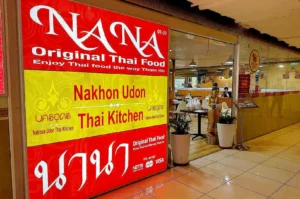
Nana Original Thai Food and the Thai Meal That Keeps Changing Its Accent
Eda Wong | September 1, 2026
The tom yum arrived first, and the first spoonful hit sour and hot at once, lime and chilli chasing each other down the throat. This classic Thai dish features a spicy sauce and aromatic herbs that awaken the taste buds straight away, setting the stage with its bold flavors. Then the pineapple rice came, sweet…
-
Pad Thai Recipe for People Who Know the Noodles Can’t Be an Afterthought
Dio Asahi | August 29, 2026
The first time I made Pad Thai, I ruined it before the wok was even hot. I’d left the noodles soaking while I answered a phone call. Ten minutes turned into forty. By the time I drained them, they were already soft, already surrendered. Everything I did in the pan after that was damage control….
-
Best Japanese Restaurant Singapore: Places That Nail the “First Bite”
Eat Drink Asia Team | August 27, 2026
I built this list around a very specific feeling: that first bite where the room goes quiet for a second. I’ve tried enough Japanese restaurants in Singapore over the years to know that “best” does not always mean the most expensive, the rarest, or the hardest to book. Sometimes it is the warmth of the…
-
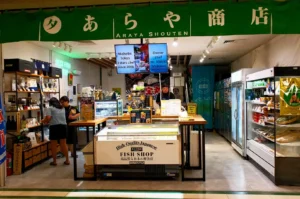
Not Just Seafood: How Araya Shouten Keeps Japanese Fishing Culture Alive in Singapore
Eat Drink Asia Team | August 26, 2026
Japanese cuisine has long been admired for its attention to seasonality, precision, and respect for ingredients. However, behind every piece of sashimi or carefully prepared seafood dish lies a story that begins far away from the dining table, often with fishermen, coastal communities, and generations of knowledge passed down through time. At Araya Shouten, seafood…
-
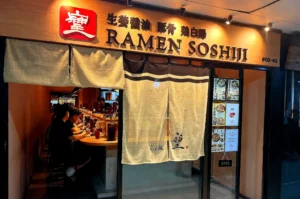
The Ginger Shoyu Ramen at Ramen Soshiji, Where Orchard Goes Quiet
Dio Asahi | August 26, 2026
By Dio Asahi for Eat Drink Asia. The lift opens on the third floor of Orchard Plaza, and for a second I don’t know which way to turn. The corridor is dim and still, the kind of quiet that feels almost accidental in this part of town. A few doors down, an unmarked entrance. Inside,…
-
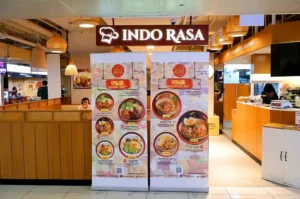
Indo Rasa Singapore and the Nasi Goreng That Measures a Kitchen’s Confidence
Eat Drink Asia Team | August 25, 2026
There’s a dish I order when I want to know a kitchen quickly. Not the specialty. Not the thing the menu is proud of. I order the fried rice. Because nasi goreng has nowhere to hide. It’s rice, chilli, chicken, egg, a few crackers, some cucumber. Everyone thinks they can make it. Most people can….
-
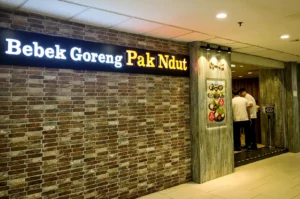
Bebek Goreng Pak Ndut and the Fried Duck That Makes Nasi Goreng Feel Too Polite
Eda Wong | August 22, 2026
The duck arrived and made a sound before I’d even touched it. Not the plate, the skin. When my fork pressed against it, there was a small, dry crackle, the kind you feel in your fingers before you hear it. That’s when I understood I wasn’t eating a soft meal. This was something with edges….