It was the kind of evening where you don’t want to think too hard about dinner.
I’d been walking up East Coast Road, the air still thick from an afternoon shower, when I ducked into a coffeeshop just to sit down. The Bullion Hawker Bar. And tucked among the usual suspects — wanton mee, Hokkien mee, chicken rice — was a stall whose menu board made me stop.
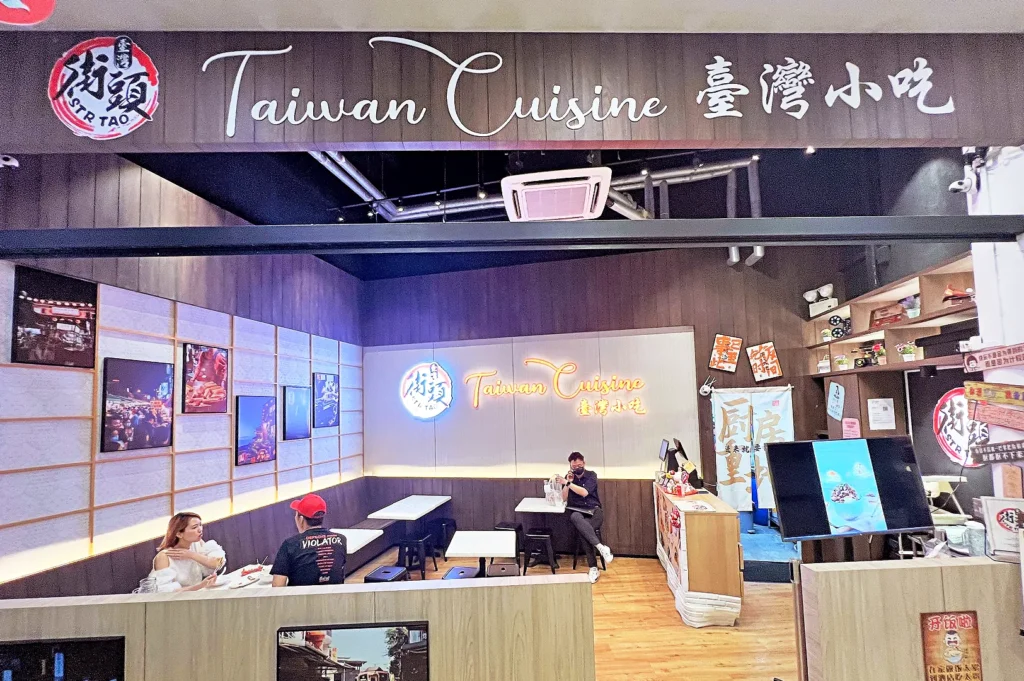
STR TAO. A wall of Taiwanese dishes, so many of them I almost laughed. Rice bowls, mee sua, fried snacks, cutlets, pancakes, drinks. It felt less like a stall and more like a small night market squeezed into one corner.
I came in not knowing what I wanted. I think that’s the point of a place like this.
A Coffeeshop Table, Not a Restaurant
Let me be clear about what this is, so you go in with the right expectations.
STR TAO is a hawker stall nestled inside The Bullion Hawker Bar, a bustling coffeeshop on East Coast Road. This means you’ll be sharing tables under the hum of fluorescent lights and a lone fan stirring the air. Cutlery comes from a communal tin, and the vibe is all about efficiency over ambiance.
You order at the counter, find a seat, and wait for your number to be called. I sat near the edge on a slightly wobbly plastic chair, the scent of fragrant rice and bold flavors wafting from nearby plates. Two tables over, someone’s Hainanese chicken rice arrived, the tender meat glistening against its bed of fragrant rice. A delivery rider leaned against the doorway, scrolling on his phone, waiting for a bag.
This isn’t a place for a curated dining experience, but the comfort food here—the kind that hits your taste buds with nostalgic, savory flavors—is exactly what suits an evening when you want good food without fuss. For recommended food nearby, Isshin Machi is a great option to explore.
The Food, and the Wisdom of Ordering Wide
A menu this expansive can go one of two ways: spread itself thin and do everything poorly, or offer enough variety to satisfy diverse cravings. STR TAO lands somewhere in between, but the trick is knowing where to land.
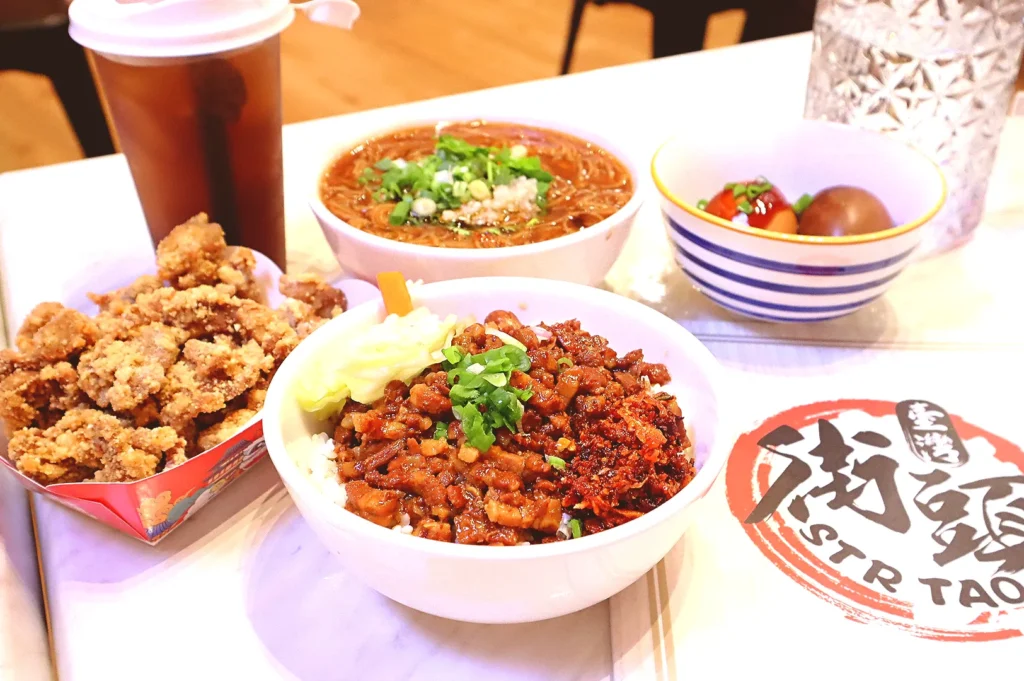
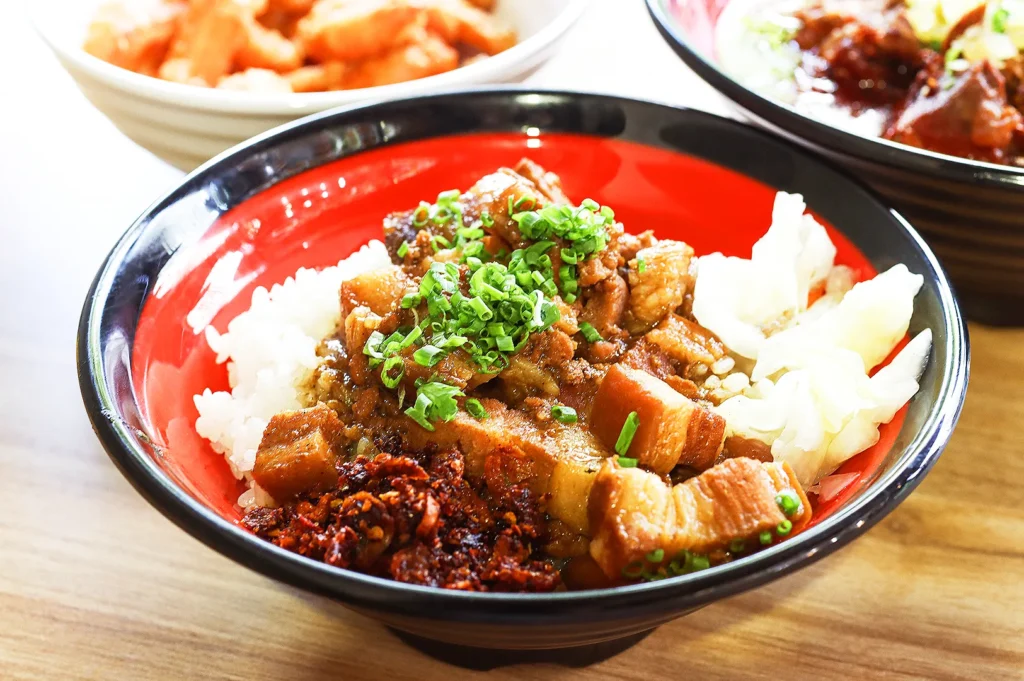
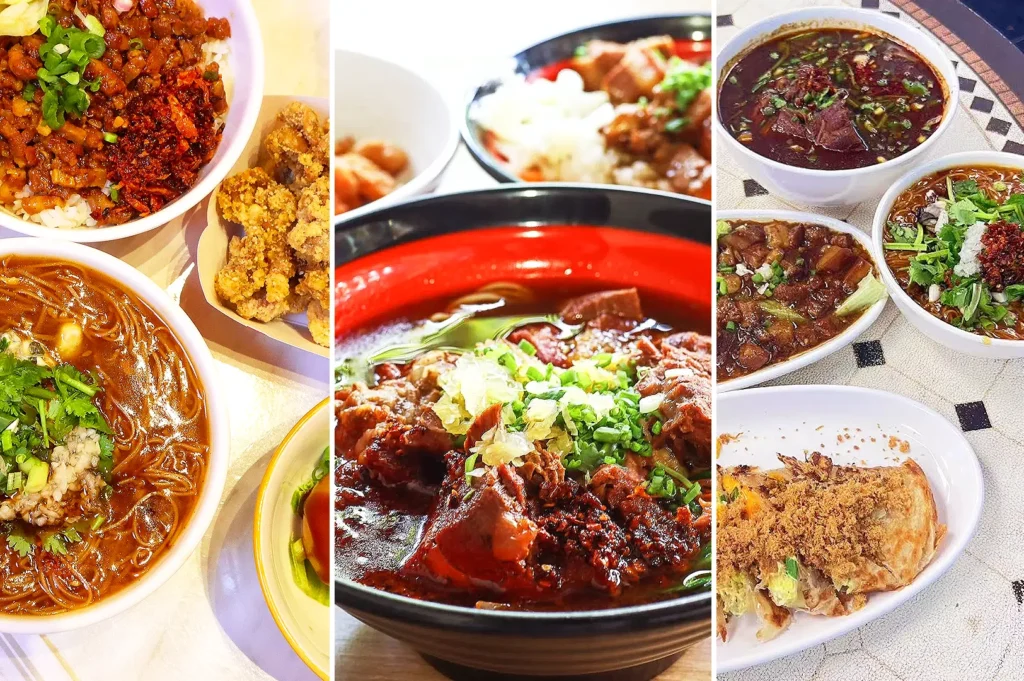
Signature Braised Pork Rice (S$9.30)
Start here, because this dish anchors the kitchen’s Taiwanese cuisine roots.
The signature braised pork rice arrives with chunks of tender meat—not minced meat or paste—braised until the fat melts into the fragrant rice beneath. The sauce is a dark, savory embrace, rich with umami and a perfect balance of sweet and salty. Each grain of rice soaks up the sauce, making every bite a comforting indulgence.
If you only order one thing, make it this. It’s the safe bet that earns your trust, much like the classic braised egg that often accompanies it, adding a creamy texture and deep flavor to the plate.
Taiwan Mee Sua with Oyster (S$9.30)
Next, something softer and soothing.
The mee sua noodles are silky and delicate, almost dissolving on your spoon, swimming in a gentle, savory broth. Small oysters dot the soup, their briny sweetness a subtle contrast to the starchy, comforting base. This dish is a quiet, spoonable comfort food that warms you from the inside on a damp night.
Deep Fried Sweet Potato and Pan Fried Chicken Cutlet (S$7.80 each)
Then comes the crunch.
- The deep fried sweet potato is a hidden gem of street food—crispy on the outside with a tender, sweet interior, lightly dusted with plum powder that adds a tangy lift to each bite.
- The pan fried chicken cutlet boasts a crisp batter that encases juicy, tender meat, delivering a satisfying contrast of textures.
Both are best enjoyed piping hot, their savory flavors awakening your taste buds and complementing the rice bowls perfectly.
These fried snacks show that STR TAO’s kitchen serves more than just rice—they bring the full spectrum of Taiwanese street food to your table.
An Honest Word on the Rest
Not everything on this vast menu hits the mark.
- The bento and cutlet dishes are where I’d advise caution.
- Some fried chicken cutlets can run dry inside despite a crisp exterior.
- The accompanying sides sometimes lack the richness to balance the plate.
- Portions vary—while the braised pork rice feels generous, other dishes may leave you wanting more.
If you’re truly hungry, pair a rice bowl with a fried snack rather than relying on one plate alone. This approach ensures a good balance of textures and flavors, from the savory braised pork to the crisp batter of the chicken cutlet.
Service, Plainly
Service is straightforward and functional.
This is counter service in a coffeeshop, so expect to order, pay, wait, and collect your food yourself. The kitchen’s energy is built around turnover, with many orders going out for delivery through platforms like Foodpanda, where STR TAO holds a glowing 4.9/5 rating from over 500 reviews.
Don’t expect servers to guide you through the menu; come prepared or ready to explore.
What You’ll Want to Know Before You Go
A few practical notes for your visit to this east-side hidden gem:
- Address: 396 East Coast Road, Singapore 428994, inside The Bullion Hawker Bar.
- Getting there: The nearest MRT is Kembangan, about 1.3 km away, a 20-minute walk not ideal after a meal. Better to take buses 10, 12, 14, 32, 40, 15, or 150 to Katong Omega Apartment or East Coast Apartments stops, just two minutes away.
- Hours: Approximately 11:15am to 9pm daily, though delivery and dine-in times may vary—check before a late visit.
- Average spend: Around S$9–S$15 per person. Mains and sets mostly range between S$9.30 and S$14.80; snacks hover around S$7.80–S$8.80; cold brown sugar milk tea is S$4.80.
- Delivery: Active on Foodpanda with a S$10 minimum order, perfect for a rainy night.
- Driving: East Coast Road can get congested during meal times; plan extra time for parking.
A Taste of Singapore’s Hawker Centres and Beyond
If this whets your appetite for more authentic comfort food, Singapore’s best hawker stalls and hawker centres like Maxwell Food Centre offer legendary dishes such as Hainanese chicken rice, char kway teow, nasi lemak, and popcorn chicken. These spots are the heart of Singapore’s street food culture, where bold flavors and savory delights come together to excite your taste buds without the extra cost of fine dining.
For breakfast, don’t miss classics like kaya toast and Ya Kun Kaya Toast, often paired with soft boiled eggs sprinkled with white pepper for the perfect balance of sweet and savory.
And if you’re craving a dining experience with a touch more flair, Singapore’s best restaurants along Orchard Road and in Little India offer elevated versions of these dishes, blending tradition with modern culinary techniques.
Next visit, consider exploring these iconic dishes and places to deepen your appreciation for Singapore’s tasty food scene. For those seeking the pinnacle of Japanese culinary art, the top omakase options in Singapore provides an intimate and exquisite dining experience unmatched elsewhere.
The Bottom Line on STR TAO
STR TAO isn’t a place I’d send you to for an occasion. There’s no ambience to speak of, no service to remember, no MRT to drop you at the door.
But that was never what it’s offering.
What it offers is a menu wide enough to meet whatever you walked in craving — a bowl of braised pork rice when you want something solid, a coil of oyster mee sua when you want something soft, a handful of salt-fried chicken when you just want to crunch something good. The kind of place that becomes useful precisely because it doesn’t make you decide in advance.
This is for the East Coast and Katong crowd — the people nearby who want Taiwanese comfort without ceremony. For the delivery lunch, the takeaway dinner, the night you don’t feel like thinking.
The pork rice will bring me back. The mee sua might too, on a rainy night.

The Fifth Element: A Masterclass on Umami in East Asian Cuisine
Dio Asahi | March 12, 2026
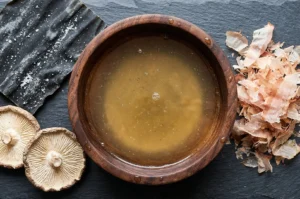
I’ll never forget the first time I made miso soup from scratch. Not the instant kind, but the “proper” way. I boiled water, dissolved miso paste, added tofu, and waited. It tasted flat, salty and cloudy but missing the deep, satisfying flavor I loved in Japanese restaurants. I thought maybe I needed better miso. Years…
-
Why My Quest Ended at Yummy Western (409 AMK)
Dio Asahi | March 10, 2026
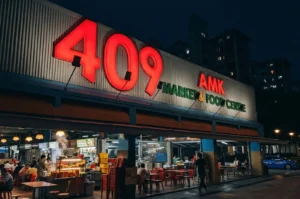
There’s a specific magic to a late-night supper hunt in Singapore. It’s the ritual of chasing a craving through the humidity to find that one stall that hits the spot. For me, that meant a pilgrimage to Ang Mo Kio Avenue 10. I arrived at 10 PM on a Friday, just as the ‘supper soul’…
-
A Taste of Time: My Dinner at Guan Hoe Soon
Eda Wong | March 7, 2026
There’s something special about visiting a place that has seen decades of Singapore’s history unfold. Guan Hoe Soon, tucked away on Joo Chiat Road, holds the title of Singapore’s oldest Nyonya restaurant, and you can feel that heritage the moment you step inside. I’d heard about it for years, a place where recipes aren’t just…
-
The 6 Best Halal Restaurant in Singapore for Authentic Nasi Padang
Eda Wong | March 5, 2026
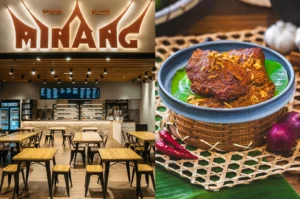
There are few meals as satisfying as Nasi Padang, a colourful feast where you choose from a variety of dishes to create your perfect plate. Over the years, I’ve explored Singapore’s Nasi Padang scene, especially in Kampong Glam, sampling everything from humble hawker stalls to renowned spots. This list highlights the best halal Nasi Padang…
-
The Global Soup Bowl: How Indonesian Soto Shapes the Future of Asiatic Food Traditions
Dio Asahi | March 3, 2026
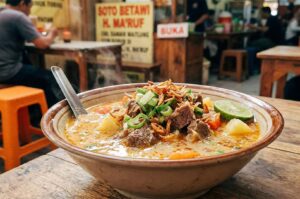
I still remember my first “real” bowl of Indonesian soto. Sitting on a low plastic stool in a cramped warung, I ordered Soto Betawi, expecting it to be like the clear Soto Ayam from Singaporean weddings. I was wrong. The rich, milky broth was intense, creamy, and boldly spiced. That first spoonful rewired my idea…
-
Shun: Japan’s Seasonal Treasures – A Deep Dive Into the Ingredients Behind True Omakase
Eat Drink Asia Team | February 28, 2026
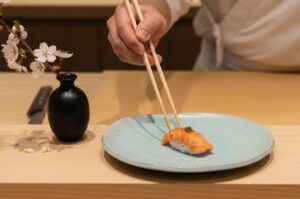
In the world of Asian food, few dining experiences capture the soul of traditional Japanese food culture like omakase. At a premier omakase restaurant, diners entrust their meal entirely to the chef, whose artistry is guided not just by mastery, but by shun—the appreciation of seasonal and fresh ingredients at the absolute peak of their…

My Trip to Bánh Mì Saigon and How It Compares to Best Food in Singapore
Eda Wong | February 26, 2026
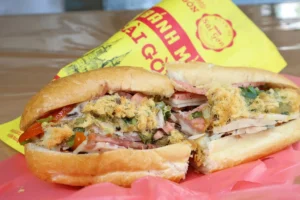
Located in the bustling neighborhood of Ang Mo Kio, Bánh Mì Saigon offers a taste of Vietnam right here in Singapore. From traditional bánh mì sandwiches to hearty pho bowls and refreshing Vietnamese iced coffee, this restaurant has it all. I arrived at Bánh Mì Saigon on a busy Saturday evening and was immediately drawn…
-
Tea Room by Ki-setsu: A Curated Journey Through Chinese Tea in the Heart of Singapore
Dio Asahi | February 25, 2026
Most people arrive at Chinese tea the way they arrive at any beverage: thirsty, curious, maybe looking for something sweet or soothing. But traditional chinese tea isn’t built like a single drink. It’s a network: leaf origin, processing choices, vessel physics, water, pacing, and the quiet social technology of sitting down long enough for a…
-
Tandoori Chicken: The Signature Indian Chicken Dish
Eda Wong | February 24, 2026
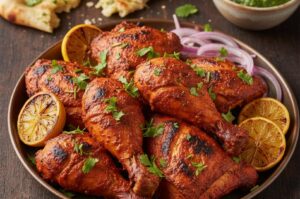
Tandoori chicken stands tall among the best Indian chicken recipes. With its vibrant hue and smoky aroma, this iconic Indian chicken dish is celebrated in Indian restaurants worldwide. Emerging from Punjab, it pairs perfectly with fragrant basmati rice or fresh naan and is a favorite for anyone who loves bold flavors. The hallmark of tandoori…
-
Chicken 65: A Fiery Indian Chicken Recipe You Must Try
Eat Drink Asia Team | February 21, 2026
We’ve spent months tracking the ‘shatter-rate’ of chicken across the South, and here’s the truth: most of what you find is a pale, food-colored imitation. The real Chicken 65 isn’t just spicy; it’s an atmospheric experience. It starts with the sharp, herbal snap of curry leaves hitting 180°C oil and ends with a deep, earthy…