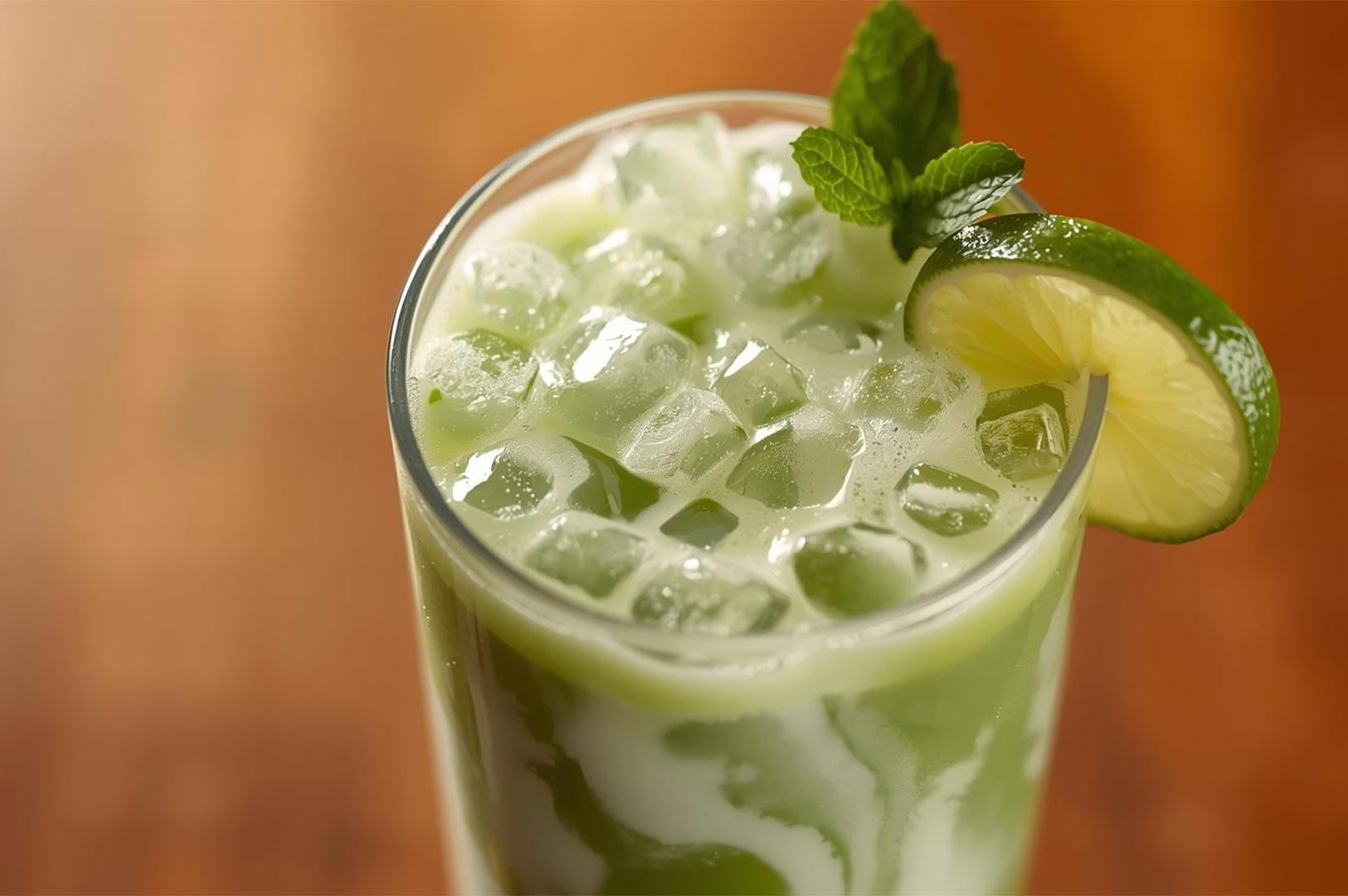
Picture a tall glass filled with crushed ice, its emerald-green contents swirled with ribbons of creamy white milk—this is thai green milk tea, one of Southeast Asia’s most visually striking and refreshing drinks. Known locally as cha khiao nom yen, this popular drink has captured hearts across Asia and beyond with its distinctive pale green color, sweet creamy texture, and aromatic blend of jasmine and pandan flavors.
Unlike its more famous orange-hued cousin, traditional thai tea, this green milk tea offers a lighter, more floral drinking experience while maintaining the signature sweetness that makes Thai beverages so beloved. Whether you’re sipping it from a street vendor’s cart in Bangkok or brewing your own batch at home, thai green milk tea represents a perfect fusion of traditional tea culture and modern innovation.
In this comprehensive guide, we’ll explore everything from the cultural origins of this refreshing drink to authentic brewing techniques you can master in your own kitchen. You’ll discover what makes this emerald beverage unique, learn about its health benefits, and find out how to customize it to suit your personal taste preferences.
What is Thai Green Milk Tea?
Thai green milk tea is a sweet, creamy iced beverage that combines jasmine-scented green tea leaves with sweetened condensed milk and evaporated milk. This delicious drink gets its signature pale green color from natural green tea compounds and sometimes additional food coloring to enhance its visual appeal.
The base of authentic thai green tea mix typically contains Assam green tea leaves that have been processed to retain their vibrant color while developing the robust flavor needed to stand up to the rich milk additions. Unlike regular green tea, which can be delicate and grassy, this tea blend is designed to be brewed strong and served sweet.
Origins and Cultural Significance of Thai Green Milk Tea
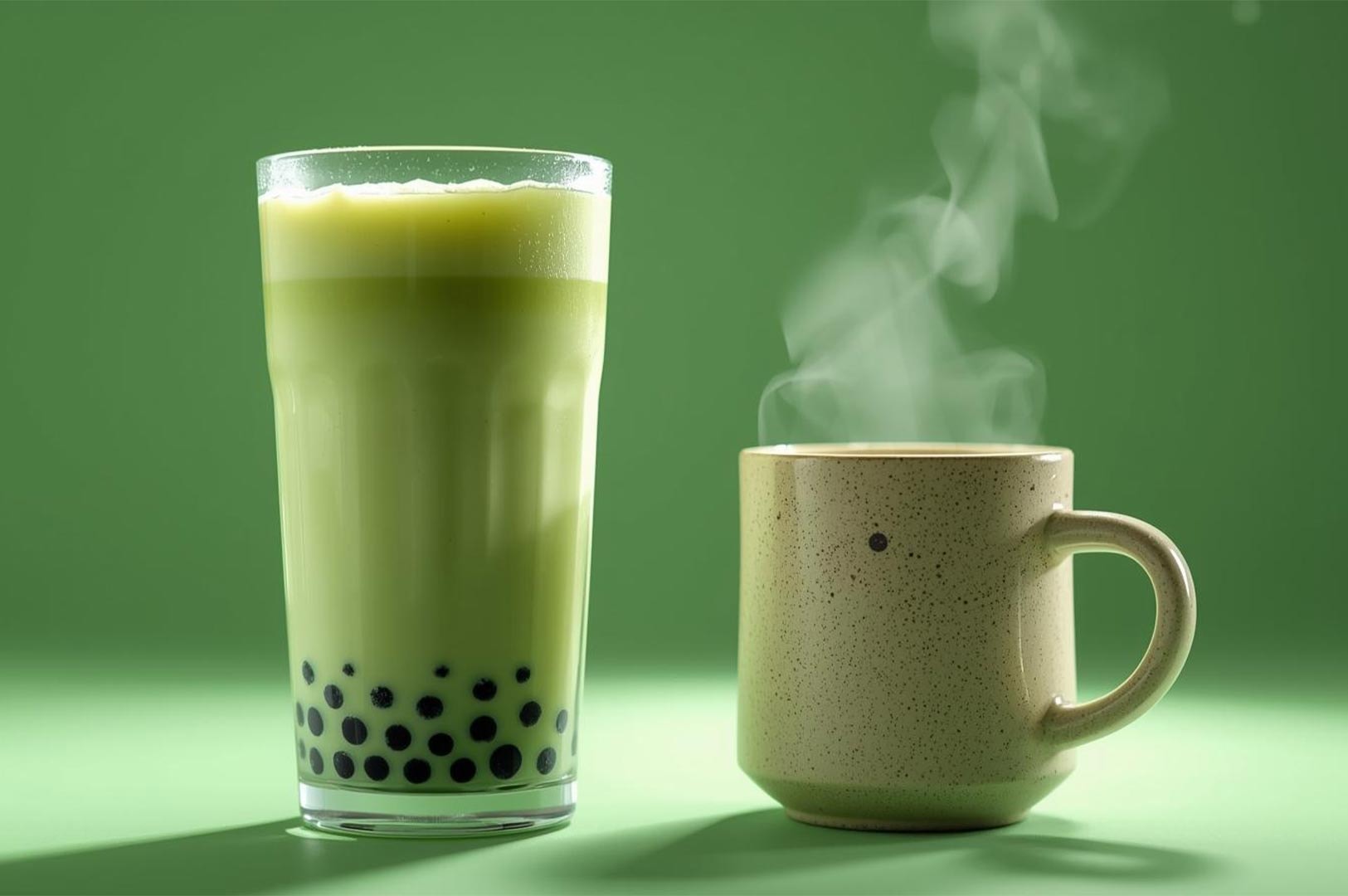
The story of thai green milk tea begins with understanding Thailand’s broader tea culture, which has roots stretching back centuries. Thai milk tea culture originally developed from Chinese immigrants in the 1930s, who brought their tea-drinking traditions and adapted them to local ingredients and preferences.
Traditional thai iced tea (cha yen) was the original creation—a bold, orange-colored drink made from strongly brewed black tea, spices, and condensed milk. This became a staple of Thai street food culture, offering an affordable, refreshing respite from the intense heat.
The green variation emerged much later, during the 2000s green tea trend that swept across Asia. As health consciousness grew and green tea gained popularity for its antioxidant properties, creative Thai street vendors began experimenting with green tea bases while maintaining the beloved creamy, sweet profile that defines Thai milk teas.
What Makes Thai Green Milk Tea Unique
Several distinctive characteristics set thai green milk tea apart from other green teas and even other milk teas. The most obvious difference is its signature layered appearance—when properly served, you’ll see the pale green tea at the bottom topped with a layer of creamy white milk that creates beautiful visual contrast before being mixed.
The flavor profile offers a unique blend of jasmine and pandan flavoring that distinguishes it from Japanese matcha or Chinese green teas. While matcha can be intensely grassy and sometimes bitter, thai green tea provides floral, aromatic notes that complement rather than compete with the sweetness. Many authentic recipes include dried jasmine flowers or pandan leaves, which contribute both aroma and subtle flavor complexity.
The caffeine content is notably lower than traditional thai black tea, typically containing 20-30mg per cup compared to 40-50mg in black tea versions. This makes it suitable for afternoon or evening consumption without the stimulating effects of higher-caffeine beverages like coffee.
How to Make Authentic Thai Green Milk Tea at Home
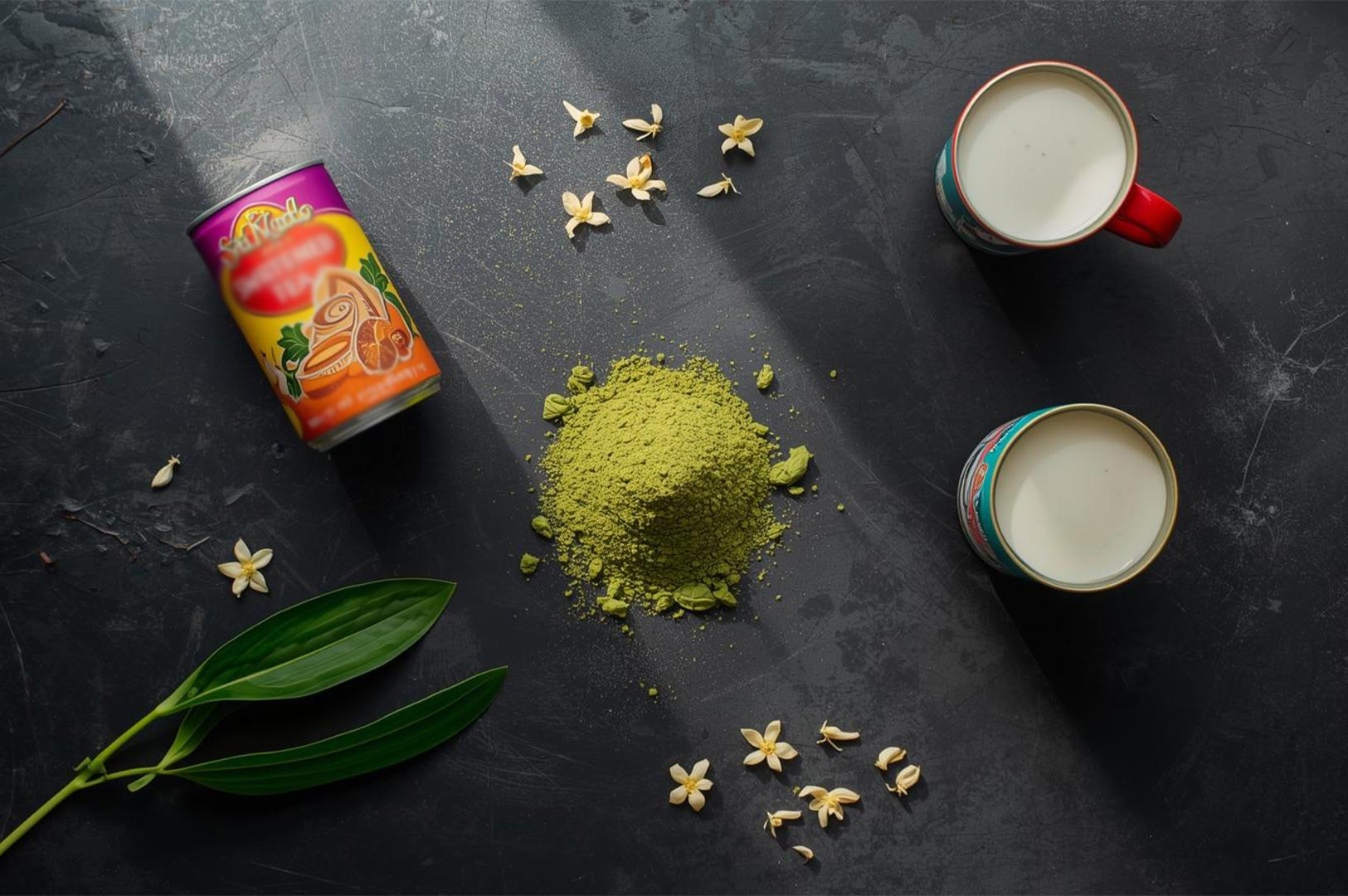
Creating authentic thai green milk tea at home requires the right ingredients and techniques. The most important element is sourcing quality thai green tea mix.
Essential Ingredients
For the most authentic results, you’ll need:
- Thai green tea mix (3/4 cup for 5 cups of water)
- Sweetened condensed milk (1/4 to 1/2 cup, depending on sweetness preference)
- Evaporated milk (1/4 cup)
- Crushed ice
- Hot water (just off the boil, around 190-200°F)
- Sugar (optional, for additional sweetening)
Alternative natural ingredients for those preferring to build flavors from scratch include Assam green tea leaves, a small amount of matcha powder for color enhancement, fresh or dried pandan leaves, and dried jasmine flowers.
French Press Method
The french press method offers excellent control over steeping time and produces consistently good results:
- Heat water to just below boiling (190-200°F)
- Add tea mix – Place 3/4 cup of thai green tea mix in your french press
- Pour hot water – Add 5 cups of the heated water and stir gently
- Steep for 4-5 minutes – This timing extracts optimal flavor without bitterness
- Press and strain – Slowly press the plunger down to separate the brewed tea from the mix
- Sweeten while warm – Add sugar if desired and stir until dissolved
- Cool – Let the tea reach room temperature, then refrigerate until cold
To serve, fill tall glasses with crushed ice, pour the chilled tea to about 3/4 full, then slowly add the condensed milk and evaporated milk. The milk will create beautiful layers initially before you stir the drink.
Traditional Stovetop Method
This method mimics the authentic street vendor technique:
- Boil water in a pot – Bring 5 cups of water to a rolling boil
- Add tea mix – Stir in 3/4 cup thai green tea mix and reduce heat
- Simmer for 5-6 minutes, stirring occasionally
- Strain – Pour through a fine mesh strainer or traditional tea sock to remove all particles
- Sweeten – Add condensed milk and any additional sugar while the tea is still hot
- Cool completely before serving over ice
For batch preparation when serving multiple people, this method works particularly well as you can make larger quantities and store the sweetened tea in the refrigerator for up to 3 days.
Health Benefits and Considerations
Thai green milk tea offers several health benefits derived primarily from its green tea base, though these must be balanced against considerations related to its dairy and sugar content.
The green tea provides antioxidant properties through catechins, particularly EGCG (epigallocatechin gallate), which may support cardiovascular health and provide anti-inflammatory benefits. These compounds are preserved even when the tea is sweetened and served cold, making this a more healthful option than many other sweetened beverages.
Jasmine flowers, when included in authentic recipes, contribute additional antioxidants and have been traditionally associated with stress reduction and relaxation in Thai herbal medicine. The aromatic compounds in jasmine may also provide mild mood-enhancing effects.
For lactose-intolerant individuals, traditional preparation using dairy milk is unsuitable. Fortunately, the drink adapts well to dairy-free alternatives like coconut milk, almond milk, or oat milk, which can provide similar creaminess while accommodating dietary restrictions.
Customizing Your Thai Green Milk Tea
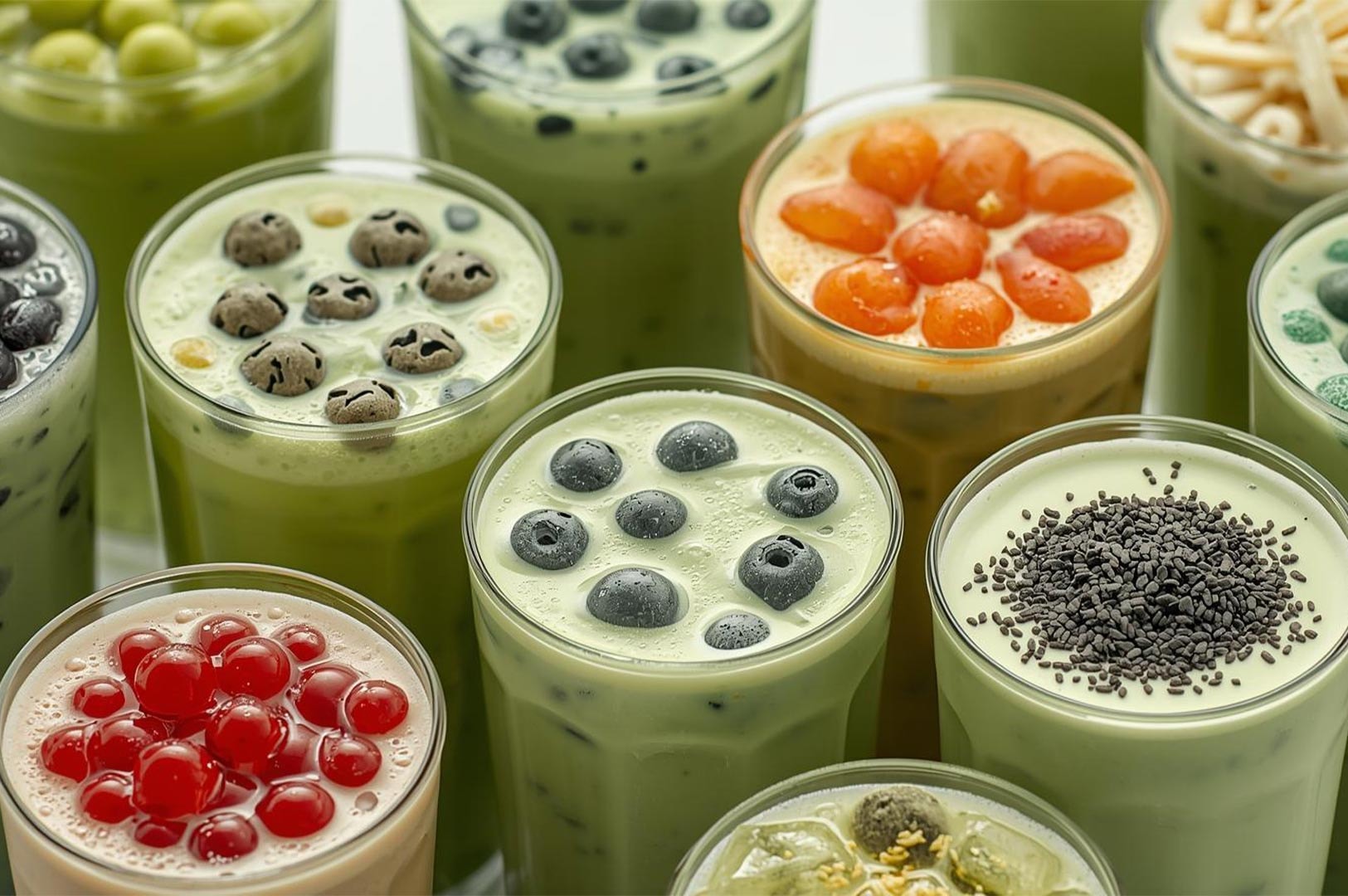
One of the most appealing aspects of thai green milk tea is its adaptability to personal preferences and dietary needs. The basic recipe serves as a foundation that can be modified in numerous ways while maintaining the drink’s essential character.
Adjusting Sweetness Levels
Control sweetness by varying the amount of condensed milk and additional sugar. Start with less condensed milk (2 tablespoons instead of 1/4 cup) and gradually add more until you reach your preferred level. You can also substitute honey, maple syrup, or stevia for refined sugar, though these will slightly alter the traditional flavor profile.
Milk Alternatives
Coconut milk creates an especially delicious variation that complements the Asian flavors beautifully. Use full-fat canned coconut milk for richness, or coconut cream for extra indulgence. Almond milk provides a lighter, nuttier flavor that works well for those preferring less sweetness. Oat milk offers creaminess similar to dairy while adding a subtle grain flavor that pairs nicely with the tea.
For a richer experience, some enthusiasts use heavy cream or whole milk in place of evaporated milk, creating an almost dessert-like consistency that’s particularly satisfying when served hot during cooler weather.
Creative Add-ins
Transform your thai green milk tea into a textural experience by adding tapioca pearls (boba) for the popular bubble tea variation. Cook the pearls according to package directions and add them to your glass before pouring the tea. Grass jelly provides a different texture—its slight bitterness creates an interesting contrast to the sweet tea.
Coconut strips or shredded coconut add both texture and enhanced coconut flavor, particularly good when using coconut milk as the base.
Flavor Variations
Extra pandan extract creates a more pronounced vanilla-like flavor and enhances the green color naturally. Start with just a few drops, as pandan can be quite potent. Rose water offers a floral variation that’s particularly popular in some regions—use sparingly as it can quickly overpower other flavors.
A small amount of vanilla extract (1/4 teaspoon per serving) creates a dessert-like quality that some find irresistible. For those who enjoy spice, a pinch of ground cardamom or a cinnamon stick during brewing adds warmth and complexity.
Temperature Variations
While traditionally served iced, thai green milk tea makes an excellent hot drink during cooler weather. Simply serve the freshly brewed tea hot with warm milk instead of chilling it. The hot version emphasizes different flavor notes and provides comforting warmth while maintaining the signature sweetness.
Garnishing Ideas
A light dusting of matcha powder on top adds visual appeal and intensifies the green tea flavor. Ground cinnamon or a sprinkle of crushed pistachios provides both color and complementary flavors. For special occasions, a star anise pod makes an aromatic and visually striking garnish.
Sourcing Authentic Ingredients
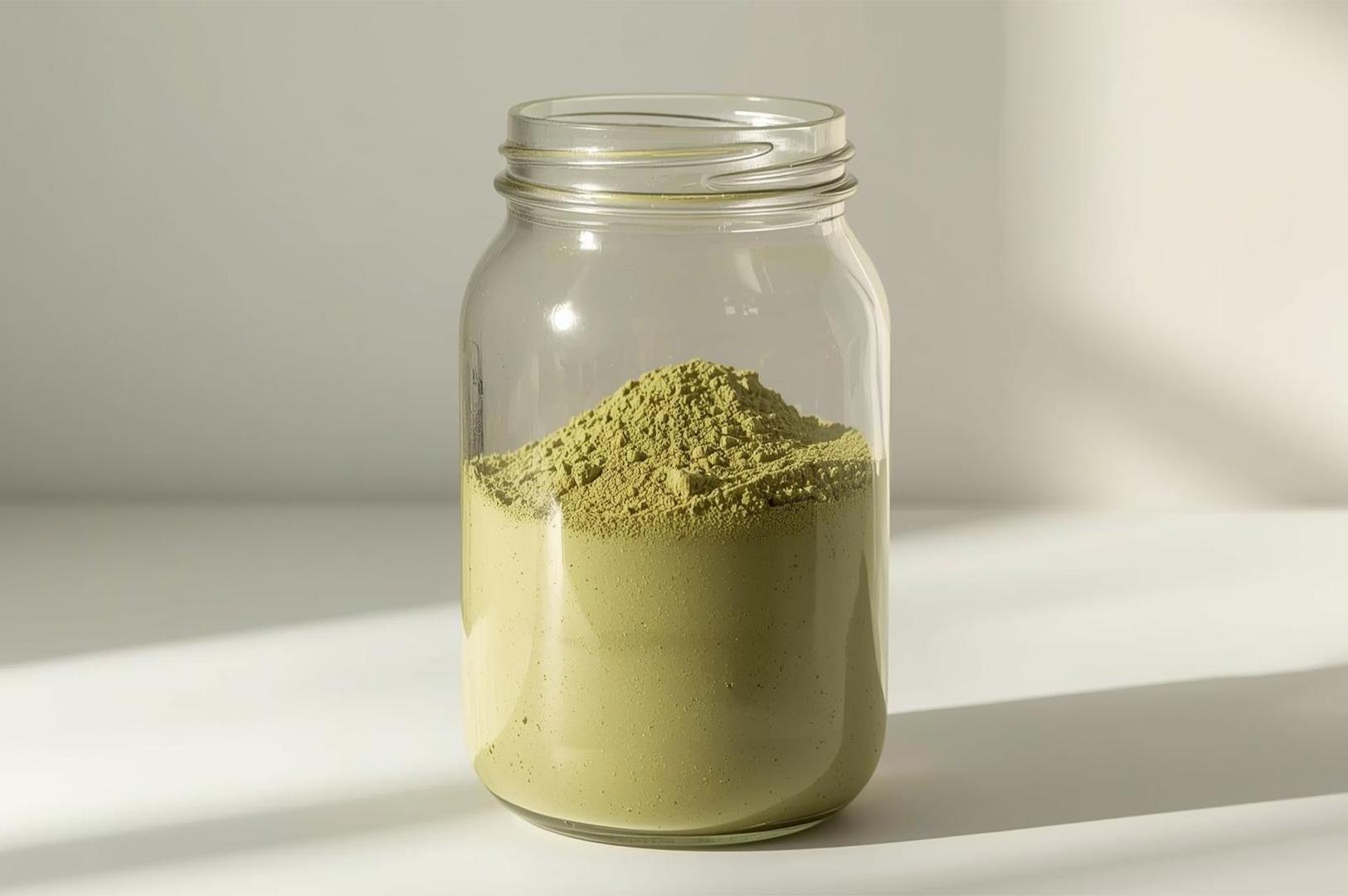
Finding quality ingredients is crucial for creating authentic thai green milk tea that captures the true flavors of this beloved beverage. The most important component is the tea mix itself, which requires some specific sourcing knowledge.
Thai Green Tea Mix
Asian grocery stores represent your best bet for finding authentic thai green tea mix. Look for established brands which have been perfecting their blends for decades.
Online retailers now carry many authentic Thai tea brands, making it easier for those without access to Asian markets. When ordering online, check the packaging date and opt for sellers who specialize in Asian ingredients to ensure freshness.
Quality Indicators
High-quality thai green tea mix should have a vibrant green color when dry and produce a clear, bright green brew when steeped. Avoid products that look dull or brownish, as this may indicate age or poor processing. The mix should have a distinct aromatic quality—you should smell jasmine or other floral notes even before brewing.
Pandan and Other Aromatics
Fresh pandan leaves can sometimes be found in the frozen section of Asian grocery stores. When purchasing pandan extract, ensure it’s food-grade quality from reputable brands.
Dried jasmine flowers for those wanting to create their own aromatic blends are available at specialty tea shops and some health food stores. Store these in airtight containers away from light to preserve their fragrance.
Storage Tips
Proper storage maintains the quality and flavor of your tea ingredients. Store thai green tea mix in airtight containers in a cool, dry place away from direct sunlight. The mix can maintain quality for 12-18 months when properly stored, though it’s best used within 6 months of opening for optimal flavor.
Refrigerate opened pandan extract and use within the timeframe specified on the packaging. Condensed milk and evaporated milk should be stored according to package directions, with opened cans refrigerated and used within a few days.
Cultural Context and Serving Traditions
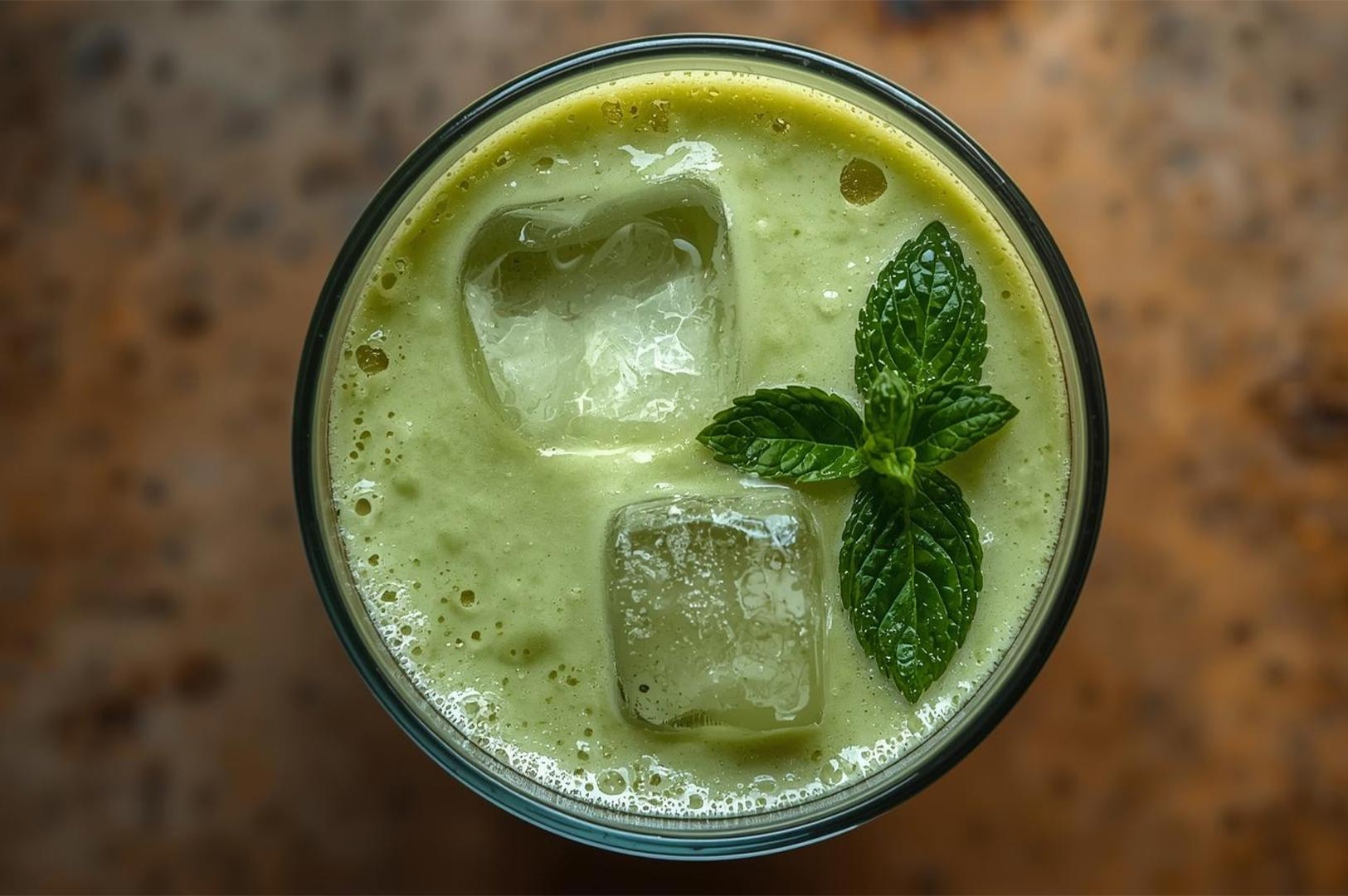
Understanding the cultural context of thai green milk tea enhances appreciation for this beverage beyond just its taste. In Thai culture, tea drinking serves important social and cultural functions that extend far beyond simple refreshment.
Traditional Thai Serving Style
Authentic presentation involves pouring the condensed milk on top of the iced tea, creating the characteristic layered appearance before stirring. This visual element is as important as the taste—the dramatic color contrast creates anticipation and adds to the overall sensory experience of the drink.
Street vendors often perform the “tea pull” technique, pouring the tea from height between containers to create froth and enhance the visual appeal. While not necessary for home preparation, this traditional method demonstrates the artistry involved in Thai tea culture.
Appropriate Times for Enjoyment
In Thailand, milk teas like this are typically enjoyed during the afternoon heat when a cooling drink provides essential relief. The timing aligns with traditional Thai meal patterns—it’s common to have thai green milk tea as an afternoon refreshment rather than with meals.
The drink also plays a role in social gatherings and casual meetings. Sharing tea demonstrates hospitality and creates opportunities for conversation and connection, particularly important in Thai social customs.
Pairing Suggestions with Thai Street Food
Thai green milk tea pairs beautifully with street food favorites. The creamy sweetness complements spicy dishes like som tam (papaya salad), providing cooling relief from heat and balancing bold flavors. It’s also excellent with grilled skewers, where the tea’s sweetness enhances the caramelized flavors of barbecued meats.
For desserts, the drink pairs naturally with mango sticky rice, creating a complete sweet experience that balances different textures and temperatures. The jasmine notes in the tea complement the floral elements often found in Thai sweets.
Social Aspects and Communal Sharing
Tea drinking in Thailand often involves sharing and community. Large batches are frequently prepared for groups, with individual servings customized according to personal preferences for sweetness or milk content. This communal approach reflects broader Thai values of sharing and consideration for others.
Proper Etiquette
When ordering from Thai street vendors, it’s customary to specify your preferences for sweetness level and ice amount. Most vendors will ask “wan mak mai?” (very sweet?) and adjust accordingly. Understanding these basics shows respect for the culture and ensures you receive a drink prepared to your liking.
Accepting tea from hosts in Thai culture requires gracious appreciation, regardless of personal taste preferences. The gesture of offering refreshment represents genuine hospitality that should be acknowledged appropriately.
Seasonal Variations and Festival Preparations
During Thai festivals and special occasions, tea preparations might include additional ceremonial elements or special ingredients. Some celebrations feature elaborate tea services where the preparation becomes part of the entertainment and cultural expression.
The drink takes on special significance during hot season (March-May) when its cooling properties are most needed and appreciated. Street vendors often see their highest demand during these months, making quality preparation even more crucial for customer satisfaction.
Time to Try Thai Green Tea
The beauty of thai green milk tea lies not only in its taste but in its adaptability. Whether you prefer the traditional preparation with sweetened condensed milk or a modern variation using plant-based alternatives, the essence of this drink remains unchanged—a perfect balance of floral tea flavors and indulgent creaminess that provides cooling relief and pure satisfaction.
By understanding the cultural significance, mastering authentic preparation techniques, and experimenting with personalized variations, you can bring this taste of Thailand into your own kitchen. The investment in quality ingredients and proper technique pays off in every sip, delivering an authentic experience that honors the drink’s heritage while satisfying modern tastes.
For those seeking to explore more authentic Asian beverages and culinary experiences, Eat Drink Asia serves as an invaluable resource for discovering the rich world of traditional drinks and the stories behind them.

The Evolution of the Plate: How History Transformed Iconic Malaysian Dishes
Eda Wong | March 19, 2026
I used to think I understood Malaysian food. As a Singaporean, it’s practically in my DNA, right? Nasi lemak for breakfast, a cheeky roti canai for supper – I thought I had it all figured out. Then I spent a week eating my way through Penang and Kuala Lumpur, and I realised I knew absolutely…
-
The Soul of the Table: An Educational Guide to the Role of Food in Malaysian Culture
Eat Drink Asia Team | March 17, 2026
We still remember our first collective Rumah Terbuka (Open House) experience in Kuala Lumpur.Standing at the doorway of a home during Hari Raya, we were utterly paralyzed by the sheer volume of people and the aroma of Malaysian cooking. There were aunties ladling beef rendang and tables groaning under the weight of colourful kuih. “Do…
-
Asian Food Comfort Trends: Why Broths and Bowls are Dominating Globally
Eda Wong | March 14, 2026
I still remember the first time I faced a “build-your-own” Mala Xiang Guo counter. I stood there, plastic tongs in hand, completely paralyzed by the mountain of choices. Lotus root? Kelp knots? three different types of tofu skin? My anxiety spiked. I panicked, grabbed way too much luncheon meat, and ended up with a $28…
-
The Fifth Element: A Masterclass on Umami in East Asian Cuisine
Dio Asahi | March 12, 2026
I’ll never forget the first time I made miso soup from scratch. Not the instant kind, but the “proper” way. I boiled water, dissolved miso paste, added tofu, and waited. It tasted flat, salty and cloudy but missing the deep, satisfying flavor I loved in Japanese restaurants. I thought maybe I needed better miso. Years…
-
Why My Quest Ended at Yummy Western (409 AMK)
Dio Asahi | March 10, 2026
There’s a specific magic to a late-night supper hunt in Singapore. It’s the ritual of chasing a craving through the humidity to find that one stall that hits the spot. For me, that meant a pilgrimage to Ang Mo Kio Avenue 10. I arrived at 10 PM on a Friday, just as the ‘supper soul’…
-
A Taste of Time: My Dinner at Guan Hoe Soon
Eda Wong | March 7, 2026
There’s something special about visiting a place that has seen decades of Singapore’s history unfold. Guan Hoe Soon, tucked away on Joo Chiat Road, holds the title of Singapore’s oldest Nyonya restaurant, and you can feel that heritage the moment you step inside. I’d heard about it for years, a place where recipes aren’t just…
-
The 5 Best Halal Restaurant in Singapore for Authentic Nasi Padang
Eda Wong | March 5, 2026
There are few meals as satisfying as Nasi Padang, a colourful feast where you choose from a variety of dishes to create your perfect plate. Over the years, I’ve explored Singapore’s Nasi Padang scene, especially in Kampong Glam, sampling everything from humble hawker stalls to renowned spots. This list highlights the five best halal Nasi…
-
The Global Soup Bowl: How Indonesian Soto Shapes the Future of Asiatic Food Traditions
Dio Asahi | March 3, 2026
I still remember my first “real” bowl of Indonesian soto. Sitting on a low plastic stool in a cramped warung, I ordered Soto Betawi, expecting it to be like the clear Soto Ayam from Singaporean weddings. I was wrong. The rich, milky broth was intense, creamy, and boldly spiced. That first spoonful rewired my idea…
-
Shun: Japan’s Seasonal Treasures – A Deep Dive Into the Ingredients Behind True Omakase
Eat Drink Asia Team | February 28, 2026
In the world of Asian food, few dining experiences capture the soul of traditional Japanese food culture like omakase. At a premier omakase restaurant, diners entrust their meal entirely to the chef, whose artistry is guided not just by mastery, but by shun—the appreciation of seasonal and fresh ingredients at the absolute peak of their…
-
My Trip to Bánh Mì Saigon and How It Compares to Best Food in Singapore
Eda Wong | February 26, 2026
Located in the bustling neighborhood of Ang Mo Kio, Bánh Mì Saigon offers a taste of Vietnam right here in Singapore. From traditional bánh mì sandwiches to hearty pho bowls and refreshing Vietnamese iced coffee, this restaurant has it all. I arrived at Bánh Mì Saigon on a busy Saturday evening and was immediately drawn…