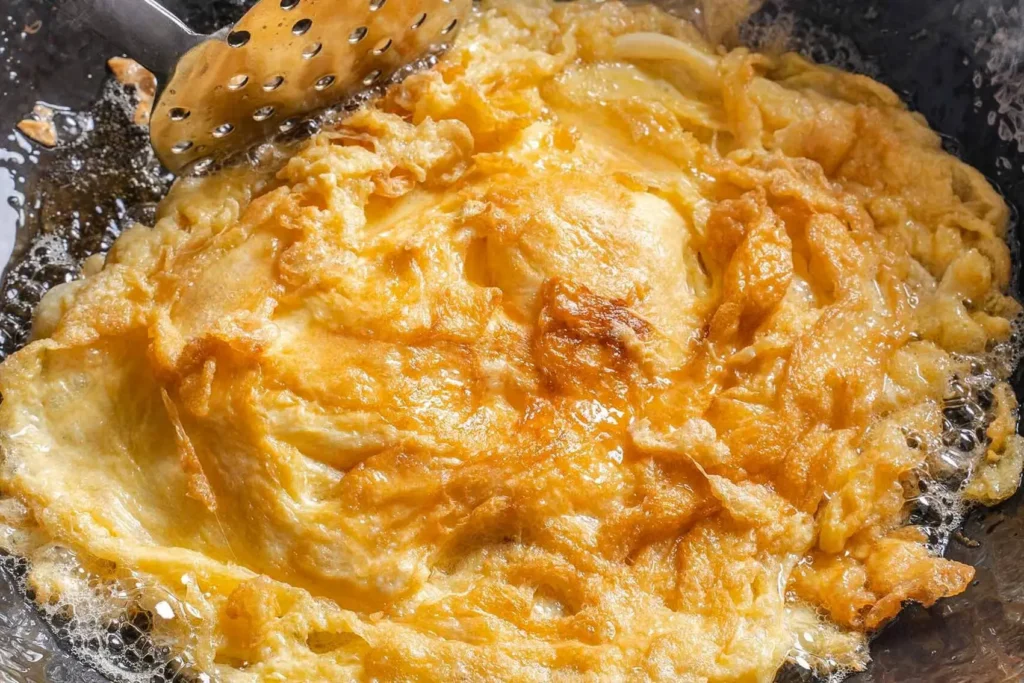
Dawn breaks over Bangkok with a familiar symphony. Before the intense heat settles and the traffic swells into a steady roar, the city streets belong to the food vendors. Amid the clatter of metal tools and the hum of early commuters, one sound stands out: the furious, bubbling sizzle of eggs hitting smoking-hot oil.
This is the birth of kai jeow, the iconic Thai street-side omelette.
For many travelling food enthusiasts, eggs are just a basic breakfast staple. But a true Thailand omelette flips the standard Western concept completely upside down. Instead of a pale, smoothly folded French omelette cooked gently in butter, the Thai version is a dramatic, deep-fried marvel. It boasts golden, crispy edges, a fluffy centre, and a deeply savoury flavour profile. Served simply over a mound of steaming jasmine rice, it provides the ultimate culinary journey for urban locals and curious visitors alike.
Origins of the Thailand Omelette: The Birth of Khai Jiao
To understand how this iconic Thailand omelette became a national treasure, we must explore its rich culinary history. The thai omelette, also known as khai jiao or kai jeow, is a brilliant example of cultural fusion and local ingenuity.
Centuries ago, the Chinese diaspora introduced wok cooking and deep-frying techniques to Southeast Asia, emphasizing cooking over medium high heat to achieve the coveted wok hei—the smoky breath of the wok. Thai cooks embraced these methods but infused them with their own Thai style flavors. They swapped out soy sauce for pungent, umami-rich fish sauce, and added local herbs and chillies, crafting a dish that is unmistakably Thai food.
Historically, meat was a luxury, so eggs became a vital and accessible protein source for the working class. The wok’s intense heat and abundant vegetable oil allowed cooks to aerate the beaten eggs, stretching a few into a substantial, calorie-dense meal. This simple yet ingenious technique transformed just eggs into a fluffy, golden cloud with signature crispy edges. Over time, khai jiao evolved from a humble survival food into a beloved culinary tradition, a ritual that marks mornings across Thailand.
The Art and Science of Cooking the Authentic Thai Omelette Recipe
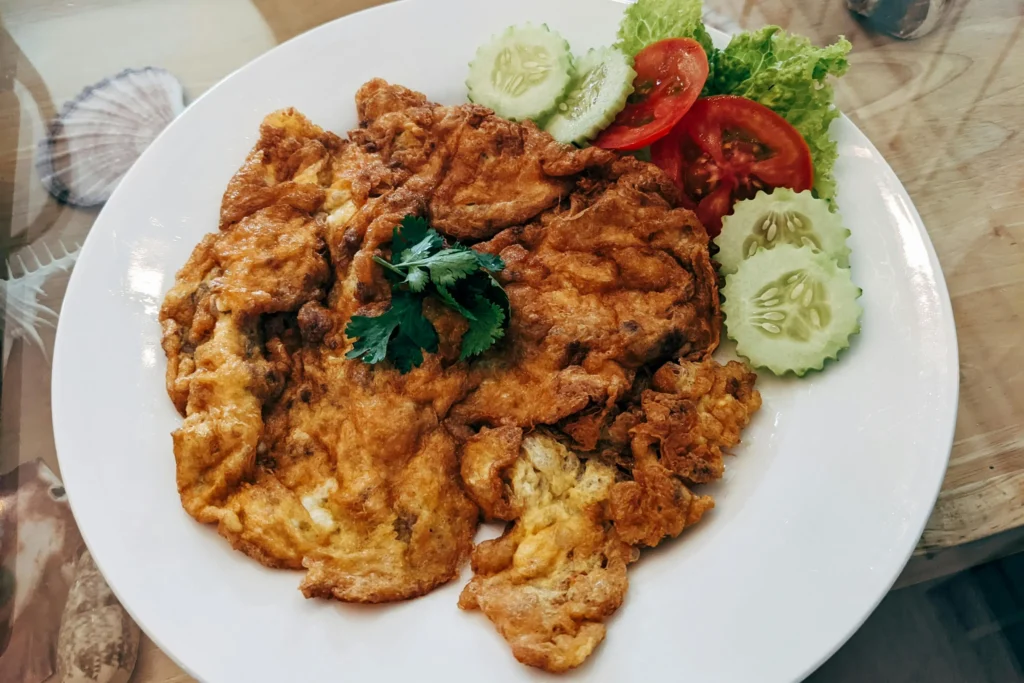
Creating the perfect Thai style omelette is less about complicated ingredients and more about mastering technique and understanding how much oil to use. The process is a sensory spectacle: the hiss of hot oil in a wok, the aroma of minced garlic sizzling, and the sight of the egg mixture puffing up into a golden, crispy masterpiece.
Essential Ingredients and Equipment
- Fresh eggs at room temperature, beaten in a medium bowl until frothy, incorporating plenty of egg whites for fluffiness.
- A splash of lime juice or lemon juice added to the eggs to create steam bubbles during frying, enhancing the lightness.
- Fish sauce to season the egg mixture, replacing salt with its deep umami flavor.
- Optional additions like ground pork, crab meat, or chopped green onions for extra texture and taste.
- A wok or small pot filled with neutral oil such as rice bran or soybean oil, heated until lightly smoking to ensure the crispy edges that define the dish.
Cooking Technique for the Signature Crispy Edges
- Heat so much oil—ideally about an inch deep—to high heat until it’s lightly smoking. This is crucial; if there isn’t enough oil, the eggs will absorb the grease and become soggy instead of crispy.
- Hold the bowl about a foot above the wok and pour the egg mixture in one swift motion. This height helps break the stream, creating jagged, golden brown frills.
- Let the omelette fry undisturbed until the underside is crispy, then flip it quickly to cook the other side.
- Remove the omelette with a slotted spoon and drain on paper towel to remove excess oil.
- Serve immediately over steaming jasmine rice or steamed rice for the authentic experience.
Cultural Significance: Why Kai Jeow is More Than Just a Breakfast Item
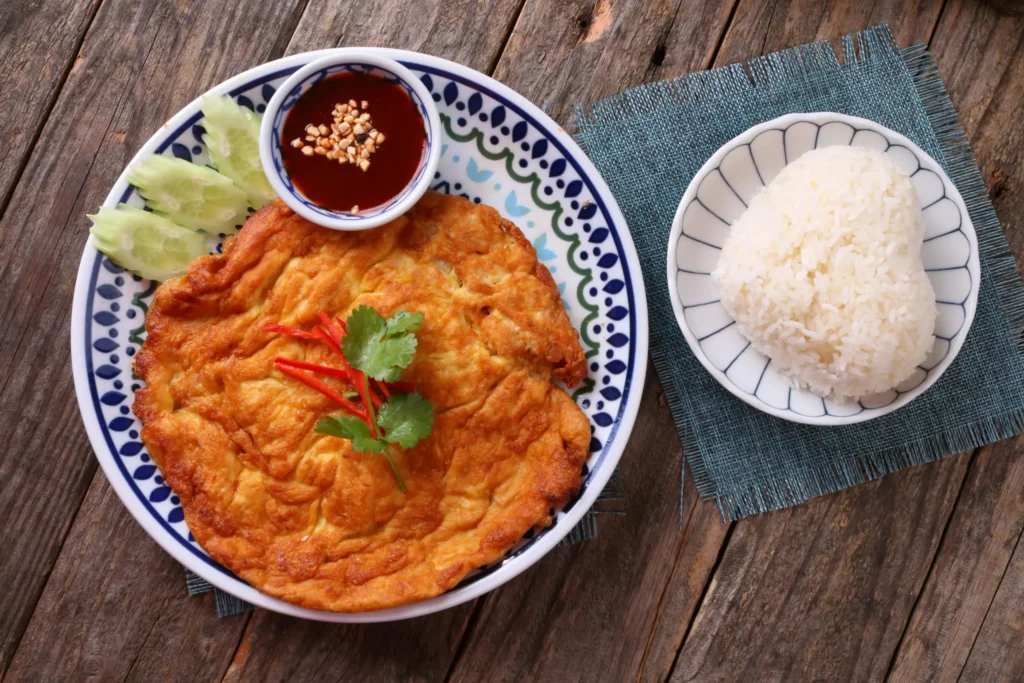
In Thailand, Thai dishes like kai jeow are woven into daily life, transcending the role of a mere breakfast item. It’s a quick, affordable, and deeply comforting meal that fuels everyone from students to street vendors.
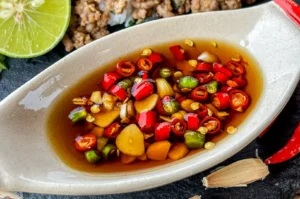
The dish’s versatility is part of its charm. Thai people often customize their Thai omelet with a squeeze of Sriracha or a spoonful of prik nam pla—a fiery condiment made with fish sauce, sliced bird’s eye chillies, minced garlic, and lime juice. This personal touch turns every food serving into a unique, flavorful experience.
Regional Variations of the Thai Style Omelet
The basic authentic thai omelette recipe welcomes endless variations, reflecting Thailand’s diverse culinary landscape:
- Kai Jeow Moo Sap (Minced Pork Omelette): The most common variant, mixing ground pork into the egg mixture for a rich, savory bite.
- Southern Seafood Omelettes: Coastal regions fold in fresh crab meat, prawns, or oysters, elevating the humble omelette to a luxurious feast.
- Kai Jeow Cha-Om: Incorporates the aromatic cha-om acacia leaves, lending a slightly bitter, herbaceous note.
- Herb-infused versions with green onions, sweet basil, or coriander add freshness and complexity.
Modern Evolution: From Street Food to Global Culinary Icon
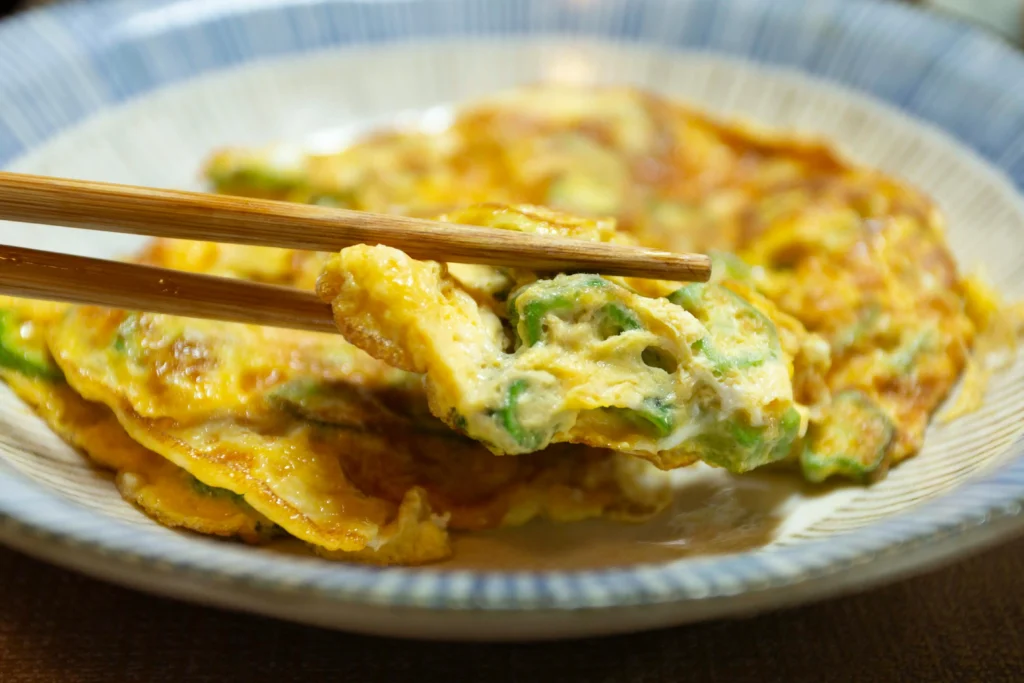
Today, the Thai style omelet has transcended street stalls to grace upscale restaurants worldwide. The legendary Jay Fai in Bangkok, awarded a Michelin star, is famous for her colossal thai omelet stuffed with premium crab meat, cooked in a wok with hot oil to achieve that iconic puff and crisp edges.
In global cities, chefs serve kai jeow alongside artisanal coffee, appealing to brunch crowds seeking authentic yet innovative thai dishes. The dramatic sizzle and golden puff make it a social media darling, spreading the love for this crispy, fluffy delight far beyond Thailand’s borders.
Nutrition and Serving Tips for the Thai Omelette in Your Daily Diet
While Thai omelettes are deliciously indulgent, there are ways to make this beloved dish lighter without compromising its signature flavor and texture. Using less oil or opting for a neutral oil with a high smoke point, such as rice bran or soybean oil, can reduce the overall fat content while still achieving those prized crispy edges. Pairing the omelette with fresh vegetables like cucumber slices, lettuce, or a light, clear soup adds nutritional balance by introducing fiber, vitamins, and hydration to the meal.
For those mindful of their macros or following general nutrition advice, an ingredient database shows that the combination of eggs and fish sauce delivers a protein-rich, umami-packed dish. Eggs provide high-quality protein and essential nutrients such as vitamins B12 and D, while fish sauce contributes flavor with minimal calories. Serving the Thai omelette alongside steamed jasmine rice rounds out the meal with carbohydrates for sustained energy, making it a satisfying option for any time of day.
For those exploring Southeast Asian flavors beyond Thailand, the best halal restaurants in Singapore offering authentic Nasi Padang provide a wonderful culinary journey. Nasi Padang, like the Thai omelette, showcases the region’s love for bold, savory dishes often served with rice as a staple.
Taste the World from Your Kitchen
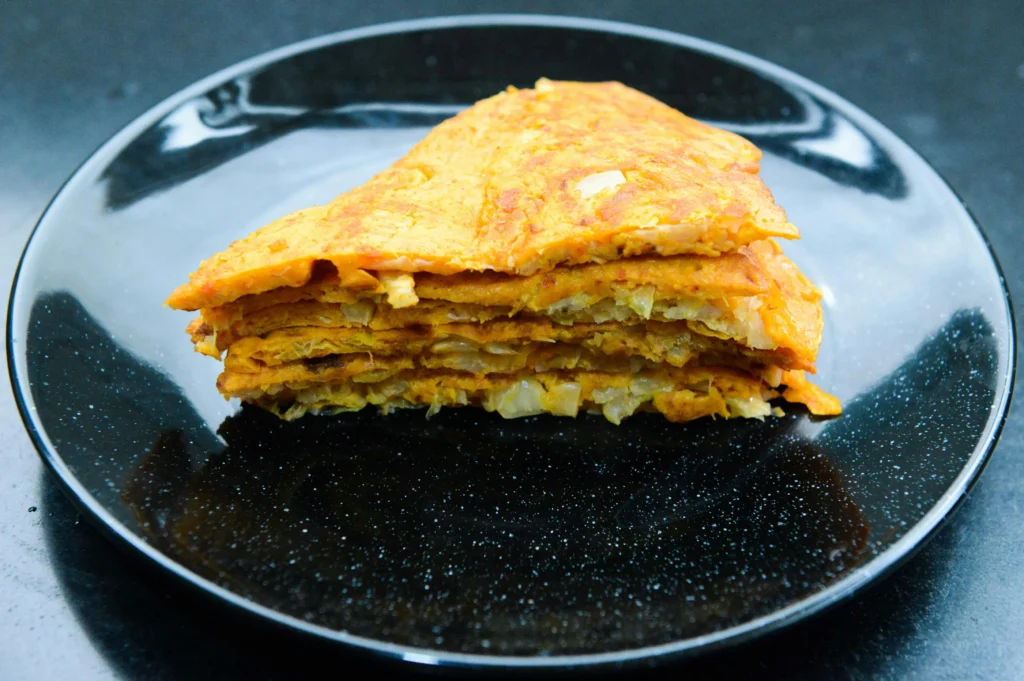
The beauty of the Thai omelette lies in its brilliant simplicity. It proves that you do not need expensive equipment or hours of preparation to create something extraordinary. You only need high heat, a few basic pantry staples, and the courage to embrace the sizzle.
The next time you find yourself staring at an egg carton on a lazy weekend morning, step away from the butter and the non-stick pan. Grab your wok, heat up some oil, and try the golden fold for yourself. Alternatively, seek out a local, authentic Thai restaurant and ask if they serve khao kai jeow. Drizzle it with a little chilli fish sauce, take a bite, and let the vibrant flavours transport you straight to the bustling streets of Bangkok.
https://eatdrinkasia.com/ provides a wonderful culinary journey through Southeast Asian flavors and dishes. Exploring these cuisines offers a rich experience of bold, savory tastes often centered around rice-based meals that complement dishes like the Thai omelette perfectly.

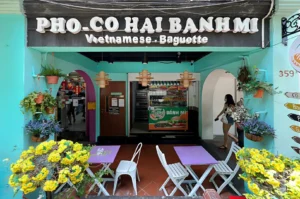
Ordering Lunch From Co Hai Banh Mi, and Finding Out the Definition of Good Food Delivery
Dio Asahi | July 7, 2026
I ordered lunch from Co Hai Banh Mi & Phở Vietnamese Restaurant on a Thursday at 12:08pm, which is probably the worst and most honest time to test delivery food. It was raining lightly, the kind of Singapore lunch rain that makes every rider slower and every office worker hungrier. I had been thinking about…

Orchard Plaza Food: Hidden Japanese Restaurants and Local Eats Near Somerset
Eat Drink Asia Team | July 4, 2026
Orchard Plaza is one of those buildings we kept walking past before we properly understood it. From the street, it looks more like an office block than a dinner plan. But over repeated visits, usually after work or during odd lunch windows, we’ve found that the real charm sits behind lift doors, quiet corridors, and…
-
Salted Egg, Properly Treated: Sauce, Not Shortcut
Eda Wong | July 3, 2026
By Eda Wong for Eat Drink Asia. The wok station is already hot when the cook lowers the flame. In the narrow back of a Singapore zi char kitchen, the air smells of butter, curry leaves, and the faint mineral edge of salted duck egg. A metal spatula presses cooked yolks through oil until they…
-
Fish Sauce at the Table: The Quiet Work of Fish Sauce
Dio Asahi | July 1, 2026
At a narrow lunch table in Bangkok, the bottle arrives before the rice has stopped steaming. It is clear glass, refilled many times, its plastic cap slightly stained from years of fingers and heat. Beside it sits a small bowl of sliced chillies floating in amber liquid, the cut edges pale and sharp. Someone nudges…
-
Eat 3 Bowls Bendemeer Review: A Taiwanese Comfort Food That Delivers
Eda Wong | June 30, 2026
I ordered Eat 3 Bowls @ Bendemeer on a Thursday at about 11:45am, which is my favourite test window for delivery food. It’s close enough to lunch for the kitchen to be in rhythm, but not so late that every rider in the neighbourhood is already fighting the office crowd. By 12:25pm, the bag was…
-
ABC Hokkien Mee After Renovation: What to Expect When the Woks Return
Dio Asahi | June 27, 2026
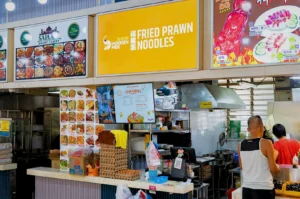
When I first walked past a hawker centre undergoing major renovations, the absolute silence unsettled me. The usual rhythmic scrape of metal spatulas against cast-iron woks was gone, replaced by the hum of construction. It made me realise just how much our culinary journeys are tied to the physical spaces we eat in. Right now,…
-
Claypot Rice Crusts: Listening for the First Crackle
Eda Wong | June 26, 2026
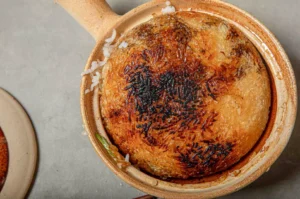
The narrow alleyway in Yau Ma Tei smells of charcoal and dark soy sauce, a thick coastal humidity pressing against the glow of the stoves. An elderly cook stands before a row of blackened sand-clay pots, a long metal tong in his right hand. He does not watch the flames; he listens to them. There…
-
Shiok Hokkien Mee and the Pleasure of a Plate That Clings: Tiong Bahru Hokkien Mee at Midday
Eat Drink Asia Team | June 25, 2026
I have always believed that the true test of a neighbourhood’s food scene happens right in the middle of the day. When the midday hunger hits, you don’t want a tasting menu; you want a fast, flavourful culinary journey that hits the spot. That is exactly what led me, representing the Eat Drink Asia team,…
-
When Curry Learns to Breathe
Dio Asahi | June 24, 2026
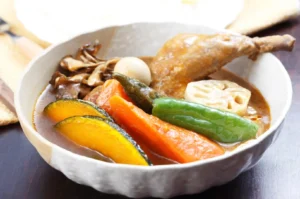
The rain taps lightly against the glass of a quiet Japanese diner, turning the pavement outside a slick, silver grey. Inside, the bowl arrives with steam first, then colour: pumpkin orange, aubergine purple, and a dark curve of chicken set against a broth that looks too light to carry so much heat. The spoon touches…
-
Hong Heng Fried Sotong Prawn Mee: Where Squid Turns Chewy, Broth Turns Glossy, and Time Turns Quiet
Eda Wong | June 23, 2026
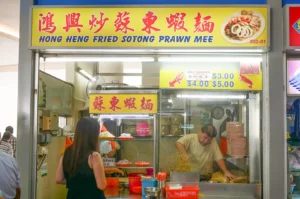
There is something deeply comforting about a hawker centre right before the lunch rush hits. I visited Tiong Bahru Market on a Tuesday around 10:30 am, hoping to beat the infamous queue at Hong Heng Fried Sotong Prawn Mee. Even at that early hour, a line of six people had already formed, waiting quietly under…