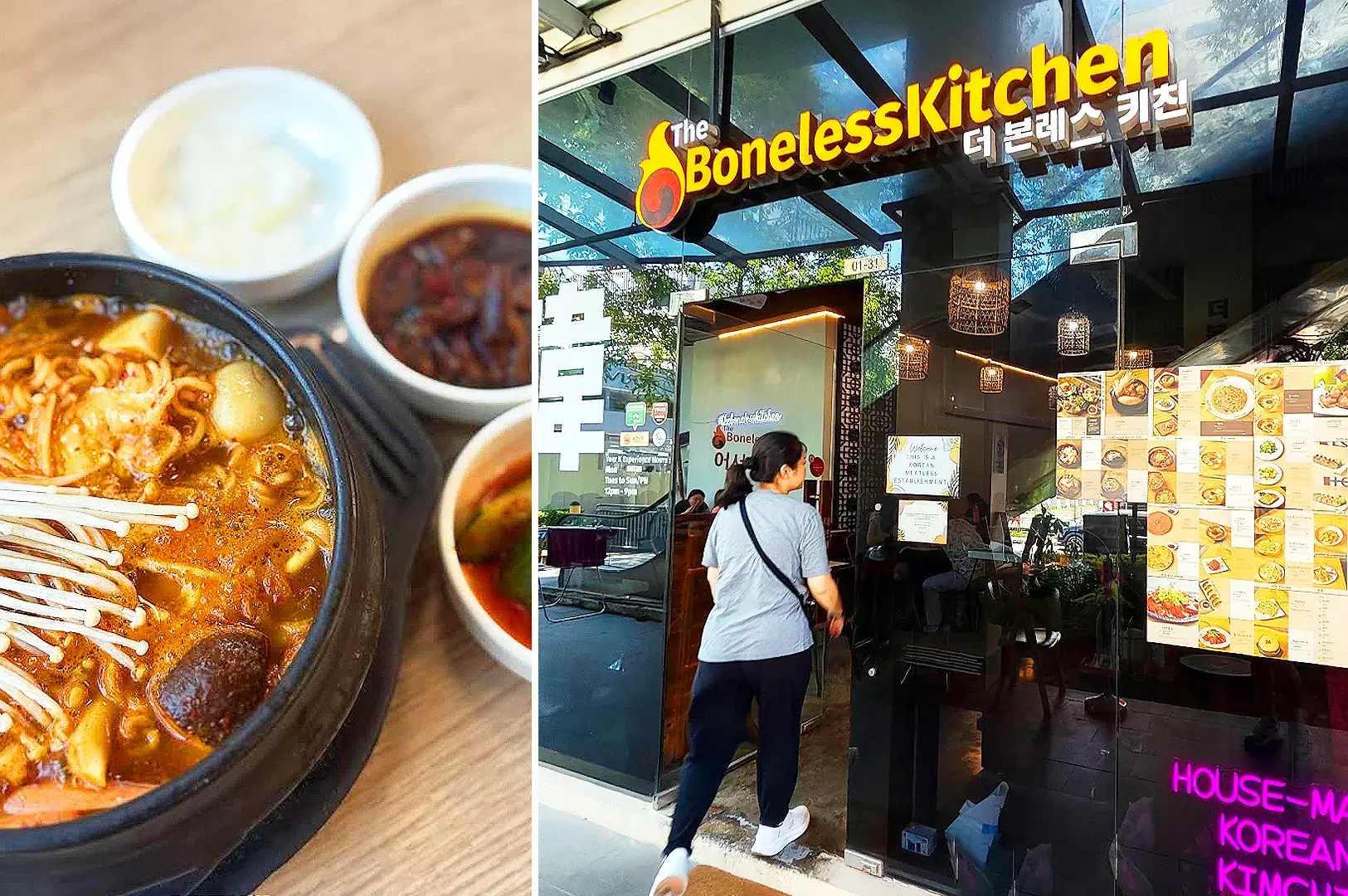
I didn’t expect to find Korean comfort food in an office building near Tai Seng.
But there I was, on a Wednesday a little past 7pm, standing outside The Commerze @ Irving wondering if I’d read the address wrong. This isn’t the part of Singapore you go to for dinner. It’s the part you leave after work.
Then I stepped inside, and the smell hit me, that warm, sour-sharp fermented note of kimchi simmering somewhere in the back. My stomach answered before my head did.
I’d come because someone told me the kitchen here doesn’t use mock meat. No fake beef, no rubbery imitation prawns. Just vegetables, tofu, rice, and the slow work of fermentation. I wanted to know if that was enough.
A Room That Doesn’t Try Too Hard: A Vegetarian Restaurant with Heart
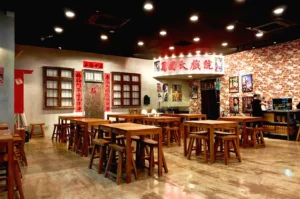
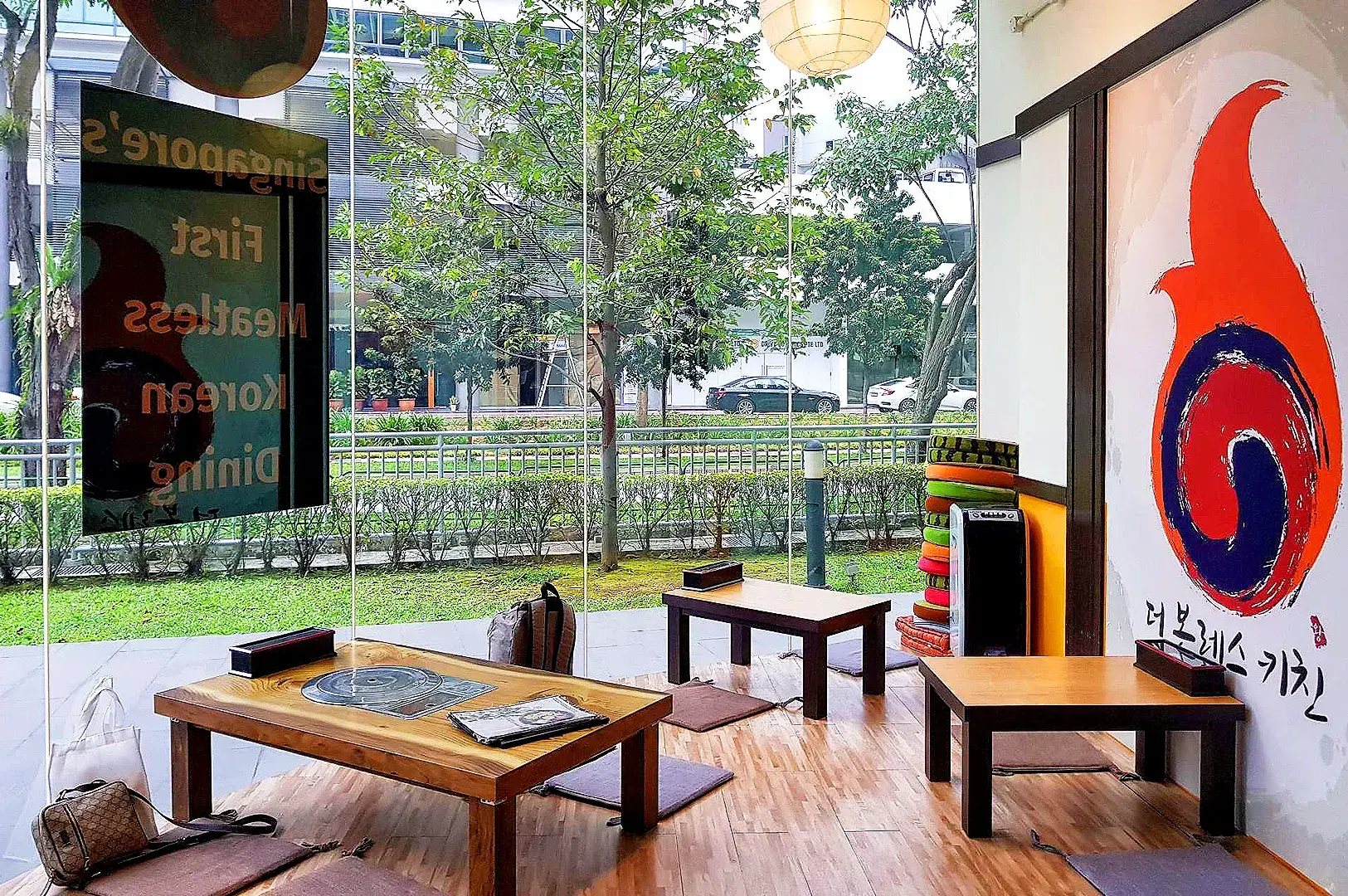
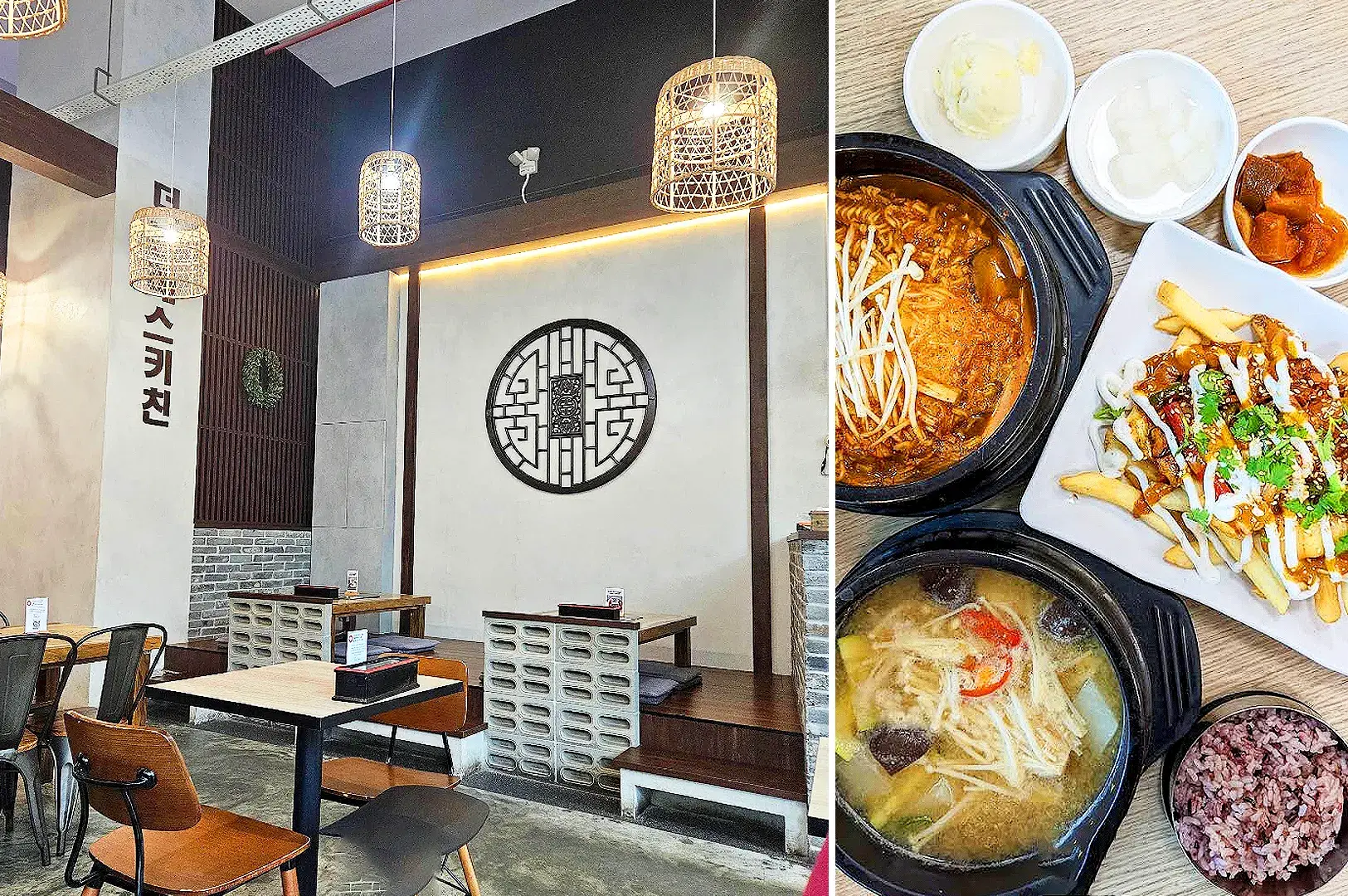
The Boneless Kitchen is small. Cosy, in the honest sense of the word, not the marketing one.
- A handful of tables
- Soft lighting
- A few Korean touches on the walls, nothing overdone
It feels less like a restaurant chasing a look and more like a place that decided comfort mattered more than mood lighting. This is Korean cuisine stripped down to its essence, served in a way that lets the food’s natural flavors shine.
Ambience and Practical Details for an Enjoyable Visit
I took a table near the side. The room was about half full, a couple sharing a stew, a small family, someone eating alone with a book propped against the napkin holder. Nobody was filming their food. That told me something.
There’s an iPad at each table for ordering, which I’ll admit I’m always a little torn about. It’s efficient. It also skips the small human moment of telling someone what you want. But a server came by anyway, warm and unhurried, and I learned later the place hires inclusively, building a team that includes people with special needs. You feel that quiet care in the room. It isn’t advertised on the wall. It’s just there, in how people move and speak.
The Food, and What Fermentation Can Carry: Vegan Dishes That Inspire
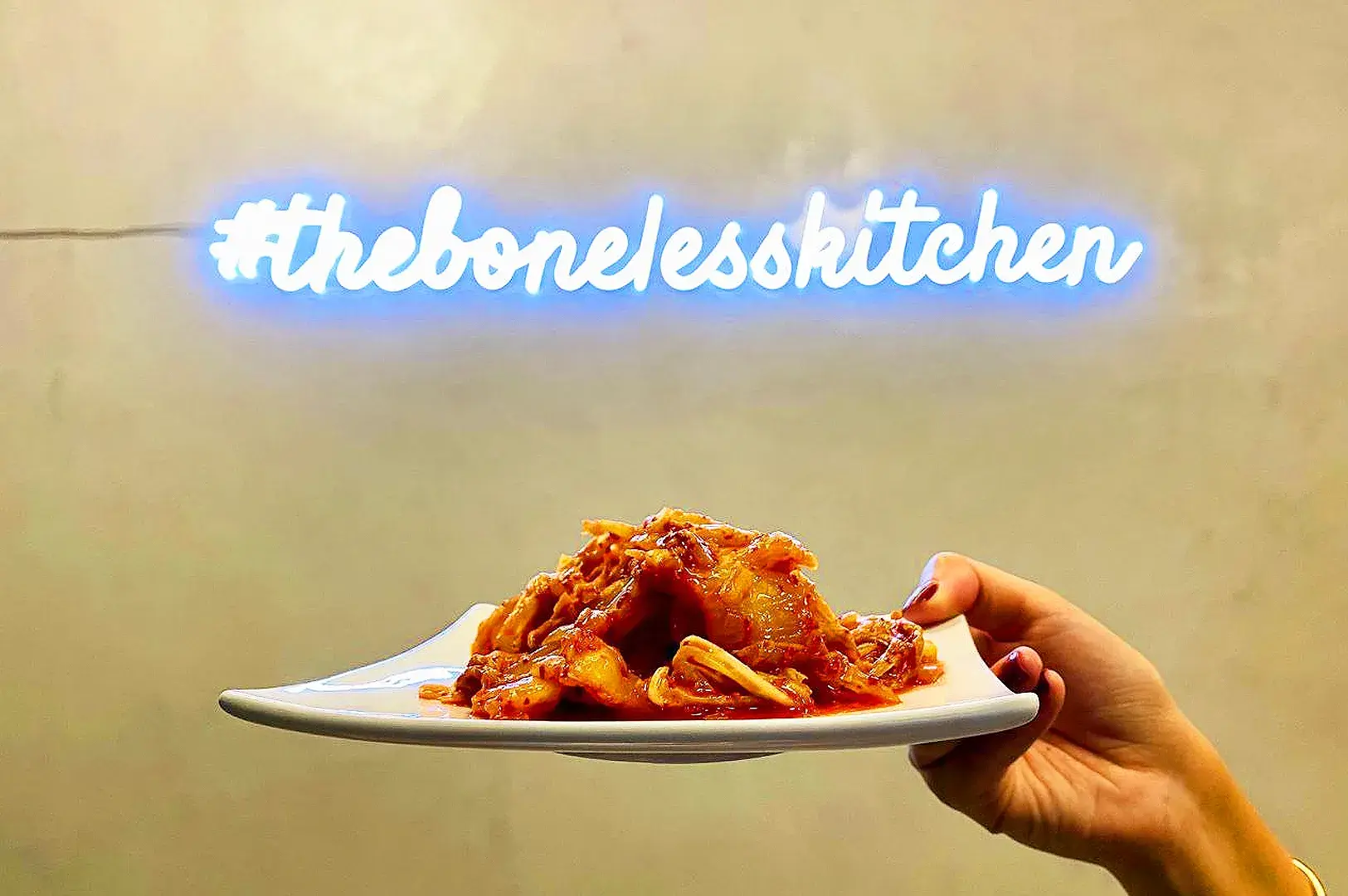
Here’s the thing I kept reminding myself: this kitchen works without garlic, without onion, without any of the five alliums. No meat stock. No seafood. No fish sauce hiding in the kimchi. That makes it a rare gem among vegetarian restaurants.
That’s a lot to take away from Korean cuisine. So I wanted to know what was left to hold it up.
Kimchi Jjigae (S$13): A Delicious, Dairy Free Treat
I started with kimchi jjigae, and I’m glad I did.
The stew arrived still bubbling, the surface a deep, rusty red. The first spoonful was sour and salty in that good, settled way, the sourness of kimchi that’s had time to become itself. Soft tofu, slices of radish, and right at the bottom, a tangle of glass noodles that had soaked up the broth.
I waited for the hollow note. The one that usually shows up when seafood or pork stock is missing. It didn’t come.
The kimchi was doing the work. All that fermented depth, the funk, the tang, the warmth, filled the space where the meat stock would have been. The broth had a subtle hint of coconut milk, adding a creamy sanctuary to the palate without overpowering the sharpness. I sat with the bowl longer than I planned to. It tasted like something that had been made with patience, not shortcuts.
This is the dish I’d send a sceptic to first.
Dolsot Bibimbap (S$16): A Veggie-Packed Bite with a Crispy Finish
Then came the stone bowl, sizzling all the way to the table.
You hear it before you taste it, that crackle of rice meeting hot stone. The top was a small field of vegetables, some fresh and crunchy, some sautéed soft, with a spoon of house-made gochujang waiting to be stirred through.
I mixed it all together and let it sit, because the best part of a dolsot bowl is the crispy rice crust forming at the bottom. When it came, it was exactly what I hoped for, golden, chewy-crisp, the kind of texture you chase with your spoon.
The veggies included tender slices of king oyster mushrooms and cauliflower florets that added an earthy depth to the dish. The subtle sweetness of teriyaki sauce hinted at familiar flavors that teased my taste buds without overwhelming.
I’ll be honest about one thing. This bowl skews lighter than a meat-heavy bibimbap. If you’re after something rich and oily, you might find it leans “healthier” than you expected. I didn’t mind. But I’d want you to know going in, so you order it for what it is, fresh, balanced, gently spiced, not for what it isn’t.
Kimchi Pancake (S$11): A Tasty, Crispy Delight to Share
This was the dish I’d share if I came back with friends.
Crisp at the edges, slightly chewy in the middle, with that sharp kimchi flavour running all the way through. It’s simple. It doesn’t try to be clever. It’s just done properly, fried until the edges crackle, the sourness cutting cleanly through the oil.
It broke up the meal nicely, sitting between the warmth of the stew and the comfort of the rice. Something to tear apart with your hands and keep reaching for.
Other Menu Highlights to Try Next Time: Ideas to Inspire Your Journey
- Budae Jjigae — army stew rebuilt with tofu, vegetables, and noodles instead of sausage and ham, a clever vegan twist that’s packed with flavor
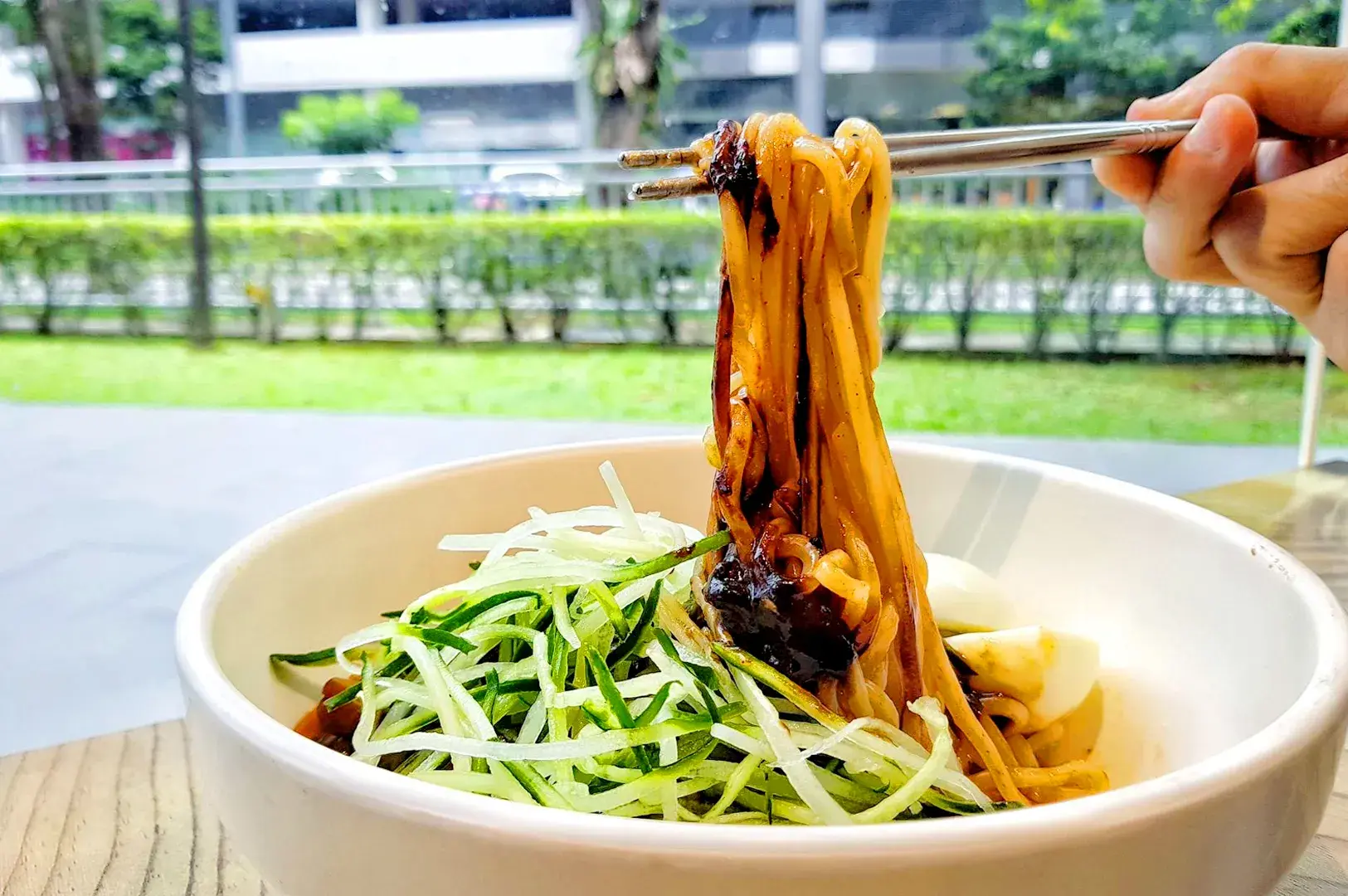
- Jajangmyeon — darker, saucier noodles over kimchi, a dish that brings a sweet and savory balance to the palate
I left those for next time, which is its own kind of compliment.
Service That Feels Like Care, Not Performance: A Real Person’s Passion

I’ve already mentioned the warmth, but it’s worth sitting with.
- Nobody hovered
- Nobody recited specials
- Questions about vegan dishes versus vegetarian options were answered clearly and without fuss
There was a steadiness to it.
The social-enterprise side isn’t something they push at you. You only notice if you’re paying attention, and once you do, the room feels a little kinder for it. Food made with that kind of intention tends to taste better. Maybe that’s just me. But I don’t think it is.
We also reviewed Herbivore in Eat Drink Asia, another vegetarian spot that offers a different vibe and menu style, showing how diverse vegetarian dining can be even within the same city.
What You’ll Want to Know Before You Go: Practical Tips for Your Visit
A few practical notes, friend to friend.
- Getting There: Tai Seng MRT is your closest stop, a short walk to The Commerze @ Irving. It’s a little out of the way if you’re coming from the centre of town, so plan the trip rather than wandering in. Buses run nearby too if that suits you better.
- Hours: Open daily, 11:15am to 9pm. Easy to fit around a working day or an early dinner.
- Spend: Around S$15–S$25 per person for a main and something to share. Some diners feel the prices sit slightly high for the portions, and I understand that read. For house-made kimchi and allium-free cooking that takes real effort, it felt fair to me, but you should decide that for yourself.
- Booking and Delivery: Worth reserving for weekends or groups. It’s a small room, and it fills. Off-peak is quieter if you want to linger. Delivery available on Foodpanda, if the trip out east feels like too much on a tired night.
- Dietary Notes: Fully vegetarian, with many vegan dishes, and no garlic, onion, or other alliums. If you’re strictly vegan, Jain, or avoiding dairy and egg, just confirm when you order, some dishes may have flexible additions. The staff handle these questions well.
Exploring Vegetarian Flavors Beyond Korean Cuisine: A Taste of Little India and Beyond
For those who want to expand their palate, the vegetarian restaurants in Little India offer amazing Indian dishes packed with spices, veggies like cauliflower, and creamy coconut milk-based curries. These dishes are a sweet and savory treat that complements the fermented, tangy flavors of Korean cuisine beautifully.
Whether you crave a hearty veggie burger with a hint of teriyaki sauce or a dairy free dessert that satisfies your sweet tooth, the city’s vegetarian scene is packed with tasty options to join your culinary journey. From Thailand-inspired laksa to innovative soy-based dishes, there’s an impossible variety that will inspire your taste buds and keep your passion for plant-based dining alive. For those exploring further, some of the best Chinese restaurants in Singapore also offer excellent vegetarian options that showcase the rich flavors of Asian cuisine.
Summing Up the Journey
I came to The Boneless Kitchen with one question: Can Korean food still feel like Korean food without the meat, seafood, garlic, or noise?
I left thinking yes, but quietly.
Who This Place Is For
- Vegetarians tired of wondering if kimchi hides shrimp paste
- Buddhist diners needing alliums removed
- Mixed groups where some want assurance, others just want good Korean food
- Anyone curious enough to make the trip out to Tai Seng
Who Might Want to Skip It
- Fans of Korean BBQ
- Those craving rich and oily comfort food
- People wanting a central location to drop by after a movie
That first bowl of kimchi jjigae, still bubbling when it arrived, no meat, no seafood, was warm and deep. It’s the kind of dish you finish slowly because you don’t quite want it to end.
It stayed with me, not because it imitated anything, but because it didn’t have to

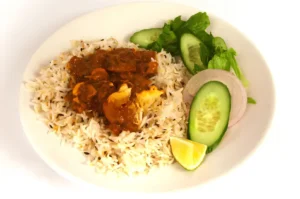
One-Pan Chicken Curry With Jeera Rice and Cucumber Raita: Food for Dinner Indian, Made Practical
Eat Drink Asia Team | July 11, 2026
The first time we cooked a full Indian dinner on a weeknight, the curry, rice, and raita felt like three separate tasks—three pans, three timers, and a kitchen full of wonderful smells but chaos. The curry was good, the rice sticky, and the raita watery from being made too early. That night taught us a…
-
Banana Leaf Steam: Why Some Rice Smells Like Home
Eda Wong | July 10, 2026
Steam rises from the pot, and a woman lifts a banana leaf over the open flame, turning it once, twice, until its stiff green softens and the surface goes glossy and pliant. She wipes it down with a damp cloth, then spoons hot rice into its center while the grains still steam. The leaf releases…
-
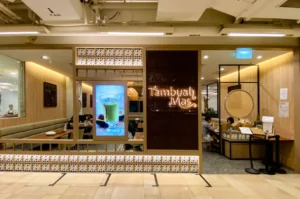
Tambuah Mas Paragon, Delivered: Unique Food Delivery Singapore With Old-School Comfort
Eda Wong | July 9, 2026
I ordered from Tambuah Mas on a rainy Sunday at around 6:15pm, mostly because I wasn’t in the mood to dress up and head into town, but I still wanted a proper meal. Not a sad one-bowl lunch. A real spread. That’s the thing about Tambuah Mas. It’s been around since 1981, serving Indonesian home-style…
-
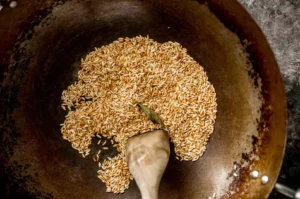
Toasted Rice Powder: The Dust That Makes Larb Sing
Dio Asahi | July 8, 2026
A wok sits over a low flame, and a handful of raw sticky rice slides across its dry surface. No oil, no water—nothing but heat and patience. The grains pale, then blush amber, then deepen toward the color of weak tea. Someone shakes the pan in a slow, even rhythm, listening as much as watching….
-
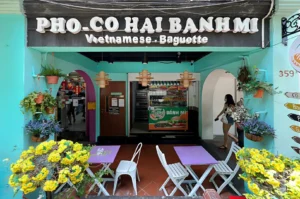
Ordering Lunch From Co Hai Banh Mi, and Finding Out the Definition of Good Food Delivery
Dio Asahi | July 7, 2026
I ordered lunch from Co Hai Banh Mi & Phở Vietnamese Restaurant on a Thursday at 12:08pm, which is probably the worst and most honest time to test delivery food. It was raining lightly, the kind of Singapore lunch rain that makes every rider slower and every office worker hungrier. I had been thinking about…

The “Little Tokyo” Floors Where Dinner Hides Behind Office Lobbies and Quiet Corridors : Orchard Plaza Food
Eat Drink Asia Team | July 4, 2026
Orchard Plaza is one of those buildings we kept walking past before we properly understood it. From the street, it looks more like an office block than a dinner plan. But over repeated visits, usually after work or during odd lunch windows, we’ve found that the real charm sits behind lift doors, quiet corridors, and…
-
Salted Egg, Properly Treated: Sauce, Not Shortcut
Eda Wong | July 3, 2026
By Eda Wong for Eat Drink Asia. The wok station is already hot when the cook lowers the flame. In the narrow back of a Singapore zi char kitchen, the air smells of butter, curry leaves, and the faint mineral edge of salted duck egg. A metal spatula presses cooked yolks through oil until they…
-
Fish Sauce at the Table: The Quiet Work of Fish Sauce
Dio Asahi | July 1, 2026
At a narrow lunch table in Bangkok, the bottle arrives before the rice has stopped steaming. It is clear glass, refilled many times, its plastic cap slightly stained from years of fingers and heat. Beside it sits a small bowl of sliced chillies floating in amber liquid, the cut edges pale and sharp. Someone nudges…
-
Eat 3 Bowls Bendemeer Review: A Taiwanese Comfort Food That Delivers
Eda Wong | June 30, 2026
I ordered Eat 3 Bowls @ Bendemeer on a Thursday at about 11:45am, which is my favourite test window for delivery food. It’s close enough to lunch for the kitchen to be in rhythm, but not so late that every rider in the neighbourhood is already fighting the office crowd. By 12:25pm, the bag was…
-
ABC Hokkien Mee After Renovation: What to Expect When the Woks Return
Dio Asahi | June 27, 2026
When I first walked past a hawker centre undergoing major renovations, the absolute silence unsettled me. The usual rhythmic scrape of metal spatulas against cast-iron woks was gone, replaced by the hum of construction. It made me realise just how much our culinary journeys are tied to the physical spaces we eat in. Right now,…