The dawn breaks over Hanoi, and the city awakens not to alarm clocks but to the clatter of tiny spoons and the metallic click of filters. The air fills with the dark, roasted aroma of authentic Vietnamese coffee drifting from bustling corners and sidewalk stalls. They are not rushing. Instead, they are waiting—waiting for the slow magic of the phin filter, such a simple device yet capable of producing a drink layered with history, flavor, and memory that only coffee makes possible. Across Vietnam, a remarkable variety of coffees awaits, from the rich and creamy egg coffee to refreshing coconut coffee and other unique local preparations, each offering a distinct taste of Vietnamese coffee culture.
In front of each customer rests a glass lined with a thick, creamy base of sweetened condensed milk. Above it, the filter begins its slow drip, releasing a stream of bold, freshly brewed cup after cup of coffee made from Vietnamese ground coffee. Once the brewing process is complete, the glass is stirred, then poured over ice cubes into a tall glass. This is Ca Phe Sua Da—the iconic Vietnamese iced coffee recipe that has become both a daily staple and a cultural treasure.
Introduction to Vietnamese Coffee Culture

Travelers are encouraged to try different Vietnamese coffees to fully experience the local café culture and explore the unique flavors each variety offers.
At the heart of this culture is the beloved Vietnamese iced coffee, or cafe sua da. This iconic drink, made by combining robust Vietnamese coffee beans with condensed milk and ice, is a staple in coffee shops across the country. Whether enjoyed in a Vietnamese coffee shop with friends or sipped solo as a midday pick-me-up, cafe sua da embodies the spirit of connection and relaxation.

Though Vietnam is now one of the largest coffee producers in the world, coffee was not native to its soil. It was the French who first introduced coffee grounds to Vietnam in the 19th century. Arabica trees struggled in the tropical climate, but robusta beans, with their resilience, high caffeine content, and deep bitter profile, thrived in the Central Highlands. Over time, Vietnamese coffee beans became prized for their strength and became the backbone of what we now know as traditional Vietnamese iced coffee.
What Makes Vietnamese Coffee Unique?
Unlike black coffee brewed in large drip machines or fast espresso shots, Vietnamese coffee is defined by its slow drip method. Using a Vietnamese coffee filter or phin, boiling water is poured over espresso roast ground or premium blend beans, and the liquid is allowed to brew at its own pace. Some enthusiasts even use only half the water to intensify the flavor, creating a rich coffee with a boldness that lingers on the palate.
This unique approach creates the authentic taste that keeps locals and tourists returning for more.
Vietnamese Coffee Ingredients and Equipment
Crafting an authentic Vietnamese coffee begins with selecting the right ingredients and tools:
- Vietnamese ground coffee: Brands like Trung Nguyen brand, Trung Nguyen Gourmet Blend, and even Cafe Du Monde are beloved for their bold, aromatic profiles.
- Sweetened condensed milk: Many locals recommend Longevity Brand for the perfect balance of sweetness.
- Phin filter: This small metal filter is such a simple device, yet it extracts maximum flavor.
- Hot water and coffee filters: Essential for releasing deep, robust notes.
- Tall glass filled with ice cubes: To transform strong hot coffee into a refreshing iced coffee recipe.
Together, these ingredients create good coffee that balances bitterness with rich sweetness.
The Art of Preparation: From Grounds to Glass
To make Vietnamese iced coffee at home is to practice patience. The steps are simple, yet ritualistic:
- Place 2 tablespoons of Vietnamese ground coffee—whether Trung Nguyen Gourmet Blend, Trung Nguyen brand, or the Cafe Du Monde chicory mix—into the phin filter.
- Tamp lightly with the cup spanner (the press).
- At the bottom of your glass, add sweetened condensed milk—about 2–3 tablespoons.
- Pour a splash of hot water to bloom the grounds.
- Fill with boiling water, cover, and allow the coffee drip to unfold over 4–5 minutes.
- Stir into a sweet coffee with rich sweetness.
- Pour into a glass filled with ice cubes.
This process yields the same great strong flavor whether at home or while visiting Vietnam.
Traditional Vietnamese Coffee Recipes
At the heart of Vietnam’s coffee culture lies the beloved ritual of crafting traditional Vietnamese iced coffee, or cafe sua da. This classic drink is celebrated for its bold simplicity and unforgettable flavor. The process begins with high-quality Vietnamese ground coffee—often from renowned brands like Trung Nguyen or Cafe Du Monde—which is carefully measured into a phin filter. As hot water is poured over the grounds, the coffee slowly drips, extracting a deep, aromatic brew that captures the essence of Vietnamese coffee.
Once the coffee is ready, it’s poured over a generous layer of sweetened condensed milk at the bottom of a glass. The two are stirred together, creating a harmonious blend of strong, robust coffee and creamy, sweet richness. Finally, the mixture is poured over ice, transforming it into the refreshing and invigorating Vietnamese iced coffee that locals and visitors alike crave on warm days.
This traditional Vietnamese iced coffee recipe is more than just a drink—it’s a daily ritual, a moment of pause, and a symbol of hospitality. Whether enjoyed at a bustling street-side café or in the comfort of home, using authentic Vietnamese coffee beans and the time-honored phin filter ensures every cup delivers the true taste of Vietnam.
Coffee Shops in Vietnam
Vietnam’s coffee shop scene is as diverse as its cities. In Hanoi, hidden gems serve egg coffee, a decadent mix of egg yolks, sugar, and coffee. In Ho Chi Minh City, cafés like Trung Nguyen Café Legend highlight everything from salt coffee to coconut cream variations.
These places don’t just serve coffee—they embody a lifestyle. From enjoying street food with a phe sua da to sipping modern lattes with whipped cream, the experience is immersive. Love Vietnamese iced coffee long enough, and it becomes inseparable from the rhythm of everyday life.
Regional Variations: A Tale of Two Cities
- Hanoi favors pure coffee or hot coffee, often with little milk, emphasizing bold flavor.
- Ho Chi Minh City leans toward iced milk coffee, sweeter with extra condensed milk, resembling dessert in a glass.
Egg Coffee: A Velvet Revolution
Perhaps no drink symbolizes innovation like egg coffee. Born in Hanoi, it whisks egg yolks, sugar, and condensed milk into a frothy cream layered over strong coffee. The result? A dessert-like masterpiece. Modern cafés riff on it with coconut cream, chocolate, or matcha—recipes inspired by tradition yet open to creativity.
Specialty Vietnamese Coffee Drinks

Beyond the classic cafe sua da and the innovated egg coffee, Vietnam’s coffee scene is a playground of creativity, offering other specialty drinks that surprise and delight.
- Salt coffee (Ca Phe Muoi): A pinch of salt is added to black coffee and condensed milk. This unexpected twist enhances the coffee’s natural flavors, balancing bitterness with a subtle, savory sweetness that keeps you coming back for more.
- Coconut coffee: Robust Vietnamese coffee blended with creamy coconut cream and condensed milk, then served over ice. Sweet, refreshing, and perfect for hot afternoons.
- Yoghurt coffee: A unique offering that combines black coffee, condensed milk, and a dollop of tangy plain yoghurt over ice. The result is a harmonious blend of rich coffee and creamy, tart yoghurt—a testament to the inventive spirit of Vietnamese coffee shops.
These specialty drinks, found in cafes across Vietnam, showcase the country’s passion for both tradition and innovation.
From Vietnam to the World

Outside Vietnam, enthusiasts adapt using a French press, moka pot, or other coffee filters. Many find phin filters in an Asian market. Some cafés even use required recipe ratings to grade their brews. Many Vietnamese restaurants serve standard coffee, but some, like Nguyen Coffee Company, offer a more authentic or upgraded experience. Whether enjoyed in a Vietnamese restaurant or abroad, the draw is always the authentic taste of great coffee.
Pairing Coffee with Flavor
Coffee here is rarely alone. Ca phe sua da pairs beautifully with street food like banh mi. Black coffee cuts through sweet pastries. Cafés experiment with tasty recipes featuring tropical twists, from coconut cream to whipped cream—all of which sound delicious and keep the coffee recipe fresh.
Brewing at Home: Beyond Tradition
You don’t have to travel far to enjoy Vietnamese iced coffee abroad. With a phin from an Asian market, you can replicate tradition. Or try a French press with premium blend beans for a close result.
Health-conscious drinkers experiment with lighter milk to balance nutrition calories and saturated fat. Others stick to Longevity Brand condensed milk for the classic flavor. Whether you review recipe videos online or create tasty recipes of your own, the result is always just what you crave: great coffee with an authentic taste.
A Taste of Vietnam’s Spirit

At its essence, Ca Phe Sua Da is not just a drink but a reflection of Vietnam itself—bold, resilient, creative, and deeply communal. Each freshly brewed cup, each slow drip, each glass filled with ice and milk tells a story of adaptation and joy.
Whether you discover it while visiting Vietnam, sip it in a Vietnamese restaurant, or brew it at home with Trung Nguyen Gourmet Blend, to love Vietnamese coffee is to taste the very soul of the country.
From Hanoi’s quiet mornings to Ho Chi Minh City’s buzzing afternoons, from the simplicity of a phin filter to modern spins with salt coffee or coconut cream, Vietnamese iced coffee remains timeless. Much like the Traditional Indian Lassi: Cooling Yogurt Drinks for Every Season and Region, these iconic beverages offer a refreshing window into the diverse culinary traditions and regional flavors of Asia.

The Last Turn of Tamagoyaki in a Tsukiji Pan
Dio Asahi | October 7, 2026
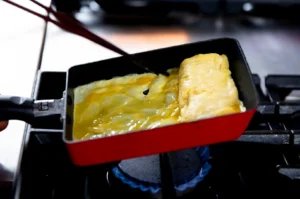
By Dio Asahi for Eat Drink Asia. It’s mid-morning, and the cook doesn’t look up. He stands over a rectangular pan, copper worn to a dull gold at the edges, and pours a thin skin of beaten egg across its surface. It hisses. Steam rises, warm and faintly sweet, and he tilts the pan just…
-
Seafood Restaurants in Singapore That Turn Crab Night Into a Full Table Ritual
Dio Asahi | October 6, 2026
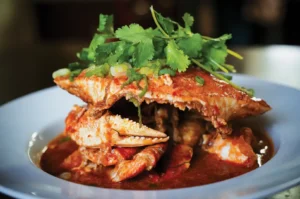
It always starts the same way for me. Someone lifts the lid off a plate of chilli crab, and the whole table leans in. Fingers reach before spoons do. Somebody tears the first piece of fried mantou, drags it through that sticky, sweet-savoury sauce, and the rest of us stop talking for a second. That…
-
Korean Street Food Is Built for Movement, Heat, and One-Handed Eating
Eda Wong | October 3, 2026
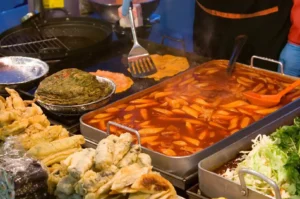
The first time I ate tteokbokki in Seoul, I burned my tongue standing up. It was late, the air was sharp with cold, and I had stopped at a small street food stall near a subway exit because the steam pulled me in. The woman handed me a paper cup of rice cakes in red…
-
Mrs Pho and the Bowl That Makes Somerset Feel Like a Vietnamese Family Table
Eat Drink Asia Team | October 1, 2026
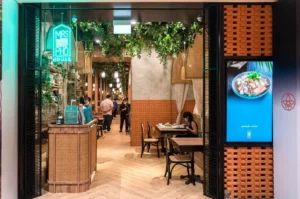
I wasn’t hungry when I walked into 313@somerset. I’d come for something else entirely; an errand, a shop I needed, the usual Orchard rush of people moving faster than the escalators. But somewhere on the first floor, past the noise, I caught the smell of star anise and beef bone, and my feet slowed down…
-
The Carving Knife at Colony, and the Way We Mark What Matters
Eda Wong | September 30, 2026
By Eda Wong for Eat Drink Asia. It’s late morning, and the light is doing most of the work. It pours through the high windows of Colony, at The Ritz-Carlton, Millenia Singapore, spilling across white tablecloths and the vintage prints on the walls. Marina Bay hums somewhere outside, but in here the room feels a…
-
Co Chung Vietnamese Restaurant and the Gỏi Cuốn That Makes Fresh Herbs Do the Work
Dio Asahi | September 29, 2026
I found it by accident, the way you find most things in a mall basement. I’d come down to Plaza Singapura’s B2 for something else entirely, drifting past the usual food-court noise, when I caught the smell of star anise and beef bone coming from a corner. I followed it. And there it was —…
-
Vietnamese Spring Roll: The Recipe That Only Works When the Herbs Stay Awake
Eda Wong | September 26, 2026
Fresh Vietnamese spring rolls, or gỏi cuốn, look delicate, but the recipe is really about control: barely softened rice paper, dry herbs, restrained noodles, clean protein, and a dipping sauce sharp enough to wake the whole thing up. This is not the fried version, chả giò or nem rán. This is the cool, translucent, herb-heavy…
-
Best Steakhouse Singapore: From Fire-Kissed Icons to Old-School Beef Plates
Eat Drink Asia Team | September 24, 2026
I didn’t set out to write about steak. It started with a bad day and a craving for something that pushed back when I bit into it. One dinner turned into a habit, and over a couple of years I found myself at counters, coffeeshops, and dining rooms all over this island, chasing the same…
-
The Ice Counter at Carousel, and the Table Everyone Can Reach
Dio Asahi | September 23, 2026
By Dio Asahi for Eat Drink Asia. It’s a Saturday evening, and someone across the room is carrying a birthday cake. The candles are lit, the walk is careful, and a whole table turns to watch. Plates clink. A child laughs somewhere. The room at Carousel, inside Royal Plaza on Scotts, isn’t quiet — it…
-
Tiong Shian Porridge Centre Review: The Soft Counterweight to Chinatown’s Crisp Toast
Dio Asahi | September 22, 2026
I’d spent the morning with kaya toast. Crisp bread, cold butter, the clean snap of it between my teeth. Good, all of it. But by the time I’d walked a few streets over to New Bridge Road, my mouth wanted the opposite. Something warm. Something that gave way instead of shattering. That’s how I ended…