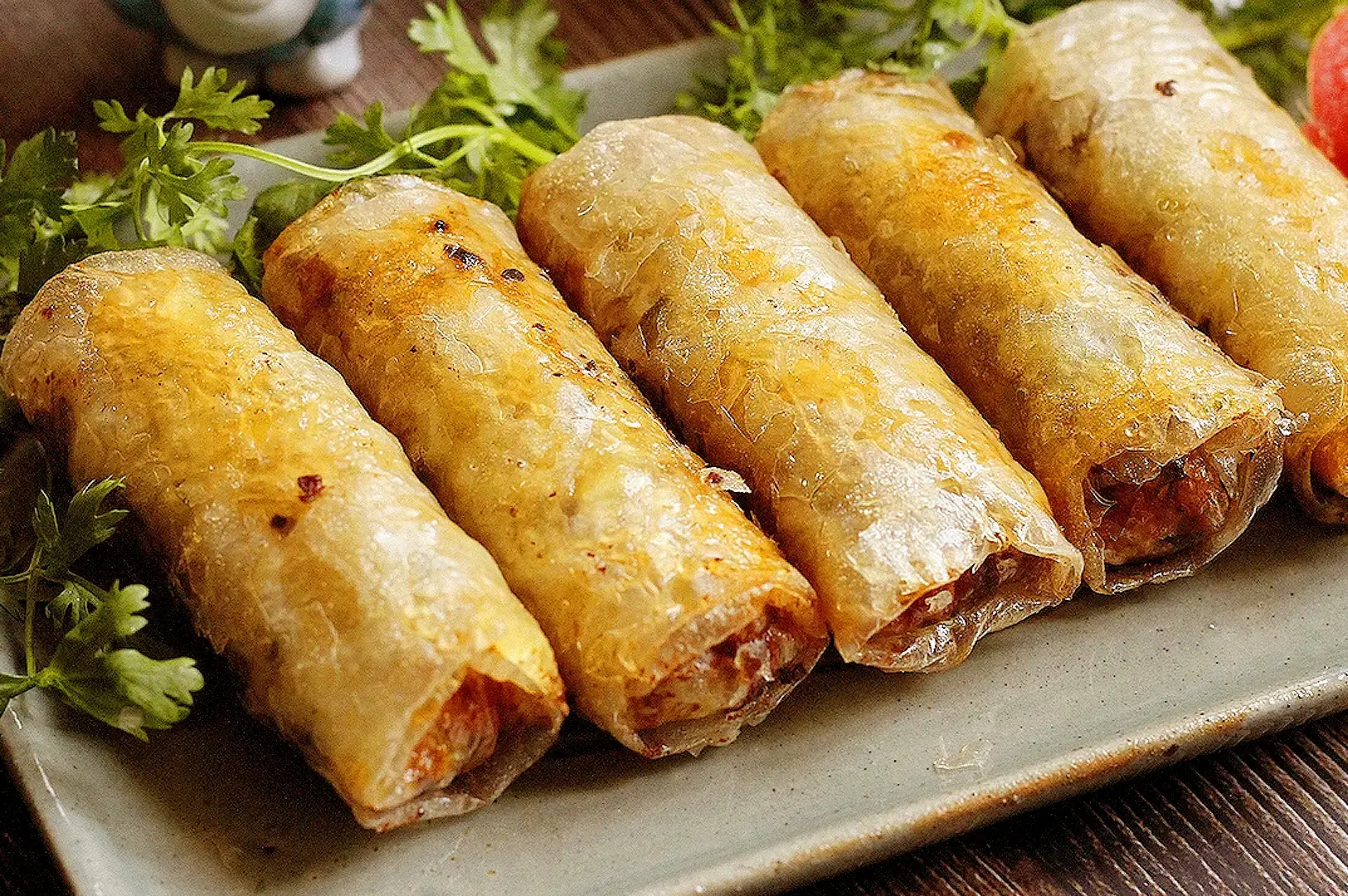
Fresh Vietnamese spring rolls, or gỏi cuốn, look delicate, but the recipe is really about control: barely softened rice paper, dry herbs, restrained noodles, clean protein, and a dipping sauce sharp enough to wake the whole thing up.
This is not the fried version, chả giò or nem rán. This is the cool, translucent, herb-heavy roll wrapped in softened rice paper and eaten soon after rolling. The kind that fails when the wrapper turns gummy, the herbs go limp, or the filling gets too ambitious.
The first batch I ever made looked like wet tissue paper. I soaked the rice paper until it went soft in the bowl, then watched the wrapper collapse as soon as I lifted it out. The noodles slid. The prawns escaped. I ate the failures standing over the sink, and they still tasted fine, because fresh spring rolls are forgiving that way.
But fine is not the same as right. Let me save you the sink-standing years.
Ingredients
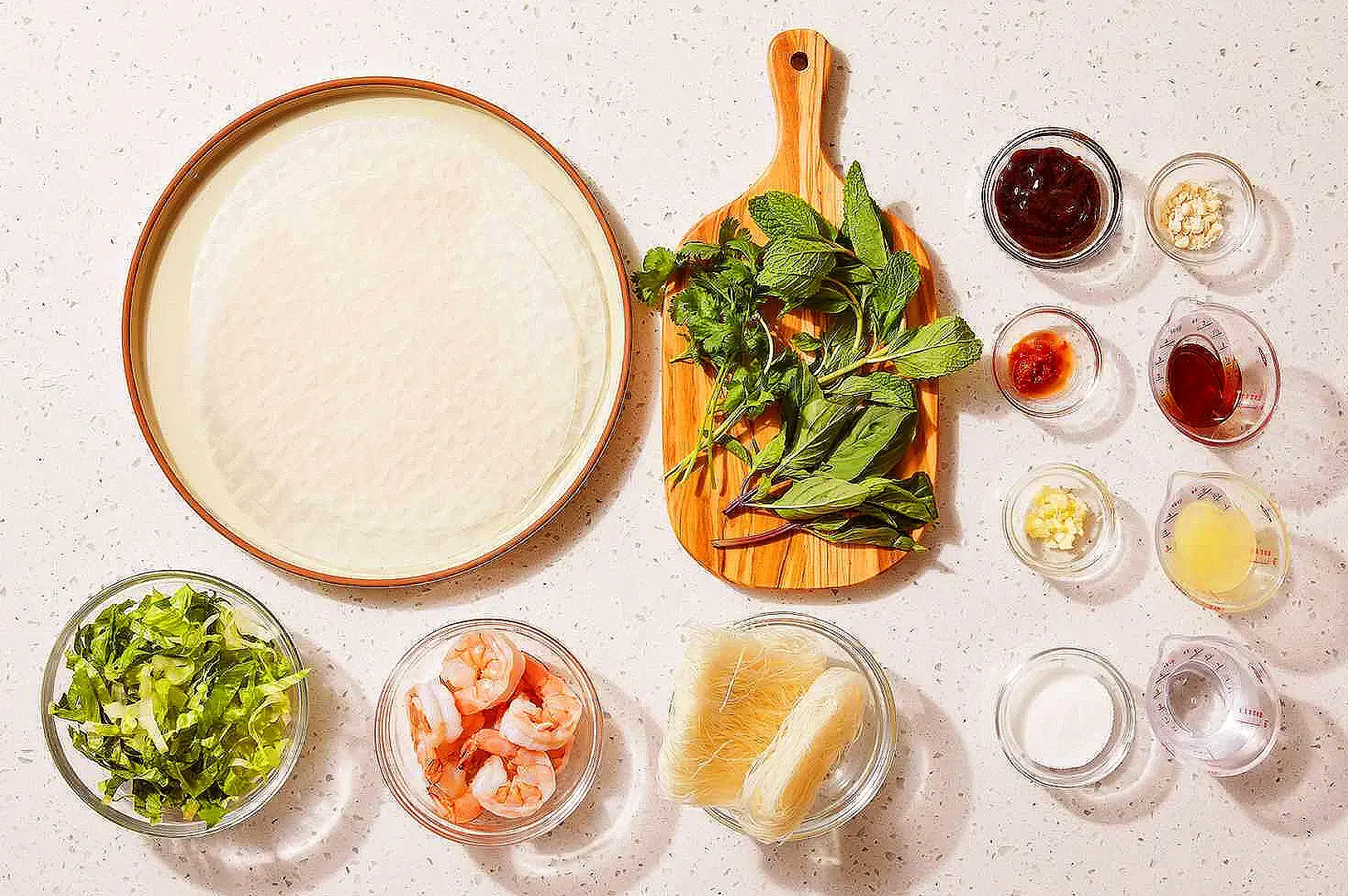
For 3 to 4 people, you will need:
- 12 to 16 sheets of rice paper wrappers, preferably Vietnamese bánh tráng from trusted rice paper brands
- 100g to 150g rice vermicelli noodles (thin rice sticks)
- 12 to 16 cooked medium-sized prawns, halved lengthwise for shrimp spring rolls
- 150g to 200g thinly sliced poached pork belly, cooked chicken, tofu, or fish
- 1 small head butter lettuce or green leaf lettuce, leaves separated and dried with a paper towel
- 1 cucumber, cut into thin strips
- 1 carrot, cut into thin strips
- 1 handful bean sprouts, optional
- 1 large handful fresh herbs such as mint, Thai basil, and coriander
- Optional Vietnamese herbs: perilla, fish mint, sawtooth coriander, Vietnamese coriander
For nước chấm dipping sauce:
- 3 tbsp fish sauce
- 3 tbsp lime juice or rice vinegar
- 2 tbsp sugar
- 4 to 5 tbsp water (warm water preferred for dissolving sugar)
- 1 garlic clove, finely chopped
- 1 small chilli, finely chopped
For peanut sauce (vietnamese peanut sauce):
- 3 tbsp hoisin sauce
- 2 tbsp crunchy or chunky peanut butter (or almond butter as an alternative)
- 2 to 4 tbsp warm water, to loosen the sauce to a dip-able consistency
- Crushed roasted peanuts, to finish
Realistically, expect to spend around S$18 to S$35 in Singapore, depending on your protein choice. Tofu or chicken keeps it lower. Prawns, pork belly, and imported herbs push it up. Rice paper wrappers are not usually the expensive part; fresh vegetables and protein are.
If you are making a tofu version, our Fortune Centre food guide has more vegetarian meal ideas for days when you want something lighter.
Before You Start
Prep everything before touching a single rice paper sheet. Rice paper waits badly, but fillings wait fine.
Cook the rice vermicelli noodles, drain them well, and let them cool completely. Warm rice noodles steam inside the rice paper rolls and make the wrapper sticky, ruining the delicate texture.
Cook and cool your protein too, whether that means prawns, pork belly, chicken, tofu, or fish.
Wash the fresh vegetables and herbs gently, then dry them properly with a damp paper towel or salad spinner. This is the step people rush. Wet herbs make a slippery, watered-down roll. The herbs should feel fresh and awake, not bruised or dripping.
Cut the vegetables into thin strips so they bend easily inside the roll, not stab through the rice paper. Keep everything in small bowls or piles on your rolling surface before you begin.
How to Make Vietnamese Spring Rolls (Gỏi Cuốn)
1. Cook the rice noodles
Soften the rice vermicelli noodles according to the packet instructions. Drain well, rinse if needed under cold water, and let the noodles cool. If they clump, loosen them gently with your fingers before rolling.
2. Prepare the protein
Poach prawns and pork belly if using the classic pairing. Slice the pork belly thinly and halve the prawns lengthwise so the pink side can show through the translucent rice paper. For tofu, use firm tofu and cut it into neat thin strips.
3. Wash and dry the fresh herbs
Mint, Thai basil, and coriander are the minimum I would use for authentic fresh Vietnamese spring rolls. Dry them well with a salad spinner or paper towel. The herbs are not garnish; they are the reason the roll tastes alive.
4. Make the dipping sauces
Mix the nước chấm dipping sauce until it tastes salty, sour, sweet, and hot at once. It should be slightly sharper than you think, because the mild roll will soften it.
For peanut sauce, stir hoisin sauce and peanut butter together, then loosen with warm water until dip-able. Finish with crushed roasted peanuts.
I usually serve both dipping sauces. Nước chấm wakes the roll up with its vibrant tang, while peanut-hoisin sauce makes it richer and gentler.
5. Dip one rice paper wrapper
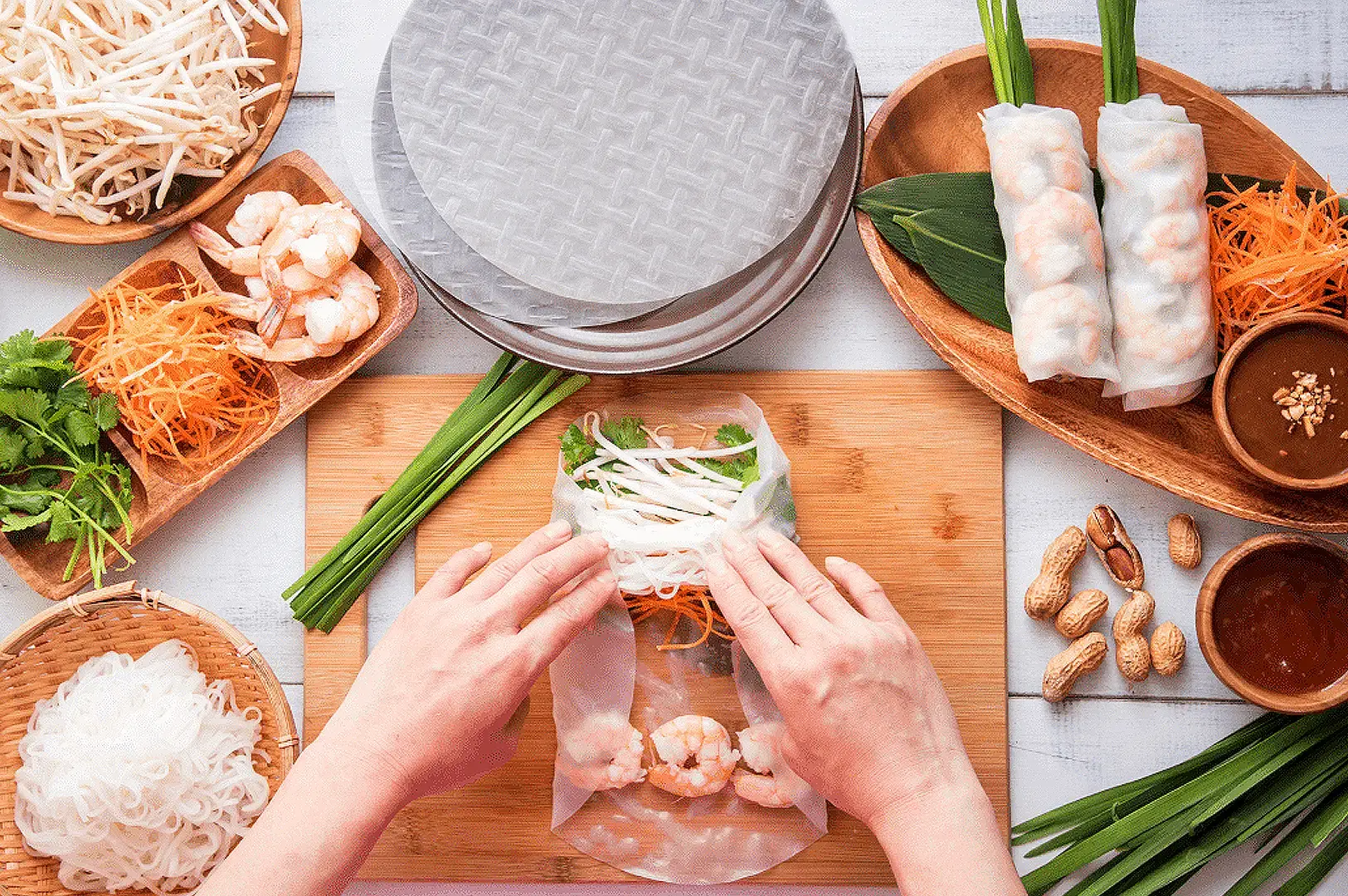
Fill a shallow plate or tray with room-temperature or warm water. Dip one rice paper sheet for 2 to 3 seconds only. It should still feel slightly firm when you lift it out.
Lay it flat on a clean rolling surface such as a cutting board or large plate. Do not wait for it to become soft in the water. It will keep softening as you build the roll.
6. Layer the filling
Place a lettuce leaf first. This protects the wrapper from sharp vegetables and noodle clumps.
Add a small line of rice vermicelli noodles, then fresh herbs, then cucumber, shredded carrot, and bean sprouts if using. Keep everything horizontal and compact.
Place the prawns or pork belly near the far edge. If using prawns, place them pink-side down so they show through the translucent rice paper rolls once rolled.
7. Roll firmly but gently
Fold the bottom of the wrapper up over the filling. Tuck the left and right sides in. Then roll forward, tightening as you go.
Do not force it shut at the end. A good spring roll feels snug, not packed.
Work one wrapper at a time. Every time.
Dip Less Than Feels Right
The water bowl is where most fresh spring rolls fail.
Rice paper keeps hydrating after it leaves the water, so the wrapper should come out while it still feels too firm. Give it 30 to 60 seconds on the rolling surface while you arrange the filling, and it will soften on its own.
If it feels perfectly soft in the bowl, it is already over-soaked.
What Fresh Spring Rolls Should Taste Like
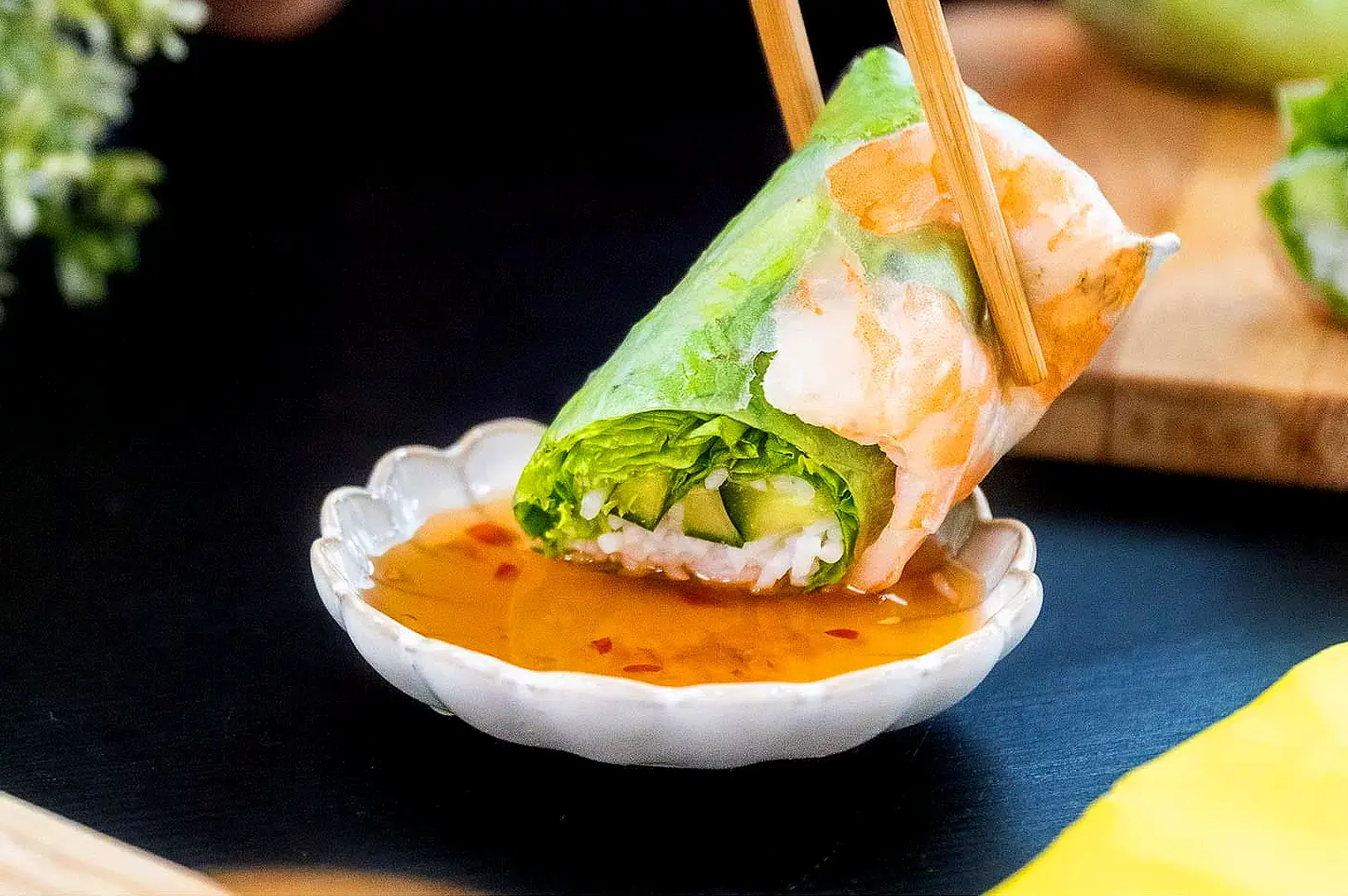
A good fresh Vietnamese spring roll should taste cool, clean, and balanced. The rice paper should be soft but not gummy. The lettuce should give structure, the rice vermicelli should soften the bite, and the fresh herbs should lift everything.
Skip the herbs and you are left with a cold noodle wrap. That is the heart of this authentic recipe.
For another lighter eating mood, our best cafe Singapore picks cover quieter places for brunch, pastries, and slow afternoon bites.
The Sauce Matters
The roll itself is mild, so the spring roll dipping sauce does the seasoning. You want contrast: fresh vegetables, soft rice noodles, clean protein, then a dip that brings salt, acid, sweetness, and heat.
Can You Make Fresh Vietnamese Spring Rolls Ahead?
Briefly, yes. Ideally, no. Rice paper rolls are best eaten soon after rolling because the wrapper can toughen and the fresh veggies can lose their snap.
To hold them briefly:
- Keep rolls slightly apart
- Place them seam-side down
- Cover with a lightly damp paper towel
- Use plastic wrap loosely if needed, but do not press it onto the rolls
Better for Hosting
Prepare the components ahead instead: spring roll wrappers, noodles, herbs, protein, all the vegetables, and sauces. Set out a large bowl of warm water and let guests roll their own.
This keeps the herbs fresher and makes the rolling technique easier for first-timers.
Peanut Dipping Sauce and Other Variations
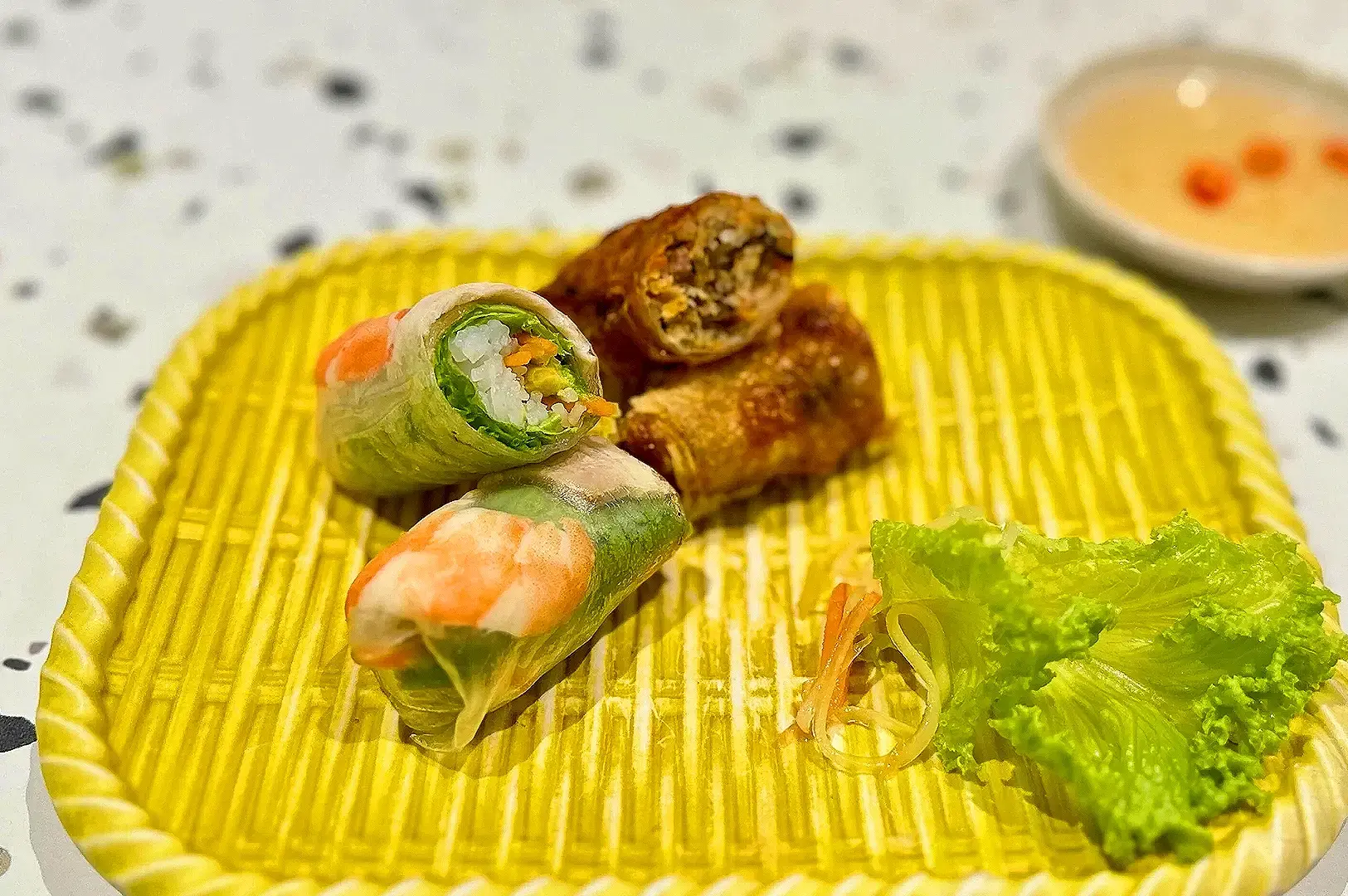
A simple peanut dipping sauce makes Vietnamese fresh spring rolls richer. Mix hoisin sauce with crunchy peanut butter, then loosen with warm water. Add a small splash of sesame oil for depth, or chilli for a spicy peanut sauce.
Fried Spring Rolls Are Different
Fried spring rolls use egg roll wrappers or rice sheets filled with ingredients like shrimp, mushrooms, and pork belly, then fried until crisp. They are warm and crunchy, while fresh spring rolls stay cool, soft, and herb-heavy.
Fresh rolls can also be made with tofu, prawns, shredded chicken, mango, cucumber, or other fresh vegetables. Different rice paper brands soften differently, so dip briefly, wait, then roll. That small pause is often what turns messy rolls into a perfect spring roll.
Beyond Perfection
The rolls I make now are not perfect. Some still lean crooked. A prawn slips out now and then.
But the herbs stay awake. That is the part I finally learned to care about: a roll can be plain in every other way and still taste alive if the mint, basil, and coriander are fresh enough to lift it.
Make a mess of your first few. Eat them over the sink if you have to. Then dip the next wrapper a little less, dry the herbs a little better, and roll a little looser.
Somewhere in there, it stops being a recipe and starts being a thing you know how to do.

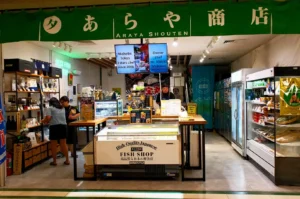
Not Just Seafood: How Araya Shouten Keeps Japanese Fishing Culture Alive in Singapore
Eat Drink Asia Team | August 26, 2026
Japanese cuisine has long been admired for its attention to seasonality, precision, and respect for ingredients. However, behind every piece of sashimi or carefully prepared seafood dish lies a story that begins far away from the dining table, often with fishermen, coastal communities, and generations of knowledge passed down through time. At Araya Shouten, seafood…
-
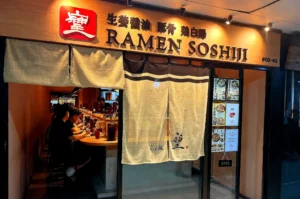
The Ginger Shoyu Ramen at Ramen Soshiji, Where Orchard Goes Quiet
Dio Asahi | August 26, 2026
By Dio Asahi for Eat Drink Asia. The lift opens on the third floor of Orchard Plaza, and for a second I don’t know which way to turn. The corridor is dim and still, the kind of quiet that feels almost accidental in this part of town. A few doors down, an unmarked entrance. Inside,…
-
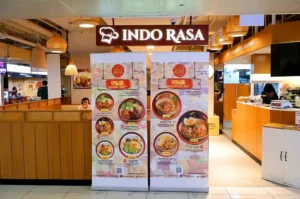
Indo Rasa Singapore and the Nasi Goreng That Measures a Kitchen’s Confidence
Eat Drink Asia Team | August 25, 2026
There’s a dish I order when I want to know a kitchen quickly. Not the specialty. Not the thing the menu is proud of. I order the fried rice. Because nasi goreng has nowhere to hide. It’s rice, chilli, chicken, egg, a few crackers, some cucumber. Everyone thinks they can make it. Most people can….
-
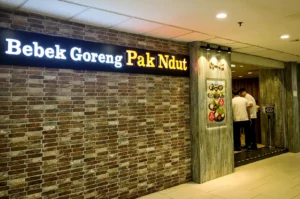
Bebek Goreng Pak Ndut and the Fried Duck That Makes Nasi Goreng Feel Too Polite
Eda Wong | August 22, 2026
The duck arrived and made a sound before I’d even touched it. Not the plate, the skin. When my fork pressed against it, there was a small, dry crackle, the kind you feel in your fingers before you hear it. That’s when I understood I wasn’t eating a soft meal. This was something with edges….
-
The Coconut Spoon That Shapes Nyonya Kueh Salat
Eda Wong | August 21, 2026
By Eda Wong for Eat Drink Asia. Steam curls up from a tray in the back of the kitchen, and the whole room smells green. Pandan, crushed and knotted, pushed through wet cloth until the leaves give up their colour. An auntie leans over the tray with a spoon carved from coconut shell, dark and…
-
Chicken Nasi Goreng Recipe: What Leftover Rice Becomes After the Wok Gets Serious
Dio Asahi | August 20, 2026
There’s a container of rice at the back of my fridge most weeks. Cold, a little hard, forgotten from a dinner two nights ago. Some people see that and think of waste. I see the start of something better. Because leftover rice doesn’t want to be reheated. It wants to be fried. And when it…
-
The First Ladle of Miso Soup in a Tokyo Breakfast Shop
Dio Asahi | August 19, 2026
By Dio Asahi for Eat Drink Asia. The shop is barely wider than a hallway. Seven stools, a counter worn smooth, and behind it a woman ladling soup into small ceramic bowls before anyone has ordered it. Steam lifts off the surface and fogs the window against the cold morning. The bowl reaches me warm…
-
Chirashi Don Best Picks When Bowls Between the Sushi Counter and Lunch Are the Current Mood
Eat Drink Asia Team | August 18, 2026
There’s a specific kind of hunger that a chirashi don answers. It’s not the hunger for a full sushi omakase, with its slow ceremony and its quiet counter watching. And it’s not the hunger for something thrown together and forgotten by three o’clock. It sits somewhere in between — fish and rice in one bowl,…
-
Kopi Through the Cloth: Why the Strain Matters
Eda Wong | August 17, 2026
By Eda Wong for Eat Drink Asia. It is not yet seven, and the uncle at Heap Seng Leong has the pot going. He works the sock strainer over the tin cup with both hands, dipping and lifting, dipping and lifting, coaxing the coffee through the worn cloth. Steam rises between his fingers. The smell…
-
SBCD Korean Tofu House and the Comfort Logic of Bubbling Soondubu
Eda Wong | August 15, 2026
It was raining the afternoon I went. Not the polite kind, the sort that drums against the glass of Guoco Tower and makes you glad you’re already underground. I hadn’t planned on soondubu. I’d planned on something quick, something I could eat between the errands piling up in my head. But the rain does something…