The first time I made chana masala, I started with dried chickpeas at 7:30 on a weeknight, soaking and boiling like the recipe said. By the time the curry was actually done, it was nearly ten and I’d already eaten half a loaf of bread out of sheer hunger. That night taught me something I now treat as a rule: weeknight cooking lives or dies on the smart shortcuts you choose, not on how “authentic” you’re trying to be.
Since then, I’ve worked out a version that gets a genuinely good chana masala and warm roti on the table in 35 to 45 minutes. In this guide, I’ll walk you through exactly how I do it, the mistakes I’ve made along the way, and the cues that tell you when each step is right. This recipe is a perfect example of quick and satisfying food for dinner Indian style.
What Chana Masala Actually Is
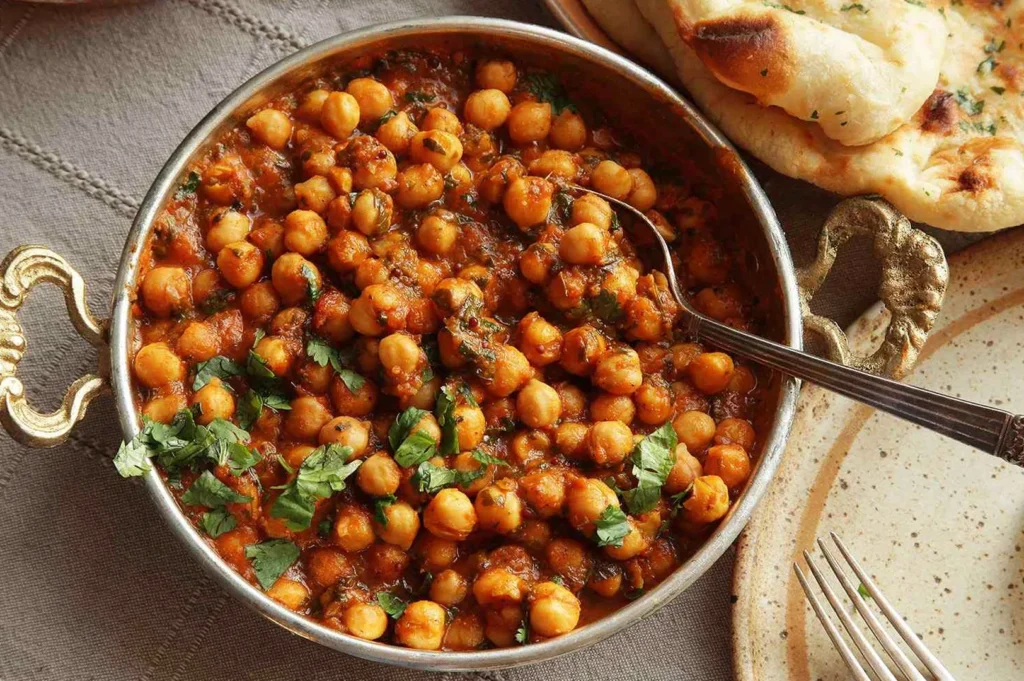
Chana masala is a North Indian chickpea curry made with chickpeas simmered in a spiced onion-tomato gravy. It is one of those quick vegetarian dinner recipes Indian households return to because it is filling, affordable, and deeply aromatic without needing a long cooking window.
At its best, chana masala tastes earthy from cumin seeds, warm from garam masala, sharp from green chili, and bright from lemon juice. Some versions lean darker and more intense, like Punjabi chole. Others are lighter and saucier. This chana masala recipe is built for weeknights, using canned chickpeas instead of dried chickpeas, while still giving you the rich, tangy flavors people expect from authentic chana masala.
Ingredients for Chana Masala Recipe
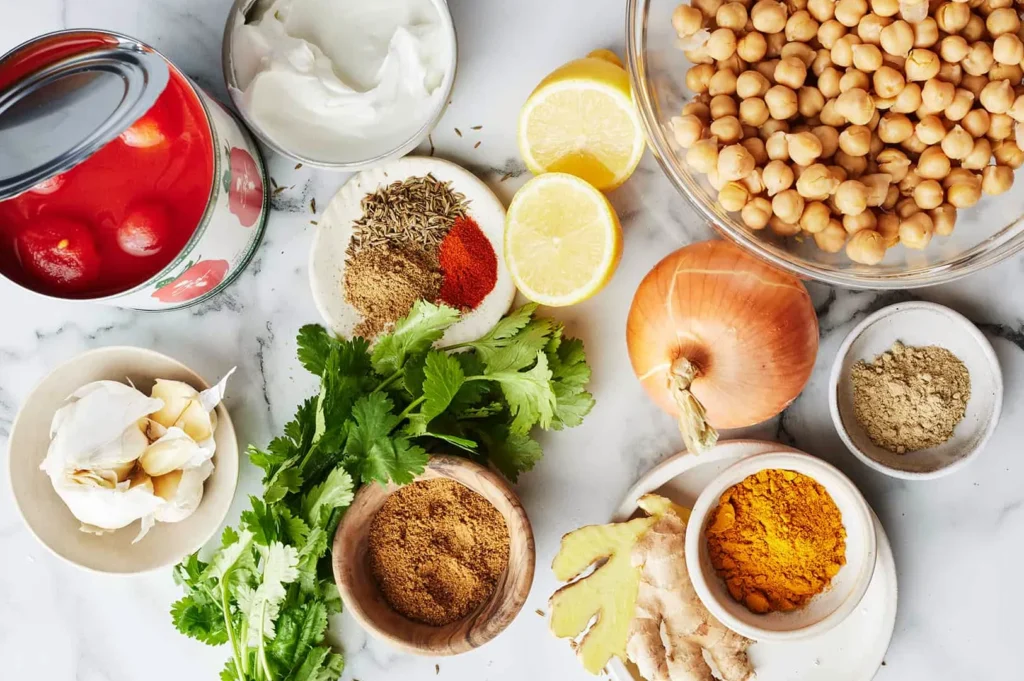
For 3–4 servings, you’ll need:
- 2 cans canned chickpeas, drained and rinsed
- 2 tablespoons oil or ghee
- 1 bay leaf
- 1 teaspoon cumin seeds
- 1 yellow onion, finely chopped
- 1 tablespoon ginger garlic paste
- 1 green chili, chopped, or green chilis to taste
- 2 fresh tomatoes, chopped, or ½ cup tomato puree
- 1 tablespoon tomato paste, optional, for deeper color
- 1 teaspoon coriander powder or ground coriander
- ½ teaspoon cumin powder
- ½ teaspoon turmeric
- ½–1 teaspoon red chili powder or chili powder
- 1–2 teaspoons chana masala powder or chole masala
- ½ teaspoon garam masala
- Salt and black pepper, to taste
- 1 tablespoon lemon juice
- Fresh coriander leaves, chopped
Optional but useful: dried mango powder, kasoori methi, crushed garlic cloves, or a small pinch of baking soda if you are cooking dried chickpeas from scratch. Do not use baking powder here. If using dried chickpeas, soak overnight, then pressure cook until tender before starting the masala.
Before You Make Chana Masala
I learned this the hard way after burning spices while searching for turmeric. Before you turn on the stove, measure your spice powders into one bowl. Keep your chickpeas drained, onion chopped, tomatoes ready, and coriander washed.
Use a large pot or wide pan. Chana masala needs space for the onion and tomato base to reduce properly. If the pan is too small, the masala steams instead of frying, and you lose that deep, roasted aroma.
The goal is not just to cook chickpeas. It is to build a base that smells warm, nutty, and slightly smoky before the chickpeas go in.
Step 1: Build the Onion Base with Whole Spices
Place your pot over medium heat or medium flame. Add oil or ghee, then drop in the bay leaf and cumin seeds. Let them sizzle until fragrant.
Add the finely chopped onion and cook until the edges turn golden. Do not rush this step. The onion is where the rich flavor begins. When it softens and darkens slightly, add ginger garlic paste and green chili. Stir until the raw garlic smell disappears.
The kitchen should smell warm and savory now, not sharp.
Step 2: Bloom the Spice Powders
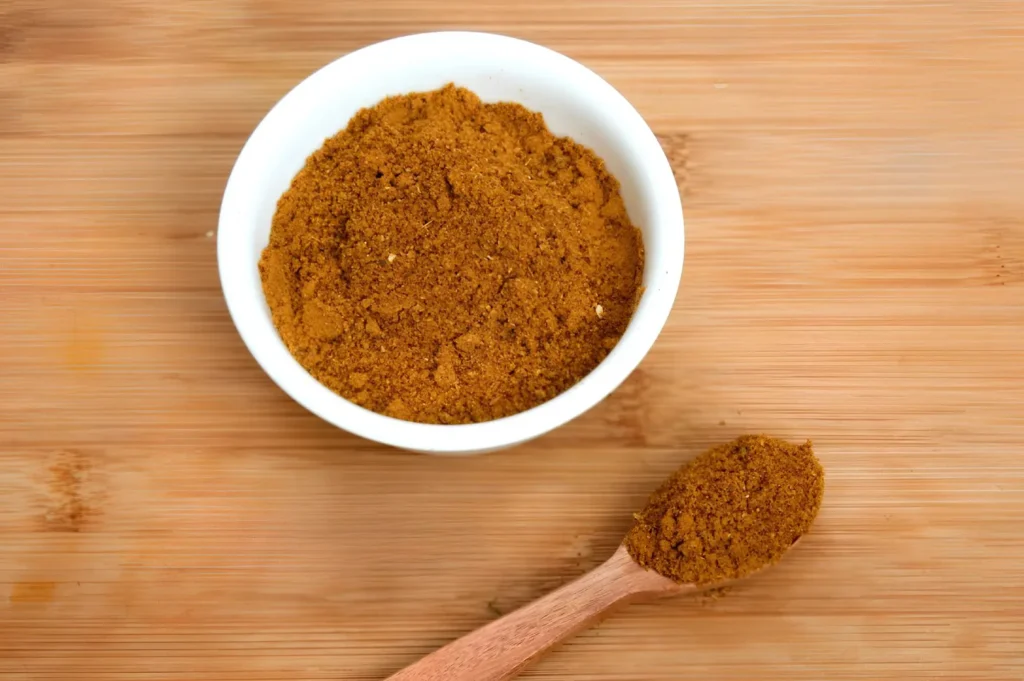
Add coriander powder, cumin powder, turmeric, red chili powder, chili powder, and chana masala powder. Stir for 30–45 seconds.
This is a small step, but it changes everything. The spices should move from dusty to fragrant. If they stick, splash in a spoonful of water. If you have a spice grinder, you can grind toasted whole spices for more intensity, but store-bought powder works well for weeknights.
Add chopped tomatoes, tomato puree, or tomato paste. Cook until the mixture thickens, darkens, and looks glossy. The raw tomato smell should fade.
Step 3: Add Chickpeas and Simmer
Add the canned chickpeas with ½ cup water. Stir well, then simmer for 12–15 minutes. Mash a few cooked chickpeas against the side of the pot. This thickens the gravy naturally and helps it reach your desired consistency.
If you are using cooked chana from dried chickpeas, add them the same way, but simmer a little longer. The chickpeas should be tender, but not falling apart completely.
Finish with garam masala, crushed kasoori methi, lemon juice, and coriander leaves. Taste and adjust salt. If the curry feels flat, add more lemon. If it feels thin, simmer uncovered. If it tastes harsh, the spices needed more cooking time.
Step 4: Serve Chana Masala with Roti or Rice
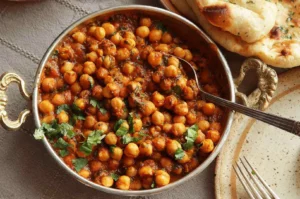
To serve chana masala, spoon it into bowls while hot. The gravy should cling to the chickpeas, thick but not pasty.
Warm roti or chapati makes the best pairing because it tears softly and scoops the sauce. Rice works too, especially if you want a gluten free meal. I remember one tired weeknight when I used frozen chapati and still felt like I had made something whole, warm, and generous.
This is also why some people compare chana masala with butter chicken. Both rely on a sauce that begs to be scooped. But chana masala is lighter, vegetarian, and built around chickpeas instead of cream and meat.
Quality Check: What the Best Chana Masala Looks Like
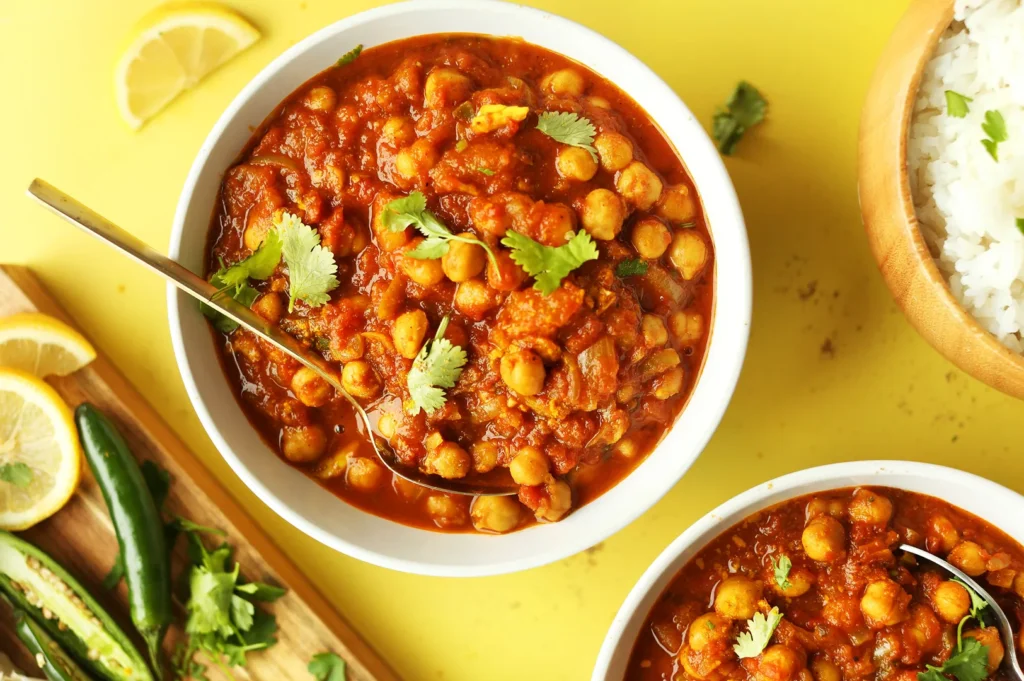
A best chana masala candidate should have:
- Thick gravy clinging to the chickpeas
- No raw spice smell
- Tender chickpeas with some bite
- Warm aroma from garam masala
- Bright finish from lemon juice
- Fresh lift from coriander leaves
If you tried this recipe and it tasted absolutely delicious, leave yourself a note for next time. If not, review recipe cues: more salt for depth, more lemon for lift, more simmering for body.
Singapore Cost and Weeknight Notes
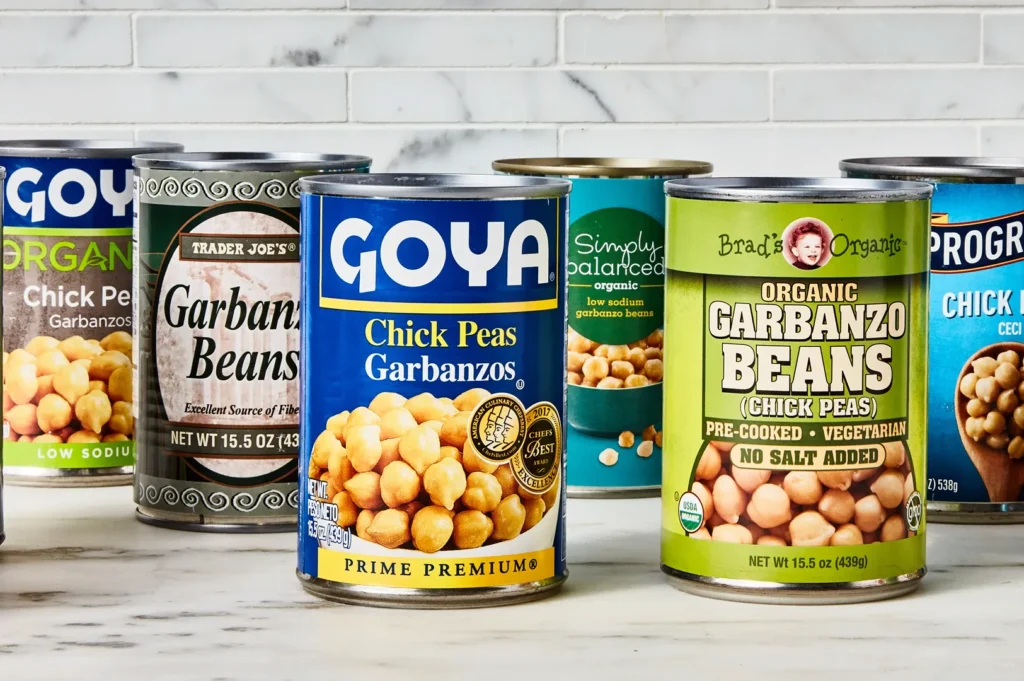
In Singapore, canned chickpeas are easy to find at FairPrice, Cold Storage, Sheng Siong, RedMart, and Lazada. For 3–4 servings, expect roughly S$10–S$25 depending on your pantry.
This great recipe becomes cheaper if you already keep cumin, coriander, turmeric, garam masala, and chana masala powder at home. It is also a wonderful recipe for building basic Indian cooking confidence because it teaches onion browning, spice blooming, simmering, and seasoning correction.
Nutrition will depend on oil or ghee. More ghee increases saturated fat, while moderate oil keeps monounsaturated fat and polyunsaturated fat more balanced. Either way, this is one of those delicious recipes the whole family can return to often.
For those exploring culinary delights beyond Indian cuisine, Eat Drink Asia offers excellent guides to the best omakase Singapore has to offer, blending tradition with exceptional dining experiences.
The Heart of a Quick, Cozy Indian Dinner
What this dish really taught me is that weeknight cooking isn’t about perfection, it’s about getting it done well. Canned chickpeas, a properly cooked masala base, and warm roti give you a satisfying vegetarian dinner with no meat, no rice, and no two-hour simmer.
My advice: the first time, use frozen roti and put all your focus on the curry base. Once blooming spices and reducing the masala feel natural, try homemade roti. Take it one step at a time, and this’ll become one of your easiest weeknight wins.

Best Cafe Singapore: A Map of Brunch Plates, Quiet Corners, and Dangerous Pastries
Dio Asahi | July 18, 2026
I didn’t set out to make a list. I made a habit. Over the years, cafes became the places I went to think, to wait out the rain, to sit with a coffee I didn’t have to rush. Some I returned to for the food. Others, I returned to for the feeling — the way…

Pickled Mustard Greens: The Sour Note in Clear Broth
Eda Wong | July 17, 2026
Steam lifts from a bowl of clear pork broth, and a spoonful of chopped pickled greens slides in. The broth shifts at once, its richness suddenly cut by a sharp, clean sourness that sits high and bright on the tongue. The greens have softened in the heat but keep a faint, springy crunch. Someone leans…
-
The Potato Curry That Teaches You How Spices Wake Up: A Beginner’s Indian Cooking Lesson
Eda Wong | July 16, 2026
The first time I made aloo curry on my own, I burned the cumin. I remember standing in my tiny HDB kitchen, watching those little seeds go from golden to black in what felt like one breath, and thinking: this is harder than it looks. But here’s what that bitter, smoky disaster taught me, the…
-
Bamboo Skewers and Smoke: Street Grills in Chiang Mai
Dio Asahi | July 15, 2026
The cart glows at the edge of the lane just as the heat of the day finally loosens. A woman fans the coals with a flattened piece of cardboard, and the embers brighten orange under a row of skewers. Fat slides off the pork, hits the charcoal, and hisses upward in a thin curl of…
-
Chana Masala With Warm Roti, Built for Weeknights: Quick Vegetarian Dinner Recipes Indian
Dio Asahi | July 14, 2026
The first time I made chana masala, I started with dried chickpeas at 7:30 on a weeknight, soaking and boiling like the recipe said. By the time the curry was actually done, it was nearly ten and I’d already eaten half a loaf of bread out of sheer hunger. That night taught me something I…
-
One-Pan Chicken Curry With Jeera Rice and Cucumber Raita: Food for Dinner Indian, Made Practical
Eat Drink Asia Team | July 11, 2026
The first time we cooked a full Indian dinner on a weeknight, the curry, rice, and raita felt like three separate tasks—three pans, three timers, and a kitchen full of wonderful smells but chaos. The curry was good, the rice sticky, and the raita watery from being made too early. That night taught us a…
-
Banana Leaf Steam: Why Some Rice Smells Like Home
Eda Wong | July 10, 2026
Steam rises from the pot, and a woman lifts a banana leaf over the open flame, turning it once, twice, until its stiff green softens and the surface goes glossy and pliant. She wipes it down with a damp cloth, then spoons hot rice into its center while the grains still steam. The leaf releases…
-
Tambuah Mas Paragon, Delivered: Unique Food Delivery Singapore With Old-School Comfort
Eda Wong | July 9, 2026
I ordered from Tambuah Mas on a rainy Sunday at around 6:15pm, mostly because I wasn’t in the mood to dress up and head into town, but I still wanted a proper meal. Not a sad one-bowl lunch. A real spread. That’s the thing about Tambuah Mas. It’s been around since 1981, serving Indonesian home-style…
-
Toasted Rice Powder: The Dust That Makes Larb Sing
Dio Asahi | July 8, 2026
A wok sits over a low flame, and a handful of raw sticky rice slides across its dry surface. No oil, no water—nothing but heat and patience. The grains pale, then blush amber, then deepen toward the color of weak tea. Someone shakes the pan in a slow, even rhythm, listening as much as watching….
-
Ordering Lunch From Co Hai Banh Mi, and Finding Out the Definition of Good Food Delivery
Dio Asahi | July 7, 2026
I ordered lunch from Co Hai Banh Mi & Phở Vietnamese Restaurant on a Thursday at 12:08pm, which is probably the worst and most honest time to test delivery food. It was raining lightly, the kind of Singapore lunch rain that makes every rider slower and every office worker hungrier. I had been thinking about…