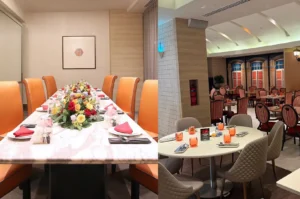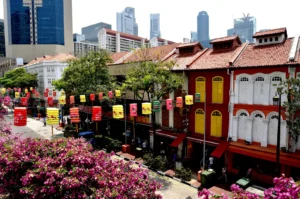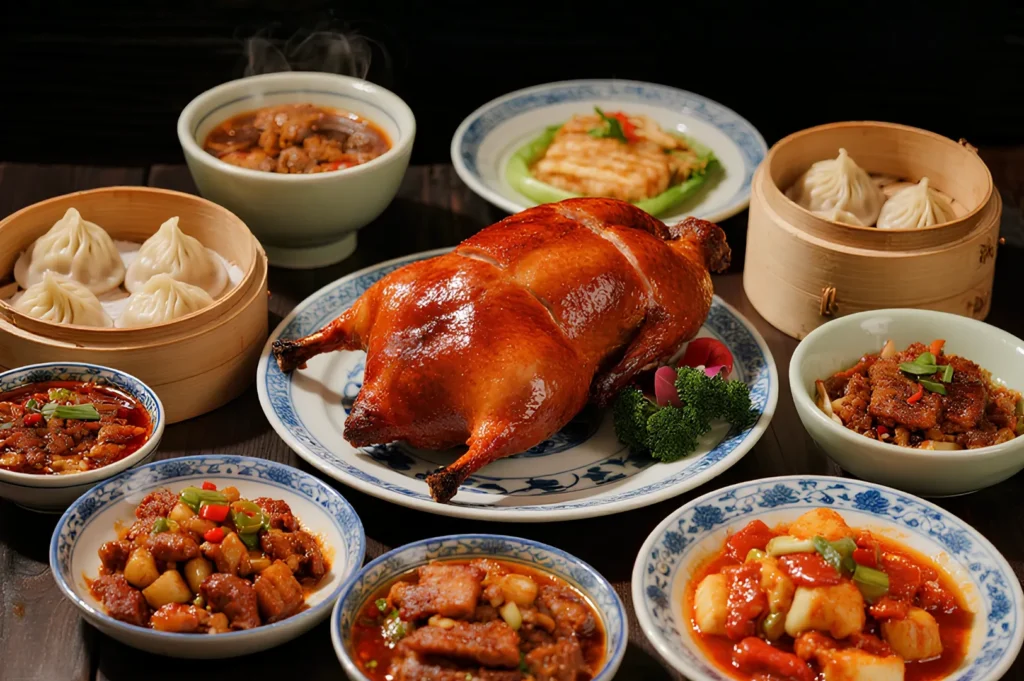
Singapore’s best chinese restaurants in singapore function less like isolated dining rooms and more like a networked system of technique. Across these chinese restaurants, you see branches of chinese cuisine expressed through roast mastery, controlled fermentation, seafood purity, and banquet choreography.
This is not simply a guide to chinese food. It’s a mapped culinary journey across regional migration, Cantonese refinement, Teochew restraint, Sichuan precision, all adapted within Singapore’s urban framework. Each restaurant embodies a unique blend of traditional flavors and modern innovation, reflecting the rich cultural tapestry of southeast asia. From the delicate balance of spices in Sichuan dishes to the subtle elegance of Cantonese dim sum, the city’s dining scene offers a diverse palette for every palate.
1. Summer Palace (Orchard): A Refined Stop Among the Best Chinese Restaurants in Singapore
Nearest MRT: Orchard Boulevard (5-min walk)
Location: Conrad Singapore Orchard, 1 Cuscaden Road, Singapore 249715
Nearest MRT: Orchard Boulevard (5-minute walk)
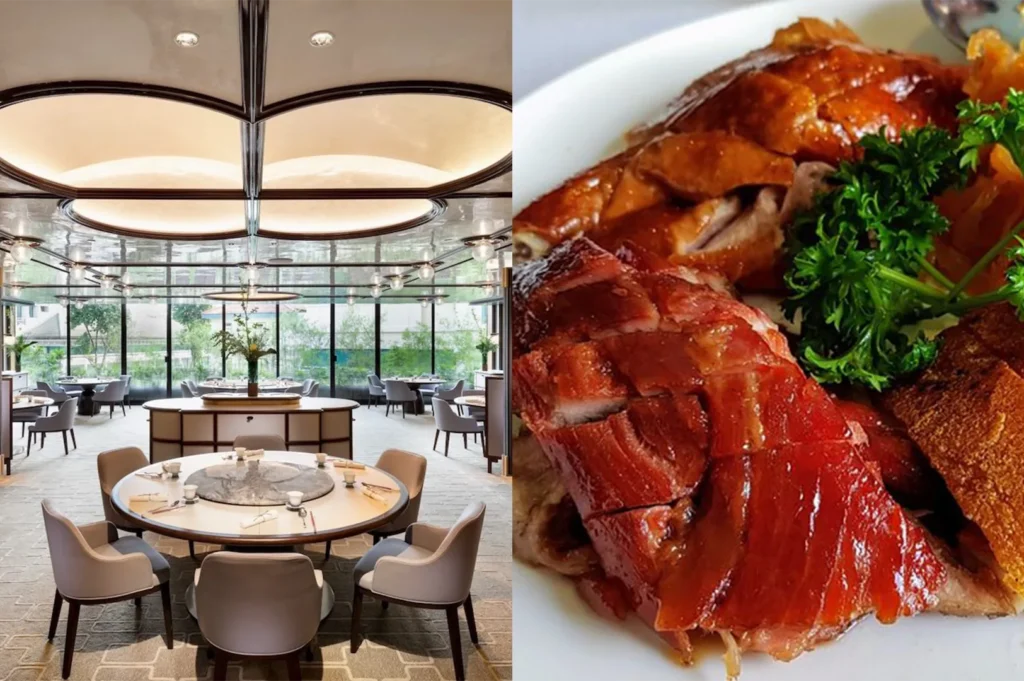
Among the best chinese restaurants in singapore, Summer Palace excels in delivering traditional cantonese cuisine with precision and restraint. The dim sum lunch is a highlight for dim sum lovers, featuring handcrafted dim sum prepared with meticulous care. Signature cantonese dishes like the har gow arrive with delicate translucent skins wrapping sweet shrimp, while the roast duck offers a perfect balance of crisp skin and succulent meat. The steamed pomfret, when available, showcases the authentic taste of the finest ingredients, emphasizing a clean, delicate flavour true to classic cantonese cuisine.
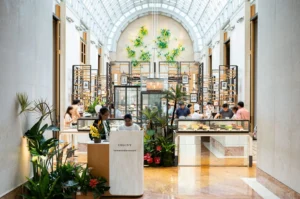
The atmosphere in the main dining hall remains composed and elegant, even when nearly full. Service is delivered with quiet confidence, creating a sophisticated chinese fine dining experience.
Best Context: Business meetings, anniversary dinners, and refined chinese dining occasions.
Avoid If: You prefer lively weekend yum cha sessions.
Field Note: Inquire about the wine pairing program; aged pu-erh tea pairs beautifully with the roast duck.airing program is intentional, ask for aged pu-erh with your roast meats to cleanse the palate and extend enjoyment.
2. Imperial Treasure Super Peking Duck (Orchard): The Specialist in Peking Duck
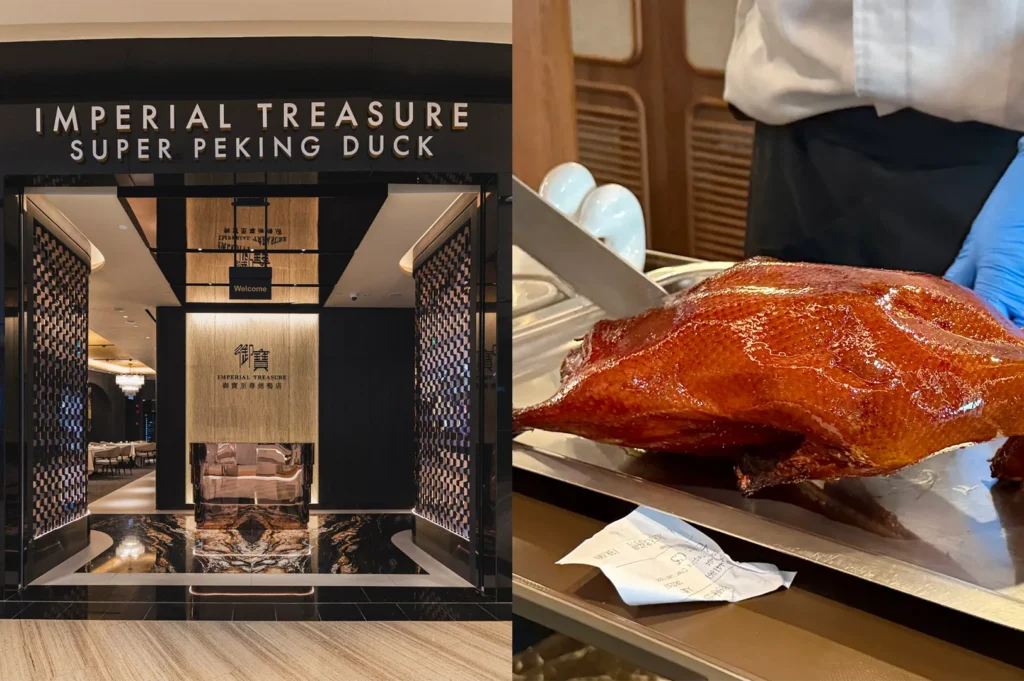
Location: Paragon, 290 Orchard Road, #05-42/45, Singapore 238859
Nearest MRT: Orchard MRT (5-minute walk)
Imperial Treasure, an award winning chinese restaurant, is renowned for its super peking duck, a signature dish among chinese restaurants in singapore. The lacquered skin shatters delicately on the first bite, complemented by moist meat and warm rendered fat. Wrapped in traditional chinese crepes with cucumber and sauce, this dish exemplifies why peking duck remains a celebrated centerpiece in chinese cuisine.
While the restaurant offers a variety of quality roast meats and seafood, the duck remains the highlight. Watching the carving process underscores how technique is as crucial as flavour in great chinese food.
Best Context: Large family gatherings and festive celebrations such as the Dragon Boat Festival.
Avoid If: You’re seeking an intimate dinner for two.
Field Note: Pre-order the duck as availability can be limited during peak periods.
3. Shisen Hanten by Chef Chen Kentaro (Orchard): Sichuan and Cantonese Cuisines with Japanese Flair
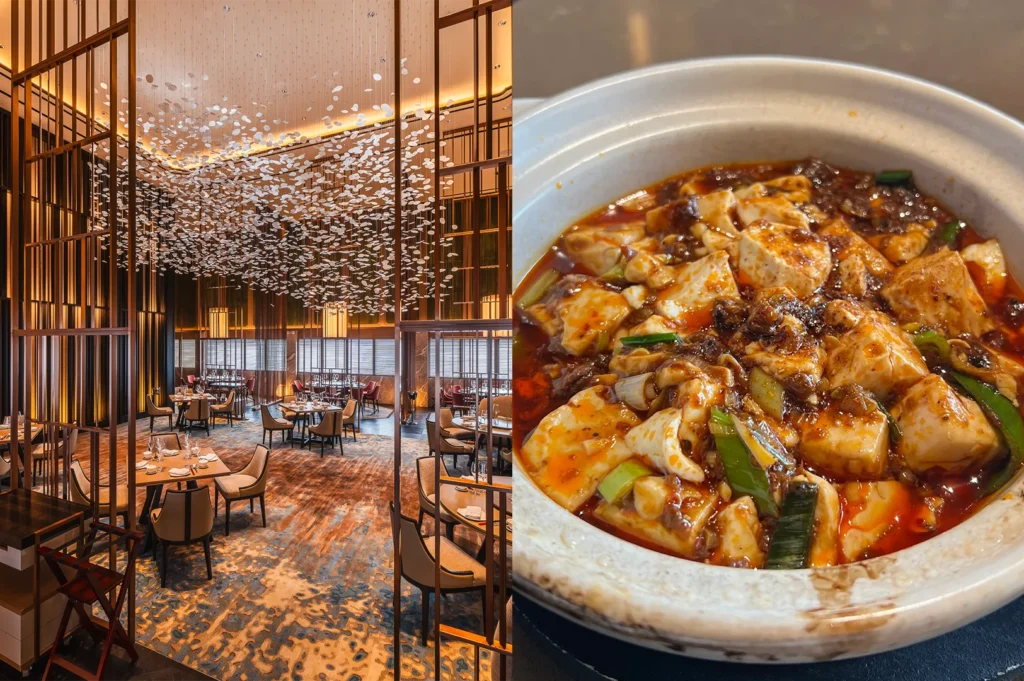
Location: Hilton Singapore Orchard, Level 35, 333 Orchard Road, Singapore 238867
Nearest MRT: Somerset MRT
Shisen Hanten offers a unique take on sichuan cuisine, blending it with refined Japanese techniques. The mapo tofu is the defining dish, featuring silken tofu in a rich sauce layered with fermented bean paste and balanced mala heat. The dan dan mian combines sesame richness with measured spice, creating harmony rather than overwhelming heat.
Dining here provides a distinct chinese dining experience, enhanced by panoramic skyline views. It is a standout among chinese restaurants for those curious about sichuan and cantonese cuisines.
Best Context: Diners seeking bold sichuan cuisine and culinary technique.
Avoid If: You are sensitive to spice.
Field Note: The weekend dim sum brunch offers excellent value compared to dinner.
4. PUTIEN (Farrer Park): Ingredient-Driven Fujian Cuisine
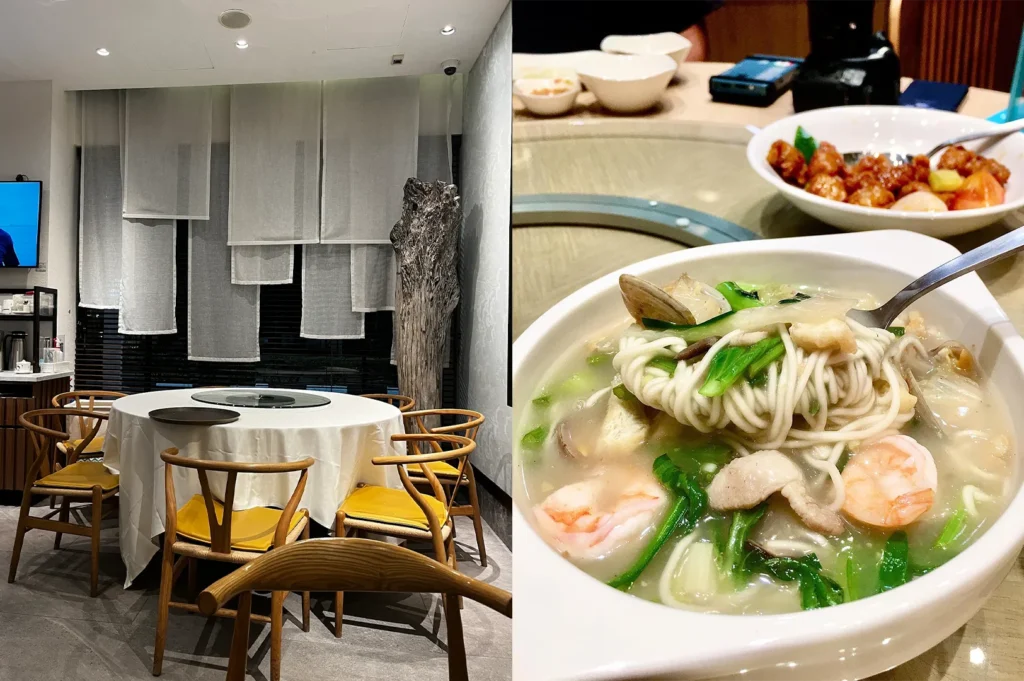
Location: 127 Kitchener Road, Singapore 208514
Nearest MRT: Farrer Park MRT
PUTIEN distinguishes itself among chinese restaurants in singapore by emphasizing ingredient clarity over richness. The Fujian Lor Mee is a standout, with thick seafood-rich gravy coating noodles in gentle umami and subtle sweetness. Seasonal dishes like Duotou clams highlight freshness, while braised tofu showcases the power of careful execution.
This approach offers a restorative experience amid heavier meals, making it ideal for families seeking lighter heritage flavours.
Best Context: Families wanting authentic, balanced chinese cuisine.
Avoid If: You prefer heavily sauced or wok hei dishes.
Field Note: Look out for seasonal ingredient festivals throughout the year.
5. JUMBO Seafood (Clarke Quay): A Ritual of Crab and Conversation
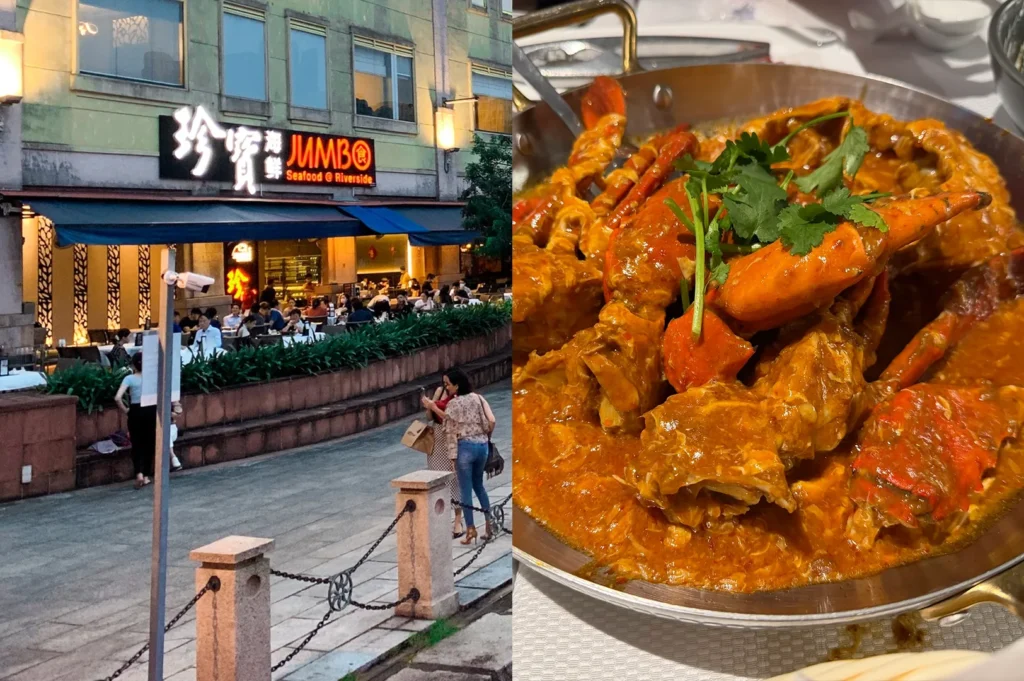
Location: Riverside Point, 30 Merchant Road, #01-01/02, Singapore 058282
Nearest MRT: Clarke Quay MRT
JUMBO is a defining name in Singapore chinese food, famous for its iconic chilli crab. The thick, glossy sauce balances sweetness, spice, and rich crab flavour perfectly. Fried mantou buns are essential for soaking up every drop, while the black pepper crab offers a sharper, aromatic alternative.
The shared ritual of cracking crab shells turns the meal into a social event, ideal for lively family gatherings.
Best Context: Hosting overseas visitors and seafood celebrations.
Avoid If: You want quiet chinese fine dining.
Field Note: Booking private dining rooms enhances conversation quality.
6. Zui Yu Xuan Teochew Cuisine (Telok Ayer): Heritage and Fine Teochew Cuisine
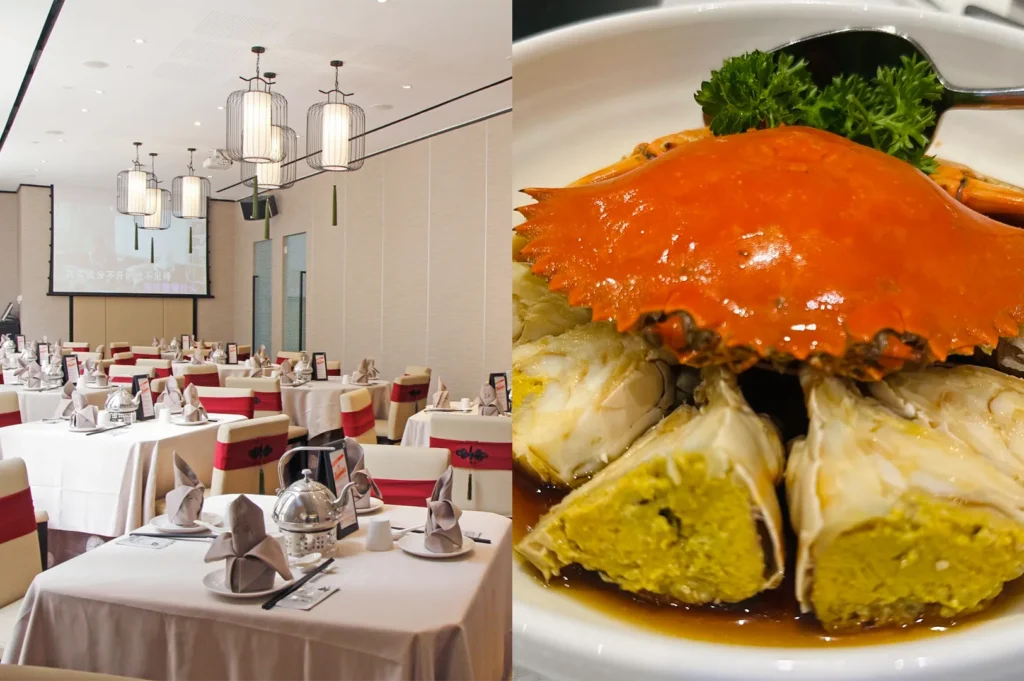
Location: 130 Telok Ayer Street, Singapore 068599
Nearest MRT: Telok Ayer MRT
Set in a restored heritage building, Zui Yu Xuan champions authentic teochew cuisine with ceremonial flair. Signature dishes like cold crab pair sweet crab meat and roe with sharp vinegar dips. The braised duck offers deep, aromatic flavours, while the porridge sets encourage communal sharing of multiple small plates.
The architecture and ambiance enrich the fine teochew cuisine dining experience, rooted in tradition rather than trend.
Best Context: Multi-generational family gatherings and heritage-focused meals.
Avoid If: Dining solo on a strict budget.
Field Note: Arrive early to appreciate the historic setting before the dinner crowd.
7. Taste Paradise (ION Orchard): Modern Cantonese Comfort
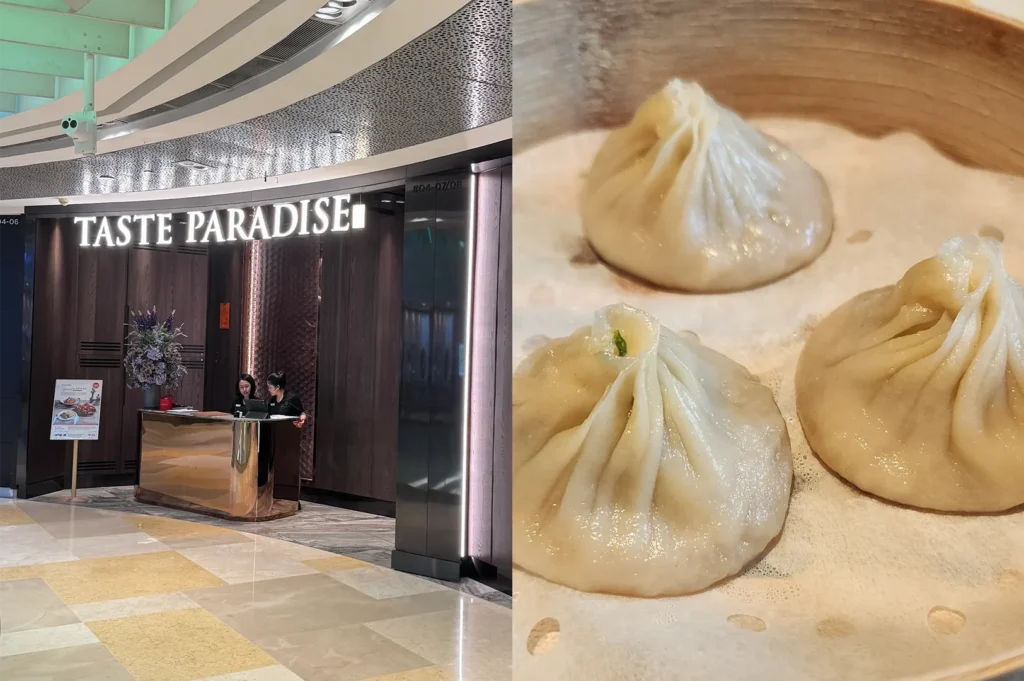
Location: ION Orchard, #04-08, Singapore 238801
Nearest MRT: Orchard MRT
Taste Paradise balances accessibility with quality chinese cuisine, offering a strong dim sum menu loved by dim sum lovers. The barbecue Iberico pork with sweet smoky glaze and roast pork cubes with crisp skin are standout cantonese dishes.
Unlike some hotel-based restaurants like Wan Hao Chinese Restaurant or Xin Cuisine Chinese Restaurant, Taste Paradise feels approachable yet polished, suitable for family meals and celebrations.
Best Context: Family meals and polished Orchard dining.
Avoid If: You seek old-school heritage nostalgia.
Field Note: Reserve ahead during weekday lunch.
8. Song Fa Bak Kut Teh (Clarke Quay): Singapore Comfort Through Simplicity
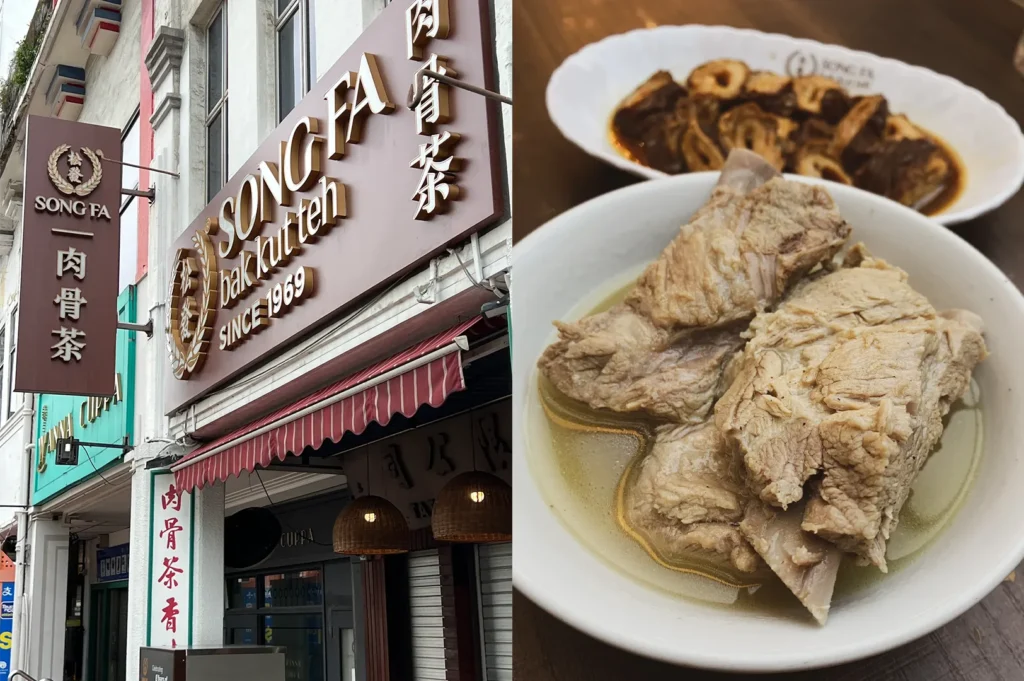
Location: 11 New Bridge Road, #01-01, Singapore 059383
Nearest MRT: Clarke Quay MRT
Song Fa offers a comforting side of chinese food, focusing on simplicity and tradition. The bak kut teh features a clear peppery broth that deepens with each refill. Pork ribs fall off the bone easily, complemented by braised peanuts for extra depth. Pair with fried rice or braised pork belly for a hearty meal.
The broth’s evolving flavour and refill culture create a memorable casual dining experience.
Best Context: Quick casual meals and first exposure to Singapore comfort food.
Avoid If: You need lengthy, uninterrupted conversation.
Field Note: Notice how the broth develops throughout the meal.
Beyond the Dining Room: What Defines Great Chinese Cuisine in Singapore
Across these best chinese restaurants in singapore, great chinese cuisine is rarely about a single dish. From handcrafted dim sum at Summer Palace to the super peking duck at Imperial Treasure and the heritage-driven fine teochew cuisine at Zui Yu Xuan, each restaurant offers a distinct expression of chinese food.
Well-known names like Hai Tien Lo at Pan Pacific Singapore, Wan Hao Chinese Restaurant, Xin Cuisine Chinese Restaurant, and the Michelin starred Summer Pavilion reflect the depth of quality chinese dining available in the city.
The unifying factors are discipline, technique, and respect for tradition. Whether enjoying:
- Steamed pomfret
- Sweet and sour pork
- Seasonal dishes featuring local lobster and crab meat
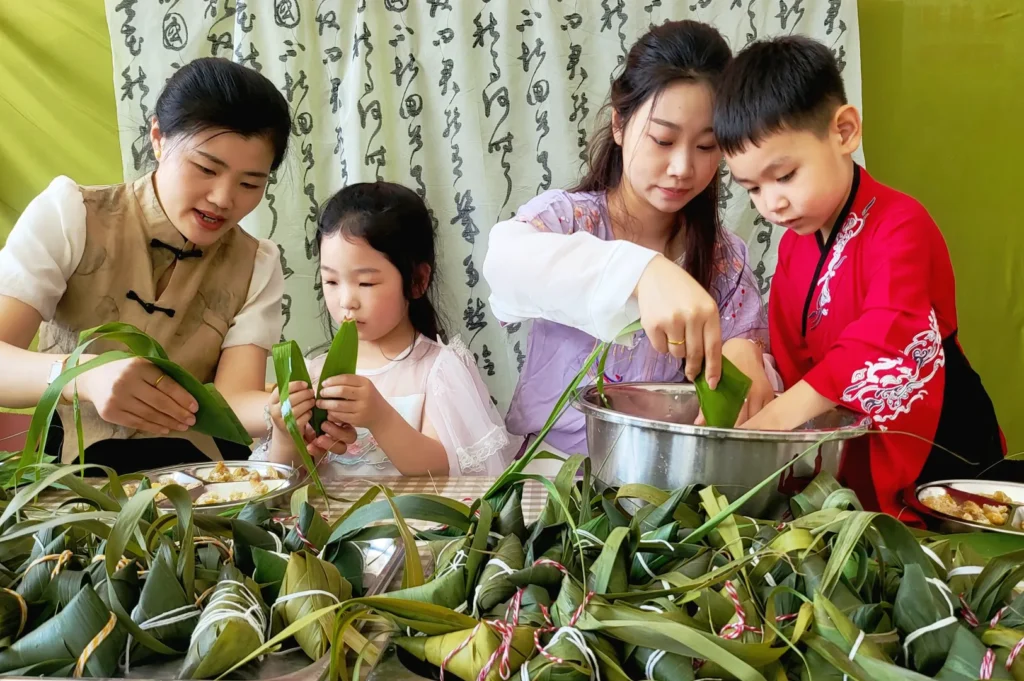
The most memorable meals honor the finest ingredients and cultural heritage. During festivals such as the Dragon Boat Festival, even simple rice dumplings become meaningful reminders of the connection between chinese culture and family gatherings.
Aside from Chinese dining, there is also a vibrant atmosphere of Japanese dining, Singapore also boasts some of the best izakaya spots, where casual yet flavorful experiences complement the city’s rich culinary landscape seamlessly.
Structural Summary
Eating your way through these eight restaurants is a crash course in Singapore’s heritage. You move from the colonial elegance of the Conrad to the riverside hustle of Clarke Quay, tasting everything from delicate dumplings to sinus-clearing pepper soup. My advice? Don’t just stick to the safe Cantonese options. Book a table for Teochew porridge, sweat it out over Sichuan tofu, and order that extra plate of roast duck. Your stomach (and your soul) will thank you.
For those eager to explore even more of Singapore’s vibrant culinary scene, Eat Drink Asia offers a wealth of insights and recommendations on the best dining experiences across the region.

The Last Turn of Tamagoyaki in a Tsukiji Pan
Dio Asahi | October 7, 2026
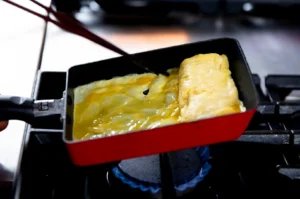
By Dio Asahi for Eat Drink Asia. It’s mid-morning, and the cook doesn’t look up. He stands over a rectangular pan, copper worn to a dull gold at the edges, and pours a thin skin of beaten egg across its surface. It hisses. Steam rises, warm and faintly sweet, and he tilts the pan just…
-
Seafood Restaurants in Singapore That Turn Crab Night Into a Full Table Ritual
Dio Asahi | October 6, 2026
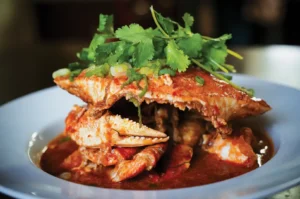
It always starts the same way for me. Someone lifts the lid off a plate of chilli crab, and the whole table leans in. Fingers reach before spoons do. Somebody tears the first piece of fried mantou, drags it through that sticky, sweet-savoury sauce, and the rest of us stop talking for a second. That…
-
Korean Street Food Is Built for Movement, Heat, and One-Handed Eating
Eda Wong | October 3, 2026
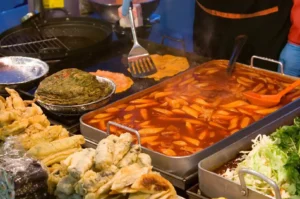
The first time I ate tteokbokki in Seoul, I burned my tongue standing up. It was late, the air was sharp with cold, and I had stopped at a small street food stall near a subway exit because the steam pulled me in. The woman handed me a paper cup of rice cakes in red…
-
Mrs Pho and the Bowl That Makes Somerset Feel Like a Vietnamese Family Table
Eat Drink Asia Team | October 1, 2026
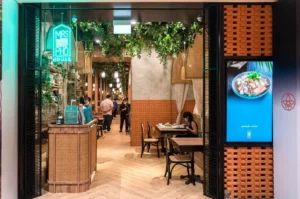
I wasn’t hungry when I walked into 313@somerset. I’d come for something else entirely; an errand, a shop I needed, the usual Orchard rush of people moving faster than the escalators. But somewhere on the first floor, past the noise, I caught the smell of star anise and beef bone, and my feet slowed down…
-
The Carving Knife at Colony, and the Way We Mark What Matters
Eda Wong | September 30, 2026
By Eda Wong for Eat Drink Asia. It’s late morning, and the light is doing most of the work. It pours through the high windows of Colony, at The Ritz-Carlton, Millenia Singapore, spilling across white tablecloths and the vintage prints on the walls. Marina Bay hums somewhere outside, but in here the room feels a…
-
Co Chung Vietnamese Restaurant and the Gỏi Cuốn That Makes Fresh Herbs Do the Work
Dio Asahi | September 29, 2026
I found it by accident, the way you find most things in a mall basement. I’d come down to Plaza Singapura’s B2 for something else entirely, drifting past the usual food-court noise, when I caught the smell of star anise and beef bone coming from a corner. I followed it. And there it was —…
-
Vietnamese Spring Roll: The Recipe That Only Works When the Herbs Stay Awake
Eda Wong | September 26, 2026
Fresh Vietnamese spring rolls, or gỏi cuốn, look delicate, but the recipe is really about control: barely softened rice paper, dry herbs, restrained noodles, clean protein, and a dipping sauce sharp enough to wake the whole thing up. This is not the fried version, chả giò or nem rán. This is the cool, translucent, herb-heavy…
-
Best Steakhouse Singapore: From Fire-Kissed Icons to Old-School Beef Plates
Eat Drink Asia Team | September 24, 2026
I didn’t set out to write about steak. It started with a bad day and a craving for something that pushed back when I bit into it. One dinner turned into a habit, and over a couple of years I found myself at counters, coffeeshops, and dining rooms all over this island, chasing the same…
-
The Ice Counter at Carousel, and the Table Everyone Can Reach
Dio Asahi | September 23, 2026
By Dio Asahi for Eat Drink Asia. It’s a Saturday evening, and someone across the room is carrying a birthday cake. The candles are lit, the walk is careful, and a whole table turns to watch. Plates clink. A child laughs somewhere. The room at Carousel, inside Royal Plaza on Scotts, isn’t quiet — it…
-
Tiong Shian Porridge Centre Review: The Soft Counterweight to Chinatown’s Crisp Toast
Dio Asahi | September 22, 2026
I’d spent the morning with kaya toast. Crisp bread, cold butter, the clean snap of it between my teeth. Good, all of it. But by the time I’d walked a few streets over to New Bridge Road, my mouth wanted the opposite. Something warm. Something that gave way instead of shattering. That’s how I ended…