January 28, 2026 | Dio Asahi Last updated: October 12, 2026

As you step behind the humble noren curtain, you’re greeted by glowing lanterns, sizzling charcoal-grilled skewers, and warm welcomes. This is izakaya, Japan’s casual pub, a vibrant part of Singapore’s dining scene. More than just yakitori and sake, izakayas offer a lively setting for social drinking and dining, perfect for fans of Japanese culture.
Dating back to Japan’s Edo era, izakayas are places where daily routines fade away, replaced by laughter, shared small plates, and deep connections. They embody Japanese gastropub culture, blending tradition with the vibrant spirit of Singapore’s best izakayas. To expand your Singapore bars experience beyond izakayas, here’s a list of non-izakaya drinking places in Singapore, click here to explore more vibrant nightlife options.
Here’s a quick guide to the izakayas in Singapore, depending on whether you want sake, skewers, seafood, or a louder after-work table.
Restaurant | Best For | Price |
|---|---|---|
| Soup Curry by Ki-setsu | Casual dinners | $ |
Yakitori | $$$ | |
Modern cocktails | $$$ | |
Sake lovers | $$ | |
Casual dinners | $$ | |
Traditional izakaya | $$ | |
Business dinners | $$$ | |
Charcoal yakitori | $$ | |
| Zenryoku Izakaya | Charcoal skewers and small-group dinners | $$ |
1. Soup Curry by Ki-setsu: A Japanese Izakaya Experience Built Around Hokkaido Curry

Price: Soup Curry from S$14.80 with free-flow rice; evening small plates from S$5.80–S$9.80
Location: Fortune Centre, 190 Middle Road
Now fully open at Fortune Centre, Soup Curry by Ki-setsu takes a slightly different route into izakaya dining. By day, the restaurant focuses on Hokkaido soup curry, a regional Japanese curry dish built around aromatic broth, rice, chicken and vegetables rather than the grilled skewers or sashimi often associated with a Japanese izakaya.
After 6pm, the menu expands into a more recognisable izakaya format with Japanese small plates and drinks. That makes it especially useful for after-work dining in Singapore: diners can start with a filling bowl, then let the evening move naturally into shared plates, beer, and highballs. The relaxed format also encourages conversation, giving the restaurant an easygoing izakaya experience without losing its food-first identity.
Dining Experience
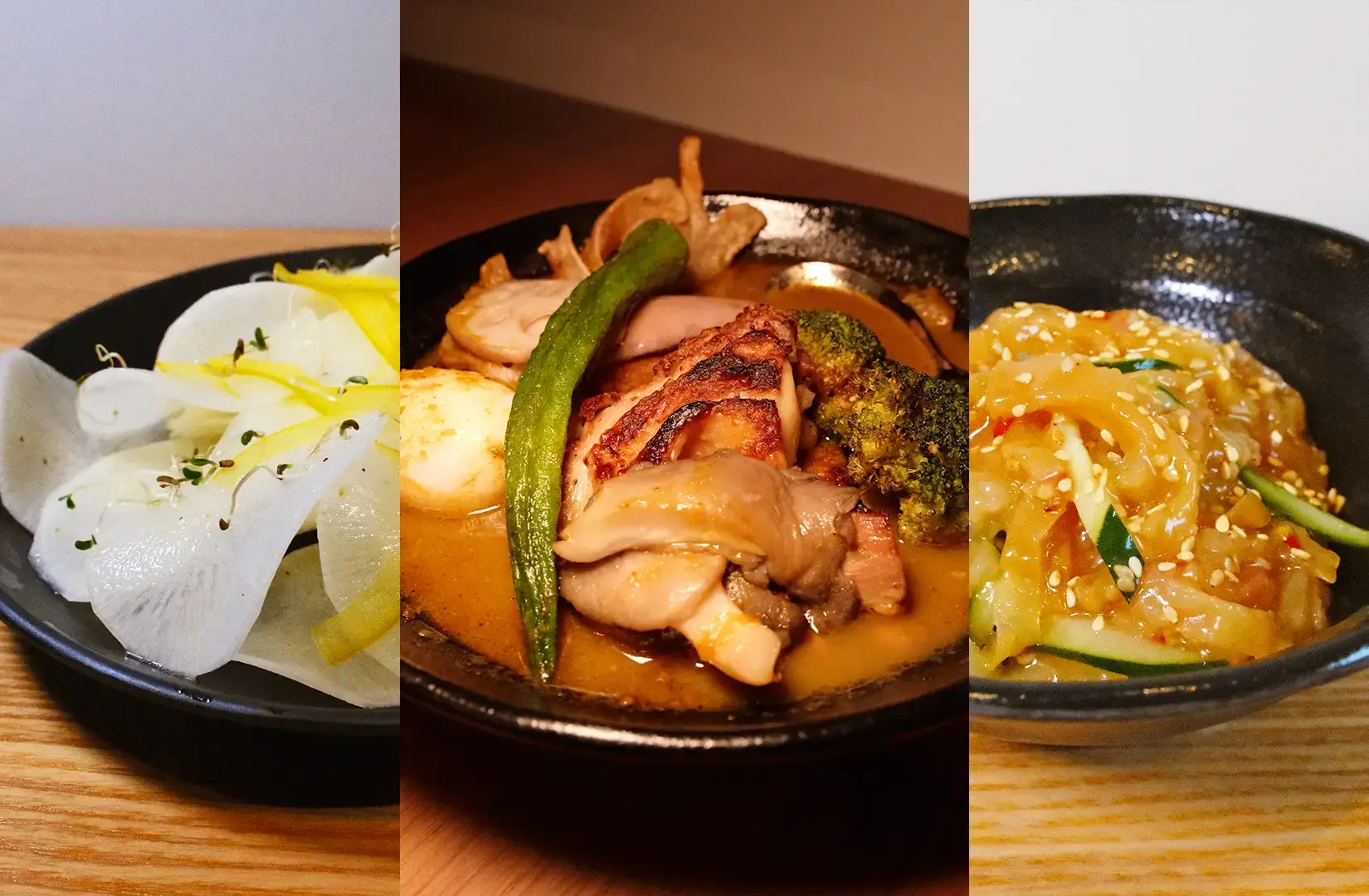
The soup curry begins with a chicken-bone broth simmered for more than six hours with no added MSG, giving it rich flavors without the heavy texture of Japanese curry roux. Aromatic spices bring warmth, while adjustable heat lets diners shape the bowl to their own tastes. The S$14.80 chicken option comes with a drumstick simmered for around five hours, until the meat is tender enough to slip cleanly from the bone, while rice is served separately with free-flow refills.
The bowl also features around nine seasonal vegetables prepared using su-age, an unbattered deep-frying technique rooted in Japanese cuisine that preserves individual textures while concentrating flavor. Lotus root stays crisp, eggplant turns silky, pumpkin becomes naturally sweet and bell peppers retain a gentle bite. Once the evening izakaya menu begins, dishes such as the kani cream croquette, Fukushima mehikari, curry-spiced crisp fries, coriander salad with yuzu dressing, and chicken wings bring more contrast to the table, making it easy to build a meal around shared plates rather than one main dish alone.
Drinking Experience
The drinks menu keeps the evening approachable, which is a real strength for an izakaya Singapore night out. Suntory The Premium Malt’s Pilsner is S$7.80 a glass, while highballs start from S$6.80, so diners can add a beverage or another round without letting drinks overtake the cost of the food. A cold pilsner works particularly well against the warm curry spices and crisp fried dishes, refreshing the palate between bites.
The restaurant still feels more food-led than bar-led, and that balance suits its concept. Rather than building the night entirely around sake or shochu, the drinks support the soup curry and evening dishes, letting the experience unfold at a relaxed pace. For diners exploring Japanese dining at Fortune Centre, it offers a simple rhythm: start with something hearty, share a few plates, then linger over a beer or highball as the evening settles in.
Perfect For: After-work dinners, small groups, Hokkaido soup curry newcomers, and diners looking for an izakaya experience that combines a substantial meal, shared plates, and affordable drinks.
Keep up with Soup Curry by Ki-setsu on Instagram for the latest updates.
2. Shunjuu Izakaya: Charcoal Grill, Grilled Chicken, and Japanese Sake at Robertson Quay

Price: S$30–S$70+ per person
Location: Robertson Quay
Since opening in 2003, Shunjuu Izakaya has become one of Singapore’s most respected destinations for charcoal grilling. The restaurant specialises in traditional sumiyaki using premium binchotan charcoal, while its signature tare sauce has reportedly been maintained and refined for nearly two decades. Watching skilled chefs work over the open grill is part of the experience itself.
The restaurant overlooks Robertson Quay, giving it a more relaxed atmosphere than many CBD izakayas. Whether seated indoors beside the grill or outside by the river, diners are treated to a slower pace that encourages lingering over food and drinks.
Dining Experience

The yakitori menu showcases everything from grilled chicken and pork to wagyu steak, grilled yellow tail head, sashimi moriawase, and bara chirashi. 60 kushiyaki selections demonstrate the restaurant’s commitment to charcoal grilling, while fresh seafood and seasonal produce keep the menu balanced beyond skewers alone.
Drinking Experience
The sake programme is just as impressive, featuring dozens of Japanese labels alongside whisky, shochu, and Japanese beer. The smoky richness of the grilled meats pairs beautifully with crisp sake, making Shunjuu one of the strongest all-round izakaya experiences in Singapore.
Perfect For: Yakitori enthusiasts, riverside dinners, and anyone seeking authentic charcoal-grilled Japanese cuisine.
3. Neon Pigeon: A Modern Izakaya Singapore Pick for Cocktails and Bold Flavours

Price: S$30–S$60+ per person
Location: Carpenter Street, Clarke Quay
Neon Pigeon has never tried to be a traditional Japanese izakaya. Instead, it embraces the energy of a modern tapas bar, blending Japanese food with global influences, creative plating, and a cocktail-first philosophy. The industrial-inspired interior, neon lighting, and open kitchen create a buzzing atmosphere that feels equally suited for after work drinks or a lively weekend dinner.
Despite its contemporary approach, the restaurant never loses the communal izakaya spirit. The menu is built around sharing, encouraging diners to order several small plates while exploring Japanese-inspired flavours through a more playful lens. It’s a refreshing alternative for anyone who enjoys Japanese dining without the usual expectations of classic izakaya fare.
Dining Experience

The famous KFC Bao remains the restaurant’s signature, pairing crispy fried chicken with spicy gochujang aioli inside a pillowy steamed bun. Duck Gyoza (or fka foie gras gyoza) delivers rich, buttery flavours balanced by bright citrus notes, while the Tokyo Hummus has become another standout thanks to its unexpected blend of Japanese ingredients and Middle Eastern inspiration. Seasonal produce and grilled items round out the menu, ensuring every visit offers something different.
Drinking Experience
Cocktails are every bit as important as the food. The bar serves Japanese-style cocktails, premium sake, whisky, and highballs, with bartenders happy to recommend pairings based on your order. If your evening revolves around drinks just as much as dinner, Neon Pigeon easily ranks among the best izakaya destinations in Singapore.
Perfect For: Cocktail enthusiasts, group dinners, after work drinks, and anyone looking for chic vibes instead of a traditional Japanese restaurant.
4. Shukuu Izakaya: Traditional Izakaya Dining with Sake and Shared Plates

Price: S$30–S$50+ per person
Location: Stanley Street, Telok Ayer
Shukuu Izakaya has quietly built one of the strongest reputations in Singapore by staying true to what matters most: warm hospitality, authentic flavours, and serving traditional izakaya cuisine without unnecessary theatrics. The cosy dining room feels inviting rather than intimidating, making it equally suitable for first-time visitors and regulars who simply want dependable Japanese food.
Unlike trend-driven Japanese restaurants, Shukuu succeeds through consistency. The atmosphere encourages diners to slow down, share small plates, and enjoy conversation over several rounds of sake, much like neighbourhood izakayas throughout Japan.
Dining Experience

The extensive menu features many classic izakaya favourites, including kani gratin, nasu goma, fresh sashimi, grilled skewers, and comforting hot dishes. Portions are designed for sharing, making it easy to sample several authentic Japanese dishes in one sitting. Every plate feels familiar, satisfying, and thoughtfully executed rather than overly complicated.
Drinking Experience
Sake is naturally the highlight. From approachable house sake to premium labels, the selection complements the menu without becoming intimidating. Japanese beer and shochu provide equally enjoyable alternatives, especially alongside grilled skewers and richer dishes.
Perfect For: Date nights, sake lovers, relaxed evenings, and diners looking for an authentic izakaya experience.
5. Izakaya Hikari: Fortune Centre’s Relaxed Japanese Izakaya for Casual Dinners

Price: S$30–S$60 per person
Location: Fortune Centre
Fortune Centre has quietly developed into one of Singapore’s more interesting clusters of independent Japanese dining, and Izakaya Hikari shows how neighbourhood izakaya restaurants can fit naturally into that ecosystem. The setting is compact and unpretentious, with the focus placed on familiar authentic Japanese flavors rather than elaborate presentation.
The atmosphere is casual, welcoming, and refreshingly unpretentious. Instead of chasing trends, Hikari concentrates on serving traditional izakaya cuisine with generous portions, approachable prices, and consistently good food that suits both quick weekday dinners and longer gatherings.
Dining Experience

The menu covers all the izakaya favourites, from fresh sashimi and grilled skewers to chicken nanban, miso soup, and comforting rice bowls. Among the must try dishes, the Salmon Mentaiko Donburi combines salmon and rice with creamy, savoury mentaiko sauce, giving diners a fuller main alongside the smaller plates. Asparagus skewers wrapped with bacon add crispness and smoky richness, while chicken thigh, tsukune and other grilled items provide the more traditional kushiyaki element.
Sharing several small plates offers the best introduction to the kitchen, especially when balanced between grilled dishes and lighter seafood options.
Drinking Experience
House sake, Japanese beer, and whisky provide classic accompaniments without overwhelming the food. The relaxed pace makes Hikari an easy place to unwind after work before exploring the rest of Fortune Centre.
Perfect For: Casual dinners, Fortune Centre food hunts, and anyone looking for authentic Japanese dining at approachable prices.
6. Izakaya Bar Nijumaru: Old-School Charm Among Singapore’s Classic Izakaya Restaurants

Price: S$30–S$60+ per person
Location: Cuppage Plaza, Orchard
Nestled inside Cuppage Plaza, Izakaya Bar Nijumaru captures the nostalgic side of Japanese dining that has gradually disappeared from much of Orchard Road. The restaurant has long attracted Japanese expats, office workers, and loyal regulars who appreciate its relaxed atmosphere, handwritten daily specials, and extensive menu of traditional izakaya cuisine. Rather than chasing modern dining trends, Nijumaru embraces the familiar comfort of a neighbourhood Japanese bar where good food and conversation take centre stage.
The lively dining room reflects the enduring izakaya spirit, with small tables, warm lighting, and shelves lined with sake bottles creating an atmosphere that feels authentic without trying too hard. Whether you’re stopping by for a quick dinner or settling in with friends, it’s easy to understand why this remains one of Cuppage Plaza’s most dependable Japanese restaurants.
Dining Experience

The extensive menu ranges from fresh sashimi and tempura to buta kakuni, grilled items, bento sets, and seasonal specials written on handwritten boards. While the regular menu rarely disappoints, the chef’s recommendations often showcase the freshest seasonal produce and are worth checking before ordering. It’s the kind of place where sharing several small plates gives you a much better experience than sticking to a single main dish.
Drinking Experience
Japanese beer, sake, whisky, and highballs complement the hearty flavours of the food, making Nijumaru an excellent venue for group dinners or after work drinks. The casual pace encourages diners to order another round, linger a little longer, and enjoy the easygoing atmosphere that defines a classic Japanese izakaya.
Perfect For: Casual gatherings, office celebrations, nostalgic Japanese dining, and diners craving classic izakaya fare.
7. Issho Izakaya: Refined Japanese Dining and After-Work Drinks in the CBD

Price: S$30–S$60+ per person
Location: Marina One The Heart
Located within Marina One, Issho Izakaya offers a more polished interpretation of the traditional Japanese izakaya while maintaining the relaxed spirit that makes this style of dining so enjoyable. Popular with the CBD crowd, the restaurant balances refined presentation with approachable hospitality, making it equally suitable for business dinners, client meetings, or unwinding after work with colleagues.
The contemporary interior feels brighter and more sophisticated than many neighbourhood izakayas, yet the experience remains centred on sharing good food and drinks around the table. An extensive menu featuring premium ingredients ensures there’s something for both seafood lovers and meat enthusiasts.
Dining Experience

Fresh seafood is the undisputed highlight. The sashimi moriawase and bara chirashi showcase carefully selected seafood, while grilled scallops, wagyu steak, beef shortrib, and other grilled items provide richer alternatives. Seasonal produce and well-executed hot dishes round out the menu, making Issho one of the strongest all-round Japanese dining destinations in the CBD.
Drinking Experience
Issho’s drinks programme includes premium sake, Japanese whisky, Japanese beer, and signature cocktails designed to complement both fresh seafood and grilled meats. The refined yet approachable atmosphere makes it especially well suited for after work drinks that naturally extend into dinner.
Perfect For: Business dinners, seafood lovers, after work drinks, and sophisticated Japanese dining in the CBD.
8. Yakitori Yatagarasu: Grilled Chicken and Charcoal Skewers for Yakitori Fans

Price: S$30–S$60+ per person
Location: Boat Quay
Yakitori Yatagarasu proves that an exceptional izakaya doesn’t need an enormous menu. Instead of trying to serve every Japanese classic, the restaurant focuses almost entirely on expertly charcoal grilled chicken, allowing its chefs to refine every skewer with remarkable consistency. The intimate dining room and open grill create a focused atmosphere where the aroma of binchotan charcoal becomes part of the experience from the moment you walk in.
Its dedication to yakitori has earned a loyal following among diners who appreciate craftsmanship over variety. Every skewer is grilled with precision, allowing the natural flavours of the chicken to shine rather than relying on heavy sauces or excessive seasoning.
Dining Experience

The yakitori menu features chicken thigh, skin, tail, wings, meatballs, and other specialty cuts alongside carefully prepared vegetables and seasonal sides. Each skewer develops beautifully crisp edges while remaining tender and juicy inside, showcasing the authentic flavours that define great charcoal grilling. Although the menu is more focused than most izakaya in Singapore, the quality more than compensates for the smaller selection.
Drinking Experience
Japanese beer, sake, shochu, and refreshing highballs provide the ideal counterpoint to the smoky richness of the grilled chicken. The straightforward drinks menu complements the food rather than competing with it, reinforcing the restaurant’s philosophy of keeping things simple and exceptionally well executed.
Perfect For: Yakitori enthusiasts, casual dinners, small groups, and anyone looking for one of the best charcoal-grilled izakaya experiences in Singapore.
9. Zenryoku Izakaya: Slow-Paced Izakaya Dining with Rich Flavors and Charcoal Heat
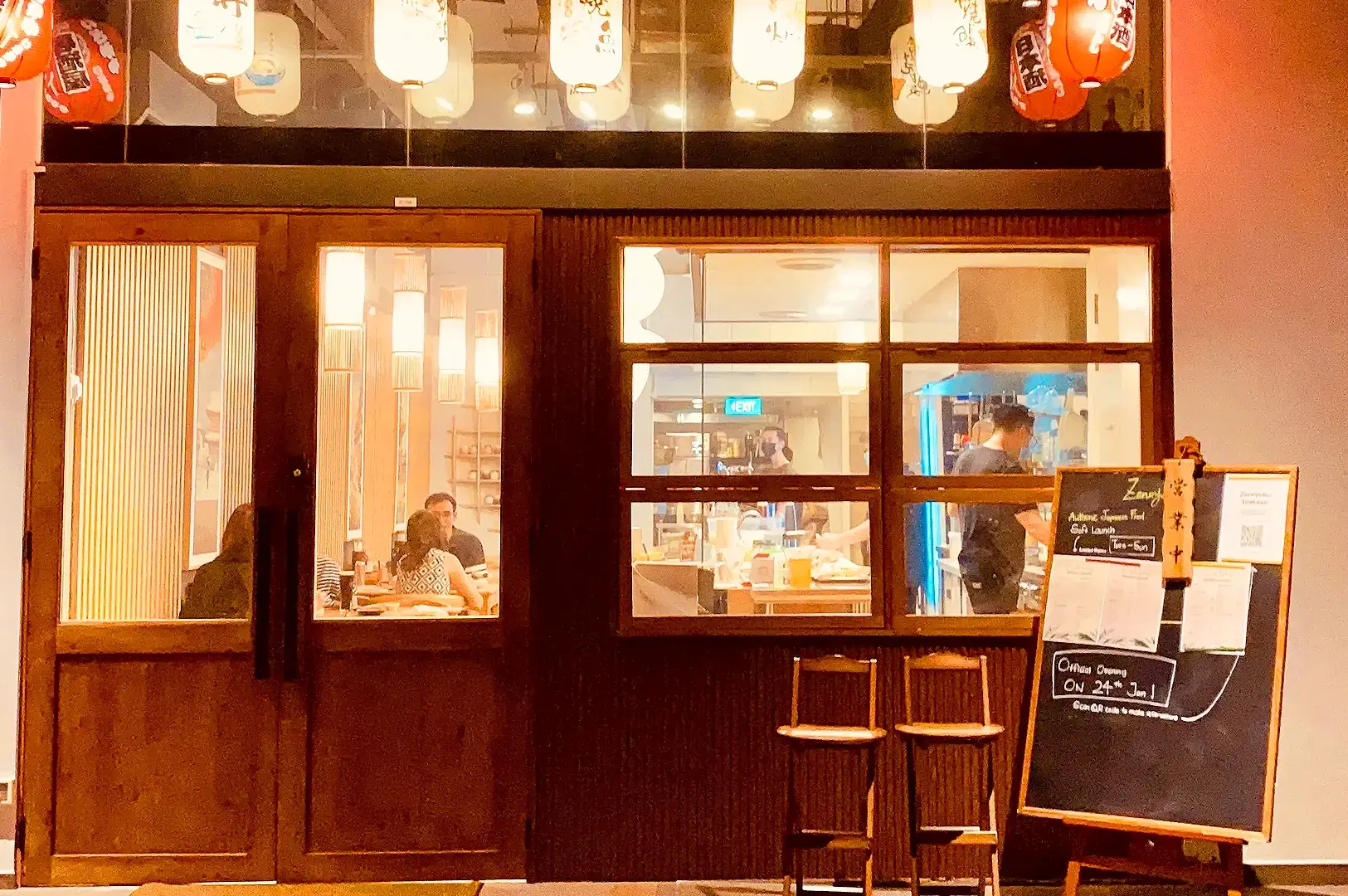
Price: Skewers and small plates from around S$3.50; larger dishes around S$18–S$20+
Location: 183 Upper Thomson Road, #01-04
Zenryoku Izakaya offers a useful reminder that izakaya dining is not organised like a conventional three-course meal. The restaurant itself describes the format as food arriving gradually, whenever each dish is ready. That rhythm changes how the table works: a skewer may arrive first, followed by something fried, then oden or sashimi, with the meal taking shape through accumulation rather than a fixed sequence.
This makes Zenryoku particularly interesting in Singapore, where Japanese dining is often organised around individual mains. Here, the emphasis returns to the older izakaya logic of sharing, waiting, ordering again and letting several cooking techniques coexist across one evening.
Dining Experience
The expertly grilled skewers are a strong starting point, especially the tsukune with pasteurised egg yolk, where smoky, juicy chicken meets the richness of the egg yolk. The menu then moves easily into fried snacks and bar bites such as tako karaage, kaki fry and cartilage karaage, alongside oden, sashimi, okonomiyaki and chicken nanban. Together, these standout dishes give the meal plenty of contrast while keeping the feel of a small neighbourhood izakaya. Lunch follows a different rhythm, with chicken paitan ramen taking a more central role before the fuller izakaya menu returns later in the day.
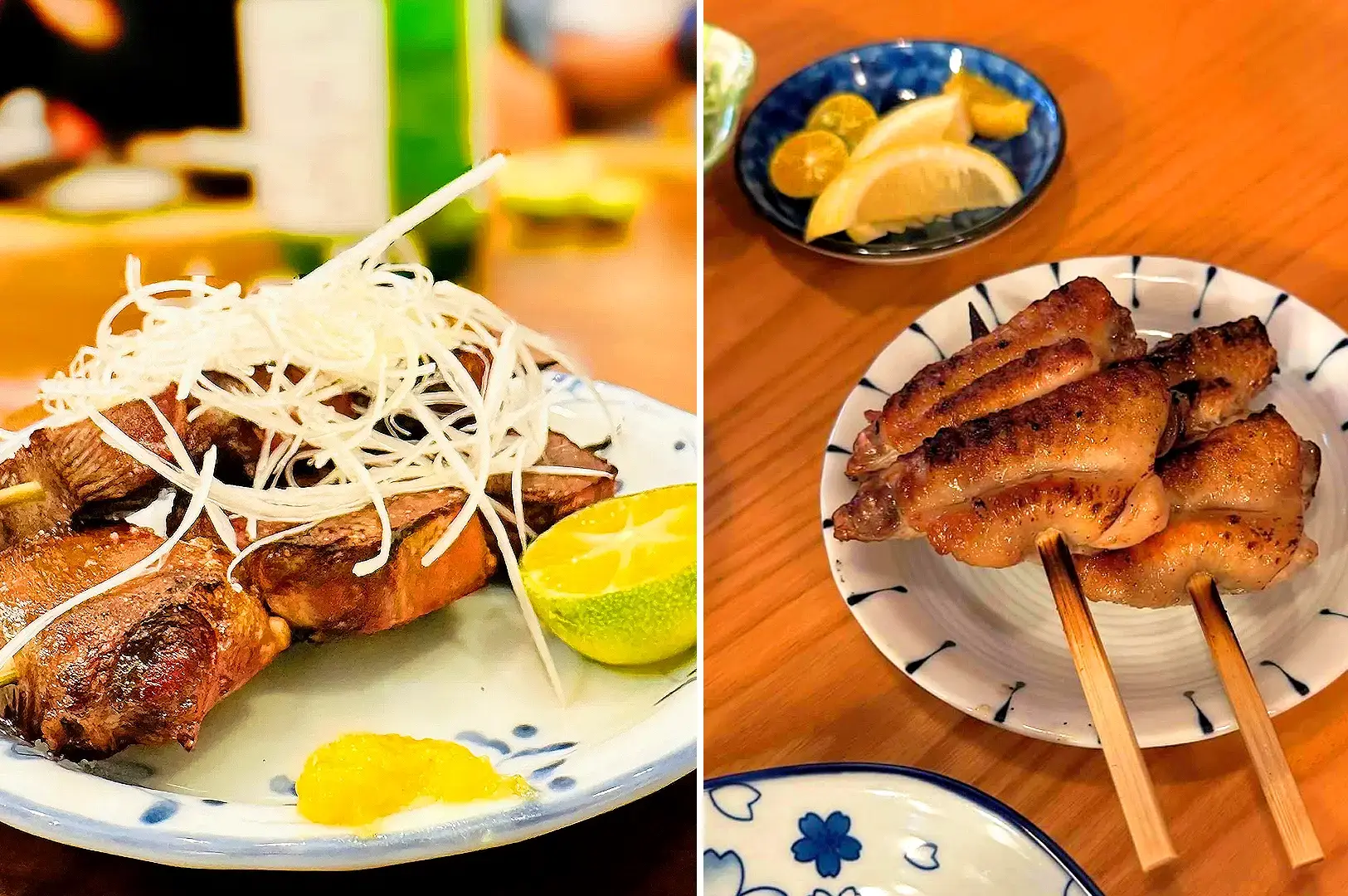
Drinking Experience
Zenryoku treats drinking and dining as part of the same slow-paced format rather than separate activities. The restaurant’s limited seating also means the experience works better when diners plan to settle in rather than rush through several plates; a drink order is part of the house format.
Perfect For: Small-group dinners, charcoal-grilled food, authentic Japanese flavors, and diners who enjoy discovering several dishes gradually rather than choosing one main course.
Izakaya Logistics: What to Know Before Visiting an Izakaya in Singapore
A great izakaya experience is about more than simply ordering delicious food. It is a style of dining built around conversation, shared plates, and unhurried evenings, where the appeal comes from moving between traditional dishes, drinks, and small bites at your own pace. The best places create a warm, vibrant atmosphere without losing the casual rhythm that makes izakaya dining feel so approachable.
Singapore offers a wide range of izakaya styles, from relaxed neighbourhood bars to livelier after-work spots. Whether you are there to savor grilled skewers, edamame seasoned simply with salt, sashimi, or other small plates made with high quality ingredients, the goal is less about rushing through a meal and more about enjoying the table as it develops.
Before You Visit
- Reserve ahead whenever possible. Popular izakaya can fill quickly on Friday evenings and weekends, especially smaller restaurants with limited seating and a more intimate ambiance.
- Order for the table. Build the meal around a mix of grilled skewers, fresh sashimi, hot dishes, edamame, and seasonal specials so everyone can sample different textures and flavours.
- Don’t overlook the drinks menu. House sake, Japanese beer, highballs, whisky, and cocktails are meant to complement the food and help reset the palate between richer dishes.
- Ask about daily specials. Handwritten menus often highlight seasonal produce, fresh seafood, or limited dishes that regulars and locals may order first.
- Take your time. Izakaya meals are meant to unfold gradually. Order a few plates, add another round of drinks, and let yourself indulge a little rather than trying to finish everything at once.
A highly recommended approach is to start light, then move into richer plates as the evening develops. That way, you get both the authentic taste of the kitchen and the relaxed social rhythm that makes izakaya dining worth lingering over.
After a tiring izakaya session, find comforting foods or more izakaya food spots in Fortune Centre by exploring this curated list from Eat Drink Asia.
The Final Source Code: Discovering Best Izakayas in Singapore
The essence of izakaya is togetherness, built through shared dishes, laughter, and warm hospitality—a place to relax and enjoy Japanese and Singaporean flavors. Traditional izakaya cuisine features classic Japanese pub dishes often paired with sake or shochu, reflecting Japan’s rich dining heritage. Discover Singapore’s izakaya scene through handwritten menus, seasonal specials, and warm service. Whether traditional or modern fusion, these authentic spots across Fortune Centre, Cuppage Plaza, and beyond invite you into a vibrant culinary community.

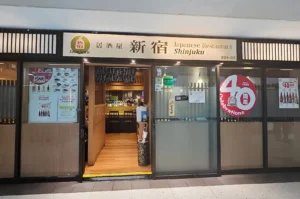
Shinjuku Restaurant, Where Cuppage Plaza Keeps Japanese Comfort Food Uncomplicated
Dio Asahi | October 27, 2026
I almost walked past Shinjuku Restaurant. That is easy to do in Cuppage Plaza. Step away from the polish of Orchard Road and the building feels older, quieter, and much less interested in catching your attention. Shinjuku sits on the ground floor at 5 Koek Road, behind a frontage that gives little away about the…
-
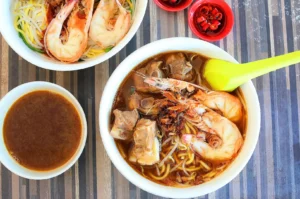
Prawn Mee in Singapore: Bowls Where the Broth Tastes Like Time
Eda Wong | October 24, 2026
I do not remember the first bowl of prawn mee I ever ate. But I remember the smell: that deep, roasted-shell darkness that fills a coffee shop before you have even sat down. My grandfather used to say you could tell a good prawn noodle stall from the doorway, just by breathing. Over the years,…
-
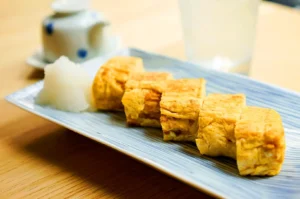
How to Make Dashimaki Tamago, the Japanese Rolled Omelette That Tastes Like Broth
Eat Drink Asia Team | October 22, 2026
Dashimaki tamago is one of those dishes that looks quieter than it is. At first glance, it is just a rolled egg. Pale, soft, sliced neatly, often served beside steamed rice, miso soup, and grated daikon radish. But once you make it, you realise it is not really about eggs alone. It is about how…
-
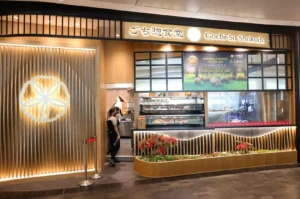
The Lunch Hour Slows Down at Gochi-So Shokudo
Dio Asahi | October 21, 2026
By Dio Asahi for Eat Drink Asia. It’s just past noon, and the lifts keep opening. Suits spill out, lanyards swinging, phones already halfway to their ears. But inside Gochi-So Shokudo, tucked into One Raffles Place, something else is happening. People are sitting down. Actually sitting. Chopsticks lifting, shoulders dropping a little, the room warm…
-
Kintamani Singapore Review: Can an All-You-Can-Eat Buffet Still Taste Like Indonesia?
Dio Asahi | October 20, 2026
I walked into Kintamani Singapore with one question in mind. Buffets ask food to wait. Rendang, sambal, grilled meats, and fried seafood all sit under heat while diners circle the spread. That is not necessarily kind to Indonesian dishes built around texture, reduction, chilli, coconut, and freshly cooked aromatics. So I was less interested in…

Pagi Sore Indonesian Restaurant Est 1989 Review: A Second-Generation Kitchen That Still Knows Its Own Voice
Eda Wong | October 17, 2026
The first thing I noticed at Pagi Sore Indonesian Restaurant was the smell. Not the sharp, showy kind. Something slower: coconut milk, lemongrass, chilli, fried egg, and the deep warmth of spice paste drifting out from a wood-heavy dining room while Far East Square kept moving outside. I walked over on a Wednesday evening, just…
-
Best Fish Soup in Singapore: Bowls Where the Broth Is the Whole Point
Eat Drink Asia Team | October 15, 2026
I don’t remember when fish soup became my quiet meal. It just did. On days when I couldn’t decide what I wanted, when the weather turned grey, when I needed something warm that asked nothing of me, I’d end up hunched over a bowl, breathing in the steam before the first spoonful. I’ve eaten a…
-
The Clay Stove Heat Beneath a Lao Grilled River Fish
Eda Wong | October 14, 2026
By Eda Wong for Eat Drink Asia It’s late afternoon, and the river is the colour of weak tea. A woman crouches beside a small clay stove at the edge of the bank, feeding it slivers of charcoal. Smoke lifts, thin and grey, and drifts toward the water. On a bamboo skewer, a whole fish…
-
The National Dish of Indonesia Is Not One Plate: Why a Country of Islands Needs Many Icons
Dio Asahi | October 13, 2026
The first time someone asked me for the national dish of Indonesia, I answered nasi goreng without thinking. It seemed obvious: fried rice darkened with kecap manis, often topped with a fried egg, familiar from warungs and late-night street food stalls. That answer is not wrong. It is simply too small. Indonesian food is regional,…
-
Sapporo in a Bowl: Soup Curry by Ki-setsu Comes to Singapore
Eda Wong | October 12, 2026
Ask most Singaporeans to picture Japanese curry and a familiar image probably comes to mind: a plate of rice beneath thick brown gravy, perhaps with a breaded cutlet sliced neatly across the top. It is rich, sweet-edged, comforting and, by now, almost as recognisable as ramen or donburi. Head to the fourth floor of Fortune…