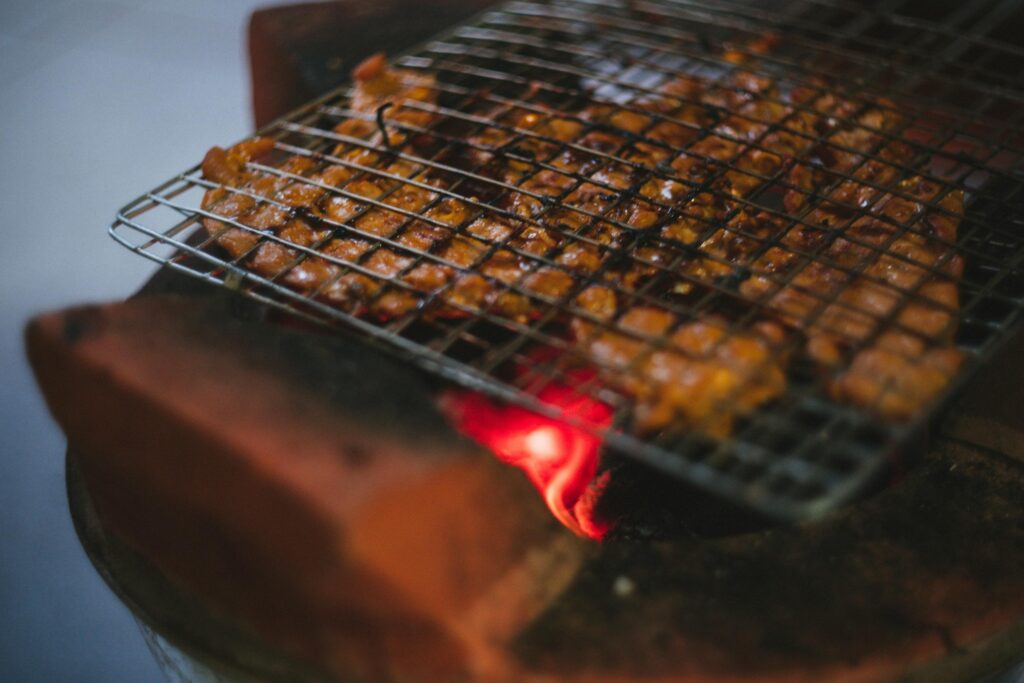
The first thing I noticed was the smoke, thin, controlled, rising steadily from a charcoal grill along a Bangkok street. Skewers of pork turned in a quiet rhythm, fat dripping and hissing as it met the heat. The air carried layers of scent: sweet palm sugar, garlic, and a faint fermented depth beneath it. I remember watching the vendor press each skewer gently against the grill, coaxing out a light crust at the edges while a basket of sticky rice steamed beside him. Nothing felt rushed. Every movement fulfills a purpose.
Moo ping looks simple, but its structure is deliberate. Thin slices of pork, often from the shoulder, are marinated in soy sauce, garlic, coriander root, and palm sugar. In some versions, coconut milk is added to introduce fat, helping the meat retain moisture over direct heat. When grilled, the sugars caramelize into a lightly crisp exterior while the inside remains tender. The result is a balance of texture and flavour that feels effortless but depends heavily on timing. It is typically paired with sticky rice, which absorbs the rendered fat and softens the intensity of the meat. In Thailand, this is everyday food, breakfast, snack, or something eaten quickly between errands.
What becomes interesting is how moo ping fits into a broader pattern across Asia. Skewered meat appears in many forms, satay in Southeast Asia, yakitori in Japan, kebabs across Central and West Asia. The method is shared: small cuts, direct heat, controlled charring. But the flavour system shifts with geography. In Thailand, palm sugar plays a defining role, creating a surface that caramelizes quickly and locks in moisture. This introduces a constraint. Too much heat, and the sugar burns. Too little, and the structure remains soft without contrast. Moo ping exists in that narrow space where heat and sugar must be managed together.
Check here for more information about food in the South East Region: https://eatdrinkasia.com/exploring-food-southeast-region-culinary-journey/
What sets it apart is its calibration. The pork is sliced thin to ensure even cooking. The marinade penetrates just enough to season without overwhelming the natural flavour of the meat. I noticed that some vendors brush on additional glaze near the end, deepening the caramelization, while others keep it restrained. Even the sticky rice is not incidental, it completes the system, balancing richness with neutral starch. These adjustments may seem minor, but they reflect a deep familiarity with the process.
Standing there, watching the skewers turn, it became clear that moo ping is less about grilled pork and more about coordination. Heat, sugar, fat, and timing move together in a controlled sequence. It is eaten quickly, often in passing, but the structure behind it is precise. Once you notice that, it becomes difficult to see moo ping as just another piece of street food.

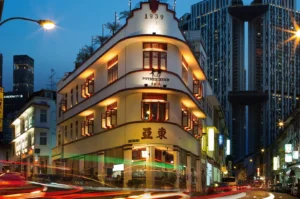
Tong Ah Eating House Review: A Chinatown Breakfast That Still Begins with Kaya Toast
Eda Wong | September 19, 2026
I almost walked past it. I’d been looking for the old triangular building, the red-and-white one you see in every photo of Keong Saik, the one that made Tong Ah feel like a landmark before you’d even ordered anything. But that’s not where it lives anymore. It’s a few doors down now, at 35 Keong…
-
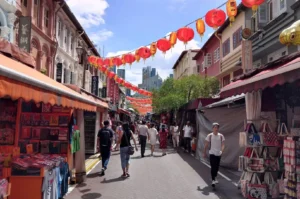
Breakfast at Chinatown Singapore: How Migration Built the City’s Morning Table
Eat Drink Asia Team | September 17, 2026
The first time I ate breakfast in Chinatown, I got it wrong. I arrived at eleven, hungry and hopeful, and found the kopi stalls already turning toward lunch. The porridge uncle was packing up. The toast man had switched to slicing char siew. I ate a rushed plate of noodles standing near a pillar, sweating,…
-
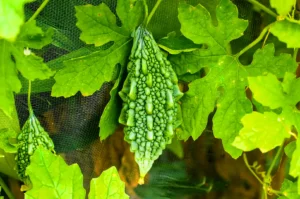
The Bitter Leaf Folded Into a Burmese Home Kitchen
Eda Wong | September 16, 2026
The oil is already hot when she reaches for the leaves. It’s late morning in a kitchen off a quiet lane, and a woman I’ve been watching stands over a blackened wok, tearing bitter gourd leaves by hand into a small heap. The garlic hits the oil first, sharp and loud. Then the leaves go…
-
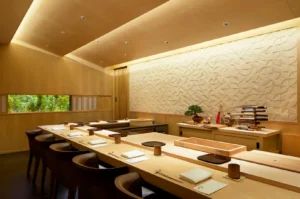
Best Sushi Singapore: From Premium Japanese Restaurants to Exclusive Deals from Affordable Sushi Trains
Dio Asahi | September 15, 2026
I’ve been eating sushi in this city for years now, from S$1.50 plates rolling past on a belt to omakase counters where the bill made me sit up straight. Somewhere along the way I stopped chasing “the best” and started noticing something else — that good sushi answers a mood, not a ranking. Some nights…
-
Al Mubin Restaurant and the Nasi Goreng Sambal Ayam That Has to Carry the Whole Plate
Eda Wong | September 12, 2026
It was close to eleven at night when I finally sat down. The kind of hour when you’re not really hungry so much as unsettled, when you want something warm in front of you more than you want a proper meal. Al Mubin’s food court at Block 407, Ang Mo Kio Avenue 10, was still…
-
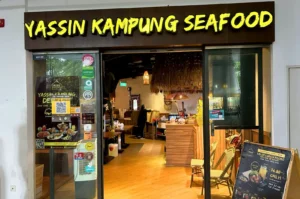
Yassin Kampung Admiralty Review: When Sambal Fried Rice Becomes the Whole Point
Eat Drink Asia Team | September 10, 2026
I ordered the sambal fried rice first, before I’d even properly read the menu. That’s usually a mistake at a place like this. Yassin Kampung @ Admiralty is the kind of restaurant that keeps trying to pull your attention elsewhere — toward stingray, toward crab, toward hotplates that arrive still hissing. But I’d come with…
-
The Bamboo Basket Holding Chiang Mai’s Sticky Rice
Dio Asahi | September 9, 2026
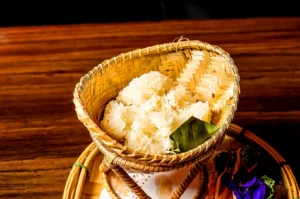
By Dio Asahi for Eat Drink Asia. The lid comes off, and the steam rises first. It’s a warm afternoon in Chiang Mai, and on the table sits a small woven bamboo basket, still holding the heat of the pot it came from. Someone’s grandmother lifts the top and sets it aside without looking. Inside,…
-
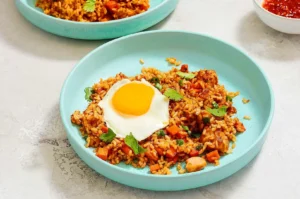
Sambal Fried Rice Recipe for People Who Know the Chilli Paste Does the Heavy Lifting
Dio Asahi | September 8, 2026
I used to add the rice too early. The oil would be hot, the sambal barely a minute in, and I’d tip in the cold rice because I was hungry and impatient. Every time, the same result: rice stained red but tasting of nothing much. Sharp. Raw. Flat where it should have been deep. It…
-
Hup Lok at Havelock Road: A Teochew Fish Soup Carrying Memory Forward
Eda Wong | September 8, 2026
The bowl arrives before anything else does. Steam lifts off it in slow ribbons, carrying the smell of ginger and something warmer underneath: the round, boozy note of hua tiao wine settling into fish. I lean in before I even pick up my spoon. The broth is pale gold and cloudy, thick enough that it…
-
Fresh Sashimi Singapore: Places for Clean Cuts, Quiet Counters, and Fish That Still Feels Alive
Eda Wong | September 5, 2026
I didn’t grow up eating raw fish. For years, sashimi felt like something you learned to appreciate rather than something you loved. Cold, foreign, a little intimidating. Then one afternoon, at a quiet counter, a chef placed a single slice of chutoro in front of me and said nothing. I ate it. And I understood….