When I first tried to navigate a traditional Cantonese family dinner, I made a spectacularly embarrassing mistake. I sat down, looked at the sprawling, beautifully written menu, and confidently ordered an individual plate of sweet and sour pork just for myself.
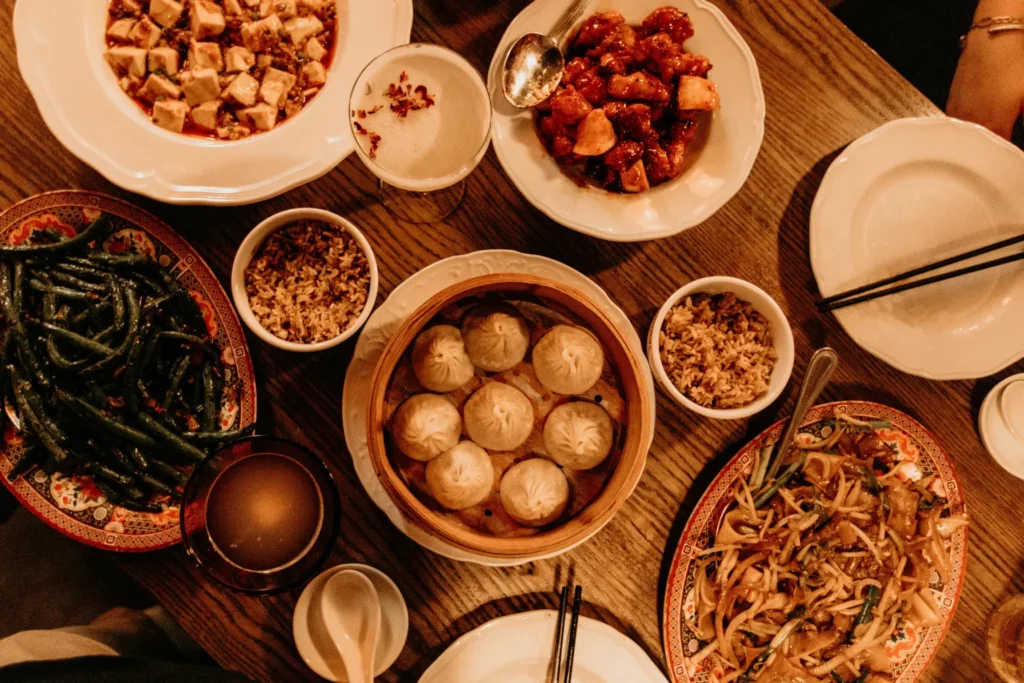
The table went completely quiet. My host gently nudged the menu back towards the centre of the table and explained that we would be sharing a steamed fish, some roasted meats, a seasonal vegetable, and a slow-simmered soup. I had fundamentally misunderstood the assignment. I treated a communal ritual like a fast-food transaction.
That awkward moment was the start of a deep, lifelong culinary journey for me. I realised that traditional Chinese food is not just about sustenance. It is a living system of knowledge. Recipes, techniques, and table manners act as a silent language, passing history and affection from one generation to the next.
If you have ever felt intimidated by a bustling Chinese restaurant, or worried about ordering the “wrong” thing, you are not alone. Let us demystify this incredible cuisine and look at how you can confidently experience this celebration of flavours.
What Makes Chinese Food ‘Traditional’? — Understanding Chinese Cuisine and Food Culture
When people ask me what defines traditional food in China, they often imagine something fixed, recipes frozen in time, unchanged since the Qing Dynasty. But that idea has never matched my experience of chinese cuisine.
Tradition, in chinese food culture, is not rigidity. It’s continuity.
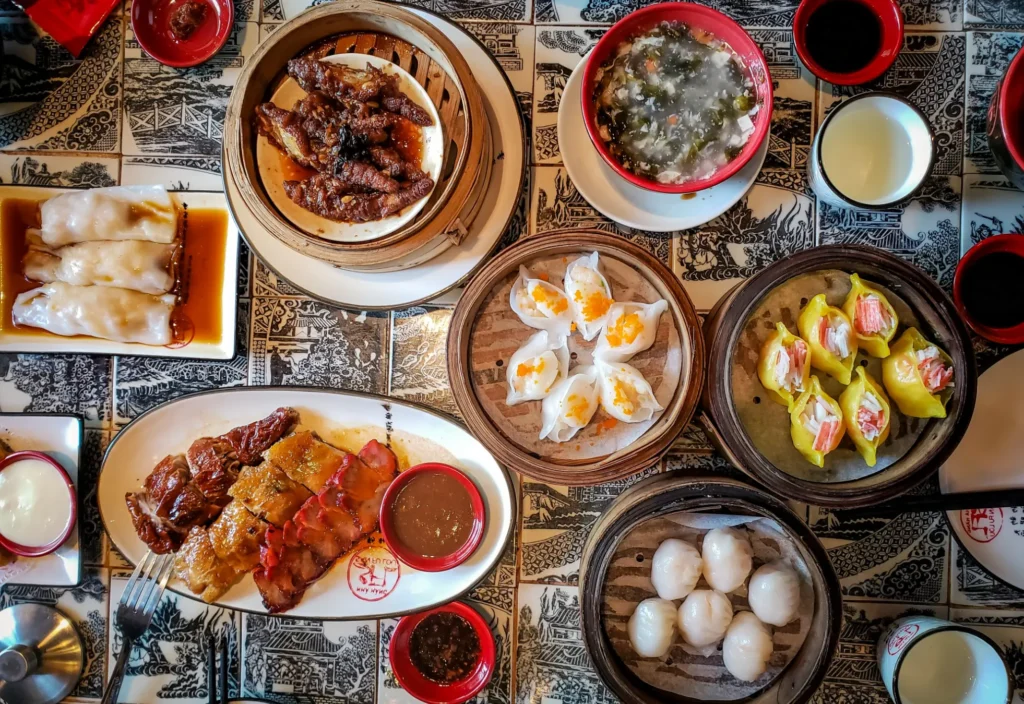
China is vast. What we call chinese food is really a constellation of distinctive dishes shaped by geography, climate, and chinese philosophy. In Sichuan province, heat and numbness from sichuan pepper and chili peppers define the palate, think ma po tofu or kung pao chicken, where spicy sauce and aromatics create a layered intensity. In contrast, cantonese cuisine values clarity and restraint, highlighting the natural sweetness of fresh meat, seafood, and slow-steamed broths.
I remember the first time I tasted a properly made traditional chinese dish in Hong Kong, not drenched in sweet and sour sauce, not aggressively deep fried, but gently seasoned with soy sauce, a touch of sesame oil, and perhaps a splash of shaoxing wine. It tasted… quiet. Balanced. Intentional.
That moment changed how I understood traditional chinese food.
Another misconception is that tradition equals luxury. It doesn’t. A bowl of plain steamed rice, a simple rice bowl topped with minced pork, or a plate of stir-fried greens with garlic carries just as much cultural weight as a banquet royal dish like peking duck with its lacquered crispy skin.
Tradition lives in repetition, not price.
How to Experience Traditional Chinese Food and Chinese Cooking in Context
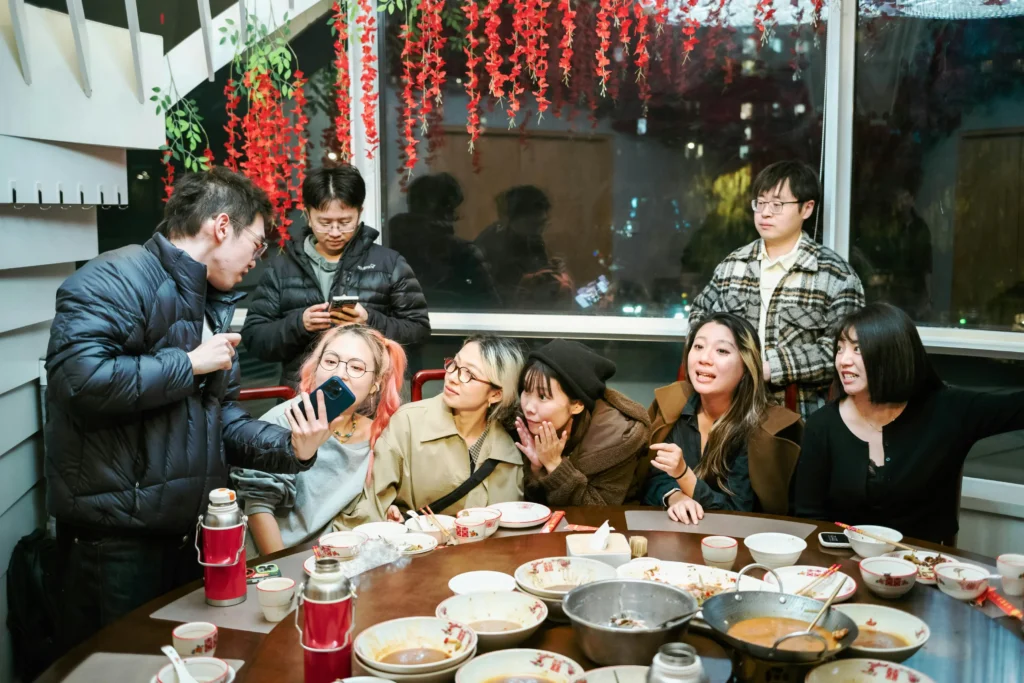
Stepping into a space rooted in chinese gastronomy can feel overwhelming. I remember my first time, staring at a menu filled with unfamiliar names like guilin rice noodles, chinese sausage rice, and various cold dishes, unsure where to begin.
What helped me most was learning to read context before ordering.
1. Understand the Occasion
Not all traditional chinese food is meant for the same moment.
Festival foods carry symbolism. Glutinous rice dumplings (zongzi), filled with pork or bean paste, represent heritage and memory. Glutinous rice balls eaten during festivals symbolize reunion.
Daily meals, however, are simpler, built around a staple food like steamed rice or rice noodles, supported by vegetables, protein, and soup.
Knowing this changes how you approach the table.
2. Choose the Right Setting
You don’t need to travel across mainland china to experience authenticity.
In Singapore, especially, the preservation of chinese culture is visible in everyday dining. Hawker stalls, family-run shops, and heritage restaurants serve dishes rooted in southern china traditions, Teochew porridge, Cantonese soups, Hokkien noodles.
I’ve found some of the most honest meals not in grand dining rooms, but in small stalls serving fried rice, bowls of thin noodles, or plates of pork ribs braised until tender.
These places reflect food culture in motion, not staged, but lived.
3. Order for Balance, Not Individual Plates
One of the biggest shifts for me was understanding that chinese cooking is built around sharing.
A traditional table isn’t about individual mains. It’s about contrast:
- A braised duck or pork belly for richness
- A plate of greens for freshness
- A simple soup grounded in chinese medicine principles
- A staple like steamed rice
I still remember ordering only one dish for myself once, a plate of fried rice, and realizing how incomplete the meal felt. It lacked the rhythm of contrast that defines traditional chinese dining.
4. Observe Before You Eat
There’s a quiet choreography at the table.
Tea is poured for others first. Elders are invited to take the first bite. Chopsticks move toward shared dishes, not guarded plates.
These rituals aren’t formal rules. They’re expressions of chinese food culture, small acts that reinforce respect and connection.
5. Ask Questions — Tradition Is Often Oral
Many recipes in chinese cuisine are not written down.
I once asked how a stall prepared their steamed stuffed bun filling, a mix of minced meat, chinese chives, and seasoning. The owner smiled and said, “Taste and adjust.” No measurements. Just instinct.
That’s how knowledge moves in traditional chinese food, through repetition, memory, and trust in the senses.
Lessons from Real Life: How Traditional Food in China Evolves
What I’ve come to understand is this: tradition survives because it adapts.
Dumplings Across Generations
In northern china, families gather to make chinese dumplings during festivals. The fillings shift, pork, vegetables, sometimes new ingredients, but the folding technique stays constant.
It’s not the exact recipe that matters. It’s the act.
Cantonese Soup and Sensory Knowledge
A friend’s mother once made a double-boiled soup with pork and herbs rooted in chinese medicine. When I asked for the recipe, she laughed.
“You’ll know when it’s ready.”
She meant the aroma, deep, earthy, slightly sweet. That sensory marker replaces any timer.
Street Food and Regional Identity
In places like China’s Yunnan province, bowls of guilin rice noodles or thin noodles served with chili oil, pickled greens, and broth define daily life.
These are not restaurant inventions. They are living expressions of food culture.
Festival Foods That Change but Stay the Same
Take sticky rice dumplings made with glutinous rice. Traditionally filled with pork and egg yolk, modern versions may include mushrooms or even sweet fillings.
The ingredients evolve. The ritual remains.
Where Understanding Often Breaks Down When Exploring Chinese Food Culture
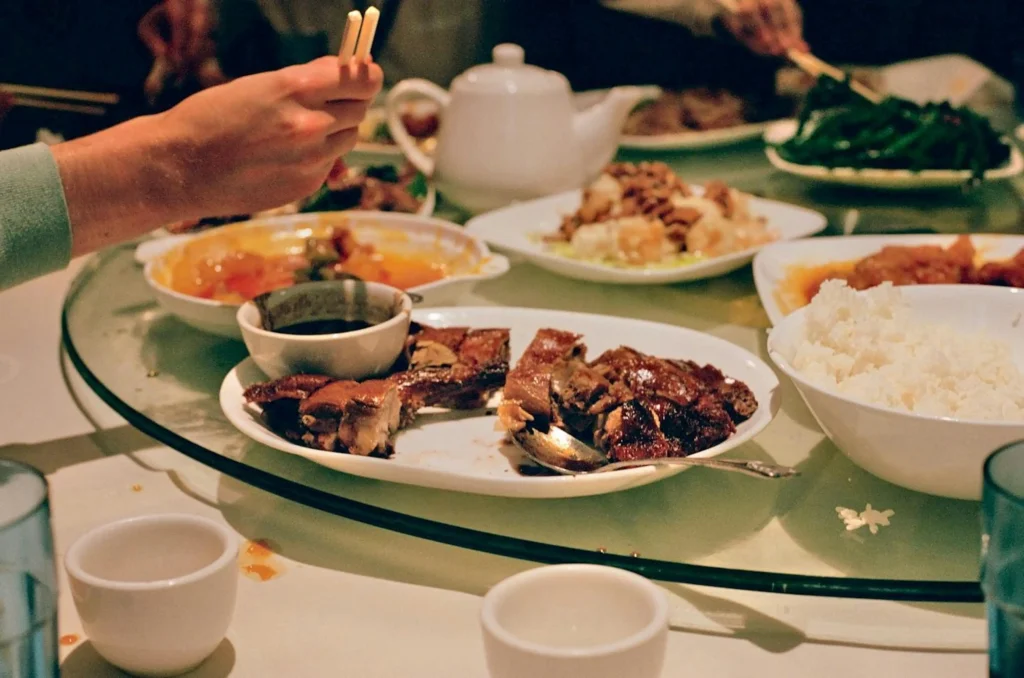
I’ve made these mistakes myself.
- Thinking all Chinese food is heavy or deep fried
Many dishes rely on steaming, poaching, or light stir frying. - Over-relying on familiar sauces
Not everything needs sweet and sour or bottled chili sauce. - Ignoring regional differences
Sichuan food is vastly different from Cantonese cuisine. - Expecting strict authenticity
A slightly modern take doesn’t erase tradition, it often keeps it alive.
Why Traditional Chinese Food Still Matters
The more I experience traditional food in China, the more I realise it isn’t just about recipes.
It’s about continuity.
A bowl of fried rice, a plate of steamed buns, or even something as divisive as stinky tofu carries layers of chinese history, migration, adaptation, survival.
Every dish is a record of how people lived, what they valued, and how they made sense of the world through food.
And that, more than any ingredient or technique, is what makes it traditional.
A Living System of Ingredients, Techniques, and Meaning
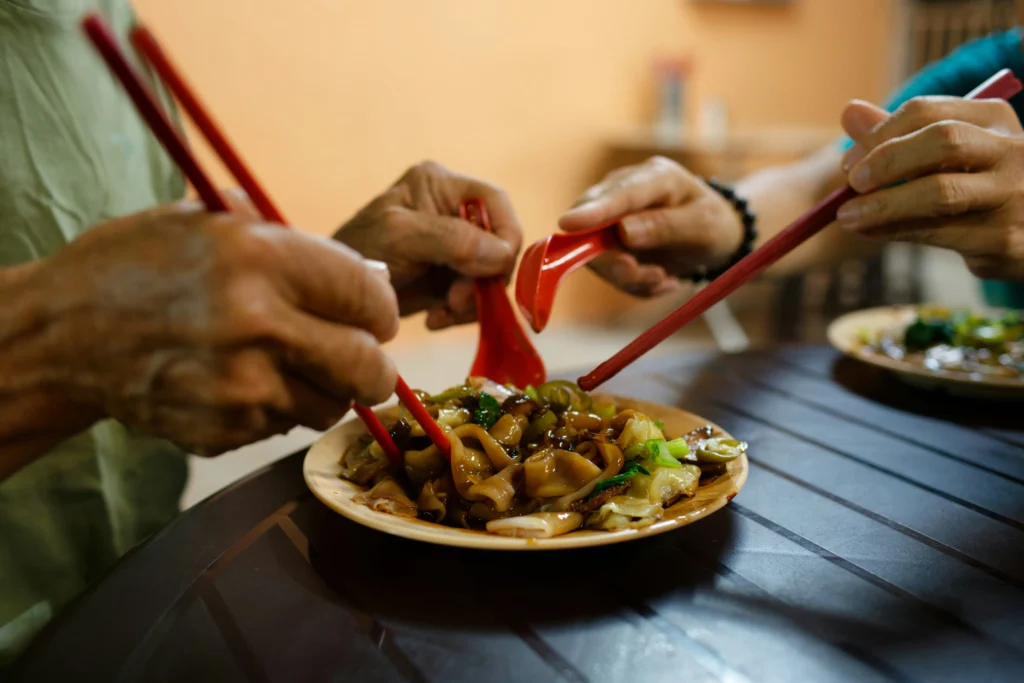
To understand traditional food in China, you have to see it as a system, not just a collection of dishes.
At its core, chinese cuisine is built on relationships between ingredients, technique, and intent. A splash of soy sauce is not just seasoning; it anchors salt and umami. A drizzle of sesame oil adds aroma at the final moment. Shaoxing wine lifts the fragrance of fresh meat, while oyster sauce deepens savoury notes without overwhelming the dish.
Even staple combinations follow this logic. A bowl of steamed rice paired with braised duck or pork belly balances richness with neutrality. Cold dishes, like pickled vegetables or sliced meats dressed in chili oil, provide contrast against heavier plates.
I’ve noticed that many iconic dishes, whether it’s kung pao chicken, ma po tofu, or a simple plate of fried rice, rely less on complexity and more on precision. Heat control, timing, and ingredient quality matter more than elaborate preparation.
This is where chinese cooking connects deeply to chinese philosophy: harmony, balance, and intention.
And once you see that structure, the cuisine stops feeling vast, and starts feeling readable.
On a side note, in Singapore’s vibrant food scene, the concept of a Japanese gastropub offers a modern take on tradition, blending authentic Japanese flavors with a casual, convivial atmosphere.
A Broader Reflection: Embrace the Culinary Journey
Traditional Chinese food is far more than just what sits on the plate. It is a brilliant, delicious way of communicating across decades. When you sit down to share a steaming bamboo basket of dim sum or a claypot of rice, you are participating in a ritual that has kept families connected through wars, migrations, and the relentless march of time.
The next time you visit a heritage restaurant or a local hawker stall, Eat Drink Asia encourage you to look beyond just filling your stomach. Order a dish you have never tried, share it with someone you care about, and ask the chef about its history. Taste the world of the generations that came before, and enjoy every single bite of the journey.

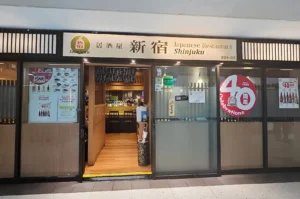
Shinjuku Restaurant, Where Cuppage Plaza Keeps Japanese Comfort Food Uncomplicated
Dio Asahi | October 27, 2026
I almost walked past Shinjuku Restaurant. That is easy to do in Cuppage Plaza. Step away from the polish of Orchard Road and the building feels older, quieter, and much less interested in catching your attention. Shinjuku sits on the ground floor at 5 Koek Road, behind a frontage that gives little away about the…
-
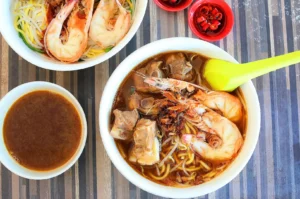
Prawn Mee in Singapore: Bowls Where the Broth Tastes Like Time
Eda Wong | October 24, 2026
I do not remember the first bowl of prawn mee I ever ate. But I remember the smell: that deep, roasted-shell darkness that fills a coffee shop before you have even sat down. My grandfather used to say you could tell a good prawn noodle stall from the doorway, just by breathing. Over the years,…
-
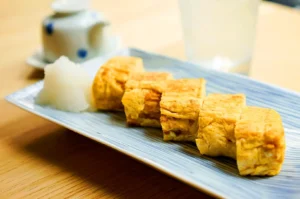
How to Make Dashimaki Tamago, the Japanese Rolled Omelette That Tastes Like Broth
Eat Drink Asia Team | October 22, 2026
Dashimaki tamago is one of those dishes that looks quieter than it is. At first glance, it is just a rolled egg. Pale, soft, sliced neatly, often served beside steamed rice, miso soup, and grated daikon radish. But once you make it, you realise it is not really about eggs alone. It is about how…
-
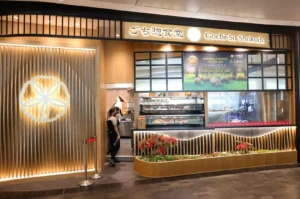
The Lunch Hour Slows Down at Gochi-So Shokudo
Dio Asahi | October 21, 2026
By Dio Asahi for Eat Drink Asia. It’s just past noon, and the lifts keep opening. Suits spill out, lanyards swinging, phones already halfway to their ears. But inside Gochi-So Shokudo, tucked into One Raffles Place, something else is happening. People are sitting down. Actually sitting. Chopsticks lifting, shoulders dropping a little, the room warm…
-
Kintamani Singapore Review: Can an All-You-Can-Eat Buffet Still Taste Like Indonesia?
Dio Asahi | October 20, 2026
I walked into Kintamani Singapore with one question in mind. Buffets ask food to wait. Rendang, sambal, grilled meats, and fried seafood all sit under heat while diners circle the spread. That is not necessarily kind to Indonesian dishes built around texture, reduction, chilli, coconut, and freshly cooked aromatics. So I was less interested in…

Pagi Sore Indonesian Restaurant Est 1989 Review: A Second-Generation Kitchen That Still Knows Its Own Voice
Eda Wong | October 17, 2026
The first thing I noticed at Pagi Sore Indonesian Restaurant was the smell. Not the sharp, showy kind. Something slower: coconut milk, lemongrass, chilli, fried egg, and the deep warmth of spice paste drifting out from a wood-heavy dining room while Far East Square kept moving outside. I walked over on a Wednesday evening, just…
-
Best Fish Soup in Singapore: Bowls Where the Broth Is the Whole Point
Eat Drink Asia Team | October 15, 2026
I don’t remember when fish soup became my quiet meal. It just did. On days when I couldn’t decide what I wanted, when the weather turned grey, when I needed something warm that asked nothing of me, I’d end up hunched over a bowl, breathing in the steam before the first spoonful. I’ve eaten a…
-
The Clay Stove Heat Beneath a Lao Grilled River Fish
Eda Wong | October 14, 2026
By Eda Wong for Eat Drink Asia It’s late afternoon, and the river is the colour of weak tea. A woman crouches beside a small clay stove at the edge of the bank, feeding it slivers of charcoal. Smoke lifts, thin and grey, and drifts toward the water. On a bamboo skewer, a whole fish…
-
The National Dish of Indonesia Is Not One Plate: Why a Country of Islands Needs Many Icons
Dio Asahi | October 13, 2026
The first time someone asked me for the national dish of Indonesia, I answered nasi goreng without thinking. It seemed obvious: fried rice darkened with kecap manis, often topped with a fried egg, familiar from warungs and late-night street food stalls. That answer is not wrong. It is simply too small. Indonesian food is regional,…
-
Sapporo in a Bowl: Soup Curry by Ki-setsu Comes to Singapore
Eda Wong | October 12, 2026
Ask most Singaporeans to picture Japanese curry and a familiar image probably comes to mind: a plate of rice beneath thick brown gravy, perhaps with a breaded cutlet sliced neatly across the top. It is rich, sweet-edged, comforting and, by now, almost as recognisable as ramen or donburi. Head to the fourth floor of Fortune…