When I first tried cooking brinjal at home, I was completely convinced that all I needed was a hot pan, some oil, and a good recipe. I chopped the vibrant purple vegetable, threw it into a standard frying pan with a generous pour of oil, and waited for the magic to happen. Instead of the delicate, melt-in-the-mouth texture I enjoyed at my favourite local zi char stalls, I ended up with a heavy, greasy sponge that had somehow managed to burn on the outside while remaining stubbornly raw in the centre.
It was a frustrating culinary journey. For a long time, my core fear was simply: “I can’t replicate that restaurant texture at home.”
In my experience, the breakthrough did not come from finding a better sauce or buying a more expensive brand of soy sauce. It came from understanding the engineering behind the cooking process. I’ve found that when you look up a “brinjal recipe Chinese style,” the secret ingredient is never actually in the pantry, it is the wok itself. A wok is not just a uniquely shaped cooking vessel; it is a highly efficient heat management system. Once you understand what the wok is actually doing to the vegetable, you can transform a difficult, sponge-like ingredient into a celebration of flavours that is structured, glossy, and beautifully creamy.
Here is exactly how you can harness that velvet logic to create an authentic, trend-setting dish right in your own kitchen.
Understanding the Wok’s Role in How to Cook Brinjal Chinese Style and Chinese Eggplant Recipes
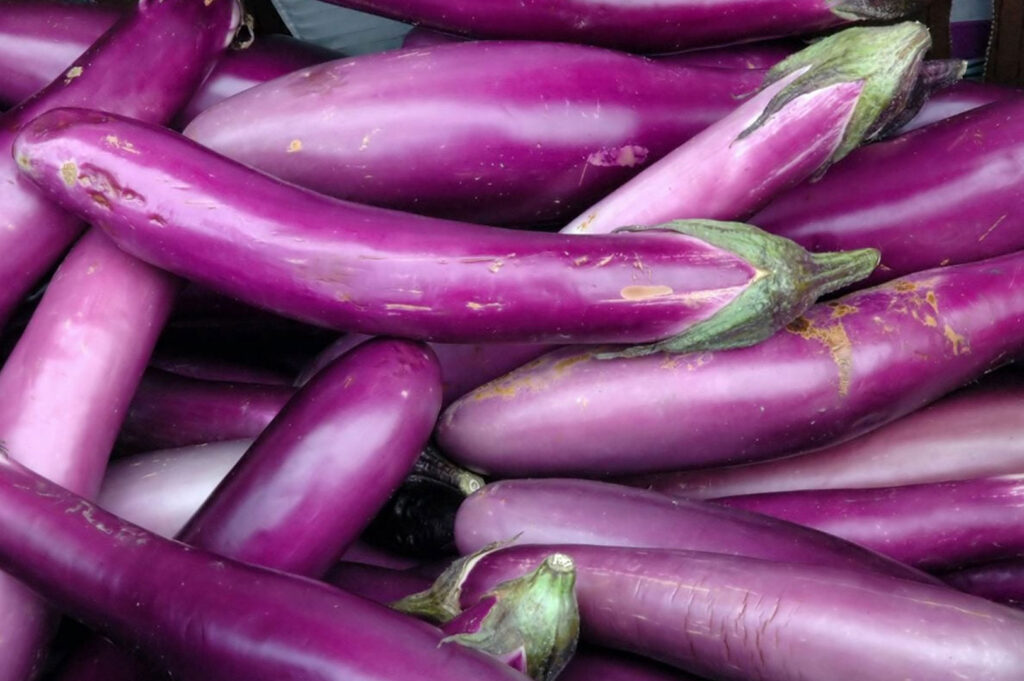
To master brinjal (or eggplant, depending on where you are from), we need to correct a few common misconceptions. Many home cooks believe that to make brinjal soft eggplant, you simply need to cook it longer. Others assume that because it absorbs cooking oil so quickly, “more oil equals better texture.” Both of these assumptions will ruin your eggplant dish.
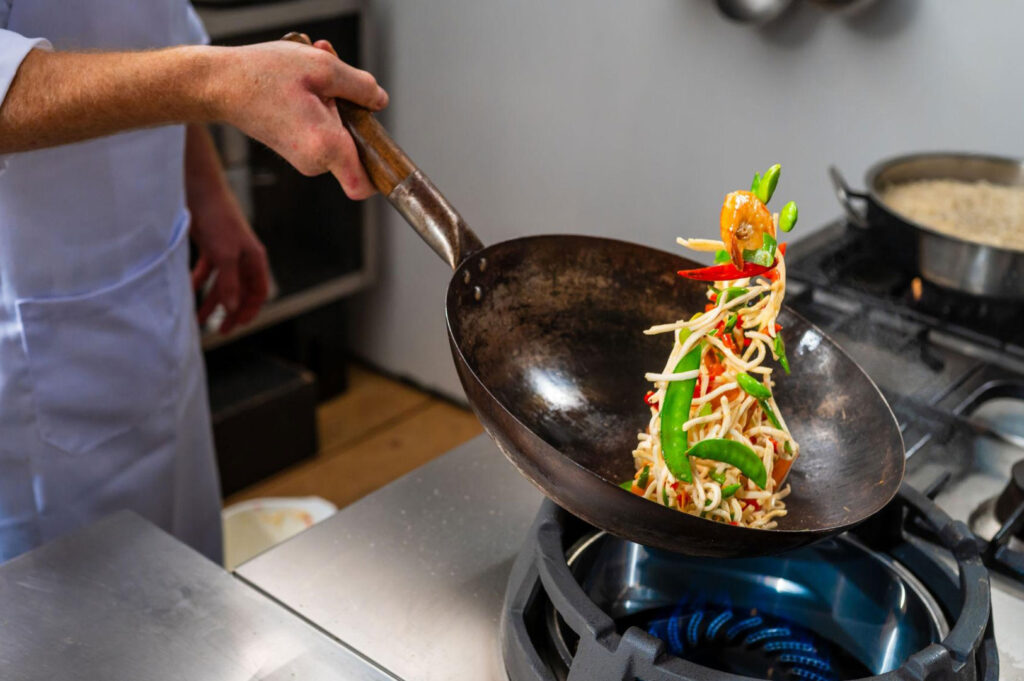
The wok does something entirely different. When properly heated over medium-high heat, the wok delivers intense, high heat combined with rapid moisture evaporation. As the brinjal hits the curved metal, the heat penetrates deeply and quickly, causing the internal structure of the vegetable to collapse. This rapid softening is what creates that incredibly creamy interior, the hallmark of a fragrant eggplant stir fry. At the same time, the wok’s sloping sides allow you to distribute a modest amount of vegetable oil or avocado oil thinly across the surface of the food. Instead of soaking in a pool of fat, the eggplant pieces get perfectly and evenly coated.
We also need to talk about wok hei, the elusive “breath of the wok.” Does it matter for vegetables? Absolutely. Even for a humble eggplant stir fry, wok hei contributes a slight smokiness, a deeper aroma, and faster caramelisation. It takes a flat, one-dimensional flavour profile and turns it into a diverse, savory dish cuisine that sings with complexity.
Recipe: How to Cook Chinese Eggplant with Garlic Sauce in a Wok
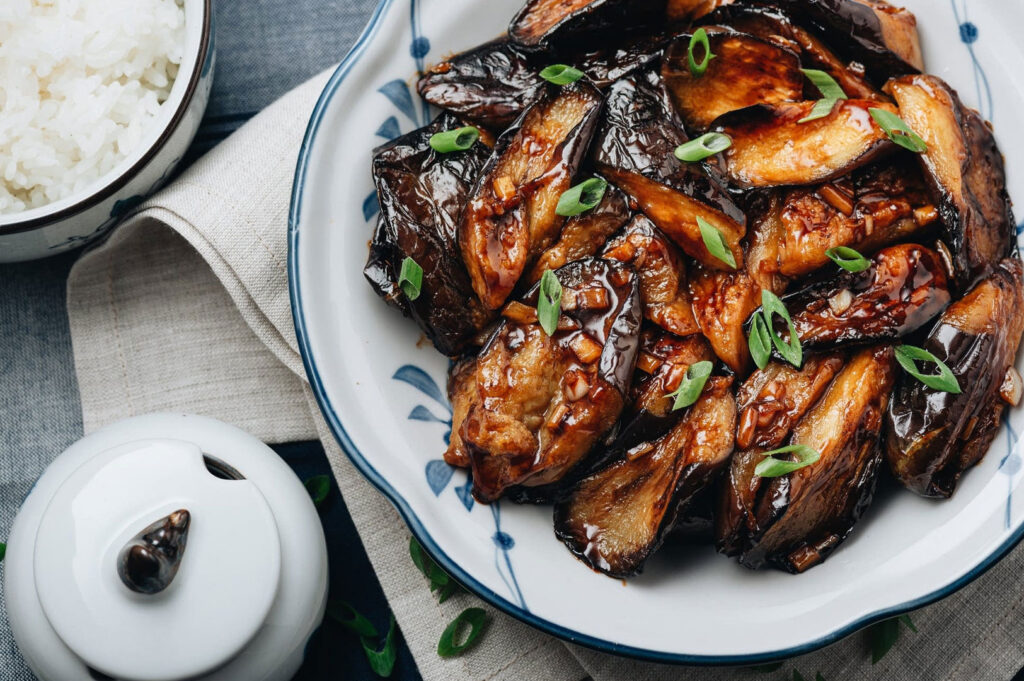
Ingredients:
- 1 long Chinese or Japanese eggplant (brinjal), cut into even eggplant slices or batons
- 2 tablespoons cooking oil (vegetable oil or avocado oil recommended)
- 3 cloves garlic, finely chopped
- 1-inch piece ginger, finely chopped
- 2 tablespoons light soy sauce (or gluten free soy sauce)
- 1 tablespoon dark soy sauce
- 1 tablespoon gluten free oyster sauce (or regular oyster sauce)
- 1 teaspoon rice vinegar
- 1 teaspoon sugar
- 1 teaspoon cornstarch mixed with 2 tablespoons water (cornstarch slurry)
- Optional: sesame oil and sesame seeds for garnish
- Optional: chopped green onion for garnish
Instructions:
Step 1: Prepare the Chinese Eggplant
Cut the long Chinese eggplant into even eggplant slices or batons to ensure uniform cooking. Chinese or Japanese eggplants are preferred for their thinner skin, fewer seeds, and sweeter flavor compared to globe eggplants or regular eggplant.
Step 2: Pre-cook the Eggplant
Heat 1 tablespoon of cooking oil in a frying pan over medium heat. Add the eggplant slices and pan-sear or steam them until they just begin to soften. This step prevents sogginess and excessive oil absorption, which is a common pitfall in cooking eggplant.
Step 3: Sear in the Wok
Heat your wok over medium-high heat until smoking. Add the remaining cooking oil, then toss in the pre-cooked eggplant pieces. Stir fry for 3-4 minutes until the skin blisters and the pieces turn golden brown and lightly browned.
Step 4: Add Aromatics
Push the eggplant to the sides of the wok and add the minced garlic and ginger to the center. Stir fry briefly until fragrant, releasing the spicy garlic sauce aroma that defines this Chinese eggplant with garlic dish.
Step 5: Add Sauce Ingredients
Pour in the light soy sauce, dark soy sauce, gluten free oyster sauce, rice vinegar, and sugar. Toss to combine, creating a balanced stir fry sauce that is both savory and slightly sweet.
Step 6: Thicken the Sauce
Give the cornstarch slurry a quick stir in a small bowl and pour it over the eggplant. Stir vigorously over medium heat until the sauce thickens and evenly coats the eggplant pieces, making the final dish glossy and luscious.
Step 7: Finish and Serve
Drizzle a little sesame oil for fragrance if desired. Garnish with sesame seeds and chopped green onions. Serve hot with steamed rice or brown rice for a complete savory dish cuisine experience.
Enjoy this authentic eggplant dis
h, a fragrant eggplant stir fry that delivers a perfectly soft, glossy, and flavorful cooked eggplant in a spicy garlic sauce!
What to Avoid When Cooking Chinese Eggplant with Garlic Sauce
Even with a solid plan, eggplant is a tricky vegetable to cook. Here are some real scenarios and how to fix them:
- Direct Stir-Fry Failure: Throwing raw eggplant directly into a wok with garlic sauce causes the vegetable to absorb all the liquid, turning soggy and grey.
Fix: Always pre-cook the eggplant and add your stir fry sauce at the very last moment. - Greasy Collapse: Pan-frying eggplant in a flat frying pan with too much cooking oil leads to a greasy, mushy texture.
Fix: Use the wok’s slopes to toss the eggplant continuously, ensuring it is coated rather than soaked in oil. - Burnt Garlic and Bitter Bites: Adding minced garlic too early over high heat burns it, leaving bitterness.
Fix: Add delicate aromatics just before the sauce goes in to protect them from intense dry heat.
Singaporean Adaptations: Local Flavours in Chinese Cooking Eggplant Dishes
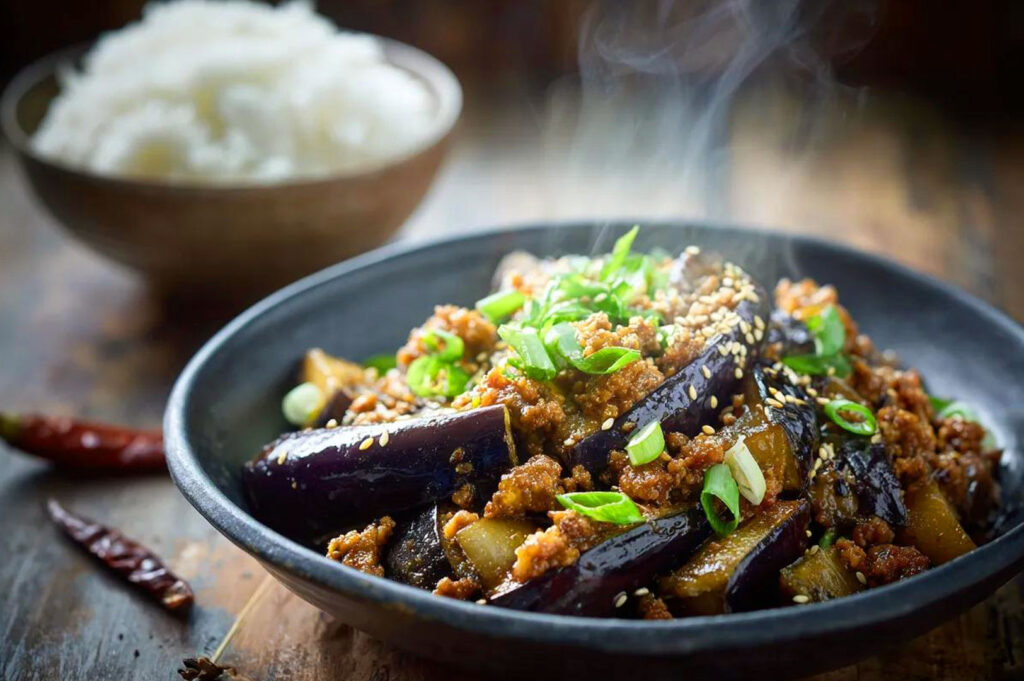
Singapore’s vibrant food culture embraces Chinese eggplant dishes with unique local twists that celebrate both tradition and innovation. The long Chinese eggplant, easily found in wet markets and supermarkets such as NTUC FairPrice and Sheng Siong, is a common ingredient in many households. Its affordability and availability make it a favourite for home cooks eager to recreate authentic restaurant-style eggplant with garlic sauce.
Popular Local Ingredients and Flavour Enhancements
One hallmark of Singaporean adaptations is the incorporation of fiery chili oil or pickled chili, which adds a bold heat element that resonates with the local palate. This spicy kick elevates the dish, making it more dynamic and exciting. Additionally, many recipes include minced pork, which enriches the sauce with a savory depth and hearty texture. This addition bridges traditional Chinese cooking methods with Singapore’s love for robust, meaty flavours.
Shaoxing rice wine is another key component frequently used in Singaporean versions. Its subtle sweetness and complexity deepen the stir fry sauce, enhancing the overall taste profile. These ingredients collectively create a fragrant, well-rounded dish that is both familiar and distinctively local.
Healthier Cooking Techniques: Pan-Searing and Steaming
While traditional Chinese eggplant recipes often rely on deep frying for that silky texture, Singaporean home cooks are increasingly adopting healthier methods without sacrificing flavour. Pan-searing the eggplant pieces in a hot skillet gives them a slight char and crispy texture on the outside. Following this with steaming under a pot lid helps the eggplant cook through evenly, resulting in tender, soft pieces that absorb the sauce beautifully.
This combination reduces the amount of oil used, lowering saturated fat content while preserving the signature rich taste and luscious mouthfeel of the dish. It is a perfect example of how Singaporean adaptations balance health consciousness with authentic culinary satisfaction in their side dish cuisine repertoire.
Savour the Culinary Journey
Understanding what the wok is actually doing is the key to unlocking an entire world of Eggplant Recipes Asian vegetable dishes. The wok is not just a pan; it is a tool that controls how oil, heat, and moisture move through your ingredients.
Do not be discouraged by past failures. Grab some fresh, vibrant produce from the market, heat up your wok, and embrace the velvet logic of this beautiful technique. When you finally pull off that perfectly structured, creamy, and glossy dish, you will realise that you have not just cooked a meal, you have mastered a genuinely innovative culinary experience. Taste the world, share it with your friends, and enjoy the delicious results.
Beyond the kitchen, tea holds a revered place in Chinese culture, offering a soothing complement to the bold and vibrant flavours of dishes like Chinese eggplant with garlic sauce. Tea in China is not just a beverage but a cultural ritual.

Best Fish Soup in Singapore: Bowls Where the Broth Is the Whole Point
Eat Drink Asia Team | October 15, 2026
I don’t remember when fish soup became my quiet meal. It just did. On days when I couldn’t decide what I wanted, when the weather turned grey, when I needed something warm that asked nothing of me, I’d end up hunched over a bowl, breathing in the steam before the first spoonful. I’ve eaten a…
-
The Clay Stove Heat Beneath a Lao Grilled River Fish
Eda Wong | October 14, 2026
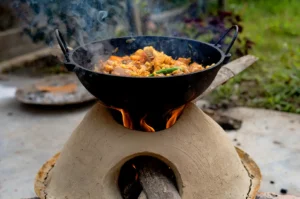
By Eda Wong for Eat Drink Asia It’s late afternoon, and the river is the colour of weak tea. A woman crouches beside a small clay stove at the edge of the bank, feeding it slivers of charcoal. Smoke lifts, thin and grey, and drifts toward the water. On a bamboo skewer, a whole fish…
-
The National Dish of Indonesia Is Not One Plate: Why a Country of Islands Needs Many Icons
Dio Asahi | October 13, 2026
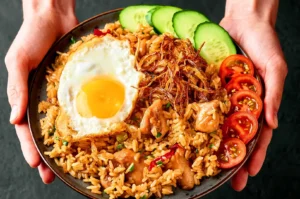
The first time someone asked me for the national dish of Indonesia, I answered nasi goreng without thinking. It seemed obvious: fried rice darkened with kecap manis, often topped with a fried egg, familiar from warungs and late-night street food stalls. That answer is not wrong. It is simply too small. Indonesian food is regional,…

Sapporo in a Bowl: Soup Curry by Ki-setsu Comes to Singapore
Eda Wong | October 12, 2026
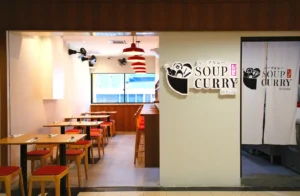
Ask most Singaporeans to picture Japanese curry and a familiar image probably comes to mind: a plate of rice beneath thick brown gravy, perhaps with a breaded cutlet sliced neatly across the top. It is rich, sweet-edged, comforting and, by now, almost as recognisable as ramen or donburi. Head to the fourth floor of Fortune…
-
Meokja by Jungga Review: The Halal Korean Snack Table That Knows What It’s Doing
Eda Wong | October 10, 2026
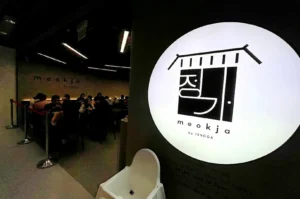
I had not planned to eat at Meokja by Jungga. I was walking down North Bridge Road on a Tuesday, somewhere around the awkward hour between lunch and dinner, when I caught the smell of something frying and the low clatter of a kitchen working hard. I looked up, saw the sign, and my feet…
-
Seoul Bunsik Funan Review: The Comfort of Korean Street Food Without the Street
Eat Drink Asia Team | October 8, 2026
I have eaten ramyeon on a plastic stool in Seoul, close to midnight, with cold air biting at my ankles and the broth doing all the work of keeping me warm. Seoul Bunsik Funan is not that. This was a bright Tuesday afternoon, escalators humming behind me, the smell of mall air-con instead of street…
-
The Last Turn of Tamagoyaki in a Tsukiji Pan
Dio Asahi | October 7, 2026
By Dio Asahi for Eat Drink Asia. It’s mid-morning, and the cook doesn’t look up. He stands over a rectangular pan, copper worn to a dull gold at the edges, and pours a thin skin of beaten egg across its surface. It hisses. Steam rises, warm and faintly sweet, and he tilts the pan just…
-
Seafood Restaurants in Singapore That Turn Crab Night Into a Full Table Ritual
Dio Asahi | October 6, 2026
It always starts the same way for me. Someone lifts the lid off a plate of chilli crab, and the whole table leans in. Fingers reach before spoons do. Somebody tears the first piece of fried mantou, drags it through that sticky, sweet-savoury sauce, and the rest of us stop talking for a second. That…
-
Korean Street Food Is Built for Movement, Heat, and One-Handed Eating
Eda Wong | October 3, 2026
The first time I ate tteokbokki in Seoul, I burned my tongue standing up. It was late, the air was sharp with cold, and I had stopped at a small street food stall near a subway exit because the steam pulled me in. The woman handed me a paper cup of rice cakes in red…
-
Mrs Pho and the Bowl That Makes Somerset Feel Like a Vietnamese Family Table
Eat Drink Asia Team | October 1, 2026
I wasn’t hungry when I walked into 313@somerset. I’d come for something else entirely; an errand, a shop I needed, the usual Orchard rush of people moving faster than the escalators. But somewhere on the first floor, past the noise, I caught the smell of star anise and beef bone, and my feet slowed down…