Japanese cuisine has long been admired for its attention to seasonality, precision, and respect for ingredients. However, behind every piece of sashimi or carefully prepared seafood dish lies a story that begins far away from the dining table, often with fishermen, coastal communities, and generations of knowledge passed down through time.
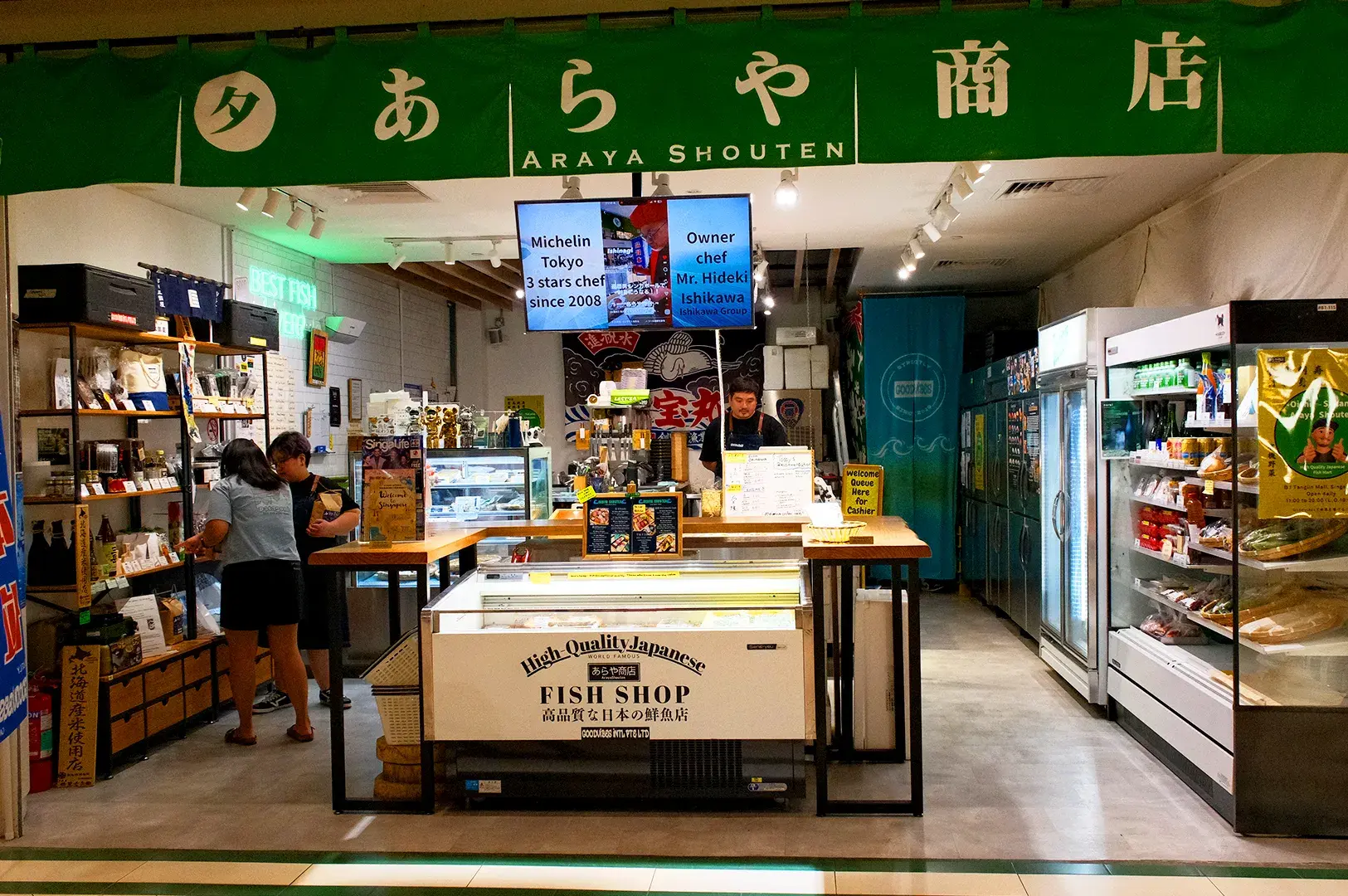
At Araya Shouten, seafood is not treated as just another ingredient. The Japanese seafood specialist at Tanglin Mall represents a deeper connection between Singapore and Japan’s fishing heritage, bringing carefully sourced fish, traditional practices, and the stories of Japanese suppliers directly to local diners.
For many, Japanese food culture begins and ends at the counter of Japanese restaurants. Araya Shouten offers a different perspective, inviting customers to understand where their seafood comes from, how it is handled, and why every selection carries a history of its own.
A Lifelong Connection to Japan’s Fishing Heritage
Before establishing Araya Shouten in Singapore, Araya-san’s relationship with seafood began in Tomakomai, Hokkaido, where he grew up surrounded by Japan’s fishing culture. His grandfather was a commercial fisherman at Kushiro Port, and his family’s connection to the ocean shaped his understanding of quality from a young age.
Rather than learning about fish only through textbooks or professional kitchens, Araya-san developed his palate through everyday experiences. Growing up eating sashimi-grade fish delivered from fishing communities gave him an instinctive understanding of what exceptional seafood should taste like.
This connection to Hokkaido remains central to Araya Shouten’s philosophy today. The shop is built around the belief that seafood carries more than flavour. It carries the knowledge of fishermen, the conditions of the ocean, and the traditions of communities that have relied on fishing for generations.
Preserving Japanese Fishing Culture Through Seafood
The story behind Araya Shouten is also a story about preservation. Across Japan, traditional fishing communities face challenges including an ageing workforce, fewer successors, and changing ocean conditions.
For Araya-san, supporting these communities is part of the responsibility that comes with working in the seafood business. He believes that when fishermen disappear, an important part of Japanese food culture disappears with them.
This philosophy influences how Araya Shouten works with suppliers across Japan. Instead of treating seafood as a simple commodity, the shop builds relationships with producers and fishing communities to maintain access to high-quality ingredients while supporting the people behind them.
Every piece of fish reflects this connection. Whether customers buy fresh sashimi singapore for home dining or enjoy seafood prepared at the shop, they are experiencing a small part of Japan’s coastal heritage.
Beyond Tokyo’s Toyosu Market: Following Seafood Back to Its Source
Many people associate Japanese seafood with Tokyo’s Toyosu market, one of the world’s most famous seafood marketplaces. While Toyosu plays an important role in Japan’s seafood industry, Araya Shouten takes a different approach by building direct relationships with fishing ports and suppliers.
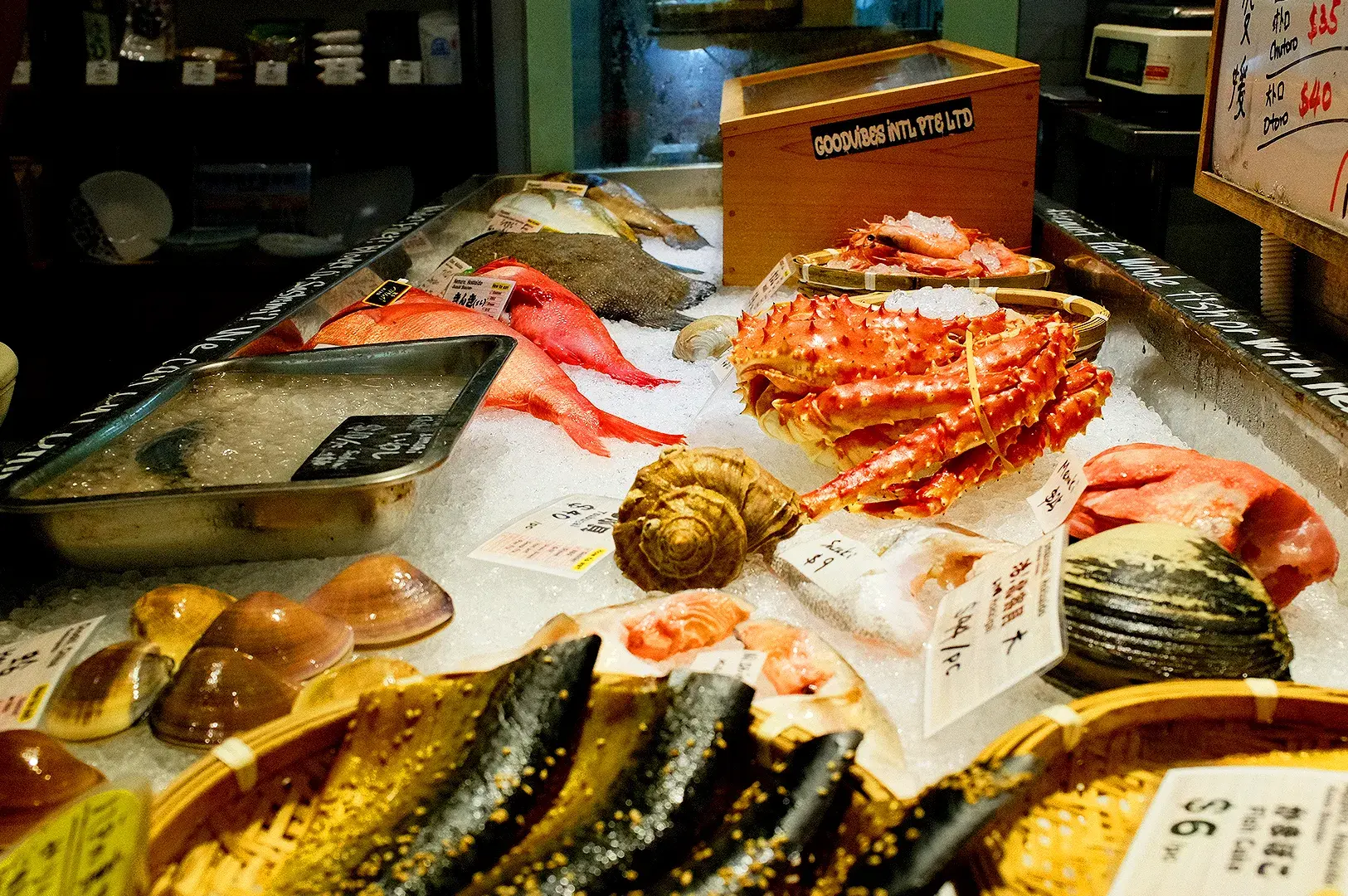
The shop sources seafood from different regions across Japan, including Hokkaido, Choshi, Hakodate, Shimonoseki, and other fishing areas. By working more directly with suppliers, Araya Shouten focuses on accessing seafood closer to its origin.
This approach allows the shop to offer a selection that changes with the seasons rather than following a fixed catalogue. The ocean determines what is available, meaning customers may discover different types of fish depending on the catch.
For diners in Singapore, this creates an opportunity to experience seafood that reflects Japan’s regional diversity. Instead of receiving a similar selection found everywhere else, customers can explore ingredients connected to specific fishing communities and seasons.
The Craft Behind Fresh Seafood
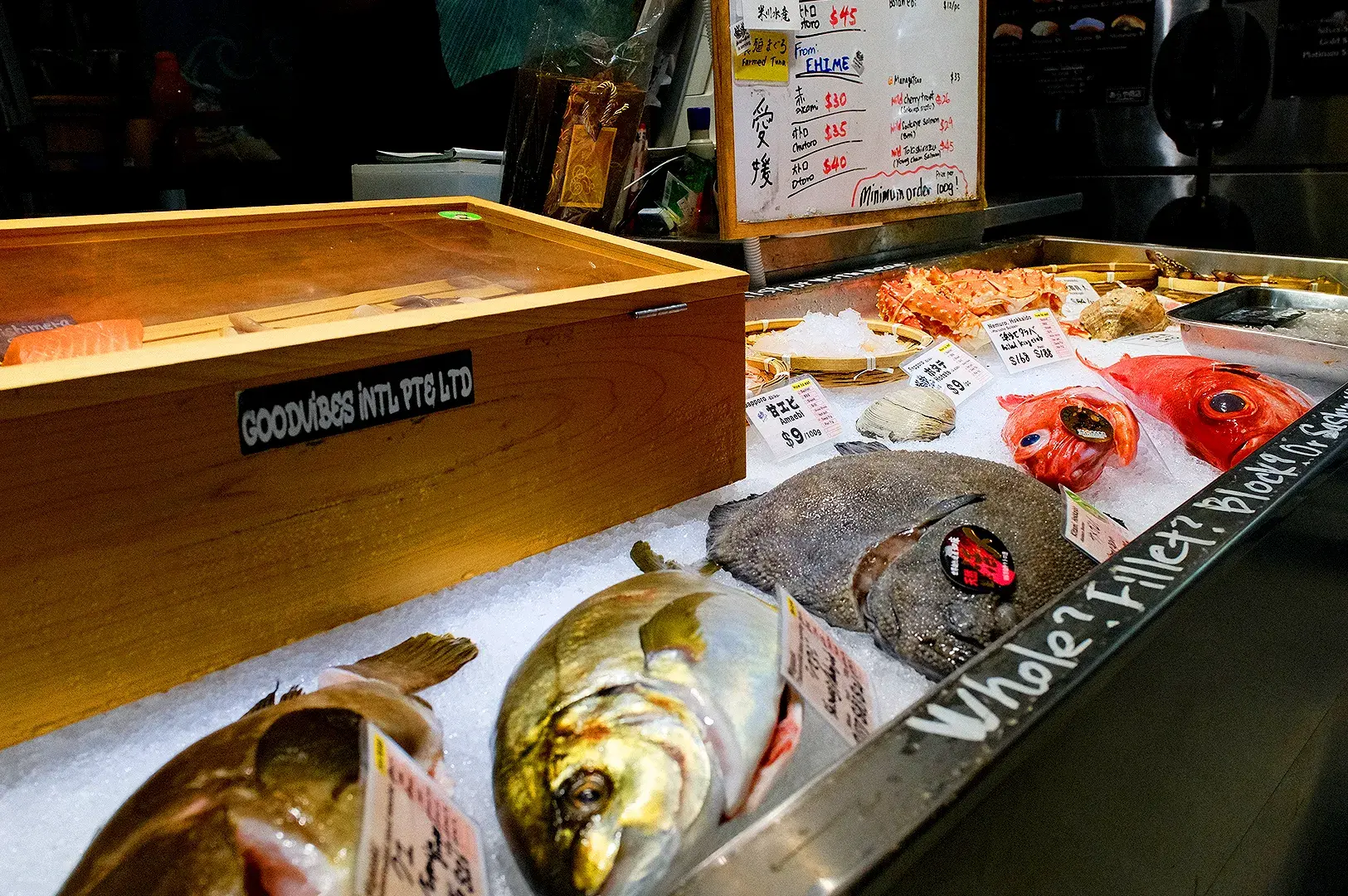
Quality seafood is determined long before it reaches the kitchen. At Araya Shouten, careful handling techniques play an important role in preserving flavour, texture, and freshness.
The shop’s relationships with suppliers allow certain handling methods to be carried out immediately after the catch. Techniques such as Shinkei Jime and Sumotoshiki blood removal help maintain the natural qualities of the fish while reducing unwanted flavours.
These processes may happen far away from Singapore, but they influence every bite. The difference can be experienced through the clean taste and texture of the sashimi, allowing diners to appreciate the care taken before the seafood reaches their plate.
This attention to detail is also why Araya Shouten has earned the trust of professional kitchens. The business has supplied seafood to Japanese restaurants, including Michelin-recognised establishments, before opening its own retail shop for everyday customers.
Bringing Japanese Seafood Culture, from Ikura to Katte Don, to Tanglin Mall
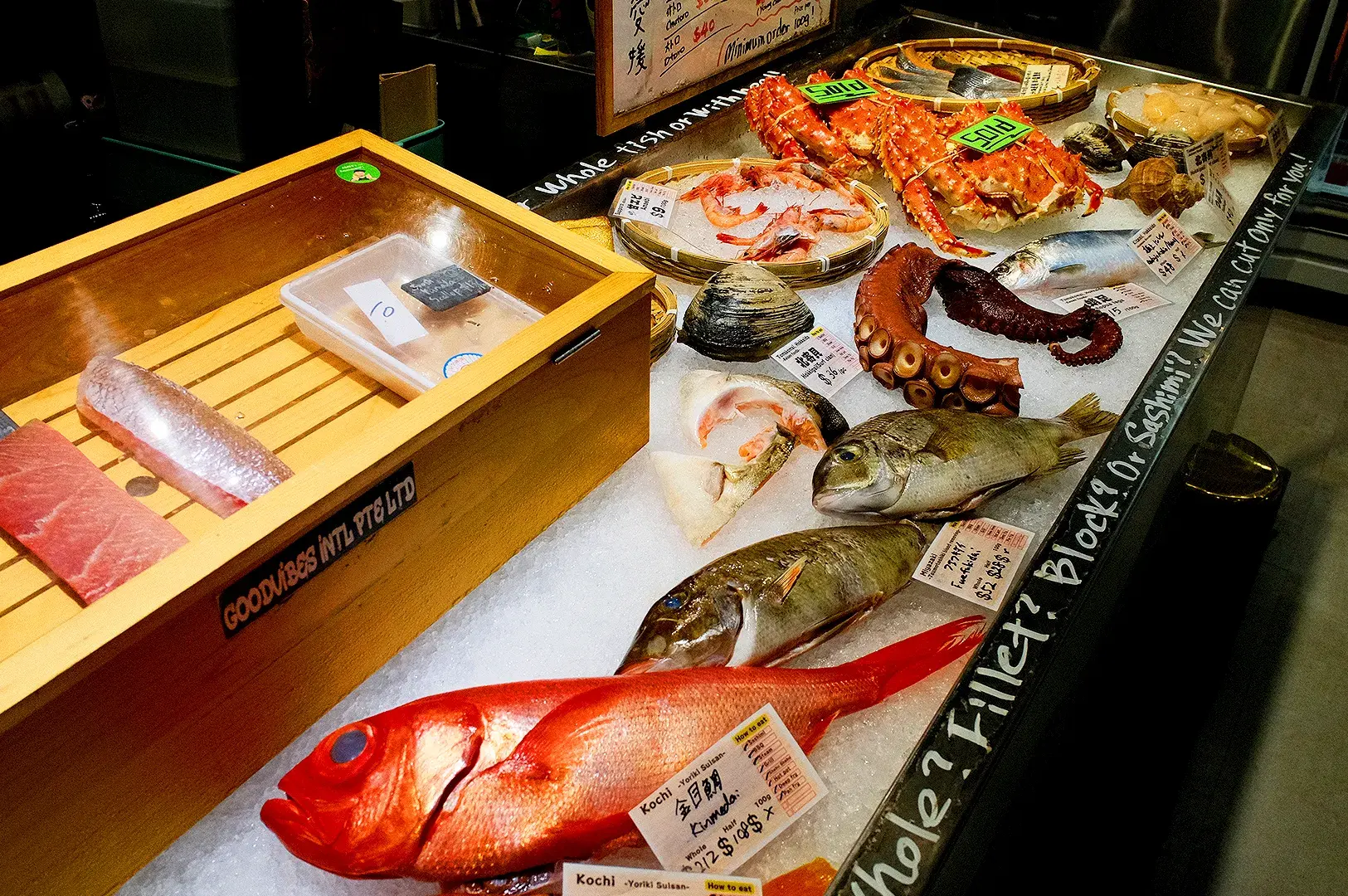
Located at Tanglin Mall, Araya Shouten gives Singapore diners access to restaurant-quality seafood in a more approachable setting. The shop allows customers to explore premium ingredients, ask questions, and better understand the seafood they are bringing home.
The experience is different from a typical seafood counter. Customers can discover seasonal fish, rare varieties, and ingredients that may not always appear in conventional supermarkets.
The shop’s offerings include sashimi-grade seafood, sea urchin, ikura, spot prawn, and seasonal selections sourced according to availability. Those looking to recreate Japanese dining experiences at home can also find ingredients suitable for preparing dishes such as chirashi don and katte don.
A chirashi don combines colourful seafood with rice (something you can explore more in this article), while katte don reflects the freedom of choosing preferred toppings over a bowl of rice. Both dishes highlight an important part of Japanese food culture: allowing quality ingredients to speak for themselves.
More Than A Place To Buy Seafood
What makes Araya Shouten different is not simply its selection of seafood, but the story behind every ingredient. The shop represents a connection between Japan’s fishing communities and Singapore’s growing appreciation for authentic Japanese cuisine.
In a similar way that traditional Japanese restaurants preserve culinary techniques through chefs, Araya Shouten preserves seafood knowledge through sourcing, relationships, and respect for producers.
The experience reminds diners that great seafood is not created only in the kitchen. It begins with the ocean, the fishermen, the suppliers, and the generations of knowledge that make every ingredient possible.
For those who want to understand Japanese seafood beyond the surface, Araya Shouten offers more than fresh seafood. It offers a way to connect with Japan’s coastal heritage, one carefully selected fish at a time.

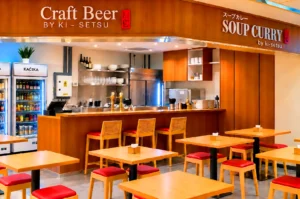
Craft Beer by Ki-setsu: What I Would Order Again
Eda Wong | November 25, 2026
The pour I’d come back for doesn’t sit still. Selling Sunset arrives as pale beer beneath a cap of dark foam, which gradually settles through the glass. The colour changes while you wait for your food, turning a simple drink into something worth watching. That small piece of theatre captures what makes Craft Beer by…
-
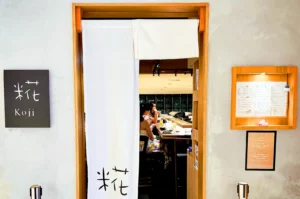
At Koji Sushi Bar, the Chirashi Begins With the Rice
Eda Wong | November 24, 2026
By Eda Wong for Eat Drink Asia. It’s a little before noon, and Raffles City is still mostly footsteps. Outside Koji Sushi Bar, shoppers drift past with paper bags and iced coffees. Inside, the counter is pale wood, wiped so clean it almost shines. A chef runs a damp cloth along its edge, then turns…
-
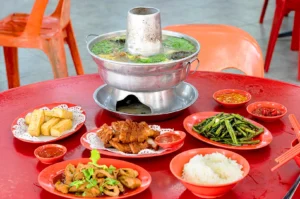
Fish Head Steamboat in Singapore: Places Where the Broth Brings Everyone Together
Eda Wong | November 21, 2026
When I was small, fish head steamboat meant my grandfather lifting the lid off a charcoal pot and disappearing behind the steam for a second. When he came back into view, he was already reaching for the yam. Nobody looked at their phones at those dinners. You couldn’t. The pot kept asking for attention. Someone…
-
Craft Beer Singapore: 12 Bars Pouring Asia’s Best Small Breweries
Dio Asahi | November 20, 2026
Singapore’s craft beer scene makes more sense when you stop asking which bar has the most taps. What matters more is what those taps represent. Some craft beer bars concentrate on Singapore breweries and local brews, while others open the door to Vietnamese pale ale, Japanese IPA, imperial stout, natural wines, or bottles that may…
-
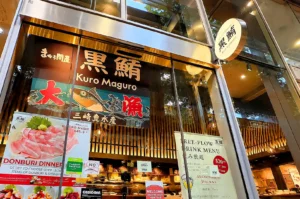
Kuro Maguro and a Lunch Bowl That Trusts the Tuna
Dio Asahi | November 18, 2026
By Dio Asahi for Eat Drink Asia. It’s a few minutes past noon at Guoco Tower, and the lunch crowd moves in lanyards and quick steps. Inside Kuro Maguro, the noise drops a little. At the counter, a man in a white apron draws his knife through a block of deep red tuna in one…
-
Penang Seafood Restaurant Review: Fried Sotong, Lala Hokkien Mee, and a Zi Char Room Built on Texture
Eda Wong | November 14, 2026
The first thing I heard was the wok. Not the polite sizzle of a quiet stall, but a hard metallic scrape, then a roar of flame, then another scrape. It carried out to the five-foot way along Aljunied Road, past waiting families, parked bikes, and the small knot of people checking whether their table was…
-
Island Penang Kitchen Review: Penang Food, Wok Smoke, and Assam Laksa in Clementi
Eat Drink Asia Team | November 12, 2026
I smelled the wok before I found the door. It drifted across the void deck of Block 721, past bicycles chained to railings and an uncle reading the papers on a stone bench. Burnt soy, pork lard, and that faint scorched edge you only get from a pan pushed past polite heat. Then, a few…
-
The Quiet Ferment Behind a Jar of Thai Pickled Garlic
Eda Wong | November 11, 2026
By Eda Wong for Eat Drink Asia. The jar sits on the windowsill of a shophouse kitchen in Bangkok, between a bottle of fish sauce and a tin of mismatched spoons. Morning light comes through it, turning the liquid inside the color of weak tea. Behind me, a pot of rice porridge ticks and bubbles…
-
Malaysian Chinese Food Speaks in Texture: The Craft Behind Every Bite
Dio Asahi | November 10, 2026
The first person who taught me to eat with my teeth was a woman whose name I never learned. Years ago, in a coffee shop in Ampang, we ended up sharing a table because every other seat was taken. Fans clacked overhead. A bowl of yong tau foo steamed between us. Before she ate, she…
-
Romantic Restaurants Singapore: Date Night Restaurants Where the Food Is Not an Afterthought
Eda Wong | November 7, 2026
The worst date I ever planned had a beautiful view. It was a rooftop, years ago. The skyline glittered, the candles flickered in little glass jars, and the table looked like something you would save on Pinterest. Then the pasta arrived lukewarm and tasted of very little. We spent most of the evening admiring the…