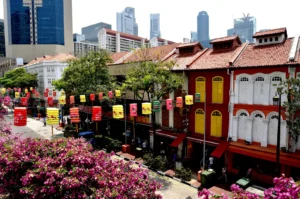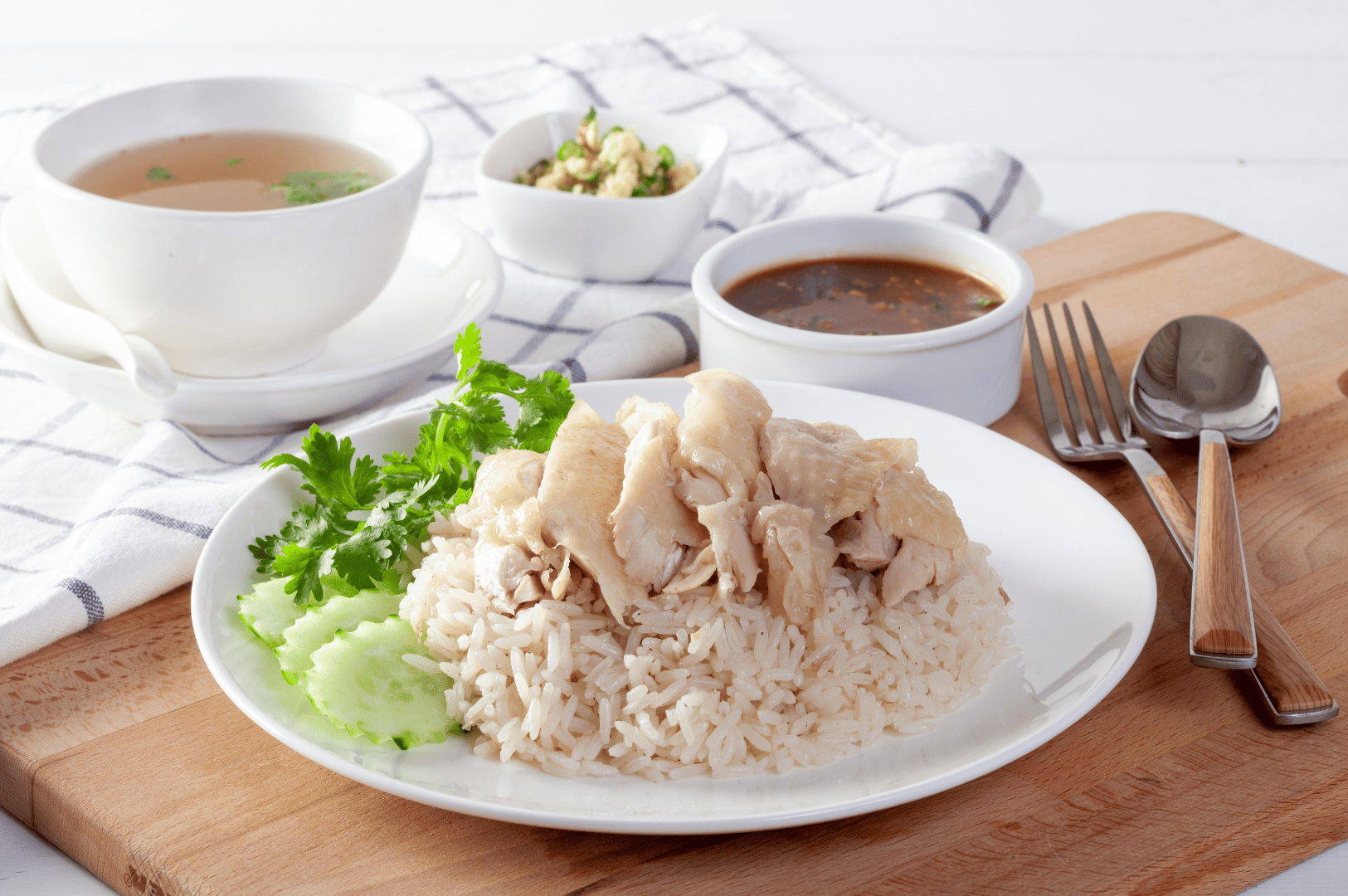
To wander through Singapore’s bustling hawker centres on a humid evening is to experience a symphony of sights, sounds, and smells. Among the many other dishes sizzling away, one plate stands out for its elegant simplicity: Hainanese Chicken Rice. It arrives without fanfare—gleaming slices of poached chicken over fragrant rice, flanked by a trio of sauces and a delicate broth. This dish is far more than a simple meal; it is an icon, a cultural cornerstone that tells a story of migration, adaptation, and culinary perfection. To understand it is to understand the heart of Singapore.
While it is Singapore’s national dish, its origins trace back to Hainan, a southern province of China. There, a different breed of chicken, the Wenchang, was used to create a similar dish. When Hainanese immigrants brought their recipes to Singapore, they adapted to local ingredients. The quest to make a tender, succulent dish from local chickens led to the refined Hainanese chicken rice recipe we know today—a process driven by an intuitive grasp of food science.
The Science of the Perfect Poached Chicken
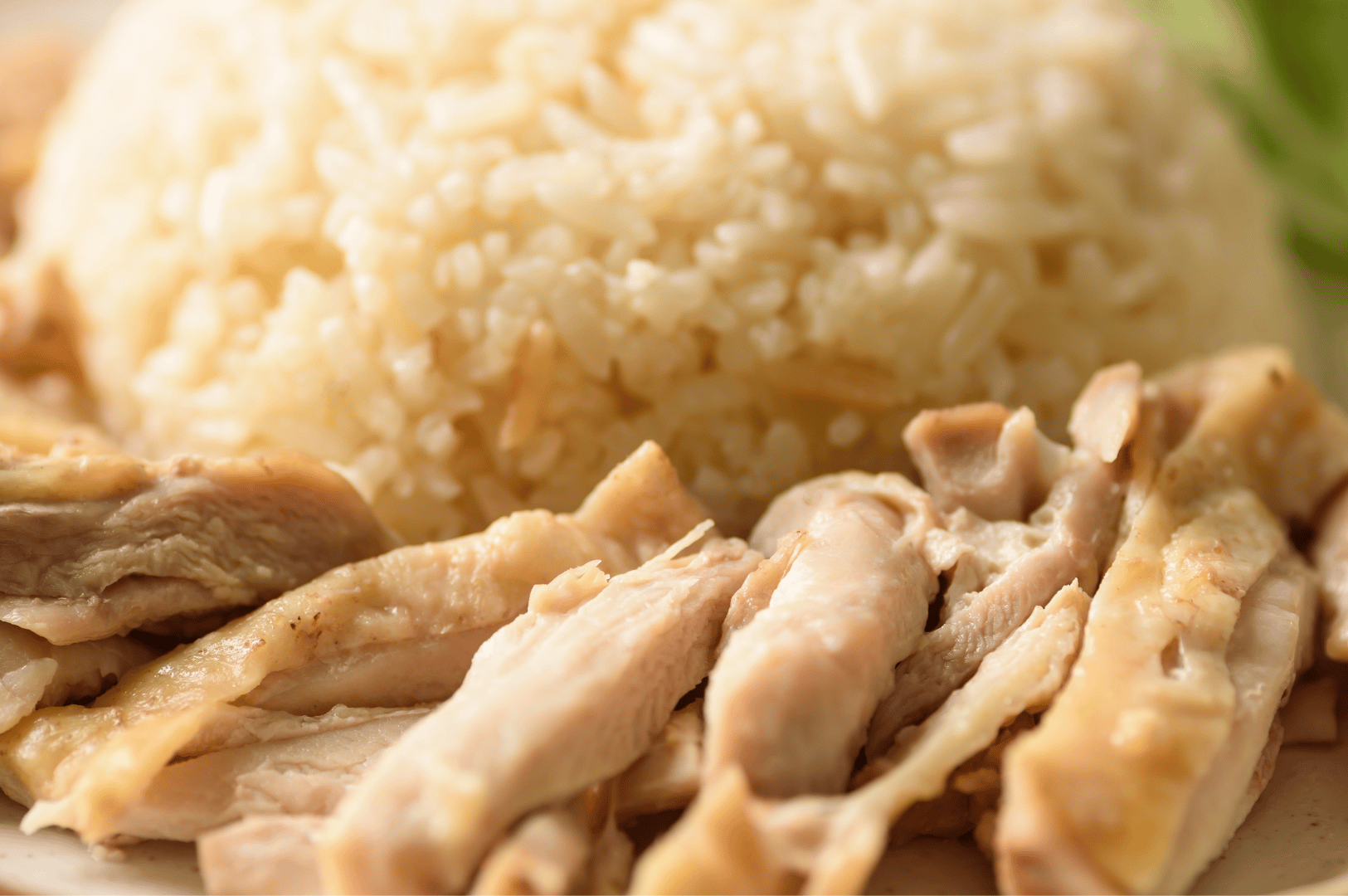
The soul of this dish is the chicken. The goal is not a crispy skin but something far more refined: a smooth, gelatinous chicken skin and meat so tender it melts in your mouth. This result hinges on a meticulous cooking process, a ritual where temperature control is everything. Mastering the poach is the first step toward a five-star review recipe.
Temperature Control: The Secret to Tenderness
The core technique is poaching a whole chicken. The process begins when you add chicken to a large pot of flavorful poaching liquid, often infused with pandan leaves, ginger, and garlic. This is brought to a boil, then the heat is immediately reduced to a gentle simmer. Many recipes call for cutting the heat entirely, covering the pot, and letting the chicken cook in the residual heat of the hot water, which remains around 80-85°C (176-185°F). This low temperature cooking is crucial.
Cooking meat involves protein denaturation. High heat causes muscle fibers to contract quickly, forcing out moisture and leading to tough meat. The gentle, low-temperature poaching method allows these proteins to denature slowly, retaining the natural juices. This ensures the chicken breast, which can easily dry out, remains moist and perfectly cooked. For precision, an instant-read thermometer inserted into the thickest part of the thigh should register the ideal temperature for doneness without overcooking.
Simultaneously, this gentle heat works magic on collagen, the connective tissue found in the chicken skin and joints. The slow cooking process transforms this collagen into soft gelatin, giving the poached chicken its signature silky mouthfeel. This food science principle is why the skin is delightfully smooth, not rubbery.
The Critical Ice Bath
Once the chicken is cooked through, you carefully lift it from the pot and immediately plunge it into an ice bath. This step is a non-negotiable part of the Hainanese chicken rice recipe. The thermal shock causes the chicken skin and the layer of saturated fat beneath it to contract and tighten. This rapid cooling locks the gelatin in place, creating a smooth, almost translucent layer. It also stops the cooking process cold, guaranteeing the delicate meat doesn't become tough.
Engineering Flavor: The Chemistry of the Rice
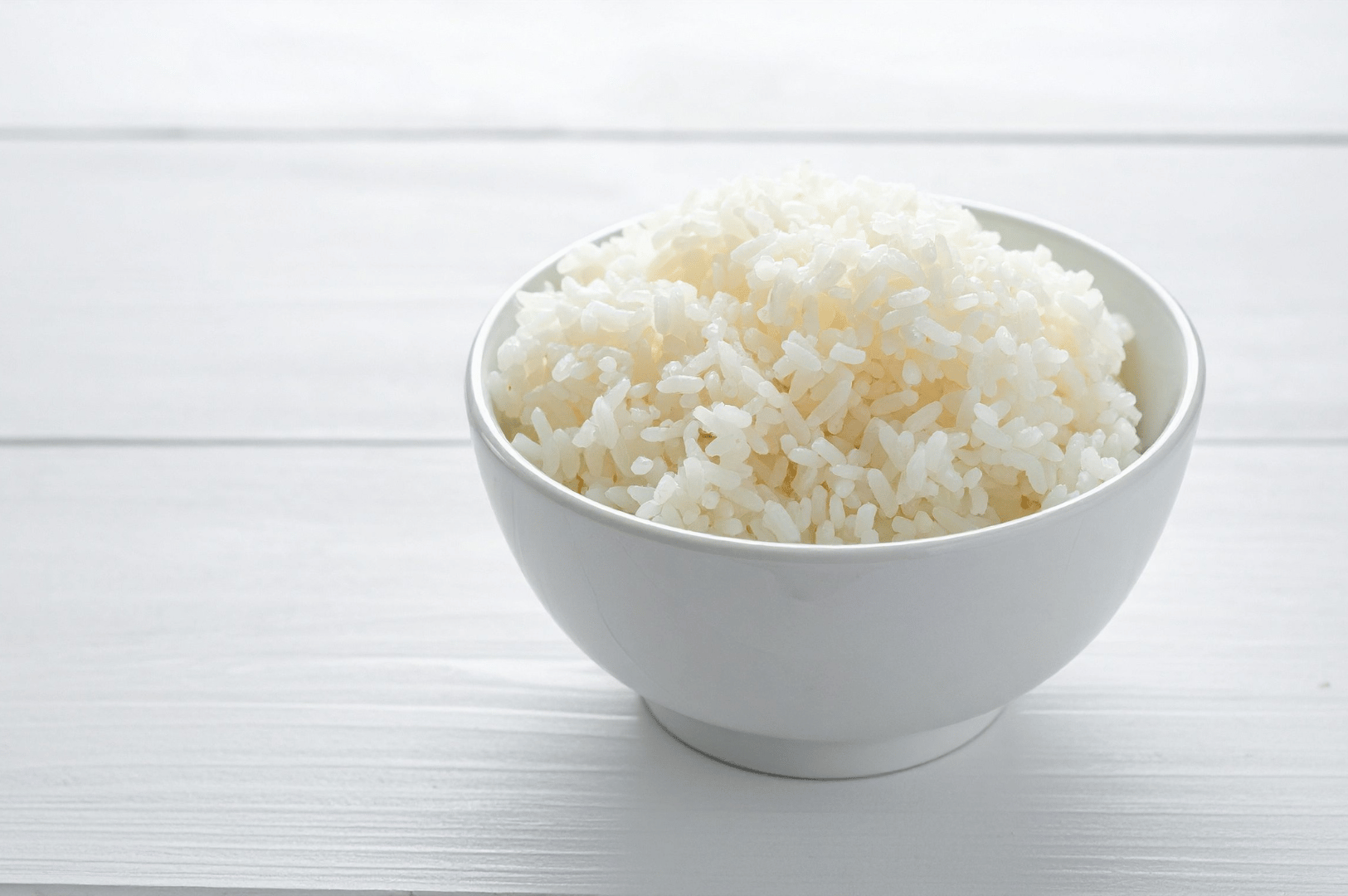
While the chicken is the star, the rice is its essential partner. This is no ordinary steamed rice; it is a flavor-delivery system. Each grain is slick, savory, and aromatic. The secret is chicken fat.
Before cooking, raw rice grains are sautéed over medium heat in rendered chicken oil along with finely minced ginger and garlic. This step leverages flavor chemistry. Fat is an excellent solvent for the aromatic compounds in the ginger and garlic, coating each grain.
Next, instead of plain water, flavorful chicken stock from the poaching liquid is added to the rice cooker pot. As the rice steams in the rice cooker, two things happen. The water-soluble flavors from the chicken broth are absorbed into the grains, while the fat-soluble aromas of ginger and garlic bloom. The chicken fat also keeps the grains separate, ensuring a glossy, non-sticky texture. The result is a fragrant, savory rice that is delicious enough to eat on its own.
A Symphony of Sauces
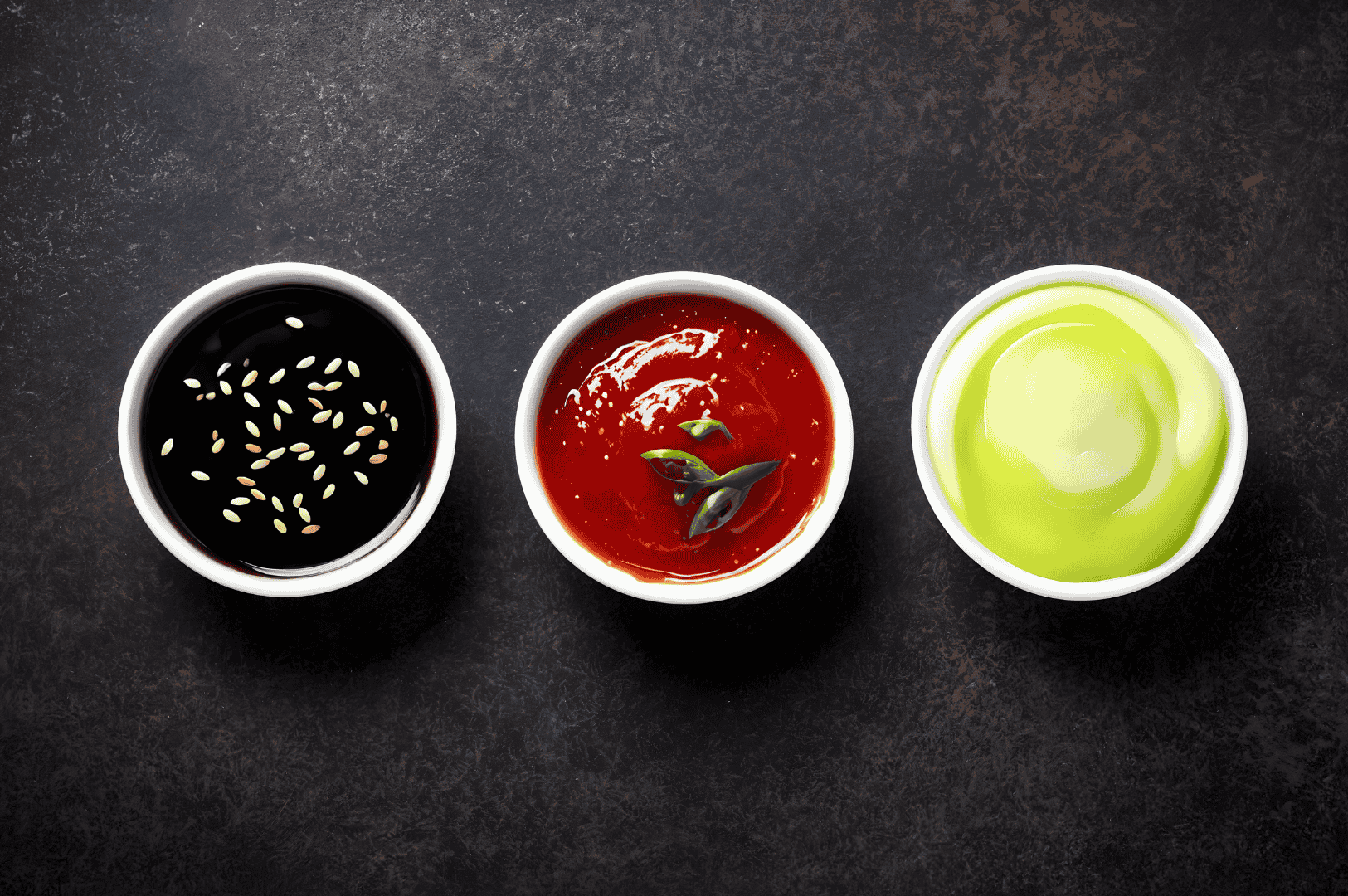
Hainanese Chicken Rice is incomplete without its three companion sauces. Each one is designed to enhance the dish, allowing for a personalized flavor journey.
The Chilli Sauce
The fiery heart of the trio, this sauce provides a sharp, acidic kick. A vibrant blend of fresh chillies, garlic, ginger, and lime juice is often balanced with sugar and a little chicken stock. A food processor makes quick work of creating a smooth consistency. This sauce cuts through the richness of the chicken and rice.
The Ginger Mixture
A simple yet potent paste. Finely minced young ginger is combined with finely chopped spring onions and a neutral oil to create a fresh, zesty counterpoint. Sometimes called spring onion oil, it cleanses the palate and highlights the chicken's delicate sweetness. Preparing it in a small bowl is easy.
The Soy Sauce Dressing
This is often a blend of light soy sauce and dark soy sauce, sometimes thinned with a little water or stock and sweetened with a touch of sugar. A drizzle of sesame oil adds nutty aroma. The light soy sauce provides saltiness, while the thick, viscous dark soy sauce adds a deep, malty sweetness and a rich color.
Together, these sauces—the chili, the ginger, and the soy sauce—allow each person to customize their plate.
Cooking Tips for the Perfect Dish at Home
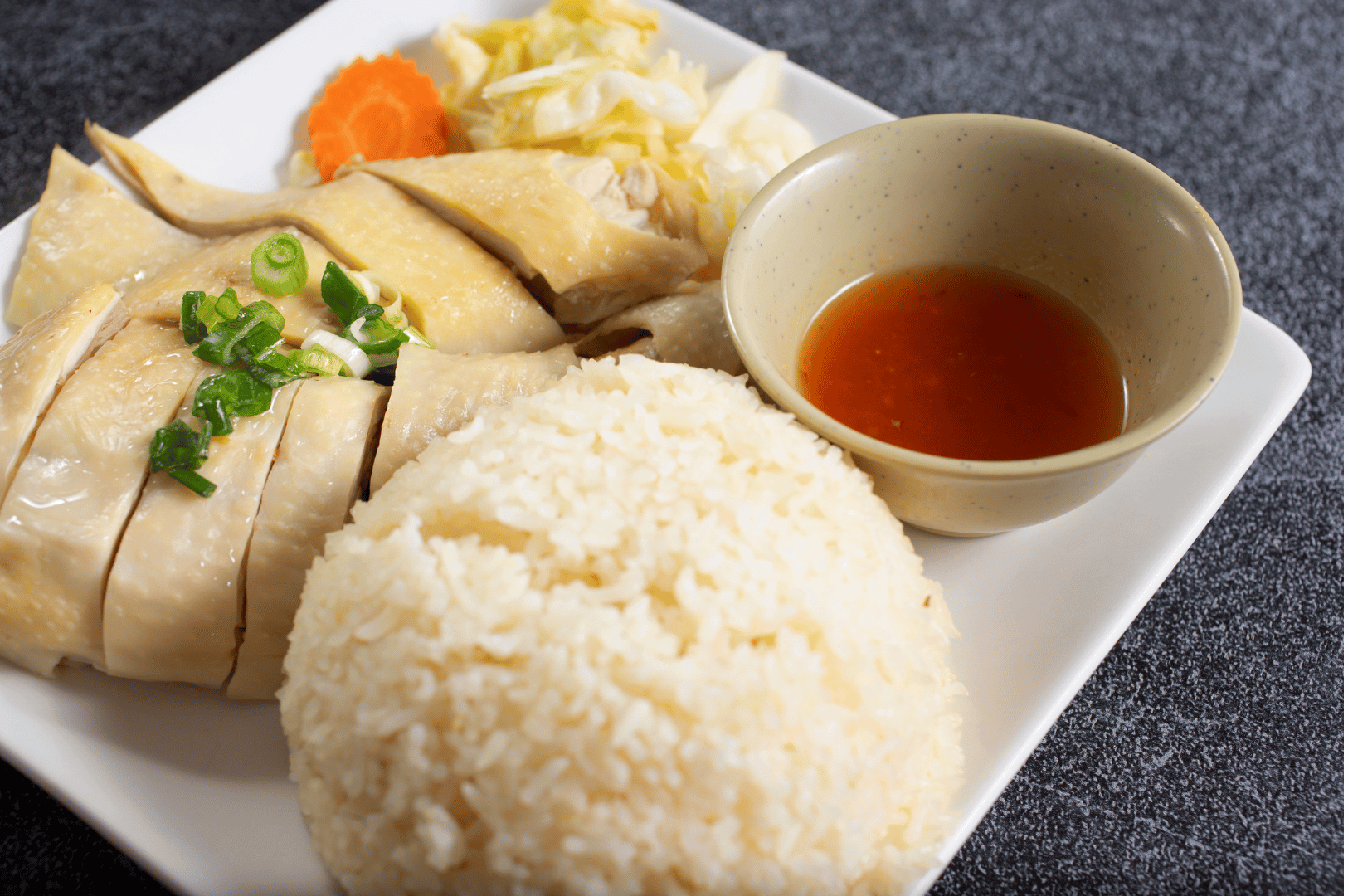
Creating authentic Hainanese chicken is achievable with attention to detail. Follow these cooking tips for success:
- Start with a Clean Chicken: Ensure the whole chicken is clean inside and out. Rub it with coarse salt and rinse thoroughly to prepare the skin.
- Monitor the Cooking Time: Poaching a chicken can take close to one hour, depending on its size. Use an instant-read thermometer to check for doneness.
- Reserve the Broth: The poaching liquid is gold. Use it to cook the rice and to serve as a simple chicken soup alongside the meal. Ladle some into a small saucepan and season it with salt and spring onions for a light broth.
- Render the Fat: Don't discard excess chicken fat. Render it on low heat to create the chicken oil needed for the rice. It makes a world of difference.
- Serve Correctly: The chicken should be served at room temperature, not hot. Carve it and arrange it over the rice with sliced cucumber.
For those looking for modern methods, sous vide cooking offers incredible temperature control. Cooking chicken breasts or chicken thighs sous vide before a quick poach can yield exceptionally tender results, although it departs from the traditional one-pot method.
A Unifying Dish
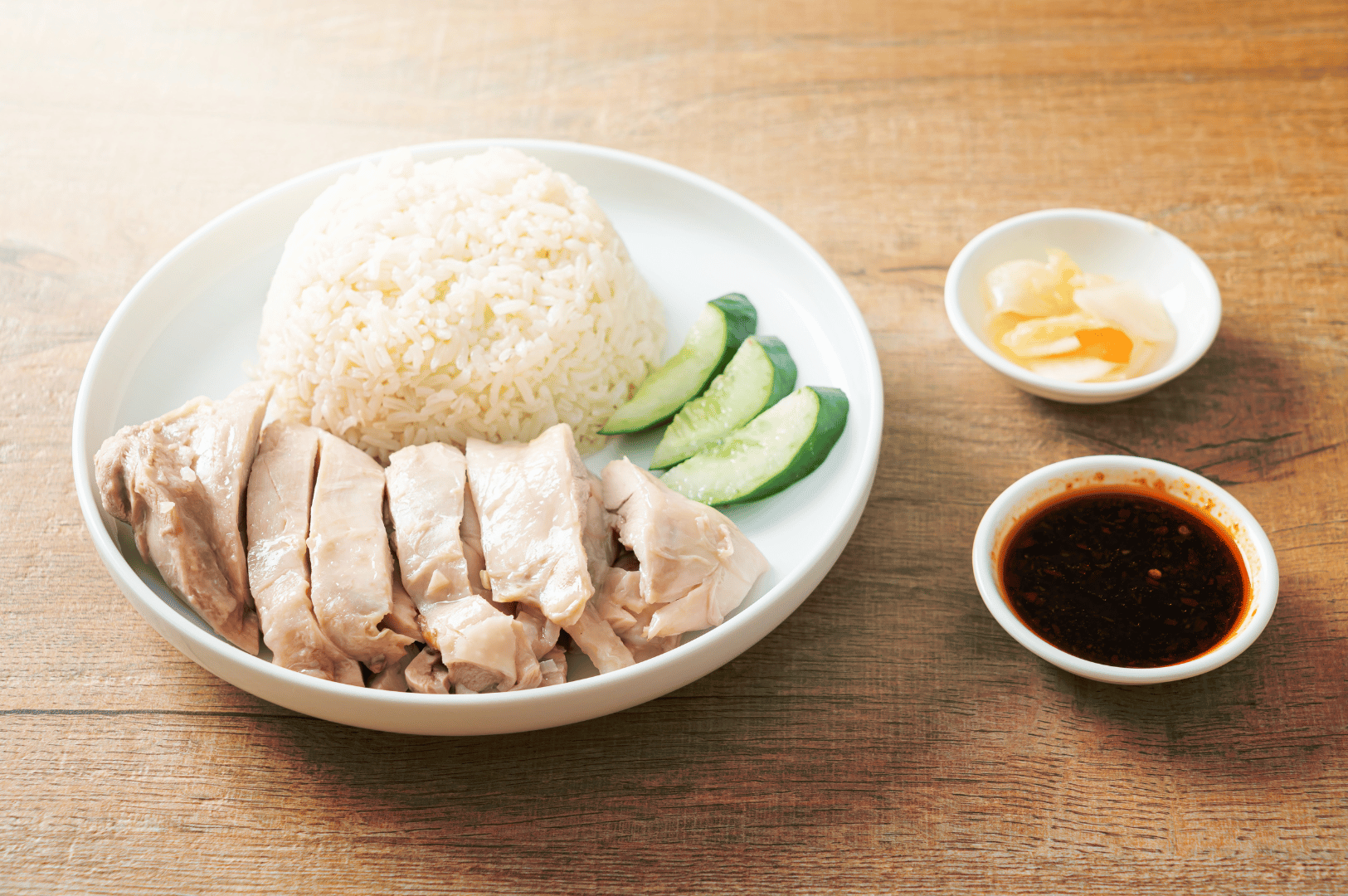
In Singapore, chicken rice transcends social and cultural lines. At hawker centres, you’ll find people from all walks of life enjoying the same beloved meal. It’s a dish that unites a nation of immigrants, a symbol of how something imported can be perfected and adopted as a national treasure. It represents a commitment to excellence, where even simple recipes are elevated through meticulous technique.
From the precise low-temperature cooking of the poached chicken to the fat-infused chemistry of the rice, this dish is where food science and soul meet. It’s a testament to generations of cooks who mastered these principles to create something deeply comforting. To eat it is to taste history, innovation, and the unifying spirit of Singapore. We hope you will review this recipe and comment something about your experience creating this wonderful dish at home. While we don't provide detailed nutritional information or nutrition facts, it's a balanced meal that continues to delight diners worldwide.
If you enjoyed this story, explore more culinary journeys in Bubble Tea Origins: How Taiwan Created a Global Beverage Phenomenon and A Food Lover’s Guide to the Taiwanese Oyster Omelet—each a celebration of Asia’s rich food heritage and innovation.

The Last Turn of Tamagoyaki in a Tsukiji Pan
Dio Asahi | October 7, 2026
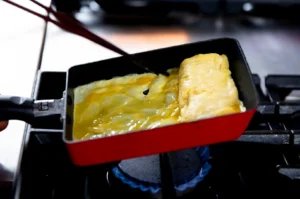
By Dio Asahi for Eat Drink Asia. It’s mid-morning, and the cook doesn’t look up. He stands over a rectangular pan, copper worn to a dull gold at the edges, and pours a thin skin of beaten egg across its surface. It hisses. Steam rises, warm and faintly sweet, and he tilts the pan just…
-
Seafood Restaurants in Singapore That Turn Crab Night Into a Full Table Ritual
Dio Asahi | October 6, 2026
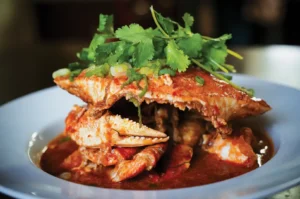
It always starts the same way for me. Someone lifts the lid off a plate of chilli crab, and the whole table leans in. Fingers reach before spoons do. Somebody tears the first piece of fried mantou, drags it through that sticky, sweet-savoury sauce, and the rest of us stop talking for a second. That…
-
Korean Street Food Is Built for Movement, Heat, and One-Handed Eating
Eda Wong | October 3, 2026
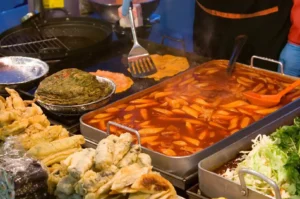
The first time I ate tteokbokki in Seoul, I burned my tongue standing up. It was late, the air was sharp with cold, and I had stopped at a small street food stall near a subway exit because the steam pulled me in. The woman handed me a paper cup of rice cakes in red…
-
Mrs Pho and the Bowl That Makes Somerset Feel Like a Vietnamese Family Table
Eat Drink Asia Team | October 1, 2026
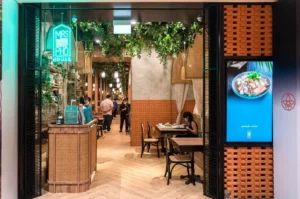
I wasn’t hungry when I walked into 313@somerset. I’d come for something else entirely; an errand, a shop I needed, the usual Orchard rush of people moving faster than the escalators. But somewhere on the first floor, past the noise, I caught the smell of star anise and beef bone, and my feet slowed down…
-
The Carving Knife at Colony, and the Way We Mark What Matters
Eda Wong | September 30, 2026
By Eda Wong for Eat Drink Asia. It’s late morning, and the light is doing most of the work. It pours through the high windows of Colony, at The Ritz-Carlton, Millenia Singapore, spilling across white tablecloths and the vintage prints on the walls. Marina Bay hums somewhere outside, but in here the room feels a…
-
Co Chung Vietnamese Restaurant and the Gỏi Cuốn That Makes Fresh Herbs Do the Work
Dio Asahi | September 29, 2026
I found it by accident, the way you find most things in a mall basement. I’d come down to Plaza Singapura’s B2 for something else entirely, drifting past the usual food-court noise, when I caught the smell of star anise and beef bone coming from a corner. I followed it. And there it was —…
-
Vietnamese Spring Roll: The Recipe That Only Works When the Herbs Stay Awake
Eda Wong | September 26, 2026
Fresh Vietnamese spring rolls, or gỏi cuốn, look delicate, but the recipe is really about control: barely softened rice paper, dry herbs, restrained noodles, clean protein, and a dipping sauce sharp enough to wake the whole thing up. This is not the fried version, chả giò or nem rán. This is the cool, translucent, herb-heavy…
-
Best Steakhouse Singapore: From Fire-Kissed Icons to Old-School Beef Plates
Eat Drink Asia Team | September 24, 2026
I didn’t set out to write about steak. It started with a bad day and a craving for something that pushed back when I bit into it. One dinner turned into a habit, and over a couple of years I found myself at counters, coffeeshops, and dining rooms all over this island, chasing the same…
-
The Ice Counter at Carousel, and the Table Everyone Can Reach
Dio Asahi | September 23, 2026
By Dio Asahi for Eat Drink Asia. It’s a Saturday evening, and someone across the room is carrying a birthday cake. The candles are lit, the walk is careful, and a whole table turns to watch. Plates clink. A child laughs somewhere. The room at Carousel, inside Royal Plaza on Scotts, isn’t quiet — it…
-
Tiong Shian Porridge Centre Review: The Soft Counterweight to Chinatown’s Crisp Toast
Dio Asahi | September 22, 2026
I’d spent the morning with kaya toast. Crisp bread, cold butter, the clean snap of it between my teeth. Good, all of it. But by the time I’d walked a few streets over to New Bridge Road, my mouth wanted the opposite. Something warm. Something that gave way instead of shattering. That’s how I ended…