Modern Festive Menu: Bringing the Big Bowl Home
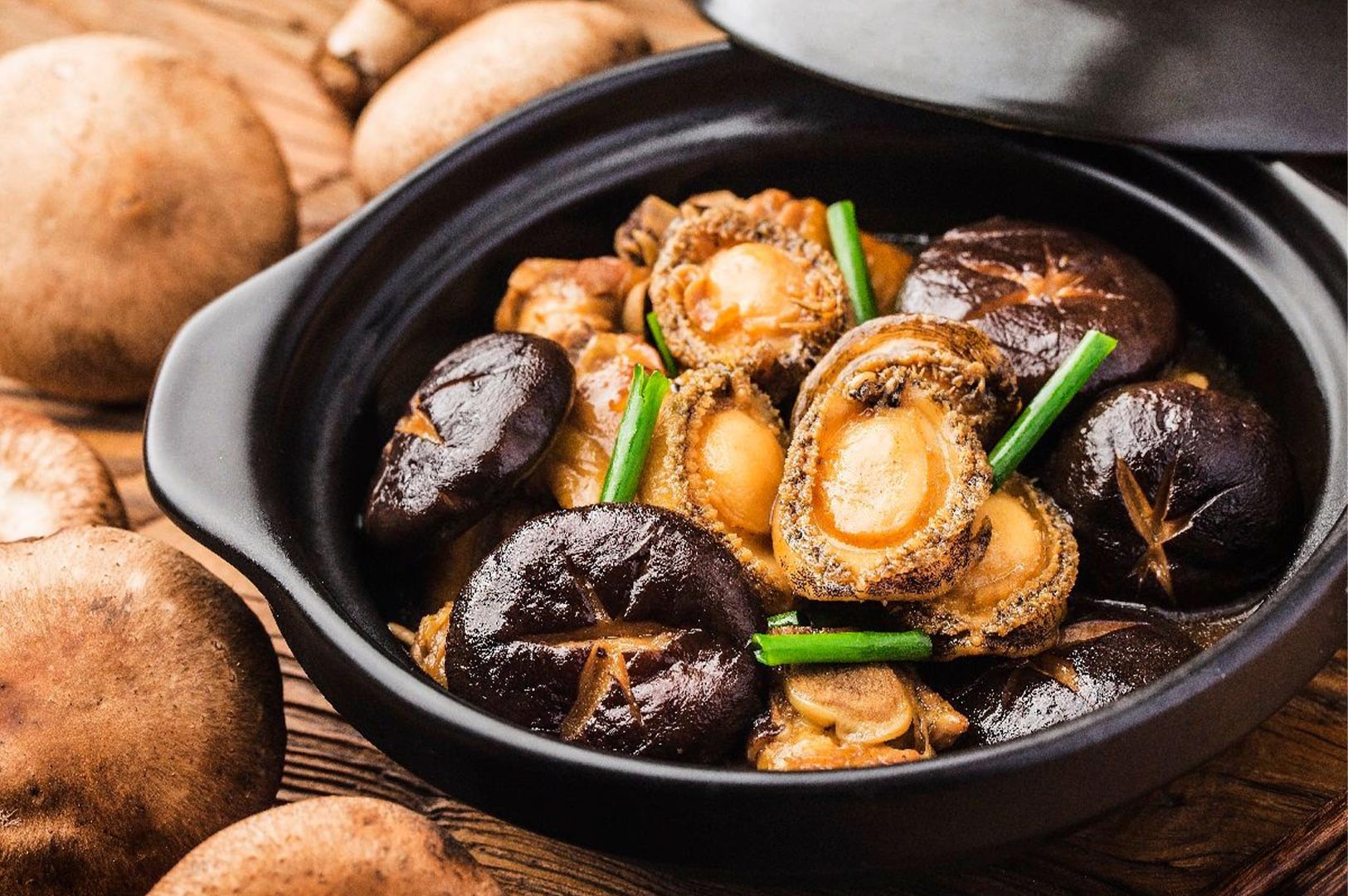
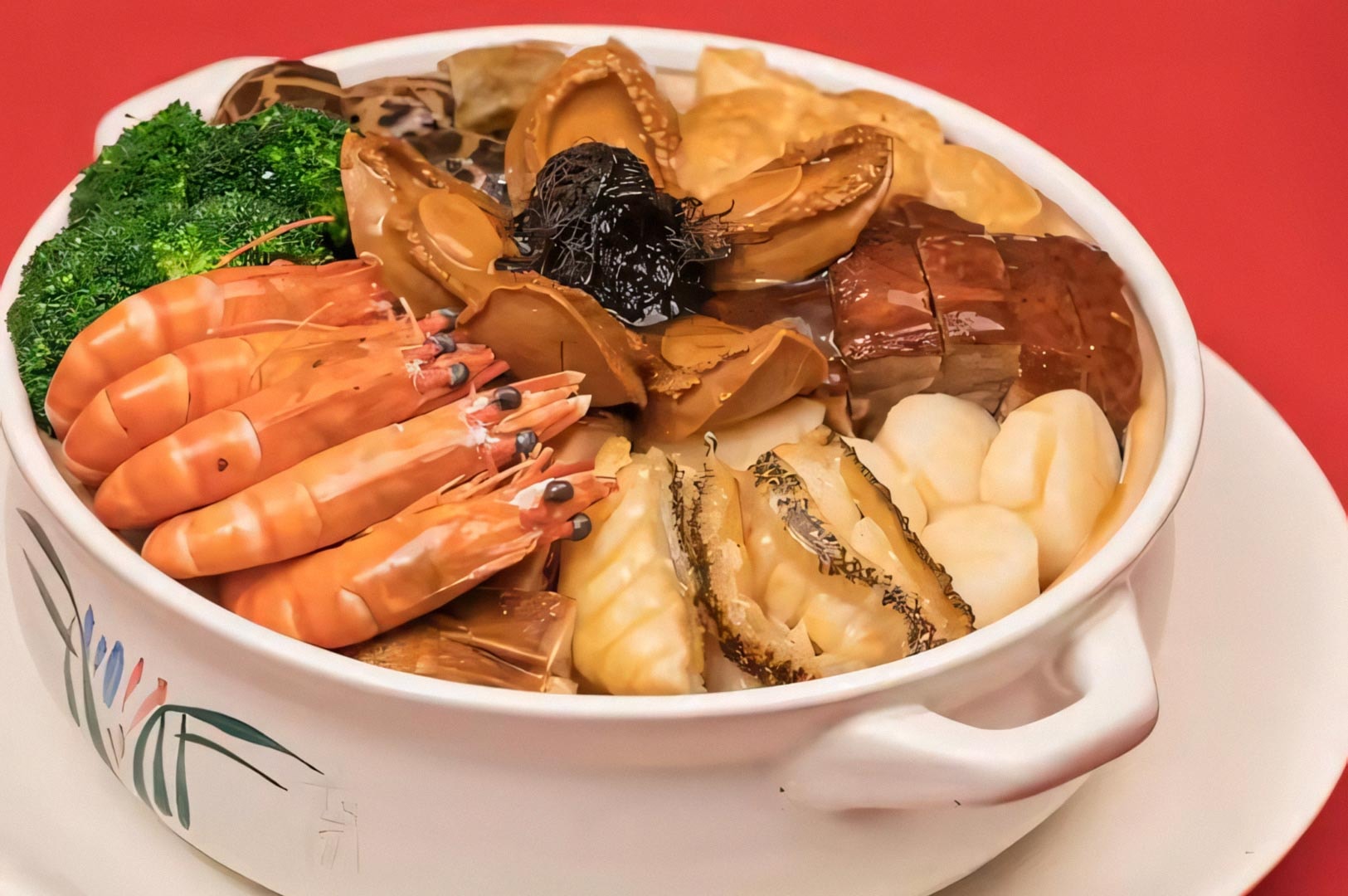
There is a special, undeniable magic to the Chinese New Year reunion dinner. For many families, Chinese New Year 2026 is another chance to gather loved ones at the table and celebrate with a glorious pen cai—sometimes called the “big bowl feast”—overflowing with premium ingredients and festive favourites. This centre stage dish, layered with abalone, fish maw, sea cucumber, prawn, roast pork, luscious chicken, crunchy pulled pork, and symbolic vegetables, carries centuries of joy and abundance in every bite.
Yet preparing traditional pen cai from scratch is a monumental task. Cooking premium seafood like lobster and abalone, braising sea cucumber, and assembling layers of ingredients such as broccoli, fried rice, oyster sauce-coated nian gao, and golden harmony pork knuckle takes days—an impossible ask for many modern Singaporean families balancing work, home, and busy schedules.
This is where pen cai delivery and well-crafted CNY takeaway bundles have stepped into the spotlight, ensuring the reunion feast remains a joy rather than a burden. Instead of spending the festive season chained to the kitchen, families can now feast together at their own home and focus on connection and celebration, not exhaustion.
The Cultural Weight of the Big Bowl
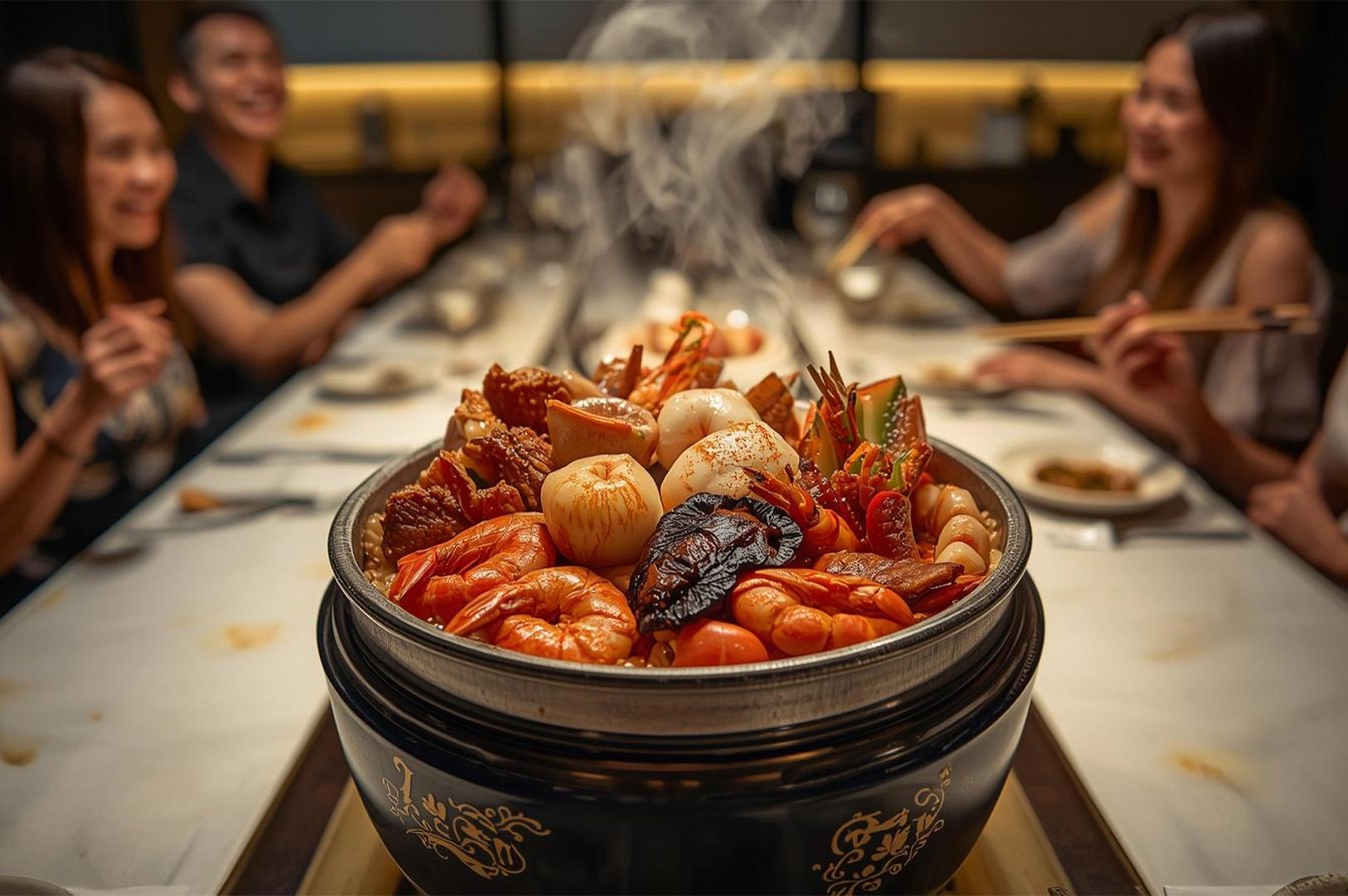
To grasp why pen cai delivery and takeaway menus are increasingly popular, it’s important to remember the dish’s place in Chinese New Year celebrations. Pen cai’s origins stretch back to village celebrations, where abundance and unity mean eating together from a single, oversized basin brimming with prosperity abalone yu sheng, roast meats, and vegetables.
Every layer has meaning—radish, cabbage, and main dishes at the base soak up rich oyster sauce, above which premium abalone, sea cucumber, prawn, and even five head abalone are elegantly displayed. The shared experience of dipping chopsticks into pen cai and CNY set menus or la carte festive menus is a cherished part of reunion dinners for smaller groups and large family gatherings alike.
Communal dishes have long been a centrepiece of Asian food culture. As highlighted by Eat Drink Asia in explorations of Asian dining traditions, feasts like pen cai create abundance and good fortune through food and fellowship, regardless of where or how they’re enjoyed.
Evolution of Delivery: From Convenience to Craftsmanship
If you’ve browsed festive menus in Singapore recently, you’ll notice how pen cai delivery has evolved from “Plan B” to the first choice for the CNY feast. The best CNY takeaway bundles now rival dine in experiences:
- Premium Presentation: Pen cai delivery often arrives in impressive clay or stainless steel pots ready for self pickup or pre order, so the table radiates the same festive spirit as a restaurant reunion dinner.
- Ingredient Integrity: Layered broths sent separately keep premium seafood, crispy grilled bakkwa, prawn, and festive favourites perfectly textured for the celebration. Nothing arrives soggy, whether it’s roast pork, egg, lobster, or broccoli.
- Clear Instructions: Vendors provide step-by-step reheating and serving guides, so your meal is complete and delicious with minimal effort—ideal for impressing family and friends.
Time slots and prior notice options, plus festive season early bird promotion pricing, make these services practical for working families. The result? CNY set menus and pen cai deliveries let you preserve glorious traditions—without the kitchen marathon.
Why Takeaway is the New Tradition
Preserving Joy and Connection
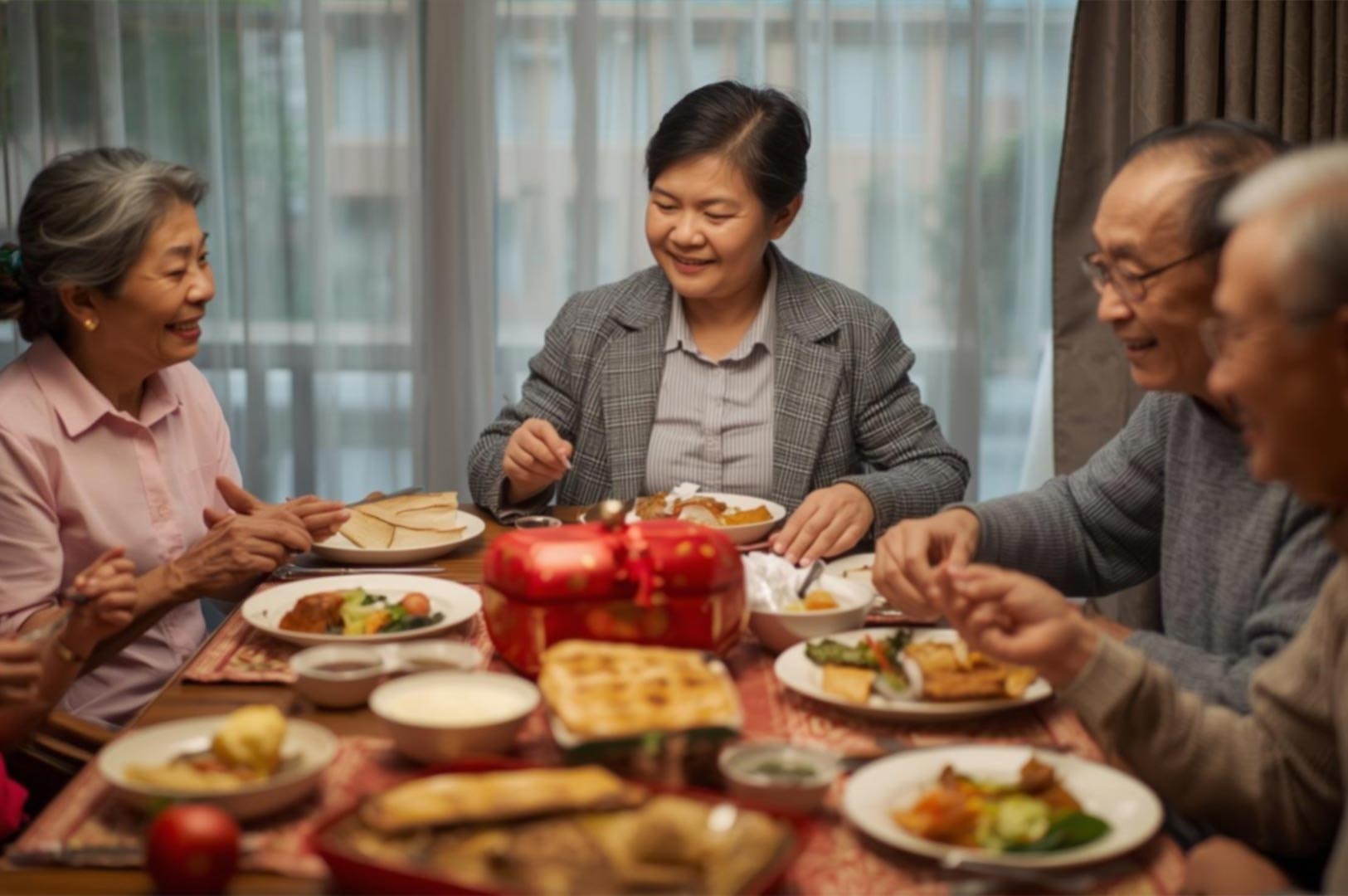
For working parents and smaller groups, ordering fuss free pen cai delivery brings joy, not fatigue, to reunion dinners. Instead of spending CNY eve managing stoves and stressing about main dishes or abalone and crispy grilled bakkwa being perfectly cooked, hosts join their loved ones at the table, savoring favourite festive dishes and creating new memories.
Culinary Excellence at Your Fingertips
Cooked by chefs with years of culinary craft, quality pen cai and Chinese sausage fried rice, golden horse abundance yusheng, and prosperity abalone yu sheng sets elevate the family meal far beyond what home cooks can usually achieve. These premium ingredients, from yang ming seafood to golden harmony pork knuckle, deliver restaurant-worthy flavour to your own home.
Flexible Feasting for Everyone
Not every Singaporean household hosts a twenty-person celebration. Today’s set menus and CNY takeaway bundles are tailored for smaller groups and varied appetites, from intimate reunions to large festive gatherings. Self pickup, dine in, early bird orders, and a la carte options give families more ways to celebrate—even if some members are joining from different homes or at separate times.
Choosing the Right Pen Cai Delivery for Chinese New Year
With so many festive menus and CNY set menus available—ranging from pen cai delivery to takeaway bundles—it helps to consult trusted local resources. Rubbish Eat Rubbish Grow is a go-to for honest pen cai reviews, Chinese New Year dining guides, and comprehensive rundowns of festive season abundance dishes across Singapore, from the popular bee cheng hiang to new market entries and Clarke Quay favourites.
When selecting your CNY feast, look for:
- Transparency: Reliable menus clearly list premium abalone, fish maw, sea cucumber, and all other ingredients.
- Quality and Logistics: Check if dishes like braised sea cucumber and roast pork travel well. Many vendors split sauces (like oyster sauce) for better texture on arrival.
- Delivery and Pickup: Confirm time slots for home delivery or self pickup, as limited time festive menus can sell out fast. Some main dishes may require prior notice or special arrangements.
Advance planning, early bird promotion, and consulting review platforms can help you secure the best pen cai delivery for your family’s year celebrations.
Adapting, Not Abandoning, Tradition
Pen cai, yu sheng, and other reunion dishes endure because their meaning is bigger than where or how they’re served. Chinese New Year isn’t about exhausting kitchen marathons; it’s about the abundance, joy, and good fortune that come from sharing a meal with loved ones.
Ordering CNY takeaway bundles or a festive set menu doesn’t mean sacrificing culture. Instead, it means adapting timeless traditions to match the realities of modern life in Singapore, bringing festive favourites like golden horse abundance yusheng, crispy grilled bakkwa, and delicious pen cai right to your table, ready to celebrate.
Rekindling Reunion: Bringing the “Big Bowl” Spirit Home
Tradition is never static—it flourishes through celebration, adaptation, and joy. With the help of creative pen cai delivery services, festive season CNY takeaway bundles, and thoughtfully prepared CNY set menus, Singaporean families are ensuring that the reunion feast, complete with premium ingredients and main dishes, glows with meaning at the centre stage of every table.
By embracing these modern options for Chinese New Year 2026 and beyond, families are not abandoning their roots—they’re innovating. From prosperity abalone yu sheng to nian gao, prawn, roast pork, sea cucumber, and all the fabulous festive favourites, these meals keep the essence of the “big bowl” celebration alive. This year, gather your friends and family, pre order your glorious pen cai, and let the joy and abundance of reunion dinners shine, wherever you choose to celebrate.

Tong Ah Eating House Review: A Chinatown Breakfast That Still Begins with Kaya Toast
Eda Wong | September 19, 2026
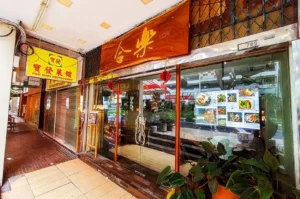
I almost walked past it. I’d been looking for the old triangular building, the red-and-white one you see in every photo of Keong Saik, the one that made Tong Ah feel like a landmark before you’d even ordered anything. But that’s not where it lives anymore. It’s a few doors down now, at 35 Keong…
-
Breakfast at Chinatown Singapore: How Migration Built the City’s Morning Table
Eat Drink Asia Team | September 17, 2026
The first time I ate breakfast in Chinatown, I got it wrong. I arrived at eleven, hungry and hopeful, and found the kopi stalls already turning toward lunch. The porridge uncle was packing up. The toast man had switched to slicing char siew. I ate a rushed plate of noodles standing near a pillar, sweating,…
-
The Bitter Leaf Folded Into a Burmese Home Kitchen
Eda Wong | September 16, 2026
The oil is already hot when she reaches for the leaves. It’s late morning in a kitchen off a quiet lane, and a woman I’ve been watching stands over a blackened wok, tearing bitter gourd leaves by hand into a small heap. The garlic hits the oil first, sharp and loud. Then the leaves go…
-
Best Sushi Singapore: From Premium Japanese Restaurants to Exclusive Deals from Affordable Sushi Trains
Dio Asahi | September 15, 2026
I’ve been eating sushi in this city for years now, from S$1.50 plates rolling past on a belt to omakase counters where the bill made me sit up straight. Somewhere along the way I stopped chasing “the best” and started noticing something else — that good sushi answers a mood, not a ranking. Some nights…
-
Al Mubin Restaurant and the Nasi Goreng Sambal Ayam That Has to Carry the Whole Plate
Eda Wong | September 12, 2026
It was close to eleven at night when I finally sat down. The kind of hour when you’re not really hungry so much as unsettled, when you want something warm in front of you more than you want a proper meal. Al Mubin’s food court at Block 407, Ang Mo Kio Avenue 10, was still…
-
Yassin Kampung Admiralty Review: When Sambal Fried Rice Becomes the Whole Point
Eat Drink Asia Team | September 10, 2026
I ordered the sambal fried rice first, before I’d even properly read the menu. That’s usually a mistake at a place like this. Yassin Kampung @ Admiralty is the kind of restaurant that keeps trying to pull your attention elsewhere — toward stingray, toward crab, toward hotplates that arrive still hissing. But I’d come with…
-
The Bamboo Basket Holding Chiang Mai’s Sticky Rice
Dio Asahi | September 9, 2026
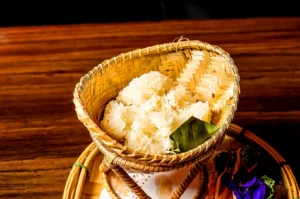
By Dio Asahi for Eat Drink Asia. The lid comes off, and the steam rises first. It’s a warm afternoon in Chiang Mai, and on the table sits a small woven bamboo basket, still holding the heat of the pot it came from. Someone’s grandmother lifts the top and sets it aside without looking. Inside,…
-
Sambal Fried Rice Recipe for People Who Know the Chilli Paste Does the Heavy Lifting
Dio Asahi | September 8, 2026
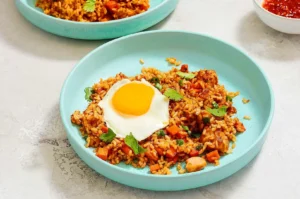
I used to add the rice too early. The oil would be hot, the sambal barely a minute in, and I’d tip in the cold rice because I was hungry and impatient. Every time, the same result: rice stained red but tasting of nothing much. Sharp. Raw. Flat where it should have been deep. It…
-
Hup Lok at Havelock Road: A Teochew Fish Soup Carrying Memory Forward
Eda Wong | September 8, 2026
The bowl arrives before anything else does. Steam lifts off it in slow ribbons, carrying the smell of ginger and something warmer underneath: the round, boozy note of hua tiao wine settling into fish. I lean in before I even pick up my spoon. The broth is pale gold and cloudy, thick enough that it…
-
Fresh Sashimi Singapore: Places for Clean Cuts, Quiet Counters, and Fish That Still Feels Alive
Eda Wong | September 5, 2026
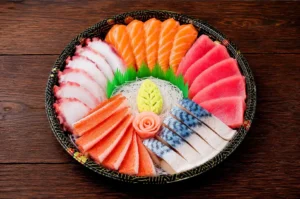
I didn’t grow up eating raw fish. For years, sashimi felt like something you learned to appreciate rather than something you loved. Cold, foreign, a little intimidating. Then one afternoon, at a quiet counter, a chef placed a single slice of chutoro in front of me and said nothing. I ate it. And I understood….