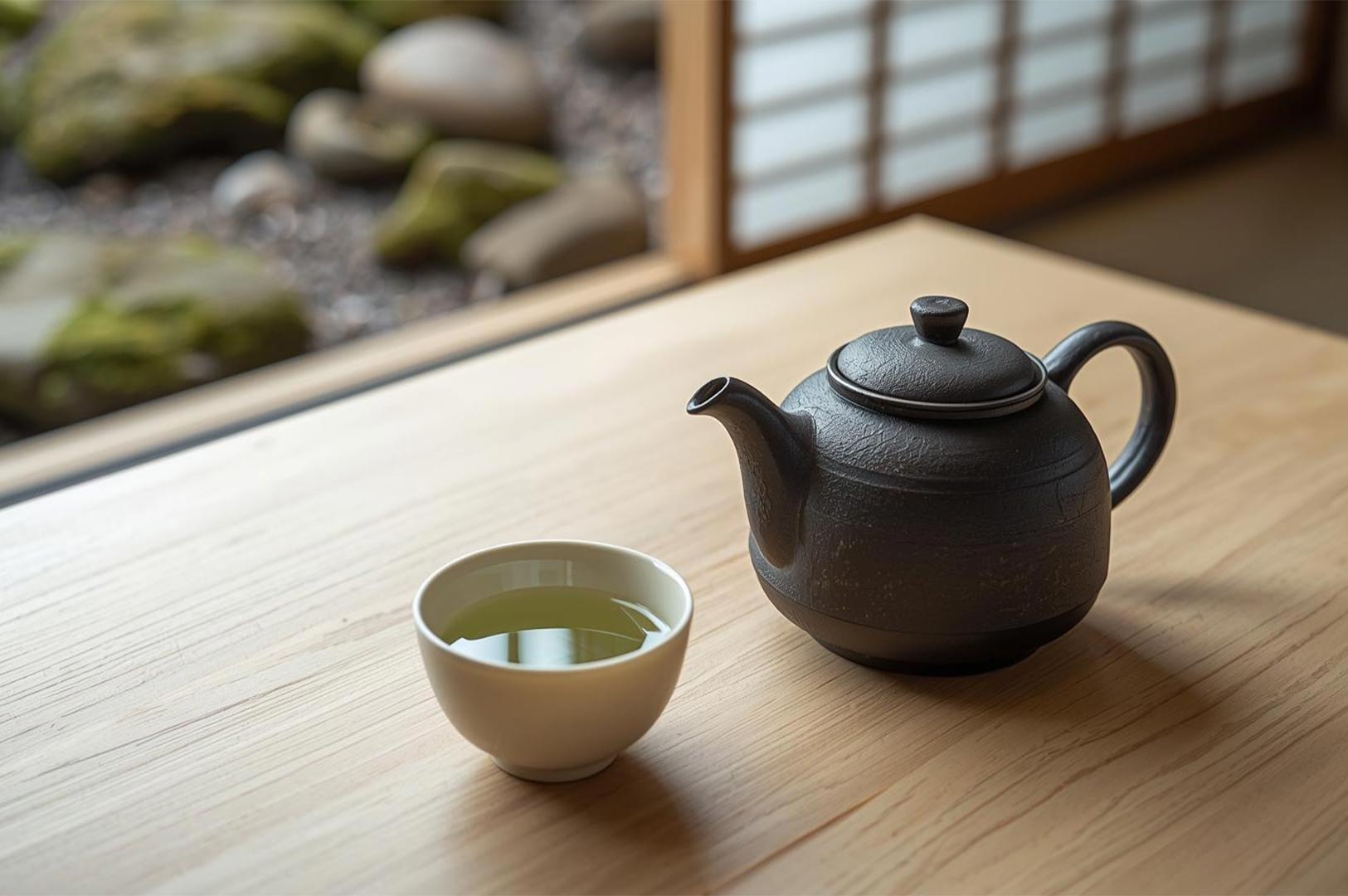
When people around the world think of Japanese tea, images of tranquil tea ceremonies in small rooms or frothy bowls of matcha often come to mind. Yet, the reality of tea drinking in Japan is much broader, woven deeply into the culture and daily habits. For the vast majority, sencha is the beloved tea that fuels the day—accompanying meals, welcoming guests, and enhancing the experience of eating sushi or sweet desserts at home and in restaurants.
Sencha is the most common type of Japanese tea, representing about 80% of tea production. Unlike matcha, which is made from finely ground tea leaves traditionally whisked in tea ceremonies, sencha is a loose-leaf green tea steeped in hot water. Its light green liquor captures a grassy aroma and refreshing taste, perfectly balancing bitterness with a hint of natural sweetness.
The world of sencha is vast, from Uji tea fields in Kyoto to bustling vending machines in Tokyo, and it stands apart from black tea and roasted varieties. Let’s step beyond the image of the tea ceremony and discover what makes sencha the most popular type of Japanese tea and an essential piece of Japanese culture.
This unwavering dedication to quality and craftsmanship resonates beyond tea culture, embodying the Commitment to Excellence that defines the Shokunin spirit, the artisan philosophy that lives inside Singapore’s most disciplined omakase counter.
What is Sencha? A Beloved Japanese Green Tea
Sencha is a Japanese green tea made from sun-grown tea leaves. Unlike gyokuro, which develops under shade for several weeks, sencha is grown in full sunlight. This exposure results in mature leaves with a higher catechin content, providing a slightly more robust and astringent taste. The name sencha literally means “infused tea,” referring to the traditional method of brewing with water rather than consuming ground leaves as one does with matcha.
The Delicate Flavor and Aroma of Sencha
A cup of high-quality sencha brings out a signature grassy, vegetal taste—often described as fresh and vibrant with notes of steamed greens and seaweed. Its flavour profile, however, becomes even more complex as you sip, offering a delicate balance between bitterness and subtle sweetness (amami), all underscored by an umami brothiness that is unique to Japanese green tea.
Sencha’s light body sets it apart from hojicha (roasted green tea), genmaicha (mixed with roasted brown rice), or the strong notes of Japanese black tea. Its well-rounded taste and approachable aroma make sencha not just a drink, but a deeply rooted experience in Japanese food culture.
The Art of Sencha Tea Production in Japan
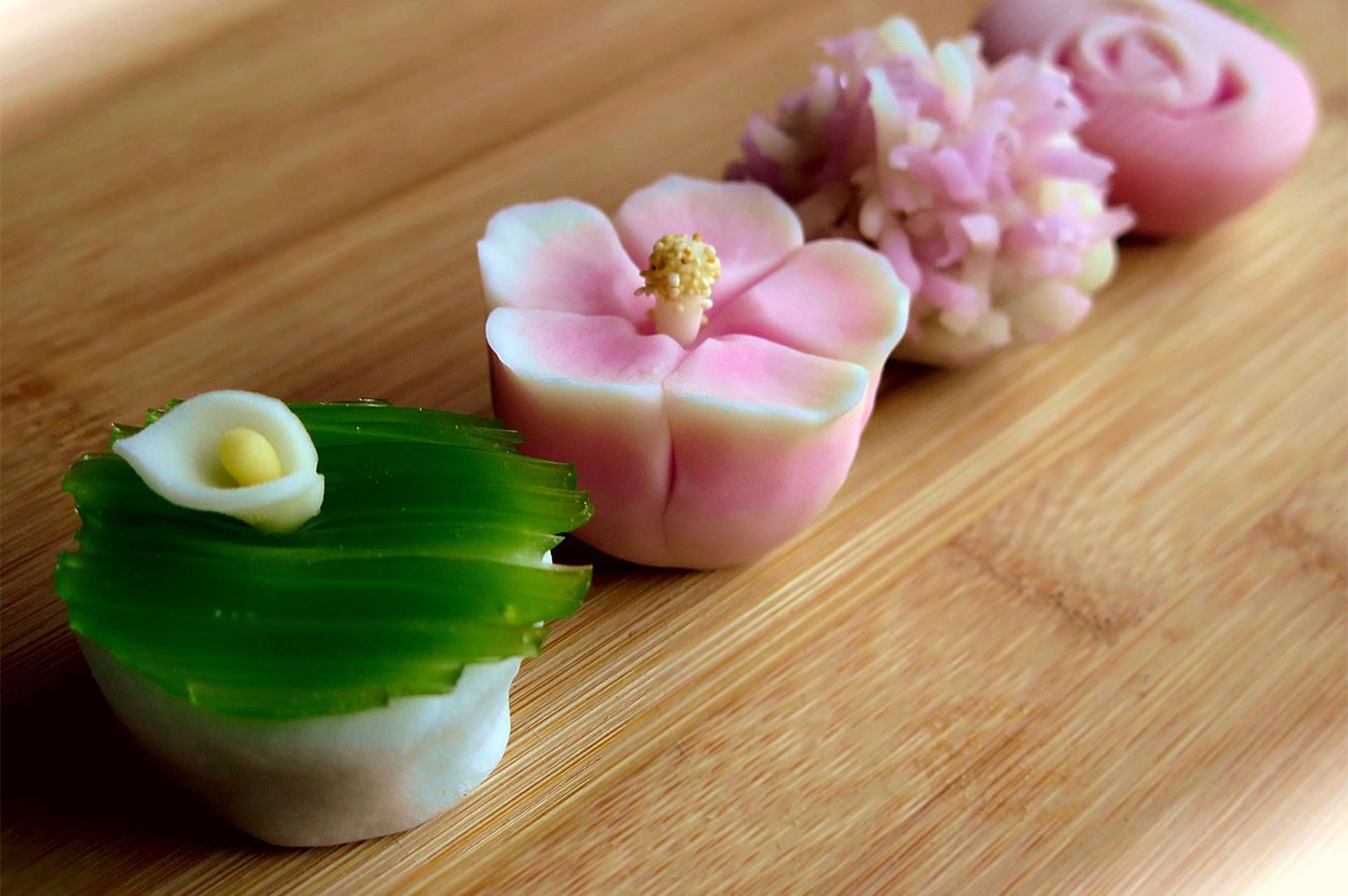
The journey from tea plant to steaming cup is an intricate process that reflects centuries of tradition and passion for quality Japanese tea.
Hand Picking and Harvest
Sencha production begins with careful hand picking of tea leaves at the onset of spring, especially prized in regions like Kyoto and Shizuoka. The first flush, called shincha, is valued for its delicate flavor and brilliant color.
Steaming: The Distinct Japanese Processing Method
Unlike green teas from China, which are typically pan-fired, Japanese green teas undergo steaming to halt oxidation. Leaves are steamed for up to 90 seconds—shorter for asamushi (light steamed) or longer for fukamushi (deep steamed). This crucial step preserves the verdant color and grassy aroma, distinguishing sencha tea from roasted or oxidized types such as roasted green tea and black tea.
Rolling, Shaping, and Drying
The next step involves rolling the steamed leaves, a specialized method using machinery or careful handwork. Rolling breaks down cell walls, allowing the essence of the leaf to emerge during brewing. The thin needle-like shape is iconic for sencha and allows for an even and full extraction. Leaves are then thoroughly dried, locking in the flavor and ensuring quality—whether destined for sale in local markets, restaurants, or vending machines.
How to Brew Perfect Japanese Green Tea: Sencha
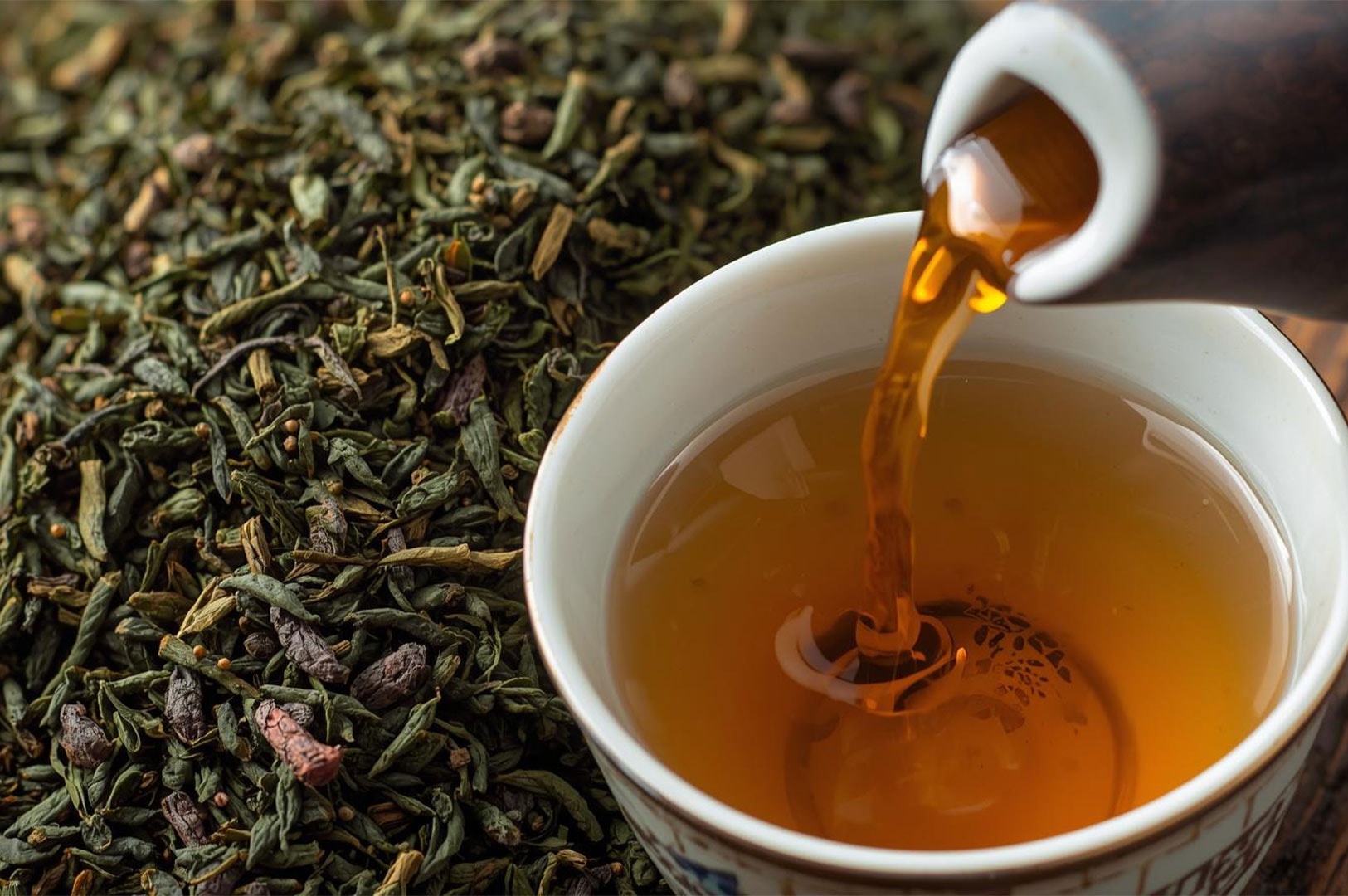
Creating the perfect cup of Japanese green tea is both art and science. Sencha, with its delicate flavor, requires careful attention to water temperature and steeping time.
Brewing Sencha: Step-by-Step Tea Experience
- Water Temperature: Always use hot water below boiling—70°C to 80°C (158°F to 176°F). Boiling water extracts bitter compounds and dulls the delicate flavor.
- Tea-to-Water Ratio: Start with about 1 teaspoon (2–3 grams) of tea leaves for every 120ml (4oz) of water.
- Steeping Time: Let the tea steep for about 60 seconds—longer times extract more bitterness. For a lighter brew, reduce time and use more leaf.
- Brewing Vessels: A kyusu (Japanese teapot) or any small teapot is perfect for maximizing the extraction of aroma and taste.
Pro Tip: High-grade sencha can be steeped multiple times. Each infusion reveals new dimensions—adjust the steeping time and water temperature for each round.
Whether served traditionally with meals, paired with rice and fish, or enjoyed with sweets or sweet desserts, brewing sencha is a beloved ritual in many Japanese homes.
Sencha vs. Other Popular Types of Japanese Tea
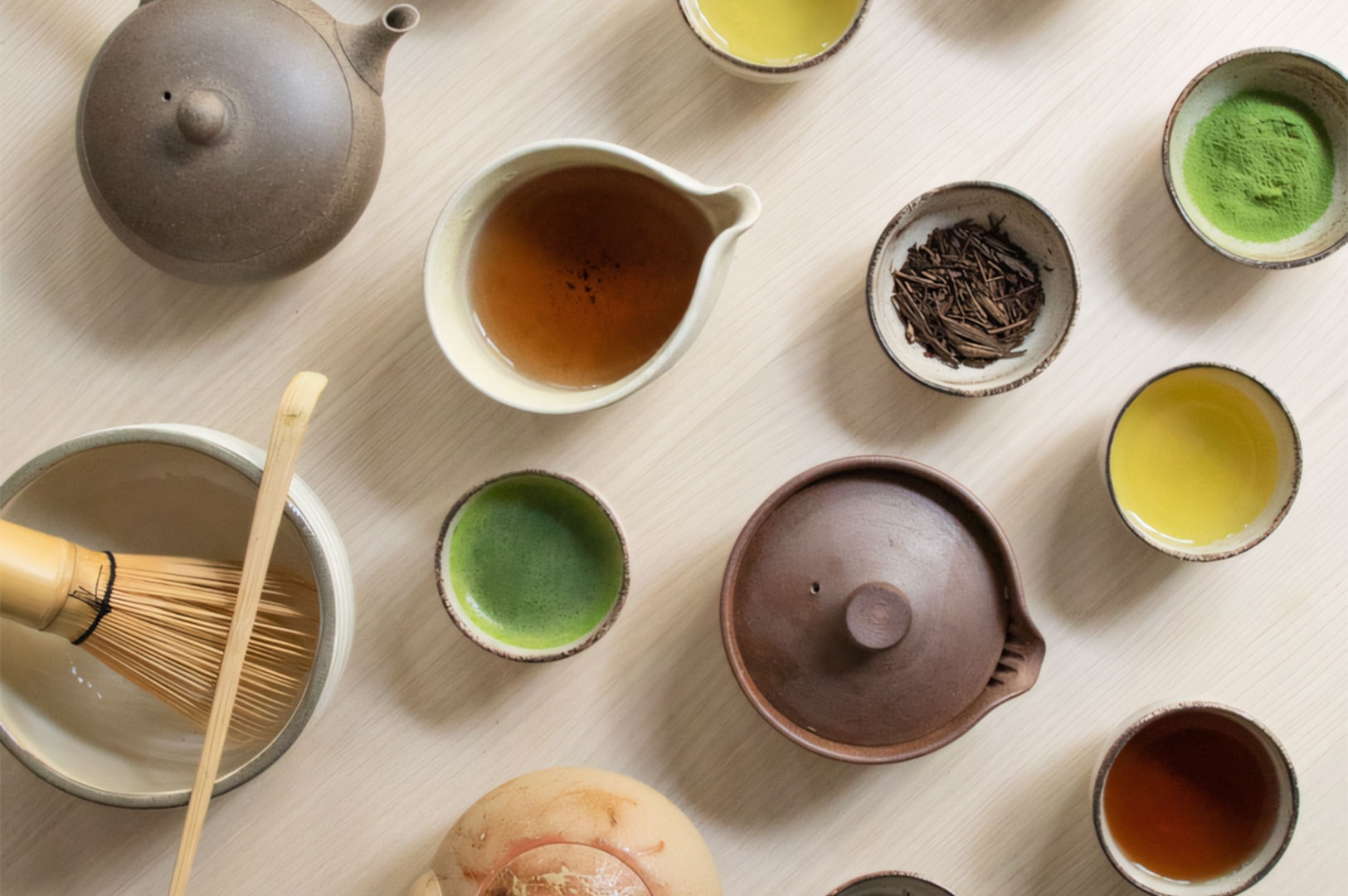
The spectrum of Japanese tea includes several types, each catering to different tastes and occasions.
Sencha vs. Matcha: Powder vs. Leaves
While matcha is a fine powder produced from shaded tea leaves and central to the Japanese tea ceremony, sencha offers a more casual, everyday tea drinking experience. Matcha is rich and creamy, with a robust taste that stands up to sweet desserts and is often used in new products like matcha-flavored foods. Sencha, by contrast, is refreshing and light—perfect for meals or moments of quiet reflection.
For a deep dive into matcha, explore Japanese Green Tea from Japan: The Story of Matcha at Eat Drink Asia.
Genmaicha, Hojicha, and Japanese Black Tea
- Genmaicha: Sencha mixed with roasted brown rice, resulting in a warm, nutty tea with a unique aroma—sometimes known as “popcorn tea.”
- Hojicha: Roasted green tea that develops a reddish brown color, a sweet roasted flavor, and low caffeine—popularly sipped in the evening or summer.
- Japanese Black Tea (Wakoucha): Made using the same tea plant as green teas but processed differently to develop a malty, sweet taste and deep color.
Other Japanese Teas
- Gyokuro: A shade-grown, high-grade green tea with intense umami.
- Barley Tea: A popular beverage in summer, made by roasting barley and steeping it in hot water.
- Bancha: Made from larger, mature leaves picked after the sencha harvest; lower quality but beloved as an everyday table tea.
The Role of Sencha in Japanese Tea Ceremony and Daily Life
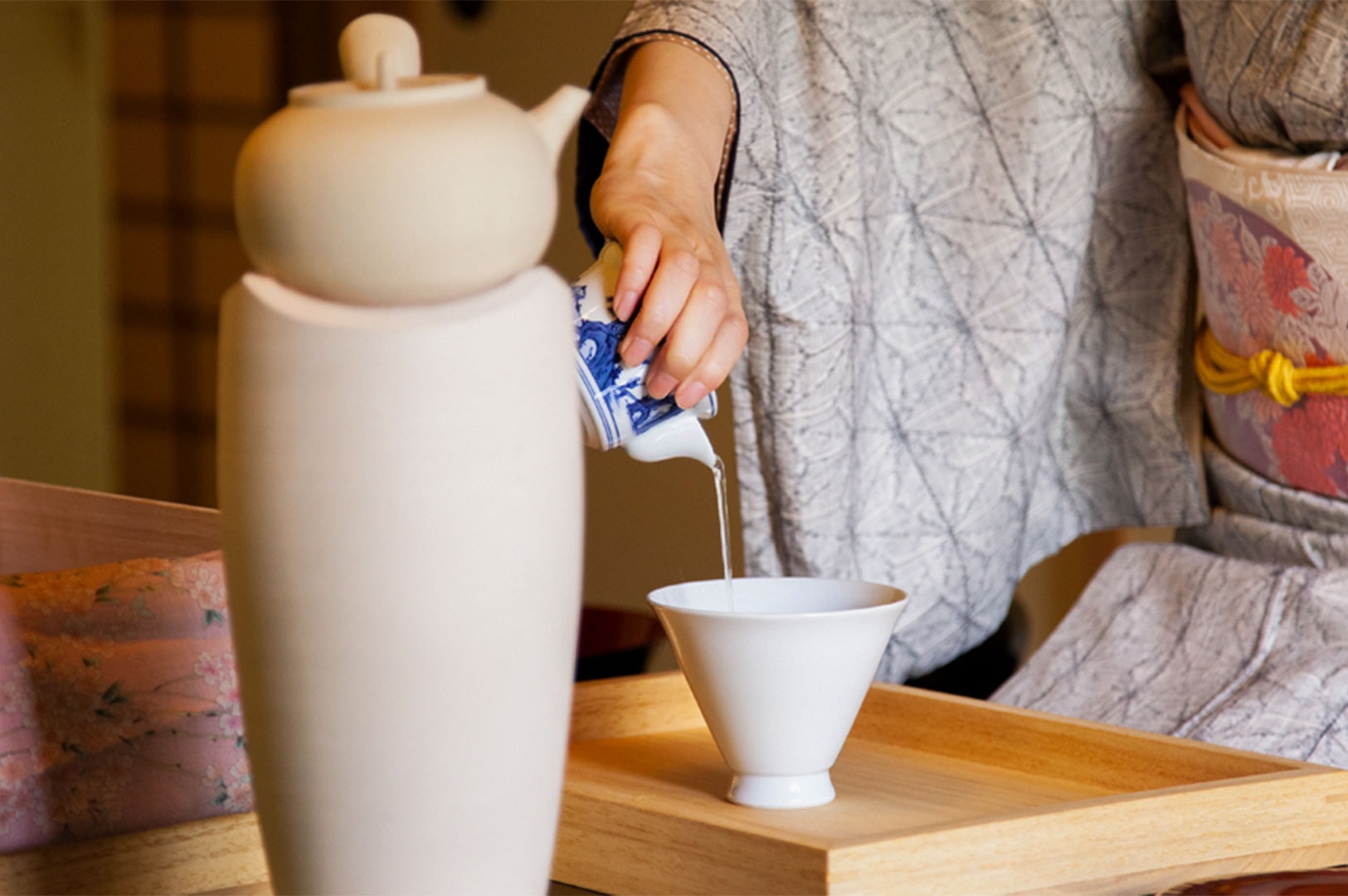
Sencha’s story is as much about culture as it is about taste. While the Japanese tea ceremony (chanoyu) centers on matcha, another ritual, senchado, celebrates the enjoyment of brewed sencha in a more relaxed setting—often among friends or in small rooms designed for thoughtful conversation.
For most, however, sencha remains a symbol of everyday hospitality—a pot is nearly always on hand to serve guests at home, especially with meals of rice, sushi, or sweet desserts. Whether shared as a comfort food or enjoyed solo as a wellness ritual, sencha comfortably bridges tradition and modernity, especially in cities like Tokyo and Kyoto, where new products and old customs intermingle.
Sencha’s Health Benefits and Well-being
Beyond taste, the appeal of sencha lies in its cherished health benefits. Rich in catechins and antioxidants, it’s believed to support metabolism, oral health, and overall well-being. Drinking sencha has long been associated with maintaining balance in life—whether as a mindful pause in the busy market of modern Japan or as an aid to digestion after meals.
Sencha is also lower in caffeine and calories than coffee or soft drinks. The strong yet delicate flavor, the soothing aroma, and its gentle stimulant effect make it a popular beverage for all ages, throughout the changing seasons.
Why Sencha Remains Japan’s Favorite Tea
From the hand picking of the perfect leaf to the unique steaming and rolling process, and from traditional ceremonies to bustling restaurants, sencha endures as Japan’s most beloved tea. It offers a tea experience that is light, versatile, and full of character—one that pairs as happily with humble rice and sweet desserts as with refined Kyoto sweets.
If you’ve only known green tea as a bitter or lower grade commodity, give Japanese sencha a try. Brew it the same way the Japanese have for centuries: with care, patience, and curiosity. You may find that a cup of sencha opens a door to not only the sensory pleasures of taste and aroma but also to a deeper appreciation of Japanese well-being, culture, and everyday life.

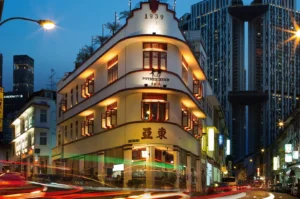
Tong Ah Eating House Review: A Chinatown Breakfast That Still Begins with Kaya Toast
Eda Wong | September 19, 2026
I almost walked past it. I’d been looking for the old triangular building, the red-and-white one you see in every photo of Keong Saik, the one that made Tong Ah feel like a landmark before you’d even ordered anything. But that’s not where it lives anymore. It’s a few doors down now, at 35 Keong…
-
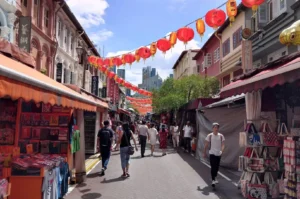
Breakfast at Chinatown Singapore: How Migration Built the City’s Morning Table
Eat Drink Asia Team | September 17, 2026
The first time I ate breakfast in Chinatown, I got it wrong. I arrived at eleven, hungry and hopeful, and found the kopi stalls already turning toward lunch. The porridge uncle was packing up. The toast man had switched to slicing char siew. I ate a rushed plate of noodles standing near a pillar, sweating,…
-
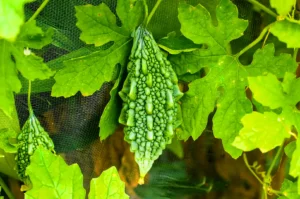
The Bitter Leaf Folded Into a Burmese Home Kitchen
Eda Wong | September 16, 2026
The oil is already hot when she reaches for the leaves. It’s late morning in a kitchen off a quiet lane, and a woman I’ve been watching stands over a blackened wok, tearing bitter gourd leaves by hand into a small heap. The garlic hits the oil first, sharp and loud. Then the leaves go…
-
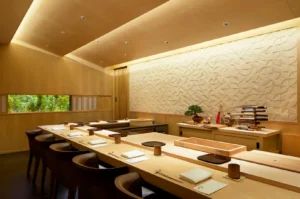
Best Sushi Singapore: From Premium Japanese Restaurants to Exclusive Deals from Affordable Sushi Trains
Dio Asahi | September 15, 2026
I’ve been eating sushi in this city for years now, from S$1.50 plates rolling past on a belt to omakase counters where the bill made me sit up straight. Somewhere along the way I stopped chasing “the best” and started noticing something else — that good sushi answers a mood, not a ranking. Some nights…
-
Al Mubin Restaurant and the Nasi Goreng Sambal Ayam That Has to Carry the Whole Plate
Eda Wong | September 12, 2026
It was close to eleven at night when I finally sat down. The kind of hour when you’re not really hungry so much as unsettled, when you want something warm in front of you more than you want a proper meal. Al Mubin’s food court at Block 407, Ang Mo Kio Avenue 10, was still…
-
Yassin Kampung Admiralty Review: When Sambal Fried Rice Becomes the Whole Point
Eat Drink Asia Team | September 10, 2026
I ordered the sambal fried rice first, before I’d even properly read the menu. That’s usually a mistake at a place like this. Yassin Kampung @ Admiralty is the kind of restaurant that keeps trying to pull your attention elsewhere — toward stingray, toward crab, toward hotplates that arrive still hissing. But I’d come with…
-
The Bamboo Basket Holding Chiang Mai’s Sticky Rice
Dio Asahi | September 9, 2026
By Dio Asahi for Eat Drink Asia. The lid comes off, and the steam rises first. It’s a warm afternoon in Chiang Mai, and on the table sits a small woven bamboo basket, still holding the heat of the pot it came from. Someone’s grandmother lifts the top and sets it aside without looking. Inside,…
-
Sambal Fried Rice Recipe for People Who Know the Chilli Paste Does the Heavy Lifting
Dio Asahi | September 8, 2026
I used to add the rice too early. The oil would be hot, the sambal barely a minute in, and I’d tip in the cold rice because I was hungry and impatient. Every time, the same result: rice stained red but tasting of nothing much. Sharp. Raw. Flat where it should have been deep. It…
-
Hup Lok at Havelock Road: A Teochew Fish Soup Carrying Memory Forward
Eda Wong | September 8, 2026
The bowl arrives before anything else does. Steam lifts off it in slow ribbons, carrying the smell of ginger and something warmer underneath: the round, boozy note of hua tiao wine settling into fish. I lean in before I even pick up my spoon. The broth is pale gold and cloudy, thick enough that it…
-
Fresh Sashimi Singapore: Places for Clean Cuts, Quiet Counters, and Fish That Still Feels Alive
Eda Wong | September 5, 2026
I didn’t grow up eating raw fish. For years, sashimi felt like something you learned to appreciate rather than something you loved. Cold, foreign, a little intimidating. Then one afternoon, at a quiet counter, a chef placed a single slice of chutoro in front of me and said nothing. I ate it. And I understood….