Steam rises from the pot, and a woman lifts a banana leaf over the open flame, turning it once, twice, until its stiff green softens and the surface goes glossy and pliant. She wipes it down with a damp cloth, then spoons hot rice into its center while the grains still steam. The leaf releases a green, grassy warmth the moment heat touches it, a scent halfway between cut grass and something sweeter. Her fingers fold the edges in quick, practiced creases, tuck the ends under, and the bundle sits in her palm, warm and sealed, ready to travel.

Fresh green banana leaves used for wrapping and steaming rice.
The leaf is daun pisang, pronounced roughly dow-oon pee-sahng, the broad blade of the banana plant used as wrapper, plate, and quiet seasoning all at once. The craft is simple to describe and harder to master. You pass the leaf briefly over flame or hot steam to soften it, because a cold leaf cracks and tears when you fold. You wipe it clean, never wash it heavily, and you wrap the rice while it is still hot.
That heat is the whole point. It coaxes a faint oil from the leaf into the grains, lending a perfume that no pot alone can give. If you’ve ever chased the comforting aroma in a steamed chicken rice recipe, you already know how much fragrance can live in plain grains. The rice comes out with a thin sheen and a smell that clings to your fingers long after the meal.
I have watched grandmothers do this without looking, mid-conversation, the folding so automatic it seems boneless. A wrapped parcel of rice is breakfast at a crowded market, lunch carried into a paddy field, food packed for a long bus ride home. The wrapping is portable warmth, a way to keep rice hot and fragrant for hours without a single container. There is etiquette in the unwrapping too: you peel the leaf back slowly, careful not to lose the grains stuck to its inner face, and you eat with attention to the steam escaping. The folding is often shared labor, several pairs of hands at one table, talking as they work.
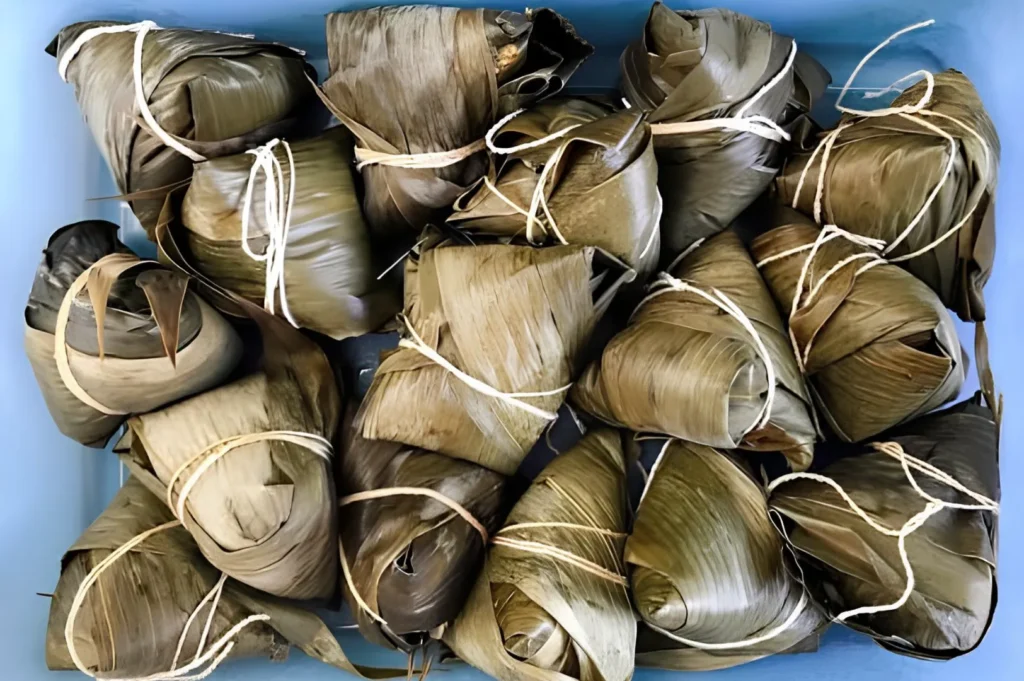
Traditional banana leaf wrapped rice parcels tied with natural string.
What stays with me now is how quietly this is slipping. Plastic and styrofoam wrap faster, seal tighter, cost less in effort. They keep rice hot, yes, but they give nothing back: no scent, no sheen, no green warmth rising when you open the parcel. The leaf asks more of you — a flame, a wiping cloth, hands that know the fold — and in return it seasons the food itself. That exchange, small and unhurried, is exactly what convenience cannot replicate, and exactly what we lose without noticing.
I think of the smell most of all. It is the reason some rice tastes like a particular kitchen, a particular pair of hands, a particular morning you cannot get back.

Traditional Korean Sikhye: Sweet Rice Punch Through the Seasons
Eda Wong | October 23, 2025
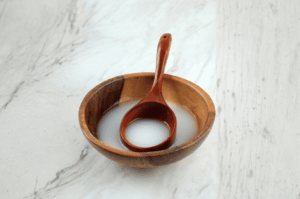
In the vibrant world of Korean food, beyond the fiery spice of gochujang and the savoury comfort of bulgogi, lies a gentler, more subtle delight. Meet traditional Korean sikhye (식혜), a beloved Korean sweet rice punch that holds a special place in the nation’s heart. With its cloudy, amber hue and delicate sweetness, this drink…
-
Authentic Jeonju Bibimbap: Why Korea’s Culinary Capital Makes It Best
Eat Drink Asia Team | October 21, 2025
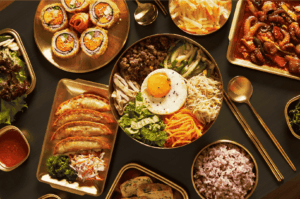
Picture this: A steaming Korean rice bowl is placed before you in Jeonju, South Korea. Vibrant arcs of seasoned bean sprouts, glossy strips of Korean beef, a golden runny yolk resting atop perfectly cooked mixed rice, and a dollop of rich red bibimbap sauce invite you to mix it all together. As you stir, the…
-
Communal Dining Traditions in Asia: Shared Meals, Lasting Bonds, and Cultural Heritage
Dio Asahi | October 18, 2025
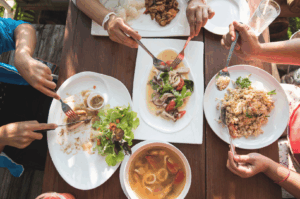
Imagine a dining table crowded with large platters of steaming food, the smell of spices in the air, small bowls arranged neatly around the shared table, and laughter echoing across the room. Across Asia, dining tables play a central role in communal dining traditions, serving as the focal point for etiquette, social interaction, and the…
-
Century-Old Dumpling Techniques: Ancient Wisdom in Modern Kitchens
Eda Wong | October 16, 2025
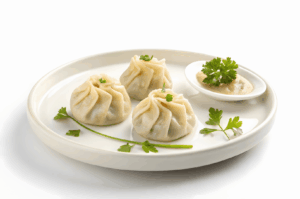
Her hands move in a blur, a dance of muscle memory refined over sixty years. In a small, steam-filled kitchen in Shanghai, an elderly woman transforms a humble circle of dumpling dough into a perfect, 20-pleat xiao long bao. Each pinch and fold is a syllable in a story passed down through generations-prime examples of…
-
Ca Phe Sua Da: The Cultural Phenomenon of Authentic Vietnamese Coffee
Eat Drink Asia Team | October 14, 2025
The dawn breaks over Hanoi, and the city awakens not to alarm clocks but to the clatter of tiny spoons and the metallic click of filters. The air fills with the dark, roasted aroma of authentic Vietnamese coffee drifting from bustling corners and sidewalk stalls. They are not rushing. Instead, they are waiting-waiting for the…
-
Cao Lầu Noodles: Hoi An’s Legendary Noodle Dish with Japanese Origins
Dio Asahi | October 11, 2025
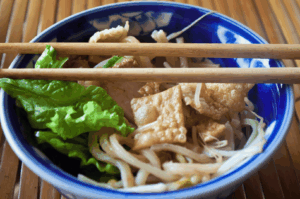
Imagine sitting on a low stool in a bustling alleyway of Hoi An’s ancient town. The warm, fragrant air is thick with the scent of sizzling marinated pork, fresh herbs, and the unmistakable aroma of fish sauce and fried rice crackers. In front of you, a bowl of Cao Lau noodles gleams, their golden brown…
-
Chinese Tea: 5,000-Year Tea Journey from Ancient Medicine to Global Beverage Phenomenon
Eda Wong | October 9, 2025
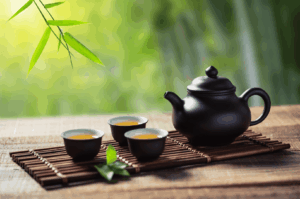
Every cup of tea enjoyed today, whether a brisk English breakfast or a delicate green tea in Tokyo, finds its lineage rooted in the heart of Chinese tea history. For nearly 5,000 years, the humble leaves of the Camellia sinensis tea plant have been cultivated, brewed, and cherished-first as ancient medicine in southern China, and…
-
The Complete Guide to Authentic Cantonese Dim Sum: Beyond Har Gow and Siu Mai
Eat Drink Asia Team | October 7, 2025
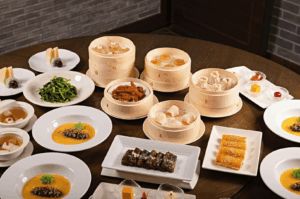
If you think eating dim sum is all about har gow and siu mai, think again. Authentic Cantonese dim sum is a dazzling showcase of Chinese culture, filled with an array of flavors, textures, and traditions that run much deeper than the classics. For both seasoned aficionados and first-time food explorers, venturing beyond the familiar…
-
Traditional Indian Lassi: Cooling Yogurt Drinks for Every Season and Region
Eda Wong | October 4, 2025
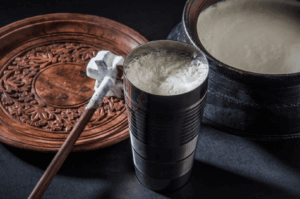
On a sweltering Indian afternoon, there is no greater relief than a tall, chilled glass of traditional Indian lassi. From bustling city streets to quiet village homes, lassi is a beloved staple that offers a moment of pure, cooling bliss. Frothy, creamy, and deeply satisfying, this yogurt drink is more than just a refreshment; it’s…
-
Gujarati Thali Guide: Western India’s Plant-Based Feast
Dio Asahi | October 2, 2025
Imagine a large, gleaming steel plate arriving at your table, a vibrant constellation of small bowls each filled with colourful and fragrant preparations. In the centre, fluffy plain rice sits next to a pile of wafer-thin, ghee-brushed Indian bread. This isn’t just an Indian meal; it’s a traditional Gujarati thali, an immersive culinary journey through…