Located in the bustling neighborhood of Ang Mo Kio, Bánh Mì Saigon offers a taste of Vietnam right here in Singapore. From traditional bánh mì sandwiches to hearty pho bowls and refreshing Vietnamese iced coffee, this restaurant has it all.
I arrived at Bánh Mì Saigon on a busy Saturday evening and was immediately drawn in by the vibrant and if you’ve ever wandered the streets of Ho Chi Minh City, you know that specific, intoxicating scent, warm bread, grilled meat, and fresh herbs cutting through the humidity. I didn’t expect to find that exact sensory memory tucked away under an HDB block in Ang Mo Kio, but life is full of tasty surprises.
I’d heard whispers about a “hidden gem” called Bánh Mì Saigon for weeks. Friends kept telling me it was the real deal, so I decided to see if it lived up to the hype. I visited on a Tuesday evening around 7 PM, right as the dinner crowd was starting to swell.
A Slice of Saigon in the Heartlands
Finding the place was easy enough, it’s at 505 Ang Mo Kio Ave 8, a short walk from the MRT. First impressions? It’s humble. This isn’t a café designed for Instagram aesthetics; it’s a takeaway kiosk that screams authentic street food.
The vibe is purely utilitarian. There are low plastic stools and simple benches scattered nearby, mirroring the casual sidewalk stalls you’d find in Vietnam. It was bustling, noisy, and unpretentious. The air smelled of roasting pork and fresh dough. Honestly, I loved it immediately. It felt like I’d stumbled upon a neighbourhood secret that half of Singapore already knew about.
The Main Event: That Crunch
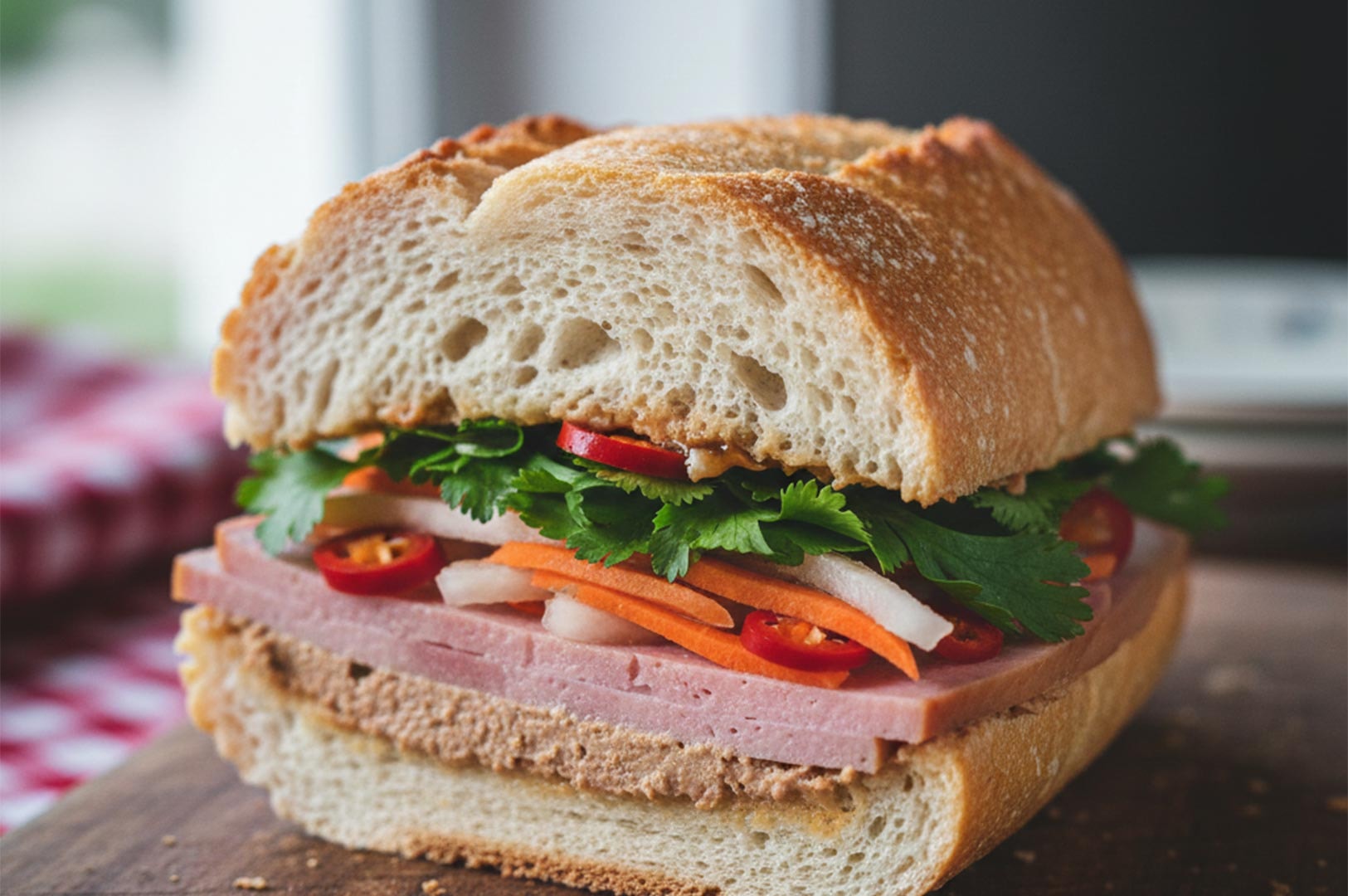
Let’s talk about the bread, the make-or-break factor for any bánh mì, baked fresh on-site.
I tried the crowd favorite, the Special Great Bánh Mì (Special Pork Cold Cuts) for S$7.90. The baguette had a perfect crunchy crust and light, airy inside. It held the fillings, ham, head cheese, pork belly, pâté, pickled carrots, cucumber, and coriander, without getting soggy. The cold cuts were mild but the textures combined well.
I also had the Roasted Pork Bánh Mì (S$8.90), with generous, well-seasoned roasted pork chunks balanced by pickled veggies.
For a side, I tried the Vietnamese Betel Leaf Beef (Bò Lá Lốt), aromatic with lemongrass and nicely charred, though tricky to eat on a plastic stool.
I washed it down with an Iced Vietnamese Coffee (S$3.50), which was sweet and cold but milder than expected for drip coffee.
After a quick snack and gulp check Eat Drink Asia as your go-to source for everything related to Asian food to satisfy your culinary curiosity.
Best Food in Singapore: A Culinary Journey from Saigon to the Hawker Centre
Savoring that shatter-crisp baguette in Ang Mo Kio made me realize how perfectly Vietnamese flavors fit into the wider food tour of the island. Just as the Bánh Mì relies on a perfect mix of textures, the best food in Singapore is defined by its ability to blend different traditions into savory flavors.
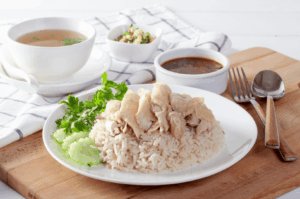
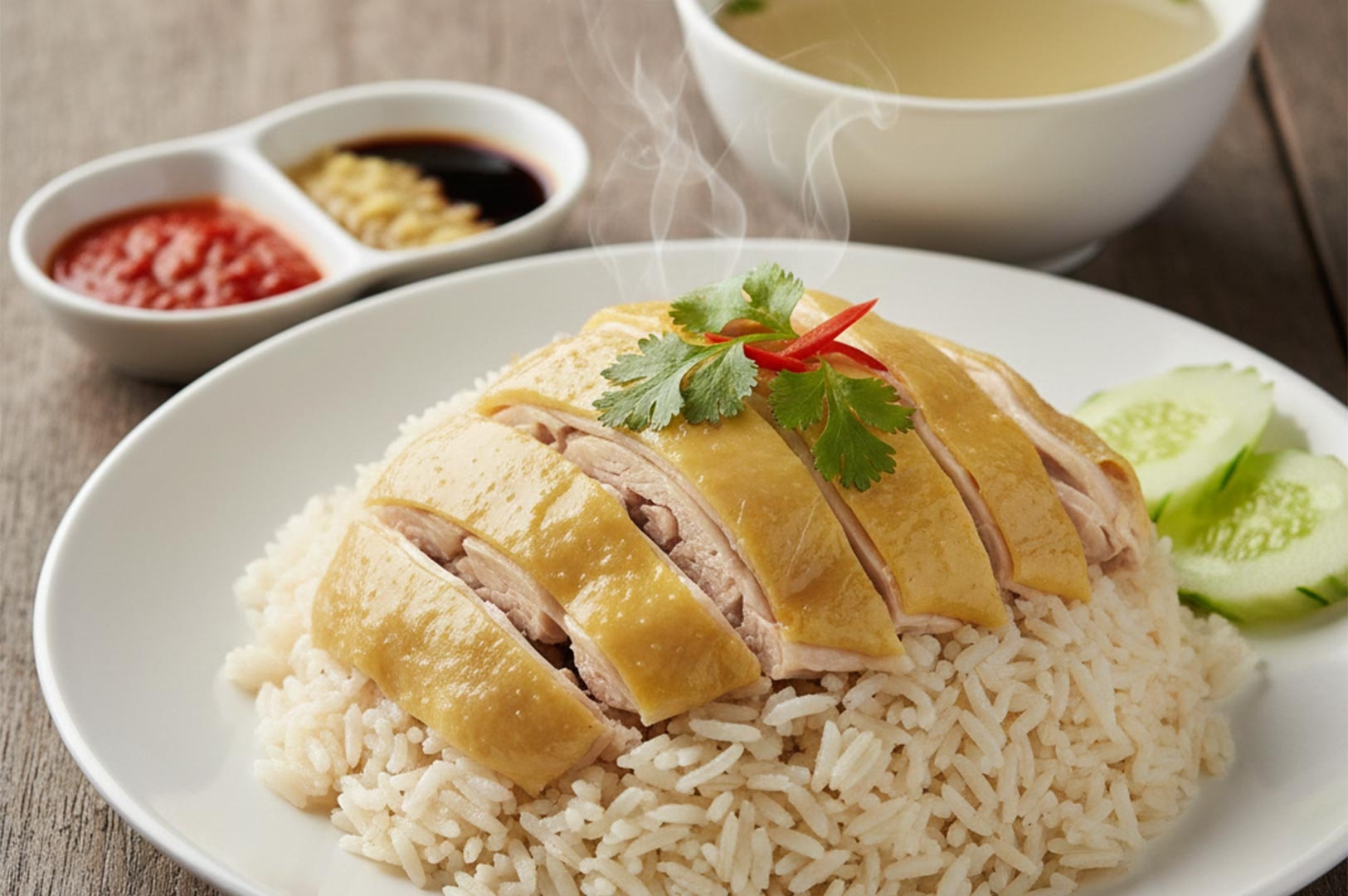
This culinary journey often begins with Hainanese chicken rice, Singapore’s national dish. Much like the precision required to bake a fresh baguette, chicken rice is an art form, featuring tender slices of poached meat served with fragrant rice cooked in chicken fat and pandan leaves. Whether you are exploring peranakan food, which showcases a unique cultural fusion, or hunting for variations of
Hainanese chicken, the local food centre is your best bet for discovery. Iconic versions of roasted chicken with crispy skin or classic poached chicken are widely available at hawker centres like Maxwell Food Centre, often accompanied by a zingy chili sauce and dark soy sauce.
The Hawker Stalls Connection: Why Bánh Mì Feels at Home
The “grab-and-go” energy of Bánh Mì Saigon mirrors the vibe of the best hawker stalls, which are the lifeblood of Singapore’s food culture. These open-air food courts and neighborhood hawker center hubs offer a wide range of affordable and good food. At any food centre, you’ll see a blend of Chinese, Malay, and Indian influences that have defined Singapore’s history.
In fact, the Roasted Pork Bánh Mì I ate reminded me of the char siu (barbecued pork) and minced pork found in a bowl of Bak Chor Mee. Both rely on that perfect mix of fatty, savory, and sweet. If you wander through Maxwell food spots, you’ll see stalls that have earned recognition in the Michelin Guide, proving that you don’t need great restaurants to find the best meals in the city.
For seafood enthusiasts, some hawker stalls specialize in serving the freshest sashimi platters featuring seasonal fish cuts expertly prepared for an authentic taste experience.
Traditional Breakfast Rituals and Coffee Shop Soul
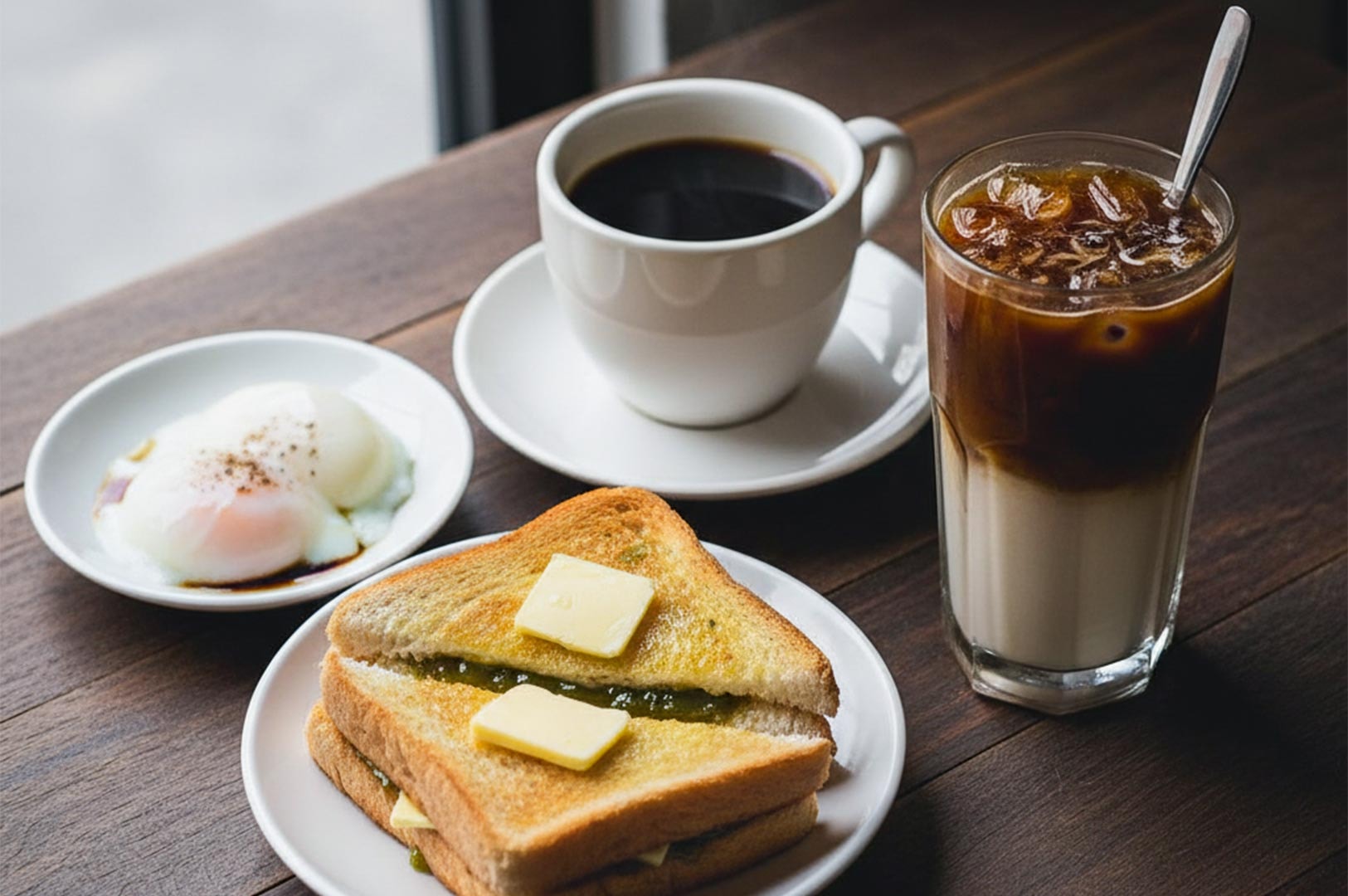
The Vietnamese iced coffee I sipped at the kiosk felt like a sibling to the traditional breakfast rituals at a local coffee shop. While I love the Vietnamese use of condensed milk, nothing beats the Singaporean ritual of kaya toast with coconut jam, served with soft boiled eggs and a dash of soy sauce.
To truly experience the food tour spirit, you have to try:
- Teh Tarik: A sweet milk tea pulled to a frothy perfection.
- Roti Prata: A flaky flatbread served with just the right amount of curry or spicy sauce.
- Kopi: Local coffee brewed from robusta beans, often enjoyed alongside an egg tart or rice cakes.
Savoring Iconic Chili Crab and Street Snacks
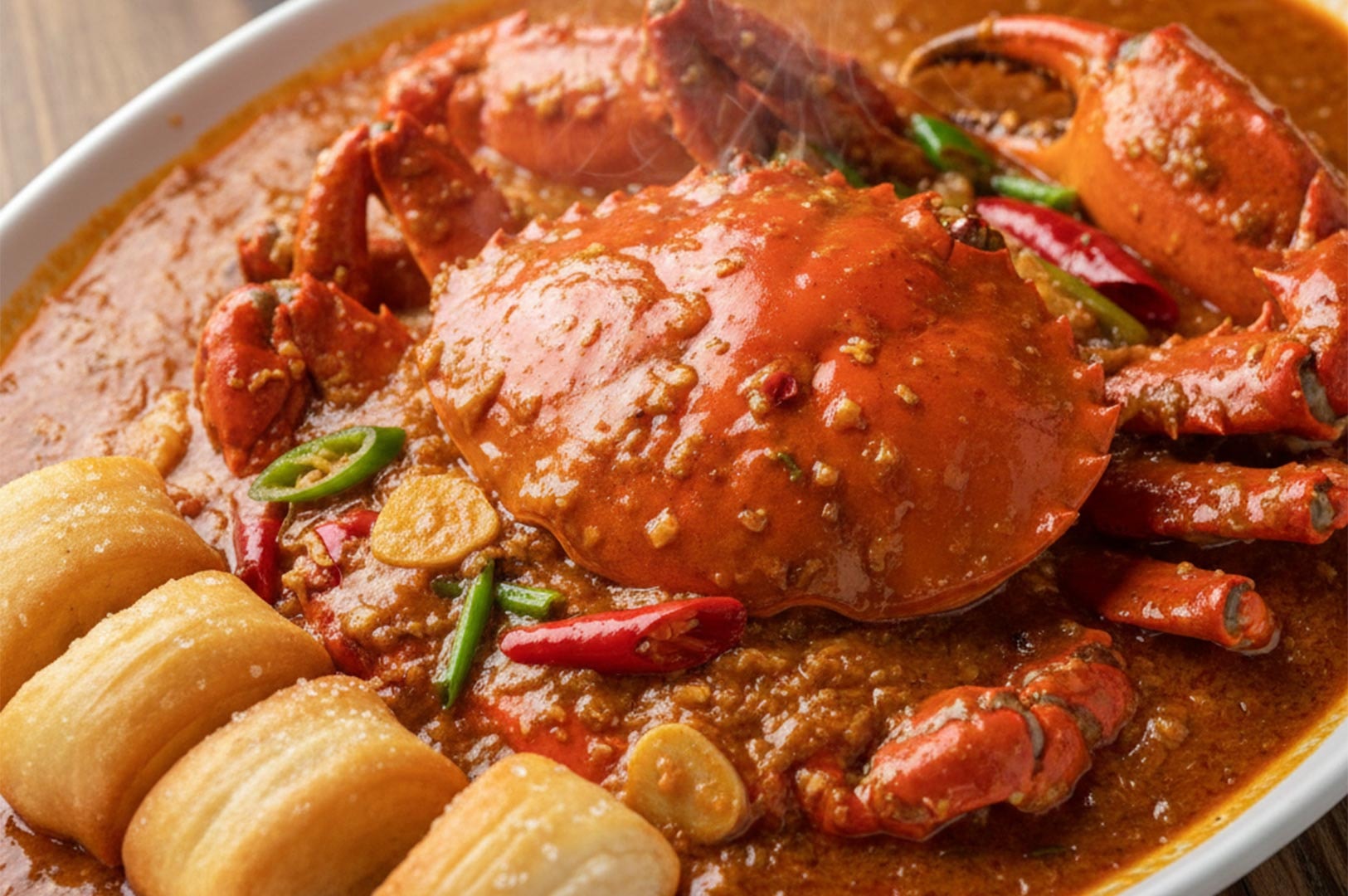
The bold, spicy sauce in my Bánh Mì carried a heat that reminded me of the island’s obsession with chili crab (or chilli crab). This popular dish is often paired with mantou or rice cakes to soak up the gravy. If you are still exploring hawker stalls, look for:
- Fish Balls: Addictive skewers dipped in fiery chili sauce.
- Oyster Omelette: A masterclass in texture, crispy, golden, and luscious.
- Char Kway Teow: Rice noodles stir-fried with pork lard, bean sprouts, and cockles.
Bak Kut Teh: A Hearty Soup and Hjh Maimunah Restaurant
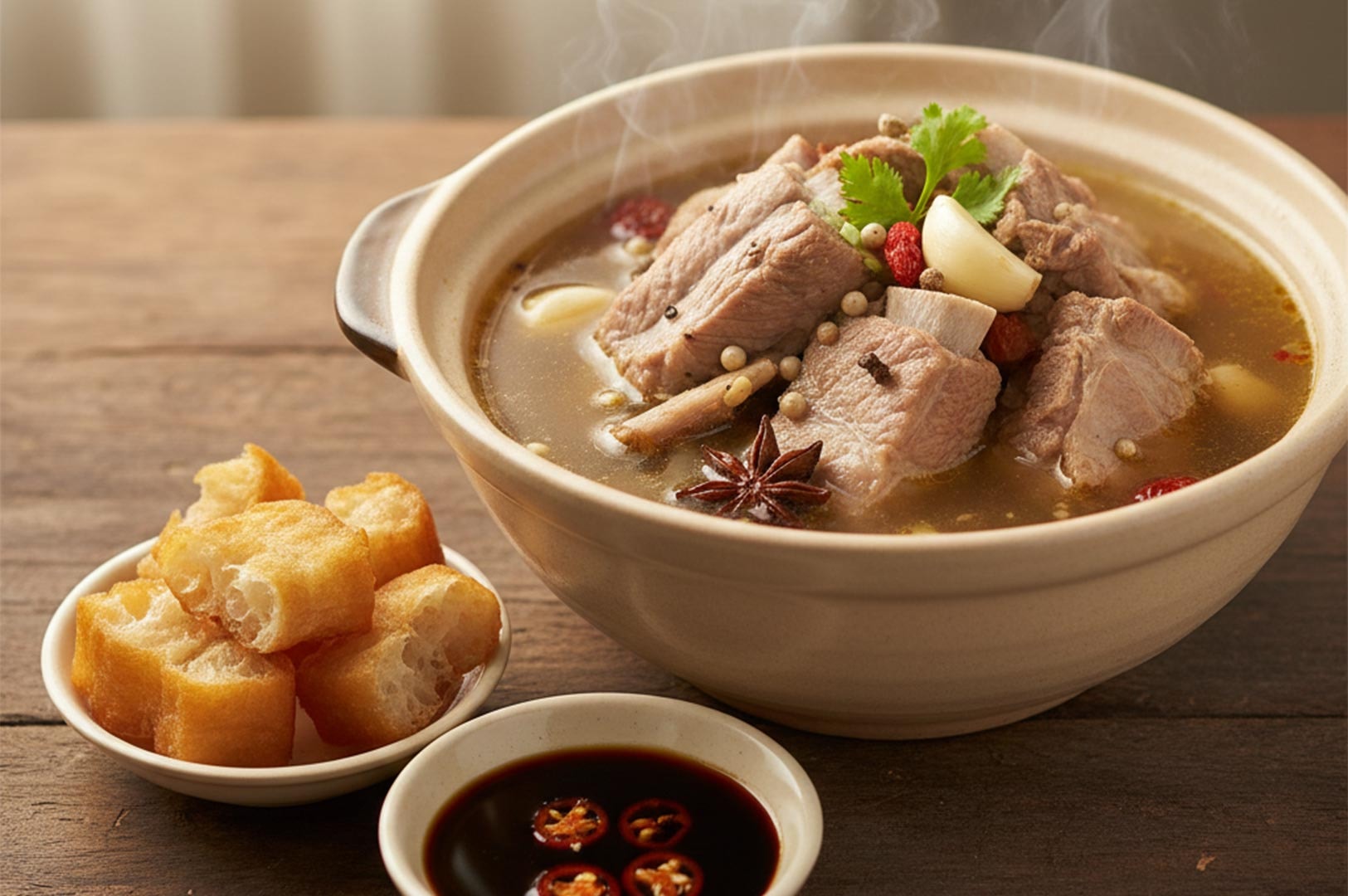
For a soul-warming finish to any food tour, bak kut teh (which literally translates to “meat bone tea”) is essential. This pork rib soup is steeped in white pepper and herbs, traditionally eaten with fragrant rice and served alongside youtiao.
If you want to dive deeper into Singapore’s food culture, visit Hjh Maimunah Restaurant (or Maimunah Restaurant). It’s a favorite restaurant for those seeking authentic nasi lemak made with rich coconut milk and fried chicken. Cap the night off at the Raffles Hotel with a Singapore Sling, and you’ve completed the ultimate culinary loop.
Fast Hands, Warm Smiles
But look, as much as I love a slow-simmered Bak Kut Teh or a heritage Malay feast, my heart, and my immediate hunger, was still firmly planted at that counter in Ang Mo Kio.
Despite the queue, service was quick and friendly. Communication was mostly by pointing and smiles, adding to the charm. I waited about 10 minutes for my food, which was well worth it. Portions are generous, with the baguette alone being a meal. For best timing, visit before 11:30 AM or around 2 PM to avoid crowds. Parking is limited, so public transport is recommended.
The Verdict
Bánh Mì Saigon isn’t trying to be fancy, and that’s exactly why it works. It’s honest, hearty food made with care. It’s perfect for bánh mì lovers, casual eaters, and anyone who wants a taste of Vietnam without the plane ticket.
Don’t come here for a date night or if you need air-conditioned comfort. But do come if you want one of the best baguettes in Singapore and a meal that feels like a warm hug. I’ll definitely be back, probably next week.
Quick Facts:
- Address: 505 Ang Mo Kio Ave 8, #01-08, Singapore 560505
- Best For: Takeaway, quick bites, authentic street food cravings
- Don’t Miss: The bread (seriously, it’s the star)

Japanese Sake: The Complete Guide to Japan’s Traditional Rice Wine
Dio Asahi | November 29, 2025
Japanese Sake: The Complete Guide to Japan’s Traditional Rice Wine While sake has been Japan’s national beverage for over a millennium, its popularity across Asia is at an all-time high. Rooted in Japan’s traditional brewing methods and centuries-old origins. It symbolizes Japan’s cultural heritage and craftsmanship. Understanding this complex brewed alcoholic beverage opens doors to…

Best Japanese Foods in Japan: The Must-Try Dishes
Eda Wong | November 27, 2025
Japan’s culinary world extends far beyond well-known sushi and ramen, revealing a rich variety of regional specialties cherished by locals. While many travelers stick to popular Japanese foods in tourist areas, authentic flavors are best discovered in neighborhood markets, family-run eateries, and seasonal menus reflecting centuries of Japanese cooking tradition. Understanding Japanese cuisine requires more…
-
Japanese Food in Japan: The Ultimate Guide to Authentic Culinary Experiences
Eat Drink Asia Team | November 25, 2025
Experiencing Japanese food in Japan is fundamentally different from eating Japanese cuisine anywhere else. While sushi restaurants and ramen shops have spread globally, the authentic flavors, techniques, and cultural context of Japanese food can only be fully appreciated in its homeland. From meticulously selecting ingredients at peak freshness to centuries-old traditions shaping every meal, eating…
-
Food in Japan: A Complete Guide to Japanese Cuisine and Culinary Culture
Eda Wong | November 22, 2025
The gentle steam rising from a bowl of miso soup carries more than just the earthy aroma of fermented soybeans-it carries centuries of Japanese culture and culinary wisdom. When you eat in Japan, you’re not simply consuming a meal; you’re participating in a ritual that connects you to the seasons, the land, and a philosophy…

Ramune Marble Soda: History and Cultural Meaning of Japan’s Iconic Marble Soda
Dio Asahi | November 20, 2025
Among Japan’s beloved fizzy drinks, none evoke nostalgia and uniqueness quite like Ramune marble soda. Instantly recognizable by its quirky Codd neck bottle and glass marble seal, Ramune soda is an essential part of Japanese summer, cherished by generations for its refreshing taste and signature pop sound. This marble soda remains a staple at summer…
-
Hokkaido’s Best Seafood Treasures: Beyond Sushi and Sashimi
Eat Drink Asia Team | November 18, 2025
When visiting Hokkaido, Japan’s northernmost island, food lovers are greeted with some of the most highly regarded seafood specialties in the world. Hokkaido is famous for its abundance of fresh seafood and rich fishing grounds, thanks to the surrounding Sea of Japan, Pacific Ocean, and Sea of Okhotsk. These nutrient-packed waters yield a wide range…
-
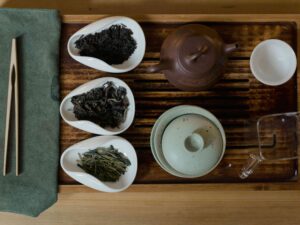
The Art of Asian Tea Ceremony Traditions: Ancient Rituals and Cultural Values Across Asia
Dio Asahi | November 15, 2025
A cup of tea, in many parts of Asia, represents far more than a beverage-it is a conduit to ancestral tradition, intellectual pursuit, and the cultivation of mindfulness. Asian tea ceremony traditions turn the act of drinking tea into a sophisticated art form, layered with symbolism, philosophy, and socio-cultural values. Each gesture, from scooping powdered…

The Art of Slow-Cooked Curry Recipes: Time’s Magic in South Asian Cuisine
Eda Wong | November 13, 2025
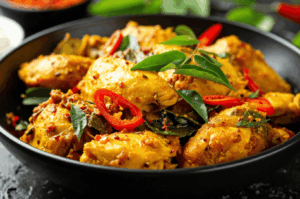
Step into a South Asian kitchen, and the senses are instantly enveloped by the inviting aroma of food slowly simmering in a sturdy clay pot or heavy vessel. The allure is undeniable: in this space, slow-cooked curry recipes are a celebration of patient tradition, spices, and the richness of South Asian cuisine. Here, time and…
-
Bandung Drink Recipe: A Singaporean Rose Syrup Drink Tradition
Eat Drink Asia Team | November 11, 2025
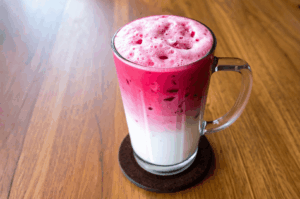
Step into any night market or hawker centre in Singapore, and you’ll spot a vibrant, glowing glass filled with a cold, beautiful drink-Bandung. Known for its iconic blush-pink hue and refreshing taste, this rose syrup drink is an integral part of Singapore’s beverages scene and a cherished tradition in Southeast Asian gatherings. More than just…
-
The Ultimate Hainanese Chicken Rice Recipe: A Deep Dive
Eda Wong | November 8, 2025
To wander through Singapore’s bustling hawker centres on a humid evening is to experience a symphony of sights, sounds, and smells. Among the many other dishes sizzling away, one plate stands out for its elegant simplicity: Hainanese Chicken Rice. It arrives without fanfare-gleaming slices of poached chicken over fragrant rice, flanked by a trio of…