When visiting Hokkaido, Japan’s northernmost island, food lovers are greeted with some of the most highly regarded seafood specialties in the world. Hokkaido is famous for its abundance of fresh seafood and rich fishing grounds, thanks to the surrounding Sea of Japan, Pacific Ocean, and Sea of Okhotsk. These nutrient-packed waters yield a wide range of marine delicacies, celebrated for their natural flavor, rich umami, and sweet taste. Here, seafood is not just food-it’s a way of life, enjoyed year round by locals and visitors alike.
Most travelers come to Japan expecting impeccable sushi and sashimi, but Hokkaido’s culinary scene offers much more. From fresh sea urchin and hairy crab to grilled fish and kaisen-don (seafood rice bowls), Hokkaido seafood specialties present a variety of delicious dishes steeped in history and local tradition. This guide explores the diverse flavors, unique dishes, best markets and restaurants, plus practical tips for truly savoring the essence of Hokkaido.
This dedication to craftsmanship and respect for seasonal ingredients is embodied in the Shokunin Spirit: how Japan’s craftsman philosophy lives inside Singapore’s most disciplined omakase counter, Sushi Masa by Ki-setsu, where every dish is a testament to precision and tradition.
Why Hokkaido is Japan’s Ultimate Seafood Haven
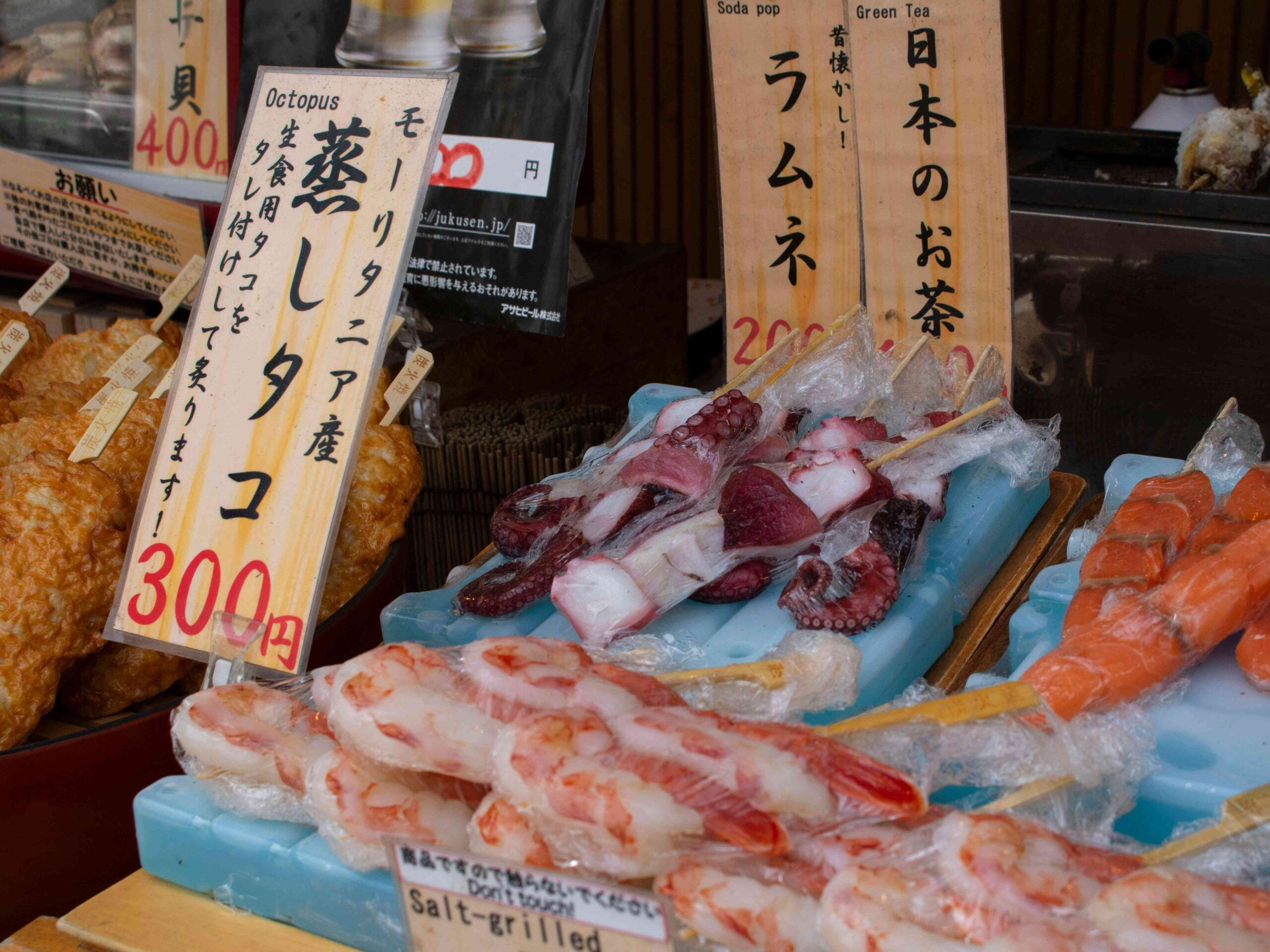
Hokkaido’s reputation for seafood is built on its cold seas, which result in firm texture, rich sweetness, and a natural flavor prized by chefs worldwide. The region’s seafood is enjoyed raw, grilled, fried, and in various dishes ranging from fine-dining sushi to casual bowls eaten at market stalls.
Hokkaido’s fishermen haul in prized crab, fresh scallops, succulent sea urchin, bluefin tuna, salmon, and atka mackerel, with seasonal flavors peaking at different times of the year. Here, eating seafood is woven into everyday life, marked by the seasons and celebrated with festivals and community meals.
Seafood Delicacies: Botan Shrimp, Atka Mackerel, and More
Botan shrimp and Atka mackerel are other must-try ingredients, often enjoyed grilled or served as sashimi. Don’t miss the rare hanasaki crab or Akkeshi oysters, celebrated for their rich sweetness and natural flavor. Whether at bustling markets in Hokkaido or cozy seafood markets near JR Otaru Station, visitors can relish high-quality seafood year-round, making every rice bowl a memorable experience.
Best Places to Eat Hokkaido Seafood Specialties
These five restaurants are the places I keep recommending when friends ask where to try the best seafood in Hokkaido. Each one shows a different side of the island’s hokkaido seafood culture — from bustling seafood markets serving towering seafood rice bowls to smoky grills celebrating the island’s bountiful seas.
What they share is simple: fresh ingredients, seafood supplied daily by local fishermen, and cooking that highlights the natural flavor of Hokkaido’s rich marine life.
1. Ajidokoro Takeda (Otaru)
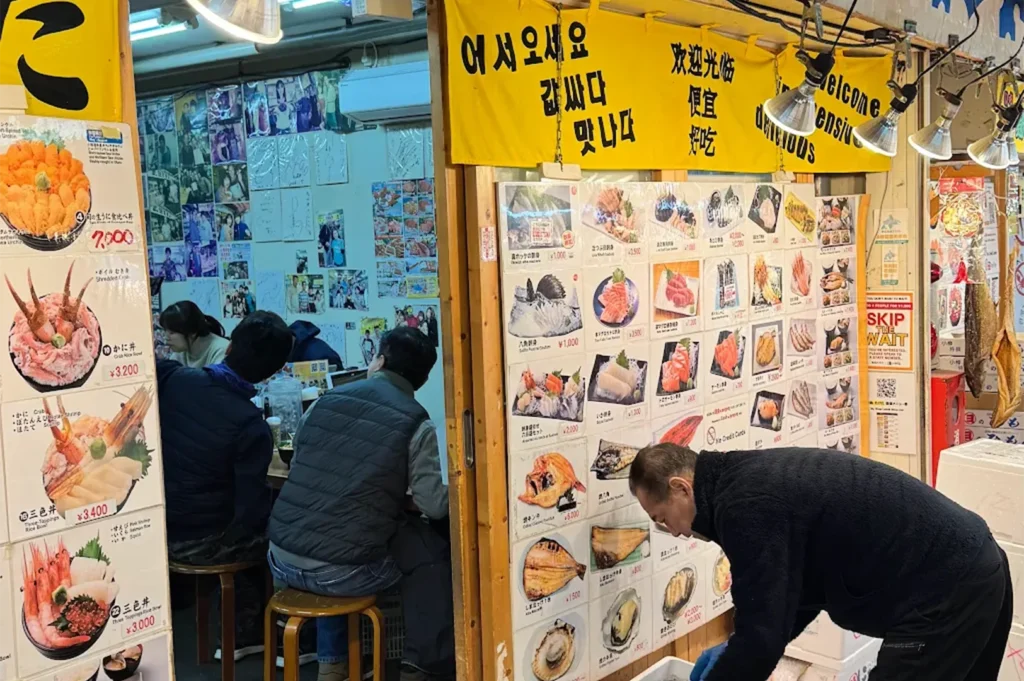
Nearest Station: JR Otaru Station – one minute walk
Inside the narrow lanes of Sankaku Market, Ajidokoro Takeda feels like a true treasure trove of hokkaido seafood specialties. The restaurant sits inside the wholesale market, surrounded by stalls selling fresh fish, crab, and shrimp pulled from nearby waters.
I ordered the famous Sanjuu Don, a generous rice bowl layered with fresh sea urchin, salmon roe, and fresh scallops over steaming white rice. The uni had that unmistakable creamy texture, while the ikura burst with salty sweetness. The giant scallops were sweet and tender with a gentle firm texture.
A touch of soy sauce brought out the rich umami of the seafood without overpowering its natural flavor.
Perfect pick for: Travelers wanting the classic Otaru seafood market breakfast.
Word to the wise: Order a mixed seafood bowl so you can taste several Hokkaido seafood specialties at once.
Skip this spot if: You dislike crowded markets.
2. Uni Murakami Hakodate Honten
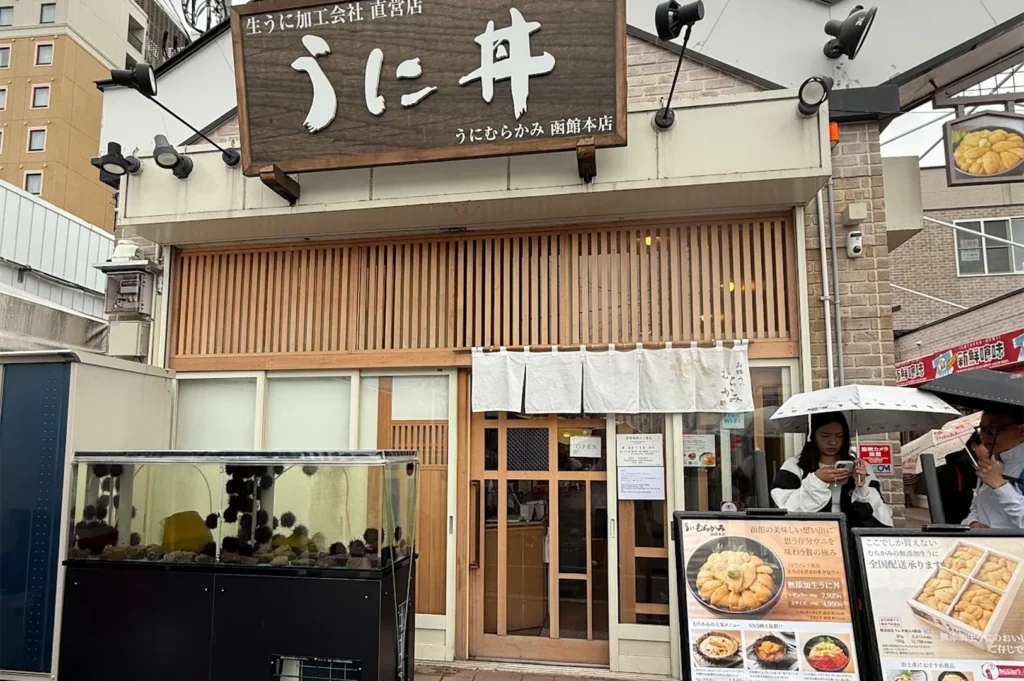
Nearest Station: JR Hakodate Station – 3 minute walk
If you love sea urchin, this restaurant is essential.
Uni Murakami is known for serving fresh sea urchin without alum, preserving its rich sweetness and silky texture. The uni comes from the bountiful seas around Hokkaido, and the difference is obvious from the first bite.
My rice bowl arrived covered with golden uni that tasted almost buttery — delicate, smooth, and full of rich umami.
The restaurant sits near the bustling Hakodate Morning Market, yet the atmosphere inside is calm and refined, focused entirely on serving some of the finest seafood in the region.
Perfect pick for: Uni lovers and ingredient-focused diners.
Word to the wise: Try the uni gratin — lightly cooked sea urchin reveals even deeper sweetness.
Skip this spot if: You want cheap seafood.
3. Kikuyo Shokudo Main Store
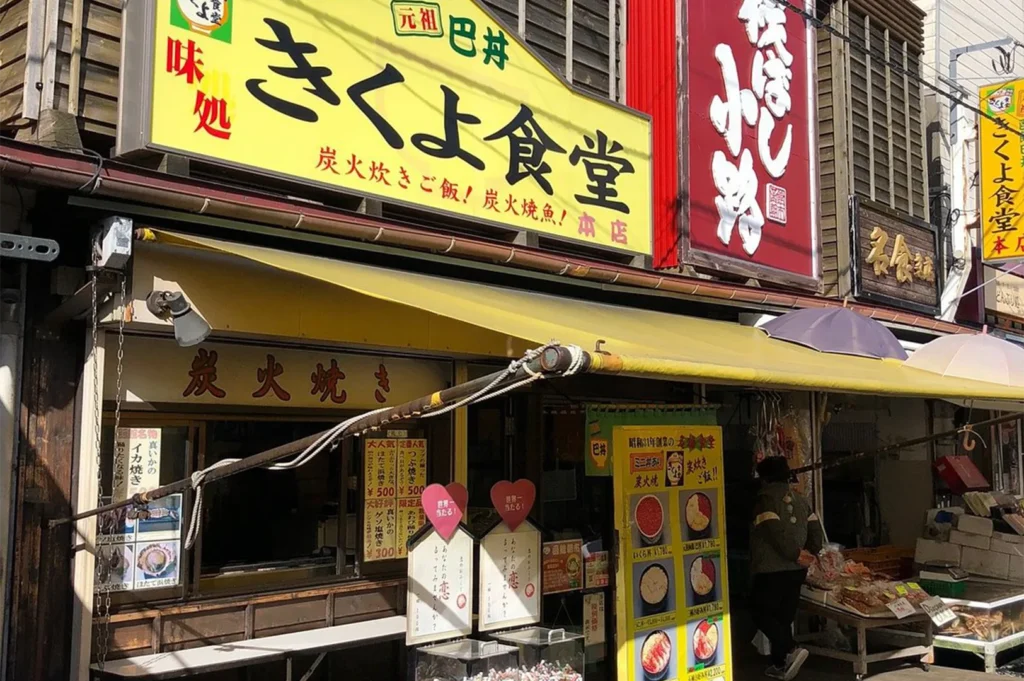
Nearest Station: JR Hakodate Station – 2 minute walk
Located inside the famous Hakodate Morning Market, Kikuyo Shokudo has been serving seafood bowls since the early Meiji period.
The surprise here is the rice.
It’s cooked in a charcoal-fired kamado, giving the white rice a subtle smoky aroma. Their signature bowl combines sea urchin, salmon roe, and Hokkaido’s scallops.
The scallops are plump and sweet with a clean ocean flavor, while the ikura don delivers bursts of savory taste and rich flavor.
The restaurant fills quickly in the morning, but that lively energy is part of the market experience.
Perfect pick for: Travelers wanting a classic morning market seafood breakfast.
Word to the wise: Focus on the kamado-cooked rice — it’s the detail that makes this bowl special.
Skip this spot if: You prefer quiet dining.
4. OHISO Main Store (Sapporo)
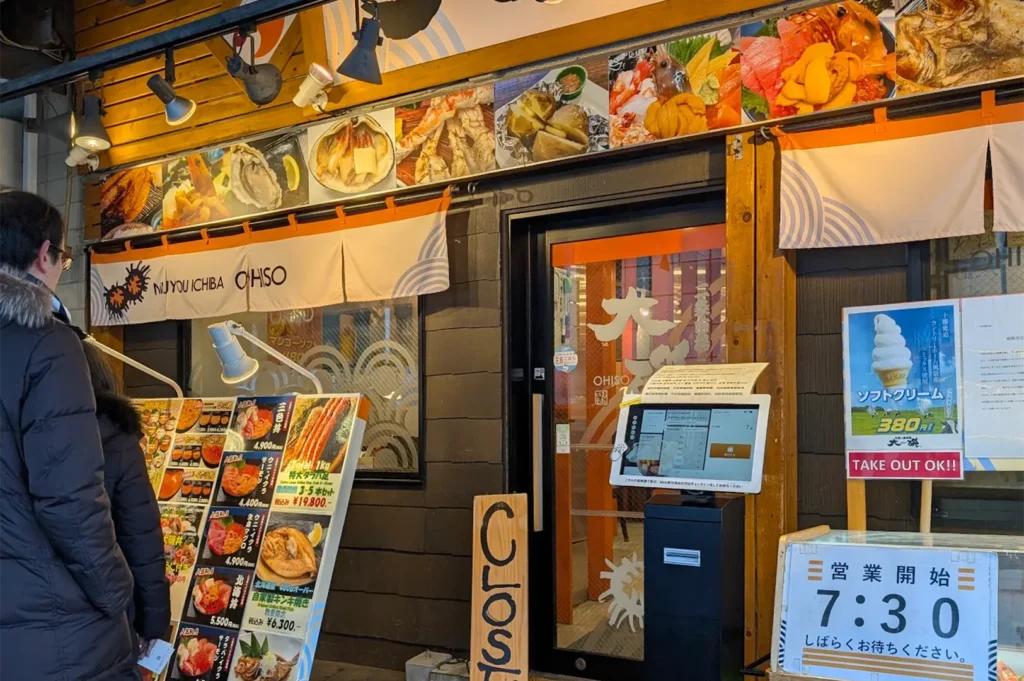
Nearest Station: Odori Station – 7 minute walk
Located in Nijo Fish Market in central Sapporo, OHISO is one of the best places to enjoy a classic seafood bowl.
Their signature bowl arrives piled high with rice topped with salmon, salmon roe, fresh scallops, and sea urchin. The seafood tastes incredibly clean and sweet — a reflection of the island’s high quality seafood.
What many visitors miss, however, is the grilled menu.
I ordered Atka mackerel, and the skin crisped beautifully while the flesh stayed juicy, releasing a smoky aroma that paired perfectly with the seafood bowl.
Perfect pick for: Travelers exploring Nijo Market.
Word to the wise: Add the grilled Atka mackerel for a deeper taste of Hokkaido seafood.
Skip this spot if: You dislike busy markets.
5. Robata Renga (Kushiro)
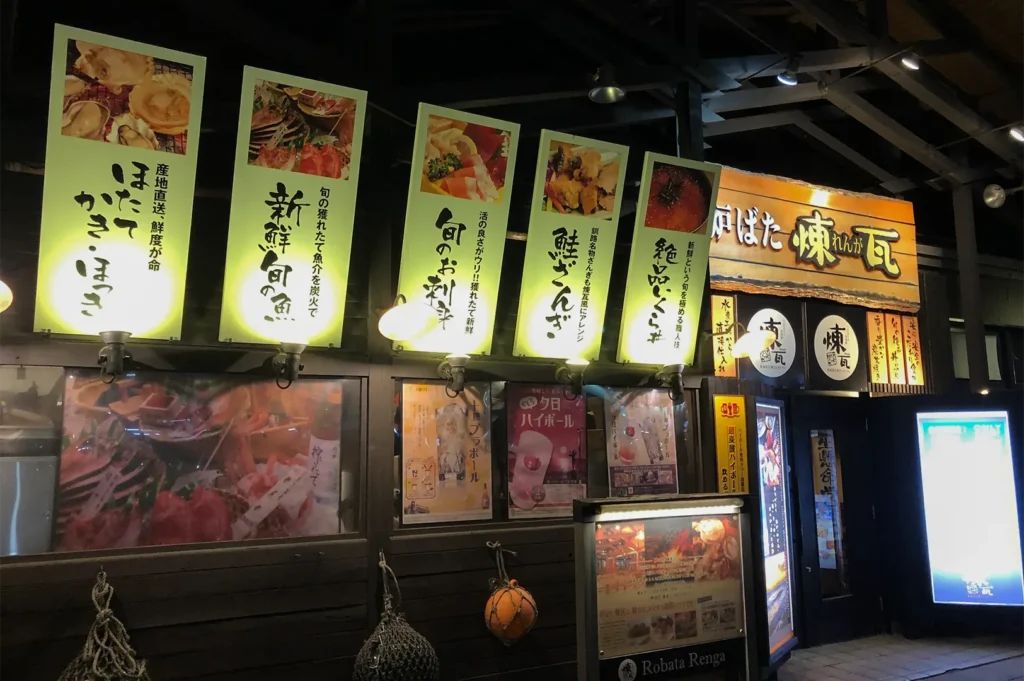
Nearest Station: JR Kushiro Station – 15 minute walk
Robata Renga offers one of the most memorable seafood dinners I’ve had in Hokkaido.
Set inside a historic brick warehouse near Kushiro Port, the restaurant focuses on robata-style grilling rather than sushi or sashimi. Diners cook seafood such as Akkeshi oysters, scallops, and fish over charcoal grills.
When the scallops hit the grill, they caramelized at the edges and released a sweet ocean aroma. The oysters tasted briny and fresh, reflecting the nearby rich fishing grounds.
The smoky atmosphere captures the spirit of Kushiro’s fishing port.
Perfect pick for: Travelers wanting an interactive seafood dinner.
Word to the wise: Order a mix of seafood — including Hanasaki crab, hairy crab, or king crab when available — to explore the island’s variety of seafood.
Skip this spot if: You want refined fine dining.
Hokkaido Seafood Specialties: A Feast from the Bountiful Seas
Hokkaido seafood specialties are a true celebration of the island’s rich fishing grounds where the cold waters of the Sea of Japan, Pacific Ocean, and Sea of Okhotsk meet. Among the finest seafood, the hairy crab, king crab, and snow crab are prized catches, each offering a unique savory taste that seafood lovers cherish. The Hakodate Morning Market and Nijo Fish Market in central Sapporo are treasure troves where you can savor these local delicacies at reasonable prices.
Seafood rice bowls, or kaisen-don, are a popular way to enjoy Hokkaido’s bounty. Picture a bowl of rice topped with fresh sea urchin, ikura don (salmon roe bowl), and freshly caught scallops from the Notsuke Peninsula or Uchiura Bay. The creamy texture of sea urchin combined with the rich umami of salmon roe creates a perfect harmony of flavors.
Experience Seafood Like a Local
Hokkaido’s seafood is best appreciated when enjoyed in the company of locals and fishermen. Here’s how to eat and experience seafood like a true Hokkaido resident:
- Join Auctions or Fishing Excursions: Some coastal villages, like Rausu and Abashiri, let visitors watch seafood auctions or partake in scallop and squid fishing for a truly immersive experience.
- Learn Key Phrases: Simple words help connect with local fishermen and vendors:
- “Oishii!” (Delicious!)
- “Osusume wa?” (What do you recommend?)
- “Gochisousama deshita” (Thank you for the meal)
More Than a Meal-A Taste of Hokkaido’s Spirit
Hokkaido’s seafood scene is where the natural flavor of the sea meets the skill and heart of its people. The wide variety of delicious dishes, from creamy sea urchin to sweet crab and fresh scallops, is a testament to the island’s rich fishing culture. Eating here is about more than what’s on your plate-it’s about discovering new flavors, meeting fishermen, enjoying seasonal abundance, and appreciating the artistry in every slice of sashimi, bowl of rice, or grilled fish set before you.
For those visiting Japan, especially Hokkaido, take the time to explore beyond the usual. With its best seafood, prime season delicacies, markets, and welcoming spirit, Hokkaido invites you to savor a culinary adventure that lingers well beyond the last bite.
Similarly, if you’re craving an unforgettable food experience, consider exploring the vibrant flavors of Gujarati Thali, a plant-based feast from Western India. Rich in variety and tradition, this iconic meal offers a complete sensory journey through spices, textures, and cultural heritage. You can also dive deeper into regional rituals with The Art of Asian Tea Ceremony Traditions: Ancient Rituals and Cultural Values Across Asia.

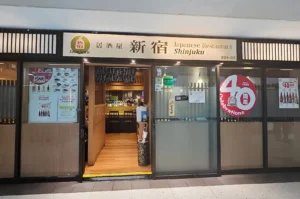
Shinjuku Restaurant, Where Cuppage Plaza Keeps Japanese Comfort Food Uncomplicated
Dio Asahi | October 27, 2026
I almost walked past Shinjuku Restaurant. That is easy to do in Cuppage Plaza. Step away from the polish of Orchard Road and the building feels older, quieter, and much less interested in catching your attention. Shinjuku sits on the ground floor at 5 Koek Road, behind a frontage that gives little away about the…
-
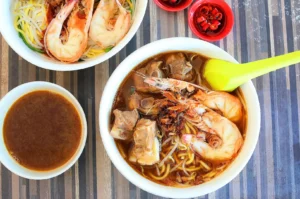
Prawn Mee in Singapore: Bowls Where the Broth Tastes Like Time
Eda Wong | October 24, 2026
I do not remember the first bowl of prawn mee I ever ate. But I remember the smell: that deep, roasted-shell darkness that fills a coffee shop before you have even sat down. My grandfather used to say you could tell a good prawn noodle stall from the doorway, just by breathing. Over the years,…
-
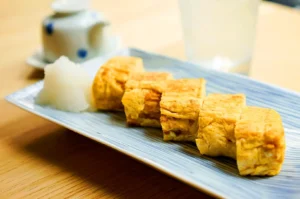
How to Make Dashimaki Tamago, the Japanese Rolled Omelette That Tastes Like Broth
Eat Drink Asia Team | October 22, 2026
Dashimaki tamago is one of those dishes that looks quieter than it is. At first glance, it is just a rolled egg. Pale, soft, sliced neatly, often served beside steamed rice, miso soup, and grated daikon radish. But once you make it, you realise it is not really about eggs alone. It is about how…
-
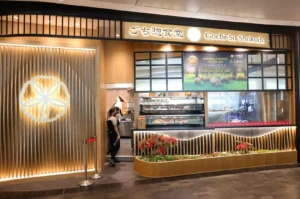
The Lunch Hour Slows Down at Gochi-So Shokudo
Dio Asahi | October 21, 2026
By Dio Asahi for Eat Drink Asia. It’s just past noon, and the lifts keep opening. Suits spill out, lanyards swinging, phones already halfway to their ears. But inside Gochi-So Shokudo, tucked into One Raffles Place, something else is happening. People are sitting down. Actually sitting. Chopsticks lifting, shoulders dropping a little, the room warm…
-
Kintamani Singapore Review: Can an All-You-Can-Eat Buffet Still Taste Like Indonesia?
Dio Asahi | October 20, 2026
I walked into Kintamani Singapore with one question in mind. Buffets ask food to wait. Rendang, sambal, grilled meats, and fried seafood all sit under heat while diners circle the spread. That is not necessarily kind to Indonesian dishes built around texture, reduction, chilli, coconut, and freshly cooked aromatics. So I was less interested in…

Pagi Sore Indonesian Restaurant Est 1989 Review: A Second-Generation Kitchen That Still Knows Its Own Voice
Eda Wong | October 17, 2026
The first thing I noticed at Pagi Sore Indonesian Restaurant was the smell. Not the sharp, showy kind. Something slower: coconut milk, lemongrass, chilli, fried egg, and the deep warmth of spice paste drifting out from a wood-heavy dining room while Far East Square kept moving outside. I walked over on a Wednesday evening, just…
-
Best Fish Soup in Singapore: Bowls Where the Broth Is the Whole Point
Eat Drink Asia Team | October 15, 2026
I don’t remember when fish soup became my quiet meal. It just did. On days when I couldn’t decide what I wanted, when the weather turned grey, when I needed something warm that asked nothing of me, I’d end up hunched over a bowl, breathing in the steam before the first spoonful. I’ve eaten a…
-
The Clay Stove Heat Beneath a Lao Grilled River Fish
Eda Wong | October 14, 2026
By Eda Wong for Eat Drink Asia It’s late afternoon, and the river is the colour of weak tea. A woman crouches beside a small clay stove at the edge of the bank, feeding it slivers of charcoal. Smoke lifts, thin and grey, and drifts toward the water. On a bamboo skewer, a whole fish…
-
The National Dish of Indonesia Is Not One Plate: Why a Country of Islands Needs Many Icons
Dio Asahi | October 13, 2026
The first time someone asked me for the national dish of Indonesia, I answered nasi goreng without thinking. It seemed obvious: fried rice darkened with kecap manis, often topped with a fried egg, familiar from warungs and late-night street food stalls. That answer is not wrong. It is simply too small. Indonesian food is regional,…
-
Sapporo in a Bowl: Soup Curry by Ki-setsu Comes to Singapore
Eda Wong | October 12, 2026
Ask most Singaporeans to picture Japanese curry and a familiar image probably comes to mind: a plate of rice beneath thick brown gravy, perhaps with a breaded cutlet sliced neatly across the top. It is rich, sweet-edged, comforting and, by now, almost as recognisable as ramen or donburi. Head to the fourth floor of Fortune…