Japan’s culinary world extends far beyond well-known sushi and ramen, revealing a rich variety of regional specialties cherished by locals. While many travelers stick to popular Japanese foods in tourist areas, authentic flavors are best discovered in neighborhood markets, family-run eateries, and seasonal menus reflecting centuries of Japanese cooking tradition.
Understanding Japanese cuisine requires more than tasting popular dishes-it demands appreciating the intricate relationship between seasonality, regional identity, and cultural heritage. For deeper insight, explore our guide Food in Japan: A Complete Guide to Japanese Cuisine and Culinary Culture which delves into historical and cultural foundations making Japanese food culture distinctive.
When you visit Japan, it is essential to try both traditional and popular Japanese foods to fully appreciate the country’s rich culinary heritage.
What makes Japanese food special isn’t just preparation precision-it’s profound respect for ingredients, emphasis on visual harmony, and how each dish reflects its specific region and season. From Tokyo’s bustling Japanese street food culture to Kyoto’s refined kaiseki meal traditions, every region offers distinct flavors telling the story of local history, climate, and cultural values.
Tokyo’s Must-Try Food Scene: Most Popular Japanese Dishes
Tokyo’s food scene is the dynamic heart of modern Japanese cooking, where traditional techniques merge with contemporary innovation. The capital’s diverse neighborhoods each offer distinct culinary personalities, from working-class comfort foods to refined sushi counters.
Monjayaki in Tsukishima District is Tokyo’s answer to Osaka’s famous okonomiyaki but with a wetter wheat flour batter cooked tableside on a hot griddle. Unlike okonomiyaki’s firm structure, monjayaki remains runny and is eaten directly from the griddle using small spatulas.
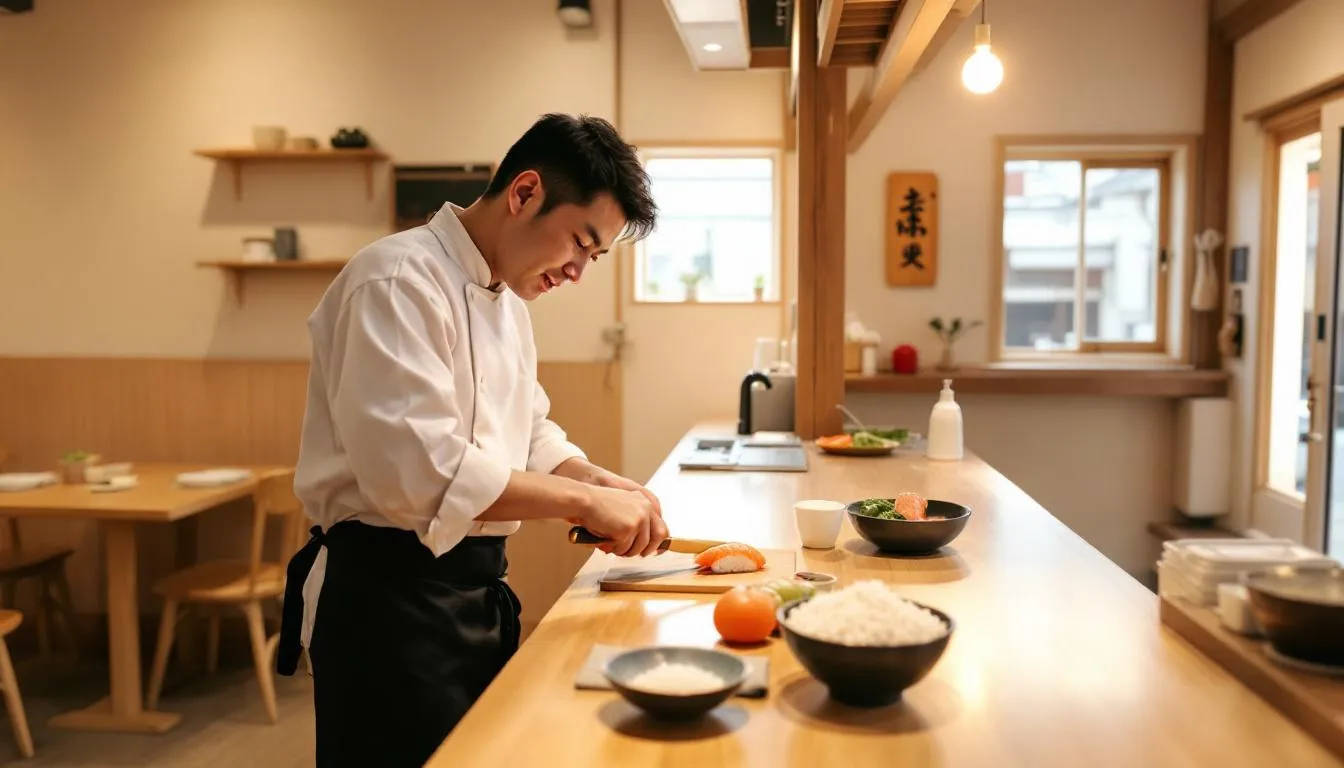
Edo-style sushi offers a different experience from modern conveyor belt sushi. Traditional Edomae-zushi features fish aged, marinated, or lightly cured to enhance flavor-a sharp contrast to ultra-fresh presentations common in tourist sushi restaurants.
Tokyo ramen variations highlight the capital’s role as a center for Japanese ramen, a beloved noodle soup known for savory broth and diverse toppings. Seek shio ramen-a clear, salt-based broth highlighting pure soup stock flavor, often garnished with green onion for freshness.
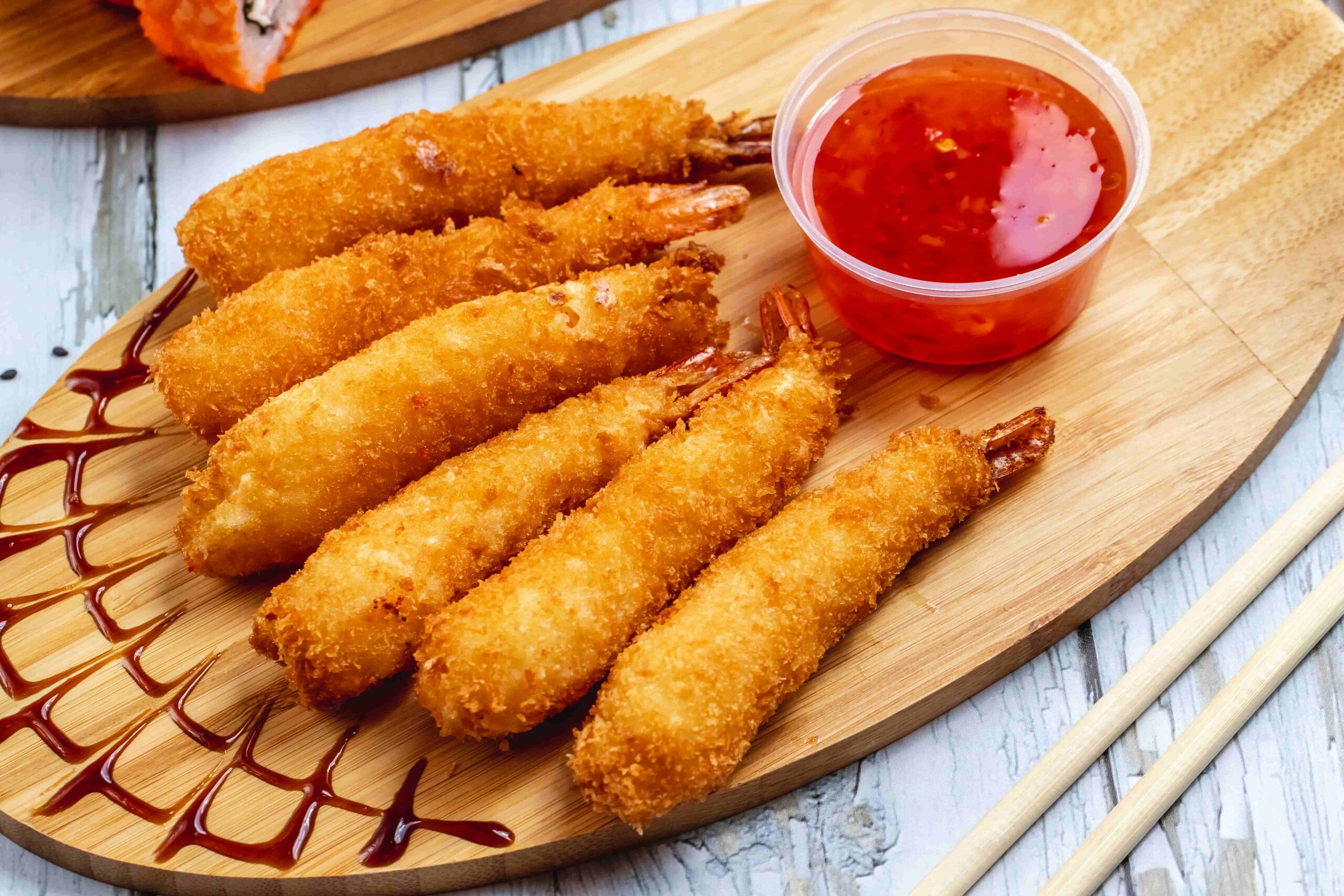
Tempura represents one of Japan’s most technically demanding cooking methods, where precise oil temperature control creates light, crispy wheat flour batter. While many associate tempura with expensive restaurants, Tokyo offers excellent casual options.
Hidden Gems in Tokyo Neighborhoods: Exploring Authentic Japanese Foods
I’ve personally tried all the places on this list while wandering Tokyo neighborhoods over several trips, usually while deliberately avoiding the most famous restaurants. Tokyo’s real magic often hides in small counters, old shops, and neighborhood kitchens that don’t look impressive from the outside. These are the kinds of places locals return to regularly, and in my experience, they often serve traditional Japanese food that feels more personal and memorable than the city’s trendier spots. If you enjoy discovering places that feel quietly authentic, these five hidden gems are worth adding to your Tokyo food map.
1. Camelback (Tomigaya)
Nearest MRT: Yoyogi Koen Station – 4 minute walk
Price: $$
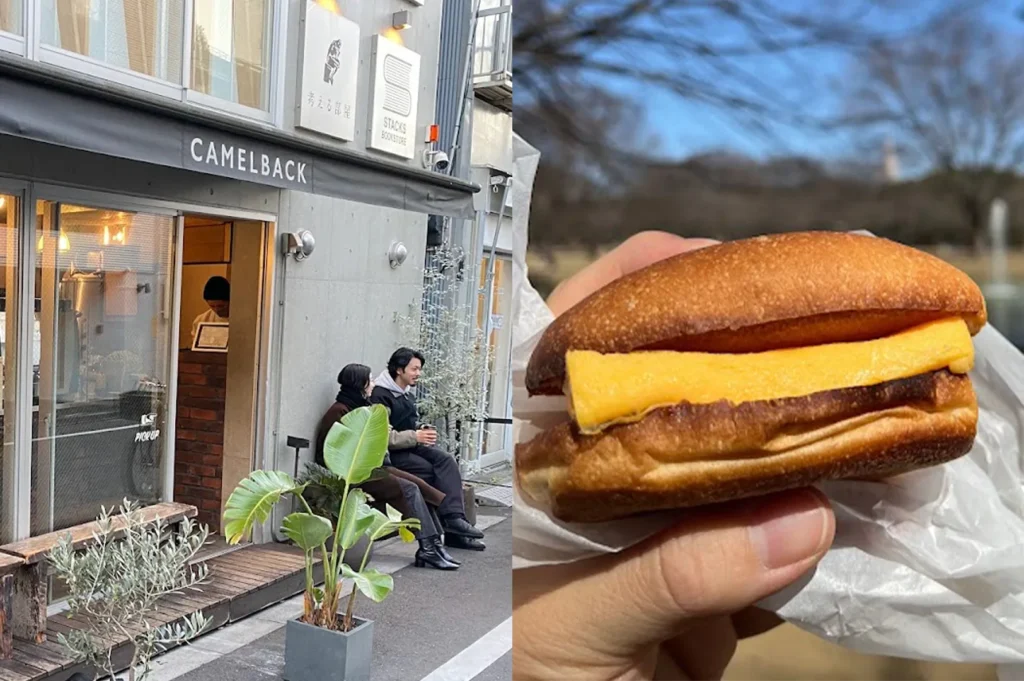
Camelback is easy to miss. It’s essentially a tiny street-side café counter in Tomigaya, a quiet residential neighborhood near Yoyogi Park. The shop is run by a barista and a former sushi chef, which explains the surprising precision behind its simple menu.
The highlight is the tamago sando (about ¥600), made with a sushi rice topped omelette instead of the typical egg salad filling. The slightly sweet, firm yet fluffy omelette is layered inside soft milk bread, creating a delightful contrast of textures. Paired with their hand-brewed Camelback coffee, it makes a perfect quick breakfast before a walk through Yoyogi Park.
Ideal spot if you’re: Coffee lovers and quick morning bites
Steer clear if: You want a spacious café to sit in
Hidden gem advice: Ask for the tamago sandwich freshly made if possible, the texture is noticeably better than the pre-prepared ones.
2. Pannya Cafe Curry (Shimokitazawa)
Nearest MRT: Shimokitazawa Station – 4 minute walk
Price: $$
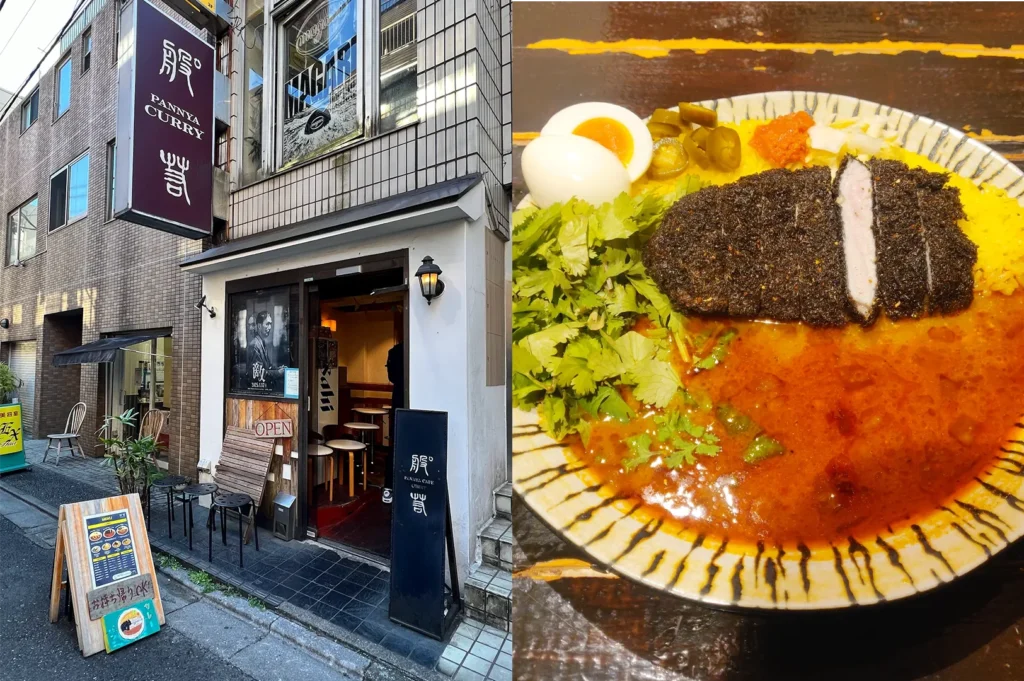
Shimokitazawa is famous for vintage shopping and indie music culture, but it also has one of Tokyo’s best curry scenes. Pannya Cafe Curry is a tiny neighborhood shop that locals swear by.
I visited during lunch and quickly understood why there was a line outside. The pork katsu curry (around ¥1,200) arrived with a thick, deeply flavored Japanese curry sauce poured over rice and topped with crispy deep fried pork cutlets. The sauce had a slow-cooked richness that felt comforting but layered with spice and sweetness.
Ideal spot if you’re: Casual lunch while exploring Shimokitazawa
Steer clear if: You’re short on time, lunch lines can be long
Hidden gem advice: Add the soft-boiled raw egg topping. Locals say it balances the curry perfectly.
3. Tempura Hachimaki (Jimbocho)
Nearest MRT: Jimbocho Station – 2 minute walk
Price: $$
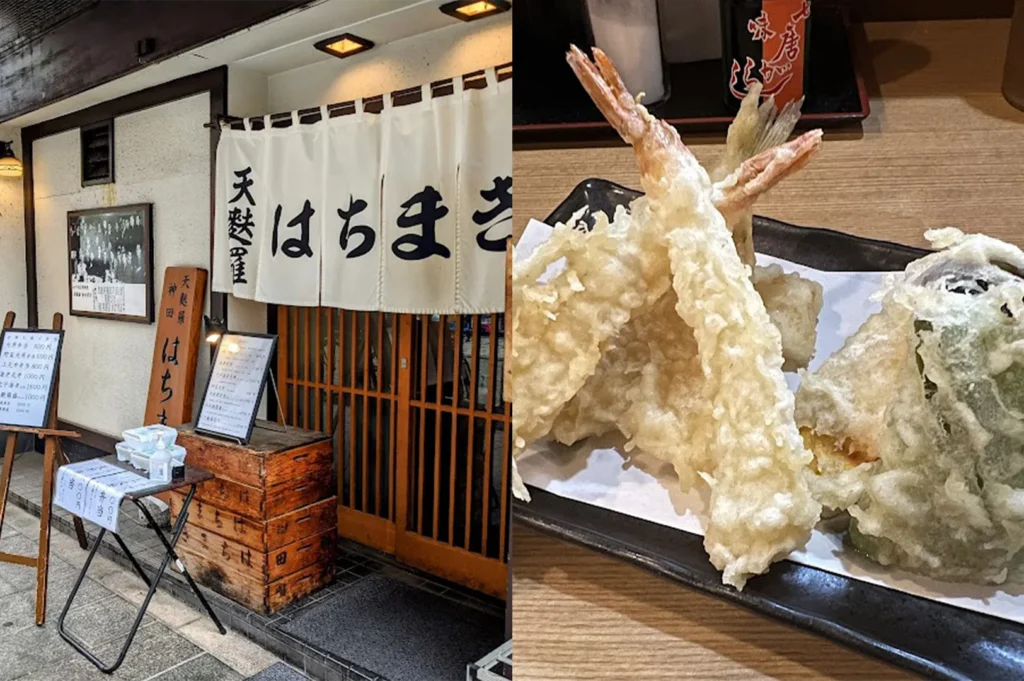
Jimbocho is Tokyo’s historic book district, filled with second-hand bookstores and quiet cafés. Hidden among them is Tempura Hachimaki, a traditional shop that has been frying tempura since the early 20th century.
The restaurant feels old-fashioned in the best way. Sitting at the counter, I watched shrimp and vegetables dropped into hot sesame oil, where the wheat flour batter crisped instantly. The tempura tendon (around ¥1,400) is the best value, a rice bowl topped with perfectly crisp shrimp and vegetables, showcasing the quintessentially Japanese combination of deep fried seafood and fresh ingredients.
Ideal spot if you’re: Solo diners exploring Jimbocho’s bookstores
Steer clear if: You’re looking for modern interiors
Hidden gem advice: Sit at the counter to watch the chef fry the tempura, it’s part of the experience.
4. Tsukiji Uogashi Shokudo (Tsukiji Outer Market)
Nearest MRT: Tsukiji Shijo Station – 3 minute walk
Price: $$$
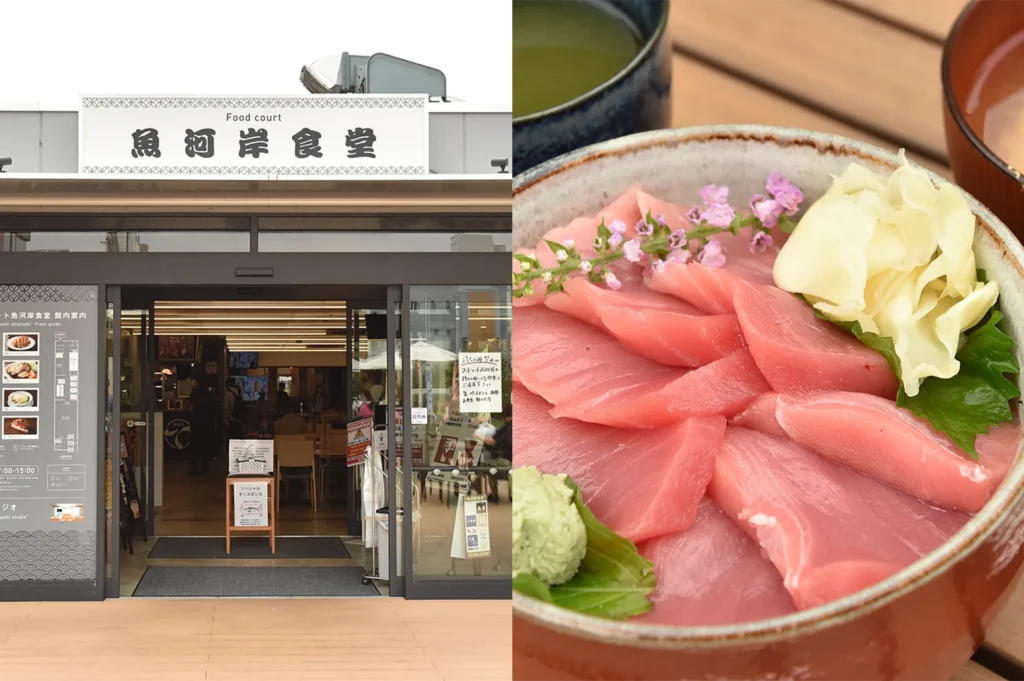
Inside Tsukiji’s famous outer market is Uogashi Shokudo, a seafood restaurant run by fish wholesalers. That background explains why the fish quality is excellent compared to many tourist restaurants nearby.
I ordered the three-tuna donburi (around ¥2,500), featuring akami, chutoro, and otoro over sushi rice. Each cut had a distinct texture and richness, and the freshness was obvious from the first bite of the raw fish. The soy sauce and wasabi enhanced the flavor without overpowering the delicate taste buds’ experience.
Ideal spot if you’re: Seafood lovers visiting Tsukiji Market
Steer clear if: You dislike crowded market environments
Hidden gem advice: Arrive around 8:30–9 AM to avoid the biggest breakfast crowds.
5. Nabezo (Shibuya)
Nearest MRT: Shibuya Station – 5–7 minute walk
Price: $$$
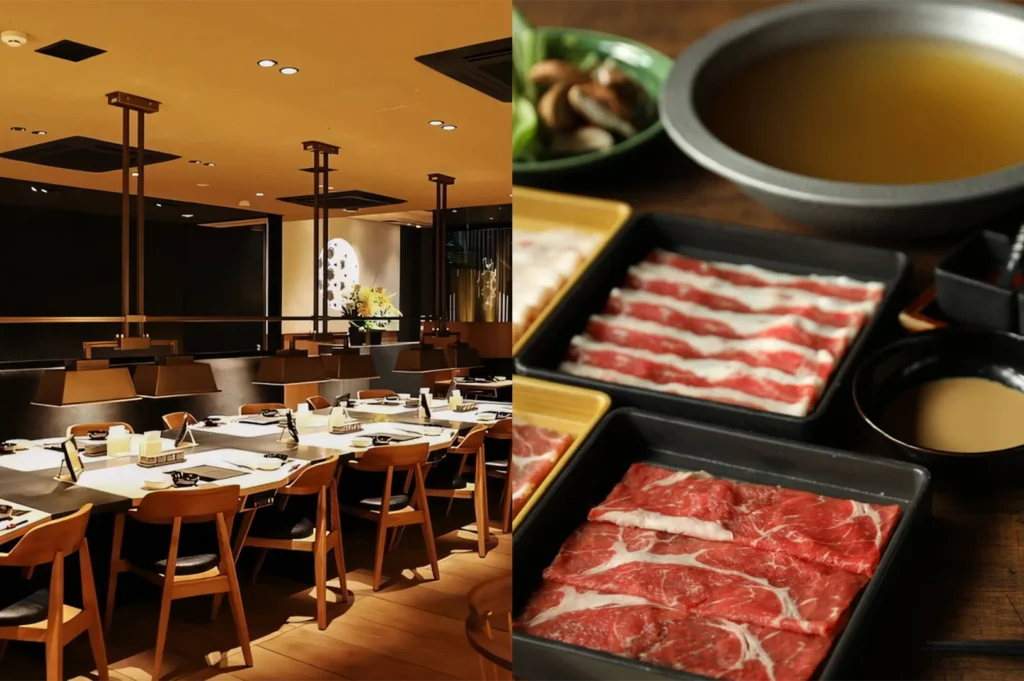
Nabezo is technically a chain, but some of its side-street Shibuya locations feel surprisingly relaxed compared to the surrounding nightlife chaos. It’s known for all-you-can-eat hot pot dishes like shabu-shabu and sukiyaki hot pot.
I tried the Wagyu sukiyaki set (about ¥4,000 for dinner), and the Japanese beef quality was impressive for the price. Cooking thinly sliced meat and vegetables such as Chinese cabbage at the table in a sweet soy sauce and rice wine broth made the meal feel interactive and social, a perfect way to experience traditional Japanese hot pot dishes.
Ideal spot if you’re: Groups wanting a fun hot pot dinner
Steer clear if: You want a quick solo meal
Hidden gem advice: Order the split broth option so you can enjoy both shabu-shabu and sukiyaki styles in one meal.
Exploring More Traditional Japanese Dishes to Try in Japan
While Tokyo offers fantastic hidden gems, food in japan is incredibly diverse, and there are many other dishes and flavors to explore when you eat in Japan. From savory pancakes like okonomiyaki to comforting bowls of miso soup made from miso paste and fish stock, the variety is endless.
- Japanese street food such as takoyaki (octopus-filled wheat flour batter balls) and yakitori (grilled meat skewers) are commonly served at street stalls and festivals, perfect for quick bites.
- Rice balls (onigiri) wrapped in nori and filled with pickled plum or grilled salmon are popular snacks found in convenience stores and train stations.
- Udon noodles and other wheat noodles are often served hot in broths with toppings like fish cakes, green onions, and shredded cabbage.
- Japanese sweets, including mochi and taiyaki filled with sweet red bean paste or custard, provide a delightful end to any meal, often enjoyed with a cup of green tea.
- Japanese curry served with curry rice and topped with deep fried pork cutlets is a favourite Japanese dish for many visitors and locals alike.
For those wanting to deepen their understanding of Japanese cooking, taking a cooking class or joining a food tour can be an excellent way to engage with the culture and learn about the significance of ingredients like pickled daikon and soy sauce in everyday meals.
Planning Your Japanese Food Journey
A well-planned food-focused trip to Japan requires understanding seasonal timing, regional transportation, and logistics of experiencing diverse culinary traditions across country. Most food enthusiasts need minimum 10-14 days to experience major regional cuisines, though even a week can provide meaningful exposure to authentic Japanese dishes if planned strategically.
For a comprehensive understanding of how culinary experiences fit into Japan’s broader cultural context, visit Eat Drink Asia. This essential guide offers deep insights into the historical, cultural, and social factors that shape modern Japanese food culture. Exploring this resource will transform your dining experiences into meaningful cultural exchanges, enriching your appreciation for the skill, tradition, and philosophy behind authentic Japanese cuisine.

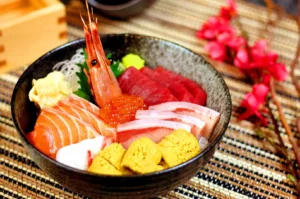
Chirashi Don Best Picks When Bowls Between the Sushi Counter and Lunch Are the Current Mood
Eat Drink Asia Team | August 18, 2026
There’s a specific kind of hunger that a chirashi don answers. It’s not the hunger for a full sushi omakase, with its slow ceremony and its quiet counter watching. And it’s not the hunger for something thrown together and forgotten by three o’clock. It sits somewhere in between — fish and rice in one bowl,…
-
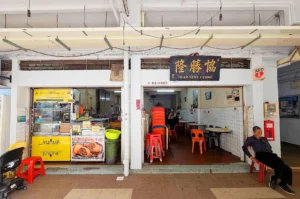
Kopi Through the Cloth: Why the Strain Matters
Eda Wong | August 17, 2026
By Eda Wong for Eat Drink Asia. It is not yet seven, and the uncle at Heap Seng Leong has the pot going. He works the sock strainer over the tin cup with both hands, dipping and lifting, dipping and lifting, coaxing the coffee through the worn cloth. Steam rises between his fingers. The smell…
-
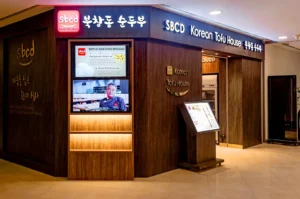
SBCD Korean Tofu House and the Comfort Logic of Bubbling Soondubu
Eda Wong | August 15, 2026
It was raining the afternoon I went. Not the polite kind, the sort that drums against the glass of Guoco Tower and makes you glad you’re already underground. I hadn’t planned on soondubu. I’d planned on something quick, something I could eat between the errands piling up in my head. But the rain does something…
-
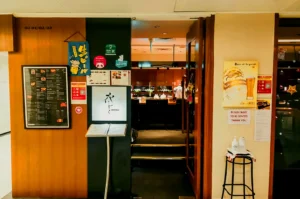
The Knife Work at Hanashizuku Japanese Cuisine, Three Floors Above the Noise
Eda Wong | August 14, 2026
By Eda Wong for Eat Drink Asia. The lift doors open on a floor of Cuppage Plaza that has seen better decades. Peeling signage. A corridor that smells faintly of old carpet and cigarette smoke drifting from somewhere. Then a door slides shut behind me, and the noise falls away. Inside Hanashizuku Japanese Cuisine, the…
-
Todamgol Restaurant and the Comfort Logic Behind Famous Korean Foods
Dio Asahi | August 13, 2026
It was close to nine on a Friday when I finally found the door. Tanjong Pagar was doing its usual thing, full tables spilling onto five-foot ways, soju bottles catching the light, someone laughing too loudly two doors down. I almost walked past Todamgol. Then the smell reached me. Fermented, smoky, a little sharp. The…
-
The Same Grill, Three Decades On, at Kazu Sumiyaki Restaurant
Dio Asahi | August 12, 2026
By Dio Asahi for Eat Drink Asia. The lift opens on the fourth floor of Cuppage Plaza and the smoke finds me before the door does. Charcoal, dark and earthy, threaded through with something richer — fat meeting fire. I follow it down a narrow corridor, past shuttered shops and flickering signage, until I reach…
-
Popular Korean Cuisine Has a Memory: Why Famous Korean Food Feels So Complete
Eat Drink Asia Team | August 11, 2026
The first time I ordered kimchi jjigae in Singapore, I made a small mistake. It came bubbling in a stone pot, and I ate it like soup, spoonful after spoonful, straight down, until my mouth was on fire and the bowl was half gone. The auntie across the counter watched me for a moment, then…
-
Raffles Place Food Has the Restaurants That Understand the CBD Lunch Rush
Eda Wong | August 8, 2026
I used to think lunch in the CBD was a lost cause. You get an hour, maybe less. The lift takes ten minutes just to reach the ground floor. By the time you’ve queued, ordered, and found a corner to eat in, you’re already checking the clock. For a while, I gave up and just…
-
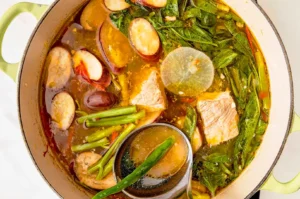
The Tamarind Sourness Inside a Filipino Sinigang Pot
Eda Wong | August 7, 2026
By Eda Wong for Eat Drink Asia. The pot has been going for a while now, and the whole kitchen knows it. Steam curls up from the surface, carrying that sharp-sour smell that reaches you before anything else. It’s not a gentle aroma. It pricks at the back of your throat a little, makes your…
-
Vegetarian Asian Dishes at The Boneless Kitchen: A Korean Meal Built on Kimchi, Rice, and Restraint
Dio Asahi | August 6, 2026
I didn’t expect to find Korean comfort food in an office building near Tai Seng. But there I was, on a Wednesday a little past 7pm, standing outside The Commerze @ Irving wondering if I’d read the address wrong. This isn’t the part of Singapore you go to for dinner. It’s the part you leave…