I’ve been eating sushi in this city for years now, from S$1.50 plates rolling past on a belt to omakase counters where the bill made me sit up straight. Somewhere along the way I stopped chasing “the best” and started noticing something else — that good sushi answers a mood, not a ranking.
Some nights you want ceremony. Some lunches you just want salmon and a quiet corner. And some days you’re broke and hungry and a moving conveyor belt is exactly the friend you need. If you want the chef-led side of sushi in more detail, the best omakase Singapore has for storytelling courses and seasonal bites explains why pace, trust, and sequence matter as much as the fish itself.
So this isn’t a leaderboard. It’s places I’ve eaten at, sorted by the kind of day you’re having. Here’s what I’ve learned.
| Category | Restaurant | Highlights |
|---|---|---|
| Premium Sushi for Special Occasions | Sushi Sato | Intimate omakase experience, premium seasonal seafood, precise Japanese technique |
| Ganko Sushi | Premium Japanese meal, approachable omakase, seasonal seafood, polished dining | |
| Fresh Sushi and Sashimi Picks | Tomi Sushi | Fresh seafood, Niigata roots, traditional Japanese dining, sashimi and sushi lunch sets |
| Sen-ryo | Fresh sushi and sashimi, broad menu, aburi engawa specialty, polished dining room | |
| Affordable Sushi for Everyday Cravings | Genki Sushi | Variety of sushi and Japanese dishes, electronic ordering, fast service |
| Sushi Express | Low-price sushi, conveyor belt, straightforward Japanese flavors |
Premium Japanese Food for Special Occasions
1. Sushi Sato (Dempsey): Omakase and Premium Sashimi
Nearest MRT: None convenient — go by car or taxi, about 5 minutes from Orchard
Price: $$$$
Signature: The omakase set menu — the chef-led progression is the reason to come.
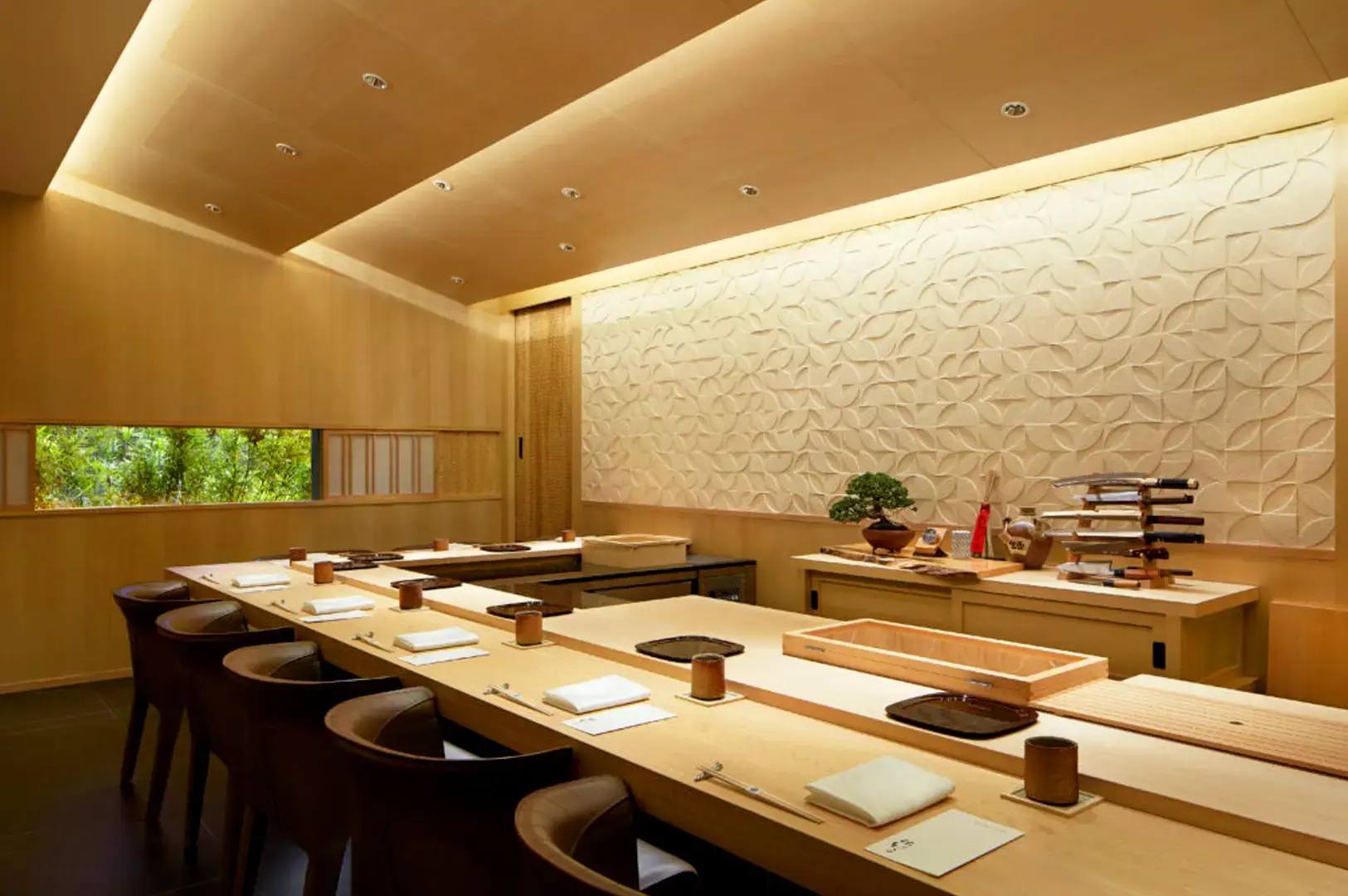
This is the one I save for meals that matter. Sushi Sato sits quietly at 6B Dempsey Road, offering the kind of intimate experience people picture when searching for the best sushi Singapore has for a special occasion. It is an omakase-focused sushi restaurant, so the pleasure comes from sitting at the sushi bar, trusting the chef, and letting the meal unfold course by course.
The experience revolves around premium ingredients, seasonal fresh seafood, and precise Japanese technique. Depending on the menu and season, the progression can move from premium sashimi and cooked Japanese dishes into carefully formed nigiri sushi, richer seafood courses, soup, and dessert. The contrast is what stays with me: cool raw fish, gently warm vinegared rice, freshly grated wasabi, and the occasional richer bite that makes you slow down.
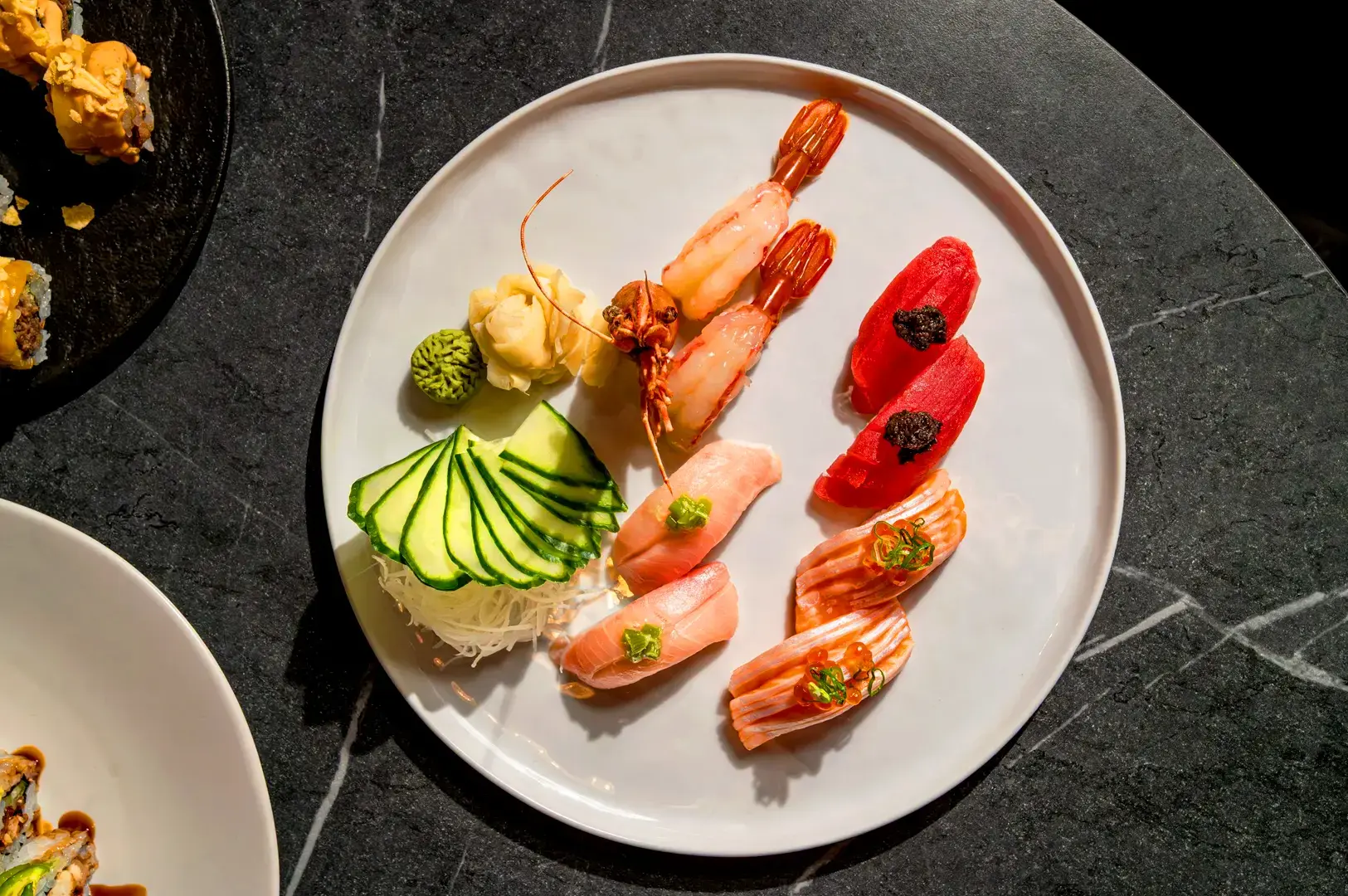
What stayed with me most wasn’t any single piece of sushi. It was the pace. The chef works deliberately, forming the nigiri before sliding it across the counter at exactly the moment it should be eaten. For diners comparing Singapore’s best Japanese restaurants, this is less about quantity than the relationship between excellent fish, rice, temperature, and timing.
Best for: Anniversaries, milestone birthdays, and serious omakase dinners.
Avoid if: You want a spontaneous walk-in, bargain lunch sets, or a sprawling à la carte menu.
Insider tip: Book the counter. Watching each piece being assembled from fresh ingredients adds considerably more to the meal than sitting away from the chef.
2. Ganko Sushi (Dhoby Ghaut): Premium Ganko Sushi Without the Omakase Intimidation
Nearest MRT: Dhoby Ghaut, 3–5 minutes on foot
Price: $$$
Signature: The omakase set menu.
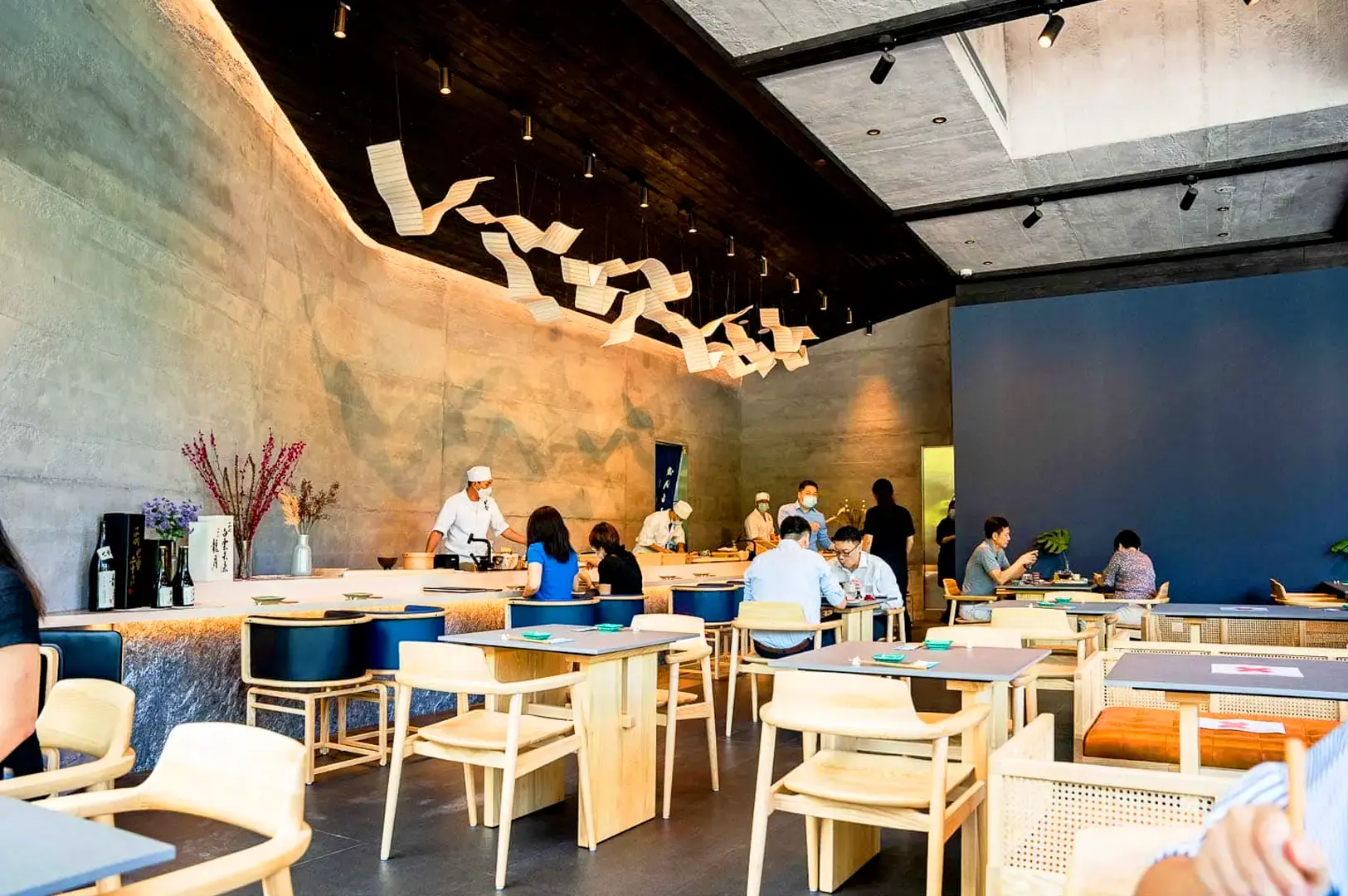
Ganko Sushi is the premium Japanese meal that doesn’t ask you to hold your breath. Part of an established Japanese restaurant group, its Singapore outlet at 9 Penang Road offers polished Japanese dining without pushing completely into ultra-luxury territory.
The omakase sets are a natural place to start, moving through sashimi, tempura, cooked dishes, and sushi while allowing seasonal seafood to do most of the talking. Expect glossy slices of fresh sashimi, delicately torched aburi sushi, and carefully formed nigiri alongside richer courses. I’ve had a chef here crack jokes between courses, which loosened the whole table. The meal ended, unexpectedly, with a European pear and berry dessert I still remember.
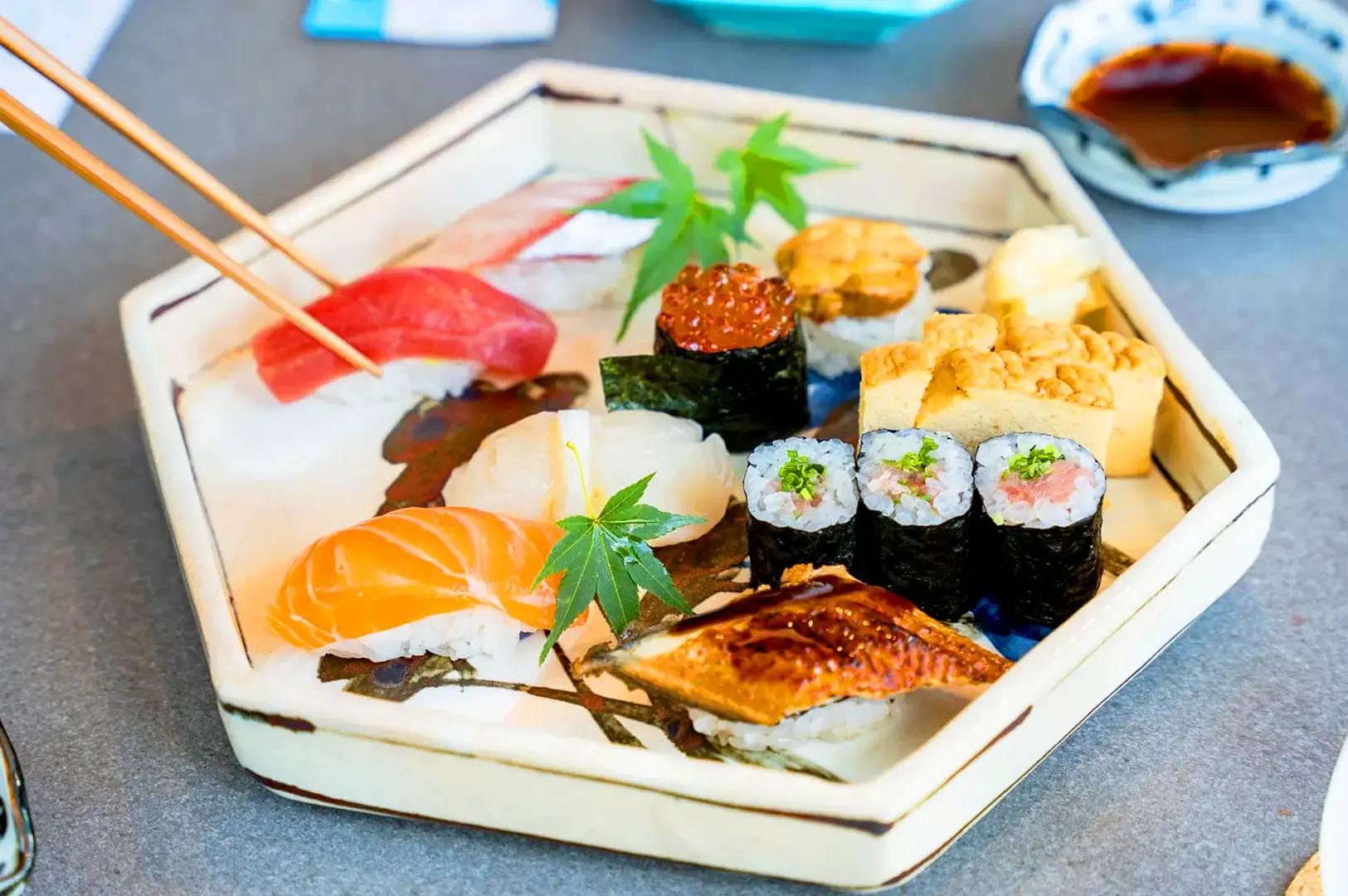
That balance is why Ganko works. You can indulge in high quality seafood and polished Japanese food without the solemn atmosphere of some chef-led counters. It sits comfortably between everyday Japanese restaurants and Singapore’s most expensive omakase experiences.
Best for: A premium lunch or dinner that still feels approachable.
Avoid if: Your craving is for low prices or a conveyor-belt meal.
Insider tip: If an omakase option fits your budget, use it to sample several styles in one sitting rather than building a meal piece by piece.
Fresh Sushi and Fresh Sashimi Picks
3. Tomi Sushi (Millenia Walk): Fresh Seafood and Niigata Roots
Nearest MRT: Promenade, 3–5 minutes on foot
Price: $$
Signature: A sashimi or sushi lunch set; aburi sushi is another worthwhile option.
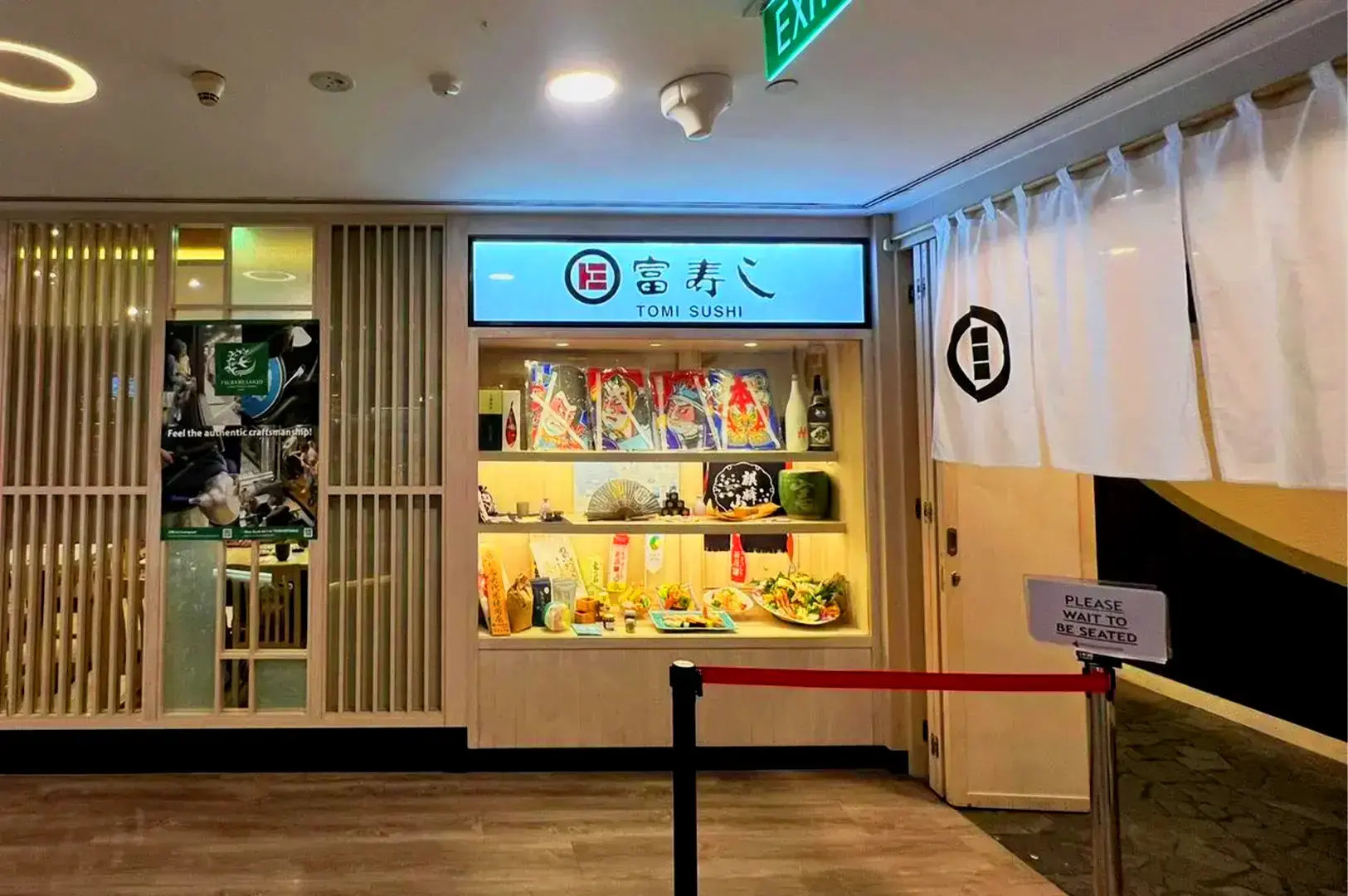
Tomi Sushi is where I go when I care most about the fish itself. The Millenia Walk outlet draws heavily on the restaurant’s Niigata identity, giving the meal a more traditional Japanese character than places built around elaborate sushi rolls or fusion toppings.
I’ll be honest — experiences can vary. On an ordinary weekday, the restaurant may feel almost too straightforward. But when the seafood is particularly good, the appeal becomes obvious: chilled fresh sashimi, clean-tasting tuna and salmon, carefully prepared sushi, and rice with enough character to support the fish instead of disappearing beneath it. The texture can feel almost crystalline at first before softening across the tongue.
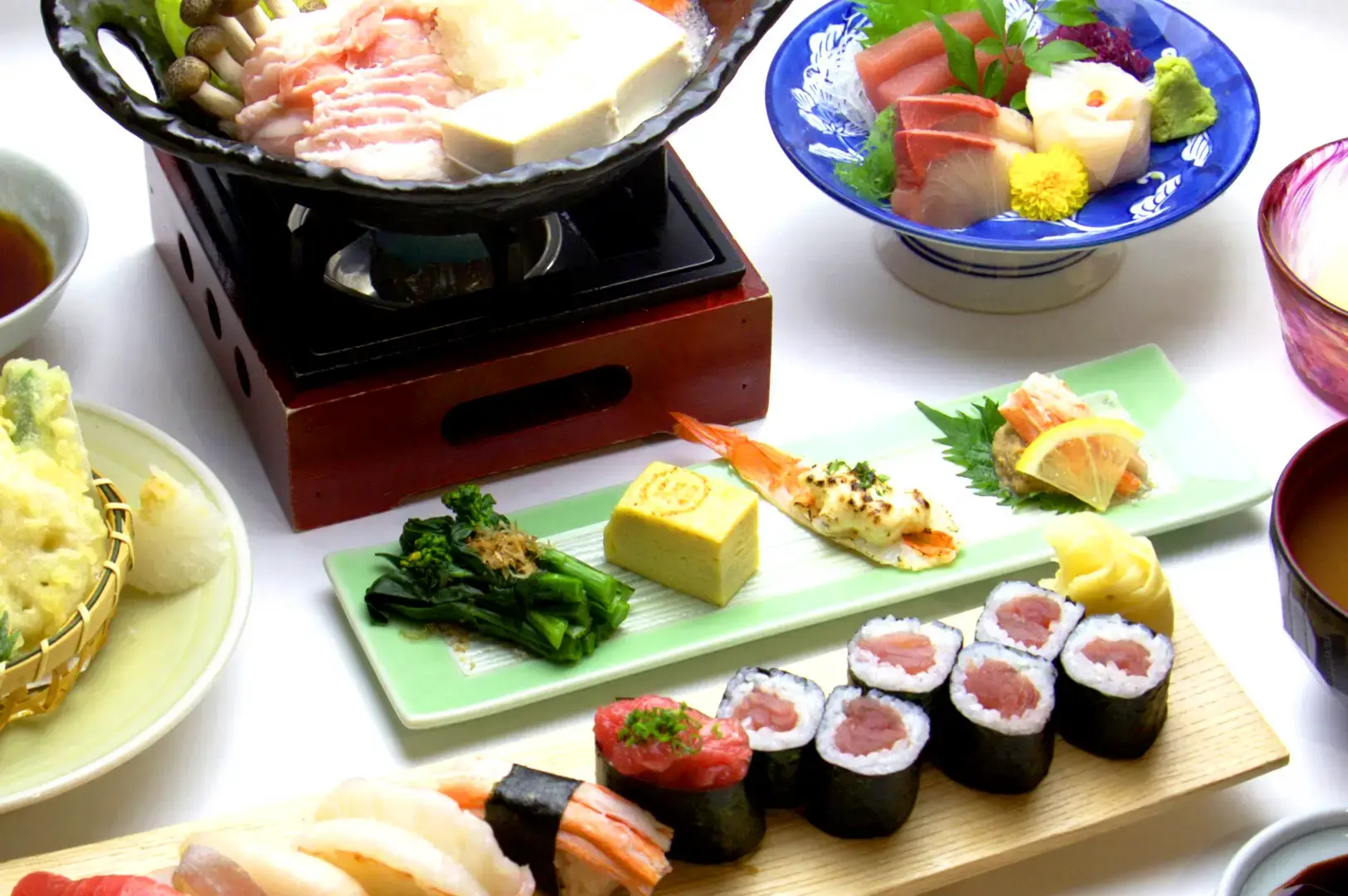
The quieter room is another advantage. This isn’t a restaurant that needs neon, loud music, or Singapore’s vibrant izakaya culture to create interest. It works for lunch, conversation, and diners who simply want good Japanese food. Sets also make Tomi more approachable than a full omakase, particularly when you’re looking for quality without committing to a long meal.
Best for: Fresh sashimi, traditional Japanese dining, and business lunches.
Avoid if: You want extravagant maki, ramen, or a flashy modern interior.
Insider tip: Take a counter seat when available. Watching the sushi preparation makes the simplicity of the food more interesting.
4. Sen-ryo (Orchard): Fresh Sushi Without Full Omakase Prices
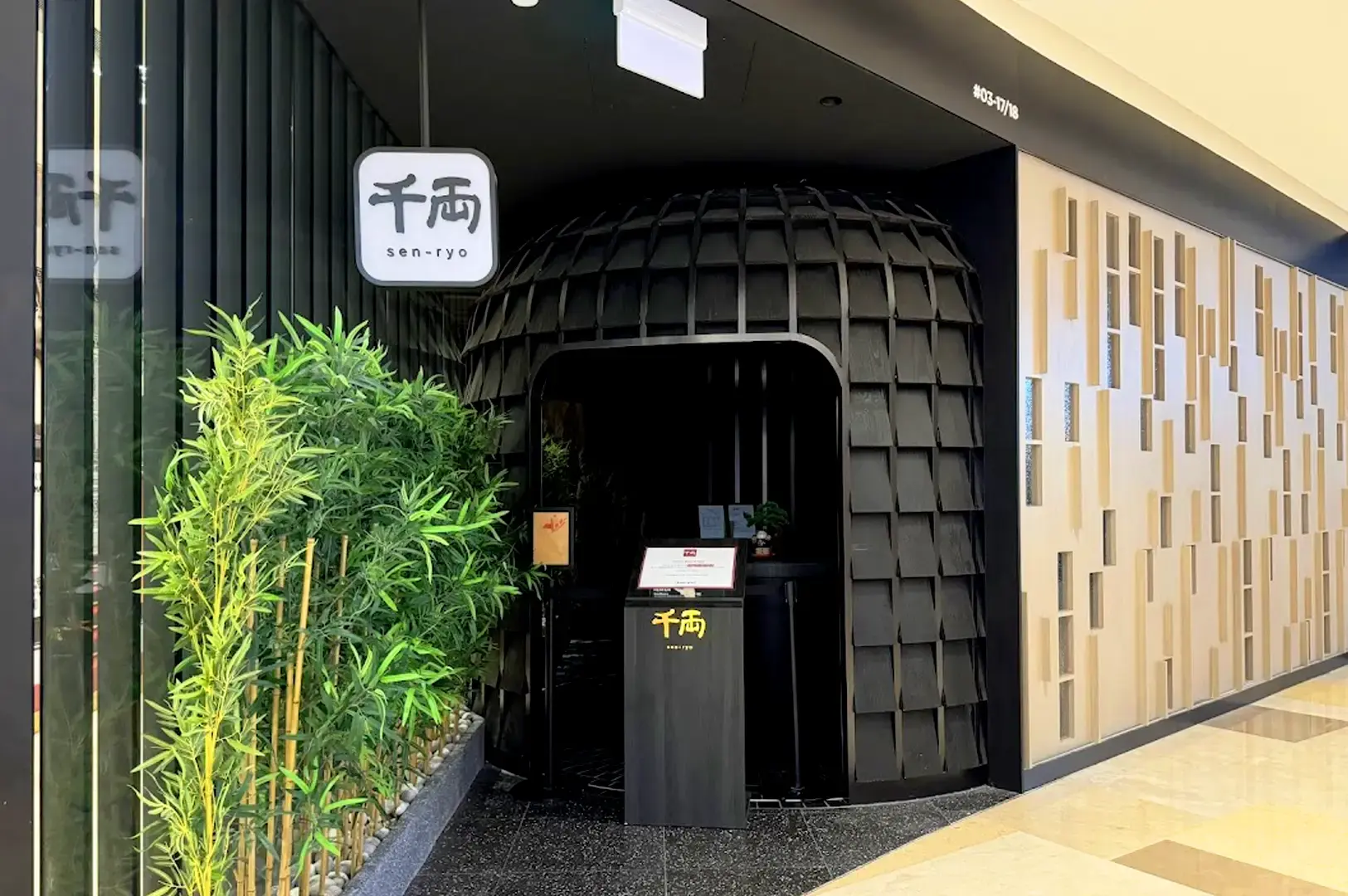
Nearest MRT: Orchard, directly connected, 1–3 minutes
Price: $$
Signature: Aburi Engawa.
Sen-ryo is my Orchard default — the fresh sushi and sashimi option when I’m already at ION and don’t want to overthink dinner. Its polished dining room and broad menu place it a step above basic chain sushi without requiring the commitment or price of an omakase counter.
The dish I keep coming back to is the Aburi Engawa. Torching gives the fish a faint smoky fragrance while the flesh remains tender and buttery against the vinegared rice. That meeting of heat, fat, and acidity is why well-made aburi sushi can be so satisfying. The wider menu gives groups room to explore sashimi, nigiri, maki, sushi rolls, cooked seafood, tempura, and other Japanese dishes rather than forcing everyone into the same set.
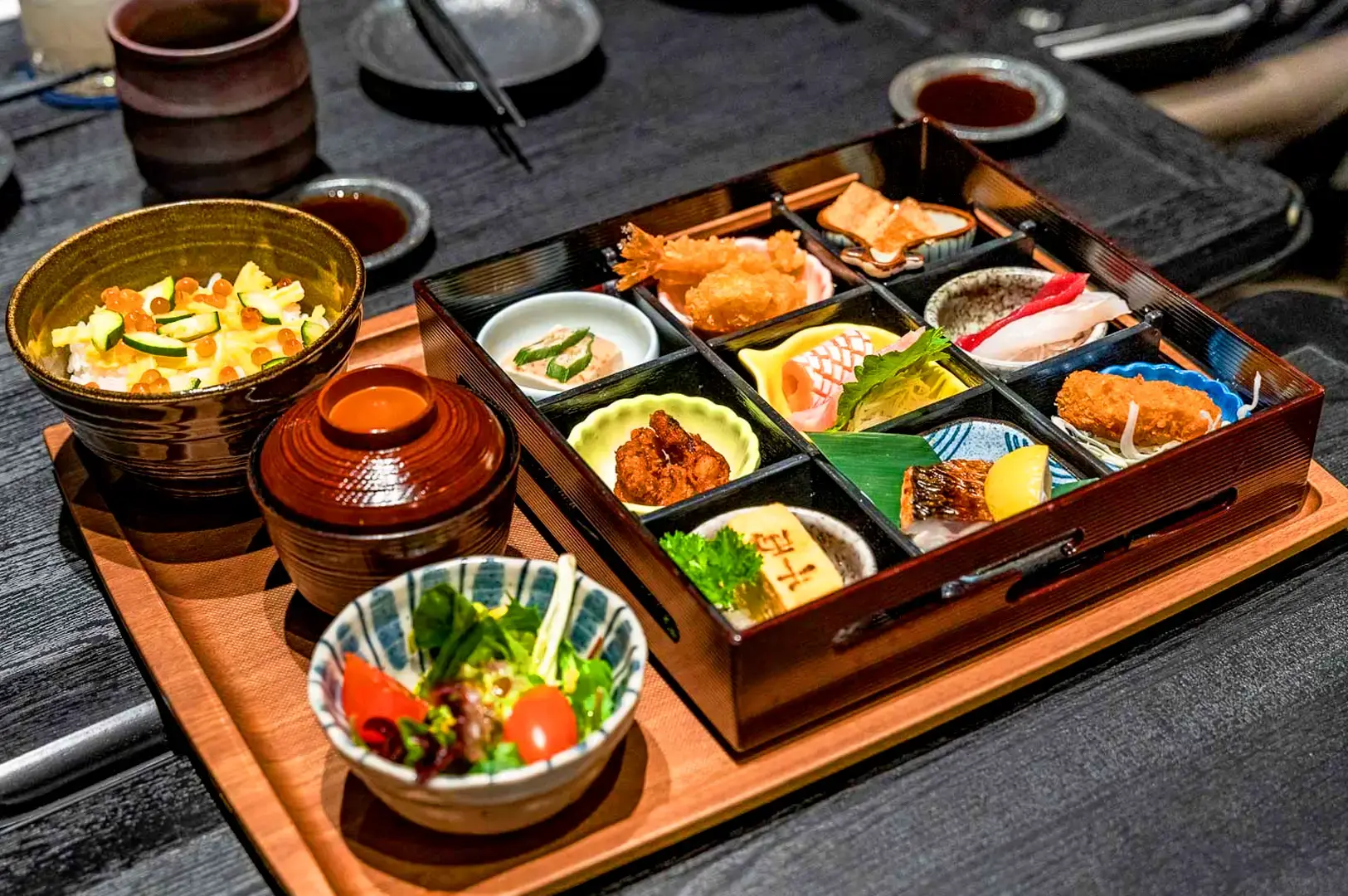
I’ve also appreciated the smaller details: requests handled without fuss and miso soup arriving as a warm, savoury counterpoint to the colder fish. I still favour dining in rather than sushi delivery here; torched sushi inevitably loses some of its aroma and texture after sitting inside a box.
Best for: Orchard shoppers, dates, and families wanting quality sushi without full omakase pricing.
Avoid if: You’re chasing the absolute cheapest plates or a hushed chef-only counter.
Insider tip: Eat the aburi immediately. The contrast between warm fish and seasoned rice is part of what makes it work.
Affordable Sushi for Everyday Cravings
5. Genki Sushi (Somerset): Affordable Sushi, Rolls and Japanese Food
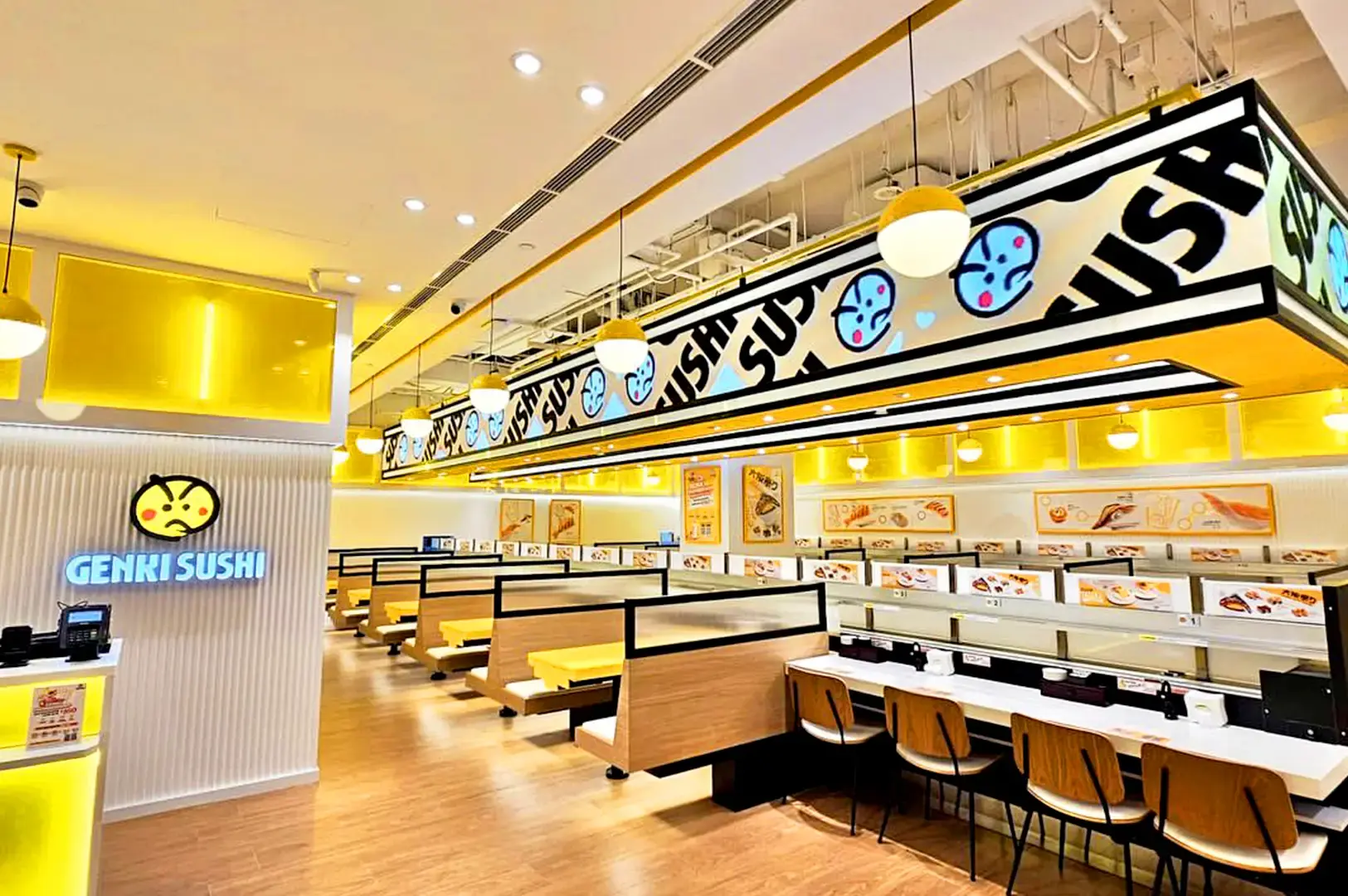
Nearest MRT: Somerset, directly connected, 1–2 minutes
Price: $–$$
Signature: Salmon selections and the more premium nigiri range.
Genki Sushi is where I land when I want variety, speed, and no ceremony. The 313@Somerset outlet makes affordable sushi almost frictionless: order electronically, wait for the little delivery track, and start eating within minutes.
The menu is broad enough for mixed cravings — tuna sushi, hotate, salmon, mini rice bowls, hand rolls, sushi rolls, plus karaage, gyoza, udon, and other hot food. My advice is not to judge Genki entirely by its cheapest plates. Spending slightly more on thicker cuts or premium selections noticeably improves the meal.
Quality can wobble between busy periods and multiple locations, but that’s part of judging a high-volume chain fairly. This isn’t trying to compete with Sushi Sato’s omakase or Tomi Sushi’s quieter traditional dining. It’s dependable everyday sushi for when you want to eat quickly, share several dishes, and leave without turning dinner into an event.
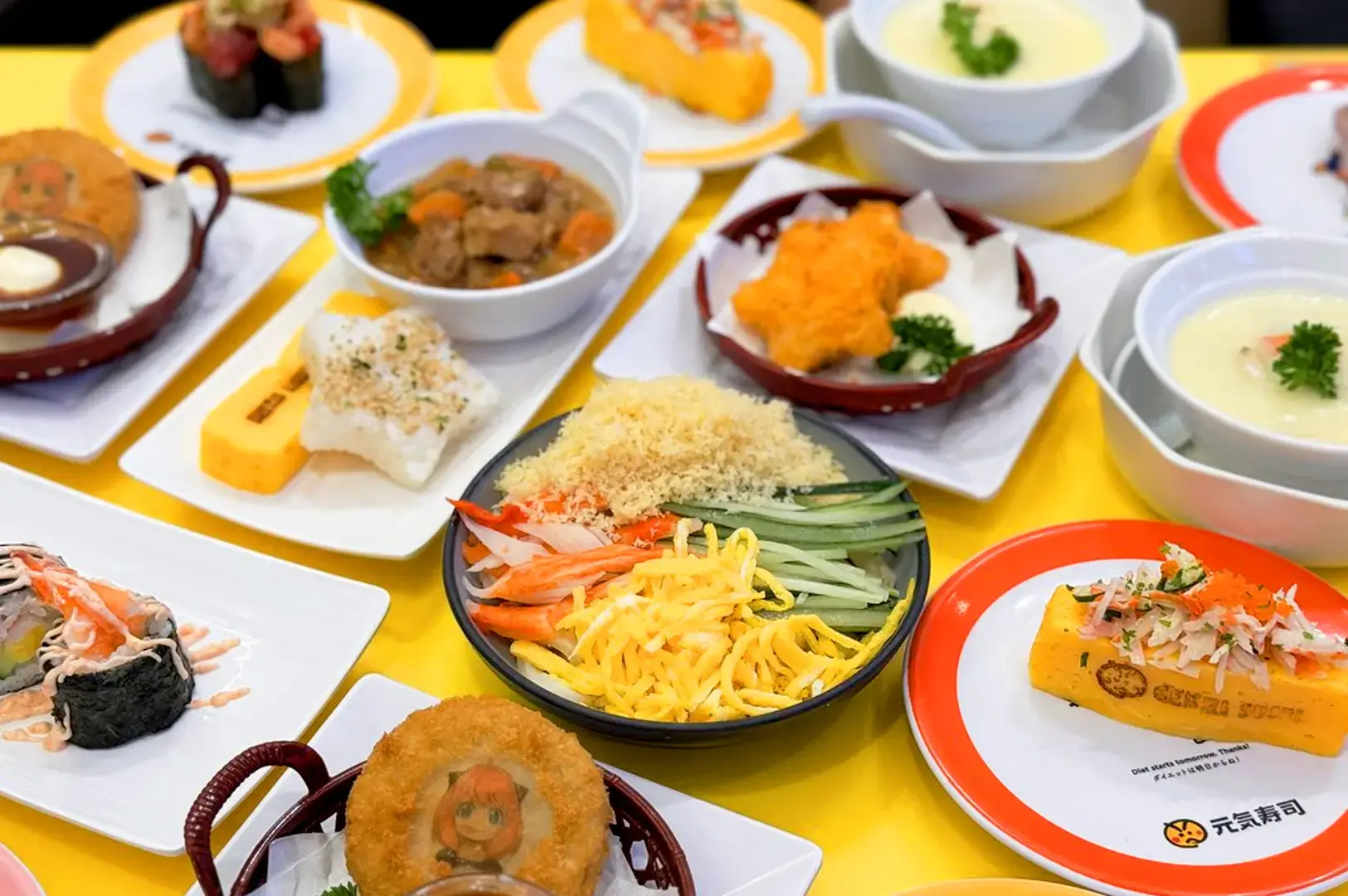
Genki’s 313@Somerset outlet also fits naturally into a wider 313 Somerset dining crawl, especially when you want quick Japanese food without turning lunch into a full sit-down occasion.
Best for: Families, students, solo meals, and midweek sushi cravings.
Avoid if: You specifically want premium sashimi or chef-led nigiri.
Insider tip: Go off-peak. A calmer kitchen generally makes for a better meal than fighting the lunch or dinner rush.
6. Sushi Express (Bukit Batok): Low-Price Sushi for Everyday Cravings
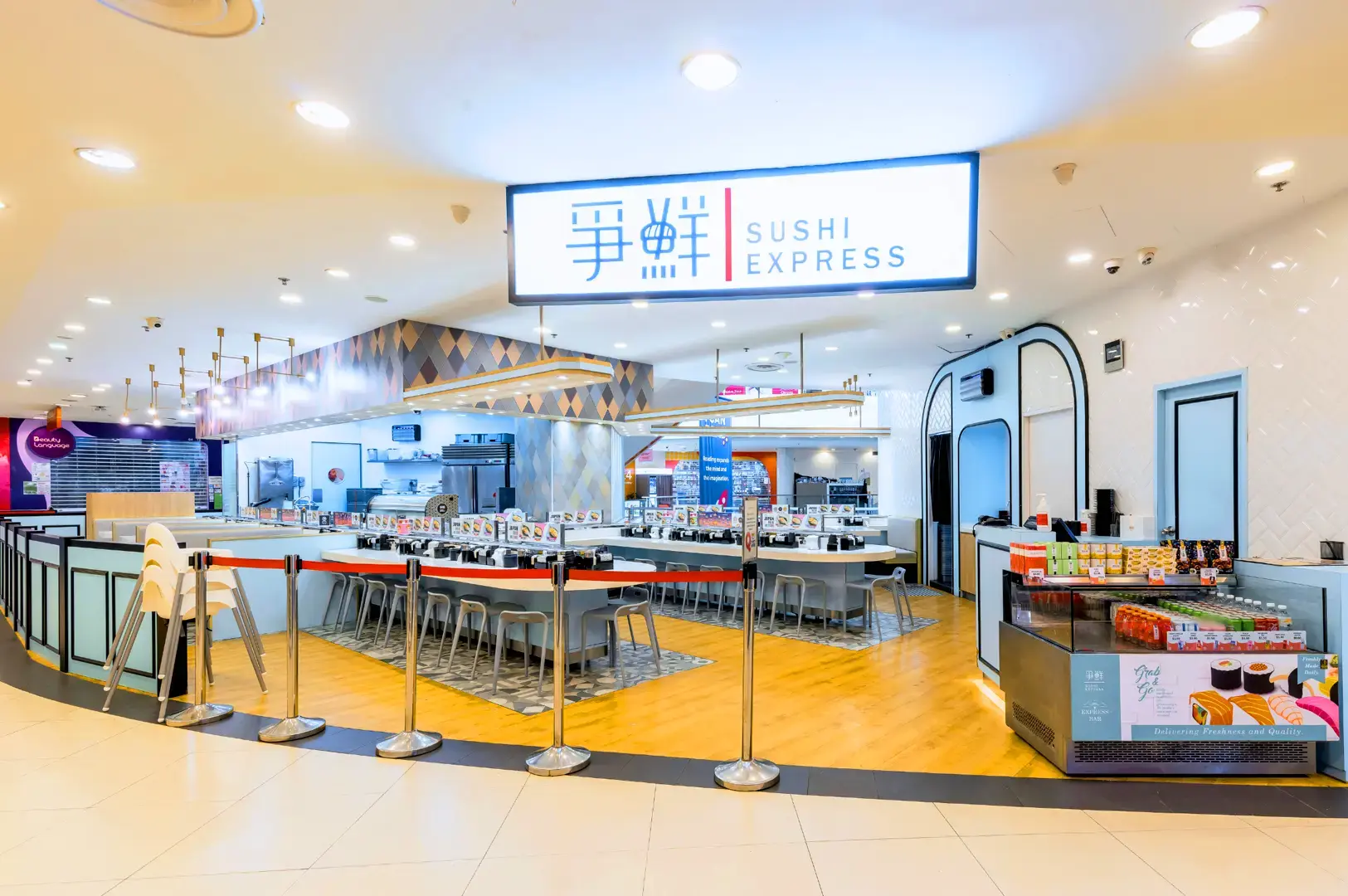
Nearest MRT: Bukit Batok, 1–3 minutes to West Mall
Price: $
Signature: Pick the salmon or whichever sushi looks freshest on the belt.
Every honest best sushi list needs a plate of truth, and this is it. Sushi Express is about low prices, speed, and choice rather than ceremony. At West Mall, the conveyor belt turns sushi into an easy everyday meal: sit down, watch the plates pass, take what looks freshest, and keep an eye on the stack beside you.
I have a soft spot for this place, and I won’t dress it up. It is budget sushi. But that is exactly why it belongs here. A plate of salmon, a little tuna, perhaps some rolls or another passing dish can turn a broke Tuesday into something more cheerful. There’s no need to discuss provenance, caviar, rare swordfish, or whether the rice has been seasoned to an omakase chef’s exact preference.
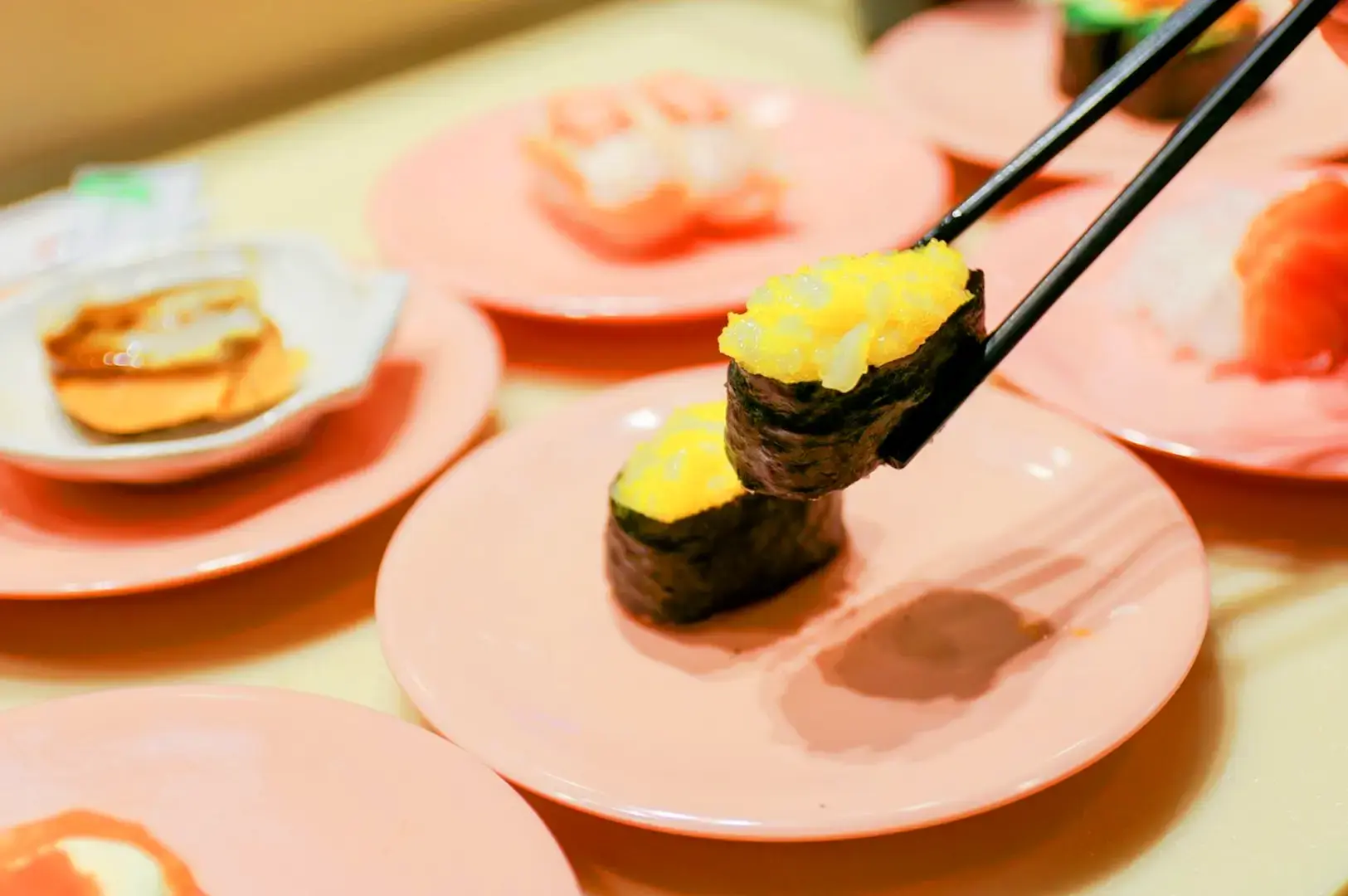
Don’t come expecting the same premium seafood as Singapore’s high-end sushi bars. Come for an accessible meal, straightforward Japanese flavours, and the small pleasure of choosing your next plate as it slides past.
Best for: Students, quick solo meals, young families, and budget sushi cravings.
Avoid if: You want premium sashimi, luxury ingredients, or a special-occasion dinner.
Insider tip: Sit closer to where new plates enter the belt. You’re more likely to catch the sushi soon after it leaves the kitchen.
What to Order Beyond a Standard Sushi Platter
A good sushi meal also doesn’t have to stop at a sushi platter. Depending on the Japanese restaurant, look beyond salmon and tuna for seasonal nigiri, hand rolls, aburi preparations and cooked signature dishes. When available, sides such as soft shell crab, tempura or even yakitori can add hot, crisp and smoky contrasts between colder pieces of sashimi.
And provenance deserves a little perspective. Tokyo’s Toyosu Market is an important sourcing point for premium seafood, and restaurants understandably highlight fish arriving from Toyosu Market. But a famous market name alone doesn’t make great sushi. Once the fish reaches Singapore, temperature, knife work, rice seasoning and the chef’s timing still determine whether that expensive seafood becomes a memorable piece of nigiri.
That is ultimately more useful than chasing a particular address at Shaw Centre, Tanjong Pagar, Orchard or another dining district. Singapore has enough Japanese restaurants that the better question is what kind of sushi experience you want—and whether the restaurant handles the fundamentals well enough to justify the price.
The Whole Spread
The more sushi I eat in Singapore, the less interested I am in finding one definitive “best.” Good sushi depends on what you want from the meal — pristine fish and carefully seasoned rice, a long chef-led experience, or simply something fresh and satisfying when the craving hits.
What matters is knowing what each kind of sushi experience does well. Sometimes I want to sit at the counter and notice every detail: the temperature of the rice, the clean sweetness of the seafood, the brush of sauce across a piece of nigiri. Other days, I just want salmon, a few rolls, and dinner without much thought.
That range is what makes eating sushi in Singapore interesting. Match the experience to your appetite, budget, and occasion, and you don’t necessarily need the fanciest seat in the room to walk away happy.

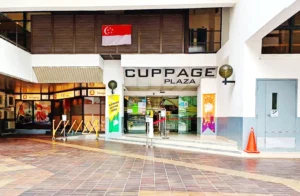
Cuppage Plaza Food for People Who Hate Obvious Places: Restaurants That Feel Like a Detour Off Orchard
Dio Asahi | June 20, 2026
Orchard Road is a brilliant, trend-setting celebration of flavours, but its gleaming mega-malls can sometimes feel a bit predictable. If you are an urban food enthusiast seeking genuine culinary journeys rather than polished franchise menus, the true heart of the district lies slightly hidden. Cuppage Plaza is a fascinating, liminal space that operates almost like…
-
Makgeolli Bowls and the Soft Grain of Korean Rice Wine
Eda Wong | June 19, 2026
The monsoon rain drums a steady, heavy rhythm against the fogged windows of a narrow tavern in Jongno, muffling the chaotic pulse of the city outside. Inside, the air hangs warm, thick with the scent of toasted mung beans and a subtle, yeasty tang. A dented brass kettle tips forward, and a chalk-white, opaque liquid…

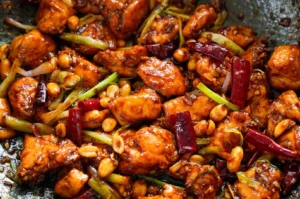
Kung Pao Chicken Sauce Is the Real Test: Why It Turns Glossy, Sharp, and Addictive
Eat Drink Asia Team | June 18, 2026
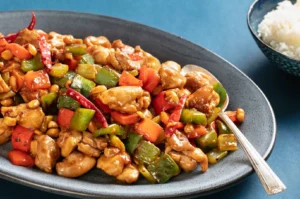
Kung pao chicken is often described by its main ingredients: diced chicken, dried chillies, peanuts, spring onions, and Sichuan peppercorns. But anyone who has cooked it at home knows the truth: the dish succeeds or fails because of the sauce. The sauce decides whether kung pao chicken tastes lively and balanced, or flat, sticky, and…
-
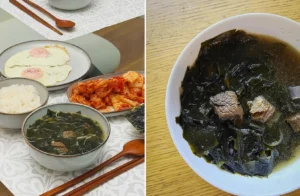
Jeju’s Seaweed Soup and the Memory of Birthday Tables
Dio Asahi | June 17, 2026
The sharp winter wind rattles the low stone walls of a Jeju Island kitchen, but inside, the air is thick with steam and the deeply marine scent of boiling kelp. An elderly woman stands by a bubbling steel pot, watching the dark green fronds swell and twist in the rolling water. She adds a splash…
-
Chicken Pao Recipe for People Who Respect Heat: Why Kung Pao Works Only When Timing Is Tight
Eda Wong | June 16, 2026
I remember my first attempt at cooking gong bao ji ding a few years ago. I wanted to recreate that authentic, trend-setting dish I had experienced at a traditional Sichuan restaurant, a meal that felt like a genuine celebration of flavours. I heated my wok until it was smoking, tossed in a handful of dried…
-
A Shu Yan Sichuan Cuisine Review Written in Pepper and Smoke: Chicken Pao That Wakes Up the Table
Dio Asahi | June 13, 2026
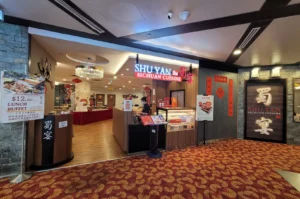
I used to think of authentic Sichuan food as a sheer test of endurance. For a long time, I assumed the goal was simply to survive the fiery onslaught of chillies rather than actually taste anything. But my recent culinary journey at Shu Yan Sichuan Cuisine completely rewired how I understand this region’s flavour map….
-
In Luang Prabang, Or Lam Carries the Taste of Sakhan
Eda Wong | June 12, 2026
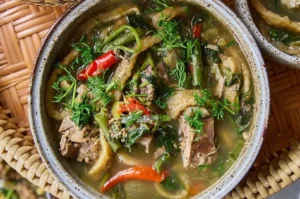
The damp morning mist still clings to the teakwood houses of Luang Prabang as an elderly cook tends to a glowing charcoal brazier. Sparks jump lightly into the cool air, illuminating the blackened belly of an aluminium pot. Inside, a thick, dark liquid bubbles rhythmically, releasing an incredibly aromatic cloud of charred lemongrass, sweet Thai…
-
The Malayan Council, Reviewed: Local Food in Malaysia, Plated Like a Memory
Eat Drink Asia Team | June 11, 2026
Our Eat Drink Asia team spends a lot of time debating what makes a truly unforgettable meal. The team has previously published articles exploring the redefinition of comfort food. That is exactly what led me to The Malayan Council at 71 Bussorah Street. I visited on a Friday around 7:30 pm, just as the weekend…
-
Sushi in Singapore: Why There Is a Style for Every Budget
Eda Wong | June 11, 2026
Few Japanese dishes have travelled as successfully across Asia as sushi. What began as a culinary tradition deeply rooted in Japan has evolved into something remarkably diverse in Singapore. Today, sushi in Singapore can mean many different things. It can be a quick lunch grabbed from a conveyor belt restaurant, a carefully curated omakase meal…
-
The Quiet Pull of Lahpet in Myanmar’s Tea Leaf Salad
Dio Asahi | June 10, 2026
The afternoon humidity presses against the open-air teahouse in downtown Yangon, where the sharp clatter of a silver spoon against ceramic cuts through the low hum of conversation. A small plate sits in the centre of a low plastic table, holding a dense, dark green cluster that smells faintly of damp earth and sharp lime….