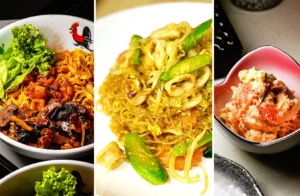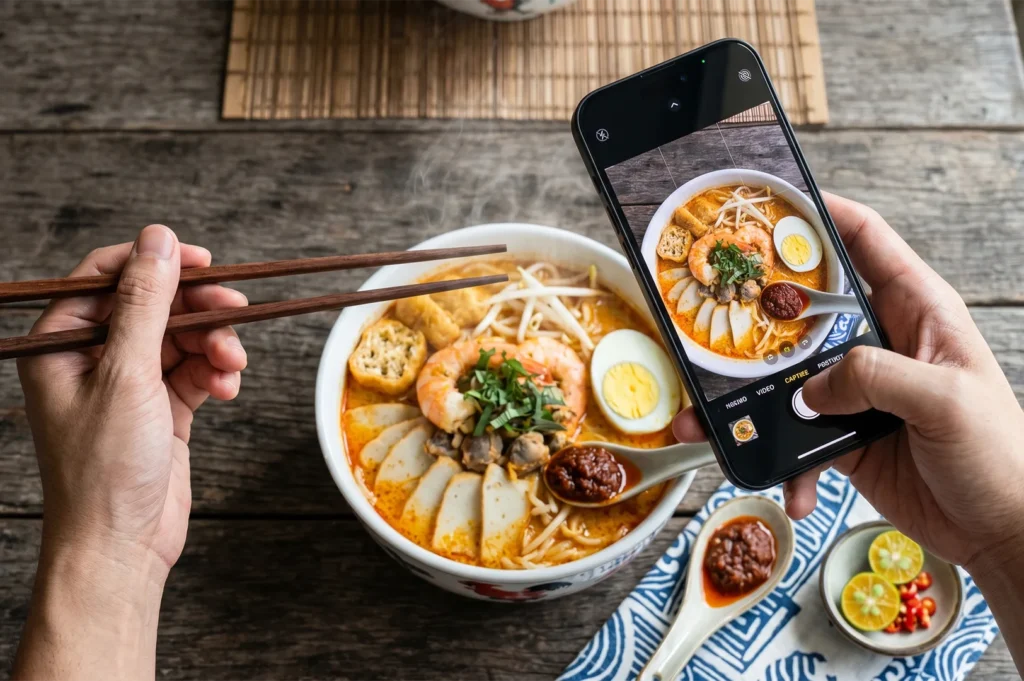
In our first, would probably say, emotional editorial, I would like to open with how there is a particular kind of silence that happens before a dish is eaten now. Not the quiet of anticipation, but the pause of positioning, a hand hovering just above the plate, adjusting the angle of a bowl so the light catches the surface just right. Somewhere between the kitchen and the first bite, food has learned to wait.
I have been a food blogger for a while now, and this topic has a special place in my heart. Because we have watched this shift happen gradually. A bowl of noodles is no longer simply hot and immediate, it is framed. A slice of cake is no longer just soft and sweet, it is cut, rearranged, sometimes rebuilt for the photograph. In this space between aesthetic and appetite, the modern food blogger operates.
At its best, this attention to beauty does something meaningful. SG Food Blogger, and of course us here in Eat Drink Asia, believes that it slows us down and asks us to look closely, to notice the sheen of a sauce or the uneven edges of something handmade. These details carry memory, especially in dishes shaped by long-standing recipes and quiet traditions. In these moments, the visual becomes a form of respect.
But there is a quiet tension underneath. What is being preserved is often not the food itself, but a version of it, styled and adjusted before it is shared. The dish that is eventually eaten is no longer the same one that was captured. It has cooled, settled, and shifted, becoming something slightly removed from its original state.
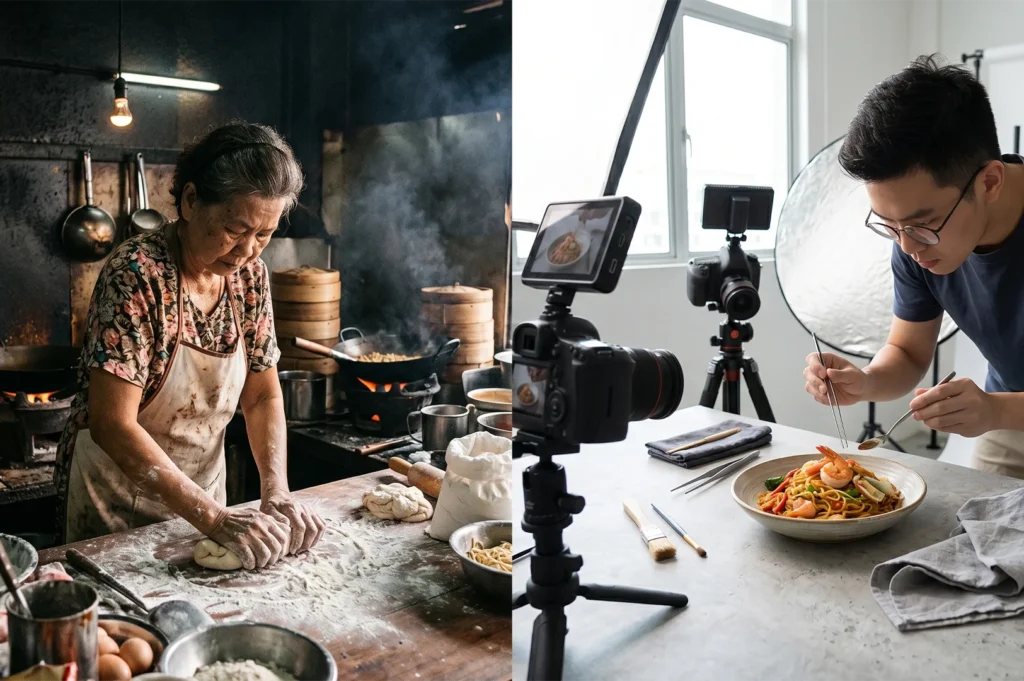
And in that shift, appetite becomes secondary. Food in hawker stalls, family kitchens, and small specialty spaces was never meant to wait. It was built on timing, on being eaten at the exact moment it reaches its peak. To delay that moment is to change the experience.
Yet documentation has also become a form of preservation. Many dishes today are fragile not in texture, but in continuity. Recipes are simplified, techniques forgotten, and entire food traditions begin to fade as the people behind them grow older. In this sense, the camera becomes a tool of memory.
But memory, shaped by aesthetic expectation, begins to change. Colours are adjusted, portions curated, complexity reduced into something more visually clear. A layered dish becomes a clean image, easier to understand but further from how it truly exists.
We see this most clearly in how recipes travel. Traditional preparations are reworked into quicker, simpler versions. Adaptation is not new, it has always been part of how food survives. But there is a point where reduction begins to remove what made the dish whole.
Some food bloggers resist this pressure. They allow dishes to remain slightly uneven, imperfect, and real. Their work feels closer to the act of eating, less controlled but more honest. They remind us that food is not meant to stay still, but to move and be consumed.
Perhaps the balance lies here. Not in rejecting beauty, but in placing it beside appetite rather than ahead of it. A dish is not complete when it is photographed, but when it is eaten. If we are to preserve food meaningfully, we must remember that the recipe is not the image, and the specialty is not the styling. The experience, always, comes after.

Banana Leaf Steam: Why Some Rice Smells Like Home
Eda Wong | July 10, 2026
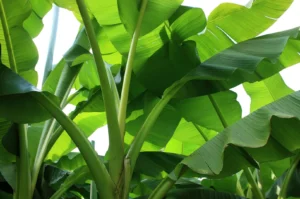
Steam rises from the pot, and a woman lifts a banana leaf over the open flame, turning it once, twice, until its stiff green softens and the surface goes glossy and pliant. She wipes it down with a damp cloth, then spoons hot rice into its center while the grains still steam. The leaf releases…
-
Tambuah Mas Paragon, Delivered: Unique Food Delivery Singapore With Old-School Comfort
Eda Wong | July 9, 2026
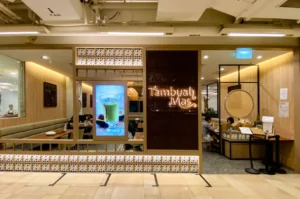
I ordered from Tambuah Mas on a rainy Sunday at around 6:15pm, mostly because I wasn’t in the mood to dress up and head into town, but I still wanted a proper meal. Not a sad one-bowl lunch. A real spread. That’s the thing about Tambuah Mas. It’s been around since 1981, serving Indonesian home-style…
-
Toasted Rice Powder: The Dust That Makes Larb Sing
Dio Asahi | July 8, 2026
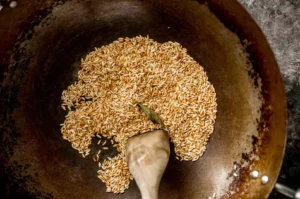
A wok sits over a low flame, and a handful of raw sticky rice slides across its dry surface. No oil, no water—nothing but heat and patience. The grains pale, then blush amber, then deepen toward the color of weak tea. Someone shakes the pan in a slow, even rhythm, listening as much as watching….
-
Ordering Lunch From Co Hai Banh Mi, and Finding Out the Definition of Good Food Delivery
Dio Asahi | July 7, 2026
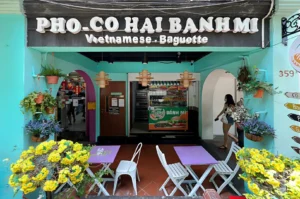
I ordered lunch from Co Hai Banh Mi & Phở Vietnamese Restaurant on a Thursday at 12:08pm, which is probably the worst and most honest time to test delivery food. It was raining lightly, the kind of Singapore lunch rain that makes every rider slower and every office worker hungrier. I had been thinking about…

Orchard Plaza Food: Hidden Japanese Restaurants and Local Eats Near Somerset
Eat Drink Asia Team | July 4, 2026
Orchard Plaza is one of those buildings we kept walking past before we properly understood it. From the street, it looks more like an office block than a dinner plan. But over repeated visits, usually after work or during odd lunch windows, we’ve found that the real charm sits behind lift doors, quiet corridors, and…
-
Salted Egg, Properly Treated: Sauce, Not Shortcut
Eda Wong | July 3, 2026
By Eda Wong for Eat Drink Asia. The wok station is already hot when the cook lowers the flame. In the narrow back of a Singapore zi char kitchen, the air smells of butter, curry leaves, and the faint mineral edge of salted duck egg. A metal spatula presses cooked yolks through oil until they…
-
Fish Sauce at the Table: The Quiet Work of Fish Sauce
Dio Asahi | July 1, 2026
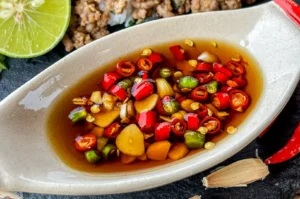
At a narrow lunch table in Bangkok, the bottle arrives before the rice has stopped steaming. It is clear glass, refilled many times, its plastic cap slightly stained from years of fingers and heat. Beside it sits a small bowl of sliced chillies floating in amber liquid, the cut edges pale and sharp. Someone nudges…
-
Eat 3 Bowls Bendemeer Review: A Taiwanese Comfort Food That Delivers
Eda Wong | June 30, 2026
I ordered Eat 3 Bowls @ Bendemeer on a Thursday at about 11:45am, which is my favourite test window for delivery food. It’s close enough to lunch for the kitchen to be in rhythm, but not so late that every rider in the neighbourhood is already fighting the office crowd. By 12:25pm, the bag was…
-
ABC Hokkien Mee After Renovation: What to Expect When the Woks Return
Dio Asahi | June 27, 2026
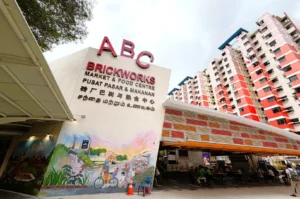
When I first walked past a hawker centre undergoing major renovations, the absolute silence unsettled me. The usual rhythmic scrape of metal spatulas against cast-iron woks was gone, replaced by the hum of construction. It made me realise just how much our culinary journeys are tied to the physical spaces we eat in. Right now,…
-
Claypot Rice Crusts: Listening for the First Crackle
Eda Wong | June 26, 2026
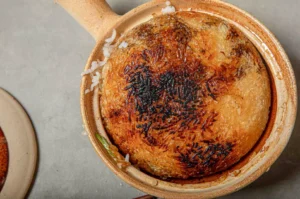
The narrow alleyway in Yau Ma Tei smells of charcoal and dark soy sauce, a thick coastal humidity pressing against the glow of the stoves. An elderly cook stands before a row of blackened sand-clay pots, a long metal tong in his right hand. He does not watch the flames; he listens to them. There…