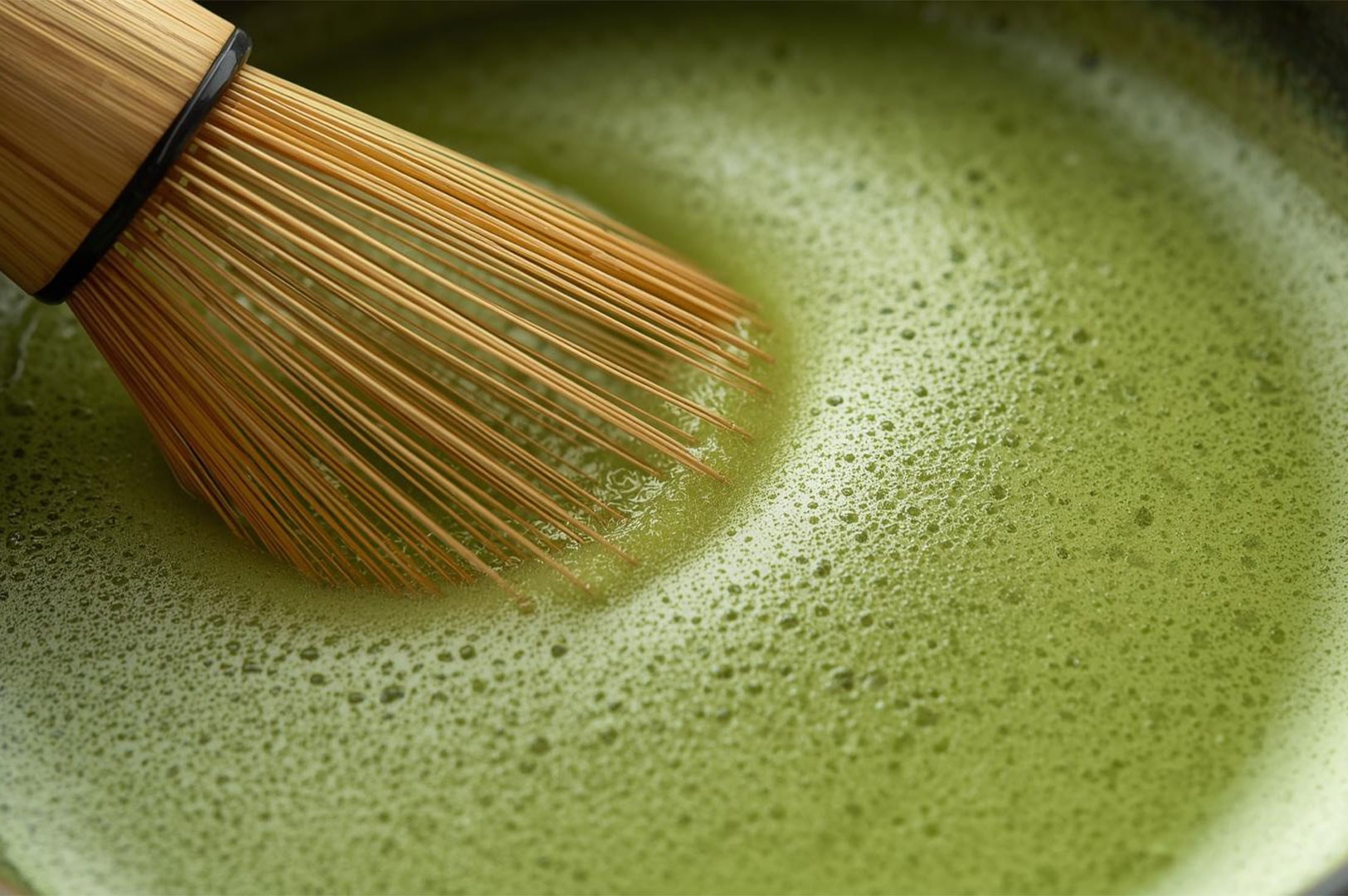
On a misty April morning in Kyoto, I knelt on tatami in a small tea room outside Uji, Japan. The host, dressed in kimono, moved with quiet skill as she scooped matcha powder into a ceramic bowl. The air was filled with the aroma of aged wood mixed with the grassy scent of high quality green tea. When the bamboo whisk began to move, the whisking sound was meditative, and soon a deep emerald bowl of matcha was presented.
Calling it simply “green tea” does not do it justice. The vibrant matcha was thick and velvety, savory with just a touch of sweetness, leaving a layered finish. This first sip captured what Japanese green tea from Japan truly means—rich history, centuries of cultivation, and a cultural ritual in every bowl.
Matcha is not simply a beverage; it is an essential part of Japanese tea culture. It is crafted by skilled hands using time-tested techniques that bring together soil, shade, water, and patience to create the world’s most iconic Japanese tea.
Building on the deep cultural appreciation found in Japanese tea traditions, the Shokunin spirit, Japan’s craftsman philosophy, also thrives beyond tea, exemplified by Sushi Masa by Ki setsu, Singapore’s most disciplined omakase counter.
From Leaf to Matcha Powder: The Art of Japanese Tea
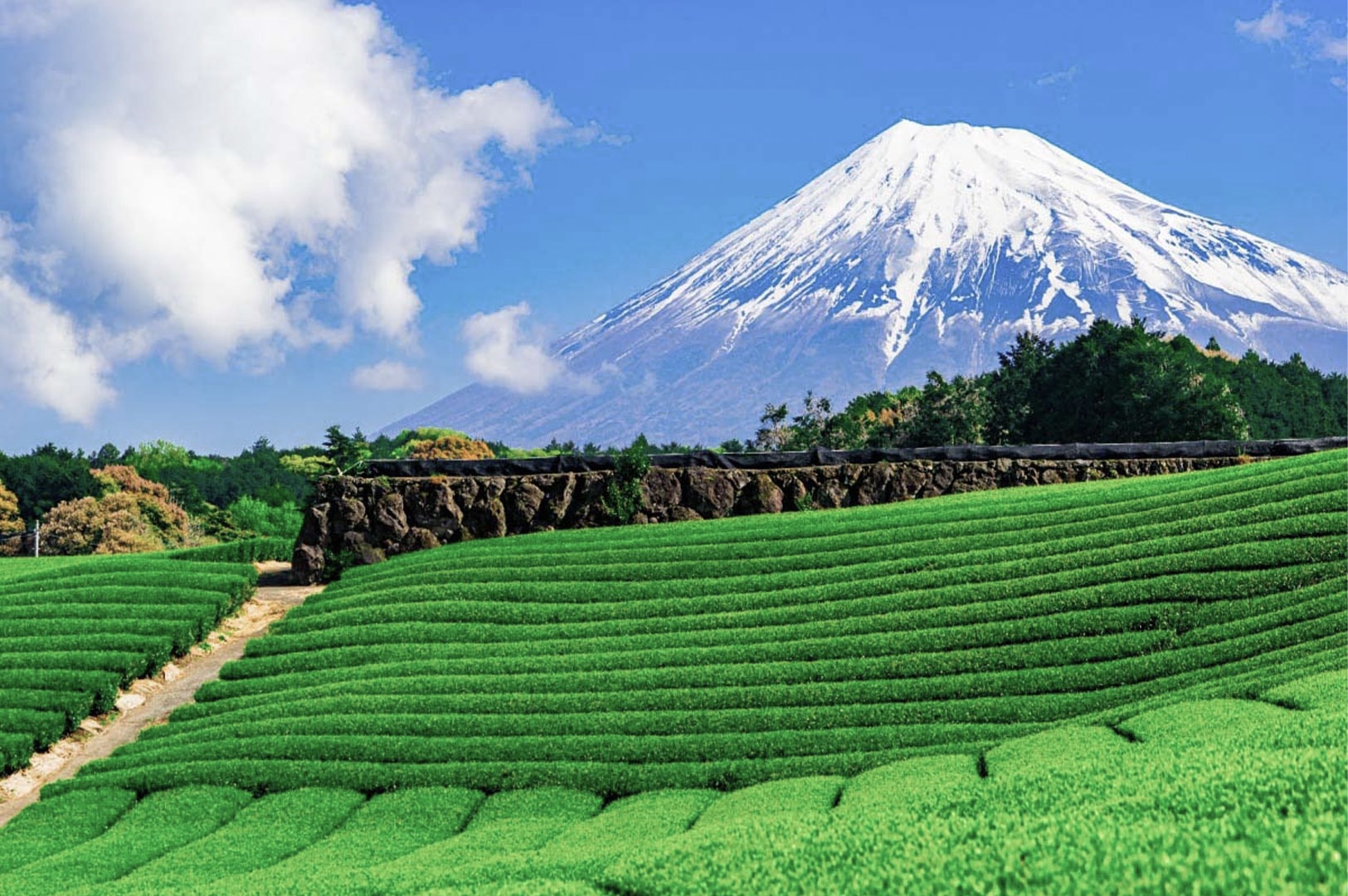
To understand matcha, you travel not just to the teahouse but back to the quiet hills where Japanese tea is grown. In regions like Uji and Nishio, tea plants are cultivated under shade for several weeks before harvest. This process, unique to Japanese green tea, deepens color and boosts L-theanine, creating matcha’s signature umami and gentle sweetness.
Only the youngest leaves and buds are handpicked at harvest, ensuring the best quality. Immediately, leaves are steamed—a step that preserves the vivid color and locks in that fresh, grassy flavor. Japanese green tea has a high concentration of catechins and L-theanine due to immediate steaming after harvest, which halts oxidation. Unlike Chinese pan-fired greens, Japanese teas like matcha keep those “green” notes, offering a taste and aroma that’s both rich and refreshing.
The leaves are then refined into tencha before being stone-milled into the talc-fine powder we call matcha. This slow process helps maintain nutrients and the natural flavors that make matcha so prized. Only Japanese green tea products with this careful process deliver the unique taste and aroma expected by tea lovers around the world.
For the best experience, brew Japanese green tea using cooler water (around 175°F/80°C) and steep for just 2-3 minutes. This method avoids bitterness and preserves the beneficial compounds found in authentic Japanese green tea from Japan.
The Umami Experience: Matcha’s Signature Taste
My first taste of Japanese matcha offered a layered experience—umami-rich, creamy, with a subtle sweetness and a hint of pleasant bitterness. The process of shading, steaming, and stone-milling all serve to heighten these natural flavors and preserve nutrients.
Drinking matcha means consuming the whole leaf, maximizing the health benefits and deepening the umami and shibumi flavors. Each style of Japanese green tea, from genmaicha to matcha and sencha, reveals different notes and health benefits.
Sencha, the most popular Japanese tea, is grown in full sunlight and has a brighter, more astringent taste. Genmaicha, on the other hand, is a blend of green tea and roasted brown rice, known for its warm and savory aroma. Fukamushicha is a deep-steamed sencha with a darker brew and a richer flavor profile.
Among the variety of Japanese green teas from Japan, Houjicha stands out as a roasted green tea with a unique toasty flavor and lower caffeine content, while Bancha, harvested later in the season, is more robust than sencha and is often served after meals.
The Japanese Tea Ceremony: Matcha at Cultural Center Stage
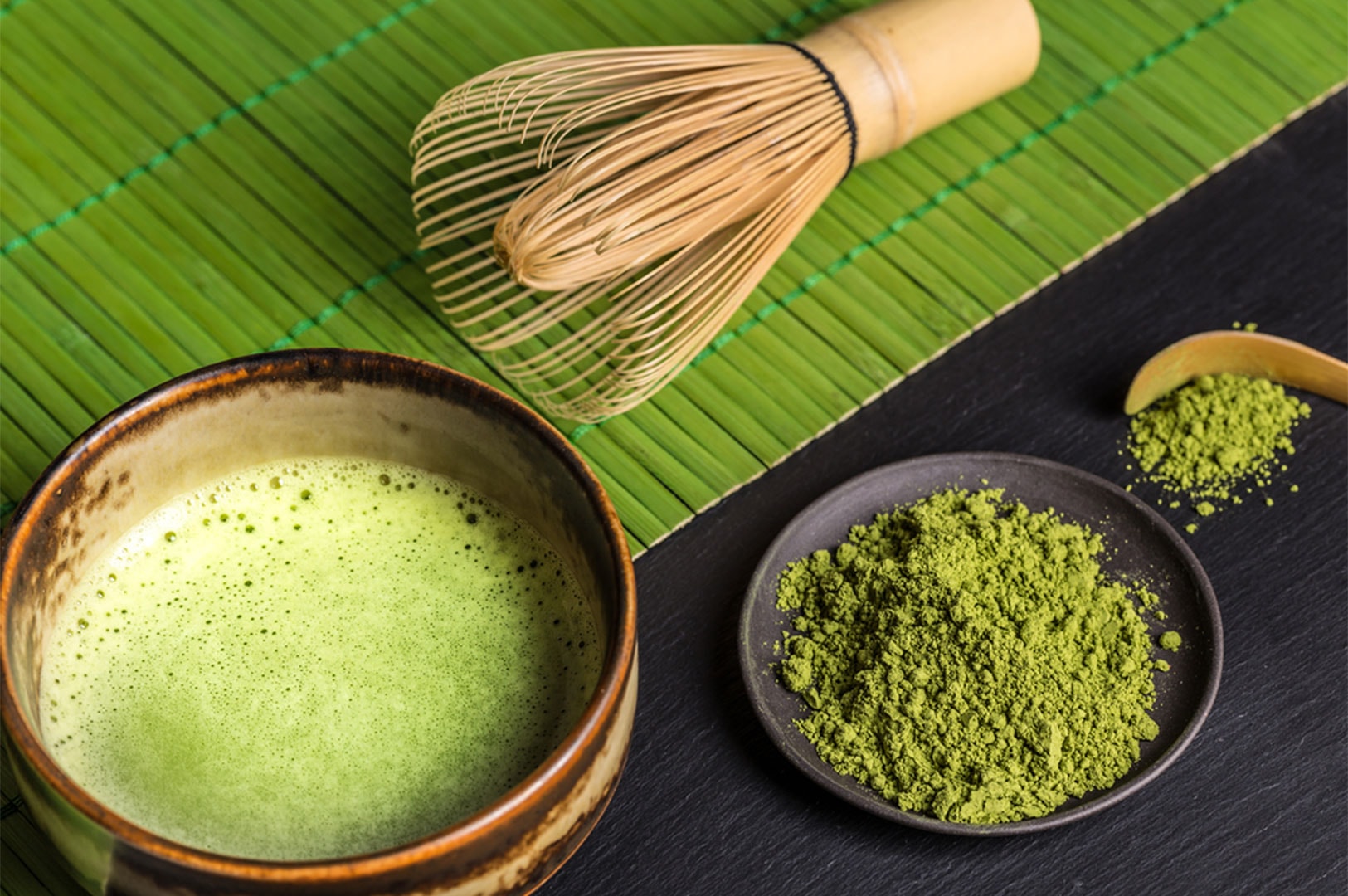
Matcha arrived in Japan with Zen Buddhist monks and evolved into the heart of the Japanese tea ceremony, or chanoyu. Here, the preparation of matcha is both art and meditation. The host purifies the utensils—tea bowl, chasen whisk, chashaku scoop—then whisks matcha powder into hot water, creating a bowl of vibrant green with rich umami.
The traditional Japanese tea ceremony is guided by harmony (wa), respect (kei), purity (sei), and tranquility (jaku). Guests savor a bowl of Japanese green tea in a calm, minimalist setting. Every element, from the choice of flowers to the handling of utensils, reflects Japanese tea culture and centuries-old philosophies.
For many Japanese people, both ancient and modern, the tea ceremony is an active tradition—a chance to step away from everyday speed, focus on the present, and enjoy the natural flavors of authentic Japanese tea. The value placed on ritual, purity, and community continues to make matcha central to Japanese tea culture and the broader appreciation of tea worldwide.
Matcha in Modern Japan: Beyond the Tea Room
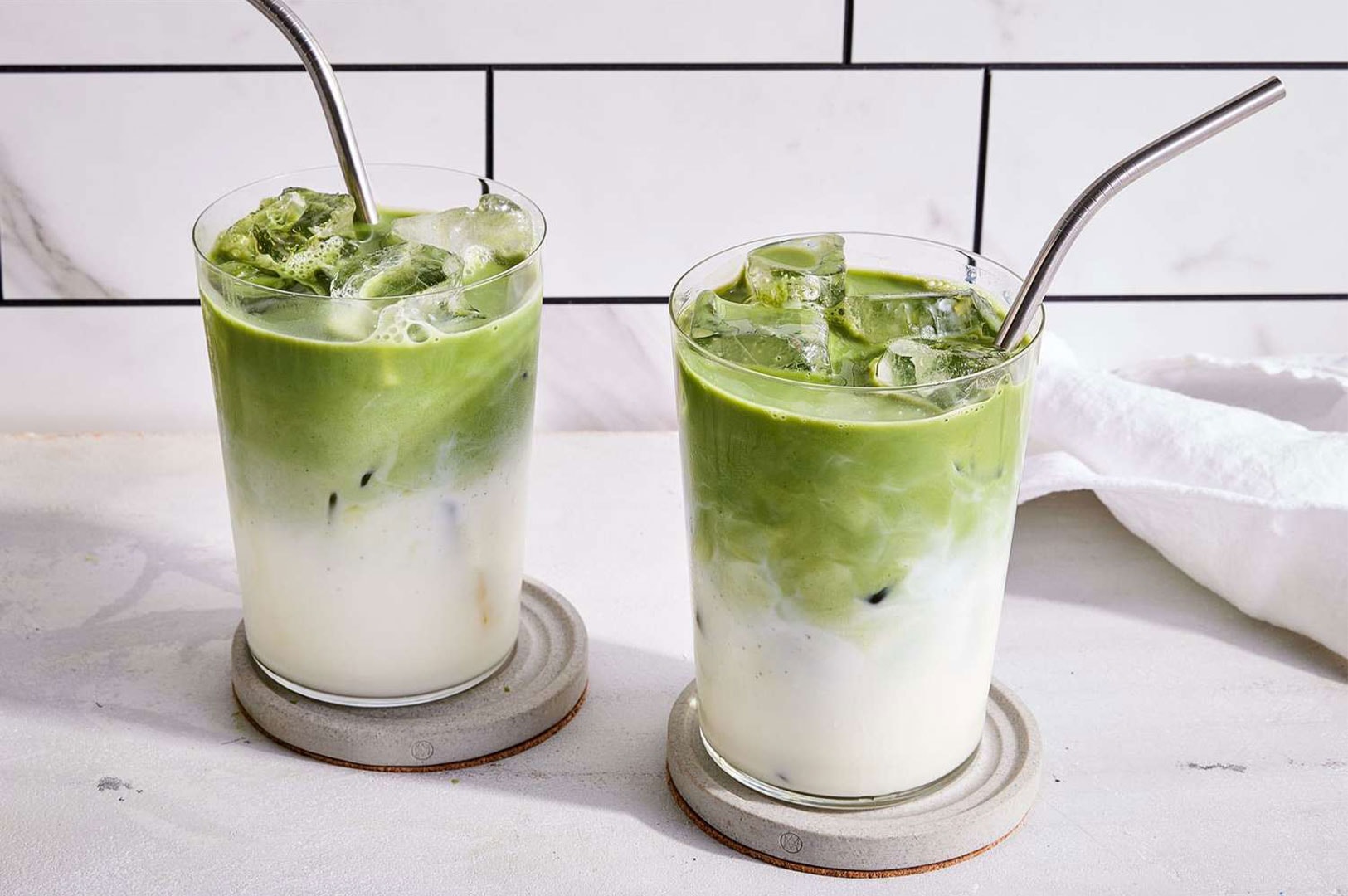
Today, matcha goes far beyond the tatami mat. You can find bottled matcha drinks in convenience stores, matcha lattes in trendy Tokyo cafés, and matcha snacks—like ice cream and Kit Kats—across Japan. Many modern Japanese shops regularly introduce new products, such as innovative matcha snacks and drinks, to keep up with trends. Some shops also offer matcha products on sale during special promotions, making it a great time to try limited-time deals. This versatility showcases matcha’s adaptability and enduring popularity.
Matcha is also central to many Japanese food experiences. It’s common during hanami dango celebrations, paired with wagashi sweets, or served with a meal of seasonal Japanese food. Modern Japanese tea culture welcomes everyone—from tea ceremony aficionados to first-time travelers seeking authentic food adventures in Japan.
Health Benefits and Quality: Why Japanese Green Tea Matters
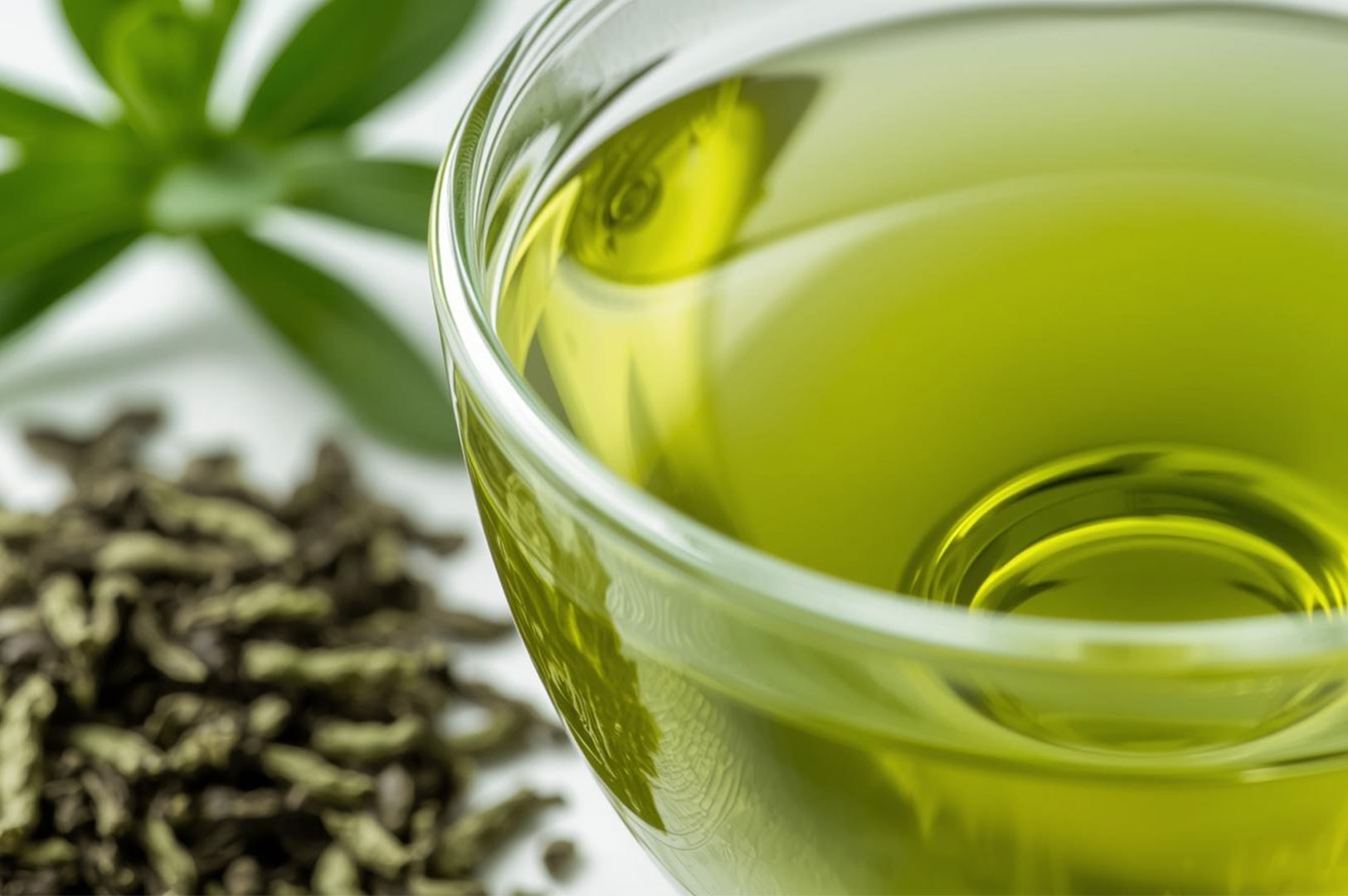
Western interest in matcha often centers on its impressive health benefits. Each cup is packed with antioxidants, metabolism boosters, and essential nutrients.
Catechins, particularly EGCG, contribute to lowering LDL cholesterol and improving blood pressure. Green tea’s antibacterial properties help prevent cavities and protect gums. Regular consumption has been linked to a reduced risk of certain cancers, including oral, breast, and prostate cancers, as well as type 2 diabetes.
Japanese green tea is rich in antioxidants like catechins, Theanine, vitamins, and minerals that strengthen immunity, support heart and brain health, aid weight loss, and improve dental hygiene. The combination of caffeine and Theanine enhances alertness and cognitive function while reducing anxiety.
Drinking 3 to 5 cups of Japanese green tea daily is associated with various health benefits, including better brain and heart health. Cold brewing this tea can further boost its immune-enhancing properties.
Japanese green tea is prized for its pure processing methods. When buying, customers often look for freshness, harvest date, and sourcing to get the most health benefits from their tea.
Enjoy Japanese Tea: The Enduring Appeal of Matcha
The lasting popularity of Japanese green tea, especially matcha, rests in its balance of taste, ritual, and health benefits. Whether you’re seeking a quiet moment with a cup of matcha at home or eager to explore Japanese food culture through travel, cooking classes, or a visit to a Kyoto tea room, matcha always offers a deeper experience. Its unique aroma, flavor, and ability to foster mindfulness make it beloved by generations in Japan and around the world.
Customers consistently express their love for Japanese green tea from Japan, praising its unique qualities and the memorable experience it provides. Their satisfaction and loyalty highlight the enduring appeal of this cherished beverage.
Japanese green tea is more than a drink; it’s a deep connection to history, wellness, and an artful way of living—one beautiful bowl at a time.
For a deeper dive into Japanese food culture—including ramen, sushi, sake, and more—Eat Drink Asia is a perfect starting point to learn how Japanese green tea, matcha, and other specialties connect within this vibrant cuisine.

Shinjuku Restaurant, Where Cuppage Plaza Keeps Japanese Comfort Food Uncomplicated
Dio Asahi | October 27, 2026
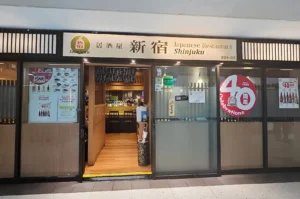
I almost walked past Shinjuku Restaurant. That is easy to do in Cuppage Plaza. Step away from the polish of Orchard Road and the building feels older, quieter, and much less interested in catching your attention. Shinjuku sits on the ground floor at 5 Koek Road, behind a frontage that gives little away about the…
-
Prawn Mee in Singapore: Bowls Where the Broth Tastes Like Time
Eda Wong | October 24, 2026
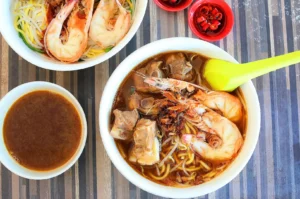
I do not remember the first bowl of prawn mee I ever ate. But I remember the smell: that deep, roasted-shell darkness that fills a coffee shop before you have even sat down. My grandfather used to say you could tell a good prawn noodle stall from the doorway, just by breathing. Over the years,…
-
How to Make Dashimaki Tamago, the Japanese Rolled Omelette That Tastes Like Broth
Eat Drink Asia Team | October 22, 2026
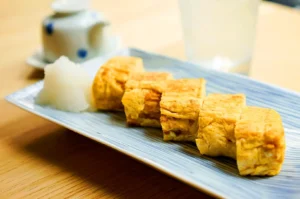
Dashimaki tamago is one of those dishes that looks quieter than it is. At first glance, it is just a rolled egg. Pale, soft, sliced neatly, often served beside steamed rice, miso soup, and grated daikon radish. But once you make it, you realise it is not really about eggs alone. It is about how…
-
The Lunch Hour Slows Down at Gochi-So Shokudo
Dio Asahi | October 21, 2026
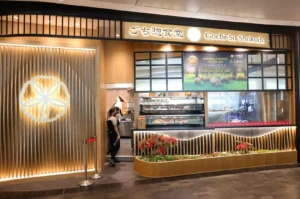
By Dio Asahi for Eat Drink Asia. It’s just past noon, and the lifts keep opening. Suits spill out, lanyards swinging, phones already halfway to their ears. But inside Gochi-So Shokudo, tucked into One Raffles Place, something else is happening. People are sitting down. Actually sitting. Chopsticks lifting, shoulders dropping a little, the room warm…
-
Kintamani Singapore Review: Can an All-You-Can-Eat Buffet Still Taste Like Indonesia?
Dio Asahi | October 20, 2026
I walked into Kintamani Singapore with one question in mind. Buffets ask food to wait. Rendang, sambal, grilled meats, and fried seafood all sit under heat while diners circle the spread. That is not necessarily kind to Indonesian dishes built around texture, reduction, chilli, coconut, and freshly cooked aromatics. So I was less interested in…

Pagi Sore Indonesian Restaurant Est 1989 Review: A Second-Generation Kitchen That Still Knows Its Own Voice
Eda Wong | October 17, 2026
The first thing I noticed at Pagi Sore Indonesian Restaurant was the smell. Not the sharp, showy kind. Something slower: coconut milk, lemongrass, chilli, fried egg, and the deep warmth of spice paste drifting out from a wood-heavy dining room while Far East Square kept moving outside. I walked over on a Wednesday evening, just…
-
Best Fish Soup in Singapore: Bowls Where the Broth Is the Whole Point
Eat Drink Asia Team | October 15, 2026
I don’t remember when fish soup became my quiet meal. It just did. On days when I couldn’t decide what I wanted, when the weather turned grey, when I needed something warm that asked nothing of me, I’d end up hunched over a bowl, breathing in the steam before the first spoonful. I’ve eaten a…
-
The Clay Stove Heat Beneath a Lao Grilled River Fish
Eda Wong | October 14, 2026
By Eda Wong for Eat Drink Asia It’s late afternoon, and the river is the colour of weak tea. A woman crouches beside a small clay stove at the edge of the bank, feeding it slivers of charcoal. Smoke lifts, thin and grey, and drifts toward the water. On a bamboo skewer, a whole fish…
-
The National Dish of Indonesia Is Not One Plate: Why a Country of Islands Needs Many Icons
Dio Asahi | October 13, 2026
The first time someone asked me for the national dish of Indonesia, I answered nasi goreng without thinking. It seemed obvious: fried rice darkened with kecap manis, often topped with a fried egg, familiar from warungs and late-night street food stalls. That answer is not wrong. It is simply too small. Indonesian food is regional,…
-
Sapporo in a Bowl: Soup Curry by Ki-setsu Comes to Singapore
Eda Wong | October 12, 2026
Ask most Singaporeans to picture Japanese curry and a familiar image probably comes to mind: a plate of rice beneath thick brown gravy, perhaps with a breaded cutlet sliced neatly across the top. It is rich, sweet-edged, comforting and, by now, almost as recognisable as ramen or donburi. Head to the fourth floor of Fortune…